ለእንግዶች አቅርቦት ሰንሰለቶች ዘላቂ ምርጫዎችን ማሰስ።
The hospitality sector stands at a pivotal juncture, grappling with mounting pressure to address its environmental footprint while simultaneously enhancing guest satisfaction. Single-use plastics, particularly drinking straws, represent a significant challenge. The food and beverage (F&B) sectors in America alone discard an estimated 170 to 390 million plastic straws daily, contributing substantially to ocean and landfill waste. This issue is no longer just an environmental talking point; it’s a high-stakes operational and commercial challenge demanding strategic action from procurement managers and operations directors.
ይህንን ፈረቃን ችላ ማለት ከፍተኛ የስራ እና የንግድ ተጽእኖዎችን ያመጣል። እ.ኤ.አ. ከ2021 ጀምሮ በአውሮፓ ህብረት ነጠላ አጠቃቀም ፕላስቲኮች መመሪያ የተገለፀው እና እንደ ኒውዮርክ ሲቲ ባሉ ዋና ዋና የአሜሪካ ከተሞች ላይ ቅጣቶች ከህዳር 2022 ጀምሮ መጣሉ የሚሻሻል ህግ ወደ ዘላቂ አማራጮች ወሳኝ እርምጃ እንዲወስድ ያዛል። ከመታዘዝ ባለፈ፣ የሸማቾች ስሜት ኃይለኛ አሽከርካሪ ነው፡ ከ70% በላይ ሸማቾች ለኢኮ-ተስማሚ ልማዶች ቁርጠኛ የሆኑ የንግድ ሥራዎችን ይመርጣሉ፣ የምርት ስም ታማኝነትን በቀጥታ ይነካል። እንደ ማሪዮት፣ ሒልተን እና ሃያት ያሉ የኢንዱስትሪ መሪዎች በ2018 እና 2019 መካከል የፕላስቲክ ገለባዎችን በንቃት አስወግደዋል፣ ይህም አዲስ የማይካድ ደረጃ ለዘላቂ ስራዎች እና ተወዳዳሪ ጥቅም አወጡ።ሆቴሎች ደንቦችን እና የሸማቾችን ፍላጎት ለማሟላት የፕላስቲክ ገለባ ቆሻሻን በስትራቴጂያዊ መፍትሄ መስጠት አለባቸው, ይህም የውድድር ተጠቃሚነትን ያረጋግጣል.
በጅምላ ኮምፖስታሊብል ገለባ ግዥ ውስጥ “ኮምፖስትብል” እና “ባዮዲግራዳዳድ”
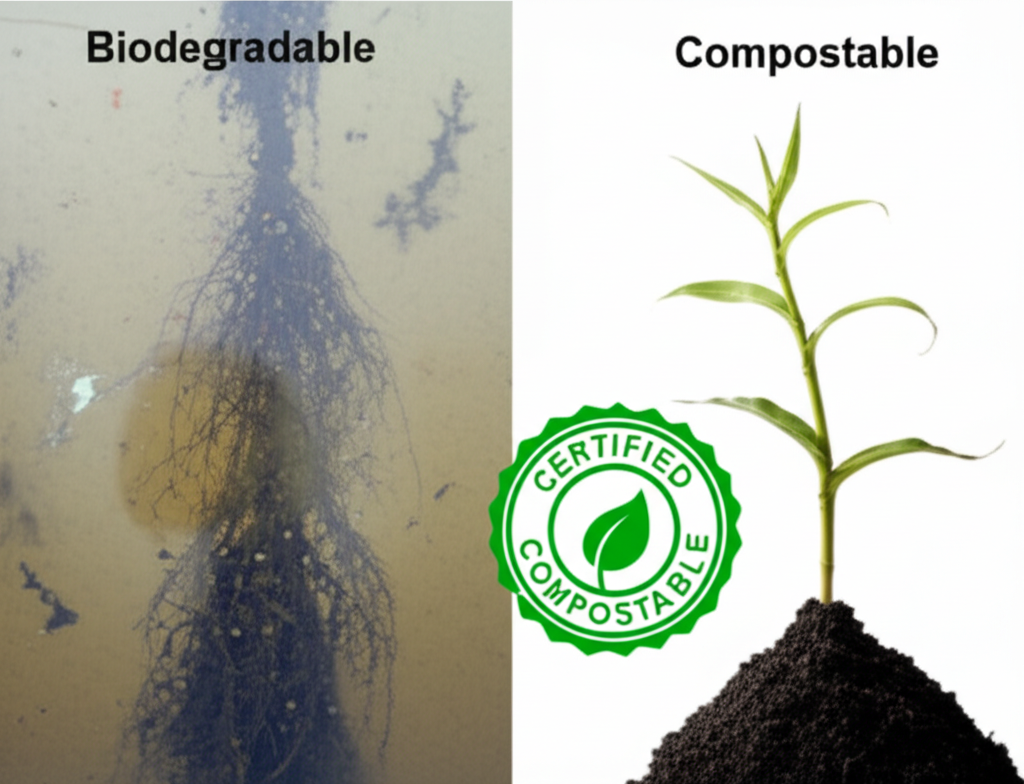
ለሆቴል ገዢዎች በዘላቂው የገለባ ገበያ ውስጥ ያለውን ትክክለኛ የቃላት አገባብ መረዳቱ “አረንጓዴ ማጠብን” ለማስቀረት እና እውነተኛ የአካባቢ ተፅእኖን ለማረጋገጥ በጣም አስፈላጊ ነው። “ባዮዲግራዳዳድ” እና “ማዳበሪያ” የሚሉት ቃላት ብዙ ጊዜ በተለዋዋጭነት ጥቅም ላይ ይውላሉ፣ነገር ግን ፍቺያቸው እና በቆሻሻ አያያዝ ላይ ያለው አንድምታ በጣም የተለያየ ነው።
ከ‹‹biodegradableable›› የይገባኛል ጥያቄዎች ባሻገር፡-
“ባዮዲደርዳድ” የሚል ምልክት የተደረገበት ምርት በመጨረሻ ይሰበራል፣ ነገር ግን ብዙ ጊዜ ግልጽ ባልሆኑ ወይም ሊደረስ በማይቻል ሁኔታዎች ውስጥ እንደሚወድቅ ያሳያል። እንደነዚህ ያሉት ቁሳቁሶች ለመበስበስ አሥርተ ዓመታት አልፎ ተርፎም መቶ ዓመታት ሊፈጅ ይችላል እና አሁንም ጎጂ የሆኑ ማይክሮፕላስቲክ ቅሪቶችን ሊተዉ ይችላሉ, በአካባቢው እንደ ብክለት ይቆያሉ. ይህ አሻሚነት "ባዮዲዳዳዴድ" ለትክክለኛ የአካባቢ ጥቅም አስተማማኝ አመልካች ያደርገዋል.
እውነተኛ “ኮምፖስታሊቲ”ን መረዳት፡-
In contrast, “compostable” carries a rigorous, verifiable standard. A truly compostable product guarantees complete decomposition into nutrient-rich compost, carbon dioxide, and water within a defined timeframe, typically 90 to 180 days, under controlled, high-temperature industrial composting conditions. Crucially, it leaves no toxic residues behind. For a deeper dive into these distinctions, explore our B2B guide on compostable vs. biodegradable straws.
The Critical Role of Certification:
እውነተኛ ብስባሽነትን ለማረጋገጥ እና አሳሳች የይገባኛል ጥያቄዎችን ለመከላከል፣ ታዋቂ ከሆኑ የሶስተኛ ወገን የምስክር ወረቀቶች ጋር ምርቶችን ቅድሚያ ይስጡ። ቁልፍ መመዘኛዎች በዩናይትድ ስቴትስ ASTM D6400 እና በአውሮፓ EN 13432 ያካትታሉ። እንደ Biodegradable Products Institute (BPI) ወይም TÜV ኦስትሪያ እሺ ኮምፖስት ካሉ አካላት የተገኙ የምስክር ወረቀቶች ምርቶች እነዚህን ጥብቅ ሳይንሳዊ መስፈርቶች የሚያሟሉ መሆናቸውን ያረጋግጣል። በተጨማሪም ከጃንዋሪ 2020 ጀምሮ BPI የተመሰከረላቸው ምርቶች ከ PFAS ነፃ መሆን አለባቸው፣ ይህም ከፍተኛ የአካባቢ እና የጤና አደጋዎችን የሚያስከትሉ “ለዘላለም ኬሚካሎችን” በማስወገድ ነው። ሆቴሎች ይህንን ግልጽነት እና የተረጋገጠ ማረጋገጫ ማቅረብ የሚችሉ አቅራቢዎችን በንቃት መፈለግ አለባቸው።Hotels must prioritize certified compostable, PFAS-free straws to avoid greenwashing and ensure genuine environmental impact.

Key Material Options for Bulk Compostable Straw Procurement: A Comparative Guide for Hotels
የማዳበሪያ ገለባ ገበያው የተለያዩ የቁሳቁስ አማራጮችን ያቀርባል፣ እያንዳንዳቸው የተለየ የአፈጻጸም ባህሪያት፣ ለተለያዩ መጠጦች ተስማሚነት እና የማስወገጃ መስፈርቶች አሏቸው። የሆቴል ገዢዎች እነዚህን አማራጮች ከተለዩ የአሠራር ፍላጎቶቻቸው፣ ከእንግዶች ልምዳቸው ከሚጠበቁት፣ እና ከአካባቢ ቆሻሻ አያያዝ መሠረተ ልማት አንጻር መገምገም አለባቸው።
- PAS (ፖሊዮትሮክሮክሮክኪንግ) አውታ Derived from plant-based oils, PHA straws offer a feel and durability akin to traditional plastic, resisting sogginess effectively. They maintain integrity in temperatures up to 212°F (100°C), making them suitable for both hot and cold beverages. Critically, PHA straws are certified home compostable (decomposing in approximately 1 year) and marine degradable (breaking down in 4-8 months), without producing microplastics. They are often BPI certified and have been adopted by major F&B companies like First Watch and HMSHost, highlighting their reliability for high-volume operations.
- የሸንኮራ አገዳ (ባጋሴ) ገለባ; ከሸንኮራ አገዳ ጭማቂ ማውጣት ፋይበር ተረፈ ምርት የተሰራው የባጋዝ ገለባ በሚያስደንቅ ሁኔታ ጠንካራ እና ዘላቂ ናቸው። እስከ 24 ሰአታት ድረስ መጨናነቅን ይከላከላሉ እና እስከ 220°F (100°C) የሙቀት መጠን ይታገሳሉ፣ ይህም ሙቅ መጠጦችን እና ወፍራም ለስላሳ መጠጦችን ጨምሮ ለተለያዩ መጠጦች ሁለገብ ያደርጋቸዋል። እነዚህ ገለባዎች ለቤት እና ለኢንዱስትሪ ማዳበሪያ (ለምሳሌ በ 12 ሳምንታት ውስጥ 70% መበስበስን ማሳካት) እና በተደጋጋሚ በ EN 13432 የተመሰከረላቸው ናቸው። ብዙዎቹ ደግሞ ከPFAS-ነጻ ዋስትና ተሰጥቷቸዋል፣ ይህም አስተማማኝ እና በጣም ተግባራዊ አማራጭ ነው።
- Wheat & Reed Straws: በተፈጥሮ ከስንዴ ወይም ከሸምበቆ እፅዋት ግንድ የተገኙ እነዚህ ገለባዎች በተፈጥሯቸው በሙቅ እና በቀዝቃዛ መጠጦች ውስጥ ጠንካራ እና ሙሉ በሙሉ ከግሉተን የፀዱ ናቸው (ከግንዱ እንጂ ከእህል አይወጡም)። በሁለቱም በመሬት እና በባህር አከባቢዎች 100% ብስባሽ እና ባዮዲዳዳዴድ ናቸው. እንደ HAY ያሉ ብራንዶች! ገለባ BPI የተረጋገጠ ሲሆን በማዳበሪያ ፋሲሊቲዎች ውስጥ ለ 42 ቀናት ብቻ የመበስበስ ጊዜ ሪፖርት የተደረገ እና በUSDA BioPreferred ፕሮግራም የታወቀ ነው። የእነሱ ውበት ያለው ውበት የሆቴሉን ስነ-ምህዳር-ግንኙነት ብራንዲንግ ሊያሻሽል ይችላል።
- የወረቀት ጭነት ምንም እንኳን ወጪ ቆጣቢ ቢሆንም፣ ቀደምት ትውልዶች የወረቀት ገለባ በፍጥነት ስለረዘሙ ትችት ገጥሟቸዋል። ይሁን እንጂ ዘመናዊ ፈጠራዎች, ባለ ብዙ ሽፋን ግንባታ እና ተክሎች-ተኮር ሽፋኖችን ጨምሮ, ጥንካሬን በእጅጉ አሻሽለዋል, ይህም አንዳንድ ስሪቶች በቀዝቃዛ መጠጦች ውስጥ ከ2-4 ሰዓታት እንዲቆዩ ያስችላቸዋል. በማዳበሪያ አካባቢዎች (ከ2-6 ሳምንታት) በፍጥነት ይበሰብሳሉ. ለሆቴል ገዢዎች አሳሳቢው ጉዳይ ግን እስከ 90% የሚደርሱ አንዳንድ የወረቀት ገለባ ብራንዶች PFAS “ለዘላለም ኬሚካሎች” እንደያዙ መገኘታቸው ነው። ከPFAS-ነጻ አማራጮችን ማግኘት ለእውነተኛ ዘላቂነት እና ለእንግዶች ደህንነት አስፈላጊ ነው።
- ፕላዝ (ፖሊታይቲክ አሲድ) አውታ Made from fermented plant sugars (e.g., cornstarch), PLA straws closely resemble traditional plastic in look and feel. A key limitation is their requirement for specific high-temperature industrial composting facilities (56-60°C) for effective decomposition. They also deform above 113°F (45°C), restricting their use primarily to cold beverages. While innovative in their time, like the 8mm thick PLA straws implemented by Protea Hotels by Marriott in 2018 (composting in 9-12 weeks), their dependence on specialized infrastructure makes their practical compostability highly location-dependent.
| ባህሪይ | B2B የሥራ አፈፃፀም ተፅእኖ | የማስታወሻ ማስታወሻ | ሮይ አቅም |
|---|---|---|---|
| የቁስ ዓይነት | Varies durability (sogginess, hot/cold); aesthetic. | Certifications (BPI, EN 13432, PFAS-free) dictate true compostability. | Aligning with guest preference (78-80% prefer eco-friendly) increases loyalty. |
| ጠንካራነት | Influences guest experience, potential for complaints. | Poor performance can lead to greenwashing accusations if not truly functional. | Reduces re-issuing straws; enhances perception of quality and attention to detail. |
| ማረጋገጫዎች | Ensures product integrity and environmental claims. | Crucial for regulatory adherence (e.g., NYC fines for non-compliant materials). | Mitigates legal risks and potential fines; boosts market leadership and trust with eco-conscious consumers. |
| ወጪ | Higher upfront cost than plastic (2-5x more expensive). | Must adhere to local regulations to avoid waste disposal penalties. | Long-term savings from avoiding fines, reduced waste management costs, and increased brand value/guest loyalty. |
| Disposal | Requires dedicated bins, staff/guest education for sorting. | Industrial composting access is limited (only ~15% US facilities accept bioplastics). | Avoids landfill costs; enables circular economy practices; supports broader ESG goals. |
Hotels must select compostable straw materials based on performance, certifications, cost, and disposal infrastructure.
Critical Procurement Considerations for Bulk Compostable Straws
Procuring bulk compostable straws is more complex than simply swapping plastic for an alternative. It requires a strategic evaluation of regulatory landscapes, product performance, cost efficiencies, and supply chain reliability.
Certifications and Regulatory Compliance in Bulk Compostable Straw Procurement
Compliance is non-negotiable for hotels operating in regions with escalating plastic bans.
- የኢንዱስትሪ ደረጃዎችን ያረጋግጡ ሁሉም ምርቶች እንደ ASTM D6400 (US) እና EN 13432 (EU) ያሉ የታወቁ የማዳበሪያ ደረጃዎችን ማሟላታቸውን ያረጋግጡ። እነዚህ መመዘኛዎች የይገባኛል ጥያቄዎችን ለማዳበር ሳይንሳዊ መሰረት ይሰጣሉ።
- የሶስተኛ ወገን ማረጋገጫ ቅድሚያ ይስጡ፡ በተለይ እንደ ባዮዴራዳድ ምርቶች ኢንስቲትዩት (BPI) ወይም TÜV OK Compost ካሉ ገለልተኛ አካላት የምስክር ወረቀቶችን ይፈልጉ። የBPI የምስክር ወረቀት፣ ለምሳሌ፣ ምርቶች በተናጥል መሞከራቸውን እና የ ASTM መስፈርቶችን ለኢንዱስትሪ ማዳበሪያነት ማሟላታቸውን ያረጋግጣል። ስለ BPI የምስክር ወረቀት አስፈላጊነት ለበለጠ መረጃ የእኛን ያነጋግሩ በቢፒአይ ኮምፖስትብል እና በባዮዲድራድ ላይ መመሪያ.
- የግዴታ PFAS-ነጻ ምንጭ፡- በአንዳንድ እፅዋት ላይ በተመሰረቱ ገለባዎች ውስጥ የፐር እና ፖሊፍሎሮአልኪል ንጥረ ነገሮች (PFAS) ወይም “ዘላለም ኬሚካሎች” መኖራቸው በጣም አሳሳቢ ነው። ከጃንዋሪ 2020 ጀምሮ፣ BPI-የተመሰከረላቸው ምርቶች ከPFAS-ነጻ መሆን አለባቸው፣ይህም ወሳኝ መለኪያ ያደርገዋል። ከPFAS-ነጻ ምርቶችን ማግኘት የእንግዳ ጤናን፣ የአካባቢን ታማኝነት እና የምርት ስምዎን ይጠብቃል።
- የአካባቢ ደንቦችን ያክብሩ፡- የአካባቢ ደንቦችን በትኩረት ማክበር ወሳኝ ነው. ለምሳሌ የኒውዮርክ ከተማ የፕላስቲክ ገለባዎችን በተመሰከረላቸው ብስባሽ አማራጮች መተካት ባለመቻሉ የንግድ ድርጅቶችን መቀጣት የጀመረው በኖቬምበር 2022 ሲሆን ይህም አለማክበር ፈጣን የገንዘብ እና ህጋዊ አደጋዎችን ያሳያል። (ምንጭ፡ የኒውዮርክ ከተማ አስተዳደር)
አፈጻጸም፣ ዘላቂነት እና የእንግዳ ልምድ ከዘላቂ ገለባ ጋር
Guest satisfaction is paramount in hospitality, and soggy or unfunctional straws can undermine an otherwise positive experience.
- Combatting “Soggy Straw” Perceptions: Modern innovations in materials and manufacturing have largely addressed the “soggy straw” issue. Multi-ply paper straws and advanced materials like PHA now offer significantly improved durability, lasting hours in various liquids without compromising integrity.
- Ensuring Neutrality: Select eco-friendly straws that are flavor-neutral and scentless. This ensures the straw does not alter the intended taste or aroma of the beverage, preserving the guest’s sensory experience.
- Optimizing for Diverse Beverages: Consider the breadth of your beverage offerings. Different materials perform better with hot drinks, thick smoothies, or delicate cocktails. Verify that your chosen straw type is robust enough for your entire menu to ensure consistent guest satisfaction.
- Mimicking Traditional Feel: Some compostable straws, such as TORISE products, are specifically designed to feel and function similarly to traditional plastic, enhancing comfort and familiarity for guests and minimizing adoption friction.
Cost-Efficiency and Total Cost of Ownership (TCO) of Eco-Friendly Straws
While compostable straws may have a higher unit price than their plastic counterparts, a comprehensive Total Cost of Ownership (TCO) perspective reveals a more nuanced financial picture.
- Beyond Unit Price: While plastic straws might cost around $0.05 per piece, and some PLA straws around $0.24, evaluating TCO provides a more accurate financial assessment.
- Mitigating Hidden Costs: TCO includes avoiding potential regulatory fines, which can quickly outweigh initial savings on cheaper plastic. It also encompasses reduced waste management expenses due to proper composting and the invaluable, albeit harder-to-quantify, enhancement of guest satisfaction and brand reputation, which directly impacts repeat business and revenue.
- Leveraging Bulk Purchasing: Strategic bulk purchasing offers significant wholesale savings. Partnering with suppliers who offer flexible delivery solutions and predictable long-term contracts can further optimize procurement costs for large hotel groups.
Supply Chain Reliability and Storage for Bulk Compostable Straws
Ensuring a consistent and high-quality supply of compostable straws requires careful supply chain management.
- Vetting Suppliers: Partner with reputable suppliers who offer transparent information on material sourcing, manufacturing processes, certifications, and ethical practices. Conduct due diligence to ensure consistent quality and availability.
- Navigating MOQs and Logistics: Inquire about Minimum Order Quantities (MOQ) and lead times to prevent stockouts and ensure consistent supply for high-volume operations. Some suppliers may offer inventory storage and drop-shipping solutions for large accounts.
- Optimizing Storage Conditions: የማዳበሪያ ገለባዎችን ታማኝነት እና የመቆያ ህይወት ለመጠበቅ ትክክለኛ ማከማቻ ወሳኝ ነው። የPLA ገለባ፣ ለምሳሌ ለሙቀት እና ለእርጥበት ስሜታዊ ናቸው፣ በሐሳብ ደረጃ በ59-77°F (15-25°C) መካከል የተከማቸ ሲሆን ከ50% ባነሰ አንጻራዊ የእርጥበት መጠን መጨመር ወይም ያለጊዜው መበላሸትን ለመከላከል። እንደ ሩዝ እና የስንዴ ገለባ ያሉ የተፈጥሮ ቁሳቁሶች እንዲሁ ከመጠቀምዎ በፊት መቅረጽ ወይም መበስበስን ለመከላከል ደረቅ ሁኔታዎችን ይፈልጋሉ።
የማዳበሪያ ገለባ ስትራቴጂያዊ ግዥ የምስክር ወረቀቶችን፣ አፈጻጸምን፣ TCO እና የአቅርቦት ሰንሰለት አስተማማኝነትን መገምገም ይጠይቃል።

Implementing Bulk Compostable Straw Procurement: Best Practices & Operational Impact
ወደ ጅምላ ብስባሽ ገለባ የሚደረገው ሽግግር የግዢ ውሳኔ ብቻ ሳይሆን በሆቴል አከባቢዎች ውስጥ ጥንቃቄ የተሞላበት እቅድ ማውጣት እና አፈፃፀምን የሚፈልግ የአሠራር ለውጥ ነው።
- Educate Staff and Guests on Disposal: Successful composting relies on proper waste separation. Clearly label disposal bins for compostable items and educate both staff and guests on how to properly separate them from recycling or general waste. This minimizes contamination and ensures the environmental benefits are realized.
- Assess Local Composting Infrastructure: Research commercial composting facilities in your operating area. Many “compostable” straws, particularly PLA, require industrial composting facilities, which are only available in approximately 15% of U.S. facilities. If industrial composting is required but unavailable, these straws may unfortunately end up in landfills, negating their environmental purpose.
- Implement “Straw-on-Demand” Policies: Beyond material choice, reducing overall straw consumption is a powerful sustainability practice. Many hotels have successfully adopted “straw-on-demand” policies, offering straws only upon request. This can significantly reduce overall straw usage, associated costs, and further minimize environmental footprint.
- Mini Case Study: GreenParadise EcoResort (2024): In a compelling real-world application, GreenParadise EcoResort transitioned to compostable wrapped straws across its property in 2024. This initiative, part of a broader sustainability push, resulted in a reported 40% increase in guest satisfaction related to eco-initiatives and a 20% reduction in waste disposal costs within the first year, demonstrating tangible ROI and brand uplift.
- Comprehensive Waste Diversion: The transition to sustainable straws should be integrated into a hotel’s broader waste management strategy. Proper waste separation and diversion protocols for compostable straws can facilitate the composting of other organic waste generated within the hotel, driving a more holistic circular economy approach.
Effective implementation requires staff education, infrastructure assessment, “straw-on-demand” policies, and holistic waste diversion.

Future Outlook: Emerging Trends in Bulk Compostable Straw Procurement (2025-2035)
The trajectory of the compostable straw market over the next 5-10 years indicates rapid evolution, driven by material science breakthroughs, tightening global regulations, and an increasingly eco-conscious consumer base.
- Market Growth Acceleration: The global compostable straws market is projected for substantial expansion, growing from USD 1.9 billion in 2025 to USD 3.8 billion by 2035, exhibiting a Compound Annual Growth Rate (CAGR) of 7.1%. The foodservice sector, including hotels, is expected to account for a dominant 52.8% market share in 2025, solidifying its role as a key driver of this shift.
- Explosive Growth in PHA: PHA (Polyhydroxyalkanoates) straws are anticipated to experience “explosive growth” over the next 5-10 years. Their unique properties, including high marine biodegradability and a feel remarkably similar to traditional plastic, position them as a leading future material.
- የቁሳቁስ ሳይንስ እድገቶች፡- Expect continuous innovation in bioplastics. This includes the development of bacterial cellulose, which promises plastic-like durability at potentially lower costs and may degrade without industrial composting. Furthermore, edible straws made from seaweed, rice, or tapioca will become more mainstream, offering novel, zero-waste solutions. New-generation coating technologies will also enhance water resistance for paper straws without compromising biodegradability.
- Persistent Focus on PFAS-Free Solutions: Increased awareness and regulation surrounding Per- and Polyfluoroalkyl Substances (PFAS) will continue to drive demand for certified PFAS-free compostable straws. This ensures safer products for both consumers and the environment, mitigating health and reputational risks for businesses.
- Enhanced Performance & Cost Reduction: Future iterations of eco-friendly straws will offer even greater durability and heat resistance, directly addressing historical performance concerns. Economies of scale, coupled with advanced manufacturing technologies, are expected to lead to significant cost reductions, making premium compostable options more financially accessible for widespread adoption.
The compostable straw market will see accelerated growth, material innovation, and increased demand for PFAS-free, high-performance solutions.
Conclusion: Optimizing Bulk Compostable Straw Procurement for Sustainable Growth
የጅምላ ማዳበሪያ ገለባ ግዥን መቀበል አማራጭ ብቻ ሳይሆን በዓለም አቀፍ ደረጃ ላሉ ሆቴሎች ስልታዊ ግዴታ ነው። የቁሳቁስ ዓይነቶችን በትኩረት በመገምገም፣ ለጠንካራ የሶስተኛ ወገን የምስክር ወረቀቶች ቅድሚያ በመስጠት፣ ከአካባቢው አወጋገድ መሠረተ ልማት ጋር በመረዳት እና በመላመድ፣ እና በጠቅላላ የባለቤትነት ዋጋ ላይ ብቻ በማተኮር ሆቴሎች ውጤታማ እና ዘላቂነት ባለው መልኩ መሸጋገር ይችላሉ።
ይህ ኃላፊነት የሚሰማው ግዥ እና ዘላቂነት ያለው አሰራር ቁርጠኝነት የቁጥጥር ተገዢነትን ከማረጋገጥ እና የአካባቢ ተፅእኖን በእጅጉ የሚቀንስ ብቻ ሳይሆን የምርት ስም ስምን በጥልቅ ያሳድጋል፣ እያደገ የመጣውን የስነ-ምህዳር መንገደኞችን ይስባል እና የረጅም ጊዜ ትርፋማነትን ያስገኛል። ዘላቂነት እየጨመረ በሚሄድበት የውድድር ገበያ ውስጥ፣ በላቁ የማዳበሪያ ገለባ መፍትሄዎች ላይ ንቁ ኢንቨስትመንት ሆቴሎችን ለዘለቄታው ስኬት እና የገበያ አመራር ያስቀምጣል።የማዳበሪያ ገለባ መግዣ የሆቴል ዘላቂነት፣ የምርት ስም ስም እና የረጅም ጊዜ ትርፋማነትን ያሳድጋል።
በመረጃ የተደገፈ የጅምላ ማዳበሪያ ገለባ ግዥ ውሳኔዎችን በማድረግ የሆቴልዎን ዘላቂነት ስትራቴጂ ዛሬ ይለውጡ!
ተደጋግሞ የሚነሱ ጥያቄዎች
ለሆቴሎች በ‹biodegradable› እና ‘compostable’ straws መካከል ያለው ልዩነት ምንድን ነው?
ሊበላሽ የሚችል ማለት አንድ ምርት በመጨረሻ ይፈርሳል፣ ነገር ግን ብዙ ጊዜ ግልጽ ባልሆኑ ሁኔታዎች ውስጥ እና ማይክሮፕላስቲኮችን ሊተው ይችላል። ብስባሽ ማለት በ 90-180 ቀናት ውስጥ ቁጥጥር በሚደረግበት የኢንዱስትሪ ሁኔታዎች ውስጥ በንጥረ-ምግብ የበለጸገ ብስባሽ ውስጥ ይከፋፈላል, ምንም መርዛማ ቅሪት አይኖርም. ሆቴሎች ለትክክለኛ የአካባቢ ተጽእኖ የተረጋገጡ የማዳበሪያ አማራጮችን ቅድሚያ መስጠት አለባቸው.
ለምንድነው ከPFAS-ነጻ የምስክር ወረቀቶች ለሆቴል ገለባ ግዥ ወሳኝ የሆኑት?
PFAS (Per- and Polyfluoroalkyl Substances) are ‘forever chemicals’ found in some plant-based straws, posing health and environmental risks. PFAS-free certification, like BPI’s requirement since 2020, ensures safer products, protects guest health, and safeguards your brand’s reputation.
How can hotels ensure compostable straws don’t become ‘soggy’ and impact guest experience?
Modern compostable straws, especially multi-ply paper, PHA, or sugarcane, offer significantly improved durability, lasting hours without compromising integrity. Selecting materials optimized for diverse beverages and mimicking traditional plastic feel ensures guest satisfaction.
What is the ‘Total Cost of Ownership’ (TCO) for compostable straws in hotels?
TCO extends beyond unit price to include avoiding regulatory fines, reducing waste management expenses, and enhancing guest satisfaction and brand reputation. Strategic bulk purchasing and long-term supplier contracts can further optimize these costs.
How can hotels effectively implement a ‘straw-on-demand’ policy?
Hotels can implement ‘straw-on-demand’ by training staff to offer straws only when requested by guests. This simple policy significantly reduces overall straw consumption, lowers costs, and minimizes environmental footprint without compromising guest service.