
መግቢያ፡ የካሊፎርኒያ ዝግመተ ለውጥ የፕላስቲክ ገጽታን ማሰስ
ካሊፎርኒያ ከረጅም ጊዜ ጀምሮ በአካባቢ ጥበቃ ህግ ግንባር ቀደም ሆና ቆይታለች፣ ይህም በአገሪቷ አልፎ ተርፎ በአለም አቀፍ ደረጃ የሚነገሩ ቅድመ ሁኔታዎችን አስቀምጧል። በስቴቱ ውስጥ ለሚሰሩ ንግዶች፣ ይህ አመራር ወደ ተለዋዋጭ የቁጥጥር አካባቢ በተለይም ነጠላ አጠቃቀም ፕላስቲኮችን ይመለከታል። እነዚህን እየተሻሻሉ ያሉትን ግዴታዎች መረዳት ህጋዊ ማክበር ብቻ አይደለም። ከጊዜ ወደ ጊዜ ቀጣይነት ባለው ገበያ ውስጥ ለተግባራዊ ቅልጥፍና፣ ለአደጋ ቅነሳ እና የምርት ስም ስም ስልታዊ አስፈላጊ ነው።
Ignoring California’s plastic straw regulations, or misinterpreting their nuances, can have tangible operational and commercial impacts. Beyond the direct financial penalties, businesses risk alienating a growing segment of environmentally aware consumers, tarnishing their brand image, and falling behind competitors who proactively embrace sustainable practices. This comprehensive guide will dissect the current statewide and local mandates governing plastic straws in California, offering procurement managers, operations directors, sustainability officers, and supply chain executives the insights needed to adapt proactively, minimize plastic pollution, and secure a competitive advantage in a shifting landscape.Proactive adaptation to California’s plastic straw regulations is crucial for business success and brand reputation.
The Core of California’s Plastic Straw Regulations for Businesses
Contrary to a common misconception, California does not enforce a complete statewide ban on plastic straws. Instead, the state’s primary legislation focuses on restricting theautomatic distributionof single-use plastic straws, rather than an outright prohibition. This distinction is crucial for businesses, as compliance hinges on understanding where and when these restrictions apply. Navigating this regulatory framework is paramount for any enterprise to avoid fines, maintain a positive public image, and align with California’s broader environmental objectives.
Understanding AB 1884: The “Straws-Upon-Request” Policy
The foundational piece of California’s plastic straw regulation is Assembly Bill 1884 (AB 1884), which officially took effect on January 1, 2019. This landmark legislation introduced a “straws-upon-request” policy primarily for full-service restaurants. Under AB 1884, these establishments are explicitly prohibited from automatically providing single-use plastic straws to customers. Instead, a customer must specifically ask for a straw to receive one.
When signing AB 1884 into law in 2018, then-Governor Jerry Brown emphasized its modest yet symbolic intent, stating that “plastic, in all forms, are choking our planet.” He viewed the bill as a “small step” aimed at increasing public awareness and reducing the pervasive impact of plastic pollution on the environment. For businesses, this translates into a fundamental shift in operational protocol, moving from a default offering to an opt-in system.
Defining “Full-Service Restaurants” and Key Exemptions
A critical aspect of AB 1884 lies in its specific definition of the establishments it governs. The law applies to “full-service restaurants,” characterized as establishments where wait staff take orders at tables and serve food for on-premise consumption. This precise wording means that many high-volume, non-sit-down establishments were initially exempt from the statewide “straws-upon-request” requirement.
Fast-food restaurants, delis, coffee shops, and drive-throughs, for instance, were not subject to AB 1884 at its inception. This legislative nuance created what many observers termed a “loophole” for a significant portion of the food service industry, allowing them to continue offering plastic straws automatically. For operations directors and procurement teams, this meant a bifurcated compliance strategy, where rules varied significantly based on the service model.
Penalties for Non-Compliance with California Plastic Straw Law
While the statewide law is not an outright ban, non-compliance with AB 1884 carries escalating penalties designed to encourage adherence. State Public Health Officers are primarily responsible for enforcement, typically initiated through local environmental health divisions, such as the Tulare County Environmental Health Division. Businesses found in violation of AB 1884 will first receive two warnings. These initial notices serve as an opportunity for establishments to rectify their practices and train staff on the “straws-upon-request” policy.
However, subsequent non-compliance following these warnings incurs financial repercussions. Violations can result in a fine of $25 per day. To prevent undue financial burden, the law caps the maximum annual fine for AB 1884 violations at $300. While this might seem a modest sum for larger enterprises, repeated fines can accumulate, and more importantly, the associated reputational damage from being identified as non-compliant can far outweigh the monetary penalty.California’s AB 1884 mandates “straws-upon-request” for full-service restaurants, with penalties for non-compliance.

Beyond Statewide: Local Plastic Straw Bans in California
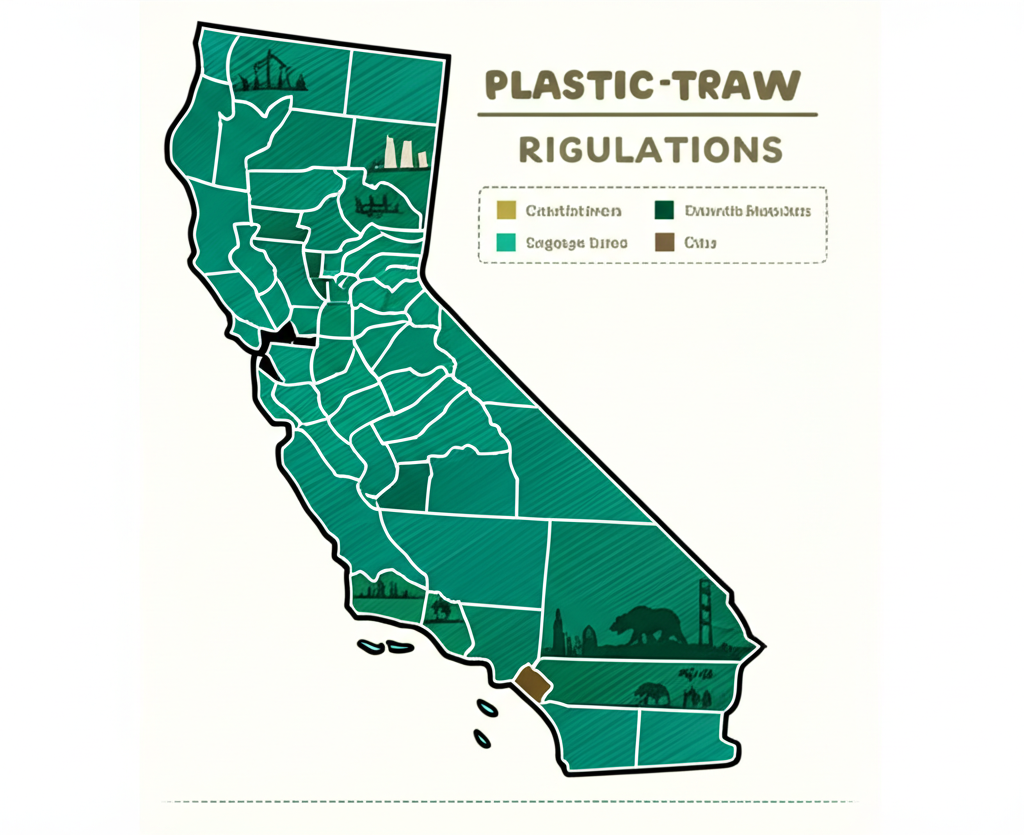
While AB 1884 sets a baseline for plastic straw regulations statewide, it is crucial for businesses, especially those operating across multiple locations, to understand that individual cities and counties in California possess the authority to implement stricter ordinances. This decentralized regulatory power has led to a patchwork of local laws that often go beyond the “straws-upon-request” policy, demanding a localized strategy for true compliance and sustainability leadership.
Cities with Complete Plastic Straw Bans
Numerous cities across California have taken a more aggressive stance against single-use plastic straws, enacting outright bans within their jurisdictions. These local ordinances mean that plastic straws are often not provided at all, even upon customer request, with some exceptions for medical or disability needs.
- ሳን ፍራንሲስኮ፡ A trailblazer in environmental policy, San Francisco implemented a full ban on plastic straws, stirrers, and other plastic food accessories effective July 1, 2019. This ordinance is particularly stringent, as it also restricts compostable plastic straws and mandates that acceptable single-use straws (like paper) only be available upon request. Plastic straws are only to be provided for disability or medical needs.
- Malibu: Even earlier, in June 2018, Malibu moved to bar all single-use plastic straws, stirrers, and cutlery, reflecting its strong commitment to protecting its coastal environment.
- Monterey, Santa Barbara, and Del Mar: These cities, along with others such as Calabasas, Davis, Alameda, Carmel, San Luis Obispo, Oakland, and Berkeley, have also enacted outright bans on plastic straws, underscoring a growing municipal trend.
- Considerations for Accessibility: It’s important to note that while some bans are comprehensive, many local ordinances, like San Francisco’s, include provisions for individuals with disabilities, ensuring that plastic straws can be provided upon request if they are deemed medically necessary. This acknowledges legitimate accessibility needs while still driving the broader goal of plastic reduction.
Los Angeles County’s Extended “Straws on Request”
የሎስ አንጀለስ ካውንቲ የብዙ ህዝብ እና የበርካታ ንግዶች መኖሪያ የሆነው፣ ደንቦቹን ከ AB 1884 የመጀመሪያ ወሰን በላይ አስፋፍቷል። ከኤፕሪል 2019 ጀምሮ፣ ሎስ አንጀለስ “በተጠየቀ ጊዜ ገለባ” መስፈርቱን ወደ ሰፊ የምግብ አቅራቢዎች አራዘመ። ይህ የተስፋፋ ፖሊሲ ሙሉ አገልግሎት ለሚሰጡ ሬስቶራንቶች ብቻ ሳይሆን ለፈጣን የምግብ ሰንሰለቶች፣ ትላልቅ የግሮሰሪ መደብሮች እና ሌሎች በካውንቲው ውስጥ ባልተካተቱ አካባቢዎች ውስጥ ለሚሰሩ ትልልቅ የምግብ አቅራቢዎችም ተፈጻሚ ይሆናል። በተጨማሪም፣ የሎስ አንጀለስ ካውንቲ ድንጋጌ በተለይ እራስን የሚያገለግሉ የፕላስቲክ ገለባ ማሰራጫዎችን ይከለክላል፣ ይህም ሳያውቅ ፍጆታን የሚያበረታታውን ዝግጁነት ለማስወገድ በማቀድ ነው። ይህ እርምጃ ለፈጣን ምግብ ተቋማት በስቴት አቀፍ ህግ ውስጥ መጀመሪያ ላይ ያለውን "ክፍተት" በከፍተኛ ሁኔታ ዘግቷል, ይህም ከፍተኛ መጠን ያለው የገበያ ክፍል ላይ ተጽዕኖ አሳድሯል.
የተለያዩ የአካባቢ የፕላስቲክ ገለባ ደንቦችን ማሰስ
በካሊፎርኒያ ከተሞች እና አውራጃዎች ውስጥ የተለያዩ የመተዳደሪያ ደንቦች መኖራቸው ለንግድ ድርጅቶች በተለይም ብዙ አካባቢዎች ወይም ሰፊ የአቅርቦት ሰንሰለቶች ላሉት ውስብስብ ተገዢነት ፈተናን ይፈጥራል። ለአንድ ምግብ ቤት ሰንሰለት የግዥ ሥራ አስኪያጅ፣ ለምሳሌ፣ አንድ ግዛት አቀፍ ፖሊሲን መተግበር አይችልም፣ ነገር ግን እያንዳንዱን የተወሰነ የአካባቢ ሥልጣን ለማክበር በትጋት ምርምር ማድረግ አለበት። ይህ ብዙውን ጊዜ የግዢ፣ የዕቃ አያያዝ እና የሰራተኛ ማሰልጠኛ አካባቢያዊ ስልት ያስፈልገዋል።
The broader context of these varied local rules signals a clear trend: increasing restrictions on single-use plastics. Businesses that proactively anticipate and adapt to this trajectory, rather than merely reacting to individual mandates, will be better positioned for long-term success. Understanding these nuances is crucial for supply chain executives who must ensure their procurement strategies align with both state and municipal environmental objectives.Local California ordinances often impose stricter plastic straw bans, requiring localized business compliance strategies.
Operational Impacts and Strategic Shifts for Businesses
The regulatory landscape surrounding plastic straws in California is not merely a legal hurdle; it presents a significant operational challenge and a strategic opportunity. Adapting to these mandates requires more than just swapping out one material for another. It demands a holistic re-evaluation of procurement processes, customer experience strategies, and overall commitment to sustainability. This pivot is influenced by a global push for plastic reduction, which is rapidly shaping policy, consumer behavior, and competitive differentiation.
Embracing Alternatives to Single-Use Plastic Straws
AB 1884, while restricting plastic straws, explicitly permits the use of non-plastic alternatives. This flexibility has spurred innovation and market growth in sustainable straw options. For operations and procurement teams, the decision on which alternatives to adopt involves considerations of cost, durability, customer preference, and environmental impact.
- የወረቀት ጭነት A common and widely available alternative, paper straws meet compliance requirements for both AB 1884 and most local bans. Advances in manufacturing have improved their durability, though perceptions around sogginess persist.
- Metal Straws: ብዙ ጊዜ እንደገና ጥቅም ላይ ሊውሉ የሚችሉ አማራጮች ሆነው የሚቀርቡት የብረት ገለባዎች የካሊፎርኒያ የችርቻሮ ምግብ ኮድን ለንጽህና እና ለንፅህና አጠባበቅ መስፈርቶች የሚያከብሩ ከሆነ ይፈቀዳሉ። እነዚህ ለመመገቢያ ተቋማት ወይም እንደ ችርቻሮ የሚሸጡ ፕሪሚየም መባ ሊሆኑ ይችላሉ።
- የቀርከሃ ገለባ; ከተፈጥሯዊ፣ በፍጥነት በማደግ ላይ ባሉ ሃብቶች የተሰሩ፣ የቀርከሃ ገለባዎች ለገጠር፣ ለዘለቄታው ይግባኝ ይሰጣሉ። በሂደቱ ላይ በመመስረት አንድ ጊዜ ጥቅም ላይ የሚውሉ ወይም እንደገና ጥቅም ላይ ሊውሉ የሚችሉ ሊሆኑ ይችላሉ።
- የሸንኮራ አገዳ ገለባ; ከስኳር ኢንዱስትሪው ውጤት የተገኘ፣ የሸንኮራ አገዳ ገለባ በጠንካራ ስሜታቸው እና ባዮደርዳዳላይዜሽን ተለይተው ይታወቃሉ፣ ይህም አስገዳጅ የተግባር እና የአካባቢ ጥቅም ድብልቅ ነው።
- የፓስታ ገለባ; ሊበላ የሚችል እና ሊበላሽ የሚችል፣ የፓስታ ገለባ ልዩ የሆነ፣ ዜሮ-ቆሻሻ መፍትሄ ይሰጣል፣ ምንም እንኳን አፕሊኬሽኑ ለተወሰኑ የመጠጥ ዓይነቶች የተገደበ ሊሆን ይችላል።
ከገለባ ባለፈ ሁሉን አቀፍ ዘላቂነትን ለሚፈልጉ ንግዶች፣ ሰፋ ያለ ዘላቂ ጥቅም ላይ የሚውሉ ነገሮችን ማሰስ ቁልፍ ነው። አጠቃላይ የ B2B መመሪያ ከፕላስቲክ ላልሆኑ የመጠጥ ገለባዎች ስለ ቁሳዊ ንብረቶች ፣ የምስክር ወረቀቶች እና የአቅራቢ አማራጮች ተጨማሪ ግንዛቤዎችን ይሰጣል ፣ ይህም የግዥ አስተዳዳሪዎች በመረጃ ላይ የተመሠረተ ውሳኔ እንዲያደርጉ ይረዳል ።ስለ B2B የፕላስቲክ ያልሆኑ የመጠጥ ገለባ የበለጠ ይወቁ።
የወጪ-ጥቅማ ጥቅም ትንተና፡ ወደ ገለባ አማራጮች መሸጋገር
ከተለመዱት የፕላስቲክ ገለባዎች መሸጋገር የአቅርቦት ሰንሰለት አስፈፃሚዎች እና የኦፕሬሽን ዳይሬክተሮች በጥንቃቄ መገምገም ያለባቸውን የመጀመሪያ ኢንቨስትመንት ያካትታል. ተለዋጭ ቁሳቁሶች ብዙውን ጊዜ ከፕላስቲክ አቻዎቻቸው ጋር ሲነፃፀሩ ከፍተኛ ዋጋ አላቸው. ይህ በጀቶችን ማስተካከል እና አዳዲስ ውሎችን ከአቅራቢዎች ጋር መደራደርን ይጠይቃል። ሆኖም፣ ይህ የመጀመሪያ ወጪ በከፍተኛ የረጅም ጊዜ የ ROI አቅም በፍጥነት ይካሳል።
ጥቅሞቹ የቁጥጥር ቅጣቶችን ከማስወገድ ባለፈ ይዘልቃሉ። ዘላቂ አማራጮችን በመቀበል ንግዶች የምርት ምስላቸውን ያሳድጋሉ፣ ለሥነ-ምህዳር ጠንቅቀው የሚያውቁ ሸማቾችን ይማርካሉ እና ለድርጅታዊ ማህበራዊ ኃላፊነት መገለጫቸው አወንታዊ አስተዋፅዖ ያደርጋሉ። የሸማቾች ምርጫ ወደ ዘላቂ አማራጮች እየተሸጋገረ ነው ። ጥናቶች ደንበኞች ከአካባቢያዊ እሴቶቻቸው ጋር የተጣጣሙ ንግዶችን ለመደገፍ ፈቃደኞች መሆናቸውን በተከታታይ ያሳያሉ። ይህ ለውጥ ወደ የደንበኞች ታማኝነት፣ አዎንታዊ የህዝብ ግንኙነት እና የተጠናከረ የገበያ ቦታን ይጨምራል። በተጨማሪም ፣በቅድመ ጉዲፈቻ ህጎቹ እየጠነከሩ በመሆናቸው የወደፊት ተገዢነትን ስጋቶች ሊቀንስ ይችላል።
ለግዢ እና ኦፕሬሽን ቡድኖች የተለመዱ አማራጮች ስልታዊ ዝርዝር መግለጫ ይኸውና፡
| ባህሪይ | B2B የሥራ አፈፃፀም ተፅእኖ | የማስታወሻ ማስታወሻ | ሮይ አቅም |
|---|---|---|---|
| የፕላስቲክ መገባቶች | ዝቅተኛ የወዲያውኑ ክፍል ዋጋ፣ የተቋቋሙ የአቅርቦት ሰንሰለቶች፣ ከፍተኛ የሸቀጦች ቀላልነት። | AB 1884 የሙሉ አገልግሎት ሬስቶራንቶች "በጥያቄ"; በበርካታ የካሊፎርኒያ ከተሞች ውስጥ ግልጽ እገዳዎች. | ተደጋጋሚ የገንዘብ ቅጣት (ከማስጠንቀቂያ በኋላ እስከ $300 ዶላር በዓመት)፣ ከፍተኛ አሉታዊ የህዝብ ግንኙነት፣ ዘላቂነት በሚያውቁ ሸማቾች መካከል የምርት እምነት መሸርሸር። |
| የወረቀት አውታሮች | ከፍተኛ የአሃድ ዋጋ፣ በመጠጥ ላይ ፈጣን የመበላሸት እድል፣ የመቆያ ህይወት ስጋቶች። | AB 1884 "በተጠየቀ ጊዜ" ፖሊሲን ያሟላል; ለአብዛኛዎቹ የአካባቢ እገዳዎች ተቀባይነት ያለው። | የተሻሻለ “አረንጓዴ” የምርት ስም ምስል፣ ከፕላስቲክ ገለባ ስርጭት ጋር የተያያዙ ሁሉንም ቅጣቶች ያስወግዳል፣ አወንታዊ የደንበኛ ግንዛቤ፣ የደንበኛ ታማኝነት ከሥነ-ምህዳር-ግንዛቤ የማሳደግ ዕድል። |
| እንደገና ጥቅም ላይ ሊውል የሚችል ገለባ | በአንድ ክፍል ከፍ ያለ የመነሻ ኢንቨስትመንት፣ ጠንካራ የጽዳት እና የንፅህና አጠባበቅ ፕሮቶኮሎችን ፣ ለእንደገና ጥቅም ላይ የሚውሉ ዑደቶችን የቆጠራ አስተዳደር ይጠይቃል። | ሁሉንም ነባር የካሊፎርኒያ ግዛት እና የአካባቢ ደንቦችን ለአንድ ጊዜ ጥቅም ላይ የሚውሉ ፕላስቲኮችን ያሟላል፣ ከጠንካራ ዘላቂነት ግዴታዎች ጋር ይጣጣማል። | ጉልህ የሆነ የረጅም ጊዜ ወጪ ቁጠባዎች ተደጋጋሚ የሚጣሉ ገለባ ግዢዎችን በመቀነስ, እንደ ፕሪሚየም አቅርቦት, ጠንካራ የአካባቢ አመራር, ከፍተኛ ዋጋ ላላቸው, ለአካባቢ ጥበቃ ቁርጠኛ ደንበኞች, የችርቻሮ ሽያጭን እንደገና ጥቅም ላይ ሊውሉ የሚችሉ አማራጮች. |
| ምንም ገለባ/መርጦ መግባት የለም። | ለንግድ ስራው አነስተኛ የምርት ዋጋ ፣የእቃ ዕቃዎችን እና አያያዝን በመቀነስ የአሠራር ቀላልነት። | የሙሉ አገልግሎት ሬስቶራንቶችን “በተጠየቀ ጊዜ” ህጎችን ማክበር ፤ ከተከለከሉ እገዳዎች ጋር ይጣጣማል። | ከፍተኛው የቆሻሻ ቅነሳ፣ በገለባ ግዥ ላይ ከፍተኛ ወጪ መቆጠብ፣ ጠንካራ እና የማያሻማ “አረንጓዴ” አቋም፣ ሸማቾችን ሙሉ በሙሉ ለማስወገድ ለሚመርጡ ሸማቾች የሚስብ፣ ለአጠቃላይ የቆሻሻ ቅነሳ ግቦች አስተዋጽኦ ያደርጋል። |
በተለይ ወደ ባዮሚዳዳድ አማራጮች ለመሸጋገር ለሚፈልጉ ንግዶች፣ ለB2B ፍላጎቶች ምርጡን የባዮዲዳዳዳዴድ የፕላስቲክ ገለባ የመምረጥ መመሪያ ለተገዢነት እና ለዘላቂነት የይገባኛል ጥያቄዎች ወሳኝ የቁሳቁስ ስብጥር፣ አፈጻጸም እና የምስክር ወረቀቶች ላይ ዝርዝር ግንዛቤዎችን ሊሰጥ ይችላል።ለ B2B ምርጡን በባዮዲዳዳዴድ የፕላስቲክ ገለባ ያግኙ።ወደ ዘላቂ የገለባ አማራጮች መሸጋገር የረጅም ጊዜ ROIን በተሻሻለ የምርት ስም ምስል እና የመታዘዝ አደጋዎችን ይቀንሳል።
አነስተኛ ጉዳይ ጥናት፡ የሳን ሉዊስ ኦቢስፖ ሙሉ እገዳ (2019) እና የንግድ ሥራ መላመድ
The City of San Luis Obispo provides a compelling real-world example of how local regulations can drive business adaptation. In 2019, the city enacted a comprehensive ban on plastic straws, mandating a complete shift away from their use in all food service establishments. This ordinance went beyond the statewide “straws-upon-request” model, requiring businesses to proactively seek out and implement alternative solutions.
Local restaurants, including popular spots like Splash Café, responded by transitioning proactively to non-plastic alternatives. They embraced paper and other compostable straws, ensuring a seamless experience for customers while adhering to the new regulations. A key aspect of their successful adaptation involved diligent customer communication. Staff were trained to explain the new policy, educate patrons about the environmental benefits of the change, and introduce the new straw materials. This transparency helped mitigate potential customer friction and built goodwill.
Key Takeaways for Procurement and Operations
The experience of businesses in San Luis Obispo offers valuable lessons for procurement and operations leaders statewide:
- Proactive Supplier Diversification: Relying on a single source for single-use items is risky in a volatile regulatory environment. Businesses need to identify and vet multiple suppliers for alternative straw materials to ensure supply chain resilience and competitive pricing.
- Employee Training: Front-line staff are the direct interface with customers. Comprehensive training on “straws on request” policies, local ban specifics, and the benefits of alternative materials is critical for smooth implementation and positive customer interactions.
- የደንበኛ ግንኙነት፡ Proactively informing customers about new policies and sustainable choices can transform a regulatory challenge into a positive brand narrative. Explaining the “why” behind the change fosters understanding and builds positive brand perception.
- Competitive Advantage through Compliance: Embracing compliance as an opportunity for innovation, rather than a burden, allows businesses to position themselves as leaders in sustainability. In a market where environmental consciousness is growing, this proactive stance can become a significant competitive advantage. Businesses that lead the charge in sustainable foodware, like focusing on biodegradable straws for restaurants, often see a boost in customer loyalty and brand reputation. Explore biodegradable straw options for restaurants.
San Luis Obispo’s ban highlights the importance of proactive supplier diversification, training, and communication for business adaptation.
The Broader Context: California’s Leadership in Plastic Reduction
California’s regulations concerning plastic straws are not an isolated policy but a deliberate component of the state’s far-reaching and consistent commitment to environmental stewardship. For decades, California has historically led the nation in enacting stringent environmental legislation, often serving as a blueprint for other states and even countries. Understanding this broader strategic context is vital for businesses, as it indicates a clear trajectory of increasing regulations that will continue to impact B2B supply chains, product design, and operational mandates for years to come.
California’s Historic Stand Against Plastic Pollution
California’s efforts to combat plastic pollution extend far beyond straws:
- Single-Use Plastic Bags: The state was the first in the U.S. to implement a statewide ban on single-use plastic bags. Enacted in 2014, Proposition 67 further solidified this stance in 2016, prohibiting major retailers from distributing plastic bags and imposing a minimum 10-cent charge for alternative bags. This groundbreaking move drastically reduced plastic bag litter and set a powerful precedent.
- Plastic Microbeads: Reflecting its commitment to protecting marine ecosystems, California also banned plastic microbeads in personal care products, with the prohibition becoming effective in 2020. These tiny plastic particles, commonly found in exfoliants and toothpastes, were identified as significant contributors to microplastic pollution in waterways and oceans.
- Combatting Marine Debris: These legislative actions collectively reflect a consistent and unwavering commitment to combating marine debris. Plastic straws, although a small fraction of overall plastic waste by weight, are a highly visible symbol of single-use plastic consumption and are consistently ranked among the top ten contributors to plastic marine debris globally. The difficulty in recycling them—as most recycling machines are not equipped to process straws—means that only about 9% of all used plastic has been recycled worldwide, making reduction and alternative materials critical. (Source: The Guardian)
Future of Plastic Reduction: SB 54 Mandates and Projections
The regulatory landscape in California is poised for even more transformative changes with the enactment of Senate Bill 54 (SB 54), also known as the Plastic Pollution Prevention and Packaging Producer Responsibility Act. Signed into law in 2022, SB 54 represents the nation’s most ambitious extended producer responsibility (EPR) policy for packaging. It mandates aggressive targets for plastic waste reduction and recycling, fundamentally shifting the burden of plastic pollution from consumers and municipalities to manufacturers.
Key mandates and projections under SB 54 include:
- 25% Less Single-Use Plastic Packaging: By 2032, California mandates that 25% less single-use plastic packaging must be sold within the state. This target compels manufacturers to reduce plastic use at the source, innovate in product design, or switch to alternative materials.
- Recyclable or Compostable by 2032: All single-use plastic packaging and foodware sold in California must be recyclable or compostable by 2032. This requires significant investment in material science and infrastructure to ensure proper end-of-life solutions. (Source: UCLA Institute of the Environment and Sustainability)
- 65% Recycling Rate by 2032: The law also sets a challenging target of a 65% recycling rate for single-use plastic packaging by 2032. This will necessitate substantial improvements in collection, sorting, and reprocessing capabilities.
- $5 Billion Industry Fund: SB 54 establishes a $5 billion industry fund, financed by plastic producers, to address plastic pollution initiatives. This fund will support infrastructure improvements, consumer education, and environmental restoration efforts, creating a collective responsibility model. (Source: Stanford University)
These comprehensive mandates under SB 54 signal a clear direction for businesses: proactive engagement with sustainability is no longer optional. The plastic straw legislation, in this broader context, serves as a “gateway plastic” initiative, preparing consumers and industries for more extensive regulations aimed at a circular economy.California’s comprehensive plastic reduction efforts, including SB 54, signal a clear trajectory towards a circular economy.

Competitive Advantage and Business Case
In a market increasingly driven by environmental awareness, strategic compliance with plastic reduction mandates offers more than just risk mitigation—it presents a profound opportunity for competitive advantage. For B2B decision-makers, quantifying the benefits of proactive sustainability can build a compelling business case for investment.
First, considercost savings. While initial investments in alternative straws may be higher, the avoidance of recurring fines (up to $300 annually per violation of AB 1884) is a direct financial benefit. More significantly, optimized supply chains focused on sustainable, compliant materials can yield long-term savings by reducing waste disposal costs and future-proofing against increasingly stringent regulations.
Second,risk mitigationextends beyond financial penalties. Adhering to evolving plastic laws minimizes legal exposure and protects against reputational damage. In an era where negative social media attention can spread rapidly, being perceived as environmentally irresponsible can erode customer trust and brand equity.
Conversely, investing in sustainable solutions can lead to a significantbrand value uplift. Consumers, particularly in environmentally conscious markets like California, are increasingly choosing brands that align with their values. A strong commitment to plastic reduction enhances brand perception, fosters customer loyalty, and attracts new business opportunities. This positive brand association translates into higher sales and a more resilient market position.
Finally, there is a clearmarket share opportunity. Businesses that proactively transition to sustainable alternatives and communicate their efforts effectively can capture market share from slower-moving competitors. As regulations tighten and consumer preferences solidify, being a recognized leader in sustainable practices can differentiate a company, attract top talent, and open doors to partnerships with environmentally aligned organizations. This forward-looking approach positions businesses not just for compliance, but for sustained growth in a greener economy.Proactive sustainability offers significant competitive advantages through cost savings, risk mitigation, and brand value uplift.

ተዘውትረው የሚጠየቁ ጥያቄዎች (ተዘውትረው የሚጠየቁ ጥያቄዎች)
Q: Is there a complete statewide ban on plastic straws in California?
A: No, California’s AB 1884 primarily implements a “straws-upon-request” policy for full-service restaurants, not an outright ban. However, many individual cities and counties have enacted stricter, complete bans.
Q: What are the penalties for hospitality businesses not complying with AB 1884?
A: Businesses receive two warnings, after which violations can incur a $25 daily fine, capped at $300 annually. Reputational damage can be more significant than monetary penalties.
Q: How can a multi-location restaurant chain ensure compliance across California?
A: Chains must research and comply with specific local ordinances in each jurisdiction, often requiring a localized strategy for procurement, inventory, and staff training beyond statewide rules.
Q: Are there exceptions for plastic straws for medical or disability needs?
A: Yes, many local bans and even some statewide interpretations include provisions allowing plastic straws to be provided upon request for individuals with disabilities or medical needs.
Q: What are the best sustainable straw alternatives for high-volume foodservice operations?
A: Paper, bamboo, and sugarcane straws are popular biodegradable options. Reusable metal straws are also viable for dine-in, requiring robust cleaning protocols.
Conclusion: Strategic Compliance for a Sustainable Future
California’s progressive approach to regulating plastic straws is a clear and unequivocal signal of its unwavering commitment to environmental stewardship and a broader vision for a circular economy. For procurement managers, operations directors, sustainability officers, and supply chain executives, this landscape demands more than mere reactionary compliance. It’s a strategic imperative that directly impacts operational costs, brand reputation, and future market positioning.
Proactive adaptation, including a thoughtful transition to viable alternatives and a deep understanding of the nuanced local mandates, will ensure not only the avoidance of penalties but also a robust competitive edge. By aligning with evolving consumer values and preparing for an accelerating trend of plastic reduction, businesses can transform regulatory challenges into powerful opportunities for innovation, efficiency, and enhanced brand value. The time to act is now.
Optimize your operations for compliance and sustainability. Review your current single-use plastic inventory and develop a comprehensive transition plan for alternative straws today to secure your market position in California’s green economy.ዘላቂ ለሆኑ መፍትሄዎች ያግኙን