አስቸኳይ የአካባቢ ስጋቶች እና የቁጥጥር መልክዓ ምድሮች በተገለጸው ዘመን፣ በመስተንግዶ፣ በምግብ አገልግሎት እና በችርቻሮ ዘርፍ ያሉ የንግድ ድርጅቶች ወደ ዘላቂ ልምምዶች እንዲመሩ ከዚህ ቀደም ታይቶ የማይታወቅ ጫና ይገጥማቸዋል። ነጠላ ጥቅም ላይ ከሚውሉ ፕላስቲኮች የራቀ ዓለም አቀፋዊ እንቅስቃሴ አዝማሚያ ብቻ አይደለም; ከሥነ-ምህዳር ሃላፊነት እና ከአሰራር ልቀት ጋር የሚጣጣሙ አዋጭ፣ አስተማማኝ አማራጮችን የሚፈልግ መሰረታዊ ለውጥ ነው። ለግዢ ሥራ አስኪያጆች፣ ኦፕሬሽን ዳይሬክተሮች፣ የዘላቂነት መኮንኖች እና የአቅርቦት ሰንሰለት ሥራ አስፈፃሚዎች ወሳኝ ጥያቄ በባህሩ አማራጮች መካከል ብቅ አለ-ወረቀት፣ቀርከሃ፣ ብረት፣ መስታወት እና ሌሎች፡ የሸንኮራ አገዳ ገለባ በእርግጥ አስተማማኝ፣ ውጤታማ እና ጥሩ የረጅም ጊዜ ኢንቬስትመንት ለእርስዎ ስራዎች? ይህ ልጥፍ ጫጫታውን ያቋርጣል፣ በመረጃ ላይ የተመሰረተ ውሳኔ ለማድረግ የሚያስፈልግዎትን ግልጽነት ያቀርባል፣ ይህም ለኃላፊነት ስራዎች ንቁ ቁርጠኝነት የምርት ስምዎን ስም ለመጠበቅ፣ የቁጥጥር ደንቦችን መከበራቸውን ለማረጋገጥ እና የማይናወጥ የሸማች እምነትን ለመገንባት በጣም አስፈላጊ መሆኑን ያጎላል።
Beyond Plastic: Understanding the Safety & Composition of Sugarcane Straws
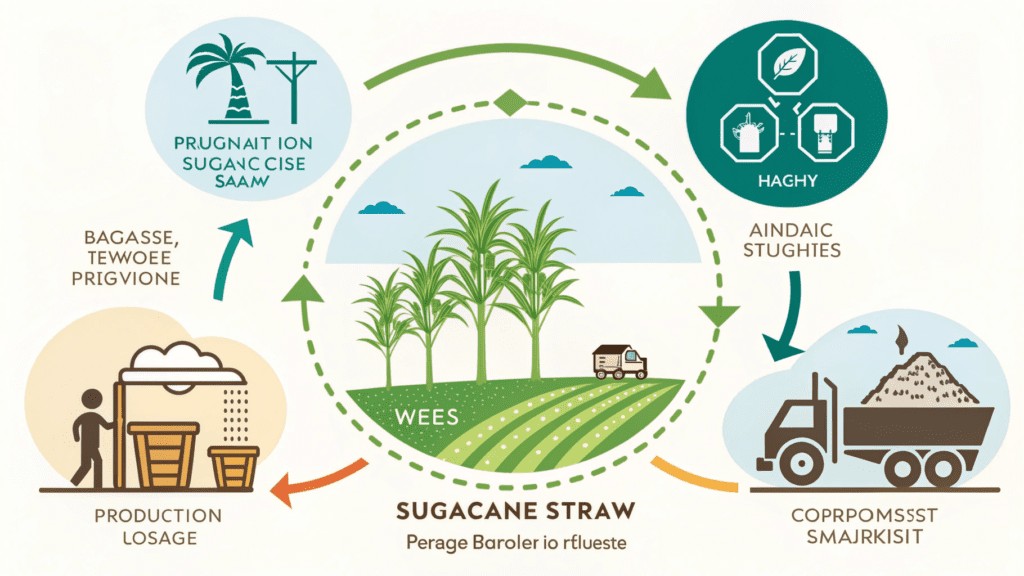
ከፕላስቲክ ብክለት የራቀ ጉዞ የሚጀምረው የፈጠራ ቁሳቁሶችን በመረዳት ነው. በሸንኮራ አገዳ ገለባ እምብርት ላይ ባጋሴ፣ ከሸንኮራ አገዳ ግንድ በኋላ የሚቀረው ፋይበር ተረፈ ምርት ጭማቂውን ለስኳር ወይም ለኤታኖል ለማምረት ይሰበራል። ከታሪክ አንጻር ይህ የግብርና ቆሻሻ ብዙ ጊዜ ይቃጠላል ወይም እንደ ዝቅተኛ ዋጋ ያለው ቅሪት ይታይ ነበር። ዛሬ፣ ለአካባቢ ተስማሚ ምርቶች እንደ ተፈጥሯዊ፣ ታዳሽ እና የተትረፈረፈ መሰረት ሆኖ ታሳቢ ሆኗል።

የሸንኮራ አገዳ ገለባዎች ከመሬት ተነስተው መርዛማ እንዳይሆኑ የተነደፉ አስገዳጅ ኬሚካላዊ-ነጻ የሆነ ተስፋ ይሰጣሉ። በተፈጥሯቸው እንደ BPA፣ PFAS (per- እና polyfluoroalkyl ንጥረ ነገሮች፣ ብዙ ጊዜ “ለዘላለም ኬሚካሎች” ተብለው ከሚጠሩ)፣ phthalates፣ petroleum፣ bleach፣ Hevy metals, እና ግሉተን ካሉ ጎጂ ነገሮች በተፈጥሯቸው ነፃ ናቸው። ጥንቃቄ የተሞላበት የማምረት ሂደቱ እነዚህ ገለባዎች ምንም አይነት አላስፈላጊ ንጥረ ነገሮችን ወደ መጠጥ ውስጥ እንደማይገቡ ያረጋግጣል፣ በዚህም የመጠጥዎን ትክክለኛነት እና በተለይም የሸማቾችን ጤና ይጠብቃል። ይህ ማለት ደንበኞችዎ ስለ ማይክሮፕላስቲክ ወደ ውስጥ ማስገባት ወይም የኬሚካል ብክለትን በተመለከተ ስጋት ሳይሆኑ በልበ ሙሉነት መጠጣት ይችላሉ።
ለንግድ ድርጅቶች፣ በምርት ደህንነት ላይ ያለው እምነት የሚጠናከረው በጠንካራ የእውቅና ማረጋገጫዎች ነው። የታወቁ የሸንኮራ አገዳ ገለባዎች የአለም አቀፍ የምግብ ደህንነት መስፈርቶችን ያከብራሉ፣ ኤፍዲኤ ለምግብ ግንኙነት ደህንነት እና የአውሮፓ ህብረት የምግብ ደህንነት ተገዢነትን ጨምሮ (እንደ EU 10/2011)። ከደህንነት በተጨማሪ የአካባቢ ምስክርነታቸው እንደ BPI (Biodegradable Products Institute) እና OK Home Compotable በ TÜV ኦስትሪያ ባሉ የምስክር ወረቀቶች የተረጋገጡ ሲሆን ይህም እውነተኛ የህይወት መጨረሻ ጥቅማቸውን ያሳያል። እነዚህ የምስክር ወረቀቶች በተፈጥሮ አካባቢን ሳይጎዱ መበላሸታቸውን የሚያረጋግጡ የባዮዲድራድድነታቸውን እና ብስባሽነታቸውን ተጨባጭ ማረጋገጫ ይሰጣሉ። በተጨማሪም የሸንኮራ አገዳ ገለባ በአጠቃላይ ለሁሉም ዕድሜዎች ደህንነቱ የተጠበቀ ነው ተብሎ ይታሰባል እና እንደ የስኳር በሽታ ያሉ የጤና ሁኔታዎችን አይጎዳውም ፣ ምክንያቱም ስኳሩ በሚቀነባበርበት ጊዜ ይወጣል ፣ እና ገለባዎቹ ስብስባቸውን ወደ ፈሳሽ አይሰጡም። የሸንኮራ አገዳ ገለባ ታሪክ እንደ ፕላስቲክ አዋጭ አማራጭ በ 2019 አካባቢ ከፍተኛ ትኩረት አግኝቷል ፣ ይህም በዓለም አቀፍ ደረጃ በፕላስቲክ ብክለት እና በሰፊው በአንድ ጊዜ ጥቅም ላይ የሚውሉ የፕላስቲክ እገዳዎች በመታገዝ የኢንደስትሪ ፈጣን መፍትሄን ለእውነተኛ ዘላቂ መፍትሄዎች ያሳያል ።
ስልታዊው ጥቅሙ፡ ለምን የሸንኮራ አገዳ ገለባ የንግድ ዋጋን ያመነጫል።
የሸንኮራ አገዳ ገለባ መምረጥ ከታዛዥነት በላይ ነው; የደንበኞችን ልምድ እና የአሰራር ቅልጥፍናን የሚያጎለብት ተጨባጭ የንግድ ጥቅሞችን የሚሰጥ ስልታዊ እርምጃ ነው። ለሥነ-ምህዳር ተስማሚ የሆኑ አማራጮች፣ በተለይም የወረቀት ገለባዎች፣ በጣም ከተለመዱት ብስጭቶች አንዱ “የጨቀየ የገለባ ችግር” ነው። የሸንኮራ አገዳ ገለባዎች ለሰዓታት መዋቅራዊ አቋማቸውን ለመጠበቅ የተነደፉ ሲሆን በሁለቱም ሙቅ (እስከ 80-90 ዲግሪ ሴንቲ ግሬድ ባለው የሙቀት መጠን) እና በቀዝቃዛ መጠጦች ውስጥም እንኳ ይህንን ፊት ለፊት ይመለከታሉ። ይህ የላቀ ዘላቂነት ማለት ደንበኞችዎ መካከለኛ መጠጥ ሳይበታተኑ ገለባ ሳይበላሽ ወጥ የሆነ አስተማማኝ የመጠጣት ልምድ ያገኛሉ። በተጨማሪም፣ የእነርሱ ጣዕም-ገለልተኛ ንድፍ ያልተፈለገ ጣዕም ወይም ሽታ እንደማይሰጥ ያረጋግጣል፣ ይህም የሚቀርቡትን መጠጦች ትክክለኛ ጥራት እና ደስታ ይጠብቃል።
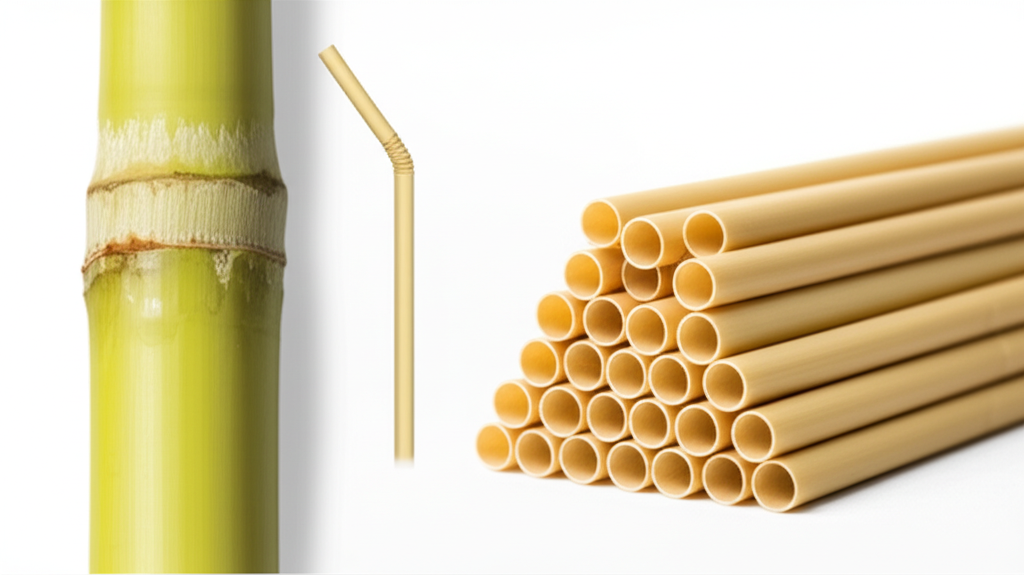
ከአሰራር አንፃር፣ የሸንኮራ አገዳ ገለባዎች አሁን ባሉት የስራ ፍሰቶች ላይ እንከን የለሽ ውህደት ይሰጣሉ። እንደ አንድ ጊዜ ጥቅም ላይ የሚውል የስነ-ምህዳር-ግንኙነት መፍትሄ፣ እንደ ብረት ወይም መስታወት ካሉ እንደገና ጥቅም ላይ ሊውሉ ከሚችሉ አማራጮች ጋር የተቆራኘ ውስብስብ የማጠብ፣ የማድረቅ ወይም የማጠራቀሚያ ሎጂስቲክስ አስፈላጊነትን ያስወግዳሉ፣ ይህም የሰው ኃይል ወጪን እና የአሰራር ውስብስብነትን በእጅጉ ይቀንሳል። በተጨማሪም ከመስታወት ገለባ ጋር የተለመደውን የመሰባበር አደጋን ይቀንሳሉ. ይህ ምቾት ከአካባቢያዊ ጥቅሞቻቸው ጋር ተዳምሮ አሳማኝ እሴት ይፈጥራል. በወሳኝ መልኩ፣ የሸንኮራ አገዳ ገለባዎችን መቀበል ንግድዎ በፍጥነት እያደገ ካለው የሸማቾች ምርጫ ጋር እንዲጣጣም ያስችለዋል፡ በግምት ከ70-75% የሚሆነው ሸማቾች አሁን በንቃት ቅድሚያ ይሰጣሉ እና ለአካባቢ ተስማሚ አማራጮችን ይፈልጋሉ፣ ለቀጣይ ተግባራት እውነተኛ ቁርጠኝነት የሚያሳዩ ንግዶችን ይመርጣሉ። ማብሪያ / ማጥፊያውን በማድረግ፣ ይህን እየጨመረ ያለውን ፍላጎት ማሟላት ብቻ ሳይሆን ጠንካራ የደንበኛ ታማኝነትን ማጎልበት፣ የምርት ስምዎን ያሳድጋል እና ድርጅትዎን እንደ ኃላፊነት የሚሰማው የኢንዱስትሪ መሪ አድርገው ይሾማሉ። በእንግዳ ተቀባይነት ውስጥ ዘላቂ አማራጮችን ስለመቀበል ጥልቅ ግንዛቤዎችን ለማግኘት፣ እንዴት እንደሆነ ያስሱየሸንኮራ አገዳ ገለባ ዘላቂውን የምግብ አገልግሎት የወደፊት ሁኔታ እየቀረጸ ነው።.
በመረጃ የተደገፈ መቀያየርን መስራት፡ B2B የማነጻጸሪያ መመሪያ ለኢኮ-ገለባ
ገበያው የተለያዩ የገለባ አማራጮችን ያቀርባል፣ እያንዳንዱም የራሱ የሆነ ጥቅምና ጉዳት አለው። እነዚህን ልዩነቶች መረዳት ለግዢ እና ለኦፕሬሽን መሪዎች ምርጡን ስልታዊ ምርጫ ለማድረግ ወሳኝ ነው።
የንጽጽር ትንተና፡- የሸንኮራ አገዳ እና አማራጭ አማራጮች
- የፕላስቲክ ጭረቶች; ርካሽ እና ረጅም ጊዜ የሚቆይ ቢሆንም, የአካባቢያቸው ዋጋ በጣም አስደናቂ ነው. ለዘመናት ይቆያሉ, ወደ ስነ-ምህዳር እና የምግብ ሰንሰለት ውስጥ ወደሚገቡ ጎጂ ማይክሮፕላስቲኮች ይከፋፈላሉ. ከጊዜ ወደ ጊዜ በዓለም አቀፍ ደረጃ በጠንካራ የቁጥጥር እገዳዎች ኢላማ ተደርገዋል።
- የወረቀት ጭነት A common early alternative, paper straws are biodegradable. However, they frequently suffer from the “soggy straw” syndrome, quickly losing integrity. Concerns also exist regarding the glues and potential “forever chemicals” (PFAS) used in some variants, and their production often has a higher carbon footprint than sugarcane.
- Metal & Glass Straws: These offer reusability and high durability. Yet, their higher upfront cost and the logistical burden of cleaning, sanitizing, and storing them can be significant for high-volume operations. Safety concerns, such as potential for dental injury or choking hazards, also need consideration, especially for diverse customer bases including children.
- የቀርከሃ ገለባ; Natural and often reusable, bamboo straws are an eco-friendly option. However, quality can vary, and they require meticulous cleaning and drying to prevent mold or odors. Some may also have rough edges or impart a slight woody taste. For a detailed comparison, consider የሸንኮራ አገዳ እና የቀርከሃ ገለባ ለዘላቂ መስተንግዶ. Another valuable resource for making sustainable choices can be found in our deep dive on Sustainable Straws: Sugarcane vs. Bamboo in Hospitality.
Here’s a comprehensive comparison to guide your decision-making:
| ባህሪይ | የሸንኮራ አገዳ ገለባዎች | የፕላስቲክ መገባቶች | የወረቀት አውታሮች | Metal/Glass Straws | የቀርከሃ ገለባ |
|---|---|---|---|---|---|
| ዋና ቁሳቁስ | Sugarcane Bagasse (often 100% plant-based) | Petroleum-based plastics (PP, PS, PET) | Wood pulp | Stainless Steel, Borosilicate Glass | Natural Bamboo Stalk |
| Safety (Toxicity) | Non-toxic, PFAS-free, BPA-free | Potential for BPA, phthalates, microplastics | May contain PFAS, glues; can get soggy | Safe (if clean); potential for injury | Natural, but quality varies; potential for mold |
| Durability in Drinks | Hours, hot & cold (resistant to sogginess) | ከፍተኛ | Low (soggy, disintegrates quickly) | በጣም ከፍተኛ | Moderate (can crack/splinter) |
| Taste/Odor Impact | ገለልተኛ | ገለልተኛ | Can impart paper taste, odor | Can impart metallic taste (metal), no (glass) | Can impart woody taste |
| የባዮዲቀት ህክምና | 100% Biodegradable & Compostable (60-180 days) | Centuries to break down; microplastics | Biodegradable, but often slow; some PFAS | ሊበላሽ የሚችል አይደለም። | ሊበላሽ የሚችል |
| እንቆቅልሽ | Yes (Home & Industrial Certified options) | አይ | Varies; often industrial only; some not | አይ | Yes (home compostable) |
| የቁጥጥር ተገዢነት | High (meets EU SUPD, global plastic bans) | Low (targeted by bans) | Variable (some bans target non-compostable) | Exempt (reusable) | Exempt (reusable/natural) |
| የወጪ እንድምታ | Competitive, slightly more than paper | ዝቅተኛ | ከዝቅተኛ እስከ መካከለኛ | High initial investment | Moderate initial investment |
| Eco-Impact | Low carbon footprint, repurposes agricultural waste | High carbon footprint, pollution | Higher footprint than sugarcane; tree-based | High production energy | Variable (depends on sourcing) |
| Cleaning Required | No (single-use) | No (single-use) | No (single-use) | Yes (reusable) | Yes (reusable) |

A real-world example of this strategic shift is seen with companies like Strwd, which successfully replaced over 500,000 traditional paper straws with sugarcane alternatives across 60 sites in its inaugural year. This demonstrates the viability and positive reception of sugarcane straws in large-scale operations. Looking ahead, the eco-friendly straw market is projected for robust growth, with global eco-friendly straw market reaching USD 5.1 billion by 2030 (from USD 1.8 billion in 2023) and the specific sugarcane straw market growing from USD 10.7 million in 2023 to USD 16.9 million by 2030. The broader biodegradable straw market is set to soar from USD 41.52 billion in 2024 to an estimated USD 178.87 billion by 2031, reflecting a compound annual growth rate (CAGR) of 23.20%. This trajectory highlights a sustained global shift driven by both consumer demand and regulatory pressures.
የኢንደስትሪ ግንዛቤዎች፡ ቀጣይነት ያለው ኦፕሬሽኖች የወደፊት ሁኔታን መቅረጽ
The future of sustainable operations is intrinsically linked to material innovation and regulatory foresight. The market for eco-friendly straws, particularly sugarcane, is experiencing unprecedented growth, driven by stringent global environmental laws and evolving consumer expectations. In Europe, the comprehensive Single-Use Plastics Directive (EU SUPD) has significantly impacted businesses, pushing them to abandon traditional plastics. Similarly, countries like Taiwan have implemented outright bans on plastic straws in dining outlets since 2020, and numerous U.S. states and cities are following suit. This creates a compliance imperative, where sugarcane straws offer a future-proof solution, helping businesses avoid escalating fines and legal repercussions while enhancing their public image.
Despite the clear advantages, some misconceptions about “biodegradable” products persist. One common point of confusion revolves around Polylactic Acid (PLA) content. While some bioplastics, including certain straw variants, are made with PLA which often requires specific industrial composting facilities to break down effectively, it is crucial to differentiate. Many leading sugarcane straws are now manufactured to be 100% PLA-free and certified for home composting, meaning they can decompose in less controlled environments within weeks to months. This distinction is vital for businesses to ensure they are truly delivering on their sustainability promises. Proper disposal, typically through composting, remains crucial for realizing the full environmental benefits of sugarcane straws; if they end up in landfills without the necessary conditions for decomposition, their advantages are diminished. Educating staff and customers on proper disposal is a small but impactful step.

Looking 5-10 years into the future, expect continuous innovations in sugarcane straw technology. Research and development are already exploring “second-generation” sugarcane straws designed for even higher temperature resistance and the integration of other agricultural waste streams, such as coffee grounds and bamboo fiber, to create multi-fiber solutions. This embodies the circular economy principle of transforming waste into valuable resources, minimizing carbon footprints, and promoting resource efficiency. This approach aligns perfectly with the Sustainable Development Goals (SDGs), ensuring that materials stay in continuous cycles. Leading industry players like Naturepoly, Strwd, and Renouvo (JuTian Cleantech Co., Ltd.) are at the forefront of this innovation, providing products backed by crucial certifications like BPI Industrial, TÜV Austria (OK Compost Home/Industrial), and US FDA approval, which verify their claims of biodegradability, compostability, and food contact safety.
Taking the Next Step: Integrating Sugarcane Straws into Your Business
The shift to sugarcane straws is more than just a product change; it’s a statement of your business’s values and a commitment to a sustainable future. When considering strategic sourcing, prioritize suppliers who demonstrate transparent production processes and possess verifiable certifications. While sugarcane straws are competitively priced, often only slightly more than paper straws, evaluate their cost-effectiveness against the long-term environmental benefits, enhanced brand reputation, and avoidance of regulatory penalties.
Operational implementation is straightforward. Sugarcane straws are easily integrated into existing supply chains and distribution networks, requiring minimal disruption. Crucially, invest in staff education to inform your teams about the benefits of this sustainable choice and ensure proper disposal practices are understood and followed.
Finally, showcase your commitment. Leverage your choice of sustainable straws as a key marketing message. Communicate your environmental stewardship clearly and proudly to customers, stakeholders, and the wider community. This demonstrates proactive leadership in sustainability, strengthens brand loyalty, and attracts the growing segment of eco-conscious consumers. By adopting sugarcane straws, you are not just purchasing a product; you are investing in a more resilient and responsible business model.
Conclusion: Lead with Sustainability, Sip with Confidence
Sugarcane straws unequivocally stand out as a safe, high-performing, and truly sustainable alternative to traditional plastic and even many less effective eco-friendly options. Made from agricultural byproducts, they exemplify circular economy principles, significantly reducing environmental impact while offering superior user experience compared to soggy paper alternatives.
By choosing sugarcane straws, businesses can effectively meet escalating regulatory demands, significantly enhance customer satisfaction, strengthen their brand reputation, and contribute meaningfully to a greener, more sustainable future. This decision is a win-win: it mitigates risks associated with plastic pollution, quantifies cost savings through avoided fines and reduced waste disposal fees, and dramatically uplifts brand value, opening doors to new market share opportunities driven by consumer preference. Make the informed decision today to elevate your operations with a product that embodies safety, innovation, and environmental responsibility, leading your industry towards a truly sustainable tomorrow.
This section demonstrates responsive design. Content and layout adapt to screen size.
ተዘውትረው የሚጠየቁ ጥያቄዎች (ተዘውትረው የሚጠየቁ ጥያቄዎች)
Yes, reputable sugarcane straws are 100% biodegradable and compostable. They are made from bagasse, the fibrous byproduct of sugarcane, and are designed to break down naturally in composting conditions. Many varieties are certified for both industrial composting (60-180 days) and home composting (weeks to months), leaving no harmful residues or microplastics behind.
While some “bioplastic” straws may contain PLA, many leading sugarcane straw brands offer 100% PLA-free options. Pure bagasse straws are often certified home compostable, ensuring they break down effectively without specialized facilities. Look for certifications like “PLA-free” and “OK Home Compostable.”
Sugarcane straws maintain their structural integrity for several hours, even in hot (up to 90°C/194°F) and cold beverages, making them a reliable option that won’t get soggy or disintegrate quickly.
Yes, sugarcane straws are generally considered safe for all ages. They are non-toxic, chemical-free (no BPA, PFAS, heavy metals, or gluten), and do not pose a risk if accidentally chewed. They have no impact on glucose-sensitive conditions like diabetes, as sugar is extracted during processing.
No, sugarcane straws are taste-neutral and odorless. Unlike paper, metal, or bamboo straws, they do not impart unwanted flavors or smells, preserving the true taste of beverages.
Sugarcane straws are competitively priced. While slightly more expensive than plastic, they are often comparable to or only marginally higher than quality paper straws. Their durability and compliance advantages deliver a strong return on investment.
Bagasse is the fibrous residue left after crushing sugarcane stalks to extract juice. Instead of discarding it, bagasse is processed into pulp and molded into straws, turning waste into a sustainable product.
While mainly designed for single use, sugarcane straws can be reused a few times if properly cleaned and stored in a cool, dry environment. Their true benefit lies in being high-performing, disposable, and compostable.
Look for certifications like: • BPI (Biodegradable Products Institute) • TÜV Austria (OK Compost Home/Industrial) • US FDA food contact safety • EU 10/2011 compliance • PFAS-free & BPA-free claims