In the bustling world of B2B operations, every decision, no matter how small, can ripple across supply chains, influence public perception, and impact the bottom line. Consider the humble drinking straw. For decades, it was a ubiquitous, unremarkable item. Yet, in recent years, it has become an unlikely flashpoint in the global sustainability debate, raising a critical question for procurement managers, operations directors, sustainability officers, and supply chain executives: are straws truly a significant environmental threat, or have they become a symbolic distraction from larger issues? The answer, while nuanced, carries profound implications for your corporate sustainability strategy, regulatory compliance, and brand reputation. Ignoring this seemingly minor item can expose your business to escalating reputational damage, missed market opportunities, and the operational complexities of a rapidly evolving regulatory landscape.
የችግሩ ስፋት የማይካድ ነው። ግምቶች እንደሚጠቁሙት አሜሪካውያን ብቻ በየቀኑ ከ172 እስከ 500 ሚሊየን የፕላስቲክ ገለባ ይጠቀማሉ። በአለም አቀፍ ደረጃ ይህ በየአመቱ ወደ 8 ሚሊዮን ቶን የሚጠጋ የፕላስቲክ ቆሻሻ ወደ አለም ውቅያኖሶች እንዲገባ አስተዋጽኦ ያደርጋል። የፕላስቲክ ገለባዎች ከአጠቃላይ የውቅያኖስ ፕላስቲክ ቆሻሻዎች በአንጻራዊ ሁኔታ አነስተኛ በመቶኛ (0.025% እስከ 0.03%) ሲሆኑ፣ ታይነታቸው እና ጽናትዎቻቸው በአንድ ጊዜ ጥቅም ላይ የሚውሉ የፕላስቲክ ብክለት ምልክት እንዲሆኑ አድርጓቸዋል። ይህ የአካባቢ ጥበቃ ብቻ አይደለም; የንግድ ግዴታ ነው። ስጋትን ማላመድ ያቃታቸው ንግዶች ቀጣይነት ያለው አሰራርን በንቃት ከሚቀበሉ፣ ለአካባቢ ጥበቃ ጠንቅ የሆኑ ደንበኞችን የሚያራርቁ እና ከተቆጣጠሪዎች ዘንድ እየጨመረ የሚሄድ ክትትል ከሚያደርጉ ተወዳዳሪዎች ጀርባ ይወድቃሉ።
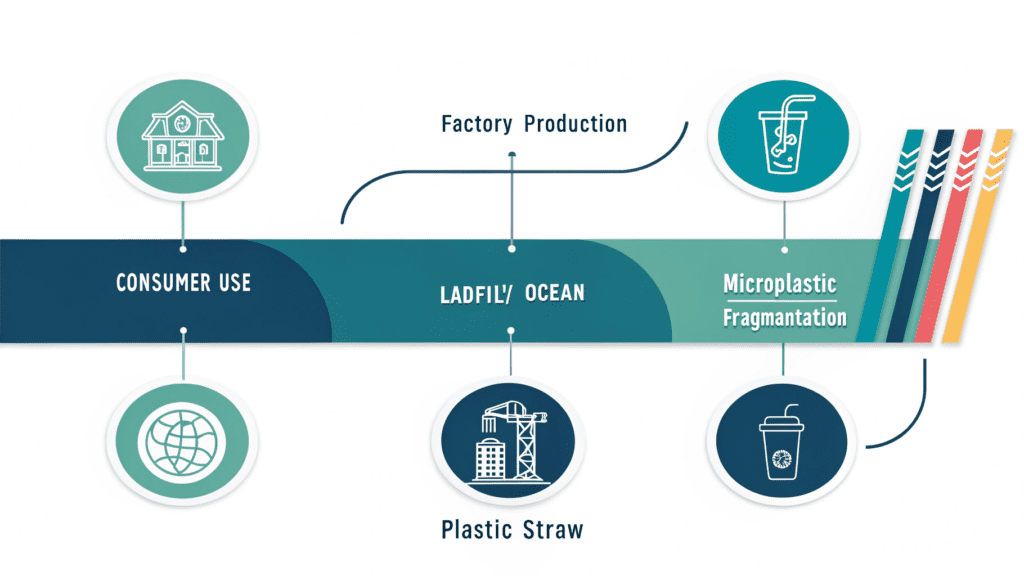
The journey of a plastic straw from production to landfill or ocean reveals a complex tapestry of environmental and social challenges. Manufactured primarily from polypropylene, a petroleum byproduct, their creation consumes significant natural resources and contributes to fossil fuel consumption and carbon emissions. Once used, these non-biodegradable items persist for hundreds of years. Rather than decomposing, they fragment into smaller and smaller pieces known as microplastics. These insidious particles, nearly impossible to remove, infiltrate water systems, soil, and even the food chain, ultimately being consumed by both animals and humans. The devastating impact on marine life is well-documented: plastic has been found in an estimated 90% of all seabirds and all sea turtle species, affecting around 800 marine species and killing at least 100,000 marine mammals annually. Furthermore, as plastics break down, they can release harmful chemicals like BPA and PFAS into the environment, posing additional risks.
በፕላስቲክ ገለባ ላይ የተነሳው ህዝባዊ ተቃውሞ በቫይራል አፍታዎች ከፍተኛ ትኩሳት ላይ ደርሷል፣ በተለይም የ2015 ቪዲዮ ከባህር ኤሊ አፍንጫ ውስጥ የፕላስቲክ ገለባ መወገዱን የሚያሳይ ነው። ይህ ስሜታዊ ቀስቃሽ ከሲያትል (2018) እና ካሊፎርኒያ (2019) ጀምሮ በመላው አውሮፓ ህብረት 36.4 ቢሊየን ሊጣሉ የሚችሉ ገለባዎች ከጠንካራ ህጎች በፊት በየአመቱ የሚጣሉትን ሰፊ የድርጅት ቃል ኪዳኖች እና የከተማ ደረጃ እገዳዎችን አነሳስቷል። ሆኖም ፣ ትረካው ነጠላ አይደለም። ተቺዎች ባልተመጣጠነ ሁኔታ በገለባ ላይ ማተኮር ከትላልቅ የብክለት ምንጮች ለምሳሌ የአሳ ማጥመጃ መሳሪያዎች ትኩረትን እንደሚከፋፍል ይከራከራሉ። ከዚህም በላይ የእገዳዎች ውጤታማነት አከራካሪ ነው, በተለይም አማራጮች የሸማቾችን ግምት ሳያሟሉ ሲቀሩ, ይህም ወደ ብስጭት ይመራቸዋል, ብዙውን ጊዜ ከወረቀት ገለባዎች ጋር ሲረግፉ ወይም የማይፈለግ ጣዕም ሲሰጡ ይታያል.
Crucially, the debate around plastic straws also encompasses a vital social dimension: accessibility and inclusivity. For many individuals with physical disabilities, plastic straws are not a luxury but a necessary tool for independent drinking, offering flexibility and safety that rigid alternatives cannot. Metal or glass straws, while reusable, can pose risks of injury, while some paper straws may degrade too quickly or cause allergic reactions. The imposition of blanket bans without accessible alternatives places an undue burden on this community, highlighting the need for a nuanced approach that balances environmental goals with social responsibility. Businesses must navigate this complex landscape, ensuring their sustainability initiatives are both impactful and equitable. Understanding proper disposal methods for different types of alternatives is also key to ensuring true environmental benefit; for instance, a comprehensive guide on compostable straw disposal in hospitality settings can be found atCompostable Straw Disposal Guide.

For forward-thinking businesses, the imperative is not merely to react to bans but to strategically shift towards sustainable straw solutions that align with both environmental stewardship and operational realities. This involves a comprehensive understanding of the diverse alternatives available and their implications for cost, customer experience, and environmental footprint.
Diverse Paths to Sustainability: A Closer Look at Alternatives
The market has responded with a proliferation of options, broadly categorized into reusable and single-use biodegradable solutions:
Reusable Straws:
Ideal for controlled environments or customers seeking long-term sustainability.
- Metal straws (e.g., stainless steel, copper):Highly durable and easy to clean, they offer longevity but can feel hard, conduct temperature, and pose potential risks for individuals with limited motor control.
- Glass straws:Elegant and reusable, made from high-quality, shatter-resistant glass. They provide a premium experience but are more fragile than metal.
- Bamboo straws:Naturally sustainable and biodegradable, bamboo offers a rustic appeal. However, they can split or crack and require thorough cleaning to prevent mold.
- Silicone straws:Flexible, durable, and safe for children, these are excellent reusable options. Their pliability makes them a safer choice for many, including those with disabilities.
Single-Use Eco-Friendly Innovations:
Catering to convenience while minimizing environmental harm.
- Paper straws:A modernized version of the original 1888 invention, these are biodegradable and can break down in less than three months. However, concerns about durability (sogginess), potential paper aftertaste, and whether all types are truly biodegradable (some are wax- or plastic-coated) persist.
- Plant-based biodegradable straws:An expanding category made from materials like Polylactic Acid (PLA), Polyhydroxyalkanoates (PHA), sugarcane fibers, rice, pasta, seaweed, grass, coffee grounds, and coconut leaves. These aim to reduce carbon footprint, though some PLA options require specific industrial composting facilities. For a deeper dive into these options, exploreBiodegradable Plastic Straws B2B Sustainability.
- “Straw straws”:Made from hollow grain stalks, these represent a completely natural and highly biodegradable single-use option.
To aid in this complex decision, procurement teams and operations managers can leverage a comprehensive comparison matrix:

| ገለባ ዓይነት | Cost-Effectiveness | Durability & Customer Experience | Disposal/Compostability | የአካባቢ አሻራ | Accessibility Considerations |
|---|---|---|---|---|---|
| ፕላስቲክ | በጣም ዝቅተኛ | ከፍተኛ | Landfill/Ocean | ከፍተኛ | ከፍተኛ |
| ወረቀት | መካከለኛ | Low (can become soggy) | Biodegradable (variable) | መካከለኛ | ተለዋዋጭ |
| PLA | መካከለኛ | Moderate (can soften) | የኢንዱስትሪ ኮምፖስት | Lower (plant-based) | ከፍተኛ |
| ብረት | High (initial investment) | ከፍተኛ | እንደገና ጥቅም ላይ መዋል | Low (with frequent reuse) | Low (rigid, temperature) |
| ሲሊኮን | High (initial investment) | High (flexible, safe) | እንደገና ጥቅም ላይ መዋል | Low (with frequent reuse) | ከፍተኛ |
| የቀርከሃ | መካከለኛ | Moderate (can split/crack) | ሊበሰብስ የሚችል | ዝቅተኛ | ተለዋዋጭ |
| Rice/Pasta/Seaweed | መካከለኛ | Variable (softens quickly) | የሚበላ/የሚበሰብሰው | በጣም ዝቅተኛ | ተለዋዋጭ |
ይህ ሰንጠረዥ ፕላስቲክ ዝቅተኛ የመነሻ ዋጋ እና ከፍተኛ ጥንካሬን ሲያቀርብ, የአካባቢያዊ እና ስምምነቱ ዋጋ እየጨመረ መሆኑን ያሳያል. ለንግድ ሥራ ተስማሚ ምርጫ ብዙውን ጊዜ ልዩ የአጠቃቀም ጉዳዮችን ፣ የደንበኞችን ስነ-ሕዝብ እና የአካባቢ ቆሻሻ አያያዝ መሠረተ ልማትን ከግምት ውስጥ በማስገባት ድብልቅ አቀራረብን ያካትታል። ለምሳሌ፣ ፈጣን አገልግሎት የሚሰጥ ሬስቶራንት ከዕፅዋት የተቀመሙ ነጠላ አጠቃቀም አማራጮችን ሊመርጥ ይችላል፣ ከፍተኛ ደረጃ ያለው ባር ደግሞ ለመመገቢያ አገልግሎት እንደገና ጥቅም ላይ በሚውሉ የብረት ወይም የመስታወት ገለባዎች ላይ ኢንቨስት ሊያደርግ ይችላል። ለማዳበሪያ ገለባዎች የማከማቻ መመሪያዎችን መረዳት ንጹሕ አቋማቸውን እና አፈጻጸማቸውን ለመጠበቅ ወሳኝ ነው፡ ዝርዝራቸውም በ ላይ ይገኛሉ።ሊበሰብሱ የሚችሉ ገለባዎች ማከማቻ መመሪያ.

ወደ ዘላቂነት ገለባ የሚደረገው ሽግግር አዝማሚያ ብቻ አይደለም; መሠረታዊ የገበያ ለውጥ ነው። እ.ኤ.አ. በ2025 በ1.5 ቢሊዮን ዶላር የሚገመተው የአለም ኢኮ-ተስማሚ የስትሮው ገበያ፣ በ2033 ወደ 2.8 ቢሊዮን ዶላር ገደማ እንደሚያድግ ተተነበየ፣ ይህም አስደናቂ የተቀናጀ አመታዊ እድገትን (CAGR) 8 በመቶ ያሳያል። ይህ እድገት በሁለቱም የተገልጋዮች ግንዛቤን እና ጥብቅ የመንግስት ደንቦችን በመጨመር ነው. Starbucks፣ McDonald's እና Bon Appétit Managementን ጨምሮ በምግብ አገልግሎት ኢንዱስትሪ ውስጥ ያሉ ዋና ዋና ተጫዋቾች የፕላስቲክ ገለባዎችን ለማጥፋት ወስነዋል፣ ይህም ለሰፊው ገበያ ምሳሌ ነው። እንደ ሲያትል ያሉ ከተሞች እና እንደ ፈረንሣይ እና እንግሊዝ ያሉ ሀገራት የፕላስቲክ ገለባ እገዳን ወይም "በተጠየቀ ጊዜ ገለባ" ፖሊሲዎችን ተግባራዊ አድርገዋል፣ የቁጥጥር ተገዢነትን በብዙ ቁልፍ ገበያዎች ውስጥ የማይደራደር የስራ ገጽታ አድርገውታል።
Innovation is driving this adoption, with advancements in material science creating new solutions like limestone-based straws (Biodolomer), bacterial cellulose, and seaweed straws. PHA (Polyhydroxyalkanoates) is particularly promising due to its ability to decompose in various environments, including marine settings, addressing critical limitations of earlier biodegradable options. For businesses, this means navigating new supply chain complexities – from sourcing novel materials to ensuring proper end-of-life disposal, whether through industrial composting or innovative recycling programs. Embracing these alternatives isn’t just about avoiding penalties; it’s about aligning with evolving consumer values, enhancing brand value, and securing a competitive edge in a market that increasingly prioritizes sustainability. Leading organizations are not just reacting but shaping the future of responsible consumption, understanding that proactive environmental stewardship attracts conscious consumers and mitigates long-term regulatory and reputational risks.
The debate around plastic straws, far from being a mere symbolic gesture, represents a microcosm of the larger sustainability challenges facing modern businesses. For procurement managers, operations directors, sustainability officers, and supply chain executives, it’s an urgent call to action. Moving beyond reactive compliance, your organization has the opportunity to develop a comprehensive sustainability strategy that not only addresses single-use plastics but also enhances brand loyalty, reduces operational risks, and unlocks new market share opportunities.
የአሁኑን የገለባ አጠቃቀምዎን በመገምገም እና አዋጭ የስነ-ምህዳር አማራጮችን በመመርመር ለታች መስመርዎ እና ለፕላኔቷ የሚጠቅሙ በመረጃ ላይ የተመሰረተ ውሳኔዎችን ማድረግ ይችላሉ። ከእርስዎ ልዩ የንግድ ፍላጎቶች፣ የደንበኛ መሰረት እና የረጅም ጊዜ የአካባቢ ቁርጠኝነት ጋር የሚጣጣም ስትራቴጂ ለማዘጋጀት ከኢንዱስትሪ ባለሙያዎች እና ከዘላቂ አቅራቢዎች ጋር ያማክሩ። እርምጃ ለመውሰድ ጊዜው አሁን ነው። የወደፊት የቁጥጥር ስጋቶችን ለማቃለል፣ የምርት ስምዎን ለማሳደግ እና ከጊዜ ወደ ጊዜ በአካባቢ ጥበቃ ላይ በሚታወቅ አለምአቀፍ ገበያ ውስጥ ተወዳዳሪነትን ለማስጠበቅ ዘላቂ የሆነ የገለባ መፍትሄዎችን ይቀበሉ። ይህ ቁርጠኝነት የንግድ ስራዎን ጉልህ የሆነ የታዛዥነት ወጪዎችን ይቆጥባል፣ ከአሉታዊ የህዝብ ስሜት ይከላከለው እና በድርጅት ማህበረሰብ ሀላፊነት ውስጥ መሪ አድርጎ ያስቀምጣል፣ ይህም በፍጥነት እያደገ ባለው ኢኮ-ንቃት ኢኮኖሚ ውስጥ የገበያ ድርሻን ከፍ ሊያደርግ ይችላል።
ተዘውትረው የሚጠየቁ ጥያቄዎች (ተዘውትረው የሚጠየቁ ጥያቄዎች)
Q1
While plastic straws constitute a small percentage (≈0.025%–0.03%) of total ocean plastic, their widespread use (≈172–500 million daily in the U.S.) and non-biodegradable nature mean they persist for centuries and fragment into harmful microplastics.
They contribute to ~8 million tons of plastic entering oceans annually, affect ≈800 marine species, and are linked to ≥100,000 marine mammal deaths per year. Production also consumes fossil fuels and emits CO₂.
Q2
Plastic straws add to microplastic pollution across water systems, soil, and the food chain. They harm marine life via ingestion and entanglement, consume resources and emit carbon during production, are hard to recycle, and frequently end up as landfill or litter.
Q3
Many people with disabilities rely on plastic straws for safe, independent drinking; alternatives may be unsuitable or risky.
For businesses, bans require compliance changes and new procurement, and can frustrate customers if alternatives perform poorly. Not adapting, however, risks penalties, reputational damage, and lost market opportunities.
Q4
Reusable options: stainless steel, glass, bamboo, silicone. Single-use compostable/biodegradable: paper, PLA, PHA, sugarcane, rice, pasta, seaweed, and hollow grain “straw straws.”
The best choice depends on specific use cases, customer needs, and disposal capabilities.
Q5
The eco-friendly straw market is undergoing rapid transformation: projected to grow from ~$1.5B in 2025 to ~$2.8B by 2033 (~8% CAGR), driven by regulation and consumer demand.
Innovations include PHA, limestone-based, bacterial cellulose, and seaweed straws aiming for higher performance and universal biodegradability. Major foodservice brands are already transitioning away from plastic.