ውስብስብ በሆነው ዓለም አቀፋዊ የአቅርቦት ሰንሰለት እና ግዥ ውስጥ፣ እንደ ትሑት የፕላስቲክ ገለባ ጥቂት እቃዎች ምንም ጉዳት የሌላቸው ይመስላሉ. ሆኖም ይህ በየቦታው የሚገኝ ምቾት የንግድ ድርጅቶች ችላ ሊሉት የማይችሉትን የማይታወቅ ዕዳ ተሸክሞ የትልቅ የአካባቢ ተግዳሮት ምልክት ሆኗል። ለግዢ አስተዳዳሪዎች፣ ኦፕሬሽን ዳይሬክተሮች፣ የዘላቂነት ኦፊሰሮች እና የአቅርቦት ሰንሰለት ሥራ አስፈፃሚዎች፣ የፕላስቲክ ገለባዎችን እውነተኛ የሕይወት ዑደት መረዳት የአካባቢን ጉዳይ ብቻ አይደለም፤ ተገዢነትን፣ የምርት ስምን እና የረዥም ጊዜ የፋይናንስ አዋጭነትን የሚጎዳ ወሳኝ ኦፕሬሽን ነው። አስፈሪው እውነት ባህላዊ የፕላስቲክ ገለባዎች በትክክል አይበሰብስም; ይልቁንም ወደ ፕላኔታችን በጣም አስፈላጊ የሆኑ ስርዓቶች ውስጥ ሰርገው ወደሚገቡ ተንኮለኛ ቁርጥራጮች እየከፋፈሉ ይቆያሉ።
የችግሩ ዋናው ነገር በፕላስቲክ ተፈጥሮ ላይ ነው. በዋነኛነት ከ polypropylene (#5 ፕላስቲክ)፣ ዘላቂ የሆነ የፔትሮሊየም ተረፈ ምርት፣ የፕላስቲክ ገለባ የተሰሩት ለረጅም ጊዜ የሚቆይ እንጂ ባዮዲግራዳዳዲቲ አይደለም። ይህ ማለት መበላሸት ለመጀመር እስከ 200 ዓመታት ሊወስዱ ይችላሉ, እና ከዚያ በኋላ እንኳን, ወደ ተፈጥሯዊ አካላት አይመለሱም. What occurs is a process of photo-degradation and fragmentation, yielding smaller and smaller pieces known as microplastics. ከ 5 ሚሊ ሜትር ያነሰ መጠን ያላቸው እነዚህ ጥቃቅን ቅንጣቶች ወደ አፈር, ውሃ እና አየር ውስጥ ዘልቀው በመግባት ለሥነ-ምህዳር እና ከጊዜ ወደ ጊዜ በሰው ጤና ላይ ከፍተኛ ስጋት ይፈጥራሉ. የምግብ ሰንሰለት ውስጥ ይገባሉ, በዱር አራዊት ውስጥ ይሰበስባሉ, እና አሁን በግምት 80% በሚገመተው የሰው ደም ውስጥ ይገኛሉ.
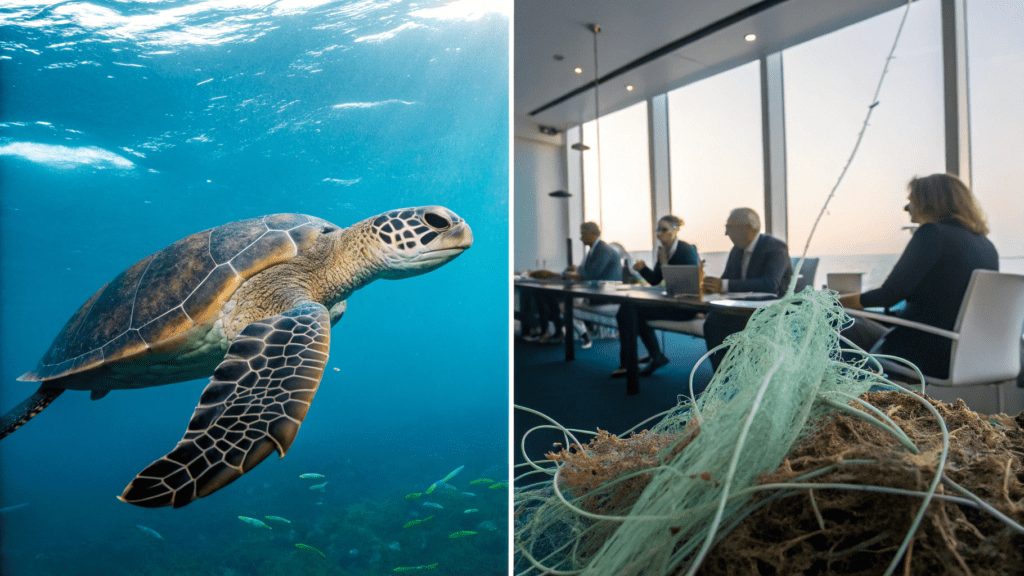
This unseen journey often begins with disposal. Despite being technically recyclable, plastic straws are rarely recycled in conventional curbside programs due to their small size, which causes them to fall through recycling machinery and contaminate other recyclable streams. Consequently, at least 97% of properly disposed plastic straws end up in landfills or are incinerated, or worse, they escape into natural environments. An estimated 8.3 billion plastic straws pollute the world’s beaches, contributing to the 8 million tons of plastic flowing into the ocean annually. Their lightweight nature makes them easily carried by wind and water, leading to widespread littering and posing severe threats to marine life, including sea turtles, seabirds, and mammals, which mistake them for food, leading to ingestion, entanglement, and often, death. The commercial impact is stark: businesses that fail to acknowledge this persistent problem face not only potential regulatory penalties but also significant blows to their public image and consumer trust.
የህብረተሰቡ የግንዛቤ ማስጨበጫ ማዕበል እና የቁጥጥር ትእዛዝ ንግዶች በአንድ ጊዜ ጥቅም ላይ በሚውሉ ፕላስቲኮች ላይ ያላቸውን ጥገኝነት እንደገና እንዲገመግሙ አስቸኳይ ፍላጎት እየፈጠረላቸው ነው። ከሚታየው ብክለት ባሻገር፣ የፕላስቲክ ገለባዎች ጸጥ ያለ የጤና ስጋት አላቸው። እንደ BPA (Bisphenol A) እና PFAS (per- እና polyfluoroalkyl ንጥረ ነገሮች) ያሉ የኬሚካል ውህዶችን ወደ መጠጦች በተለይም ትኩስ መጠጦችን ማፍሰስ ይችላሉ። እነዚህ "ለዘላለም ኬሚካሎች" እና የኢንዶሮሲን ረብሻዎች ሊከሰቱ ከሚችሉ የሆርሞን መቋረጥ, የካንሰር አደጋ መጨመር እና የሰውነት መከላከያ ተግባራት መጓደል ጋር ተያይዘዋል. ማይክሮፕላስቲክ ከተቆራረጡ ገለባዎች ወደ ውስጥ መግባቱ በሰው ልጅ ጤና ላይ የሚኖረውን ቀጣይ ስጋትም ያስነሳል።
Globally, a formidable wave of regulatory pressure is forcing businesses to adapt. The European Union’s Single-Use Plastics Directive, for example, mandates a ban on certain single-use plastic products, including straws, by July 2021, and strongly promotes sustainable alternatives. In the United States, cities like Seattle and states like California have implemented their own bans or “straw upon request” policies. This regulatory landscape is not a distant threat but an immediate operational challenge for supply chain executives and procurement teams, requiring proactive sourcing of compliant alternatives. The catalyst for this widespread legislative action and public scrutiny was profoundly influenced by viral moments, most notably the harrowing 2015 video of a plastic straw being removed from a sea turtle’s nostril, which galvanized the anti-plastic straw movement worldwide. This event significantly shaped evolving consumer expectations; a February 2025 Oceana poll in the U.S. showed 81% of voters support policies to reduce plastic production, including single-use plastic and foodware. Brands that ignore this shift risk alienating a growing segment of environmentally conscious consumers, impacting purchasing decisions and market share.
ነገር ግን፣ በፕላስቲክ ገለባ እገዳዎች ዙሪያ የሚደረገው ውይይት ከውስብስብነቱ የጸዳ አይደለም፣ በተለይም ተደራሽነትን በተመለከተ። ለብዙ አካል ጉዳተኞች፣ ሥር የሰደዱ ሕመሞች ወይም የመንቀሳቀስ ችግር ላለባቸው ግለሰቦች መታጠፍ የሚችሉ የፕላስቲክ ገለባዎች እንዲሁ ምቾት ብቻ አይደሉም ነገር ግን ደህንነቱ የተጠበቀ እና ገለልተኛ መጠጥ አስፈላጊ መሣሪያ ናቸው። አሁን ያሉት አማራጮች ብዙ ጊዜ አጭር ይሆናሉ፣የወረቀት ገለባ በረዘሙ እና የመታፈን አደጋዎችን ያስከትላል፣ እና ጠንካራ የብረት ወይም የመስታወት ገለባ መንቀጥቀጥ ወይም ያለፈቃድ እንቅስቃሴ ላለባቸው ሰዎች የመጉዳት አደጋን ይፈጥራል። የሲሊኮን ገለባዎች አስፈላጊው ተለዋዋጭነት ላይኖራቸው ይችላል. ይህ ወሳኝ ልዩነት ማለት ንግዶች ለዘላቂነት ጥረት ሲያደርጉ፣ ሁለንተናዊ የንድፍ መርሆዎችን የሚያሟሉ መፍትሄዎችን በመተግበር ማካተትን ማረጋገጥ አለባቸው። ለኦፕሬሽን ዳይሬክተሮች፣ ይህ ለሚያስፈልጋቸው ሰዎች ሲጠየቁ የፕላስቲክ ገለባዎችን እንደ ማቅረብ፣ ለአጠቃላይ ጥቅም ወደ ዘላቂ አማራጮች ሲሸጋገሩ፣ ሚዛናዊ አቀራረብን ይፈልጋል። የዩናይትድ ኪንግደም የእኩልነት ህግ (2010) የህግ እንድምታዎችን አጽንኦት ይሰጣል፣ አካል ጉዳተኞች በማይደረስባቸው እቃዎች እና አገልግሎቶች ምክንያት ከአድልዎ ይጠብቃል።

Embracing sustainable alternatives is no longer just about compliance or mitigating risk; it’s a strategic pathway to business growth and enhanced brand value. The global eco-friendly straw market is booming, projected to nearly double from an estimated $12.3 billion in 2025 to $25.1 billion by 2035, exhibiting a robust Compound Annual Growth Rate (CAGR) of 7.3%. This expansion signals significant investment opportunities and a clear market shift.
Navigating the Alternatives: A Comparative Guide for B2B Decision-Makers
Procurement teams face a critical choice, balancing cost, performance, and environmental impact. Here’s a comparative overview of the leading sustainable straw alternatives:
Reusable Straws: Long-Term Investments
- Metal (Stainless Steel): በጥንካሬ፣ በንጽህና (በትክክል ሲጸዳ) እና በሚያምር ውበት የሚታወቅ። መታጠብ እና ንፅህናን ማስተዳደር ለሚችሉ ከፍተኛ ደረጃ መመገቢያ፣ ሆቴሎች ወይም የድርጅት ቢሮዎች ተስማሚ። የመበስበስ ጊዜያቸው ያልተወሰነ ቢሆንም, እንደገና ጥቅም ላይ መዋል በጣም ዘላቂ ያደርጋቸዋል.
- ብርጭቆ፡ ለሚታየው ንጽህና የሚፈቅድ የሚያምር፣ ግልጽ ውበት ይሰጣል። ለተደጋጋሚ ጥቅም የሚቆይ፣ ምንም እንኳን ለመሰባበር የተጋለጠ። እንደ ካፌዎች ወይም ለሸማቾች ችርቻሮ ለመሸጥ ላሉ ቁጥጥር የሚደረግባቸው አካባቢዎች ምርጥ።
- ሲሊኮን ተለዋዋጭ፣ ለስላሳ እና ለህጻናት ተስማሚ፣ ይህም ለቤተሰብ ተኮር ተቋማት ወይም ለጤና እንክብካቤ መስጫ ቦታዎች ጥሩ አማራጭ በማድረግ ደህንነት በጣም አስፈላጊ ነው። ሙሉ በሙሉ ማጽዳትን ይጠይቁ እና ባዮሎጂያዊ አይደሉም (ለመበላሸት ከ50-500 ዓመታት)።
- የቀርከሃ Provides a natural, rustic aesthetic, appealing to eco-conscious brands. They are reusable and decompose in several months to a year. However, they require careful cleaning and can sometimes harbor bacteria if not dried properly. For more on their decomposition, read about የቀርከሃ ገለባ ለ B2B ዘላቂነት ይበሰብሳል.
Single-Use Biodegradable & Compostable Options: Convenient Sustainability
- የወረቀት ጭነት The most common single-use alternative, decomposing in 2-6 weeks. While highly biodegradable, early versions suffered from sogginess. Recent advancements include improved waterproof coatings, though some studies suggest they may contain “forever chemicals” (PFAS), a concern manufacturers are actively addressing with PFAS-free solutions. Best for fast food, quick-service restaurants, and high-volume takeaway operations.
- Bioplastics (PLA, PHA, CDA):
- PLA (ፖሊላቲክ አሲድ)፡- Made from organic materials like corn starch, PLA straws are considered biodegradable but require industrial composting facilities to decompose properly. They do not degrade well in landfills or oceans. Suitable for businesses with access to industrial composting infrastructure.
- PHA (Polyhydroxyalkanoates): Derived from microorganisms, PHA straws are a promising biodegradable plastic that can decompose within a few months under the right composting conditions, including marine environments. Offers better durability and flexibility than PLA. Ideal for wider use cases given their environmental profile.
- CDA (Cellulose Diacetate): Shows promising degradation (up to 50% in 16 weeks) in coastal ocean systems, with projected environmental lifetimes of 20 months, offering a marine-degradable option.
- Novel Plant-Based Straws (Sugarcane, Rice, Grass, Wheat, Coffee Grounds, Pasta, Seaweed): እነዚህ ፈጠራዎች ከ1-3 ወራት ለሩዝ እና ለሳር ገለባ፣ ለሸንኮራ አገዳ ከ3-6 ወራት የተለያዩ ንብረቶችን እና የመበስበስ መጠኖችን ያቀርባሉ። የፓስታ ገለባ ጣዕም የሌላቸው እና ሊበሉ የሚችሉ ናቸው፣ እንደ ሎሊዋሬ ካሉ ኩባንያዎች የባህር ውስጥ አረም ላይ የተመሰረቱ ገለባዎች ከተጠቀሙ በኋላ እንዲጠፉ ተደርገው የተሰሩ ናቸው። ስትሮድልስ የሚበሉ የፓስታ ገለባዎችንም ያቀርባል። እነዚህ አማራጮች ልዩ የሆኑ የምርት እድሎችን እና አነስተኛ ቆሻሻዎችን ያቀርባሉ፣ ለአዳዲስ እና ለአካባቢ ጥበቃ ቁርጠኛ የሆኑ ንግዶችን ይስባሉ።
| ገለባ ዓይነት | መበስበስ / የህይወት ዘመን | ቁልፍ ጥቅሞች (B2B) | ቁልፍ ጉዳቶች (B2B) | ምርጥ ለ (የንግድ ዓይነት/የአጠቃቀም ጉዳይ) |
|---|---|---|---|---|
| ፕላስቲክ | 200+ ዓመታት (ቁርጥራጮች) | ዝቅተኛ የመነሻ ዋጋ ፣ ዘላቂ ፣ ተለዋዋጭ | ከባድ ብክለት, ማይክሮፕላስቲክ, የቁጥጥር አደጋ | የቆየ አጠቃቀም (ማቆም) |
| ወረቀት | 2-6 ሳምንታት | ሊበላሽ የሚችል፣ በሰፊው ይገኛል። | ከረዘመ፣ እምቅ PFAS፣ ከፕላስቲክ የበለጠ ዋጋ ሊኖረው ይችላል። | ፈጣን ምግብ፣ ካፌዎች፣ መውሰጃዎች፣ ከፍተኛ መጠን ያላቸው ሥራዎች |
| PLA | የኢንዱስትሪ ኮምፖስት | ብስባሽ, በእፅዋት ላይ የተመሰረተ | ከባህር ውስጥ የማይበላሽ ሳይሆን የኢንዱስትሪ ተቋማትን ይፈልጋል | የኢንዱስትሪ ማዳበሪያ ተደራሽነት ያላቸው ተቋማት |
| PHA | ኮምፖስት (የባህርን ጨምሮ) | በባህር ውስጥ ሊበላሽ የሚችል, ዘላቂ, ተለዋዋጭ | ከፕላስቲክ የበለጠ ዋጋ, አዲስ ቴክኖሎጂ | ኢኮ-ተኮር ብራንዶች፣ የባህር ዳርቻ ንግዶች |
| ብረት | እንደገና ጥቅም ላይ ሊውል የሚችል (ያልተወሰነ) | በጣም ዘላቂ ፣ ፕሪሚየም ስሜት ፣ ዜሮ ብክነት | ጽዳት ያስፈልገዋል, የመጀመሪያ ወጪ, ተለዋዋጭ አይደለም | ጥሩ ምግብ፣ ሆቴሎች፣ የድርጅት መመገቢያ፣ ችርቻሮ |
| ብርጭቆ | እንደገና ጥቅም ላይ ሊውል የሚችል (ያልተወሰነ) | ውበት, ግልጽነት, ለመመርመር ቀላል | ደካማ, በጥንቃቄ ማጽዳትን ይጠይቃል, ተለዋዋጭ አይደለም | ካፌዎች፣ ቡና ቤቶች፣ ችርቻሮ (ለቤት አገልግሎት) |
| ሲሊኮን | 50-500 ዓመታት | ተለዋዋጭ, ለስላሳ, ለልጆች ደህንነቱ የተጠበቀ | ባዮሎጂያዊ አይደለም, ማጽዳትን ይጠይቃል | የጤና እንክብካቤ፣ የቤተሰብ ምግብ ቤቶች፣ ችርቻሮ |
| የቀርከሃ | እንደገና ጥቅም ላይ ሊውል የሚችል (ወሮች-1 ዓመት) | ተፈጥሯዊ ውበት, እንደገና ጥቅም ላይ ሊውል የሚችል, ባዮግራፊ | ጽዳት/እንክብካቤ ያስፈልገዋል፣ከጣዕም ውጪ የመሆን አቅም | ኢኮ ሪዞርቶች፣ የተፈጥሮ ምግብ ካፌዎች፣ ችርቻሮ |
| የሸንኮራ አገዳ | 3-6 ወራት | ሙሉ በሙሉ ሊበላሽ የሚችል/የሚበሰብስ፣ ጠንካራ | ከወረቀት የበለጠ ዋጋ | ምግብ ቤቶች ፣ ምግብ ቤቶች ፣ ዝግጅቶች |
| ሩዝ | 1-3 ወራት | ሊበላ የሚችል፣ ሊበላሽ የሚችል፣ ከግሉተን-ነጻ | በፈሳሽ ውስጥ እርጥብ ፣ የተገደበ የህይወት ጊዜ ሊኖር ይችላል። | የእስያ ምግብ፣ ጥሩ ምግብ ቤቶች፣ ኢኮ-ክስተቶች |
| ፓስታ | ሊበላሽ የሚችል (የሚበላ) | የሚበላ, ዜሮ ቆሻሻ, የተፈጥሮ ንጥረ ነገሮች | በፍጥነት ይለሰልሳል፣ የብርሃን መጠጦችን ጣዕም ሊነካ ይችላል። | ተራ መመገቢያ፣ ፒዜሪያ፣ አዲስነት አጠቃቀሞች |
| የባህር አረም | ሊበላሽ የሚችል (የሚበላ) | ማሪን-ሊበላሽ የሚችል, ሊበላ የሚችል, በፍጥነት ሊታደስ የሚችል | አዳዲስ ቴክኖሎጂዎች, ከፍተኛ ወጪ | ፈጠራ፣ ከፍተኛ ደረጃ፣ የባህር ላይ ግንዛቤ ያላቸው ንግዶች |
ምሳሌ 3፡ ለB2B ውሳኔ ሰጪዎች ዘላቂ የገለባ አማራጮች የንፅፅር መመሪያ።
ኢንዱስትሪው ለእነዚህ ፍላጎቶች በሚያስደንቅ ፍጥነት ምላሽ እየሰጠ ነው። እስያ ፓስፊክ በአሁኑ ጊዜ የችርቻሮ ዘርፎችን በማስፋፋት እና በፕላስቲክ ቆሻሻ ህግ የሚመራውን 48.5% ገቢ በ2023 በመያዝ ለአካባቢ ተስማሚ የሆነ የገለባ ገበያን ትመራለች። እንደ የአውሮፓ ህብረት ነጠላ አጠቃቀም ፕላስቲኮች መመሪያ ባሉ አጠቃላይ ፖሊሲዎች ምክንያት አውሮፓ ቁልፍ ገበያ ነው ፣ ሰሜን አሜሪካ ደግሞ የአካባቢን ንቃተ ህሊና በመጨመር ከፍተኛ መስፋፋት ዝግጁ ነች። ይህ ዓለም አቀፋዊ ለውጥ ማለት የግዥ ስልቶች ከባህላዊ ወጪ ቆጣቢነት ወጥተው የህይወት ዑደት ትንተና እና የአካባቢ ተፅእኖን ቅድሚያ መስጠት አለባቸው። ለምሳሌ አንድ የፕላስቲክ ገለባ በማምረት የሚፈጠረውን ልቀትን ለመስበር የብረት ገለባ 150 ጊዜ መጠቀም ያስፈልጋል፣ ይህም የእውነተኛ ክብ ኢኮኖሚ አስተሳሰብ አስፈላጊነትን ያሳያል።

Looking ahead, the future of plastic straw alternatives is characterized by continuous innovation. Researchers are developing straws from a wider array of agricultural byproducts and renewable resources, including flax straw, potato peels, and apple pomace, with the latter even offering edible, flavored options. Bio-engineered solutions are emerging, such as bacterial cellulose straws demonstrating superior strength and edible, microplastic-free properties. Seaweed-based packaging and straws, rapidly renewable and naturally biodegradable even in marine environments, represent a significant leap forward. The market is also focusing on enhanced performance, addressing sogginess, improving durability, and even exploring “smart straws” with integrated sensors. These advancements not only solve existing challenges but also create new opportunities for brands to differentiate themselves through cutting-edge sustainable offerings. This commitment to innovation, as seen in the development of materials discussed on sites likeየቀርከሃ ገለባ ለ B2B ዘላቂነት ይበሰብሳልለረጅም ጊዜ የአቅርቦት ሰንሰለት መቋቋም አስፈላጊ ነው።
እንደ Huhtamki፣ Aardvark Straws እና Biopac ያሉ ቁልፍ ተጫዋቾች ተግባራዊነትን እና ዘላቂነትን ለማሻሻል በምርምር እና ልማት ላይ ከፍተኛ መዋዕለ ንዋይ በማፍሰስ የውድድር መልክአ ምድሩ እየሰፋ ነው። እንደ ስታርባክስ ያሉ ዋና ዋና የፈጣን ምግብ ሰንሰለቶች እና የቡና ግዙፍ ኩባንያዎች ቀደም ሲል የፕላስቲክ ገለባዎችን ለማስወገድ ቃል ገብተዋል ፣ ይህም በአለምአቀፍ የአቅርቦት ሰንሰለት ላይ ቀጥተኛ ተጽዕኖ ያለው ግንባር ቀደም የኮርፖሬት ኃላፊነት አዝማሚያ ያሳያል። ይህ ለውጥ ስለ ተገዢነት ብቻ ሳይሆን የገበያ ድርሻን ስለመያዝ ነው፣ ሸማቾች ለአካባቢ ጥበቃ ኃላፊነት የሚሰማቸው አማራጮችን ለመክፈል ፍቃደኛ ሲሆኑ። እ.ኤ.አ. በ2019 የተደረገ የሕዝብ አስተያየት ሁለት ሦስተኛ የሚሆኑት አሜሪካውያን ለዘላቂ የዕለት ተዕለት ዕቃዎች የበለጠ እንደሚከፍሉ አረጋግጧል፣ ይህም በዘላቂነት እና በምርት ስም ታማኝነት መካከል ያለውን ግንኙነት ያጠናክራል። እነዚህን የገበያ ተለዋዋጭ ሁኔታዎች መረዳት እና ከፈጠራ አቅራቢዎች ጋር መተባበር የአካባቢ አሻራቸውን ለመቀነስ እና የውድድር ደረጃን ለማስጠበቅ ለሚፈልጉ ንግዶች ወሳኝ ነው።
The transition, however, isn’t without its operational and economic considerations. Eco-friendly alternatives often have higher production costs than traditional plastic, and robust composting infrastructure is not uniformly available. Despite these hurdles, the long-term benefits – reduced regulatory risks, enhanced brand reputation, and alignment with evolving consumer values – far outweigh the initial challenges. Furthermore, focusing solely on straws is a symbolic step; a truly sustainable approach extends to broader single-use plastic reduction. The insights into howየቀርከሃ ገለባ ለ B2B ዘላቂነት ይበሰብሳልcan further guide a holistic approach.
The time for decisive action is now. Proactively transition your operations towards sustainable straw alternatives to mitigate mounting environmental and regulatory risks, quantify your commitment through tangible changes, and capture significant market share opportunities. By embracing innovation in your procurement strategy, you can position your business as a leader in corporate responsibility, enhancing brand value, fostering deeper customer loyalty, and securing a sustainable future that drives both profit and purpose.
የፕላስቲክ ገለባ - በተደጋጋሚ የሚጠየቁ ጥያቄዎች
No, traditional plastic straws do not fully decompose. Instead, they break down into smaller fragments known as microplastics, which can persist in the environment for hundreds of years, contaminating ecosystems and entering the food chain.
Plastic straws contribute to ocean pollution (estimated 8.3 billion on beaches), harm marine wildlife through ingestion and entanglement, and form microplastics that contaminate water, soil, and potentially human bodies. They also consume fossil fuels in production and are rarely recycled.
Plastic straws can leach chemical compounds like BPA and PFAS into beverages, particularly hot ones. These chemicals are linked to potential hormonal disruption, increased cancer risk, and impaired immune function. The ingestion of microplastics also raises ongoing health concerns.
Effective alternatives include reusable options (metal, glass, silicone, bamboo) and single-use biodegradable/compostable options (paper, bioplastics like PLA, PHA, CDA, and novel plant-based materials like sugarcane, rice, grass, pasta, or seaweed straws). The best choice depends on operational needs, access to composting facilities, and specific use cases.
Stricter legislation, such as the EU’s Single-Use Plastics Directive and various U.S. state bans, compels businesses to transition from plastic to sustainable alternatives to ensure compliance. Failure to adapt can lead to penalties and damage to brand reputation, making proactive procurement of compliant options essential.