The hospitality industry stands at a critical juncture, facing both urgent environmental imperatives and evolving consumer expectations. The pervasive global crisis of plastic pollution, particularly its devastating impact on marine ecosystems, has become an undeniable stain on brand perception. Consumers, now more than ever, are acutely aware of the environmental footprint of their choices. A striking figure reveals that up to 80% of patrons now actively favor businesses that prioritize eco-friendly products, making sustainability a powerful driver for customer loyalty and competitive differentiation.
Adding to this pressure is an increasingly stringent regulatory landscape. Widespread plastic straw bans and restrictions have swept across continents, from the European Union’s Single-Use Plastics Directive (EU SUPD) to various city and state mandates across the United States. For bars, restaurants, and event organizers, finding compliant solutions is no longer optional; it’s a legal and ethical necessity. The transition to compostable cocktail straws, therefore, isn’t merely a compliance burden. It represents a strategic opportunity to not only enhance brand image and meet crucial ESG (Environmental, Social, and Governance) goals but also to deliver a superior, eco-conscious experience that resonates deeply with today’s discerning clientele.
Beyond the Bend: Navigating the Evolution of Eco-Friendly Straws
The journey of the drinking straw is surprisingly long, from ancient Mesopotamian beer sippers to the mid-20th century’s plastic explosion. While Marvin Stone patented the first paper straw in 1888 to counter soggy rye grass, the low cost and durability of plastic quickly overshadowed these early efforts in the 1960s. However, the environmental reckoning of the 21st century, dramatically highlighted by images of marine life suffering from plastic debris, has spurred a rapid re-evaluation.
This renewed focus has brought new terminology to the forefront. It’s crucial to understand the critical distinction between “biodegradable” and “compostable” claims. Many so-called “biodegradable” straws, particularly those made from bioplastics like PLA, often require very specific, high-temperature industrial composting facilities to break down effectively – conditions rarely found in home composts or natural environments. True compostability, often validated by certifications like BPI, DIN CERTCO, and CMA, ensures a straw will break down into natural components without leaving behind harmful residues or microplastics. This rigor is vital for hospitality businesses committed to genuine sustainability.

በ2025 ከ12.3 ቢሊዮን ዶላር ወደ 25.1 ቢሊዮን ዶላር የሚጠጋ ዶላር በ2035 ያድጋል የተባለውን ይህንን አስቸኳይ ለውጥ የሚያንፀባርቅ ለኢኮ-ተስማሚ ገለባዎች የገበያ ዕድገት ነው። ሆኖም፣ መንገዱ ያለስህተቶቹ አልነበረም። የመጀመሪያዎቹ ትውልዶች ብዙ ጊዜ ትልቅ ተግዳሮቶችን ያቀርቡ ነበር፡ የወረቀት ገለባ በከፋ መልኩ ከረከረ፣ አንዳንዶቹ ደግሞ ደስ የማይል ጣዕም ነበራቸው፣ እና ቁጥራቸውም ውሃን የመቋቋም “ለዘላለም ኬሚካሎች” (PFAS) እንደያዘ ተገኝቷል። እነዚህ የመጀመሪያ ድክመቶች ጥርጣሬን እና ከፍተኛ አፈጻጸም ያላቸውን መፍትሄዎች ፍላጎት ፈጥረዋል።
እያንዳንዱን ሲፕ ከፍ ያድርጉ፡ ከፍተኛ አፈጻጸም ያላቸውን ኮምፖስትሊየል ኮክቴል ገለባ በማግኘት ላይ

Today’s landscape for sustainable straws is vastly different. The latest innovations in premium compostable straw materials effectively overcome the limitations of their predecessors, delivering durability, aesthetic appeal, and a superior user experience akin to traditional plastic. This advancement means bars, hotels, and upscale events can choose eco-friendly options without compromising on the quality or luxury patrons expect. Selecting the right eco-friendly cocktail straw now directly enhances overall brand positioning and elevates the sophisticated experience for discerning guests. For a deep dive into material selection and best practices, consider exploring resources onsustainable bar essentials.
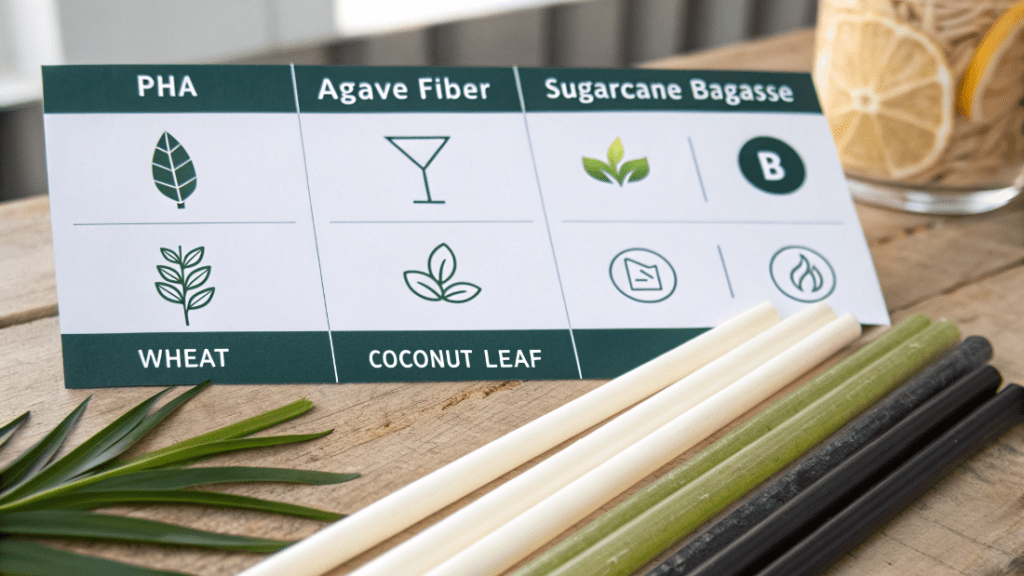
A Comparative Look: Premium Compostable Straw Materials for the Modern Venue
| የቁስ ዓይነት | Key Characteristics & Benefits | Compostability & Degradation | Ideal Applications & Considerations |
|---|---|---|---|
| Agove Walks | Crafted from upcycled agave fibers; durable, plastic-free, no sogginess, taste-neutral. | Biodegrades/composts within 12 months; no microplastics. Some home compostable. | Hot/cold beverages, cocktails, eco-conscious venues; available in cocktail/tall sizes, natural/black, wrapped/unwrapped. |
| PHA Straws | Cutting-edge bioplastic from plant oils; mimics traditional plastic feel & durability; resistant to high temperatures. | Industrial & home compostable; marine degradable (4-8 months). | High-volume bars, premium cocktails; addresses durability concerns for a plastic-like experience. |
| የሸንኮራ አገዳ ገለባዎች | Made from leftover sugarcane fibers (bagasse); certified compostable, non-toxic, resists disintegration/odd flavors. | Certified industrial compostable (e.g., BPI); can be reused if cleaned. | Cocktails, mixed drinks, shorter vessels; durable alternative to paper. |
| የስንዴ ገለባ | 100% natural stems from harvested wheat; gluten-free, sturdy, never soggy, no synthetic additives, PFAS-free. | Garden & food waste compostable within 3 months. | Hotels, resorts, golf/country clubs, sophisticated events; offers a truly natural aesthetic. |
| Coconut Leaf Straws | Multi-layered from dried coconut leaves; chemical-free process, natural anti-fungal/hydrophobic properties. | 100% biodegradable. | All drinks, maintains shape up to 3 hours; unique and natural appearance. |
Beyond compliance, the operational benefits of transitioning to advanced compostable straws are significant. Businesses can achieve potential long-term cost savings through reduced waste management fees and fewer straw replacements due to superior durability. This foresight ensures full regulatory compliance with current and anticipated plastic bans, effectively future-proofing business operations against evolving environmental legislation.

Across both the US and Europe, adopting sustainable straw choices enhances a brand’s market appeal, attracting the growing segment of eco-conscious consumers. Major players in hospitality, from New York City’s restricted plastic straw use to the EU’s comprehensive bans, are increasingly integrating these solutions. This visible commitment to environmental stewardship also helps meet increasingly important corporate social responsibility (CSR) and ESG (Environmental, Social, and Governance) goals, distinguishing establishments in a crowded market. For further insights into the global shift, explore reports oneco-friendly packaging trends. Discover how industry leaders areembracing sustainable practicesto drive positive change and competitive advantage.
ቀጣይነት ያለው የወደፊትዎን ደህንነት ይጠብቁ፡ አጋር ለፕሪሚየም ኢኮ ተስማሚ መፍትሄዎች
ፕሪሚየም ኮምፖስታብል ኮክቴል ገለባ ለመውሰድ መወሰኑ አስገዳጅ ድርብ ጥቅም ይሰጣል፡ ጉልህ የሆነ የአካባቢ ኃላፊነትን ማሳካት በተመሳሳይ ጊዜ የንግድ ሥራ አፈጻጸምን በማሳደግ እና የእንግዳ እርካታን ከፍ ማድረግ። ይህ ነጠላ ጥቅም ላይ የሚውሉ የፕላስቲክ ገለባዎችን "ከመተካት" የበለጠ ነው; የደንበኞችን ልምድ እና የአሠራር ደረጃ በትክክል "ከፍ ለማድረግ" እድል ነው. የአስተዋይነት መስተንግዶ የወደፊት ዕጣው የማይካድ አረንጓዴ ነው፣ እና ይህን ኃላፊነት የሚመሩ ሰዎች ትልቅ ሽልማቶችን ያገኛሉ። እንዴት እንደሆነ ያስሱየፈጠራ ብስባሽ ቁሶችነጠላ ጥቅም ላይ የሚውሉ ምርቶችን የወደፊት እጣ እየቀረጹ ነው።
Decision-makers, including procurement managers, operations directors, and sustainability officers, are encouraged to take a definitive step towards integrating these innovative solutions. This investment not only aligns with global sustainability goals but also secures a competitive edge in a market that increasingly values environmental integrity.
Ready to Transform Your Bar or Event Experience?
- Schedule a Personalized Consultation: Connect with our experts to discuss your specific operational needs and explore the most suitable premium compostable straw options for your bar, restaurant, or event venue. We can help tailor solutions that meet your aesthetic and performance requirements.የመርሐግብር ምክክር
- Request Product Samples: Experience the superior quality, durability, and aesthetic appeal of our leading compostable straw materials firsthand. See why these alternatives are gaining favor among top establishments.ናሙናዎችን ይጠይቁ
- አጠቃላይ መመሪያችንን ያውርዱ፡- Access a detailed technical guide, “Selecting Premium Compostable Straws for Bars & Events,” for in-depth insights on material selection, certifications, and implementation best practices. This guide provides valuable information for making informed procurement decisions. To understand the broader impact of your choices, consider learning about industrial composting standards.