The ubiquitous plastic straw, once a symbol of convenience, has now become a critical environmental liability for businesses worldwide. We face a looming threat posed by traditional plastic, which persists in our environment for hundreds of years, breaking down into harmful microplastics that pollute our oceans and endanger marine life. This ecological crisis has catalyzed a decisive shift in global policy and consumer behavior.
في جميع أنحاء العالم، يعمل المشهد المتنامي لحظر وقيود المواد البلاستيكية ذات الاستخدام الواحد على إعادة تشكيل الحقائق التشغيلية لخدمات الأغذية وتجارة التجزئة. بدءًا من التوجيه الشامل للمواد البلاستيكية ذات الاستخدام الواحد الصادر عن الاتحاد الأوروبي وحتى الولايات المتحدة في المملكة المتحدة ومختلف الولايات الأمريكية مثل كاليفورنيا وواشنطن العاصمة، تؤثر التشريعات بشكل مباشر على المشتريات والامتثال التشغيلي. لم يعد عدم الامتثال يعني مجرد صفعة على المعصم؛ فهو ينطوي على مخاطر كبيرة تتعلق بسمعة العلامة التجارية، وتصور عام سلبي، وعقوبات مالية باهظة محتملة.
Beyond regulations, consumer demand for sustainable products is escalating rapidly. Studies consistently indicate that a high percentage of global consumers are willing to pay more for eco-friendly packaging and prefer to patronize environmentally responsible businesses. For distributors, wholesalers, and hospitality procurement managers, this isn’t just a trend; it’s a profound market signal. By proactively transitioning away from plastic, your brand can position itself as a leader in sustainability, attracting and retaining this valuable segment of eco-conscious customers in the highly competitive foodservice and retail sectors. This alignment with robust Corporate Social Responsibility (CSR) goals not only enhances your public image but also demonstrates a genuine commitment to a healthier planet. For more insights on sustainable practices, consider exploringmomoio.comالالتزام بالحلول الصديقة للبيئة.
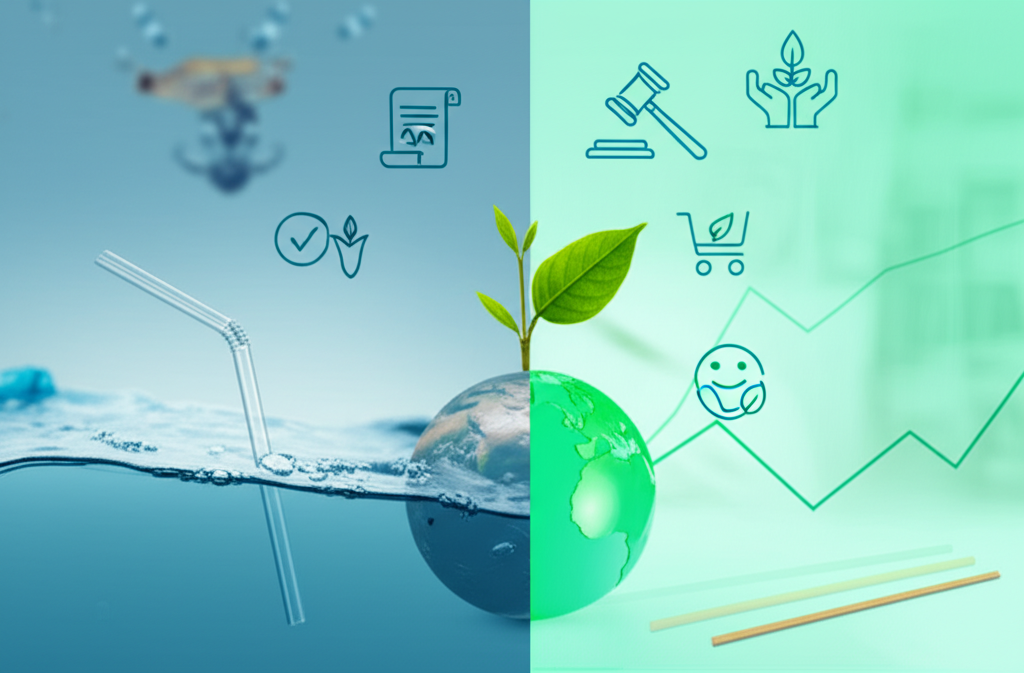
التنقل في الوضع الطبيعي الجديد: ظهور القش القابل للتحلل
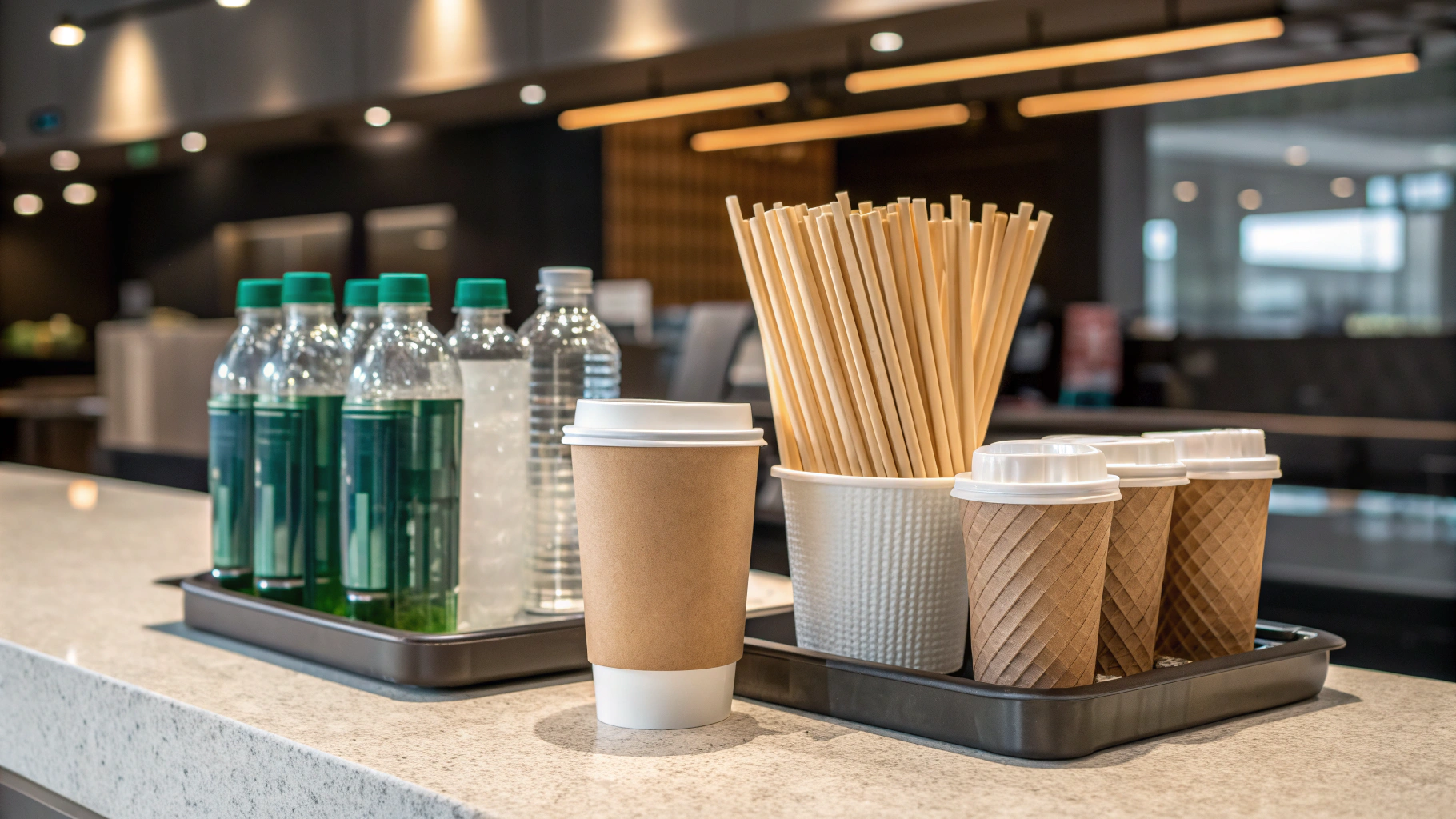
The era of plastic straws is undeniably ending, giving way to a new normal defined by sustainable alternatives. The market for eco-friendly straws is undergoing staggering growth, projected to reach nearly USD 25.1 billion by 2035 with a robust Compound Annual Growth Rate (CAGR) of 7.3%. This rapid transformation is fueled by increasing regulatory pressure and bold corporate sustainability commitments from industry giants. Major players like Starbucks, McDonald’s, First Watch, and HMSHost have already made significant transitions to biodegradable alternatives, setting a new industry standard and demonstrating the viability and necessity of this shift. This trajectory presents an immense opportunity for astute distributors, wholesalers, and hospitality procurement managers to capitalize on expanding demand and secure a competitive edge.
إذن، ما الذي يشكل بالضبط القش القابل للتحلل؟ على عكس أسلافها البلاستيكية، فإن المصاصات القابلة للتحلل البيولوجي هي مواد مصممة لتتحلل بشكل طبيعي إلى مركبات غير ضارة بمرور الوقت، مما يقلل بشكل كبير من مكب النفايات ونفايات المحيطات. يحدث هذا التحلل من خلال التعرض للظروف البيئية مثل الرطوبة والحرارة والكائنات الحية الدقيقة، غالبًا في غضون أشهر إلى بضع سنوات، وهو تناقض صارخ مع القرون اللازمة للبلاستيك التقليدي.
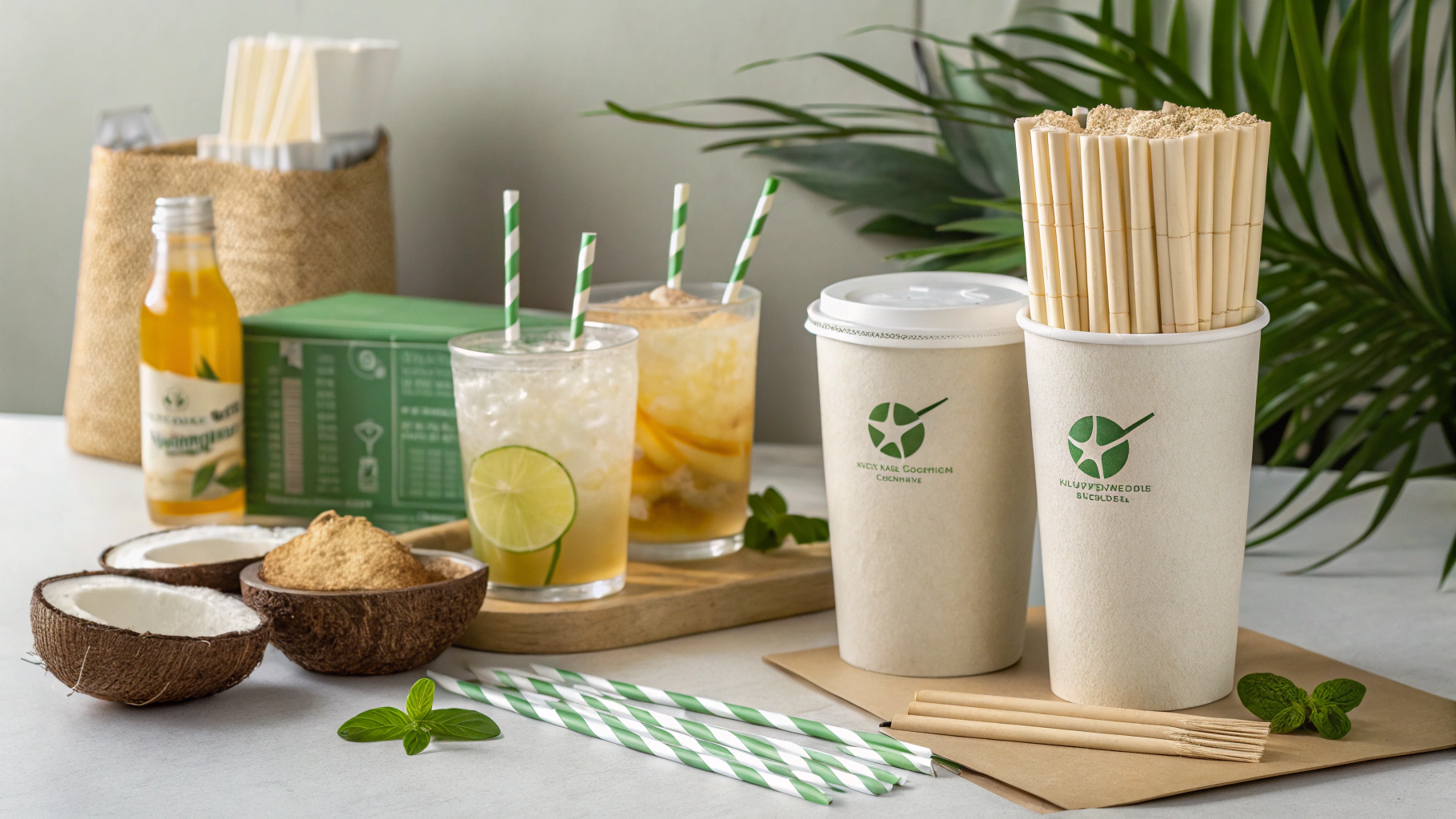
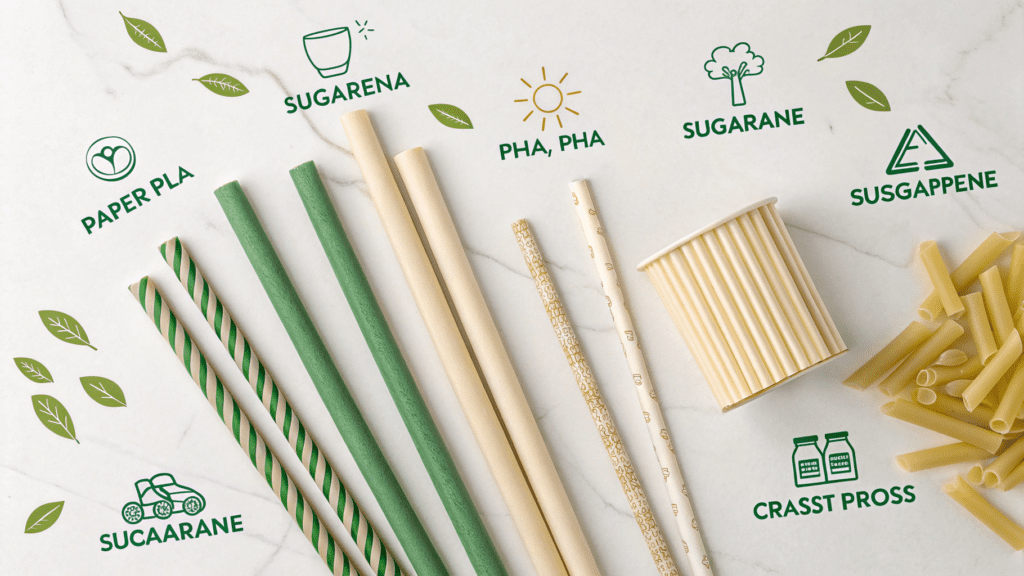
The innovation in this space extends far beyond basic paper straws. Today, you can discover a diverse range of plant-based materials driving this sustainable revolution. These include Polylactic Acid (PLA) derived from renewable resources like corn starch, Polyhydroxyalkanoates (PHA) from canola oil or plant sugars, durable sugarcane (bagasse) made from a fibrous byproduct, quickly decomposing rice and wheat straws, resilient bamboo, and even innovative coffee ground-based options. Understanding these distinctions is crucial for precise procurement. While “biodegradable” refers to natural breakdown over time, “compostable” indicates degradation in specific composting environments (industrial or home), and “marine-degradable” specifies breakdown in saltwater, a critical feature for combating ocean plastic pollution. For a deeper dive into sustainable packaging options, visitmomoio.comwholesale solutions.
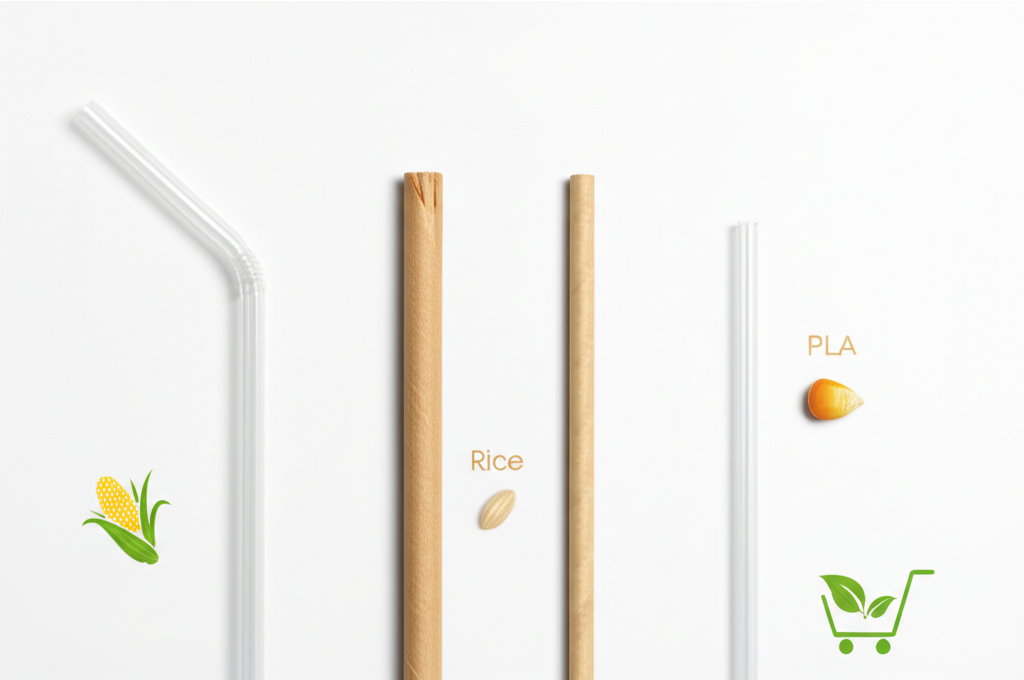
Strategic Sourcing: Choosing the Right Biodegradable Straw for Your Business
إن التحول الاستراتيجي إلى القش القابل للتحلل يوفر فوائد تتجاوز مجرد الامتثال. من خلال اختيار خيارات القش القابلة للتحلل الحيوي المتقدمة، يمكن للشركات تحقيق كفاءة تشغيلية فائقة، مما يوفر تجربة مستخدم متسقة تقلل من الشكاوى الشائعة المرتبطة بالبدائل السابقة والأقل دقة. يؤدي هذا الاعتماد الاستباقي للحلول المستدامة إلى تعزيز جاذبية علامتك التجارية وتعزيز ولاء المستهلكين، مما يتردد صداه بقوة لدى عملاء اليوم المهتمين بالبيئة. علاوة على ذلك، يمكن لهذا التحول أن يحقق كفاءات التكلفة المحتملة على المدى الطويل من خلال خفض رسوم إدارة النفايات وتجنب العقوبات المرتبطة باللوائح التنظيمية الصارمة المتزايدة للاستخدام الفردي في كل من الولايات المتحدة وأوروبا. على سبيل المثال، أدى الحظر الشامل الذي فرضه الاتحاد الأوروبي على المواد البلاستيكية ذات الاستخدام الواحد إلى تحول واسع النطاق، في حين نفذت ولايات أمريكية مثل نيويورك وواشنطن قيودها الخاصة، مما جعل المصادر المستدامة ضرورة تشغيلية حاسمة.
To navigate the diverse landscape of options, a comparative analysis of biodegradable straw types is essential:
| نوع القش | Key Characteristics & Benefits | Decomposition Time & Conditions | Considerations for B2B Procurement |
|---|---|---|---|
| القش الورق | Cost-effective, widely available, made from sustainable wood resources. Advancements in water-resistant coatings. | Weeks to months in composting or landfill (if proper conditions met). | Excellent for general use; ensure modern versions with improved durability to combat sogginess. Look for FDA-approved, BPA-free options. Still dominate the market due to cost-effectiveness. |
| PLA (Polylactic Acid) Straws | Mimic traditional plastic feel and functionality. Made from renewable resources like corn or sugarcane. | Years without industrial composting; months (56-60°C) with industrial composting facilities. | Good for consumer experience; crucial to verify local industrial composting infrastructure. If facilities are scarce, these may not fully biodegrade in landfills as intended, leading to “greenwashing” concerns if not clearly communicated. |
| PHA (Polyhydroxyalkanoates) Straws | Offer plastic-like durability and feel. Produced from plant sugars or canola oil fermentation. | Months in industrial, home composting, and even ocean environments (marine-degradable). | High performance, versatile disposal; increasingly popular due to broad biodegradability. Companies like First Watch and HMSHost are adopting PHA straws for their widespread breakdown capabilities. |
| Sugarcane (Bagasse) Straws | Durable, water-resistant, made from a fibrous byproduct of sugarcane processing. | Less than 3 months in home or industrial composting facilities. | Excellent durability and sustainability, utilizing agricultural waste. Less prone to sogginess than paper. A strong choice for various beverage types. |
| Rice/Edible Straws | Fully edible, zero-waste solution. Made from natural ingredients like rice flour and cassava starch. | Rapidly within 1-3 months in nature (even if not eaten). | Unique customer experience; ideal for cold beverages. May be more brittle or have specific texture/taste. Offer a compelling differentiator and eliminate waste entirely. |
Beyond these core types, the latest innovations in material science are continuously pushing boundaries, developing multi-layered coatings, advanced bio-based polymers, and even bacterial cellulose-based straws that are stronger than paper and biodegrade without industrial composting.
It’s vital to address common B2B concerns regarding biodegradable straw performance, such as sogginess or perceived lack of durability. Modern material science has significantly improved these attributes, with many plant-based options now designed to maintain structural integrity throughout use. Furthermore, navigate the complexities of “greenwashing” by understanding the specific decomposition requirements for different biodegradable materials. Prioritize certified products (e.g., those meeting ASTM D6400 or EN 13432 standards for compostability) that clearly state their end-of-life pathways. Crucially, mitigate health and environmental concerns by sourcing straws verified to be free from harmful chemicals like PFAS (“forever chemicals”), which have been found in some paper and bamboo straws. This ensures a safe product for both consumers and the environment. Transparency in sourcing and disposal is key to truly embracing sustainability. For detailed product specifications and certifications, checkmomoio.comproduct catalog.

Partnering for a Sustainable Future: Your Next Steps
The future of the foodservice and retail packaging industry is undeniably biodegradable, marked by continuous innovation and unprecedented opportunity. Businesses must prepare for the next wave of advancements in biodegradable straws, including AI-driven material research leading to new high-performance bio-based polymers, enhanced marine degradation properties for truly ocean-safe solutions, and the proliferation of accessible edible and home-compostable options. By adopting these cutting-edge sustainable solutions, your business is positioned to lead, staying ahead of evolving regulatory changes and rising consumer expectations. Embracing biodegradable straws is not merely a compliance measure; it is a strategic investment in your brand’s future, market share, and operational resilience.
To secure your sustainable supply chain and make a seamless transition, initiate a strategic partnership with a trusted supplier specializing in certified biodegradable straw solutions tailored for the foodservice and retail sectors. We encourage you to request a personalized consultation to analyze your specific operational needs, explore a diverse portfolio of advanced biodegradable straw types, and optimize your procurement strategy for both environmental impact and cost-effectiveness. To deepen your understanding and make informed decisions, download our comprehensive Biodegradable Straw Procurement Guide today, providing in-depth insights into material selection, crucial certifications, and long-term cost-benefit analysis.