يتطلب التنقل في مشهد التغليف المستدام وإدارة النفايات فهمًا دقيقًا، خاصة لقادة المشتريات والعمليات في صناعات الضيافة والخدمات الغذائية. غالبًا ما يتم استخدام المصطلحين "قابل للتحلل" و"قابل للتحلل" بالتبادل، مما يؤدي إلى ارتباك واسع النطاق وأخطاء تشغيلية محتملة. يشكل هذا الغموض الدلالي خطرا كبيرا على الشركات التي تسعى جاهدة لتحقيق الامتثال البيئي والاجتماعي والحوكمة الحقيقي (ESG)، مما قد يؤدي إلى اتهامات مكلفة "بالغسيل الأخضر" ومجاري النفايات غير الفعالة.
بالنسبة لصناع القرار في مجال B2B، فإن التمييز بين هذه المصطلحات ليس مجرد تمرين أكاديمي؛ إنها ضرورة استراتيجية. من المتوقع أن تصل قيمة سوق التعبئة والتغليف القابلة للتسميد العالمي، والتي تبلغ قيمتها حوالي 55.53 مليار دولار أمريكي في عام 2024 (Grand View Research، 2024)، إلى 89.85 مليار دولار أمريكي بحلول عام 2032، مما يُظهر معدل نمو سنوي مركب (CAGR) بنسبة 6.20٪ من عام 2025 إلى 2032 (Precedence Research، 2023). يؤكد هذا النمو على وجود فرصة مهمة للشركات للتوافق مع توقعات المستهلكين المتطورة والمشهد التنظيمي. ومع ذلك، بدون فهم واضح للقابلية للتحلل المعتمد، تخاطر الشركات بالاستثمار في الحلول التي تفشل في تحقيق الفوائد البيئية الموعودة أو تلبية معايير الامتثال الصارمة بشكل متزايد، مما يؤثر على كل شيء بدءًا من كفاءة سلسلة التوريد وحتى سمعة العلامة التجارية. يمكن أن يؤدي تجاهل هذا التمييز إلى زيادة تكاليف التخلص من النفايات، والغرامات التنظيمية، وإلحاق ضرر كبير بالعلامة التجارية في سوق يقدر بشكل متزايد الاستدامة الحقيقية (مؤسسة إلين ماك آرثر، 2022).
يعد فهم هذا التمييز أمرًا بالغ الأهمية لعمليات B2B المستدامة وتجنب الغسل الأخضر المكلف.
فهم "القابلة للتحلل الحيوي": ادعاء واسع ومضلل في كثير من الأحيان
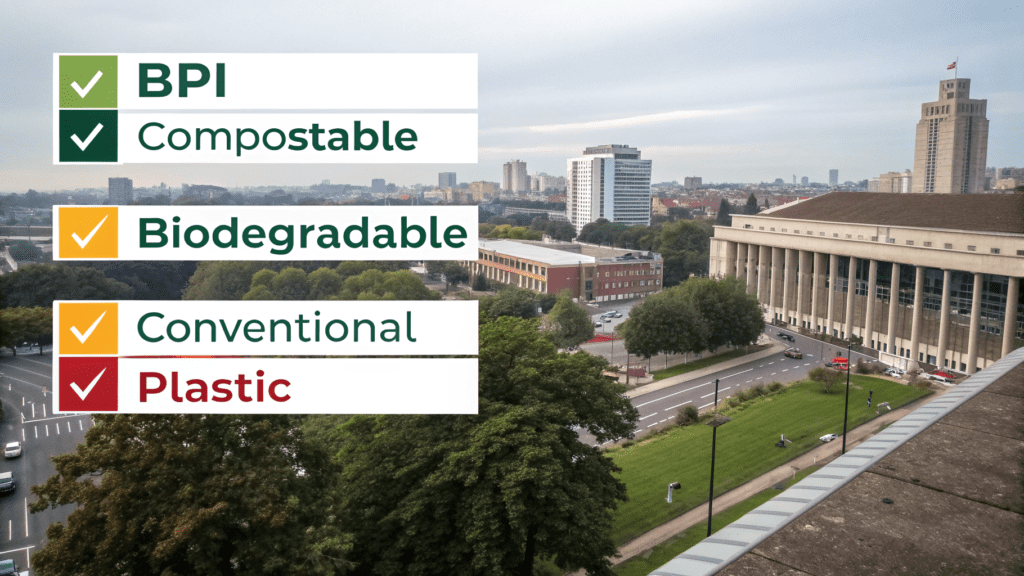
ويشير مصطلح "قابلة للتحلل الحيوي" إلى أن المادة تتحلل بشكل طبيعي، ومع ذلك فهي غير منظمة إلى حد كبير وتفتقر إلى الخصوصية لتطبيقات B2B. وبدون معايير واضحة، فإن هذا التعريف الواسع يمكن أن يعيق الإدارة الفعالة للنفايات ومبادرات الاستدامة، مما يخلق حقل ألغام للشركات المطمئنة.
الطبيعة غير المنظمة للتحلل البيولوجي: المخاطر التي تهدد سلاسل التوريد
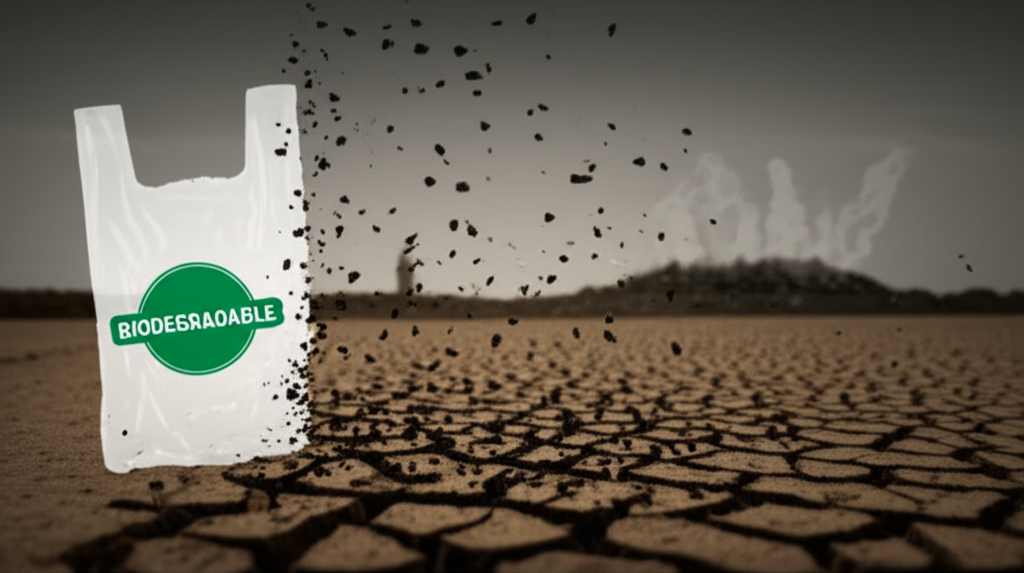
تكمن المشكلة الأساسية فيما يتعلق بـ "القابلة للتحلل" في افتقارها إلى إطار زمني محدد أو ظروف بيئية محددة للتحلل. في حين أن المصطلح يعني التحلل بواسطة الكائنات الحية الدقيقة، فإن المنتج المسمى "قابل للتحلل الحيوي" يمكن أن يستغرق في الواقع "مئات السنين" ليتحلل. والأهم من ذلك أنها قد تترك وراءها بقايا ضارة أو حتى تتفتت إلى جسيمات بلاستيكية دقيقة، مما يقوض الأهداف البيئية التي تدعي أنها تدعمها.
وقد حذرت لجنة التجارة الفيدرالية (FTC) في الولايات المتحدة الشركات صراحة من تقديم مطالبات غير مشروطة بأنها "قابلة للتحلل الحيوي"، مما يسلط الضوء على المخاطر الكبيرة الناجمة عن الغسل الأخضر. مثل هذه الادعاءات الغامضة يمكن أن تضلل المستهلكين وتؤدي إلى التدقيق التنظيمي. على سبيل المثال، بعض المواد البلاستيكية "القابلة للتحلل الحيوي"، مثل المنتجات القابلة للتحلل بالأكسيد، هي في الأساس مواد بلاستيكية تقليدية ممزوجة بمواد مضافة تجعلها تتحلل بشكل أسرع، ومع ذلك فإنها تتحلل إلى عدد لا يحصى من اللدائن الدقيقة التي يمكن أن تلوث البيئة بشدة، بدلا من أن تختفي حقا. وهذا يشكل خطرًا كبيرًا على السمعة والامتثال لسلاسل التوريد التي تدمج مثل هذه المواد عن غير قصد، خاصة بالنسبة لشركات الضيافة التي تدير كميات كبيرة من العناصر ذات الاستخدام الواحد.
لماذا لا تحقق "القابلة للتحلل الحيوي" أهداف الاستدامة في مجال الأعمال التجارية بين الشركات؟
إن الافتقار المتأصل للخصوصية في المطالبات "القابلة للتحلل الحيوي" يجعلها غير كافية لاستراتيجيات الاستدامة القوية بين الشركات.
- لا يوجد إطار زمني محدد: وبدون إطار زمني مضمون، لا تستطيع الشركات التنبؤ بشكل موثوق أو إدارة دورة نهاية العمر لمنتجاتها، مما يؤدي إلى تراكم النفايات بشكل لا يمكن التنبؤ به وإعدادات تشغيلية غير فعالة، لا سيما في بيئات الخدمات الغذائية سريعة الخطى.
- غياب اختبار السمية: لا يوجد اختبار مطلوب للمنتجات الثانوية السامة في المواد "القابلة للتحلل" بشكل عام. ويؤدي هذا إلى مخاطر بيئية ومخاطر على السمعة، حيث يمكن أن تطلق المنتجات مواد ضارة في التربة أو الماء.
- ارتباك المستهلك ومنشأة النفايات: إن الغموض الذي يحيط بـ "القابلة للتحلل" يربك المستهلكين ومرافق إدارة النفايات، مما يعقد عملية التخلص السليم ويزيد معدلات التلوث في مسارات إعادة التدوير أو التسميد، وهي مشكلة شائعة في إدارة نفايات الفنادق.
- الضعف القانوني والتنظيمي: يعتبر استخدام "القابلة للتحلل الحيوي" في المبيعات والتسويق للمنتجات ذات الاستخدام الواحد مشكلة، بل إنه "يحتمل أن يكون غير قانوني" في بعض الولايات الأمريكية، مثل كاليفورنيا (AB 1201)، التي تحظر مثل هذه الادعاءات دون شهادة من طرف ثالث. وهذا يخلق مخاطر امتثال واضحة للشركات العاملة في الأسواق المنظمة.
وتفتقر المواد "القابلة للتحلل الحيوي" إلى معايير واضحة، مما يشكل مخاطر كبيرة على الشركات بسبب الغسل الأخضر والمخاطر التشغيلية.
تعريف "BPI Compostable": المعيار الذهبي للعمليات المستدامة
يشير مصطلح "BPI Compostable" إلى منتج تم اختباره واعتماده بدقة ومصمم للتحلل بشكل فعال في بيئات صناعية محددة، مما يوفر مزايا واضحة لجهود الاستدامة المتوافقة والمؤثرة بين الشركات. توفر هذه الشهادة طريقًا شفافًا ويمكن التحقق منه لمساهمات حقيقية في الاقتصاد الدائري.
دور معهد المنتجات القابلة للتحلل (BPI) في إصدار الشهادات
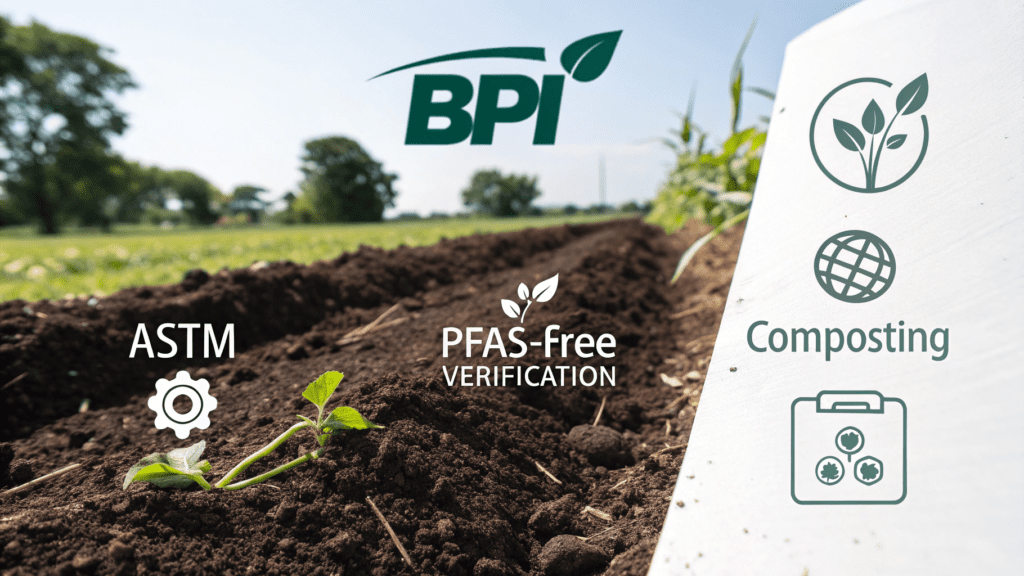
معهد المنتجات القابلة للتحلل الحيوي (BPI) هو هيئة رائدة غير ربحية في أمريكا الشمالية، تم تأسيسها في عام 1999، وهي مخصصة لترويج واعتماد المنتجات والتعبئة القابلة للتحلل. شهادة BPI ليست مجرد علامة تجارية؛ إنها عملية تحقق مستقلة من طرف ثالث بأن المنتجات تلبي معايير ASTM (الجمعية الأمريكية للاختبارات والمواد) الصارمة فيما يتعلق بالقابلية للتحلل.
تحدد علامة اعتماد BPI - وهي عبارة عن تصميم دوامي مميز - المنتجات المصممة خصيصًا للتحلل المناسب في الأنظمة التجارية. تعتبر هذه العلامة لا تقدر بثمن بالنسبة لمديري المشتريات ومديري العمليات لأنها تساعد شركات التسميد على التمييز بين المواد القابلة للتسميد الحقيقية والمشابهة، وبالتالي منع التلوث المكلف في منشآتهم. فهو يوفر إشارة واضحة للنزاهة والالتزام بالمعايير المدعومة علميًا، وهو أمر بالغ الأهمية لبناء الثقة مع شركاء إدارة النفايات والمستخدمين النهائيين، خاصة في أماكن الضيافة ذات الحجم الكبير.
تلبية معايير ASTM الصارمة للسماد العضوي المعتمد من BPI
للحصول على شهادة BPI، يجب أن تخضع المنتجات لاختبارات شاملة وصارمة للتوافق مع معايير ASTM المحددة.
- ASTM D6400 (للبلاستيك/التعبئة والتغليف) أو ASTM D6868 (للطلاءات/الأغشية): هذه هي المعايير الأساسية التي يجب أن تستوفيها المنتجات المعتمدة من BPI. فهي تحدد مدى جودة تحلل المنتج في منشآت التسميد الصناعية.
- الجدول الزمني المحدد للتفكك: يجب أن تتحلل المنتجات فعليًا بنسبة 90% خلال 12 أسبوعًا (84 يومًا) وتتحلل حيويًا إلى ثاني أكسيد الكربون والماء والكتلة الحيوية خلال 90 إلى 180 يومًا في بيئات التسميد التجارية. وهذا يضمن المعالجة في الوقت المناسب والإنتاجية الفعالة في المنشآت الصناعية، وهو أمر بالغ الأهمية لإدارة نفايات الخدمات الغذائية.
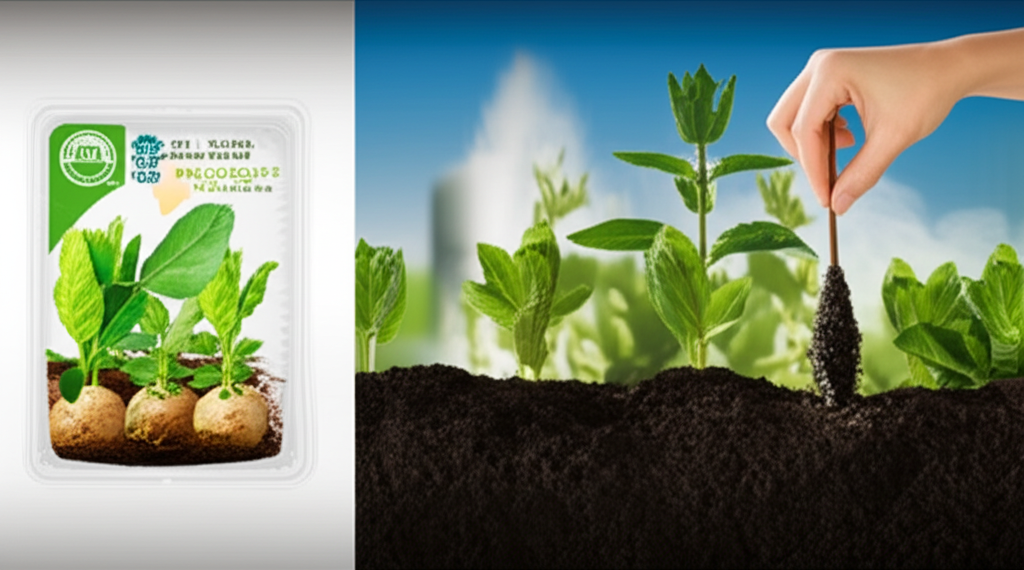
- مكونات غير سامة: والأهم من ذلك، أن عملية الانهيار يجب أن تنتج مكونات غير سامة، ولا تترك أي بقايا ضارة، أو مستويات غير مقبولة من المعادن الثقيلة، أو المواد الكيميائية المفلورة (PFAS). ويجب أيضًا إثبات أن السماد الناتج آمن لنمو النباتات، مما يضمن الفوائد البيئية واستعادة الموارد التي تُثري التربة بشكل حقيقي وتدعم الزراعة المتجددة.
- حصرياً للتسميد الصناعي: من المهم ملاحظة أن شهادة BPI تنطبق حصريًا على المنتجات التي ثبت أنها تتحلل في بيئات التسميد التجارية، والتي تحافظ على مستويات الحرارة العالية والرطوبة والنشاط الميكروبي اللازمة. هذه المنتجات بشكل عام غير مخصصة للسماد المنزلي أو مدافن النفايات التقليدية، حيث تكون ظروف التحلل غير كافية.
BPI Compostable يعني الانهيار المعتمد في المنشآت الصناعية، مما يضمن فوائد بيئية حقيقية.
BPI القابلة للتحلل مقابل القابلة للتحلل: مقارنة حاسمة لصناع القرار في مجال B2B
يعد فهم الآثار التشغيلية والامتثالية والمالية لـ "BPI القابلة للتحلل" مقابل "القابلة للتحلل الحيوي" أمرًا بالغ الأهمية لمبادرات الشراء والاستدامة الاستراتيجية. تؤثر الفروق بشكل كبير على إدارة النفايات والالتزام التنظيمي وسمعة العلامة التجارية.
يواجه مديرو المشتريات مهمة معقدة تتمثل في اختيار المواد التي لا تلبي الاحتياجات التشغيلية فحسب، بل تتوافق أيضًا مع الأهداف البيئية والاجتماعية والحوكمة المتنامية للشركات والمتطلبات التنظيمية. يمكن أن يؤدي اختيار المنتجات التي تحمل علامة "قابلة للتحلل" عن طريق الخطأ إلى تلوث مجرى النفايات، وزيادة تكاليف التخلص منها، وإلحاق ضرر كبير بالعلامة التجارية بسبب اتهامات الغسل الأخضر. وعلى العكس من ذلك، فإن الاستثمار في الحلول القابلة للتحلل والمعتمدة من BPI يوفر طريقًا يمكن التحقق منه نحو المسؤولية البيئية والكفاءة التشغيلية، خاصة بالنسبة لشركات الضيافة والخدمات الغذائية التي تدير كميات كبيرة من النفايات العضوية.
جدول المقارنة: الميزة | التأثير التشغيلي B2B | مذكرة الامتثال | إمكانات عائد الاستثمار
| ميزة | التأثير التشغيلي B2B | ملاحظة الامتثال | إمكانات العائد على الاستثمار |
|---|---|---|---|
| "قابلة للتحلل" (عام) | انهيار غير متوقع في بيئات متنوعة؛ ارتفاع خطر تكوين المواد البلاستيكية الدقيقة وتراكم مدافن النفايات. قد يتطلب الأمر مجاري نفايات منفصلة وغير مُحسَّنة، مما يزيد من التعقيد اللوجستي والتكاليف للفنادق والمطاعم. | عدم وجود تعريفات تنظيمية واضحة على الصعيد العالمي؛ ارتفاع مخاطر مطالبات "الغسل الأخضر" التي تؤدي إلى التدقيق التنظيمي/لجنة التجارة الفيدرالية. من المحتمل أن يكون تسويق المنتجات ذات الاستخدام الواحد غير قانوني في بعض الولايات الأمريكية (على سبيل المثال، California AB 1201) بسبب ادعاءات مضللة. | عائد استثمار محدود أو سلبي بسبب إمكانية التخلص من النفايات، وزيادة تكاليف نقل النفايات الناتجة عن التلوث، والضرر الشديد بالسمعة بسبب الادعاءات المضللة. لا يساهم بشكل موثوق في مبادرات الاقتصاد الدائري أو مقاييس الحوكمة البيئية والاجتماعية والحوكمة التي يمكن التحقق منها. |
| "BPI قابل للتحلل" | التحلل المضمون خلال 90-180 يومًا في مرافق التسميد التجارية؛ يتيح تحويل النفايات العضوية بكفاءة ويقلل من حجم مكب النفايات وانبعاثات غاز الميثان. تبسيط عملية فصل النفايات وتحسين التدفق التشغيلي لعمليات الخدمات الغذائية. | معتمد وفقًا لمعايير ASTM D6400/D6868 من قبل طرف ثالث مستقل؛ ويتجنب مسؤوليات "الغسل الأخضر"؛ يتوافق مع اللوائح الحكومية/المحلية المتزايدة وغالبًا ما يتطلبها ذلك (على سبيل المثال، CA AB 1201، Canada SOR/2022-138 للمواد البلاستيكية ذات الاستخدام الواحد). | عائد استثمار إيجابي من خلال تقليل تكاليف التخلص من النفايات بشكل كبير، وتعزيز سمعة العلامة التجارية والتمايز في السوق (يدعم التقارير البيئية والاجتماعية والحوكمة)، والمساهمة في أهداف الاقتصاد الدائري (إنتاج السماد القيم). يقلل من مخاطر الامتثال في المستقبل. |
يوفر اختيار منتجات BPI القابلة للتحلل مزايا تشغيلية وامتثالية ومالية واضحة مقارنة بالمطالبات الغامضة "القابلة للتحلل الحيوي".
التغلب على التحديات: البنية التحتية والمعلومات الخاطئة والحلول القابلة للتحلل من BPI
على الرغم من الفوائد الواضحة للمنتجات القابلة للتحلل والمعتمدة من BPI، يواجه قادة B2B عقبات تتعلق بالبنية التحتية، وتصور المستهلك، والتعقيدات التنظيمية. وتعد معالجة هذه التحديات أمرًا أساسيًا لتعظيم مزاياها البيئية والتشغيلية، خاصة في قطاعي الضيافة والخدمات الغذائية.
فجوة البنية التحتية للتسميد الصناعي: عقبة رئيسية
يتمثل التحدي الرئيسي الذي يواجه التبني الواسع النطاق للمواد القابلة للتسميد المعتمدة من BPI في توفر مرافق التسميد الصناعية الكافية. تفتقر العديد من المناطق إلى البنية التحتية الكافية، وهو أمر ضروري لتفكيك هذه العناصر بشكل صحيح في ظل ظروف خاضعة للرقابة. وتعني فجوة البنية التحتية هذه أنه حتى المنتجات القابلة للتحلل بشكل حقيقي قد ينتهي بها الأمر في مدافن النفايات أو المحارق إذا لم يتوفر التجميع والمعالجة المناسبين، مما يؤثر على جهود الاستدامة في الفنادق والمطاعم.
لا يزال التلوث يمثل مشكلة كبيرة. ما يقرب من 17٪ من نفقات تشغيل شركات التسميد مخصصة لإزالة العناصر غير القابلة للتحويل إلى سماد. تؤدي برامج التجميع غير المتسقة إلى تفاقم تحديات التخلص من العبوات القابلة للتحلل. إذا انتهى الأمر بالمنتجات المعتمدة من BPI، أو أي مادة عضوية، في مدافن النفايات، فإنها قد تنتج غاز الميثان - أحد غازات الدفيئة القوية - إذا أصبحت الظروف لا هوائية. وهذا يؤكد الحاجة الماسة إلى تحسين أنظمة الفرز والتجميع المصممة خصيصًا للمواد القابلة للتحويل إلى سماد، خاصة لعمليات الخدمات الغذائية واسعة النطاق.
محاربة "الغسل الأخضر" وارتباك المستهلك مع "BPI Compostable"
تتسبب الملصقات "القابلة للتحلل" المضللة في حدوث ارتباك واسع النطاق، مما يعني في كثير من الأحيان حدوث خلل في أي بيئة. يتعرض مصطلح "قابل للتحلل الحيوي" لانتقادات واسعة النطاق بسبب "الغسل الأخضر"، وتحويل الانتباه عن الاستدامة الحقيقية. بالنسبة لمسؤولي المشتريات والاستدامة في مجال الضيافة، يمثل هذا معركة مستمرة ضد المعلومات الخاطئة، التي تؤثر على كل من العمليات الداخلية والتصورات الخارجية.
تعمل شهادة BPI على مكافحة هذا بشكل مباشر من خلال توفير دليل واضح يمكن التحقق منه على القابلية للتحلل، وبالتالي بناء ثقة المستهلك وأصحاب المصلحة. ويضمن أن المنتجات ستعمل على النحو المنشود في بيئة التسميد الصناعي. يعد تثقيف الموظفين وشركاء سلسلة التوريد والمستخدمين النهائيين بشأن التخلص السليم من المواد المعتمدة من BPI أمرًا بالغ الأهمية لتحويل النفايات بشكل فعال وتحقيق أقصى قدر من الفوائد البيئية. يمتد هذا التعليم إلى التمييز بين العناصر المعتمدة من BPI عن "المشابهة" غير المعتمدة لمنع التلوث في مجاري نفايات الفنادق والمطاعم.
المشهد التنظيمي المتطور: الامتثال والفرص
يتطور المشهد التنظيمي حول التغليف المستدام بسرعة، ويتجه نحو مزيد من الوضوح والإنفاذ. لقد حظرت ولايات أمريكية مثل كاليفورنيا (AB 1201) وواشنطن بالفعل الادعاءات المضللة "القابلة للتحلل الحيوي" دون الحصول على شهادة قوية من طرف ثالث. في كندا، غالبًا ما تفرض لائحة SOR/2022-138 الخاصة بالمواد البلاستيكية ذات الاستخدام الواحد الامتثال لمعيار ASTM D6400/BPI للبدائل القابلة للتطبيق، مما يعكس اتجاهًا أوسع نحو الحلول المعتمدة في جميع أنحاء أمريكا الشمالية.
تتعاون منظمات مثل مجلس التسميد الأمريكي وBPI بنشاط لتوجيه التشريعات، وتتوقع المزيد من القوانين المتعلقة بالمنتجات القابلة للتسميد في السنوات القادمة. يمكن للشركات الاستباقية التي تتوافق مع معايير BPI أن تستبق اللوائح المستقبلية، وتتجنب العقوبات المحتملة، وتضع نفسها كقادة في الإشراف البيئي المسؤول. لا يؤدي هذا الامتثال التطلعي إلى تخفيف المخاطر فحسب، بل يفتح أيضًا فرصًا للتميز في السوق في صناعات الضيافة والخدمات الغذائية التنافسية. للحصول على التفاصيل التنظيمية الكاملة،اقرأ دليلنا الشامل حول لوائح التغليف المستدامة.
تعد معالجة فجوات البنية التحتية والمعلومات الخاطئة أمرًا أساسيًا للاستفادة من حلول BPI القابلة للتحلل بشكل فعال.
الميزة الإستراتيجية للحلول القابلة للتحلل والمعتمدة من BPI للمشتريات والعمليات
إن احتضان التغليف القابل للتحلل المعتمد من BPI يوفر أكثر من مجرد فوائد بيئية؛ فهو يوفر كفاءات تشغيلية ملموسة، ويعزز سمعة العلامة التجارية، ويساهم في الصحة المالية على المدى الطويل. بالنسبة لمديري المشتريات ومديري العمليات في مجال الضيافة والخدمات الغذائية، فإن هذا يترجم إلى قيمة تجارية قابلة للقياس.
تعزيز الأهداف البيئية والاجتماعية والحوكمة للشركات وسمعة العلامة التجارية
يساعد اعتماد المنتجات المعتمدة من BPI الشركات بشكل مباشر على تحقيق الأهداف البيئية والاجتماعية والحوكمة الطموحة (ESG). ومن خلال تحويل النفايات من مدافن النفايات بشكل يمكن التحقق منه والمساهمة في الاقتصاد الدائري، يمكن للشركات تقديم تقارير موثوقة عن جهودها للحد من النفايات، وتعزيز ثقة أصحاب المصلحة وجذب المستثمرين ذوي الوعي الاجتماعي. على سبيل المثال، تتضمن أهداف مؤسسة إلين ماك آرثر لعام 2025 ضمان أن تكون 100% من العبوات البلاستيكية قابلة لإعادة الاستخدام، أو إعادة التدوير، أو تحويلها إلى سماد، مما يضع معيارًا صناعيًا واضحًا لقطاع الضيافة.
إن الالتزام القوي بالمواد القابلة للتسميد المعتمدة هو ما يميز العلامات التجارية في سوق تنافسية واعية بالاستدامة. إنها تُظهر قيادة حقيقية، تلقى صدى لدى المستهلكين والشركاء المهتمين بالبيئة، ويمكن أن تترجم إلى تحسين الولاء للعلامة التجارية وحصة السوق. يمكن أن يصبح هذا الموقف الاستباقي بشأن الاستدامة بمثابة تمييز تنافسي كبير للفنادق والمقاهي والمطاعم.
الكفاءة التشغيلية وتحسين تدفق النفايات
تعمل المنتجات المعتمدة من BPI التي يتم تنفيذها بشكل صحيح على تبسيط عملية جمع النفايات العضوية، مما يقلل بشكل مباشر من حجم مدافن النفايات وتكاليف التخلص المرتبطة بها. وهذا أمر مهم بشكل خاص للشركات التي لديها نفايات كبيرة متعلقة بالأغذية، مثل مقدمي خدمات الضيافة أو شركات الخدمات الغذائية. إن الاستفادة من التغليف القابل للتحويل إلى سماد لتطبيقات الاتصال الغذائي (على سبيل المثال، حاويات تناول الطعام في الخارج، فناجين القهوة) يسهل تدفق النفايات العضوية النظيفة، حيث أن تلوث الغذاء غالبا ما يجعل إعادة تدوير البلاستيك التقليدية غير عملية.
ويقلل هذا التحول أيضًا من الاعتماد على المواد البلاستيكية التقليدية، التي تخضع بشكل متزايد للتدقيق التنظيمي وردود الفعل العكسية من جانب المستهلكين. من خلال تقليل التلوث في مجاري التسميد، تدعم الشركات البنية التحتية المحلية للسماد، وتقلل من رسوم التخلص، وتساهم في إنتاج سماد قيم. بالنسبة للشركات التي تسعى إلى استراتيجيات استدامة شاملة في قطاع الضيافة، فإن استكشاف كيفية توافق شهادة BPI مع أهداف الاستدامة الأوسع يمكن أن يحقق فوائد كبيرة. يمكن العثور على مزيد من الأفكار حول تحسين مجاري النفايات باستخدام حلول معتمدة قابلة للتحويل إلى سماد من خلال قراءة المزيد حولشهادة BPI القابلة للتحلل واستدامة الضيافة.
دراسة حالة: نجاح مقدمي خدمات الأغذية الصديقة للبيئة في تقليل النفايات
قام أحد كبار مقدمي خدمات الطعام بالجامعات بتنفيذ أدوات خدمات الطعام القابلة للتحلل والمعتمدة من BPI (مثل الأكواب الباردة PLA والحاويات الورقية القابلة للتحلل) عبر حرمها الجامعي بدءًا من أواخر عام 2023. وكان هذا التحول الاستراتيجي مدفوعًا بالالتزام بتقليل نفايات مدافن النفايات وتعزيز مبادرات استدامة الحرم الجامعي.
وفي غضون 12 شهرًا فقط، أبلغ مقدم الخدمة عن انخفاض كبير بنسبة 35% في النفايات المرتبطة بمدافن النفايات والناشئة عن قاعات الطعام الخاصة به. أصبح هذا الإنجاز المذهل ممكنًا من خلال وضع علامة واضحة على جميع العناصر المعتمدة من BPI بعلامة الدوامة المميزة ومن خلال التعاون النشط مع مرافق التسميد التجارية المحلية التي قبلت المواد المتوافقة مع ASTM D6400. أدى جمع النفايات العضوية المبسط، الذي تم تمكينه بواسطة المنتجات القابلة للتحويل إلى سماد، إلى انخفاض يقدر بنحو 15% في تكاليف نقل النفايات لمسارها العضوي. توضح هذه الحالة أنه من خلال الاختيار المناسب للمنتج، ووضع العلامات، وشراكات تدفق النفايات، توفر المواد القابلة للتحلل المعتمدة من BPI حلاً قابلاً للتطبيق ومفيدًا اقتصاديًا للعمليات واسعة النطاق مثل خدمات تناول الطعام بالجامعة.
تعمل الحلول المعتمدة من BPI على تعزيز الحوكمة البيئية والاجتماعية والحوكمة وتبسيط العمليات وتوفير مكاسب مالية ومكاسب تتعلق بالسمعة قابلة للقياس.
المشهد المستقبلي: النمو والابتكار في المواد القابلة للتحلل
إن مسار المواد القابلة للتحلل هو مسار توسع كبير وابتكار مستمر، مدفوعًا بالتزام عالمي جماعي للحد من التلوث البلاستيكي وتعزيز اقتصاد أكثر دائرية. يجب على قادة المشتريات والعمليات إدراك هذا المشهد المتطور لاتخاذ قرارات مستنيرة ومثبتة للمستقبل.
نمو السوق المتوقع والعوامل الدافعة
من المتوقع أن يصل سوق التغليف العالمي القابل للتسميد إلى 89.85 مليار دولار أمريكي بحلول عام 2032، بمعدل نمو سنوي مركب قوي يبلغ 6.20% اعتبارًا من عام 2025. ويعد هذا النمو استجابة مباشرة لتزايد طلب المستهلكين على الحلول المستدامة، إلى جانب اللوائح الحكومية الصارمة بشكل متزايد والتي تهدف إلى التخفيف من التلوث البلاستيكي وتعزيز الممارسات الصديقة للبيئة. من المتوقع أن يواصل قطاع الأغذية والمشروبات هيمنته، حيث يحتفظ بأكبر حصة من الإيرادات في سوق التغليف القابل للتحلل، حيث تعطي الشركات في هذا القطاع الأولوية للتغليف الذي يمكن تحويله إلى سماد مع نفايات الطعام. يعد الورق والورق المقوى، إلى جانب حمض البوليلاكتيك (PLA)، من قطاعات المواد الرائدة نظرًا لقدرتها على التجديد وخصائصها المعتمدة القابلة للتحول إلى سماد.
التقدم في ابتكار البوليمرات الحيوية وعلوم المواد
يركز الابتكار المستمر على تطوير البوليمرات الحيوية الجديدة التي تنافس المواد البلاستيكية التقليدية في الأداء مع الحفاظ على سمادها. يستكشف الباحثون مواد جديدة مثل PHA (polyhydroxyalkanoates)، المستمدة من الموارد المتجددة مثل الطحالب والبكتيريا. تهدف هذه التطورات إلى إنشاء مواد تتمتع بمتانة ومرونة محسنة وخصائص حاجزة، ومعالجة القيود السابقة للبدائل القابلة للتحلل. تم تصميم التركيبات الجديدة خصيصًا لتتحلل إلى مركبات غير ضارة، مما يعمل على إثراء التربة والمساهمة في تدوير المغذيات الطبيعية دون ترك مواد بلاستيكية دقيقة أو سموم. تعالج الأبحاث الجارية أيضًا التحديات الاقتصادية، وتسعى جاهدة لتقليل التكلفة وتحسين كثافة المواد القابلة للتحلل، مما يجعلها قادرة على المنافسة بشكل متزايد مع التغليف التقليدي لتطبيقات الضيافة والخدمات الغذائية.
دور المواد القابلة للتحلل في الاقتصاد الدائري
تعتبر المواد القابلة للتسميد ضرورية لتحويل النفايات العضوية من مدافن النفايات، وبالتالي تقليل انبعاثات غاز الميثان بشكل كبير - وهو أحد الغازات الدفيئة القوية. ومن خلال تحويلها إلى سماد غني بالمغذيات، فإنها تساهم في صحة التربة وخصوبتها، مما قد يقلل الاعتماد على الأسمدة الاصطناعية ويدعم الممارسات الزراعية المتجددة. يدعم دمج المواد القابلة للتحلل هدف الاقتصاد الدائري الأوسع المتمثل في الحفاظ على استخدام الموارد لأطول فترة ممكنة. على الرغم من أنها ليست "الحل السحري" لجميع تحديات النفايات، إلا أنها تشكل عنصرًا حيويًا، خاصة بالنسبة للمواد الملوثة بالأغذية حيث تشكل عملية إعادة التدوير تحديًا. بالنسبة للشركات المهتمة بعائد الاستثمار على المدى الطويل من اعتماد هذه الحلول، استكشاف فوائدالقش القابل للتحلل من BPI للامتثال للضيافة وعائد الاستثماريمكن أن توفر رؤى قيمة حول مزايا السوق المستقبلية.
يقود الابتكار ونمو السوق في المواد القابلة للتحلل إلى مستقبل أكثر دائرية واستدامة.
خاتمة
إن فهم الفرق الدقيق بين "BPI القابل للتحلل" و"القابل للتحلل الحيوي" ليس مجرد فرق دلالي؛ إنه أمر أساسي لصانعي القرار في مجال B2B الملتزمين بالاستدامة الحقيقية والكفاءة التشغيلية والامتثال التنظيمي. في حين أن "القابلة للتحلل الحيوي" تقدم وعدًا غامضًا بمزالق مخفية محتملة مثل الغسل الأخضر والتلوث بالبلاستيك الدقيق، فإن "BPI القابلة للتحلل" توفر مسارًا معتمدًا يمكن التحقق منه لإدارة النفايات المسؤولة وكوكب أكثر صحة. يمكّن هذا التمييز مديري المشتريات ومديري العمليات ومسؤولي الاستدامة في قطاعي الضيافة والخدمات الغذائية من اتخاذ خيارات مستنيرة تخفف المخاطر وتعزز سمعة العلامة التجارية وتساهم بشكل إيجابي في كل من البيئة والنتيجة النهائية. احتضن الحلول المعتمدة من BPI لضمان قوة مطالباتك البيئية، وتبسيط عملياتك، والتزام علامتك التجارية بالاقتصاد الدائري ليكون مؤثرًا وذو مصداقية.
قم بتقييم تدفقات النفايات الخاصة بك اليوم!
استفد من هذا الوضوح للحصول على فوائد بيئية وتجارية قابلة للقياس، مما يؤدي إلى تقليل نفايات مدافن النفايات بنسبة تصل إلى 35% وخفض تكاليف النقل بنسبة 15%.
احتضان الحلول المعتمدة من BPI لتحقيق الاستدامة والتميز التشغيلي الذي يمكن التحقق منه.
الأسئلة المتداولة (الأسئلة الشائعة)
س: لماذا غالبًا ما تكون عبارة "قابلة للتحلل الحيوي" مضللة بالنسبة لشركات الضيافة؟
ج: يفتقر مصطلح "قابل للتحلل الحيوي" إلى معايير محددة لوقت أو ظروف الانهيار، مما يعني أن المنتجات يمكن أن تستغرق مئات السنين لتتحلل أو تترك جسيمات بلاستيكية ضارة. وبالنسبة للضيافة، يمكن أن يؤدي هذا إلى اتهامات بالغسل الأخضر، وغرامات تنظيمية، وتلوث مجاري النفايات، مما يقوض جهود الاستدامة الحقيقية.
س: كيف تفيد شهادة BPI عمليات الخدمات الغذائية على وجه التحديد؟
ج: تضمن شهادة BPI أن المنتجات مثل حاويات تناول الطعام في الخارج وأدوات المائدة تتحلل بكفاءة في مرافق التسميد الصناعية. يؤدي ذلك إلى تبسيط عملية جمع النفايات العضوية، وتقليل حجم مدافن النفايات، وتقليل التلوث، مما يؤدي إلى انخفاض تكاليف نقل النفايات وتحسين الكفاءة التشغيلية لمقدمي الخدمات الغذائية بكميات كبيرة.
س: ما هي معايير ASTM الرئيسية لمنتجات BPI القابلة للتحلل؟
ج: يجب أن تتوافق المنتجات المعتمدة من BPI مع ASTM D6400 (للبلاستيك/التعبئة والتغليف) أو ASTM D6868 (للطلاءات/الأغشية). تتطلب هذه المعايير تحلل 90% خلال 12 أسبوعًا والتحلل الحيوي إلى مكونات غير سامة خلال 90-180 يومًا في بيئات التسميد التجارية.
س: هل يمكن تحويل المنتجات المعتمدة من BPI إلى سماد في المنزل أو في مدافن النفايات؟
ج: تنطبق شهادة BPI حصريًا على المنتجات المصممة لمنشآت التسميد الصناعية، والتي تحافظ على ظروف معينة من الحرارة والرطوبة والميكروبات. وهي عمومًا ليست مخصصة للسماد المنزلي أو مدافن النفايات التقليدية، حيث تكون الظروف غير كافية للتكسير بشكل صحيح.
س: كيف يمكن للفنادق ضمان التخلص السليم من العناصر المعتمدة من BPI لتجنب التلوث؟
ج: يجب على الفنادق وضع علامة واضحة على العناصر المعتمدة من BPI بعلامة دوامية مميزة، وتوفير صناديق مخصصة للنفايات العضوية، وتثقيف الموظفين والضيوف بشأن الفصل السليم. تعد الشراكة مع مرافق التسميد التجارية المحلية التي تقبل المواد المتوافقة مع ASTM D6400 أمرًا بالغ الأهمية أيضًا لضمان تحويل النفايات بشكل فعال.