بالنسبة لمديري المشتريات، ومديري العمليات، ومسؤولي الاستدامة، والمديرين التنفيذيين لسلسلة التوريد، لم تعد مهمة الحد من التأثير البيئي مصدر قلق هامشي، بل أصبحت ضرورة استراتيجية أساسية. يتطلب تقييم بدائل القش ذات الاستخدام الواحد فهمًا قويًا قائمًا على البيانات لبصمتها الكربونية الحقيقية، والانتقال إلى ما هو أبعد من المطالبات على مستوى السطح إلى تحليل دورة الحياة العميقة. إن تجاهل هذا التعقيد يمكن أن يؤدي إلى سوء تخصيص الموارد، وعدم الامتثال التنظيمي، وإلحاق ضرر كبير بالسمعة في سوق تتزايد حساسيتها للإدارة البيئية الحقيقية.
إن المخاطر كبيرة. يعمل الحظر العالمي للبلاستيك أحادي الاستخدام على تسريع التحول إلى البدائل المستدامة، حيث من المتوقع أن يصل سوق القش العالمي القابل للتحلل إلى مبلغ مذهل يصل إلى 178.87 مليار دولار أمريكي بحلول عام 2031، لينمو بمعدل نمو سنوي مركب قوي يبلغ 23.20٪. يتطلب هذا التحول الهائل اتخاذ قرارات مستنيرة لضمان مساهمة سلسلة التوريد الخاصة بك بشكل إيجابي في تحقيق أهداف الاستدامة لمؤسستك، بدلاً من زيادة أعبائها البيئية عن غير قصد.
فهم البصمة الكربونية الحقيقية للقش البلاستيكي
تمثل الشفاطات البلاستيكية التقليدية، المصنوعة أساسًا من مادة البولي بروبيلين (PP)، مسؤولية بيئية كبيرة طوال دورة حياتها. وإنتاجها كثيف الكربون بطبيعته، ويعتمد بشكل كبير على الوقود الأحفوري.
Production’s Energy Intensity & Emissions
Manufacturing plastic straws is an energy-intensive process with a substantial carbon footprint. Production of 1,000 kg of polypropylene (PP) consumes approximately 75 kg of oil and 61 kg of natural gas. This translates to an estimated carbon footprint of 10–15 kg CO2 equivalent per 1,000 plastic straws. To put this into perspective, the total CO2 impact from plastic straw production in the United States alone rivals the average emissions of 19 million cars driven for a year. Furthermore, the common end-of-life scenario for plastic, incineration, releases approximately 1,343 kg CO2 equivalent per tonne of plastic straws, according to UK DEFRA data.
End-of-Life: Persistent Pollution & Microplastic Threat
وبعيدًا عن الإنتاج، تشكل الطبيعة المستمرة للشفاطات البلاستيكية تحديًا بيئيًا خطيرًا. وهي غير قابلة للتحلل الحيوي، وتدوم لمئات السنين في مدافن النفايات والنظم البيئية الطبيعية. تشير التقديرات إلى أن 8.3 مليار شفاطة بلاستيكية تلوث شواطئ العالم، منها 7.5 مليون موجودة على سواحل الولايات المتحدة وحدها. تساهم هذه العناصر التي تبدو غير ضارة بـ 73000 طن متري من نفايات القش البلاستيكية السنوية في الولايات المتحدة.
As they slowly degrade, plastic straws break down into microplastics—tiny fragments that permeate our environment. These microplastics have been found in 80% of human blood samples, carrying toxic chemicals like BPA. This widespread contamination not only impacts ecosystems and wildlife but also presents a growing concern for human health, creating a substantial long-term commercial and compliance risk for businesses still reliant on conventional plastic.Plastic straws pose significant environmental risks from production to persistent microplastic pollution.
Deconstructing the Carbon Footprint of Biodegradable Straws: A Nuanced View
غالبًا ما يستحضر مصطلح "قابل للتحلل الحيوي" صورًا للتحلل السريع وغير المؤذي. ومع ذلك، فإن الواقع أكثر دقة. تختلف البصمة الكربونية للقش القابل للتحلل بشكل كبير اعتمادًا على المادة والظروف المحددة المطلوبة لتحللها.
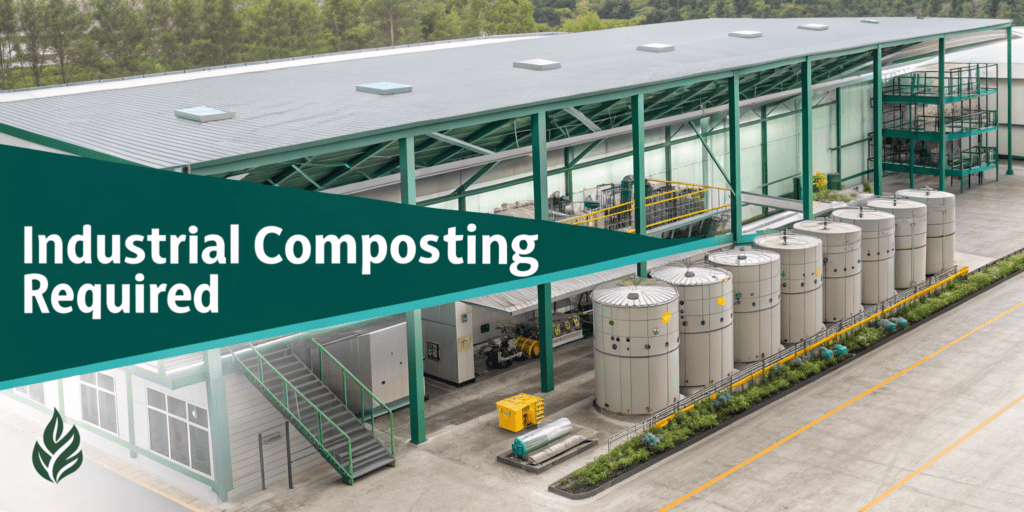
قش PLA: إمكانات البلاستيك الحيوي مقابل احتياجات التسميد الصناعي
Polylactic Acid (PLA) straws are derived from renewable resources such as corn starch. While this plant-based origin appears promising, some Life Cycle Assessments (LCAs) indicate that PLA straws can have a higher overall environmental burden compared to PP straws (composite Relative Environmental Impact (REI) 6.4-6.8 for PLA versus 2.4-3.2 for PP in certain disposal scenarios). A key factor is that effective biodegradation of PLA requires specific industrial composting facilities, which are not universally available. If PLA straws end up in landfills without the necessary conditions (lack of oxygen and light), they may degrade slowly, similar to conventional plastics, undermining their intended environmental benefits. The manufacturing waste generated during bioplastic straw production can also elevate PLA’s carbon footprint, though process optimization can mitigate this.
Paper Straws: Resource Consumption & PFAS Concerns
Paper straws are widely adopted as a plastic alternative and are generally biodegradable. However, their production is notably resource-intensive, demanding significant water and energy, and can pose a risk of deforestation if not sourced sustainably. Some LCAs report a carbon footprint of 2–3 kg CO2 per 1,000 paper straws, while others indicate a significantly higher Global Warming Potential of 2.58E+06 kg CO2 equivalent. A critical concern highlighted by a 2023 study published inFood Additives & Contaminantsتم العثور على مواد متعددة الفلوروألكيل (PFAS)، أو "المواد الكيميائية الأبدية"، في 90% من القش القابل للتحلل البيولوجي الذي تم اختباره، بما في ذلك الورق، مما يزيد من المخاطر البيئية والصحية الكبيرة. علاوة على ذلك، غالبًا ما تؤدي مشكلات المتانة المتأصلة في العديد من القش الورقي إلى زيادة الاستهلاك، مما يؤدي إلى إبطال بعض مكاسبها البيئية المحتملة.
القش النباتي الآخر (الأرز والخيزران والقمح): ميزة التحلل الطبيعي
Materials like rice, bamboo, and wheat offer a more genuinely natural decomposition advantage. These alternatives leverage rapidly renewable resources, reducing reliance on fossil fuels. For instance, rice straws can decompose within 3–6 months. Their production generally involves less processing and is less reliant on synthetic chemicals, making them naturally more eco-friendly and reducing concerns around hidden contaminants like PFAS.Biodegradable straw impacts vary by material, requiring specific conditions for effective decomposition.
Life Cycle Assessment (LCA): The Gold Standard for Carbon Footprint Comparison
To truly understand the environmental impact of any product, including straws, a comprehensive Life Cycle Assessment (LCA) is indispensable. LCA evaluates the full spectrum of environmental impact, from raw material extraction, through manufacturing and transportation, to the end-of-life disposal of a product. This rigorous approach adheres to international standards like ISO 14040, ensuring a holistic view that moves beyond isolated data points. For all straw types, feedstock manufacturing consistently stands out as a major contributor to their overall environmental burden.
Conflicting LCA Results: Why Nuance Matters
من المهم أن يدرك صناع القرار في مجال B2B أن LCAs يمكن أن تسفر عن نتائج مختلفة. ويرجع ذلك غالبًا إلى الاختلافات في المنهجيات وحدود النظام ومزيج الطاقة الإقليمي المستخدم في الإنتاج. على سبيل المثال، إنتاج البلاستيك في جنوب أفريقيا، الذي يعتمد بشكل كبير على الفحم، سوف يؤدي بطبيعته إلى انبعاثات تغير مناخي أعلى من الإنتاج في المناطق ذات مصادر الطاقة النظيفة. قد تظهر بعض الدراسات أن PLA له قدرة على الاحترار العالمي أقل (4.28E+05 كجم من مكافئ ثاني أكسيد الكربون) مقارنة بـPP (5.66E+05 كجم من مكافئ ثاني أكسيد الكربون)، في حين أن دراسات أخرى، باستخدام معلمات مختلفة، تظهر العكس. وهذا يؤكد الحاجة إلى العناية الواجبة الشاملة والفهم الدقيق لمطالبات الموردين، مما يحثك على النظر بشكل أعمق في تقييم دورة الحياة المحدد وراء أي مطالبة تتعلق بالاستدامة.يوفر LCA رؤية شاملة للتأثير البيئي، ولكن النتائج تختلف بناءً على المنهجية والعوامل الإقليمية.
التنقل في المناظر الطبيعية التنظيمية وديناميكيات السوق من أجل القش المستدام
تعمل اللوائح الحكومية العالمية على تسريع التحول بعيدًا عن المواد البلاستيكية ذات الاستخدام الواحد، مما يخلق طلبًا عاجلاً ومتوسعًا على البدائل المستدامة. يعد هذا الضغط التنظيمي هو المحرك الرئيسي وراء النمو الهائل لسوق القش القابل للتحلل الحيوي، والذي من المتوقع أن يصل إلى 178.87 مليار دولار أمريكي بحلول عام 2031 بمعدل نمو سنوي مركب يبلغ 23.20٪. تكتسب الشركات التي تتبنى بشكل استباقي منتجات متوافقة وصديقة للبيئة ميزة تنافسية حاسمة.

B2B Market Opportunities: Foodservice Dominance & Regional Growth
يعد قطاع الخدمات الغذائية أكبر قطاع لتطبيقات القش، حيث يمثل حصة إيرادات كبيرة تبلغ 55.0٪ في عام 2024. وهذا القطاع، الذي يشمل المطاعم والمقاهي وسلاسل الوجبات السريعة، معرض بشكل خاص للتغييرات التنظيمية وتفضيلات المستهلك من أجل الاستدامة. تقود أمريكا الشمالية سوق القش القابل للتحلل الحيوي، حيث تمتلك أكثر من 40% من حصة السوق (16.61 مليار دولار أمريكي في عام 2024)، بينما تهيمن منطقة آسيا والمحيط الهادئ على سوق القش بشكل عام بحصة إيرادات تبلغ 38.5% في عام 2024، مدفوعة بصناعة الخدمات الغذائية المزدهرة. تسلط هذه الديناميكيات الإقليمية الضوء على الفرص الكبيرة المتاحة لموردي ومشتري الأعمال بين الشركات للاستفادة من متطلبات السوق المتطورة.
ظهور القش المعتمد القابل للتحلل
In this complex landscape, certifications provide vital assurance. Marks like “BPI Certified Compostable” and “DIN CERTCO” ensure that product claims are independently verified, guaranteeing that a product will genuinely break down into organic matter in industrial composting facilities without harmful residues. Leading suppliers, such as Singreen Packaging, are responding with solutions that are not only environmentally sound but also adhere to stringent food safety standards like FDA and ISO 22000, and are HACCP compliant. This commitment to certified solutions is critical for businesses seeking to mitigate compliance risks and reinforce consumer trust. For more detailed insights into what makes a straw truly compostable, refer to our comprehensive guide onBPI سماد مقابل قابل للتحلل: دليل الاستدامة.Regulations drive market growth for sustainable straws, with certifications crucial for B2B compliance and trust.
Comparison Table: Evaluating Straw Alternatives for B2B Operations
The choice of straw material has direct implications for operational costs, compliance, and brand perception. The table below provides a strategic overview for B2B decision-makers.
| ميزة | التأثير التشغيلي B2B | ملاحظة الامتثال | إمكانات العائد على الاستثمار |
|---|---|---|---|
| البلاستيك (PP) | Low initial cost, widespread availability. | Increasing bans/regulations; high environmental pollution risk. | Negative long-term brand impact; potential for fines/penalties. |
| جيش التحرير الشعبى الصينى (البلاستيك الحيوي) | Moderate cost, similar feel to plastic; requires specific industrial composting. | Requires access to industrial composting infrastructure; “compostable” vs. “biodegradable” confusion. | Positive brand perception; reduced landfill fees if properly composted. |
| ورق | Moderate cost, widely available; durability issues (soggy). | Generally biodegradable; check for PFAS content. | Meets consumer eco-demand; higher consumption may increase purchasing volume. |
| Bamboo/Rice/Wheat | Higher cost (niche), strong eco-credentials; some texture variation. | Highly biodegradable; aligns with strict sustainability mandates. | Strongest brand halo; niche market appeal for premium segments. |
| Reusable (Metal/Glass) | Higher upfront cost; requires washing/storage infrastructure. | Zero-waste champion; long-term regulatory resilience. | Lowest long-term cost per use; strong alignment with corporate sustainability goals. |
Choosing straw materials impacts B2B operations, compliance, and ROI, requiring careful evaluation.
دراسة الحالة: تتبنى شركة Eco-Forward Foodservice القش البلاستيكي الحيوي المحلي لتقليل البصمة الكربونية
واجهت إحدى سلاسل المطاعم الكبرى في الولايات المتحدة تحديًا عاجلًا يتمثل في التخلص من الشفاطات البلاستيكية ذات الاستخدام الواحد والتزمت بتقليل البصمة الكربونية لسلسلة التوريد الخاصة بها بنسبة 20% بحلول عام 2025. وقد تطلب هذا الهدف الطموح إعادة تقييم شاملة لممارسات الشراء الخاصة بها.
The solution involved a strategic partnership with UrthPact, a US-based manufacturer producing BPI Certified compostable straws from renewable plant-based biopolymers, including canola oil and corn starch. By prioritizing domestic sourcing, the chain significantly reduced transportation emissions, a major component of Scope 3 emissions. This decision not only ensured compliance with emerging regional regulations but also bolstered their commitment to supporting local economies.
The impact was measurable and impactful. Within 18 months, the initiative contributed to a 15% reduction in Scope 3 emissions related to packaging, exceeding initial targets. This tangible outcome enhanced the brand’s reputation as an environmental leader and provided a powerful narrative for their sustainability reporting. This case demonstrates that strategic supplier partnerships and material choices can yield significant environmental and commercial benefits.Strategic bioplastic straw adoption reduced a restaurant chain’s carbon footprint and enhanced brand reputation.
Strategic Considerations for Procurement & Operations Leaders
The shift towards sustainable straw solutions requires more than just a material swap; it demands a strategic overhaul of procurement, operations, and waste management.

Prioritizing “Reduce, Reuse” Before “Replace”
While exploring alternative materials, the most impactful approach remains the hierarchy of “reduce, reuse, recycle.” Actively encouraging customers to forgo straws or opt for reusable alternatives should be a primary strategy. The reusable straw market is projected to grow at a 6.5% CAGR to USD 4.0 billion by 2033, signaling a significant market shift and consumer readiness for such options. Reusable straws, particularly those made from durable materials like metal or glass, boast the lowest long-term environmental impact when used consistently. Our guide onBiodegradable Drinking Tubes: A B2B Guideexplores innovative solutions that support this approach.
Due Diligence: Avoiding Greenwashing and Hidden Risks
The proliferation of “biodegradable” claims necessitates rigorous due diligence. Many products marketed as such still require specific industrial composting facilities, which may not be available in all operating regions. Procurement teams must scrutinize certifications carefully. A significant concern, as highlighted by recent studies, is the presence of PFAS “forever chemicals” in up to 90% of tested biodegradable straws, posing environmental and health risks. Businesses must actively seek PFAS-free certified options and verify third-party certifications like BPI Compostable to ensure genuine environmental benefits and avoid inadvertently falling victim to greenwashing.
Investing in Proper Waste Management Infrastructure
The environmental benefits of many biodegradable straws are maximized only when integrated with robust industrial composting infrastructure. In the absence of sufficient oxygen and light, common in landfills, many bioplastics fail to degrade as intended and can even produce methane, a potent greenhouse gas. Businesses must collaborate closely with waste management partners to understand local capabilities and ensure appropriate end-of-life solutions for their chosen materials. Choosing the right supplier is also paramount in this process; our guide onشفاطات الشرب القابلة للتحلل: كيفية اختيار المورد المناسبoffers crucial insights.Strategic straw solutions demand prioritizing reuse, rigorous due diligence, and proper waste management infrastructure.
Future Trends & Innovation in Sustainable Straws
The landscape of sustainable straw solutions is continually evolving, driven by innovation and increasingly stringent environmental mandates. Looking ahead 5-10 years, several key trends will shape the market:
- Advanced Biopolymers:Expect the development of next-generation biopolymers that offer enhanced biodegradability across a wider range of environments, potentially even marine environments, without requiring specialized industrial composting facilities. Innovations like BioCal™ carbon-negative, compostable straws, which actively remove CO2 from the atmosphere, signal a new era of environmentally regenerative materials. (Reuters)
- PFAS-Free Solutions as Standard:Growing awareness and regulation around PFAS will push the industry towards universally PFAS-free biodegradable straw options. Certifications specifically for PFAS-free products will become standard.
- تكامل الاقتصاد الدائري:Greater emphasis on truly circular solutions will emerge, focusing on materials that can be repeatedly composted or recycled, minimizing waste and maximizing resource efficiency. This will likely involve partnerships between straw manufacturers, foodservice providers, and composting facilities.
- Smart Packaging & Traceability:Integration of smart packaging technologies that allow for transparent tracking of a product’s life cycle, from raw material sourcing to disposal, will become more prevalent, aiding in demonstrating genuine sustainability claims.
- Regulatory Harmonization:Increased global harmonization of single-use plastic regulations and biodegradability standards will provide greater clarity and consistency for international businesses, simplifying compliance and encouraging broader adoption of sustainable materials. The European Union, for instance, continues to lead with ambitious directives on single-use plastics.
- Shift to Reusables in Specific Segments:While single-use alternatives will persist, certain B2B segments, particularly those with closed-loop systems (e.g., corporate campuses, event venues), will see a significant shift towards reusable straw solutions due to their long-term cost and environmental benefits.
These innovations will empower B2B decision-makers with more effective, verifiable, and compliant choices, ensuring their operations align with future sustainability demands and provide a competitive advantage.Future trends include advanced biopolymers, PFAS-free standards, circular economy integration, and increased regulatory harmonization.
Competitive Advantage & Business Case
For procurement and operations leaders, transitioning to truly sustainable straw solutions is not merely about compliance; it’s a strategic move that delivers quantifiable competitive advantages.
By proactively addressing the carbon footprint of your straw supply chain, you can realize significantcost savings. Reduced reliance on fossil fuels for production, combined with potential lower landfill fees if industrial composting is accessible, directly impacts your bottom line. Furthermore, avoiding penalties and fines associated with non-compliance to increasingly stringent single-use plastic bans mitigates substantialrisk.
Beyond cost, thebrand value upliftis immense. Consumers and B2B partners alike are prioritizing sustainability. Demonstrating a genuine commitment to reducing environmental impact, backed by verifiable certifications and transparent LCAs, enhances your corporate reputation, strengthens customer loyalty, and attracts environmentally conscious talent. This proactive approach allows you to capturemarket share opportunityin a rapidly growing segment. The global shift towards sustainable alternatives creates a vast, underserved market for businesses that can authentically deliver on eco-friendly promises. By aligning with corporate sustainability goals and embracing certified compostable or truly biodegradable solutions, your organization can position itself as a leader, not just a follower, in the journey towards a lower carbon footprint and a more sustainable future.Sustainable straw adoption offers B2B competitive advantages through cost savings, risk mitigation, and enhanced brand value.
Conclusion: Driving Sustainable Procurement Decisions with Data
The journey toward truly sustainable straw solutions is complex, requiring a deep dive into carbon footprints across the entire life cycle. While biodegradable alternatives offer significant advantages in mitigating plastic pollution, their production impacts and disposal requirements demand careful scrutiny. For B2B decision-makers, understanding these nuances, leveraging comprehensive Life Cycle Assessments, and prioritizing certified, responsibly sourced products are paramount to achieving genuine environmental stewardship.
Implement a robust straw sustainability strategy informed by data, optimize your supply chain for verified eco-friendly solutions, and lead your organization towards a genuinely lower carbon footprint and enhanced brand value in a rapidly evolving market.Sustainable procurement requires data-driven decisions, optimizing supply chains for verified eco-friendly solutions.
الأسئلة المتداولة
What is the primary environmental concern with traditional plastic straws?▼
Traditional plastic straws are non-biodegradable, persisting for hundreds of years and breaking down into harmful microplastics that contaminate ecosystems and potentially human health.
Do all biodegradable straws decompose easily?▼
No, many biodegradable straws, like PLA, require specific industrial composting facilities to break down effectively; without these, they may degrade slowly in landfills.
What are PFAS and why are they a concern in biodegradable straws?▼
PFAS (per- and polyfluoroalkyl substances) are ‘forever chemicals’ found in some biodegradable straws, posing environmental and health risks due to their persistence and toxicity.
How can foodservice businesses ensure their sustainable straw choices are genuinely eco-friendly?▼
Businesses should prioritize certified compostable or PFAS-free options, conduct thorough due diligence on supplier claims, and invest in proper waste management infrastructure.
What is the most impactful strategy for reducing straw-related environmental impact?▼
The most impactful strategy is to prioritize ‘reduce, reuse’ by encouraging customers to forgo straws or opt for reusable alternatives before considering single-use replacements.