في عصر تحدده المخاوف البيئية الملحة والمشهد التنظيمي المتطور، تواجه الشركات عبر قطاعات الضيافة والخدمات الغذائية وتجارة التجزئة ضغوطًا غير مسبوقة للتوجه نحو الممارسات المستدامة. إن الحركة العالمية بعيداً عن المواد البلاستيكية ذات الاستخدام الواحد ليست مجرد اتجاه؛ إنه تحول أساسي يتطلب بدائل قابلة للتطبيق وموثوقة تتوافق مع المسؤولية البيئية والتميز التشغيلي. بالنسبة لمديري المشتريات، ومديري العمليات، ومسؤولي الاستدامة، والمديرين التنفيذيين لسلسلة التوريد، يظهر سؤال بالغ الأهمية وسط بحر من الخيارات - الورق والخيزران والمعادن والزجاج وغيرها: هل قش قصب السكر آمن حقًا وفعال واستثمار سليم طويل الأجل لعملياتك؟ يتخطى هذا المنشور الضجيج، ويوفر الوضوح الذي تحتاجه لاتخاذ قرار مستنير، مع التأكيد على أن الالتزام الاستباقي بالعمليات المسؤولة أمر بالغ الأهمية لحماية سمعة علامتك التجارية، وضمان الامتثال التنظيمي، وبناء ثقة المستهلك التي لا تتزعزع.
Beyond Plastic: Understanding the Safety & Composition of Sugarcane Straws
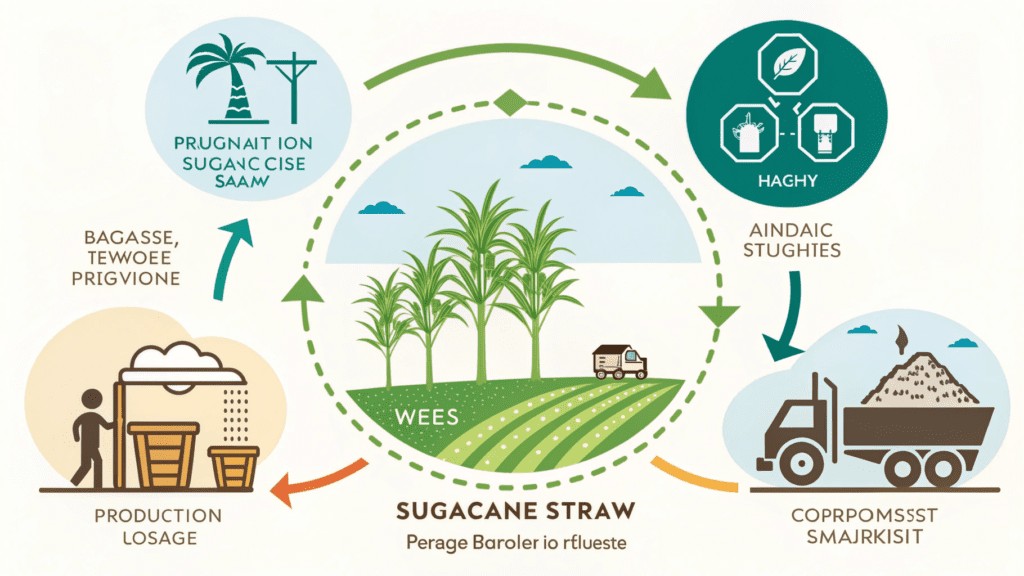
تبدأ الرحلة بعيدًا عن التلوث البلاستيكي بفهم المواد المبتكرة. في قلب قش قصب السكر يوجد تفل قصب السكر، وهو المنتج الثانوي الليفي المتبقي بعد سحق سيقان قصب السكر لاستخراج العصير لإنتاج السكر أو الإيثانول. تاريخيًا، غالبًا ما يتم حرق هذه النفايات الزراعية أو معالجتها كمخلفات منخفضة القيمة. واليوم، يتم إعادة تصوره كأساس طبيعي ومتجدد وفير للمنتجات الصديقة للبيئة.

تقدم قش قصب السكر وعدًا مقنعًا بأنها خالية من المواد الكيميائية، ومصممة لتكون غير سامة من الألف إلى الياء. وهي خالية بطبيعتها من المواد الضارة الموجودة عادة في البلاستيك، مثل BPA وPFAS (المواد البير والبولي فلورو ألكيل، والتي يشار إليها غالبًا باسم "المواد الكيميائية الأبدية")، والفثالات، والبترول، والمبيضات، والمعادن الثقيلة، والغلوتين. تضمن عملية التصنيع الدقيقة أن هذه المصاصات لا ترشح أي مواد غير مرغوب فيها إلى المشروبات، وبالتالي الحفاظ على سلامة مشروباتك، والأهم من ذلك، صحة المستهلك. وهذا يعني أنه يمكن لعملائك الشرب بثقة، دون القلق بشأن ابتلاع البلاستيك الدقيق أو التلوث الكيميائي.
بالنسبة للشركات، يتم تعزيز الثقة في سلامة المنتج من خلال الشهادات الصارمة. تلتزم قش قصب السكر ذات السمعة الطيبة بالمعايير الدولية لسلامة الأغذية، بما في ذلك موافقة إدارة الأغذية والعقاقير (FDA) على سلامة ملامسة الأغذية والامتثال لسلامة الأغذية في الاتحاد الأوروبي (مثل الاتحاد الأوروبي 10/2011). بالإضافة إلى السلامة، يتم التحقق من مؤهلاتها البيئية من خلال شهادات مثل BPI (معهد المنتجات القابلة للتحلل) وOK Home Compostable من TÜV Austria، مما يدل على فائدتها الحقيقية في نهاية عمرها الافتراضي. توفر هذه الشهادات دليلاً موضوعيًا على قابليتها للتحلل البيولوجي وقابليتها للتحلل، مما يضمن أنها تتحلل بشكل طبيعي دون الإضرار بالبيئة. علاوة على ذلك، تعتبر قش قصب السكر بشكل عام آمنًا لجميع الأعمار ولا يؤثر على الحالات الصحية مثل مرض السكري، حيث يتم استخلاص السكر أثناء المعالجة، ولا تنقل القش تركيبتها إلى سوائل. اكتسب تاريخ قش قصب السكر كبديل عملي للبلاستيك اهتمامًا كبيرًا في عام 2019 تقريبًا، مدفوعًا بزيادة الوعي العالمي بالتلوث البلاستيكي والحظر الواسع النطاق للبلاستيك الذي يستخدم لمرة واحدة، مما يُظهر المحور السريع للصناعة نحو حلول مستدامة حقًا.
الميزة الإستراتيجية: لماذا يعزز قش قصب السكر قيمة الأعمال
Choosing sugarcane straws extends beyond mere compliance; it’s a strategic move that delivers tangible business advantages, enhancing both customer experience and operational efficiency. One of the most common frustrations with eco-friendly alternatives, particularly paper straws, has been the infamous “soggy straw dilemma.” Sugarcane straws address this head-on, engineered to maintain their structural integrity for hours, even in both hot (withstanding temperatures up to 80-90°C) and cold beverages. This superior durability means your customers enjoy a consistent, reliable sipping experience without their straw disintegrating mid-drink. Moreover, their taste-neutral design ensures no unwanted flavors or odors are imparted, preserving the authentic quality and enjoyment of your served drinks.
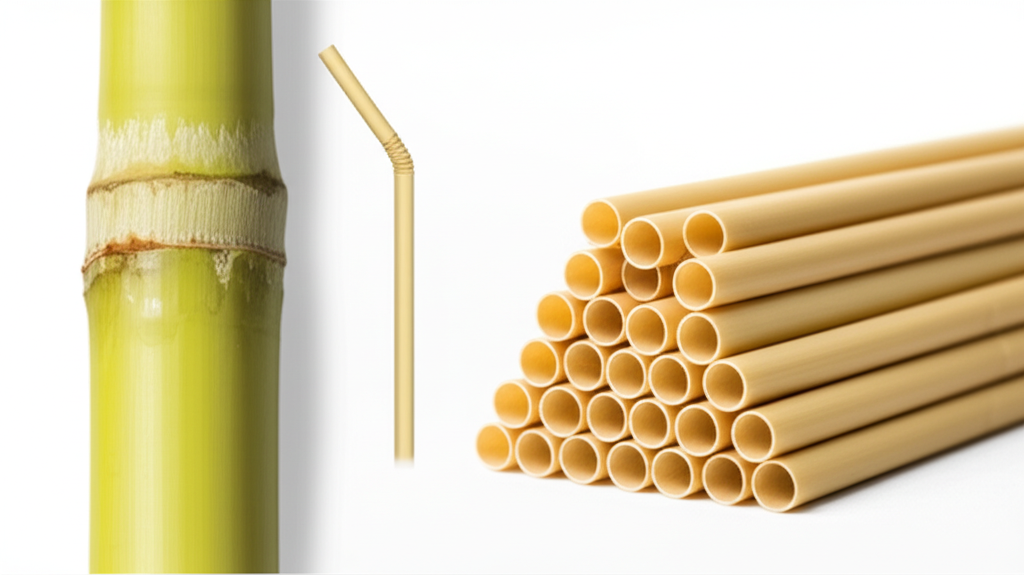
من الناحية التشغيلية، توفر قش قصب السكر تكاملًا سلسًا في سير العمل الحالي. وباعتبارها حلاً يستخدم لمرة واحدة ولكنه صديق للبيئة، فإنها تلغي الحاجة إلى عمليات الغسيل أو التجفيف أو التخزين المعقدة المرتبطة بالبدائل القابلة لإعادة الاستخدام مثل المعدن أو الزجاج، مما يقلل بشكل كبير من تكاليف العمالة والتعقيدات التشغيلية. كما أنها تقلل من مخاطر الكسور الشائعة مع المصاصات الزجاجية. وتخلق هذه الراحة، إلى جانب فوائدها البيئية، عرضًا ذا قيمة مقنعة. والأهم من ذلك، أن اعتماد قش قصب السكر يسمح لشركتك بالتوافق مع تفضيلات المستهلك سريعة النمو: ما يقرب من 70-75% من المستهلكين الآن يعطون الأولوية بنشاط ويبحثون عن خيارات صديقة للبيئة، ويفضلون الشركات التي تظهر التزامًا حقيقيًا بالممارسات المستدامة. ومن خلال إجراء التبديل، فإنك لا تلبي هذا الطلب المتصاعد فحسب، بل تعزز أيضًا ولاء العملاء بشكل أقوى، وتعزز سمعة علامتك التجارية، وتضع مؤسستك كشركة رائدة مسؤولة في الصناعة. للحصول على رؤى أعمق حول تبني الخيارات المستدامة في مجال الضيافة، اكتشف كيفية القيام بذلكSugarcane Straws are Shaping the Sustainable Foodservice Future.
Making the Informed Switch: A B2B Comparison Guide to Eco-Straws
The market offers a diverse array of straw alternatives, each with its own set of advantages and drawbacks. Understanding these distinctions is crucial for procurement and operations leaders committed to making the best strategic choice.
Comparative Analysis: Sugarcane vs. Alternatives
- Plastic Straws: While inexpensive and durable, their environmental cost is staggering. They persist for centuries, breaking down into harmful microplastics that permeate ecosystems and food chains. Increasingly, they are targeted by stringent regulatory bans globally.
- القش الورق: A common early alternative, paper straws are biodegradable. However, they frequently suffer from the “soggy straw” syndrome, quickly losing integrity. Concerns also exist regarding the glues and potential “forever chemicals” (PFAS) used in some variants, and their production often has a higher carbon footprint than sugarcane.
- Metal & Glass Straws: These offer reusability and high durability. Yet, their higher upfront cost and the logistical burden of cleaning, sanitizing, and storing them can be significant for high-volume operations. Safety concerns, such as potential for dental injury or choking hazards, also need consideration, especially for diverse customer bases including children.
- قش الخيزران: Natural and often reusable, bamboo straws are an eco-friendly option. However, quality can vary, and they require meticulous cleaning and drying to prevent mold or odors. Some may also have rough edges or impart a slight woody taste. For a detailed comparison, consider Sugarcane vs. Bamboo Straws for Sustainable Hospitality. Another valuable resource for making sustainable choices can be found in our deep dive on Sustainable Straws: Sugarcane vs. Bamboo in Hospitality.
Here’s a comprehensive comparison to guide your decision-making:
| ميزة | قش قصب السكر | القش البلاستيكية | القش الورق | Metal/Glass Straws | قش الخيزران |
|---|---|---|---|---|---|
| المواد الأولية | Sugarcane Bagasse (often 100% plant-based) | Petroleum-based plastics (PP, PS, PET) | لب الخشب | Stainless Steel, Borosilicate Glass | Natural Bamboo Stalk |
| Safety (Toxicity) | Non-toxic, PFAS-free, BPA-free | Potential for BPA, phthalates, microplastics | May contain PFAS, glues; can get soggy | Safe (if clean); potential for injury | Natural, but quality varies; potential for mold |
| Durability in Drinks | Hours, hot & cold (resistant to sogginess) | عالي | Low (soggy, disintegrates quickly) | عالية جدًا | Moderate (can crack/splinter) |
| Taste/Odor Impact | حيادي | حيادي | Can impart paper taste, odor | Can impart metallic taste (metal), no (glass) | Can impart woody taste |
| القابلية للتحلل البيولوجي | 100% Biodegradable & Compostable (60-180 days) | Centuries to break down; microplastics | Biodegradable, but often slow; some PFAS | غير قابلة للتحلل البيولوجي | قابلة للتحلل |
| القابلية للتسميد | Yes (Home & Industrial Certified options) | لا | Varies; often industrial only; some not | لا | Yes (home compostable) |
| الامتثال التنظيمي | High (meets EU SUPD, global plastic bans) | Low (targeted by bans) | Variable (some bans target non-compostable) | Exempt (reusable) | Exempt (reusable/natural) |
| الآثار المترتبة على التكلفة | Competitive, slightly more than paper | قليل | Low to Moderate | High initial investment | Moderate initial investment |
| Eco-Impact | Low carbon footprint, repurposes agricultural waste | High carbon footprint, pollution | Higher footprint than sugarcane; tree-based | High production energy | Variable (depends on sourcing) |
| Cleaning Required | No (single-use) | No (single-use) | No (single-use) | Yes (reusable) | Yes (reusable) |

A real-world example of this strategic shift is seen with companies like Strwd, which successfully replaced over 500,000 traditional paper straws with sugarcane alternatives across 60 sites in its inaugural year. This demonstrates the viability and positive reception of sugarcane straws in large-scale operations. Looking ahead, the eco-friendly straw market is projected for robust growth, with global eco-friendly straw market reaching USD 5.1 billion by 2030 (from USD 1.8 billion in 2023) and the specific sugarcane straw market growing from USD 10.7 million in 2023 to USD 16.9 million by 2030. The broader biodegradable straw market is set to soar from USD 41.52 billion in 2024 to an estimated USD 178.87 billion by 2031, reflecting a compound annual growth rate (CAGR) of 23.20%. This trajectory highlights a sustained global shift driven by both consumer demand and regulatory pressures.
Industry Insights: Shaping the Future of Sustainable Operations
The future of sustainable operations is intrinsically linked to material innovation and regulatory foresight. The market for eco-friendly straws, particularly sugarcane, is experiencing unprecedented growth, driven by stringent global environmental laws and evolving consumer expectations. In Europe, the comprehensive Single-Use Plastics Directive (EU SUPD) has significantly impacted businesses, pushing them to abandon traditional plastics. Similarly, countries like Taiwan have implemented outright bans on plastic straws in dining outlets since 2020, and numerous U.S. states and cities are following suit. This creates a compliance imperative, where sugarcane straws offer a future-proof solution, helping businesses avoid escalating fines and legal repercussions while enhancing their public image.
Despite the clear advantages, some misconceptions about “biodegradable” products persist. One common point of confusion revolves around Polylactic Acid (PLA) content. While some bioplastics, including certain straw variants, are made with PLA which often requires specific industrial composting facilities to break down effectively, it is crucial to differentiate. Many leading sugarcane straws are now manufactured to be 100% PLA-free and certified for home composting, meaning they can decompose in less controlled environments within weeks to months. This distinction is vital for businesses to ensure they are truly delivering on their sustainability promises. Proper disposal, typically through composting, remains crucial for realizing the full environmental benefits of sugarcane straws; if they end up in landfills without the necessary conditions for decomposition, their advantages are diminished. Educating staff and customers on proper disposal is a small but impactful step.

Looking 5-10 years into the future, expect continuous innovations in sugarcane straw technology. Research and development are already exploring “second-generation” sugarcane straws designed for even higher temperature resistance and the integration of other agricultural waste streams, such as coffee grounds and bamboo fiber, to create multi-fiber solutions. This embodies the circular economy principle of transforming waste into valuable resources, minimizing carbon footprints, and promoting resource efficiency. This approach aligns perfectly with the Sustainable Development Goals (SDGs), ensuring that materials stay in continuous cycles. Leading industry players like Naturepoly, Strwd, and Renouvo (JuTian Cleantech Co., Ltd.) are at the forefront of this innovation, providing products backed by crucial certifications like BPI Industrial, TÜV Austria (OK Compost Home/Industrial), and US FDA approval, which verify their claims of biodegradability, compostability, and food contact safety.
Taking the Next Step: Integrating Sugarcane Straws into Your Business
The shift to sugarcane straws is more than just a product change; it’s a statement of your business’s values and a commitment to a sustainable future. When considering strategic sourcing, prioritize suppliers who demonstrate transparent production processes and possess verifiable certifications. While sugarcane straws are competitively priced, often only slightly more than paper straws, evaluate their cost-effectiveness against the long-term environmental benefits, enhanced brand reputation, and avoidance of regulatory penalties.
Operational implementation is straightforward. Sugarcane straws are easily integrated into existing supply chains and distribution networks, requiring minimal disruption. Crucially, invest in staff education to inform your teams about the benefits of this sustainable choice and ensure proper disposal practices are understood and followed.
Finally, showcase your commitment. Leverage your choice of sustainable straws as a key marketing message. Communicate your environmental stewardship clearly and proudly to customers, stakeholders, and the wider community. This demonstrates proactive leadership in sustainability, strengthens brand loyalty, and attracts the growing segment of eco-conscious consumers. By adopting sugarcane straws, you are not just purchasing a product; you are investing in a more resilient and responsible business model.
Conclusion: Lead with Sustainability, Sip with Confidence
Sugarcane straws unequivocally stand out as a safe, high-performing, and truly sustainable alternative to traditional plastic and even many less effective eco-friendly options. Made from agricultural byproducts, they exemplify circular economy principles, significantly reducing environmental impact while offering superior user experience compared to soggy paper alternatives.
By choosing sugarcane straws, businesses can effectively meet escalating regulatory demands, significantly enhance customer satisfaction, strengthen their brand reputation, and contribute meaningfully to a greener, more sustainable future. This decision is a win-win: it mitigates risks associated with plastic pollution, quantifies cost savings through avoided fines and reduced waste disposal fees, and dramatically uplifts brand value, opening doors to new market share opportunities driven by consumer preference. Make the informed decision today to elevate your operations with a product that embodies safety, innovation, and environmental responsibility, leading your industry towards a truly sustainable tomorrow.
This section demonstrates responsive design. Content and layout adapt to screen size.
الأسئلة المتداولة (الأسئلة الشائعة)
Yes, reputable sugarcane straws are 100% biodegradable and compostable. They are made from bagasse, the fibrous byproduct of sugarcane, and are designed to break down naturally in composting conditions. Many varieties are certified for both industrial composting (60-180 days) and home composting (weeks to months), leaving no harmful residues or microplastics behind.
While some “bioplastic” straws may contain PLA, many leading sugarcane straw brands offer 100% PLA-free options. Pure bagasse straws are often certified home compostable, ensuring they break down effectively without specialized facilities. Look for certifications like “PLA-free” and “OK Home Compostable.”
Sugarcane straws maintain their structural integrity for several hours, even in hot (up to 90°C/194°F) and cold beverages, making them a reliable option that won’t get soggy or disintegrate quickly.
Yes, sugarcane straws are generally considered safe for all ages. They are non-toxic, chemical-free (no BPA, PFAS, heavy metals, or gluten), and do not pose a risk if accidentally chewed. They have no impact on glucose-sensitive conditions like diabetes, as sugar is extracted during processing.
No, sugarcane straws are taste-neutral and odorless. Unlike paper, metal, or bamboo straws, they do not impart unwanted flavors or smells, preserving the true taste of beverages.
Sugarcane straws are competitively priced. While slightly more expensive than plastic, they are often comparable to or only marginally higher than quality paper straws. Their durability and compliance advantages deliver a strong return on investment.
Bagasse is the fibrous residue left after crushing sugarcane stalks to extract juice. Instead of discarding it, bagasse is processed into pulp and molded into straws, turning waste into a sustainable product.
While mainly designed for single use, sugarcane straws can be reused a few times if properly cleaned and stored in a cool, dry environment. Their true benefit lies in being high-performing, disposable, and compostable.
Look for certifications like: • BPI (Biodegradable Products Institute) • TÜV Austria (OK Compost Home/Industrial) • US FDA food contact safety • EU 10/2011 compliance • PFAS-free & BPA-free claims