تقف منطقة آسيا والمحيط الهادئ عند منعطف حاسم في سياستها البيئية وتطور السوق. بسبب أزمة البلاستيك العالمية الملحة، تجتاح الاستجابات التنظيمية السريعة جميع أنحاء منطقة آسيا والمحيط الهادئ، وتستهدف بشكل مباشر العناصر البلاستيكية ذات الاستخدام الواحد (SUP)، مع التركيز بشكل أساسي على الشفاطات. وتعمل هذه الطفرة التشريعية على إعادة تشكيل ديناميكيات السوق بشكل عميق بالنسبة للشركات التي تعتمد على الواردات، مما يفرض تحديات كبيرة وفرصًا لا مثيل لها.
مع توليد منطقة آسيا والمحيط الهادئ لأكثر من نصف النفايات البلاستيكية في العالم في عام 2021 - وهو رقم مذهل يبلغ 200 مليون طن - لا يمكن إنكار الحاجة الملحة للتغيير. إن هذا العبء البيئي، الذي تفاقم بسبب التحضر السريع الذي يشهد انتقال ما يقرب من 120.000 فرد إلى المراكز الحضرية يوميًا، له آثار تشغيلية وتجارية شديدة. تشير التقديرات إلى أن التلوث البلاستيكي في منطقة آسيا والمحيط الهادئ وحده يتكبد تكلفة اقتصادية قدرها 1.3 مليار دولار أمريكي سنويًا في الأضرار التي لحقت بصناعات السياحة وصيد الأسماك والشحن. بالنسبة للمستوردين، فإن الفهم العميق والاستباقي لهذه التحولات لا يتعلق فقط بالامتثال؛ فهو أمر بالغ الأهمية للحفاظ على حصة السوق، وحماية الربحية، وبناء سلسلة توريد مرنة في مشهد سريع التغير.
المشهد التنظيمي المتغير في منطقة آسيا والمحيط الهادئ: فرض الحظر غير المباشر في منطقة آسيا والمحيط الهادئ
تعمل الحكومات والمنظمات الحكومية الدولية عبر منطقة آسيا والمحيط الهادئ على تنفيذ سياسات وحملات قوية لحظر أو تقييد المنتجات البلاستيكية ذات الاستخدام الواحد، بما في ذلك المصاصات. وهذه الدفعة التشريعية السائدة هي المحرك الرئيسي وراء الطلب المتزايد على المواد البديلة، مما يجبر المستوردين على إعادة تقييم مصادرهم ومحافظ منتجاتهم بشكل أساسي. والأهم من ذلك، أن البقاء على اطلاع دقيق باللوائح المحددة على مستوى الدولة وتواريخ سريانها التي غالبًا ما تكون تدريجية، يعد أمرًا بالغ الأهمية لاستباق اضطرابات سلسلة التوريد، وتجنب العقوبات المكلفة، والحفاظ على استمرارية العمليات.
لقد تأثر الزخم التنظيمي في منطقة آسيا والمحيط الهادئ بشكل كبير بالأحداث العالمية المحورية. وحظرت سياسة "السيف الوطني" التي طبقتها الصين في عام 2018، استيراد 24 نوعا من النفايات الصلبة، بما في ذلك البلاستيك. ترددت أصداء هذا الإجراء الجذري على مستوى العالم، حيث أدى إلى تحويل مجاري النفايات البلاستيكية إلى دول أخرى في جنوب شرق آسيا، بما في ذلك إندونيسيا وماليزيا وفيتنام والهند وتايوان وتايلاند. ورغم أن هذا التحول خلق في البداية تحديات بيئية في هذه البلدان المتلقية بسبب عدم كفاية البنية التحتية، فقد دفعها في نهاية المطاف إلى سن ضوابط أكثر صرامة على الواردات وحظر SUP المحلي. على سبيل المثال، تخطط تايلاند لفرض حظر تدريجي على واردات الخردة البلاستيكية بحلول عام 2025، ليصل إلى ذروته بحظر كامل، مما يؤكد بشكل أكبر على ضرورة قيام المستوردين بتأمين سلاسل التوريد المحلية أو الإقليمية المتوافقة.

الزخم الإقليمي: ما وراء المواد البلاستيكية ذات الاستخدام الواحد (SUPs)
وتمتد الجهود التنظيمية في منطقة آسيا والمحيط الهادئ إلى ما هو أبعد من القش البلاستيكي، مما يشير إلى التزام أوسع بالإشراف البيئي. تقوم الدول الرئيسية بوضع أهداف طموحة وتنفيذ خطط عمل شاملة:
- أندونيسيا لدى جاكرتا خطة عمل وطنية طموحة تهدف إلى الحد من الحطام البلاستيكي البحري بنسبة 70% بحلول عام 2025. ويدعم هذا الالتزام مبادرات محلية، مثل الحظر الذي فرضته جاكرتا على الأكياس البلاستيكية، والذي أدى إلى انخفاض الاستهلاك بنسبة 42% بحلول عام 2021.
- الصين prohibited the use of disposable plastic straws in its catering industry nationwide by the end of 2021, and its broader plastic ban continues to roll out in phases until 2025.
- India implemented a nationwide ban on single-use plastics, including straws, in 2022. This move has created a substantial shift, particularly impacting the profitability of low-margin, small-pack soft drinks due to the increased cost of compliant alternatives.
- Malaysia imposed a plastic straw ban in 2018 and has outlined a comprehensive roadmap towards achieving zero single-use plastic from 2018-2030.
- ال Philippines House of Representatives passed a ban on various single-use plastic products, including straws and stir sticks, though direct government action on this designation has yet to materialize fully.
- Singapore phased out plastic straws from over 270 food and beverage (F&B) outlets by July 2019, with many businesses proactively removing them or providing them only upon request.
- South Korea has faced challenges with its plastic straw ban, with the government indefinitely extending the “notice period,” impacting domestic paper straw manufacturers who had invested in alternatives.
- Vietnam’s National Action Plan on Sustainable Consumption and Production is focusing on limiting SUPs by integrating eco-friendly packaging throughout the supply chain, fostering collaboration among distributors, retailers, and suppliers.
وتؤكد هذه المبادرات الإقليمية على اتجاه واضح لا رجعة فيه: حيث تتحول الشفاطات البلاستيكية بسرعة إلى سلعة عفا عليها الزمن في سوق منطقة آسيا والمحيط الهادئ، مما يجعل التكيف الاستباقي للمستوردين ضرورة استراتيجية.
مخططات مسؤولية المنتج الموسعة (EPR): ضرورة تنظيمية
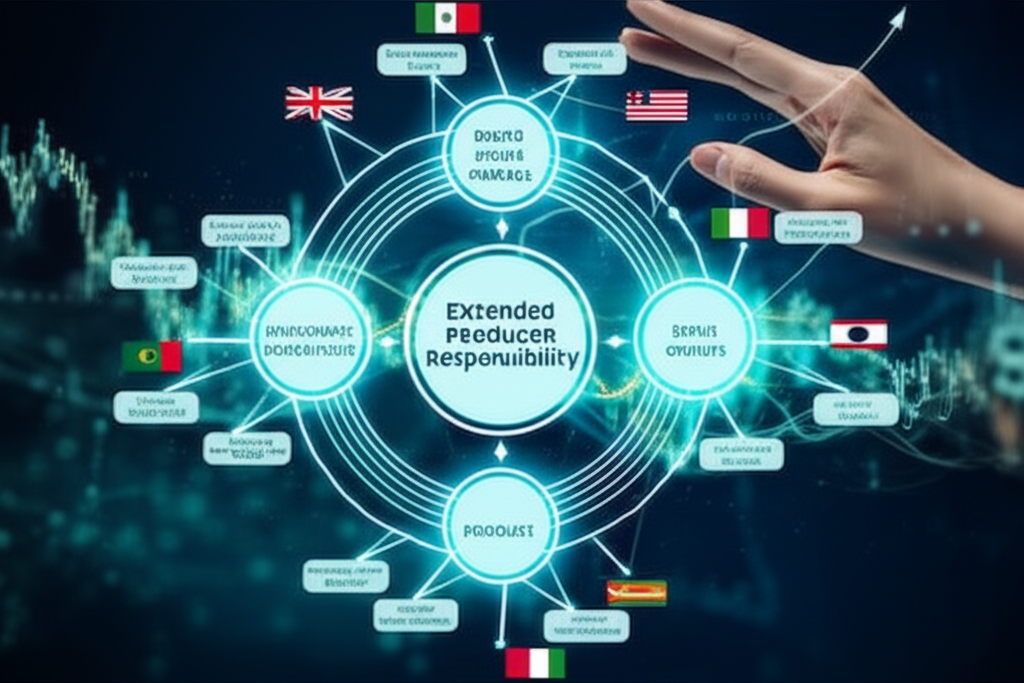
وبعيدًا عن الحظر الصريح، تكتسب مخططات مسؤولية المنتج الممتدة (EPR) زخمًا كبيرًا في جميع أنحاء منطقة آسيا والمحيط الهادئ، مما يعيد تشكيل مساءلة الشركات بشكل أساسي عن نفايات التعبئة والتغليف. تُحمِّل مخططات EPR الشركات قانونًا - بما في ذلك أصحاب العلامات التجارية وتجار التجزئة والموزعين والمستوردين - المسؤولية المالية عن إدارة نهاية العمر الافتراضي لمنتجاتهم والتغليف. على الرغم من أن هذه المخططات شائعة في أوروبا وأمريكا، إلا أنها جديدة نسبيًا في منطقة آسيا والمحيط الهادئ، مما يجبر الشركات على الإبلاغ عن استهلاكها السنوي من التغليف والتأكد من إدارة النفايات بشكل مسؤول، غالبًا من خلال أهداف خفض محددة مسبقًا. يمكن أن يؤدي عدم الامتثال إلى غرامات كبيرة وتداعيات قانونية، مما يضيف طبقة أخرى من التعقيد للمستوردين.
تشمل التطورات الملحوظة في EPR في منطقة آسيا والمحيط الهادئ ما يلي:
- Malaysia تنتقل بشكل نشط من سياسات EPR الطوعية إلى السياسات الإلزامية، مع التخطيط للتنفيذ الكامل بحلول عام 2026. وهذا يشير إلى تحول ملموس نحو المسؤولية المشتركة عبر سلسلة القيمة.
- ال فيلبيني' يُلزم قانون EPR لعام 2022 الشركات باسترداد نسبة متزايدة من نفايات التغليف البلاستيكية، بدءًا من 20% بحلول 31 ديسمبر 2023، وتتصاعد إلى 80% بحلول نهاية عام 2028.
- Singapore من المقرر أن تقدم خطة إرجاع الودائع لحاويات المشروبات المعبأة مسبقًا (البلاستيكية والمعدنية) بإيداع 0.10 دولار سنغافوري، بدءًا من أبريل 2025. وسيتطلب هذا المخطط من محلات السوبر ماركت الكبيرة إنشاء نقاط إرجاع، مما يضع المسؤولية المباشرة على شركات المشروبات للتجميع وإعادة التدوير.
تتطلب أطر EPR المتطورة هذه من المستوردين ليس فقط إدارة تدفق البضائع ولكن أيضًا مراعاة دورة الحياة الكاملة للتغليف، مما يدفعهم نحو مصادر أكثر استدامة وتصميم المنتج.يعد الفهم الاستباقي للوائح منطقة آسيا والمحيط الهادئ أمرًا بالغ الأهمية للمستوردين لتجنب الاضطرابات والحفاظ على حصتهم في السوق.
ديناميكيات السوق: لماذا تعتبر البدائل المستدامة ضرورية للمستوردين للبقاء في المقدمة
يؤدي التقاء اللوائح الصارمة وزيادة وعي المستهلك فيما يتعلق بالتلوث البلاستيكي إلى خلق طلب غير مسبوق على المنتجات الصديقة للبيئة في منطقة آسيا والمحيط الهادئ. وهذا التحول ليس مجرد اتجاه متخصص؛ إنها ظاهرة سائدة. يفضل 80% من المستهلكين المنتجات الصديقة للبيئة، مما يحول المصادر المستدامة من مبادرة المسؤولية الاجتماعية للشركات إلى عامل تمييز مهم في السوق. وتتبنى قطاعات الخدمات الغذائية والقطاعات المؤسسية والأسرية بدائل مستدامة بسرعة، مما يوفر فرصة كبيرة للمستوردين الاستباقيين للاستفادة من هذا التحول واكتساب ميزة تنافسية كبيرة.
Surging Demand for Eco-Friendly Packaging: A $124.36 Billion Opportunity
The economic scale of this shift is staggering. The APAC eco-friendly packaging market is projected to reach US$124.36 billion by 2030, driven by the region’s position as the fastest-growing market globally in this sector, with an anticipated CAGR of 11.21% through 2030. This growth is underpinned by clear consumer sentiment: 86% of APAC respondents view sustainable production and packaging as important.
Key drivers fueling this surging demand include:
- التحضر السريع: مع ما يقرب من 120.000 من سكان المناطق الحضرية الجدد يوميًا، تعمل المراكز الحضرية الكثيفة على تصاعد استهلاك البلاستيك وتوليد النفايات، مما يؤدي في الوقت نفسه إلى زيادة الطلب على التغليف المريح والمستدام.
- نمو التجارة الإلكترونية: ويعتمد قطاع التجارة الإلكترونية المزدهر، والذي يتسارع بمعدل نمو سنوي مركب يبلغ 12.89% حتى عام 2030، بشكل كبير على التغليف. وهذا يخلق ضغطًا هائلاً من أجل حلول خفيفة الوزن وفعالة ومستدامة بشكل متزايد لتقليل النفايات والبصمة الكربونية المرتبطة بالنقل.
- التزامات الاستدامة المؤسسية: تقوم الشركات الكبرى بدمج الاستدامة في استراتيجياتها الأساسية. على سبيل المثال، تهدف شركة PepsiCo إلى تصنيع عبوات قابلة لإعادة التدوير أو التحويل إلى سماد أو إعادة الاستخدام بنسبة 98% بحلول عام 2025، مما يشير إلى مسار واضح لشركائها في سلسلة التوريد، بما في ذلك المستوردين.
ويؤكد هذا التقاء العوامل أن التحرك نحو التغليف الصديق للبيئة هو اتجاه سوقي قوي طويل الأجل، وليس بدعة عابرة.
ضرورة إيجاد بدائل القش المستدامة
نظرًا لأن الشفاطات البلاستيكية تواجه حظرًا واسع النطاق، يجب على المستوردين التركيز نحو مجموعة متنوعة من البدائل المستدامة. تقدم كل مادة مزايا واعتبارات فريدة:
- القش الورق: من المتوقع أن يشهد سوق القش الورقي نموًا كبيرًا بسبب قابليته للتحلل البيولوجي وفعاليته من حيث التكلفة. وتشمل الابتكارات خيارات قابلة للانحناء، تتناول تفضيلات المستهلك المشتركة.
- القش النباتي (PLA، PHA): مصنوعة من موارد متجددة مثل نشا الذرة أو قصب السكر، هذه الشفاطات تحاكي ملمس البلاستيك التقليدي. لقد تضاعف الإنتاج العالمي من المواد البلاستيكية الحيوية منذ عام 2010، حيث تم استخدام ما يقرب من نصف 2.18 مليون طن تم تصنيعها في عام 2023 للتغليف. ومع ذلك، تتطلب العديد من خيارات جيش التحرير الشعبى الصينى مرافق التسميد الصناعية للتحلل المناسب، والتي لا تزال محدودة في الكثير من دول آسيا والمحيط الهادئ.
- خيارات قابلة لإعادة الاستخدام (معدن، زجاج، سيليكون): توفر هذه المنتجات وفورات كبيرة في التكاليف على المدى الطويل للشركات كما أنها متينة للغاية. من السهل تنظيف الشفاطات المعدنية (مثل الفولاذ المقاوم للصدأ)، بينما تتميز الشفاطات المصنوعة من السيليكون بالمرونة والصديقة للأطفال.
- الابتكارات الناشئة: The market is witnessing exciting advancements in “hyper-compostable” and marine-degradable options, including edible straws (100% plant-based, offering a unique consumer experience), hay straws (made from wheat plant stems, inexpensive and biodegradable), and grass or seaweed straws for niche applications.
Importers must carefully evaluate the environmental impact, economic viability, social acceptability, and specific regional regulatory requirements for biodegradability or compostability when selecting these alternatives.
Cost and Quality Realities for Importers
While the transition to sustainable straws is essential, it comes with distinct cost and quality realities that importers must meticulously manage. Sustainable straws are typically3-4 times more expensive to produceمن نظيراتها البلاستيكية التقليدية. يمكن أن تؤثر هذه الزيادة الكبيرة في التكلفة بشكل غير متناسب على المنتجات ذات الهامش المنخفض والكبيرة الحجم، مثل العبوات الصغيرة (على سبيل المثال، المشروبات الغازية سعة 100-330 مل)، مما قد يؤثر على جاذبيتها في السوق الشامل، كما لوحظ في الهند بعد حظر SUP لعام 2022.
وبغض النظر عن التكلفة، يعد الأداء عاملاً حاسماً. على سبيل المثال، عانت الأجيال الأولى من المصاصات الورقية من مشاكل المتانة، حيث فقدت 70% إلى 90% من قوتها الضاغطة بعد أقل من 30 دقيقة في السائل وامتصت حوالي 30% من وزنها. يمكن أن تؤدي قيود الأداء هذه إلى تجربة سلبية للعملاء وزيادة معدلات الاستهلاك. ومع ذلك، فإن التقدم في الطلاءات المقاومة للماء، ومزيج المواد، والتصميمات المتينة تعمل باستمرار على تحسين الأداء الوظيفي والقيمة المتصورة للخيارات الصديقة للبيئة، مما يخفف من المخاوف السابقة المتعلقة بالجودة. يجب على المستوردين الموازنة بشكل صارم بين القدرة التنافسية من حيث التكلفة والحفاظ على جودة المنتج وأدائه لضمان اعتماده على نطاق واسع ورضا العملاء.Sustainable alternatives are crucial for importers to meet surging demand and gain competitive advantage.
Strategic Imperatives for Importers to Navigate APAC Straw Bans
To thrive amidst the evolving APAC straw bans, successful importers must move beyond mere compliance and proactively adapt to regulatory shifts and evolving consumer preferences. Building resilient, diversified supply chains and embracing circular economy principles are no longer optional but critical for long-term success and competitive advantage.
Building Supply Chain Resilience and Diversification
The vulnerabilities exposed by global disruptions, such as the COVID-19 pandemic, have underscored the imperative for robust supply chain resilience. For importers in APAC, this translates into strategic adjustments:
- Localizing Sourcing: Prioritizing sourcing within the same country or region strengthens partnerships, reduces lead times, and mitigates risks associated with international trade complexities, including unpredictable import bans. For instance, Thailand’s phased ban on plastic scrap imports by 2025 further emphasizes the need for domestic or regional compliant sustainable production.
- Diversify Supply Sources: To minimize dependence on single points of failure or regions with rapidly changing regulations, importers should strategically diversify their supply sources to include multiple regions known for robust, compliant sustainable production.
- Collaborate Across the Value Chain: Partnering with manufacturers, raw material suppliers, and even waste management companies across the value chain is essential. Such collaboration can accelerate the scaling of sustainable innovation, address plastic pollution challenges more effectively, and ensure a steady supply of compliant alternatives.
Due Diligence and Certification for Compliant Imports
As the market shifts to new materials, rigorous due diligence becomes paramount. Importers must verify supplier certifications for the safety and quality of eco-friendly materials, ensuring they meet stringent regional and national standards. For example,Japan’s positive list for food-contact recycled resins will enter force in June 2025, requiring importers to ensure their products comply with these new material safety guidelines. Adhering to national guidelines for food-contact plastics, including stringent safety measures, testing protocols, and traceability requirements, is crucial to avoid market access issues and protect brand reputation. Transparency in sourcing and material composition is increasingly expected by both regulators and consumers.
Embracing the Circular Economy APAC Model
Moving beyond single-use consumption towards a circular economy model is a fundamental shift that positions businesses for long-term success. The United Nations has prioritized the circular economy for plastics since 2018, underscoring its global importance. For importers, this involves:
- Product Redesign: Focusing on designing products with recyclability and reusability from the outset. This means selecting materials that can be easily reintegrated into the production loop, minimizing waste and resource depletion.
- Eliminating Unnecessary Items and Over-packaging: A critical step is to reduce the overall volume of plastic waste by streamlining packaging designs and eliminating superfluous components. This not only aligns with environmental goals but can also yield cost savings in materials and logistics.
- Promoting Reuse Systems: Where feasible, importers should explore and promote business models that facilitate reuse. This might involve supplying durable, reusable items or collaborating with partners on take-back and refill programs, contributing to a truly closed-loop system.
تتطلب هذه الضرورات الإستراتيجية استثمارًا أوليًا كبيرًا ورؤية طويلة المدى ولكنها ضرورية للعمليات التجارية المستدامة في سوق منطقة آسيا والمحيط الهادئ المتطورة.يعد بناء سلاسل التوريد المرنة واحتضان التدوير أمرًا بالغ الأهمية لنجاح المستوردين على المدى الطويل في منطقة آسيا والمحيط الهادئ.
دراسة حالة: التكيف الاستباقي في مواجهة الحظر القشي في منطقة آسيا والمحيط الهادئ
إن الاستجابات الاستباقية لعمالقة الخدمات الغذائية العالمية لحظر القش البلاستيكي هي بمثابة أمثلة قوية في العالم الحقيقي للمستوردين الذين يتنقلون في تحولات مماثلة في منطقة آسيا والمحيط الهادئ. وتظهر هذه الشركات، التي تواجه ضغوطاً استهلاكية وتنظيمية هائلة، النتائج الملموسة للتكيف المبكر والتأثير المضاعف على سلاسل التوريد الضخمة الخاصة بها.

Starbucks and McDonald’s Global Commitments (2018-2025):
In a landmark move,Starbucks announced the elimination of single-use plastic straws from all of its 28,000 stores globally by 2020. This initiative involved offering innovative strawless lids or transitioning to alternative materials, directly influencing their global network of suppliers to adapt. This decision, driven by both environmental responsibility and consumer preference, showcased how a major player could drive significant market shifts.
Similarly,ماكدونالدزhas been actively testing various plastic straw alternatives and has set an ambitious goal for 100% of its guest packaging to be sourced from renewable, recycled, or certified materials by 2025. This commitment sends a clear signal throughout their extensive supply chain, urging manufacturers and importers to innovate and provide sustainable options.
In Japan,Skylark, a major restaurant chain operator, took a significant step by banning disposable plastic straws from all its outlets by 2020, starting with its “Gusto” restaurants in 2018. This action by a prominent regional player underscores the localized momentum of the shift away from single-use plastics.
These actions by major foodservice players underscore a critical lesson for importers: market demand shifts rapidly, and proactive supplier adaptation is not just advantageous—it’s essential for maintaining large-scale partnerships and market relevance. These commitments create immediate, large-volume demand for compliant and high-quality sustainable straw alternatives, incentivizing importers to lead the transition.Major foodservice brands demonstrate that proactive adaptation to straw bans is essential for market relevance.
Comparison Table: Strategic Straw Alternatives for Importers
Selecting the right straw alternative is a critical decision for importers, balancing performance, cost, and compliance. The following table provides a comparative overview of strategic options:
| ميزة | التأثير التشغيلي B2B | ملاحظة الامتثال | إمكانات العائد على الاستثمار |
|---|---|---|---|
| القش الورق | Wide availability, lower initial cost; durability issues (70-90% strength loss in 30 min, 30% liquid absorption). | Biodegradable; check for PFAS (Per- and Polyfluoroalkyl Substances) content and local compostability regulations. | Medium; high volume sales, but lower perceived value, high consumption rate due to performance. |
| القش المعدنية | Higher upfront cost; requires cleaning and storage infrastructure for reuse; inventory management. | Reusable, highly durable; generally compliant across regions for long-term use. | High; significant long-term cost savings for businesses that can implement reuse programs; premium market appeal. |
| PLA/PHA Straws | Similar feel to traditional plastic; requires specialized industrial composting facilities for proper degradation. | Biodegradable, but industrial composting infrastructure is limited in APAC, creating disposal challenges. | Medium; appeals to eco-conscious consumers, but true circularity is infrastructure-dependent. |
| قش الخيزران | Natural aesthetic, reusable/biodegradable; quality can vary significantly between suppliers; potential for splintering. | Biodegradable, natural product; ensure sustainable sourcing practices and proper hygiene for reuse. | Medium; niche market appeal, potential for unique brand positioning tied to natural materials. |
| القش الصالحة للأكل | Unique consumer experience; eliminates post-consumer waste entirely; currently higher cost. | 100% plant-based, hyper-compostable, marine-degradable; generally aligns with most strict bans. | High; strong brand differentiation and innovation leader; eliminates post-consumer waste management. |
Importers should consider a multi-material strategy to cater to diverse client needs and regional regulatory variations.Choosing the right straw alternative balances performance, cost, and compliance for importers.
Overcoming Challenges and Maximizing Opportunities for Importers
While the rapid implementation of straw bans and broader plastic regulations presents clear challenges for importers, it simultaneously unlocks significant new market opportunities for adaptive players. Early movers in the sustainable straw market can establish strong, long-term relationships with key customers and gain a formidable competitive advantage. Successfully navigating the financial implications and addressing critical infrastructure gaps requires strategic planning, collaborative partnerships, and a commitment to long-term vision over short-term gains.

Addressing Infrastructure Gaps and Data Limitations
One of the most significant systemic challenges in APAC is thelack of robust waste management infrastructurefor collection, sorting, and recycling, particularly in emerging markets like India and Indonesia. This deficiency means that even if a product is technically recyclable, it may end up in landfills or polluting waterways due to inadequate systems. Many single-use plastics, including straws, are too small to be efficiently collected by existing systems, or they simply end up in the ocean from landfills.
بالإضافة إلى،limited data on the economic and social impact of plastic banshinders evidence-based policymaking. Policymakers struggle to quantify the full effects or design optimal interventions when comprehensive data on consumer behavior, industry adaptation costs, or the environmental benefits (such as reduced microplastic ingestion by marine life) is scarce. The prevalence of informal waste picking, especially for low-value flexible plastics like sachets, further complicates tracking and contributes to poor official recycling rates. Addressing these infrastructure and data gaps requires significant investment and concerted effort from governments, industry, and civil society.
Financial Implications and Investment
The transition to sustainable alternatives carries notable financial implications. As highlighted earlier, sustainable straws are typically 3-4 times more expensive than traditional plastic ones. This cost increase is not easily absorbed, especially for mass-market products with thin margins. In India, for example, the ban on plastic straws significantly impacted the soft drink industry, particularly sales of small packs (100ml-330ml), which contributed 35.1% of the overall soft drink volume in 2021. The higher cost of compliant straws could affect the affordability and mass-market appeal of these products.
However, this challenge simultaneously creates a compelling case for investment.Government support, including subsidies and incentives, can play a pivotal rolein promoting technological innovation and fostering the development of new, more affordable plastic straw substitutes and manufacturing capacities domestically. For importers, this may mean strategic investments in R&D partnerships, supply chain localization, or even direct manufacturing capabilities to reduce reliance on more expensive imported sustainable alternatives. Embracing sustainable practices can also lead to long-term cost savings through reduced waste disposal fees, improved resource efficiency, and enhanced brand value that commands premium pricing or secures preferential partnerships.Importers can overcome challenges by addressing infrastructure gaps and strategically investing in sustainable alternatives.
Conclusion: Proactive Positioning in the Evolving APAC Market
The landscape of APAC straw bans is undergoing a rapid and irreversible transformation, driven by increasingly stringent environmental regulations and an undeniable surge in consumer demand for sustainable alternatives. This dynamic environment presents a clear mandate for importers: proactive adaptation is no longer a choice but an imperative for long-term viability and success.
Importers who strategically adapt their supply chains, prioritize the diversification of their product offerings with eco-friendly alternatives, and fully embrace circular economy principles will not only ensure seamless compliance with evolving regulations but also secure a significant, defensible competitive advantage. This strategic shift is crucial for mitigating risks, unlocking new market opportunities, enhancing brand reputation, and ensuring sustained profitability in the burgeoning and increasingly eco-conscious APAC market.Proactive adaptation and diversification are crucial for importers to thrive in APAC’s evolving eco-conscious market.
Ready to Lead the Shift?
Assess your current supply chain and collaborate with sustainable manufacturers to lead the shift in APAC’s eco-conscious market. Explore our comprehensive guides for deeper insights:
Reusable Straw Solutions for Bars & NightclubsNavigating EU Single-Use Plastics DirectiveGuide to Sustainable Boba Straw Alternatives
الأسئلة المتداولة (الأسئلة الشائعة)
How do APAC straw bans impact my existing import contracts?
What are the most cost-effective sustainable straw alternatives for high-volume foodservice operations?
How can importers ensure their sustainable straw alternatives meet regional biodegradability standards?
Rigorous due diligence is essential. Verify supplier certifications (e.g., for industrial composting or marine degradability) and consult local regulatory bodies for specific country-level requirements and testing protocols.
What is Extended Producer Responsibility (EPR) and how does it affect importers in APAC?
Are there government incentives or subsidies for importers transitioning to sustainable packaging in APAC?