في عصر يتميز بالوعي البيئي المتزايد وتوقعات المستهلكين المتطورة، تتعرض الشركات على مستوى العالم لضغوط هائلة لإظهار التزامها الحقيقي بالاستدامة. إن التحول الواسع النطاق بعيدًا عن الشفاطات البلاستيكية ذات الاستخدام الواحد نحو ما يتم تسويقه على أنه بدائل "صديقة للبيئة" هو مثال رئيسي على هذه الحتمية. ومع ذلك، بالنسبة لمديري المشتريات، ومديري العمليات، ومسؤولي الاستدامة، والمديرين التنفيذيين لسلسلة التوريد، غالبًا ما تمر الرقابة الحاسمة دون أن يلاحظها أحد: لا يتم إنشاء جميع الحلول الخضراء على قدم المساواة، ويشكل بعضها مخاطر صحية وبيئية مخفية يمكن أن تؤثر بشدة على سمعة العلامة التجارية، وتعقد الامتثال التنظيمي، وتؤدي إلى تآكل ثقة العملاء. تعد هذه المقالة بمثابة دليل شامل لصانعي القرار في مجال B2B، حيث تقدم نظرة عميقة في تمييز مواد القش غير السامة لحماية عملك وأصحاب المصلحة فيه.
رحلة قش الشرب، من الأدوات الذهبية السومرية القديمة المصممة لتجاوز رواسب البيرة حوالي 3000 قبل الميلاد إلى أمريكا الجنوبية في القرن السادس عشرالمصباح الكهربائي، يسلط الضوء على تاريخ طويل من الابتكار الوظيفي. ومع ذلك، اكتسبت القشة الحديثة التي يمكن التخلص منها أهمية كبيرة في القرن العشرين، وبلغت ذروتها في انتشار البلاستيك الذي ساهم بشكل كبير في النفايات العالمية. تشير التقديرات إلى أن ما يصل إلى 8.3 مليار من القش البلاستيكي تلوث شواطئ العالم، مع جرف الملايين منها على السواحل الأمريكية وحدها. يمكن أن تستغرق هذه المواد البلاستيكية ذات الأساس النفطي قرونًا لتتحلل، وتتحلل إلى جزيئات بلاستيكية دقيقة موجودة الآن في دم الإنسان، والمشيمة، وحتى حليب الثدي.
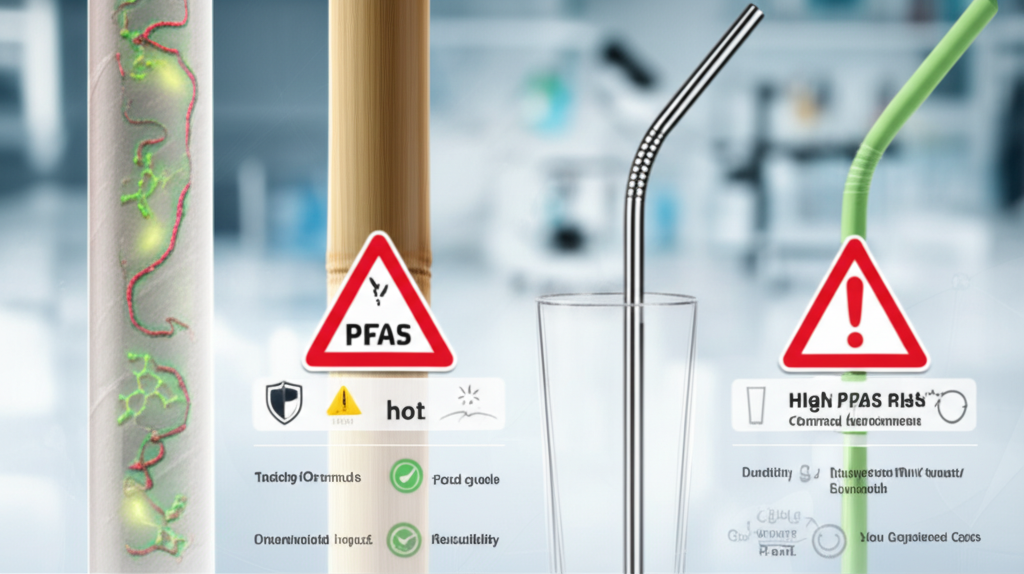
ومع ذلك، مع تحرك الشركات بسرعة لاستبدال البلاستيك، نشأ تحدي جديد خبيث: التلوث الكيميائي في البدائل التي يفترض أنها آمنة. لقد سلطت الدراسات الحديثة الضوء على القضية السائدة المتمثلة في مواد البير والبولي فلورو ألكيل (PFAS)، والتي يشار إليها غالبًا باسم "المواد الكيميائية الأبدية"، في الخيارات الشائعة التي يمكن التخلص منها. هذه المواد الكيميائية الاصطناعية ثابتة في البيئة وترتبط بمشاكل صحية خطيرة، بما في ذلك مرض الغدة الدرقية، وزيادة الكولسترول، وتلف الكبد، وبعض أنواع السرطان. كشفت الأبحاث المثيرة للقلق، بما في ذلك دراسة بلجيكية، عن وجود PFAS في 90% من المصاصات الورقية التي تم اختبارها و80% من قش الخيزران، ويرجع ذلك في المقام الأول إلى استخدامها في الطلاءات المقاومة للماء. حتى القش الزجاجي أظهر PFAS في 40% من العينات، وإن كان ذلك بترددات أقل. يقوض هذا الانتشار الادعاءات "الصديقة للبيئة" التي ترتكز عليها هذه المنتجات، مما يمثل نقطة عمياء كبيرة للشركات الملتزمة بالمصادر المسؤولة.
بالنسبة للشركات، هذه ليست مجرد حاشية بيئية؛ إنه تحد تشغيلي وتجاري عالي المخاطر. يمكن أن يؤدي تقديم المنتجات المحملة بمواد كيميائية غير معلن عنها إلى ضرر شديد بالسمعة ورد فعل عنيف من جانب المستهلك ومسؤوليات قانونية محتملة. في أوروبا، أدى توجيه الاتحاد الأوروبي للمواد البلاستيكية ذات الاستخدام الواحد إلى دفع جزء كبير من السوق البديلة للقش، ومع ذلك فإن التركيز على الموادأصل(على سبيل المثال، نباتي) قد طغت في بعض الأحيان علىالتركيب الكيميائيof the finished product. US companies face similar scrutiny, with consumers increasingly demanding transparency beyond surface-level greenwashing. Navigating this evolving regulatory landscape and meeting heightened consumer expectations for chemical safety is paramount. Failure to do so can result in costly product recalls, erosion of trust, and a public perception of insincerity regarding sustainability efforts.
Evaluating your straw options requires a rigorous, B2B-centric approach, moving beyond marketing claims to scrutinize material science and lifecycle impacts.
Stainless Steel: The Durable & Proven Non-Toxic Choice
When considering the pinnacle of safety and reusability,stainless steel strawsconsistently emerge as a top contender. They are generally considered one of the safest and least toxic options, with the Belgian study finding no detectable PFAS in stainless steel straws – a unique distinction among the materials tested. Food-grade stainless steel is naturally non-toxic, rust-proof, and chemically inert, meaning it won’t leach chemicals or microplastics into drinks, offering unparalleled peace of mind regarding compliance and customer well-being.
From an operational perspective, stainless steel straws offer exceptional durability and a long lifespan, reducing the frequency of replacement and contributing to a lower overall environmental footprint. They are easy to clean, often dishwasher safe, and recyclable at the end of their very long life. However, considerations for commercial use include their thermal conductivity, making them unsuitable for hot beverages where they can become dangerously hot. Some users may also perceive a metallic taste, and their hardness requires caution for young children or individuals with certain disabilities, as they could pose a dental injury risk.
Glass: Elegance Meets Inertness (with a Fragile Caveat)
Glass straws، المصنوعة عادةً من زجاج البورسليكات المتين، تقدم بديلاً أنيقًا وغير سام إلى حد كبير وقابل لإعادة الاستخدام. تتميز خصائص السلامة الخاصة بها بأنها عالية: فهي غير مسامية، وخاملة كيميائيًا، ولا ترشح السموم أو المواد البلاستيكية الدقيقة إلى المشروبات. في حين اكتشفت بعض الدراسات PFAS في جزء من القش الزجاجي، كان التكرار أقل منه في الورق أو الخيزران، مما يشير إلى احتمال تلوث المواد الخام بدلاً من المخاطر المادية الكامنة. تعد شفافيتها ميزة كبيرة في إعدادات الضيافة، مما يسمح بإجراء فحص بصري سهل لضمان النظافة - وهو عامل رئيسي للحفاظ على معايير النظافة العالية. كما أنها مناسبة لكل من المشروبات الساخنة والباردة، مما يوفر تنوعًا.
القيد الأساسي للقش الزجاجي في بيئات B2B كبيرة الحجم هو هشاشتها. يمكن أن تؤدي مخاطر الكسر، خاصة في المقاهي أو المطاعم أو الأحداث المزدحمة، إلى زيادة تكاليف الاستبدال وتعطيل التشغيل. على الرغم من أنها متينة، إلا أنها أثقل من البلاستيك أو السيليكون، مما يتطلب معالجة أكثر دقة.
سيليكون صالح للطعام: أمان مرن لتلبية الاحتياجات المتخصصة
للشركات التي تلبي احتياجات العملاء المتنوعة،مصاصات سيليكون صالحة للطعامتقديم حل مرن وناعم. هذه بشكل عام خالية من مادة BPA، وخالية من الفثالات، ولا تشكل أي خطر على البلاستيك الدقيق عندما تكون صالحة للطعام. مرونتها تجعلها مثالية للأطفال والأفراد ذوي الإعاقة الذين يحتاجون إلى ملمس أكثر نعومة وللاستخدامات أثناء التنقل حيث يمكن أن تكون الصلابة مصدر قلق. يمكن استخدامها مع المشروبات الساخنة والباردة وعادةً ما تكون آمنة للاستخدام في غسالة الأطباق.
ومع ذلك، فإن السيليكون مادة اصطناعية وغير قابلة للتحلل أو إعادة التدوير بسهولة، مما يمثل تحديًا بيئيًا مختلفًا مقارنة بالخيارات الطبيعية أو المعدنية حقًا. هناك أيضًا مخاوف من أن السيليكون منخفض الجودة قد يتسرب مواد كيميائية أو يجذب الغبار، مما يستلزم الحرص على تحديد المصادر. يمكن أن يجعل سطحها المسامي أيضًا أكثر صعوبة في التنظيف تمامًا من الفولاذ المقاوم للصدأ أو الزجاج، مما يتطلب صيانة جادة لمنع تراكم البكتيريا.

The Disposable Dilemma: A Critical Look at Plant-Based & Paper Straws
سوق الشفاطات "الصديقة للبيئة" ذات الاستخدام الواحد واسعة، ولكن هنا يكون "الوهم الأخضر" أكثر وضوحًا.
- القش الورق: على الرغم من اعتمادها على نطاق واسع كبديل بلاستيكي، فإن المصاصات الورقية تحمل مخاطر عالية للتلوث بـ PFAS. وكما ذكرنا سابقًا، فإن 90% من العلامات التجارية التي تم اختبارها تحتوي على هذه "المواد الكيميائية الأبدية"، والتي غالبًا ما يتم دمجها في الطلاءات المقاومة للماء. وبعيدًا عن المخاوف الكيميائية، فإن أدائها العملي غالبًا ما يكون قصيرًا: فهي تميل إلى التحلل أو التبلل بسرعة، خاصة في المشروبات الساخنة أو الكحولية، ويمكن أن تضفي طعمًا ورقيًا غير سار. العديد من الادعاءات "قابلة لإعادة التدوير بنسبة 100٪" مضللة، حيث أن طلاءات PFAS يمكن أن تعيق إعادة التدوير الحقيقية. بالنسبة للشركات التي تبحث عن خيارات قابلة للتحلل البيولوجي وغير سامة حقًا، غالبًا ما تخطئ المصاصات الورقية، كما هو مفصل في دليلنا حول أفضل القش القابل للتحلل وليس الورق.
- قش الخيزران: يتم الترويج لشفاطات الخيزران بسبب أصلها الطبيعي، كما أنها تواجه تلوثًا كبيرًا بـ PFAS، حيث تظهر 80% من العينات التي تم اختبارها هذه المواد الكيميائية. علاوة على ذلك، فإن شكلها الطبيعي وغير المنتظم وعدم شفافيتها يجعل تنظيفها صعبًا، مما يثير مخاوف تتعلق بالنظافة واحتمال نمو العفن إذا لم يتم تجفيفها بشكل صحيح. يمكنها أيضًا امتصاص النكهات، وتنعيمها بمرور الوقت، ولها عمر افتراضي أقصر من الخيارات الأخرى القابلة لإعادة الاستخدام.
- البدائل الأخرى القابلة للتحلل الحيوي (الصبار والقمح والأرز وقصب السكر والمعكرونة): This diverse category of straws, often made from agricultural by-products, represents innovation in biodegradable solutions. They are typically lightweight, sustainable, and plastic-free, with options like sugarcane straws noted for retaining firmness. Rice straws can even incorporate natural food dyes, and pasta straws offer an edible novelty. However, like bamboo, the potential for PFAS contamination exists if raw materials are sourced from polluted environments or treated with certain coatings. Performance issues like mushiness (especially in pasta straws for hot drinks) or flavor absorption can impact user experience. Crucially, “biodegradable” often means they require specific industrial composting facilities, which are not universally available, leading many to end up in landfills. Allergens (e.g., gluten in pasta straws) also need to be considered. For a deeper dive into the broader market, explore our insights on best biodegradable straws B2B 2025.

Strategic Procurement: Making Informed Decisions for Your Brand
Choosing the right straw material is a strategic decision that aligns with your brand’s values, operational realities, and commitment to genuine sustainability. Here’s a critical comparison framework for B2B straw procurement:
| ميزة | الفولاذ المقاوم للصدأ | زجاج | Food-Grade Silicone | Paper/Bamboo/Plant-Based Disposable |
|---|---|---|---|---|
| Toxicity/Chemicals | PFAS-Free (verified), Chemically inert, Food-grade safe | Very low PFAS risk, chemically inert, non-porous | BPA/Phthalate-free, no microplastics (food-grade) | High PFAS risk (Paper: 90%, Bamboo: 80%), potential for other unknown coatings |
| المتانة/إعادة الاستخدام | Extremely durable, multi-year lifespan, reusable | Durable but fragile, reusable | Flexible, durable, multi-year lifespan, reusable | Single-use, often degrade quickly, short lifespan |
| تأثير بيئي | High upfront footprint, very low long-term impact (reusable, recyclable) | Moderate footprint, very low long-term impact (reusable, some recyclability) | Synthetic (not biodegradable), requires specific recycling routes | Biodegradable (but PFAS inhibits true composting/recycling), often end up in landfill |
| تجربة المستخدم | Neutral taste, can get hot, sturdy, requires brush for cleaning | Neutral taste, aesthetically pleasing, transparent, requires careful handling | Soft mouthfeel, safe for all ages, easy to clean (but check for residue) | Often soggy, papery/earthy taste, can break, hygiene concerns for natural materials |
| Operational Costs | Higher upfront, very low long-term | Moderate upfront, higher replacement due to breakage, low long-term | Moderate upfront, very low long-term | Low upfront, high recurring due to single-use, potential waste management costs |
| الشهادات | FDA Food-Grade, PFAS-Free verification | FDA Food-Grade, PFAS-Free verification | FDA Food-Grade, BPA/Phthalate-Free | ASTM Composting Standards (if applicable), PFAS-Free certification crucial |
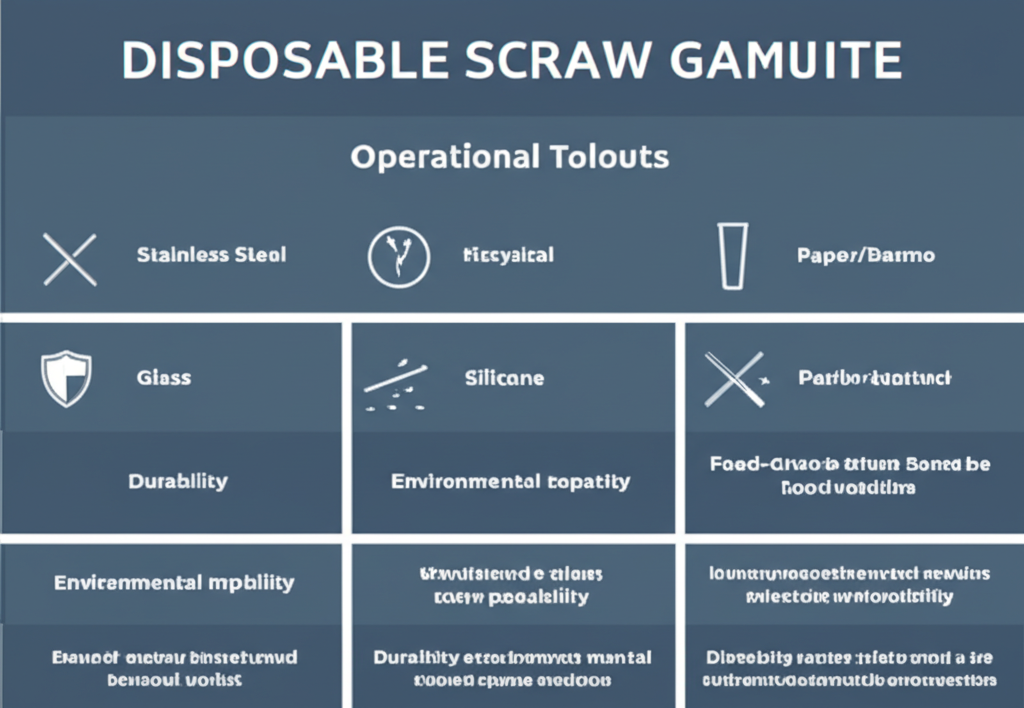
The global eco-friendly straws market is projected to reach USD 17.46 billion by 2030, reflecting a powerful market shift towards sustainable alternatives. This trajectory underscores the need for businesses to future-proof their supply chains with truly non-toxic and environmentally sound solutions. Future developments are heavily focused on genuinely PFAS-free alternatives, with research prioritizing innovative materials and coatings that offer water and fat repellency without relying on these harmful chemicals. We’re seeing advancements in plant-based bioplastics that truly break down in diverse environments, not just industrial composting facilities. Novel materials like coffee ground straws and grass straws are emerging, pushing the boundaries of what’s possible in sustainable design.
بالنسبة لشركتك، يُترجم هذا إلى ضرورة تحقيق قدر أكبر من الشفافية في سلسلة التوريد. اطلب التحقق من طرف ثالث فيما يتعلق بالسلامة الكيميائية والمطالبات البيئية. على سبيل المثال، عند النظر في الخيارات النباتية، فإن فهم الفروق الدقيقة بين مواد مثل PLA (حمض البوليلاكتيك) والبدائل البلاستيكية الأحدث والأكثر قابلية للتحلل البيولوجي يعد أمرًا أساسيًا لاتخاذ قرارات مستنيرة في مجال الأعمال بين الشركات. تحليلنا التفصيلي علىأفضل القش البلاستيكية القابلة للتحلل B2Bيوفر المزيد من التوجيه. إن التوافق مع توقعات المستهلكين المتطورة يعني تلبية الطلب على الاستدامة الحقيقية والخيارات الواعية للصحة، والانتقال إلى ما هو أبعد من العلامات التجارية الخضراء السطحية.
Ultimately, your commitment to genuine sustainability and health will define your brand’s leadership in a competitive market. Protecting your brand’s reputation and ensuring customer safety while genuinely contributing to environmental stewardship are no longer optional but foundational business imperatives. Conduct thorough due diligence beyond appealing marketing claims, prioritizing materials with proven non-toxic profiles like stainless steel and rigorously verified glass. For any disposable needs, demand comprehensive chemical testing and certifications, especially for PFAS-free status. Explore long-term partnerships with transparent suppliers committed to sustainable innovation, leveraging their expertise to navigate this complex landscape. By choosing straw solutions that not only meet environmental goals but also uphold the highest standards of safety and integrity, your business can solidify its commitment to a healthier future, mitigate regulatory risks, and capture a greater share of the burgeoning conscious consumer market. This proactive approach will not only avoid potential financial penalties and brand crises but also significantly uplift your brand value, attracting and retaining customers who value genuine corporate responsibility.
الأسئلة المتداولة
PFAS (Per- and Polyfluoroalkyl Substances), often called “forever chemicals,” are synthetic compounds used for water-resistant coatings. They persist in the environment and have been linked to health issues such as thyroid disease, liver damage, and certain cancers. Studies report high detection rates in ostensibly eco-friendly options—paper (~90%) and bamboo (~80%) straws—challenging “green” claims and raising concerns about potential leaching into beverages.
For B2B applications, food-grade stainless steel and borosilicate glass are consistently among the safest due to chemical inertness and verified PFAS-free status (for stainless steel). Food-grade silicone is also a non-leaching option—especially useful where flexibility or softer mouthfeel is required. These materials typically do not shed microplastics or leach harmful chemicals into drinks.
The labels “biodegradable” and “compostable” can be misleading. Many plant-based disposables—especially paper and bamboo—have been found to contain PFAS, undermining true biodegradability and recyclability. “Compostable” products may require industrial facilities that aren’t widely available. Without careful sourcing and third-party PFAS-free verification, many of these items still end up in landfills or contribute to chemical pollution.
Go beyond marketing claims. Prioritize materials with proven non-toxic profiles (e.g., stainless steel, verified glass). For disposables, require comprehensive chemical testing and certifications—explicitly PFAS-free. Work with transparent suppliers, review lifecycle assessments, and align procurement with evolving regulations (e.g., EU SUPD) and consumer expectations for authentic sustainability.
Expect truly PFAS-free coatings, improved plant-based bioplastics that break down in diverse environments, and novel feedstocks (e.g., coffee grounds, grass). The sector is moving toward more durable reusables, circular business models, and deeper supply-chain transparency to meet rising demand for safe, verified, and sustainable products.