يتم إعادة تدوير 12% فقط من جميع المواد البلاستيكية المستخدمة في أستراليا، على الرغم من أننا نستخدم الكثير من العناصر ذات الاستخدام الواحد ولا نقوم بإعادة تدوير ما يكفي منها. نحن أيضًا نتخلص من الكثير من البلاستيك الذي نرميه، وهو يتراكم في مدافن النفايات أو يتناثر في حدائقنا وطبيعتنا ومحيطاتنا. يجب القيام بشيء ما.
المادة البلاستيكية التي تدوم إلى الأبد أمر لا يصدق.
تعتبر المواد البلاستيكية ذات الاستخدام الواحد مسؤولة عن حوالي 30٪ من جميع المواد البلاستيكية المستهلكة. المشكلة هي أنه يتم التخلص منها بعد استخدام واحد فقط. إن مقدار الوقت والطاقة والجهد المبذول في إنتاج وتصدير واستيراد هذه العناصر لا يضيف شيئًا - خاصة إذا تم تصنيعها لتدوم إلى الأبد. يمتلك الأستراليون واحدة من أكبر البصمات البلاستيكية المستخدمة لمرة واحدة لكل شخص في العالم، في المرتبة الثانية بعد سنغافورة.
أكثر من 12% من جميع المواد البلاستيكية المستخدمة في أستراليا لا يتم إعادة تدويرها أبدًا، لأننا نستخدم عددًا كبيرًا جدًا من المواد ذات الاستخدام الواحد، ولا نقوم بإعادة التدوير بشكل كافٍ، وينتهي الأمر بأغلبها في مكبات النفايات والموانئ البحرية والمحيطات. ما يتعين علينا القيام به هو التغيير.
1. القش البلاستيكي غير قابل للتحلل بشكل عام.
في الولايات المتحدة، تم استخدام ما يقرب من 1.3 مليار شفاطة في عام 2020. ولأنها خفيفة الوزن، فبمجرد إسقاطها أو التخلص منها، تنفخ الشفاطات البلاستيكية بسهولة في المجاري المائية وتدخل محيطاتنا. وبمجرد وصولها إلى محيطاتنا، فإنها تشكل خطورة بالغة على حياتنا البرية البحرية. في عام 2015، علقت شفاطات بلاستيكية بشكل مؤلم في أنوف السلاحف البحرية.
ابحث عن بدائل خالية من البلاستيك: إذا استطعت، فاختر المصاصات المصنوعة من الفولاذ المقاوم للصدأ، وقش الخيزران، وقش المعكرونة، وقش الأرز (نعم، إنها شيء مهم!). بالنسبة لأولئك الذين يحبون مرونة المصاصات البلاستيكية، هناك بدائل أخرى صديقة للبيئة بما في ذلك المصاصات الورقية، وقش السيليكون القابل لإعادة الاستخدام، والقش النباتي القابل للتحلل.
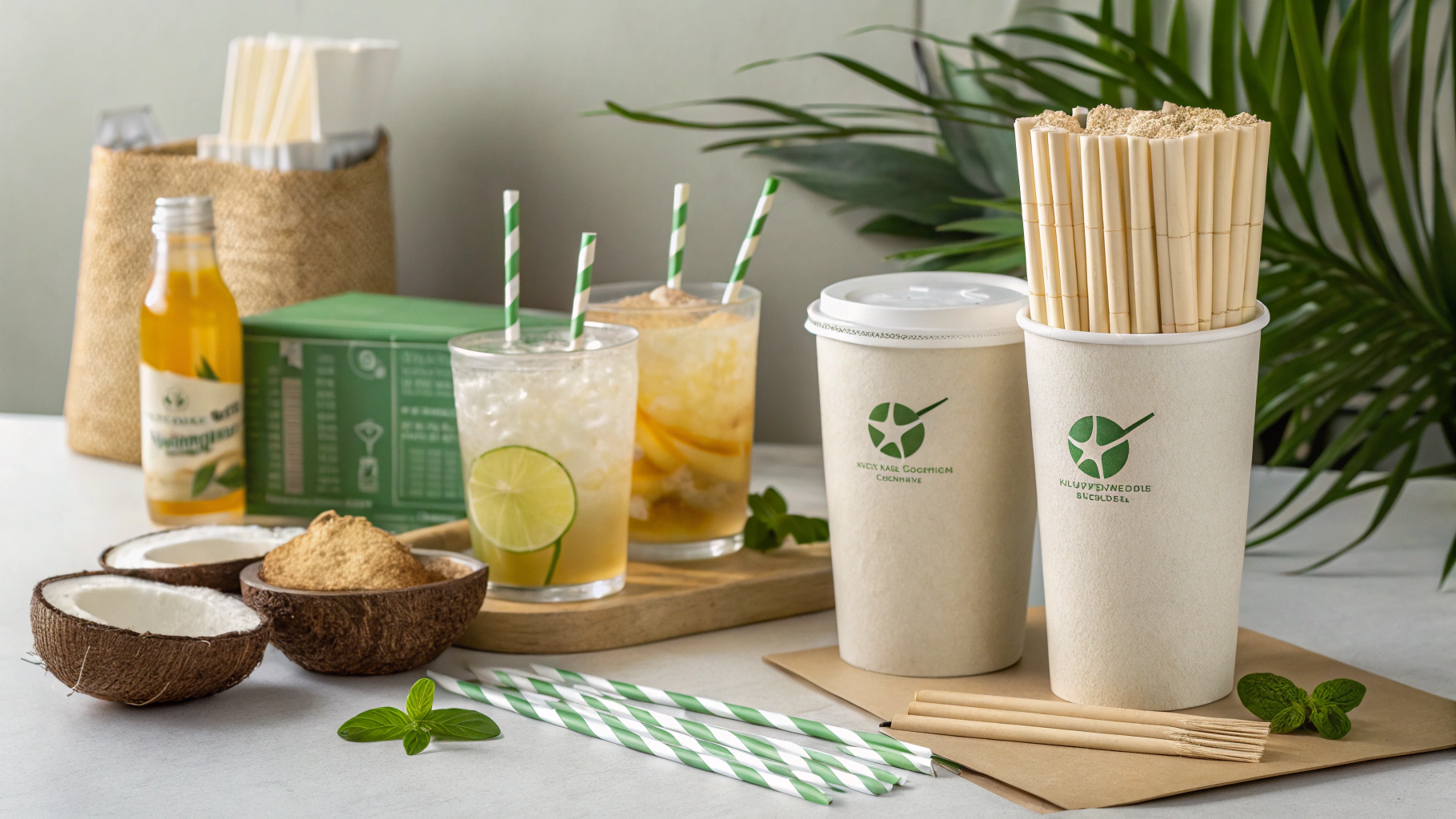
يتم إنتاج قش قصب السكر الخاص بنا على أساس الألياف النباتية كمواد خام. يمكنها أن تحل محل المصاصات البلاستيكية بشكل مثالي، ولكنها تتمتع بنفس تجربة المصاصات البلاستيكية.

2. أدوات تحريك المشروبات البلاستيكية
يعد محرك الكوكتيل أحد الملحقات الترفيهية للمشروبات، ولكن معظمها مصنوع من البلاستيك ويستخدم مرة واحدة فقط قبل أن تتضاءل حداثته ويتم التخلص منه. وينتهي بهم الأمر في سلة المهملات، على شواطئنا وفي محيطاتنا.
أدوات تقليب أو ملاعق مصنوعة من الزجاج أو الخيزران قابلة لإعادة الاستخدام! بدلًا من ذلك، جرب عودًا من الكرفس أو الجزر أو الخيار. لماذا لا تجرب الروزماري؟ من فضلك حاول هذا!

3 & 4. Coffee cups & lids
يتم استهلاك حوالي 1.8 مليار كوب ويتم إنتاج 1.5 مليار غطاء قهوة كل عام. من المهم ملاحظة أن الغالبية العظمى من فناجين وأغطية القهوة الجاهزة لا يتم إعادة تدويرها أو تحويلها إلى سماد.
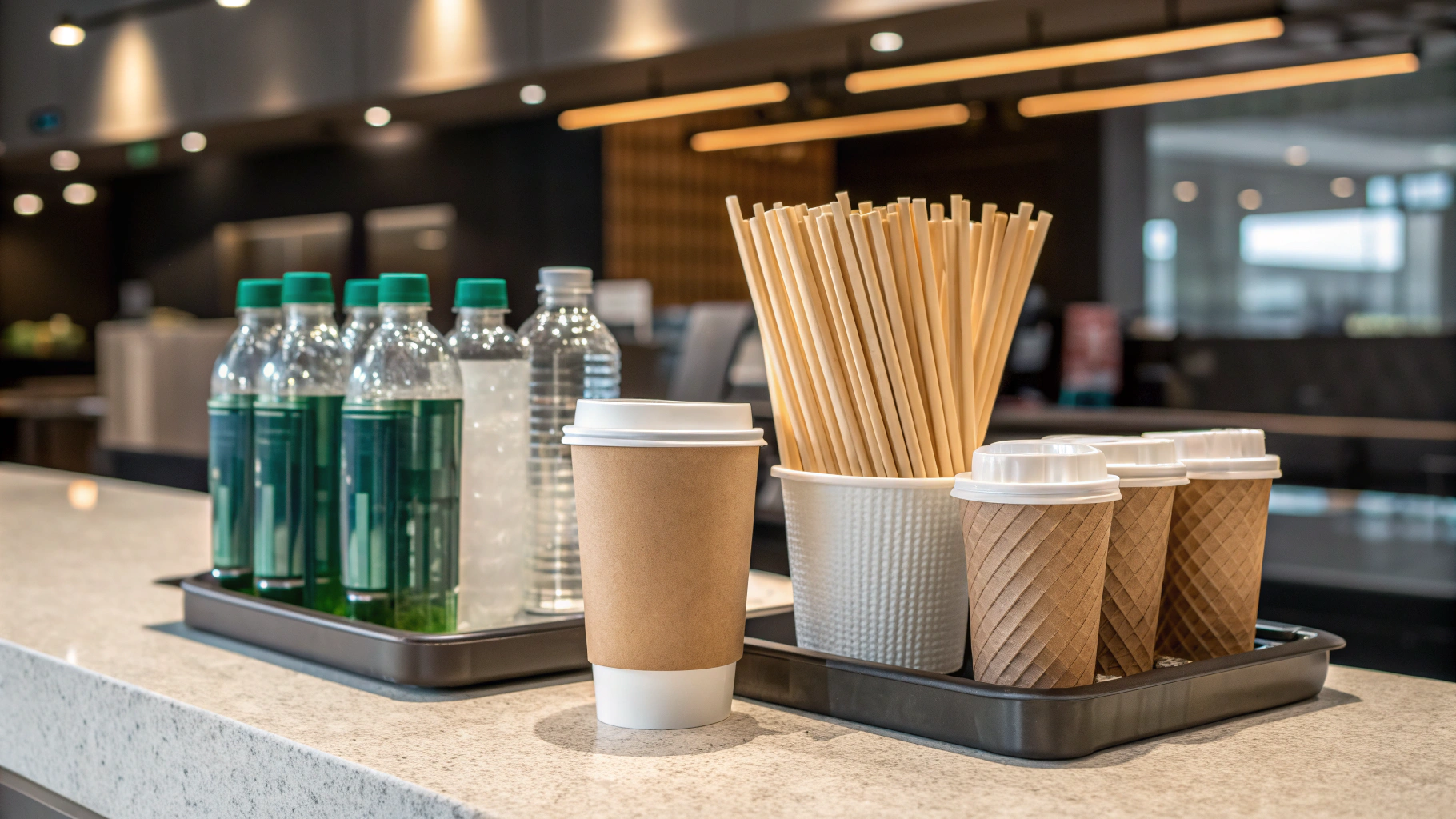
فنجان قهوة من ورق لب الخيزران مطبوع عليه شعار مزدوج الجدار مع غطاء، فنجان قهوة من ورق الكرافت هي بدائل خالية من البلاستيك.

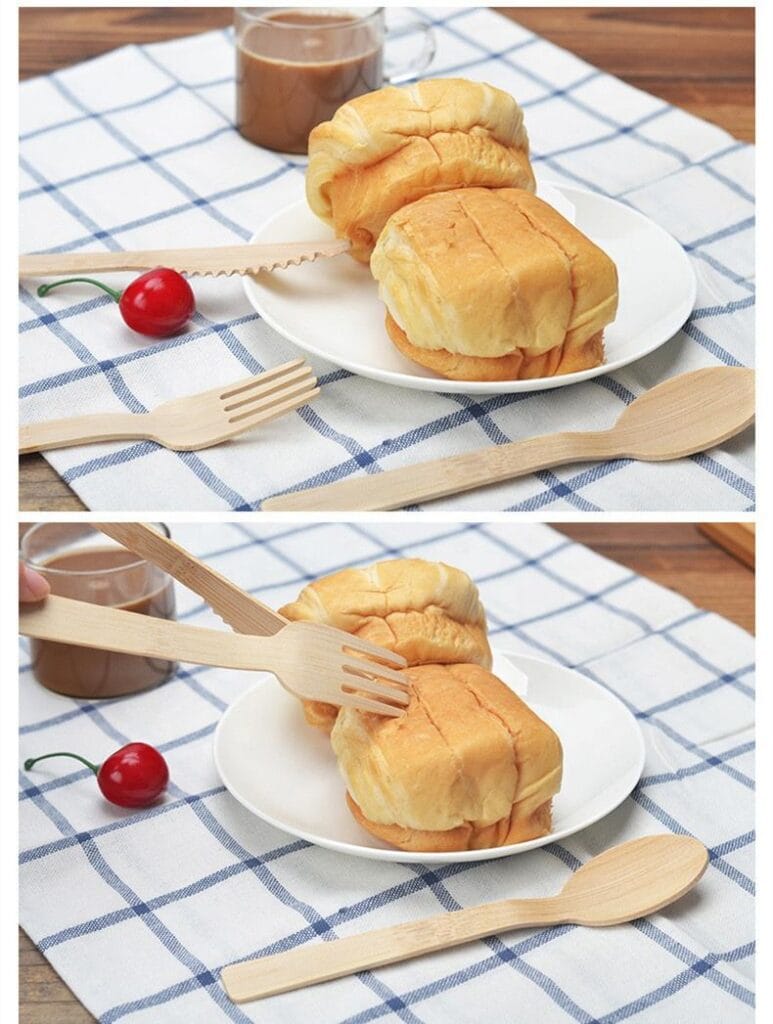
5. أدوات المائدة البلاستيكية
في بعض الأحيان، يمكن أن يشمل تناول الطعام بالخارج والحصول على ما هو أكثر من مجرد طعام. غالبًا ما يتم استخدام الأواني والحاويات البلاستيكية.
في أستراليا، من الصعب إعادة تدوير أدوات المائدة البلاستيكية. وبسبب شكلها، فإن آلات إعادة التدوير غير قادرة على فرزها، لذلك ينتهي الأمر بالعديد منها في مدافن النفايات لسنوات - وربما عقود.
تأكد من طلب تقديم طعامك بدون أطباق أو عيدان تناول الطعام التي تستخدم لمرة واحدة عند طلب الوجبات الجاهزة في المرة القادمة.
6. الفودكا البلاستيكية
في أستراليا، يتم استهلاك 910 مليون كوب بلاستيكي كل عام. ومع ذلك، لا يمكن جمع الأكواب ذات الشكل الخفيف والمريح (المصنوعة من البوليسترين) بواسطة معظم خدمات إعادة التدوير التابعة للمجلس، وغالبًا ما ينتهي بها الأمر كقمامة في مدافن النفايات.
أحضر معك كوبًا قابلاً لإعادة الاستخدام أو جرة ميسون إذا كنت تخطط لرحلة إلى متجر العصائر أو العصائر المفضل لديك. يمكنك أيضًا المساعدة في تشجيع المقاهي وتجار المواد الغذائية المفضلة لديك على التحول إلى بدائل صديقة للبيئة وقابلة للتحويل إلى سماد باستخدام بدائل خالية من البلاستيك.
7. الزجاجات البلاستيكية
ستختفي الحاويات البلاستيكية ذات الاستخدام الواحد مع قيام الولايات والأقاليم بتنفيذ الحظر على مدى السنوات القليلة المقبلة، ولكن حاويات البوليسترين لا تزال متاحة على نطاق واسع. يمكننا العثور عليها في محلات السوبر ماركت وكذلك في المقاهي المحلية ومطاعم الوجبات السريعة.
تعتبر حاويات الطعام القابلة لإعادة الاستخدام بديلاً رائعًا للمأكولات الخالية من البلاستيك! عندما تطلب طعامًا من أحد المطاعم، اختر الأطباق التي يتم تقديمها عادةً في أوعية بلاستيكية وتجنب الوجبات المعدة مسبقًا. ستضع معظم المطاعم طعامك مباشرة في حاوية قابلة لإعادة الاستخدام إذا طلبت ذلك. تعتبر الحاويات الزجاجية وصناديق الغداء المصنوعة من الفولاذ المقاوم للصدأ والجرار الماسونية من بين الحاويات التي يمكنك استخدامها. من الممكن أيضًا إحضار الحاويات الخاصة بك لملئها في محلات السوبر ماركت الكبيرة. إذا كنت تتناول الطعام بالخارج، يمكنك أن تطلب من مؤسساتك المفضلة التحول إلى أطباق قابلة للتسميد وصديقة للبيئة.

8. الأطباق المصنوعة من البلاستيك.
في الوقت الحالي، يجب التخلص من الألواح البلاستيكية نظرًا لشكلها، ولكن بمجرد القيام بذلك، ينتهي بها الأمر بسرعة في مدافن النفايات. لا تستطيع معظم مراكز إعادة التدوير فرز هذه اللوحات بسبب شكلها.
تعتبر الأطباق البلاستيكية أو الزجاجية أو الخزفية القابلة لإعادة الاستخدام من البدائل الخالية من البلاستيك. تعتبر أطباق أوراق النخيل أو لب الخيزران بديلاً.

من أجل التعامل مع جميع تلوث المواد الغذائية والمشروبات البلاستيكية المذكورة أعلاه، لدى MOMOIO مجموعة كاملة من الحلول، يرجى الاتصال بفريق المبيعات لدينا للحصول على معلومات مفصلة.