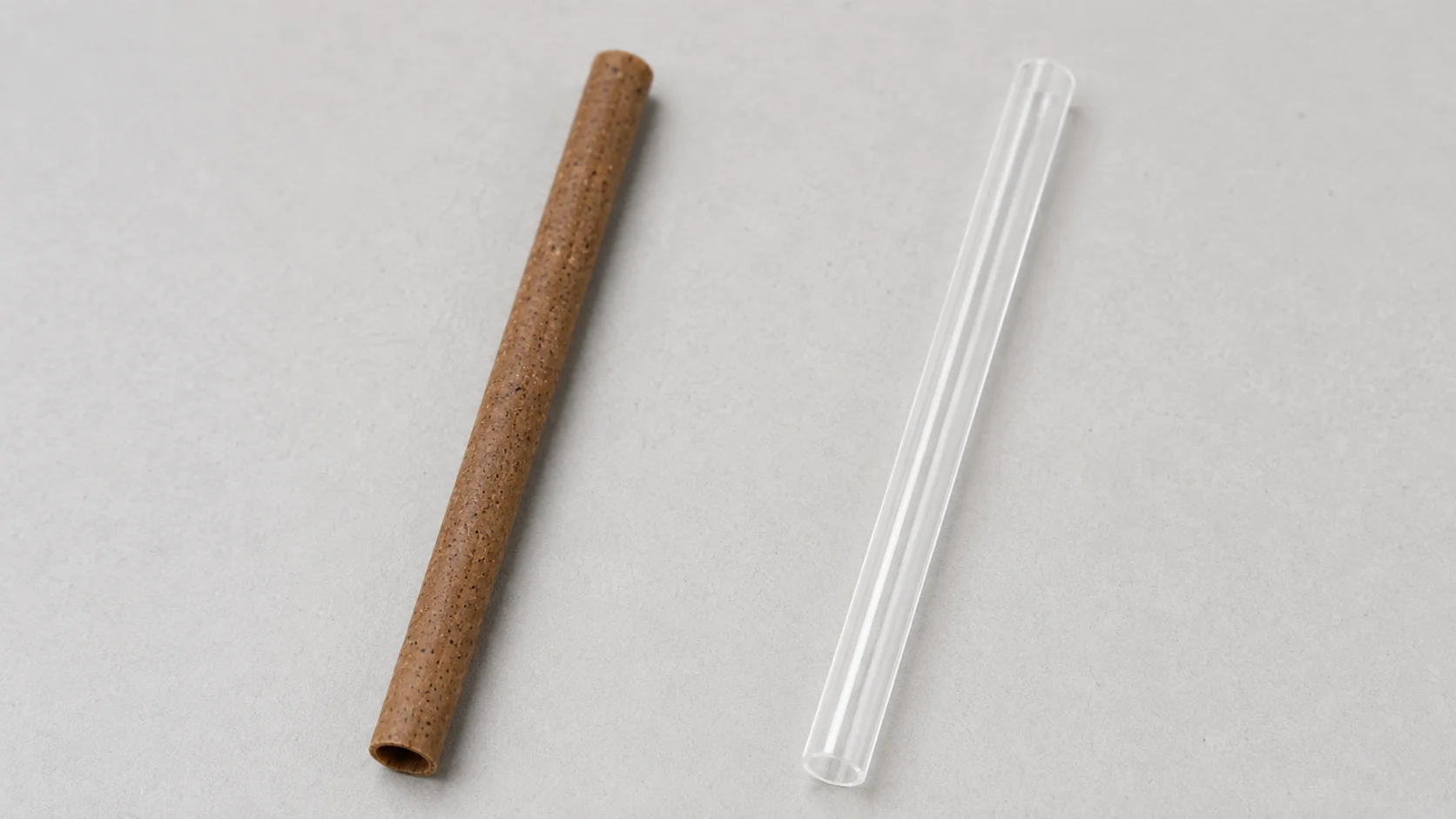
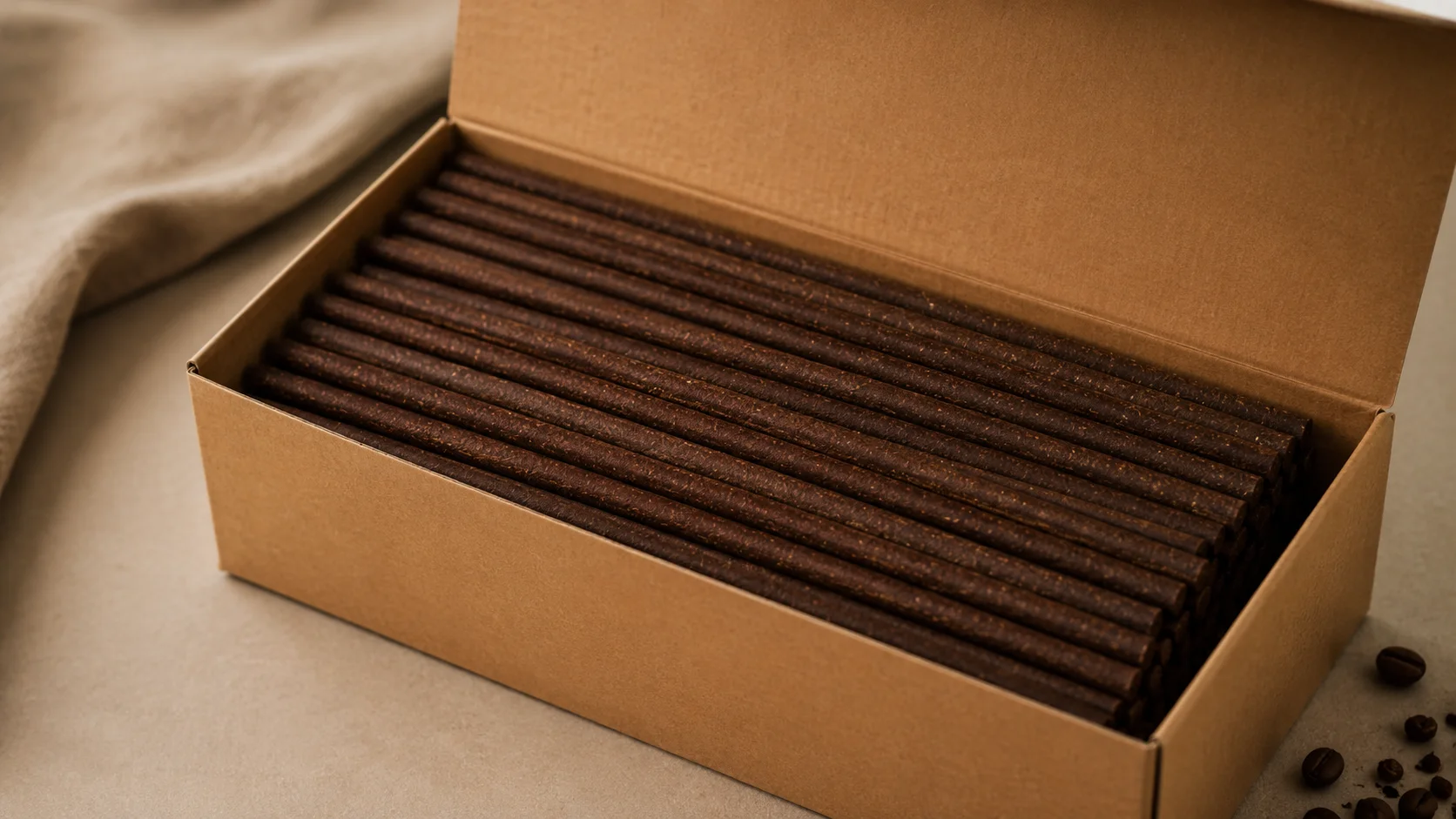
Er BPI komposterbart det samme som biologisk nedbrydeligt? En kritisk udmærkelse for B2B-ledere
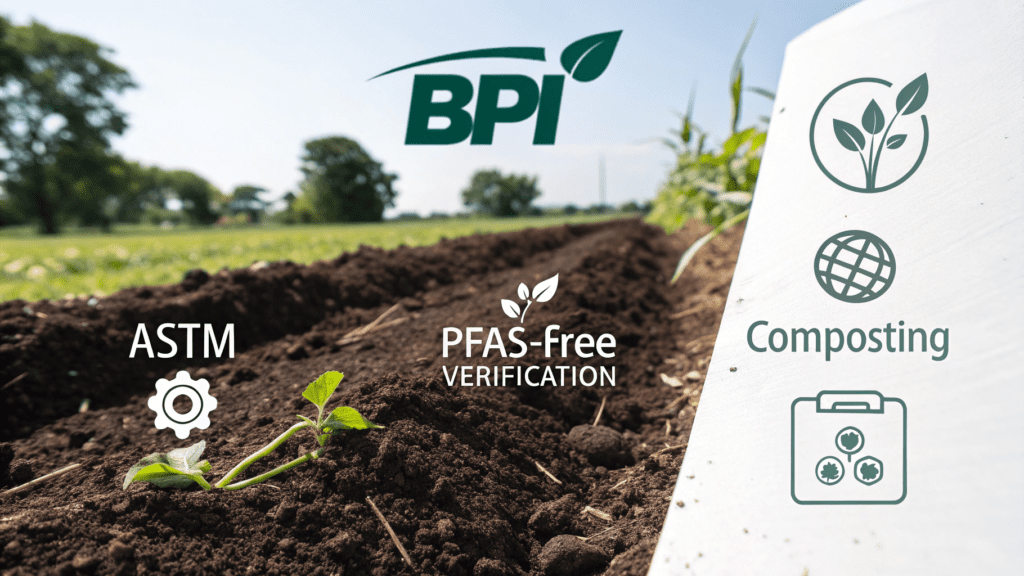
At navigere i landskabet af bæredygtig emballage og affaldshåndtering kræver præcis forståelse, især for indkøbs- og driftsledere i gæstfriheds- og foodservice-industrien. Udtrykkene "biologisk nedbrydelig" og "komposterbar" bruges ofte i flæng, hvilket fører til udbredt forvirring og potentielle operationelle fejltrin. Denne semantiske tvetydighed udgør en betydelig risiko for virksomheder, der stræber efter ægte overholdelse af miljø-, social- og regeringsførelse (ESG), hvilket potentielt kan føre til dyre "grønvaske"-anklager og ineffektive affaldsstrømme.
For B2B-beslutningstagere er det ikke blot en akademisk øvelse at skelne mellem disse udtryk; det er et strategisk krav. Det globale marked for komposterbar emballage, der er vurderet til omkring USD 55,53 milliarder i 2024 (Grand View Research, 2024), forventes at nå USD 89,85 milliarder i 2032, med en sammensat årlig vækstrate (CAGR) på 6,20 % fra 2025 til 2032 Research, (2020203). Denne vækst understreger en kritisk mulighed for virksomheder til at tilpasse sig skiftende forbrugerforventninger og regulatoriske landskaber. Men uden en klar forståelse af certificeret komposterbarhed risikerer virksomheder at investere i løsninger, der ikke leverer lovede miljøfordele eller opfylder stadig strengere overholdelsesstandarder, hvilket påvirker alt fra forsyningskædens effektivitet til brandets omdømme. At ignorere denne skelnen kan føre til øgede omkostninger til bortskaffelse af affald, reguleringsbøder og betydelig brandskade på et marked, der i stigende grad værdsætter ægte bæredygtighed (Ellen MacArthur Foundation, 2022).
Forståelse af denne skelnen er afgørende for bæredygtig B2B-drift og for at undgå kostbar greenwashing.
Forståelse af "biologisk nedbrydeligt": En bred og ofte vildledende påstand
Udtrykket "bionedbrydeligt" antyder, at et materiale nedbrydes naturligt, men alligevel er det stort set ureguleret og mangler specificitet for B2B-applikationer. Uden klare standarder kan denne brede definition hindre effektiv affaldshåndtering og bæredygtighedsinitiativer og skabe et minefelt for intetanende virksomheder.
Den uregulerede natur af biologisk nedbrydelighed: Risici for forsyningskæder
Kerneproblemet med "bionedbrydeligt" ligger i dets mangel på en defineret tidsramme eller specifikke miljøbetingelser for nedbrydning. Mens udtrykket indebærer nedbrydning af mikroorganismer, kan et produkt mærket "bionedbrydeligt" i virkeligheden tage "hundreder af år" at nedbryde. Det er afgørende, at det stadig kan efterlade skadelige rester eller endda fragmentere til mikroplastik, hvilket underminerer selve de miljømæssige mål, det foregiver at støtte.
Federal Trade Commission (FTC) i USA har eksplicit advaret virksomheder mod at fremsætte ukvalificerede "bionedbrydelige" påstande, hvilket fremhæver de betydelige risici ved greenwashing. Sådanne vage påstande kan vildlede forbrugere og resultere i lovgivningsmæssig kontrol. For eksempel er nogle "biologisk nedbrydelige" plastik, som oxo-nedbrydelige produkter, i det væsentlige konventionel plastik blandet med tilsætningsstoffer, der får dem til at desintegrere hurtigere, men alligevel nedbrydes de til utallige mikroplastik, der kan forurene miljøet alvorligt, snarere end virkelig at forsvinde. Dette udgør en betydelig omdømme- og overholdelsesrisiko for forsyningskæder, der utilsigtet inkorporerer sådanne materialer, især for gæstfrihedsvirksomheder, der administrerer store mængder af engangsartikler.
Hvorfor "biologisk nedbrydeligt" kommer til kort for B2B bæredygtighedsmål
Den iboende mangel på specificitet i "bionedbrydelige" påstande gør dem utilstrækkelige til robuste B2B bæredygtighedsstrategier.
- Ingen defineret tidsramme: Uden en garanteret tidsramme kan virksomheder ikke pålideligt forudsige eller administrere end-of-life-cyklussen for deres produkter, hvilket fører til uforudsigelig affaldsophobning og ineffektive driftsindstillinger, især i hurtige foodservice-miljøer.
- Fravær af toksicitetstest: Der er ingen påkrævet testning for giftige biprodukter i generelt "bionedbrydelige" materialer. Dette medfører miljø- og omdømmerisici, da produkter kan frigive skadelige stoffer til jord eller vand.
- Forvirring mellem forbrugere og affaldsfaciliteter: Tvetydigheden omkring "bionedbrydeligt" forvirrer både forbrugere og affaldshåndteringsfaciliteter, hvilket komplicerer korrekt bortskaffelse og øger forureningsgraden i genbrugs- eller komposteringsstrømme, et almindeligt problem i hotelaffaldshåndtering.
- Juridisk og regulatorisk sårbarhed: Brugen af "bionedbrydeligt" i salg og markedsføring af engangsprodukter anses for problematisk og er endda "potentielt ulovligt" i nogle amerikanske stater, såsom Californien (AB 1201), som forbyder sådanne påstande uden tredjeparts certificering. Dette skaber en klar overholdelsesrisiko for virksomheder, der opererer på regulerede markeder.
"Bionedbrydeligt" mangler klare standarder, hvilket udgør betydelige greenwashing og operationelle risici for virksomheder.
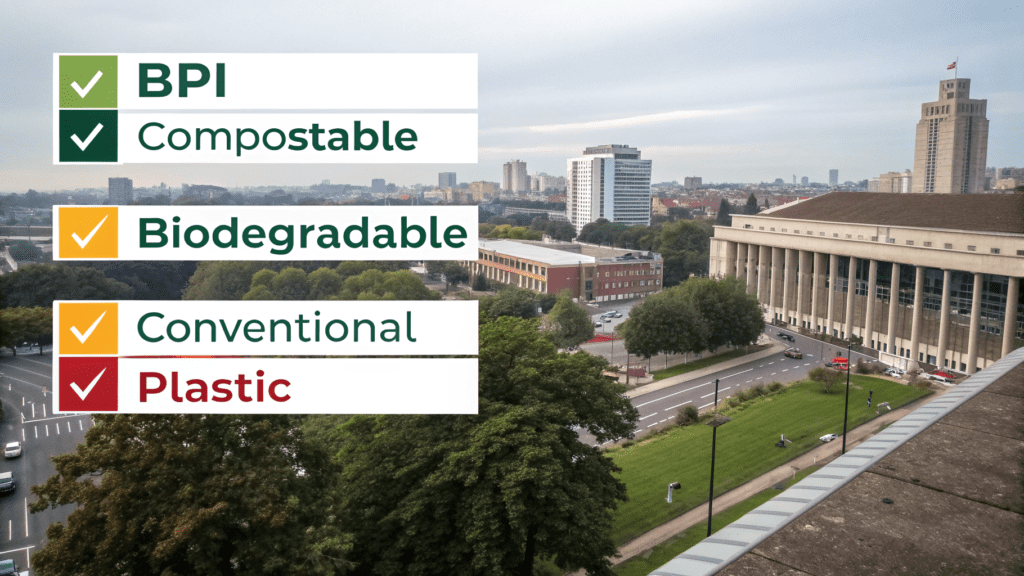
Definition af "BPI Compostable": Guldstandarden for bæredygtig drift
"BPI Compostable" betyder et omhyggeligt testet og certificeret produkt designet til at nedbrydes effektivt i specifikke industrielle miljøer, hvilket giver klare fordele for overensstemmende og virkningsfulde B2B bæredygtighedsbestræbelser. Denne certificering giver en gennemsigtig, verificerbar vej til ægte bidrag til cirkulær økonomi.
Biodegradable Products Institutes (BPI) rolle i certificering
Biodegradable Products Institute (BPI) er Nordamerikas førende non-profit-myndighed, etableret i 1999, dedikeret til at fremme og certificere komposterbare produkter og emballage. BPI-certificering er ikke kun et mærke; det er en uafhængig tredjepartsbekræftelse af, at produkter opfylder de strenge ASTM-standarder (American Society for Testing and Materials) for komposterbarhed.
BPI-certificeringsmærket - et tydeligt hvirveldesign - identificerer produkter, der er specielt designet til korrekt nedbrydning i kommercielle systemer. Dette mærke er uvurderligt for indkøbsledere og driftsdirektører, da det hjælper kompostører med at differentiere ægte komposterbare fra lignende, og derved forhindre kostbar forurening i deres faciliteter. Det giver et klart signal om integritet og overholdelse af videnskabeligt understøttede standarder, hvilket er afgørende for at opbygge tillid til affaldshåndteringspartnere og slutbrugere, især i højvolumen gæstfrihedsmiljøer.
Opfylder strenge ASTM-standarder for BPI-certificerede komposterbare materialer
For at opnå BPI-certificeringen skal produkterne gennemgå omfattende og strenge tests for at overholde specifikke ASTM-standarder.
- ASTM D6400 (til plast/emballage) eller ASTM D6868 (til belægninger/film): Det er de primære standarder, som BPI-certificerede produkter skal opfylde. De dikterer, hvor godt et produkt nedbrydes i industrielle komposteringsanlæg.
- Defineret disintegrationstidslinje: Produkter skal fysisk nedbrydes med 90 % inden for 12 uger (84 dage) og bionedbrydes til kuldioxid, vand og biomasse inden for 90 til 180 dage i kommercielle komposteringsmiljøer. Dette sikrer rettidig forarbejdning og effektiv gennemstrømning i industrielle faciliteter, hvilket er afgørende for håndtering af madaffald.
- Ikke-giftige komponenter: Kritisk set skal nedbrydningsprocessen give ikke-toksiske komponenter, der ikke efterlader skadelige rester, uacceptable niveauer af tungmetaller eller fluorerede kemikalier (PFAS). Den resulterende kompost skal også bevises sikker for plantevækst, hvilket sikrer en miljømæssig fordel og ressourcegenvinding, der virkelig beriger jorden og understøtter regenerativt landbrug.
- Eksklusivt for industriel kompostering: Det er vigtigt at bemærke, at BPI-certificering udelukkende gælder for produkter, der er bevist at nedbrydes i kommercielle komposteringsmiljøer, som opretholder de nødvendige høje varme-, fugt- og mikrobielle aktivitetsniveauer. Disse produkter er generelt ikke beregnet til hjemmekompostering eller traditionelle lossepladser, hvor betingelserne for nedbrydning er utilstrækkelige.
BPI Compostable betyder certificeret nedbrud i industrielle faciliteter, hvilket sikrer ægte miljøfordele.
BPI komposterbar vs. biologisk nedbrydelig: En kritisk sammenligning for B2B-beslutningstagere
At forstå de operationelle, overholdelse og økonomiske konsekvenser af "BPI-komposterbar" versus "bionedbrydelig" er altafgørende for strategiske indkøb og bæredygtighedsinitiativer. Forskellene har dybt indflydelse på affaldshåndtering, overholdelse af lovgivning og brands omdømme.
Indkøbsledere står over for den komplekse opgave at udvælge materialer, der ikke kun opfylder operationelle behov, men som også stemmer overens med virksomhedens voksende ESG-mål og regulatoriske krav. At vælge fejlagtigt mærkede "bionedbrydelige" produkter kan føre til affaldsstrømforurening, øgede bortskaffelsesomkostninger og betydelige brandskader fra greenwashing-anklager. Omvendt tilbyder investering i BPI-certificerede komposterbare løsninger en verificerbar vej til miljøansvar og driftseffektivitet, især for gæstfriheds- og foodservicevirksomheder, der håndterer store mængder organisk affald.
Sammenligningstabel: Funktion | B2B Operationel Indvirkning | Overholdelsesnotat | ROI-potentiale
| Feature | B2B operationel effekt | Overholdelsesnotat | ROI-potentiale |
|---|---|---|---|
| "Bionedbrydeligt" (generelt) | Uforudsigelig sammenbrud i forskellige miljøer; høj risiko for dannelse af mikroplast og ophobning af lossepladser. Kan nødvendiggøre separate, uoptimerede affaldsstrømme, hvilket øger logistisk kompleksitet og omkostninger for hoteller og restauranter. | Mangel på klare lovgivningsmæssige definitioner globalt; høj risiko for "greenwashing"-påstande, der fører til FTC/regulatorisk kontrol. Potentielt ulovligt til markedsføring af engangsprodukter i nogle amerikanske stater (f.eks. California AB 1201) på grund af vildledende påstande. | Begrænset eller negativt investeringsafkast på grund af potentiale for bortskaffelse af lossepladser, øgede omkostninger til affaldstransport fra forurening og alvorlig skade på omdømmet fra vildledende påstande. Bidrager ikke pålideligt til initiativer i cirkulær økonomi eller verificerbare ESG-målinger. |
| "BPI komposterbar" | Garanteret nedbrydning inden for 90-180 dage i kommercielle komposteringsanlæg; muliggør effektiv omledning af organisk affald og reducerer lossepladsvolumen og metanemissioner. Strømliner affaldsadskillelse og forbedrer driftsflowet for foodservice-drift. | Certificeret til ASTM D6400/D6868 standarder af en uafhængig tredjepart; undgår "greenwashing" forpligtelser; stemmer overens med og kræves ofte af stigende statslige/lokale regler (f.eks. CA AB 1201, Canada SOR/2022-138 for engangsplastik). | Positivt ROI gennem væsentligt reducerede omkostninger til bortskaffelse af affald, forbedret brandomdømme og markedsdifferentiering (understøtter ESG-rapportering) og bidrag til cirkulær økonomi (værdifuld kompostproduktion). Reducerer fremtidig overholdelsesrisiko. |
At vælge BPI komposterbare produkter giver klare driftsmæssige, overholdelsesmæssige og økonomiske fordele frem for vage "bionedbrydelige" påstande.

Navigering i udfordringerne: Infrastruktur, misinformation og BPI komposterbare løsninger
På trods af de klare fordele ved BPI-certificerede komposterbare produkter, står B2B-ledere over for forhindringer relateret til infrastruktur, forbrugeropfattelse og regulatoriske kompleksiteter. At tackle disse udfordringer er nøglen til at maksimere deres miljømæssige og driftsmæssige fordele, især inden for gæstfrihed og foodservice-sektoren.
The Industrial Composting Infrastructure Gap: En vigtig hindring
En stor udfordring for udbredt anvendelse af BPI-certificerede komposterbare materialer er tilgængeligheden af passende industrielle komposteringsfaciliteter. Mange regioner mangler tilstrækkelig infrastruktur, hvilket er afgørende for, at disse genstande kan nedbrydes korrekt under kontrollerede forhold. Denne infrastrukturkløft betyder, at selv ægte komposterbare produkter kan ende på lossepladser eller forbrændingsanlæg, hvis korrekt indsamling og forarbejdning ikke er tilgængelig, hvilket påvirker hotellers og restauranters bæredygtighedsindsats.
Forurening er fortsat et væsentligt problem; cirka 17 % af komposternes driftsudgifter er til at fjerne ikke-komposterbare genstande. Inkonsekvente indsamlingsprogrammer ved kantstenen forværrer yderligere udfordringerne ved bortskaffelse af komposterbar emballage. Hvis BPI-certificerede produkter eller ethvert organisk materiale ender på lossepladser, kan de producere metan - en potent drivhusgas - hvis forholdene bliver anaerobe. Dette understreger det kritiske behov for forbedrede sorterings- og indsamlingssystemer skræddersyet til komposterbare materialer, især til storskala foodservice-operationer.
Bekæmper "Greenwashing" og forbrugerforvirring med "BPI Compostable"
Vildledende "bionedbrydelige" etiketter forårsager udbredt forvirring, hvilket ofte indebærer nedbrydning i ethvert miljø. Udtrykket "biologisk nedbrydeligt" er meget kritiseret for "grønvask", der afleder opmærksomheden fra ægte bæredygtighed. For indkøbs- og bæredygtighedsansvarlige inden for gæstfrihed udgør dette en konstant kamp mod misinformation, som påvirker både interne operationer og eksterne opfattelser.
BPI-certificering bekæmper dette direkte ved at give et klart, verificerbart bevis for komposterbarhed og derved opbygge forbrugernes og interessenternes tillid. Det sikrer, at produkterne fungerer efter hensigten i en industriel kompostering. Uddannelse af personale, forsyningskædepartnere og slutbrugere i korrekt bortskaffelse af BPI-certificerede materialer er afgørende for effektiv omledning af affald og maksimering af de miljømæssige fordele. Denne uddannelse strækker sig til at differentiere BPI-certificerede varer fra ikke-certificerede "look-alikes" for at forhindre forurening i hotel- og restaurantaffaldsstrømme.
Evolverende lovgivningslandskab: Overholdelse og muligheder
Det regulatoriske landskab omkring bæredygtig emballage er i hastig udvikling og bevæger sig mod større klarhed og håndhævelse. Amerikanske stater som Californien (AB 1201) og Washington har allerede forbudt vildledende "bionedbrydelige" påstande uden robust tredjepartscertificering. I Canada pålægger SOR/2022-138-forordningen om engangsplastik ofte ASTM D6400/BPI-overholdelse for levedygtige alternativer, hvilket afspejler en bredere tendens til certificerede løsninger i hele Nordamerika.
Organisationer som U.S. Composting Council og BPI samarbejder aktivt om at vejlede lovgivningen og forventer flere love om komposterbare produkter i de kommende år. Proaktive virksomheder, der er på linje med BPI-standarder, kan foregribe fremtidige reguleringer, undgå potentielle sanktioner og positionere sig selv som ledere inden for ansvarlig miljøforvaltning. Denne fremadrettede overholdelse mindsker ikke kun risici, men åbner også mulighed for markedsdifferentiering i den konkurrenceprægede gæstfriheds- og foodservice-industri. For fuldstændige lovgivningsmæssige detaljer,læs vores omfattende vejledning om bæredygtige emballageregler.
Afhjælpning af infrastrukturhuller og misinformation er nøglen til at udnytte BPI-komposterbare løsninger effektivt.
Den strategiske fordel ved BPI-certificerede komposterbare løsninger til indkøb og drift
At omfavne BPI-certificeret komposterbar emballage giver mere end miljømæssige fordele; det giver håndgribelig driftseffektivitet, styrker brandets omdømme og bidrager til langsigtet økonomisk sundhed. For indkøbschefer og driftsdirektører inden for hospitality og foodservice udmønter dette sig i målbar forretningsværdi.
Styrkelse af virksomhedens ESG-mål og brandomdømme
Ved at vedtage BPI-certificerede produkter hjælper virksomhederne direkte med at opfylde ambitiøse miljø-, sociale og styringsmål (ESG). Ved verificerbart at omdirigere affald fra lossepladser og bidrage til en cirkulær økonomi, kan virksomheder på troværdig vis rapportere om deres affaldsreduktionsindsats, øge interessenternes tillid og tiltrække socialt bevidste investorer. Ellen MacArthur Foundations 2025-mål inkluderer for eksempel at sikre, at 100 % af plastemballagen er genanvendelig, genanvendelig eller komposterbar, hvilket sætter et klart industribenchmark for gæstfrihedssektoren.
Et stærkt engagement i certificerede komposterbare materialer differentierer mærker på et konkurrencedygtigt, bæredygtighedsbevidst marked. Det demonstrerer ægte lederskab, som giver genlyd hos miljøbevidste forbrugere og partnere, og kan omsættes til forbedret mærkeloyalitet og markedsandel. Denne proaktive holdning til bæredygtighed kan blive en betydelig konkurrencemæssig differentiator for hoteller, caféer og restauranter.
Driftseffektivitet og spildstrømsoptimering
Korrekt implementerede BPI-certificerede produkter strømliner organisk affaldsindsamling, hvilket direkte reducerer lossepladsvolumen og tilhørende bortskaffelsesomkostninger. Dette er især værdifuldt for virksomheder med betydeligt madrelateret spild, såsom gæstfrihedsudbydere eller fødevarevirksomheder. Udnyttelse af komposterbar emballage til applikationer i kontakt med fødevarer (f.eks. takeout-beholdere, kaffekopper) letter renere organiske affaldsstrømme, da fødevareforurening ofte gør konventionel plastgenanvendelse upraktisk.
Denne overgang reducerer også afhængigheden af konventionel plast, som i stigende grad er genstand for lovgivningsmæssig kontrol og forbrugerreaktioner. Ved at minimere forurening i komposteringsstrømme understøtter virksomheder lokal komposteringsinfrastruktur, reducerer bortskaffelsesgebyrer og bidrager til produktionen af værdifuld kompost. For virksomheder, der søger omfattende bæredygtighedsstrategier i gæstfrihedssektoren, kan det give betydelige fordele at udforske, hvordan BPI-certificering stemmer overens med bredere bæredygtighedsmål. Yderligere indsigt i optimering af affaldsstrømme med certificerede komposterbare løsninger kan findes ved at læse mere omBPI komposterbar certificering og gæstfrihed bæredygtighed.
Casestudie: Miljøvenlig fødevaretjenesteudbyders succes med at reducere spild
En stor universitetsudbyder af madservice implementerede BPI-certificeret komposterbar madservice (f.eks. PLA kolde kopper, komposterbare papbeholdere) på tværs af sine campusser, der startede i slutningen af 2023. Dette strategiske skift var drevet af en forpligtelse til at reducere affald fra lossepladser og forbedre campus-bæredygtighedsinitiativer.
Inden for blot 12 måneder rapporterede udbyderen om en betydelig reduktion på 35 % i deponeringsbundet affald, der stammer fra deres spisesale. Denne imponerende præstation blev muliggjort ved tydeligt at mærke alle BPI-certificerede genstande med det tydelige hvirvelmærke og ved aktivt at samarbejde med lokale kommercielle komposteringsfaciliteter, der accepterede ASTM D6400-kompatible materialer. Den strømlinede indsamling af organisk affald, muliggjort af de identificerbare komposterbare produkter, førte til en estimeret 15 % reduktion i affaldstransportomkostninger for deres organiske strøm. Denne sag viser, at med korrekt produktudvælgelse, mærkning og affaldsstrømspartnerskaber, tilbyder BPI-certificerede komposterbare materialer en levedygtig og økonomisk fordelagtig løsning til store operationer som universitetsrestauranter.
BPI-certificerede løsninger forbedrer ESG, strømliner driften og tilbyder målbare økonomiske og omdømmemæssige gevinster.
Fremtidens landskab: vækst og innovation i komposterbare materialer
Banen for komposterbare materialer er en af betydelig ekspansion og løbende innovation, drevet af en kollektiv global forpligtelse til at reducere plastikforurening og fremme en mere cirkulær økonomi. Indkøbs- og driftsledere skal anerkende dette udviklende landskab for at træffe informerede, fremtidssikrede beslutninger.
Forventet markedsvækst og drivende faktorer
Det globale marked for komposterbar emballage forventes at nå op på USD 89,85 milliarder i 2032 og vokse med en robust 6,20 % CAGR fra 2025. Denne vækst er en direkte reaktion på eskalerende forbrugerefterspørgsel efter bæredygtige løsninger, kombineret med stadig strengere regeringsbestemmelser, der sigter mod at mindske plastikforurening og fremme øko-venlig praksis. Fødevare- og drikkevaresegmentet forventes at fortsætte sin dominans og have den største omsætningsandel på markedet for komposterbar emballage, da virksomheder i denne sektor prioriterer emballage, der kan samkomposteres med madspild. Papir og pap er sammen med Polylactic Acid (PLA) førende materialesegmenter på grund af deres fornybarhed og certificerede komposterbare egenskaber.
Fremskridt inden for biopolymerinnovation og materialevidenskab
Kontinuerlig innovation er fokuseret på at udvikle nye biopolymerer, der konkurrerer med traditionel plast i ydeevne, mens de forbliver komposterbare. Forskere udforsker nye materialer som PHA (polyhydroxyalkanoater), afledt af vedvarende ressourcer som alger og bakterier. Disse fremskridt sigter mod at skabe materialer med forbedret holdbarhed, fleksibilitet og barriereegenskaber, der adresserer tidligere begrænsninger af komposterbare alternativer. Nye formuleringer er specielt designet til at nedbrydes til harmløse forbindelser, berige jorden og bidrage til naturlig næringsstofkredsløb uden at efterlade mikroplastik eller toksiner. Igangværende forskning adresserer også økonomiske udfordringer og stræber efter at reducere omkostningerne og optimere densiteten af komposterbare materialer, hvilket gør dem stadig mere konkurrencedygtige med konventionel emballage til gæstfrihed og foodservice-applikationer.
Komposterbare materialers rolle i en cirkulær økonomi
Komposterbare materialer er afgørende for at omdirigere organisk affald fra lossepladser, og derved reducere metan-emissionerne betydeligt - en potent drivhusgas. Ved at omdannes til næringsrig kompost bidrager de til jordens sundhed og frugtbarhed, hvilket potentielt reducerer afhængigheden af syntetisk gødning og understøtter regenerativ landbrugspraksis. Integrering af komposterbare materialer understøtter det bredere cirkulære økonomimål om at holde ressourcerne i brug så længe som muligt. Selvom det ikke er en "sølvkugle" til alle affaldsudfordringer, er de en vital komponent, især for fødevareforurenede genstande, hvor genbrug er udfordrende. For virksomheder, der er interesseret i det langsigtede investeringsafkast ved at vedtage disse løsninger, udforske fordelene vedBPI komposterbare sugerør til overholdelse af gæstfrihed og ROIkan give værdifuld indsigt i fremtidige markedsfordele.
Innovation og markedsvækst inden for komposterbare materialer driver en mere cirkulær, bæredygtig fremtid.
Konklusion
At forstå den præcise forskel mellem "BPI komposterbar" og "bionedbrydelig" er ikke blot semantisk; det er grundlæggende for B2B-beslutningstagere, der er forpligtet til ægte bæredygtighed, operationel effektivitet og overholdelse af lovgivning. Mens "bionedbrydeligt" giver et vagt løfte med potentielle skjulte faldgruber som greenwashing og mikroplastikforurening, giver "BPI compostable" en certificeret, verificerbar vej til ansvarlig affaldshåndtering og en sundere planet. Denne sondring giver indkøbsledere, driftsdirektører og bæredygtighedsansvarlige i gæstfriheds- og foodservice-industrien mulighed for at træffe informerede valg, der mindsker risici, forbedrer brandets omdømme og bidrager positivt til både miljøet og bundlinjen. Omfavn BPI-certificerede løsninger for at sikre, at dine miljøkrav er robuste, din drift er strømlinet, og dit brands engagement i en cirkulær økonomi er virkningsfuld og troværdig.
Evaluate Your Waste Streams Today!
Leverage this clarity for measurable environmental and business benefits, reducing landfill waste by up to 35% and cutting hauling costs by 15%.
Embrace BPI-certified solutions for verifiable sustainability and operational excellence.
Ofte stillede spørgsmål (FAQ)
Q: Why is “biodegradable” often misleading for hospitality businesses?
A: The term “biodegradable” lacks specific standards for breakdown time or conditions, meaning products can take hundreds of years to decompose or leave harmful microplastics. For hospitality, this can lead to greenwashing accusations, regulatory fines, and contamination of waste streams, undermining genuine sustainability efforts.
Q: How does BPI certification benefit foodservice operations specifically?
A: BPI-certificering sikrer, at produkter som takeaway-beholdere og bestik nedbrydes effektivt i industrielle komposteringsfaciliteter. Dette strømliner indsamling af organisk affald, reducerer lossepladsvolumen og minimerer forurening, hvilket fører til lavere affaldstransportomkostninger og forbedret driftseffektivitet for store fødevareudbydere.
Q: Hvad er de vigtigste ASTM-standarder for BPI komposterbare produkter?
A: BPI-certificerede produkter skal opfylde ASTM D6400 (til plast/emballage) eller ASTM D6868 (til belægninger/film). Disse standarder kræver 90 % nedbrydning inden for 12 uger og biologisk nedbrydning til ikke-toksiske komponenter inden for 90-180 dage i kommercielle komposteringsmiljøer.
Q: Kan BPI-certificerede produkter komposteres hjemme eller på lossepladser?
A: BPI-certificering gælder udelukkende for produkter designet til industrielle komposteringsanlæg, som opretholder specifikke varme-, fugt- og mikrobielle forhold. De er generelt ikke beregnet til hjemmekompostering eller traditionelle lossepladser, hvor forholdene er utilstrækkelige til korrekt nedbrydning.
Sp: Hvordan kan hoteller sikre korrekt bortskaffelse af BPI-certificerede genstande for at undgå kontaminering?
A: Hoteller bør tydeligt mærke BPI-certificerede varer med det tydelige hvirvelmærke, stille dedikerede organiske affaldsbeholdere til rådighed og uddanne personale og gæster om korrekt adskillelse. Samarbejde med lokale kommercielle komposteringsfaciliteter, der accepterer ASTM D6400-kompatible materialer, er også afgørende for at sikre effektiv omledning af affald.