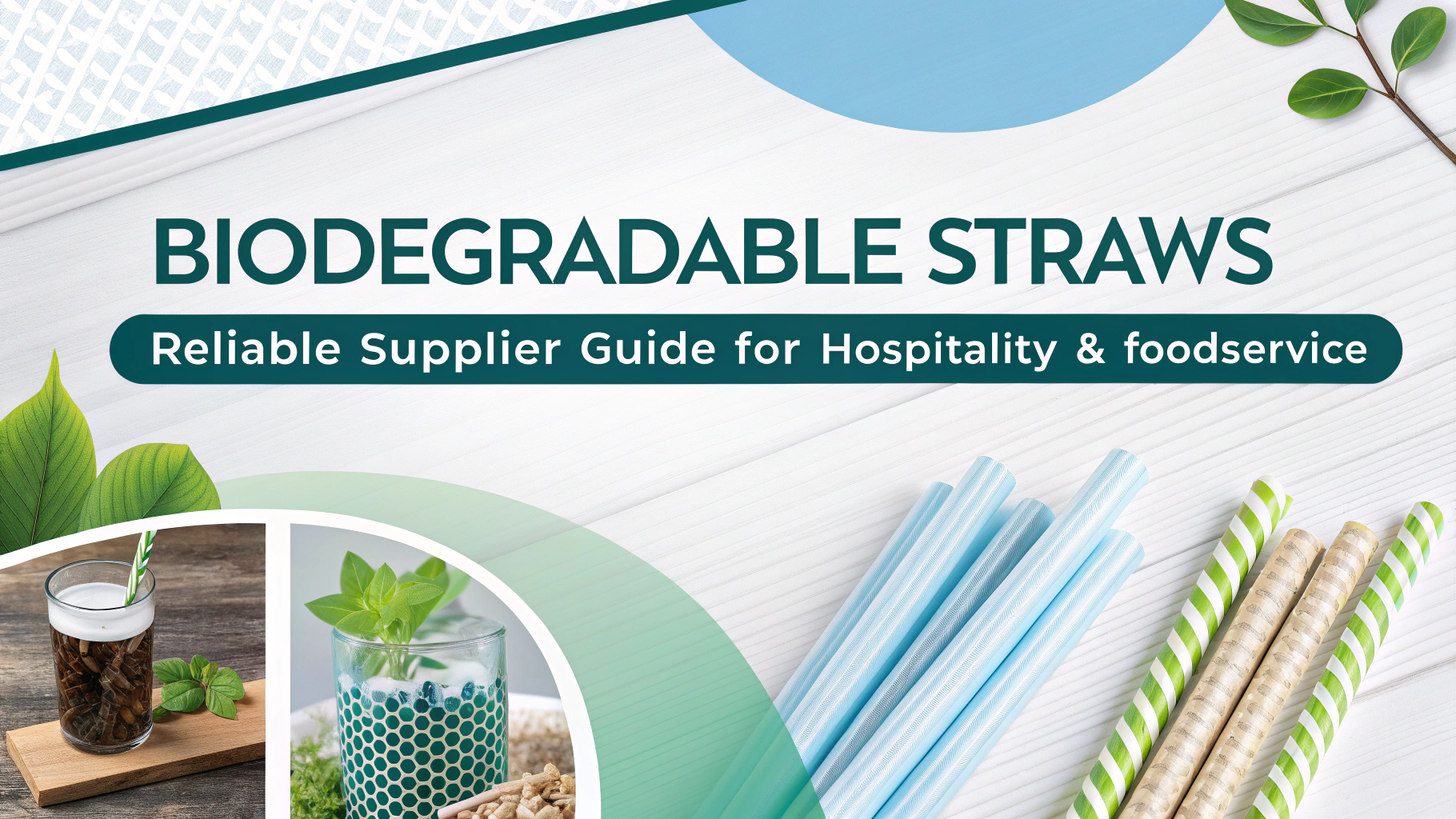
Det globale forretningslandskab gennemgår en dybtgående transformation, drevet af en accelererende miljøbevidsthed og en stigning i regulatorisk pres. For indkøbs- og driftsledere er dette skift særligt tydeligt i den eskalerende efterspørgsel efter miljøvenlige alternativer til engangsplastik. I hele USA og Europa strammes plastikforbuddene, hvilket tvinger virksomheder til at søge bæredygtige løsninger. Dette handler ikke kun om overholdelse; det er en væsentlig forretningsmulighed. Hvis du f.eks. omfavner komposterbare sugerør, kan det dramatisk forbedre dine initiativer til virksomheders sociale ansvar (CSR), styrke dit brandimage og låse op for betydelig markedsvækst. Det globale marked for komposterbart halm forventes at nå op på imponerende 3,8 milliarder dollars i 2035, hvilket understreger behovet for og potentialet for dem, der tilpasser sig.
However, navigating this green wave requires vigilance. The market is rife with misleading “biodegradable” claims that can trap businesses in greenwashing pitfalls, damaging both sustainability goals and public perception. True compostability, with its rigorous certifications and specific degradation requirements, stands apart. This complex material science, coupled with varying disposal infrastructures worldwide, places strategic procurement at the new frontier of sourcing effective, compliant, and cost-efficient compostable straw solutions. Understanding the nuanced definitions and real-world implications of sustainable products is paramount for any business looking to authentically commit to environmental stewardship. To delve deeper into the strategic advantages, consider exploring “The Business Imperative of Compostable Straws”.

Beyond the Buzzword: Understanding True Compostability and Supplier Challenges
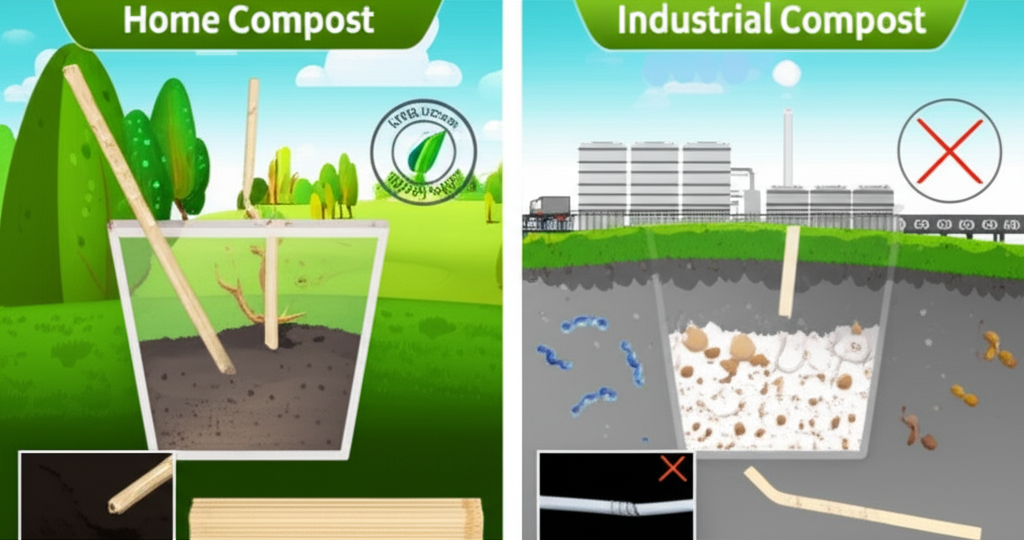
At skelne mellem "hjemmekomposterbar" og "industriel komposterbar" er afgørende for virksomheder, der er forpligtet til ægte bæredygtighed. Materialer som polyhydroxyalkanoat (PHA) er ofte designet til hjemmekompostering, nedbrydes i en typisk baggårdskompostbeholder og nogle endda i marine miljøer. Polymælkesyre (PLA, på den anden side, mens den er plantebaseret, kræver primært industrielle komposteringsfaciliteter med specifikke høje temperaturer og mikrobielle forhold for at nedbrydes effektivt. Uden disse specialiserede miljøer kan PLA opføre sig meget som traditionel plast på lossepladser, modstå nedbrydning i lange perioder og potentielt forurene genbrugsstrømme, hvis de identificeres forkert.
Operational hurdles in the transition to compostable straws extend beyond material science. The limited availability of industrial composting facilities, particularly in many regions of the U.S., means that even certified industrial compostable products might not reach their intended end-of-life. Early-generation alternatives were often criticized for performance issues like sogginess, disintegration, or taste alteration, but advancements in materials science have largely overcome these. Today, a diverse array of advanced plant-based materials exists, including sugarcane bagasse, bamboo, and innovative bacterial cellulose, each with unique properties. Businesses must also be aware of hidden risks, such as the past presence of PFAS “forever chemicals” in some paper straws, which underscores the need for thorough supplier vetting. While the production costs of advanced compostable straws are generally higher than traditional plastics, the long-term value derived from superior performance, environmental integrity, and enhanced brand reputation often outweighs the initial investment. Understanding the evolution of these materials is crucial for informed procurement; for more insights, see “Materials Reshaping the Straw Industry B2B”.
Strategic Sourcing: Partnering with Leading Large-Scale Compostable Straw Suppliers
For procurement and operations leaders, aligning with the right large-scale compostable straw suppliers is a strategic move that de-risks your supply chain, ensures regulatory adherence, and provides a tangible competitive edge in an increasingly sustainability-conscious market. The European Union, for example, has implemented a comprehensive ban on single-use plastics, creating a strong impetus for businesses to shift towards certified compostable options. Similarly, in the U.S., states like California and cities like Seattle have led the charge with their own plastic straw bans, driving demand and innovation within the domestic market.
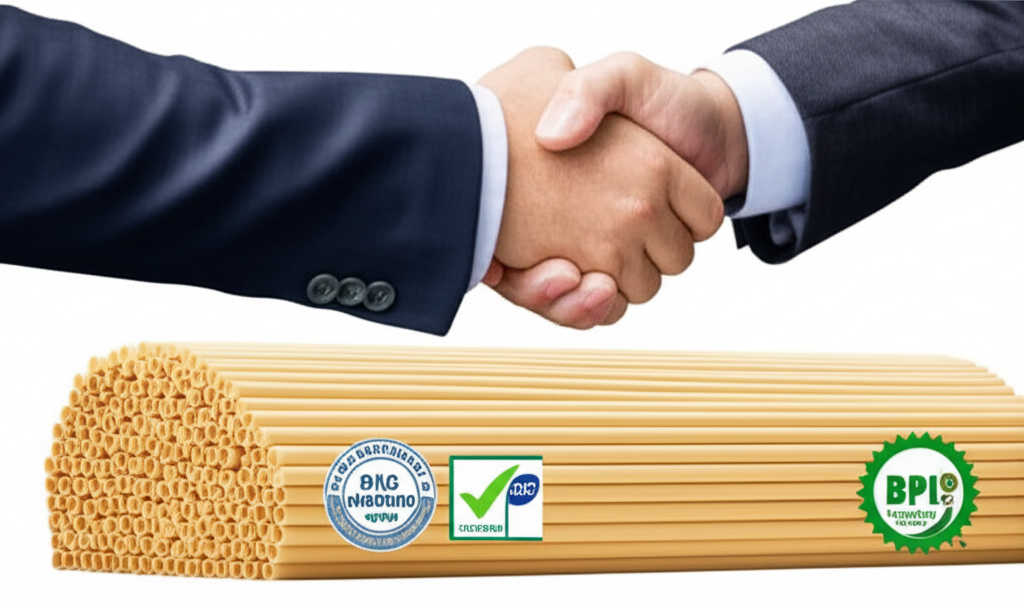
Optimizing your supply chain for eco-friendly solutions means looking for suppliers with robust manufacturing capabilities, verified certifications (such as USDA BioPreferred, BPI® Certified Compostable, and TÜV AUSTRIA’s OK Compost Home), and the capacity for customization to meet your specific needs. The market has matured considerably, offering high-quality alternatives that rival the performance of traditional plastics.
Consider these key differences when evaluating suppliers:
| Feature/Criterion | Traditional Paper/PLA Straws (Challenges) | Advanced PHA/Sugarcane Straws (Solutions) |
|---|---|---|
| Compostability & Disposal | Often require industrial composting; can contaminate landfills/recycling if misdirected; long degradation if not composted. | Home compostable or marine-degradable options available; break down naturally without industrial facilities for certain types. |
| Material Durability | Prone to sogginess, disintegration, or taste alteration. | Engineered for superior integrity in hot/cold beverages, neutral taste, and plastic-like feel. |
| Certifications | May lack comprehensive certifications or only industrial compostable. | Often carry multiple certifications (USDA BioPreferred, OK Compost Home, BPI®) validating true environmental claims. |
| Supply Chain Resilience | Variable, may include international sourcing with complex logistics. | U.S.-based manufacturing options (e.g., UrthPact, GCA Products, Best Diamond Plastics) reduce shipping impact and ensure reliability. |
| Customization Options | Limited for bulk orders. | Wide range of custom sizes, colors, and branding opportunities for private label and specific needs. |
Leading large-scale suppliers are emerging as crucial partners in this transition.Plastech Productsoffers 100% biobased, home compostable, USDA-certified jumbo straws known for durability.Preservemanufactures U.S.-made, home compostable PHA straws, certified by OK Compost Home.Green Paper Productsprovides diverse certified options, including marine-degradable PHA straws and FSC-certified paper options.GCA Productsis a U.S. manufacturer offering custom sizes, colors, and wrappings, serving major national accounts. AndBest Diamond Plastics LLC (BDPL), a Black-owned manufacturing company, supplies certified compostable straws made from Polypropylene and Cellulose Acetate to major restaurant chains like McDonald’s and Wendy’s. When choosing a supplier, always verify their certifications with bodies like the Bioplastics Council (https://www.bpiworld.org/) to avoid greenwashing. For detailed guidance on distributor selection, refer to “How to Choose a Compostable Straw Distributor”.
Future-Proofing Your Business: A Call to Action for Sustainable Supply Chains
The journey toward sustainable operations is continuous. The compostable straw market is continuously evolving, with promising new materials like bacterial cellulose and even edible straws poised to offer even more robust and innovative solutions. Investing in high-quality, certified compostable straws is far more than a passing trend; it’s a strategic imperative for long-term business success. This commitment builds profound brand loyalty among increasingly eco-conscious consumers, mitigates future regulatory risks, and demonstrates a genuine commitment to environmental stewardship.
The return on investment (ROI) of responsible sourcing extends beyond intangible benefits. Beyond enhanced consumer appeal, businesses can realize potential cost savings by avoiding plastic waste penalties and improving operational efficiency with superior, reliable products. This is the future of sustainable sourcing, and your business can lead the way. Embrace the future of sustainable operations and contribute to a healthier planet, while simultaneously strengthening your market position. The United Nations Environment Programme (https://www.unep.org/) highlights the global urgency of this shift.
Take the next step: Optimize your sustainable supply chain.
- Schedule a tailored consultation with our supply chain experts to assess your specific operational needs and seamlessly integrate certified, large-scale compostable straw solutions into your procurement strategy.
- Download our comprehensive “B2B Buyer’s Guide to Compostable Straw Certifications & Materials” for an in-depth checklist and insights on navigating supplier selection and compliance.
- Request a product sample kit to directly evaluate the performance, durability, and material integrity of next-generation compostable straws for your business. Don’t just hear about the change; experience it.