Det globale drikkevaremarked er under intensivere undersøgelser med hensyn til dets afhængighed af engangsplastik. Efterhånden som forbrugernes præferencer udvikler sig, har den hurtige udvidelse af bubble teas popularitet ført med sig en øget efterspørgsel efter dets karakteristiske, brede plastiksugerør, der er afgørende for indtagelse af tapiokaperler. Der er dog stadig en kritisk misforståelse inden for industrien: troen på, at disse boba-sugerør i plast er effektivt genanvendelige. Den skarpe virkelighed er, at de fleste plastik boba-sugerør, på trods af at de er teknisk fremstillet af genanvendelige polymerer, ikke behandles effektivt af den nuværende genbrugsinfrastruktur.
Denne systemiske fiasko udgør betydelige drifts- og omdømmemæssige udfordringer for virksomheder, der opererer inden for drikkevare- og madservicesektorerne. Ud over miljøpåvirkningen kan mangel på proaktivt engagement med bæredygtig indkøbspraksis føre til manglende overholdelse af eskalerende regler, øgede omkostninger til affaldshåndtering og et faldende brandimage blandt en stadig mere miljøbevidst forbrugerbase. At ignorere dette problem betyder, at man risikerer markedsadgang, eroderer kundernes tillid og underminerer langsigtet forretningslevedygtighed.Proaktivt bæredygtigt indkøb er afgørende for drikkevarevirksomheder for at undgå risici og forbedre brandimage.
Plastic Boba-sugerørets ugenanvendelige virkelighed: En forsyningskædeudfordring
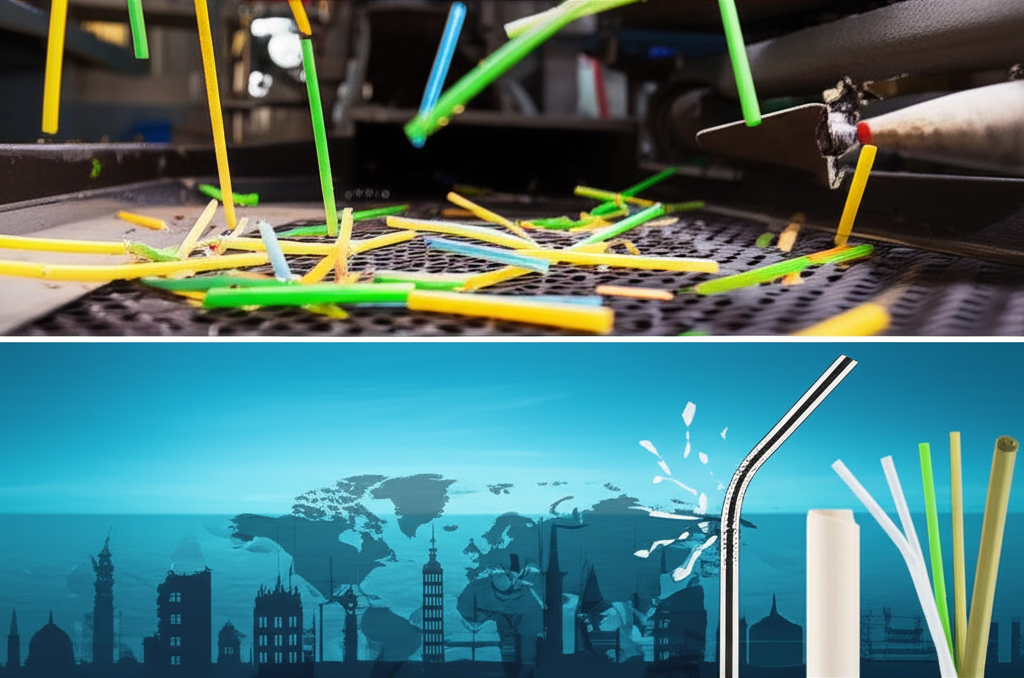
Plast boba sugerør, typisk fremstillet af polyethylen (PE) eller polypropylen (PP), er faktisk lavet af polymerer, der er teknisk genanvendelige. Alligevel er deres rejse gennem genbrugsstrømmen fyldt med systemiske fejl. Det grundlæggende problem ligger i deres fysiske egenskaber: deres lille størrelse og lette natur, selv med en diameter på 12 mm eller mere for at rumme tapiokaperler, får dem til at glide gennem det indviklede net af automatiserede affaldssorteringssystemer. I stedet for at blive sorteret til genbrug, bliver de ofte omdirigeret til lossepladser eller, værre, forurener ellers værdifulde genbrugsstrømme.
Ved at forstærke denne mekaniske fejl, komplicerer resterende sukker- og drikkevareindhold, der klæber til det indre af brugte sugerør, genbrugsprocessen yderligere. Denne klæbrige forurening reducerer kvaliteten af genbrugsmateriale, hvilket gør det mindre ønskværdigt til oparbejdning og fører ofte til dets afvisning. Den økonomiske levedygtighed ved at indsamle og behandle sådanne lette, ofte forurenede genstande er også ekstremt lav, idet den vejer mindre end et gram pr. halm. Denne lave økonomiske værdi afskrækker genbrugere fra at investere i det specialiserede udstyr eller manuelt arbejde, der kræves for at håndtere dem effektivt.
Hvorfor standard genbrugssystemer fejler Boba-sugerør af plast
Hovedårsagen til, at standardgenbrugssystemer svigter plastik-boba-sugerør er stort set mekaniske. Meget af maskineriet i moderne genbrugsanlæg er designet til effektivt at sortere større, tungere genstande. Små, tynde eller uregelmæssigt formet plastik, inklusive sugerør, falder ofte gennem skærme, går uden om optiske sorterere eller bliver viklet ind i maskineri, hvilket forårsager tilstopning og kostbar nedetid. Når dette sker, bliver de typisk shuntet til den almindelige affaldsstrøm, og i sidste ende ender de på lossepladser eller forbrændingsanlæg.
Lokale kommunale retningslinjer for genanvendelse udviser også betydelig variation, hvilket skaber et forvirrende landskab for både virksomheder og forbrugere. For eksempel, mens Los Angeles' genbrugsprogrammer måske accepterer plastiksugerør, gør Denvers det ikke, hvilket fremhæver den fragmenterede natur af genbrugsinfrastruktur på tværs af forskellige regioner. Denne inkonsistens betyder, at en standardiseret tilgang til bortskaffelse af plasthalm er praktisk talt umulig for nationale eller internationale drikkevarekæder uden væsentlige lokale justeringer. Ydermere betyder den overordnede lave markedsefterspørgsel efter genanvendelige genbrugsmaterialer af denne specifikke type - ofte lavkvalitets polypropylen -, at selv hvis et sugerør klarer det gennem sortering, kan det stadig blive udsat for forbrænding eller deponering på grund af manglende nytte på slutmarkedet.Små, forurenede plastik boba-sugerør går ofte uden om genbrugssystemer på grund af mekanisk og økonomisk ineffektivitet.
Escalating Environmental Impact & Regulatory Pressure on Single-Use Plastics

De miljømæssige konsekvenser af vedvarende brug af plasthalm er dybtgående og vidtrækkende. Petroleumsbaserede plaststrå nedbrydes ikke biologisk; i stedet tager de hundreder af år at nedbryde, og de går gradvist i opløsning i mindre og mindre stykker. Denne fragmentering fører til det gennemgående problem med mikroplastikforurening, med anslået 8 millioner tons plastik, der kommer ind i havene årligt. Disse mikroplastik infiltrerer vandkilder, jord og den globale fødekæde, påvirker økosystemerne, livet i havet og udgør potentielle, stadig nye trusler mod menneskers sundhed. Desuden kan skadelige kemikalier som Bisphenol A (BPA) udvaskes fra nedbrydende plastik til miljøet, hvilket tilføjer endnu et lag af giftig byrde.
Globale skift mod forbud og reduktioner af plasthalm
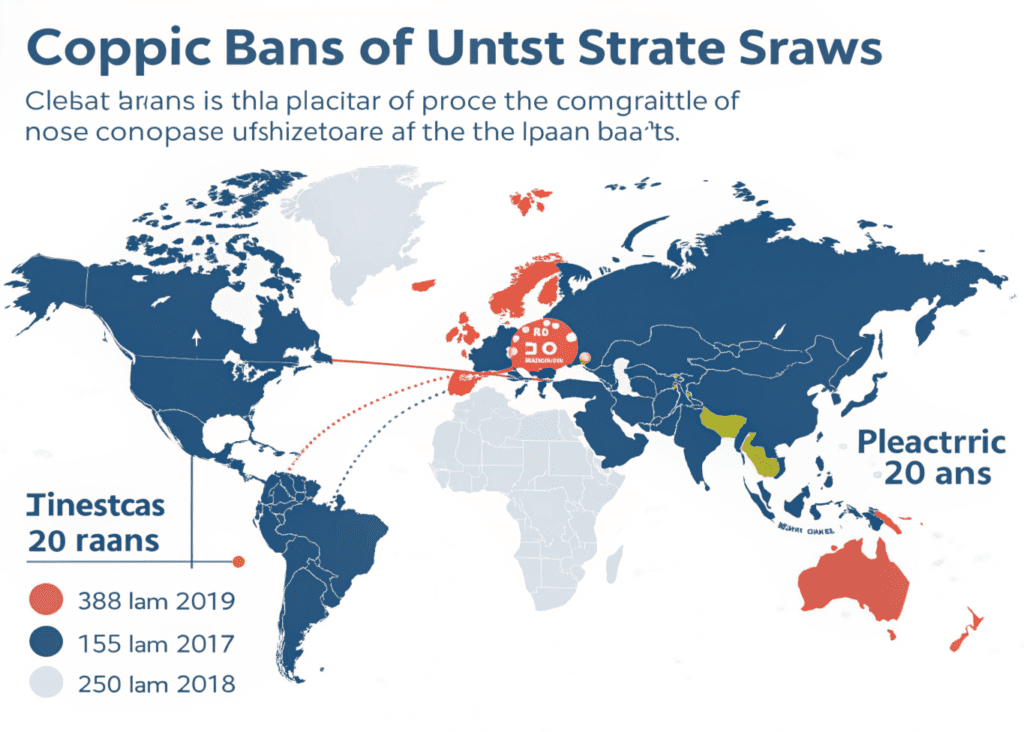
Governments worldwide have begun to acknowledge the severe environmental harm caused by single-use plastic straws, translating this awareness into concrete regulatory action. Seattle led the way in the U.S., implementing a ban on plastic straws in January 2018, swiftly followed by other major cities like San Francisco and Portland. This domestic trend is mirrored by robust international legislation. The European Union, for instance, implemented a comprehensive ban on single-use plastics in 2021, signaling a strong and irreversible regulatory trend that impacts global supply chains.
Ud over EU vedtager lande i Asien også betydelige politikker. Thailand vedtog en køreplan for plastaffaldshåndtering for 2020-2030, der sigter mod at reducere plastaffald med 0,78 millioner tons årligt og spare 3,9 milliarder baht i omkostninger til affaldshåndtering. Denne ambitiøse køreplan inkluderer et forbud mod sugerør, kopper og poser af plastik. På samme måde indførte Selangor-statsregeringen i Malaysia et forbud mod plastiksugerør i alle spisesteder den 1. juli 2019. Disse globale skift demonstrerer en klar, irreversibel bane mod at eliminere engangsplastik, hvilket lægger et enormt pres på virksomhederne for at tilpasse sig eller stå over for betydelige overholdelsesrisici og markedsadgangsrestriktioner.Global regulations are rapidly shifting towards banning single-use plastics, compelling businesses to adopt sustainable alternatives.
Operationelle hindringer: Skift fra plast Boba-sugerør til bæredygtige alternativer
Overgangen væk fra konventionelle plastiksugerør præsenterer et unikt sæt operationelle forhindringer for virksomheder, især inden for den dynamiske bubble tea-sektor. Fødevarefaciliteter rapporterer ofte om øgede omkostninger, når de skifter fra traditionelle, billige plastiksugerør til alternative materialer. Ydermere er mange eksisterende forretningsmodeller, især dem, der er stærkt afhængige af "to-go" drikkevarer, dybt integreret med engangsemballagekomponenter, hvilket gør et problemfrit skifte udfordrende.
En særlig akut udfordring for boble te-operationer er at finde alternative sugerør, der er robuste nok til pålideligt at punktere de forseglede plastikkopper og rumme tapiokaperlernes unikke tekstur og størrelse. I modsætning til standard sugerør til drikkevarer kræver boba sugerør en større diameter (typisk 12 mm eller mere) og tilstrækkelig stivhed, som mange miljøvenlige alternativer har svært ved at matche. Det er altafgørende at sikre fortsat kundetilfredshed under denne overgang, da historiske undersøgelser viser, at cirka 85 % af brugerne oprindeligt foretrak traditionelle plastiksugerør. Mens 76 % er åbne for genanvendelige alternativer, kan den indledende vedtagelseskurve udgøre en udfordring for kundeoplevelsen.
Navigating “Compostable” vs. “Biodegradable” Labeling for Eco-Friendly Boba Straw Alternatives
The landscape of eco-friendly straw alternatives is complex, often marked by ambiguous labeling. It is crucial for procurement and operations teams to understand the distinction between “compostable” and “biodegradable” to avoid missteps. “Compostable” straws, commonly made from plant-based materials like Polylactic Acid (PLA) from corn plastic or Polyhydroxyalkanoate (PHA) from canola/soy seeds, are designed to decompose into nutrient-rich organic matter. However, this decomposition typically requires specific industrial composting conditions, characterized by high heat and microbial activity, which are not universally available.
Crucially, these alternative plastics are often considered contaminants in traditional plastic recycling streams. Mixing compostable straws with conventional plastics can disrupt recycling machinery, leading to operational inefficiencies, and ultimately lower the quality of recycled materials. Mislabeling or misunderstanding can lead to these “eco-friendly” options still ending up in landfills. While some advanced PHA straws offer a promising solution by being marine-degradable, breaking down even in ocean environments, the majority of compostable materials demand specific disposal pathways that are not yet widespread. For a deeper dive into sustainable options for your business, exploreboba tea straws wholesale.At forstå "komposterbar" versus "biologisk nedbrydelig" er afgørende for at vælge effektive, kompatible boba-halmalternativer.
Casestudie: Vancouvers tilpasning til reglerne om plasthalm
The City of Vancouver, British Columbia, provides a salient example of successful phased compliance with single-use plastic regulations. Their plastic straw by-law, effective April 22, 2020, significantly impacted beverage businesses across the city. Recognizing the unique operational challenges faced by bubble tea vendors due to the need for specialized straws, the city wisely granted a one-year exemption, from April 2020 to April 2021. This regulatory foresight allowed bubble tea establishments sufficient time to research, source, and integrate robust alternative straw solutions into their supply chains and customer experience models.
Fra den 22. april 2021 var alle boble-te-leverandører i Vancouver forpligtet til at overholde forbuddet, hvilket viser, at med tilstrækkelig planlægning og reguleringsstøtte kan virksomheder med succes gå over til bæredygtig praksis uden at gå på kompromis med deres kernetilbud. Dette casestudie understreger vigtigheden af en proaktiv tilgang til reguleringsændringer og interessentengagement. Det fremhæver også, at nogle vedtægter, som Vancouvers, giver mandat til levering af fleksible plastiksugerør efter anmodning af hensyn til tilgængelighedsbehov, hvilket sikrer inklusivitet under overgangen.Vancouvers trinvise forbud mod plastiksugerør viser en vellykket industritilpasning med proaktiv planlægning og reguleringsstøtte.
Sammenligningstabel: Bæredygtige Boba-halmalternativer til B2B
Choosing the right sustainable boba straw alternative requires a careful evaluation of operational impact, compliance, and ROI. Below is a comparison of common options:
| Feature | B2B operationel effekt | Overholdelsesnotat | ROI-potentiale |
|---|---|---|---|
| Papirsugerør | Prone to sogginess, affecting drink experience; requires robust, PFAS-free options. | Generally compliant with single-use plastic bans; often compostable. | Lower initial cost than other alternatives; enhances brand sustainability. |
| PLA sugerør | Requires specific industrial composting facilities for proper decomposition. | Not accepted in traditional plastic recycling; may contaminate streams. | Higher cost than plastic; boosts green image if correctly composted. |
| Rustfrit stål | Durable, reusable; requires in-house or third-party cleaning infrastructure for dine-in; cannot puncture seals easily. | Highly compliant with reuse-focused regulations; significantly reduces single-use waste. | High upfront cost; significant long-term savings for dine-in; strong customer appeal. |
| PHA sugerør | Biodegradable, including marine-degradable options; some break down in home compost. | High compliance potential with evolving regulations; avoids landfill. | Higher cost than PLA; strong environmental brand differentiation; premium offering. |
| Bambus sugerør | Sturdy but may be too narrow for boba pearls; can retain residue and require thorough cleaning. | Compliant with single-use bans; natural, renewable resource. | Moderate cost; appeals to eco-conscious consumers; requires quality control. |
For businesses seeking a reliable partner in this transition, exploring dedicated suppliers of alternative boba straws can be beneficial. Find more options forsustainable boba drinking straws B2B.Evaluate sustainable boba straw alternatives based on operational impact, compliance, and ROI for informed procurement.
Strategic Imperatives for Sustainable Boba Straw Procurement and Operations
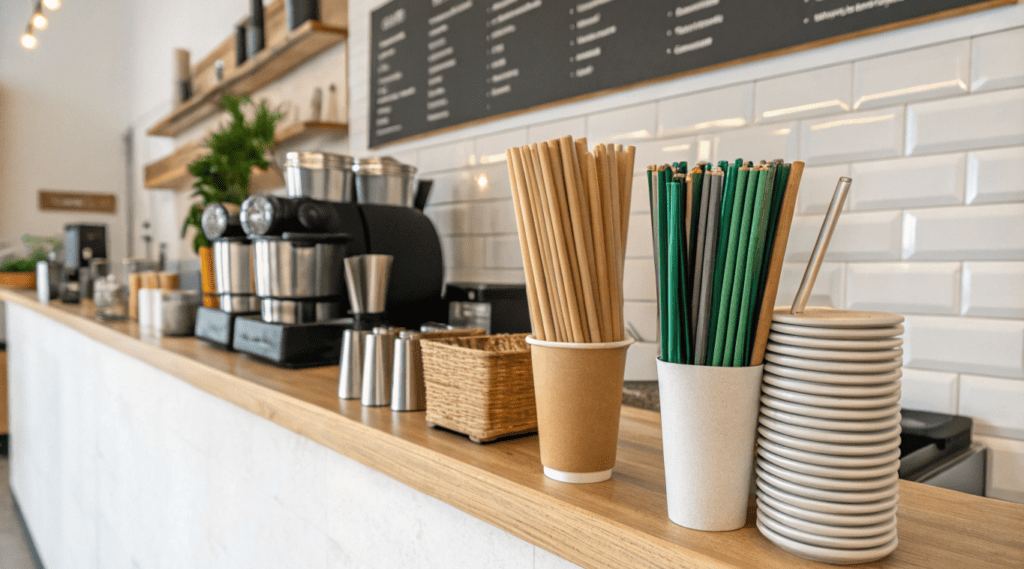
For supply chain executives and procurement managers, navigating the shift away from plastic boba straws transcends mere compliance; it represents a strategic imperative to secure future market position and brand equity. The foundational principle for this transition is to rigorously adopt the “Reduce, Reuse, Recycle” hierarchy, prioritizing waste reduction at the source and designing systems for circularity. This means questioning the necessity of single-use items where reusable alternatives are viable, especially for dine-in experiences.
A critical step is to conduct comprehensive Life Cycle Assessments (LCAs) for alternative materials. While counter-intuitive, some LCAs have indicated that traditional polypropylene (PP) straws can sometimes show a lower global warming potential than even stainless steel straws when considering their entire life cycle, including manufacturing and end-of-life. This highlights the complexity and the need for data-driven decisions rather than relying on perceived “green” options. Procurement teams must engage proactively and strategically with suppliers to develop and secure innovative, compliant boba straw alternatives that meet both environmental standards and operational demands, such as puncture strength and resistance to sogginess. Businesses like PMI Packaging Sdn Bhd in Malaysia, for example, have been manufacturing corn starch and PLA straws since 2016 and are researching materials like oil palm waste and tapioca for future solutions.
Investing in robust consumer education is also vital. While 85% of consumers historically preferred plastic straws, 76% are now open to reusable alternatives, indicating a significant shift in readiness. Educating customers on the proper disposal of new materials and the long-term benefits of reusable options can foster adoption and strengthen brand loyalty. Moreover, businesses must remain cognizant of accessibility needs, as some regulations, like Vancouver’s by-law, still mandate the provision of flexible plastic straws upon request for individuals with disabilities. This balanced approach ensures both environmental responsibility and social equity. To further understand wholesale procurement options, visitboba straws wholesale.Strategic procurement of sustainable boba straws requires LCAs, supplier engagement, and consumer education for market leadership.
Future Trends & Innovation
The trajectory for sustainable beverage packaging over the next 5-10 years points towards radical innovation and increasingly stringent regulatory frameworks. Expect continued global expansion of single-use plastic bans, extending beyond straws to other packaging components. The EU’s 2021 ban and Thailand’s 2020-2030 roadmap, which aims for widespread reduction and bans on plastic items until 2026, are harbingers of this global movement. Procurement strategies must anticipate these legislative shifts, not merely react to them.
Innovation in material science will bring forth new generations of truly sustainable alternatives. Expect to see increased adoption of advanced bioplastics like marine-degradable PHA, which offers a genuine end-of-life solution even in challenging environments. Research into novel, renewable plant-based resources, such as tapioca and agricultural waste products like oil palm empty fruit pulp, will likely yield commercially viable solutions. Furthermore, the concept of “integrated packaging,” where straws are part of the main beverage container (e.g., juice boxes), is also facing bans in regions like New South Wales, Australia, as of January 2025, pushing for even more fundamental shifts in design. The emphasis will move beyond just “compostable” to materials that are genuinely biodegradable across diverse natural environments or those that can be efficiently closed-loop recycled into high-value products. Future procurement will prioritize materials with transparent LCAs that demonstrate minimal environmental impact across their entire lifecycle, favoring products with high recycled content where plastics remain unavoidable.Future trends indicate stricter plastic bans and innovative bioplastics, demanding proactive procurement strategies.
Competitive Advantage & Business Case
The transition to sustainable boba straws is not merely a cost of doing business; it is a profound opportunity for competitive differentiation and long-term value creation. Quantifiable benefits include significant risk mitigation against escalating compliance penalties and brand reputation damage. By proactively adopting sustainable solutions, businesses can avoid the substantial fines associated with plastic bans and circumvent potential market access restrictions in increasingly eco-conscious regions. For example, countries implementing plastic waste reduction roadmaps, like Thailand, project billions in annual savings from reduced waste management, a benefit that can be partially realized by businesses minimizing their waste footprint.
Moreover, this shift offers a powerful brand value uplift. Consumers, especially the younger demographic, are increasingly making purchasing decisions based on a company’s environmental stewardship. A business that champions genuinely sustainable practices, such as offering truly eco-friendly boba straws, can significantly enhance its brand perception, foster stronger customer loyalty, and even capture a larger market share among environmentally aware consumers. This proactive stance transforms a potential compliance burden into a distinct competitive advantage, positioning the brand as a leader in sustainability and innovation within the crowded beverage market.Embracing sustainable boba straws offers competitive advantage through risk mitigation, brand uplift, and increased market share.
Conclusion: Pioneering a Plastic-Free Future for Boba
The widespread belief that plastic boba straws are recyclable is largely a misconception, with significant environmental and operational consequences for businesses. The transition away from these problematic single-use plastics is no longer merely an option; it is a strategic imperative driven by evolving consumer expectations and stringent global regulations. Proactive adoption of genuinely sustainable alternatives, coupled with a deep understanding of the nuanced differences between “compostable” and “biodegradable” materials, is crucial for long-term viability.
Transformyour supply chain now to meet sustainability mandates, mitigate regulatory risks, and profoundly enhance your brand’s environmental stewardship. Secure your market leadership in the sustainable beverage economy by embracing truly eco-friendly boba straw solutions today.Embrace sustainable boba straw solutions now to enhance brand stewardship and secure market leadership.
Ofte stillede spørgsmål
Are plastic boba straws truly recyclable in standard municipal systems?
No, despite being made from recyclable polymers like PE or PP, their small size and lightweight nature cause them to fall through sorting machinery, often ending up in landfills or contaminating other recycling streams.
What are the main environmental impacts of plastic boba straws?
Plastic boba straws contribute to microplastic pollution, taking hundreds of years to break down and infiltrating ecosystems, marine life, and potentially the food chain, with harmful chemicals leaching into the environment.
What operational challenges do bubble tea businesses face when switching to sustainable straws?
Challenges include increased costs, finding alternatives sturdy enough to puncture sealed cups and accommodate tapioca pearls, and ensuring customer satisfaction during the transition.
What is the difference between ‘compostable’ and ‘biodegradable’ straws?
‘Compostable’ straws require specific industrial composting conditions to decompose, while ‘biodegradable’ straws break down naturally in various environments, though the speed and conditions vary greatly.
How can businesses ensure compliance with evolving plastic straw regulations?
Proactive research, strategic sourcing of compliant alternatives, conducting Life Cycle Assessments, and engaging with suppliers are crucial for adapting to regulatory shifts and securing market position.