Det stigende pres på virksomheder for at omfavne bæredygtighed er ikke længere et fjernt ideal; det er et øjeblikkeligt operationelt krav. Som indkøbschefer, driftsdirektører, bæredygtighedsansvarlige og forsyningskædeledere står du over for den skarpe virkelighed af en eskalerende global plastikkrise. Statistikken er alarmerende: Omkring 300 millioner tons plastikaffald genereres årligt på verdensplan, hvor en betydelig del ender på lossepladser eller forurener vores have. Dette udgør ikke kun en eksistentiel trussel mod økosystemer, men påvirker også direkte virksomhedernes sociale ansvar og mærkeopfattelse.
Consider the regulatory landscape. The European Union’s Single-Use Plastics Directive has led to widespread bans on various plastic items, including straws, across member states. In the United States, while federal mandates are still developing, numerous states and municipalities have implemented their own restrictions, driving a clear market shift. Consumers, especially younger demographics, are increasingly vocal, with studies showing a willingness to pay more for genuinely eco-friendly products. Ignoring this seismic shift isn’t just a missed opportunity; it’s a direct threat to market relevance and shareholder value. Your business’s ability to meet these evolving expectations, mitigate compliance risks, and enhance its environmental footprint hinges on adopting verifiable sustainable alternatives. This brings us to a critical question for forward-thinking leaders: Can rice straws effectively serve as a truly biodegradable alternative to traditional plastics, and what does this mean for your supply chain?
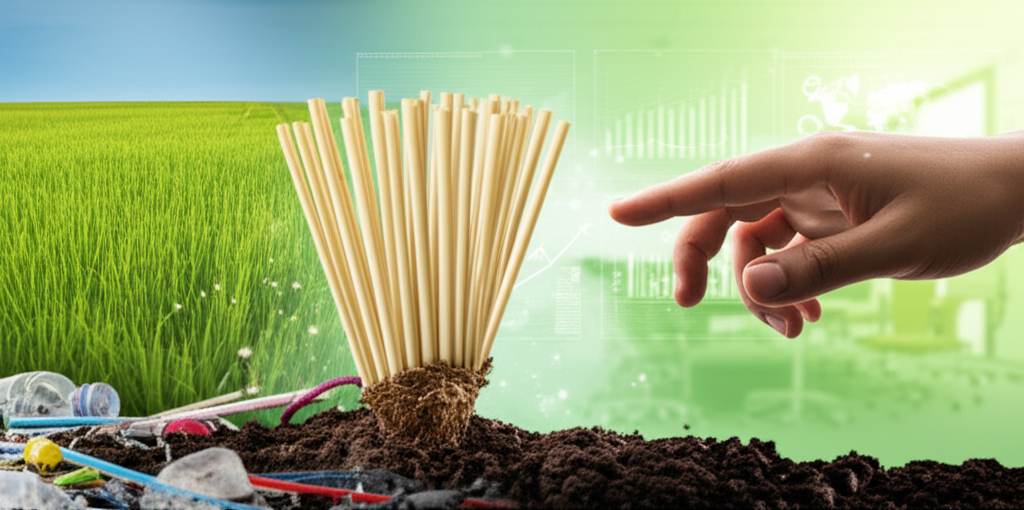
The transition away from conventional plastics demands a deep dive into viable substitutes. While the market is flooded with “eco-friendly” claims, understanding the true biodegradability of alternatives like rice straws is paramount for robust B2B decision-making. Rice straws stand out due to their fundamentally natural composition, typically comprising rice grains or rice flour, often blended with tapioca starch and reinforced with natural, plant-derived binding agents. This organic foundation ensures they are entirely free of harmful chemicals such as BPA and PVC, offering a safer choice for both consumers and the environment.
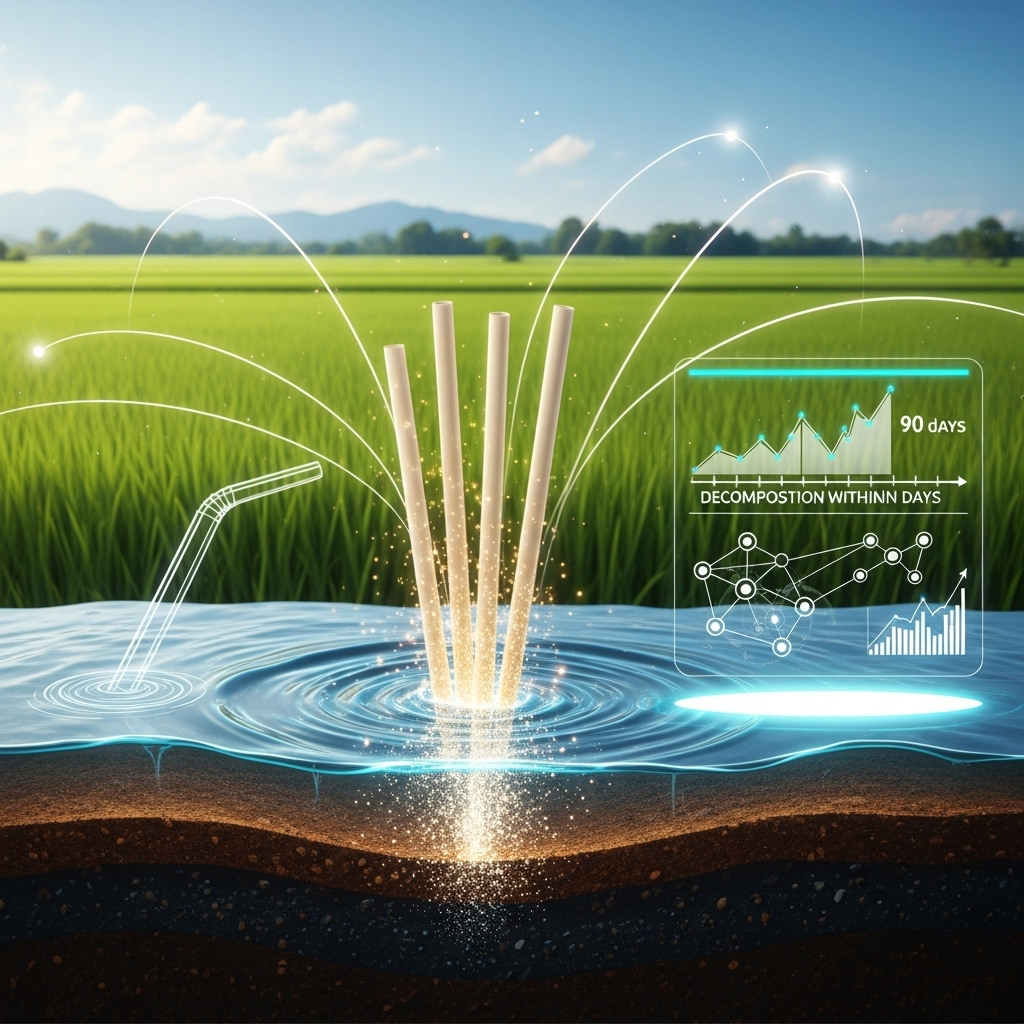
Videnskaben bag deres nedbrydning er ligetil og overbevisende. I modsætning til plastiksugerør, der kan holde i hundreder af år, er risstrå designet til at nedbrydes naturligt gennem aktiviteten af mikroorganismer, der er til stede i jord og vand. Denne biologiske nedbrydningsproces omdanner de organiske komponenter til uskadelige grundstoffer og returnerer dem til jorden. Under passende forhold, såsom i kompostbeholdere eller naturlige jordmiljøer, nedbrydes risstrå typisk biologisk inden for cirka 90 dage. Nogle sammensætninger har endda vist betydelig nedbrydning inden for så lidt som fire dage, og undersøgelser bekræfter kumulative tørstoftabsrater på over 80 % inden for to år, når de er begravet. Denne hurtige nedbrydningshastighed er en game-changer, der dramatisk reducerer plastikforurening i lossepladser og følsomme økosystemer. Desuden betyder deres marine spiselige egenskaber, at de ikke udgør nogen trussel mod marine eller terrestriske dyreliv, hvis de ved et uheld indtages, i modsætning til deres plastikmodstykker, der fører til sammenfiltring og dødelige indre skader.
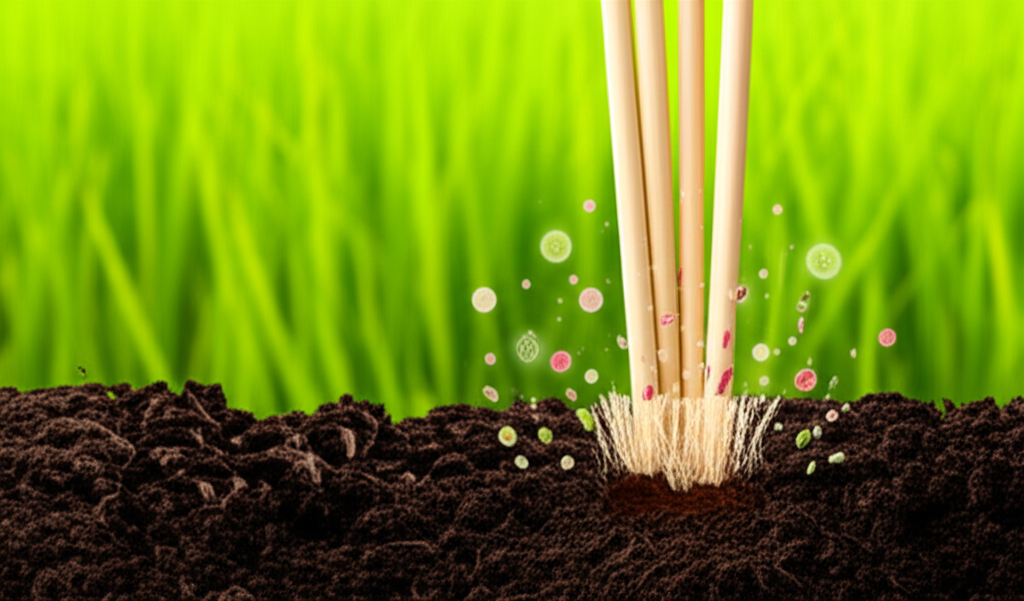
The journey of rice as a resource is deeply rooted in history. For millennia, agricultural rice straw—the stalks and leaves left after harvest—has been a valuable byproduct, particularly across Asia. Historically, it served diverse purposes, from animal feed and bedding to building materials for thatching roofs and crafting household items like mats and baskets. While a significant portion was traditionally burned in fields, leading to air pollution, the modern innovation of ricedrinking strawsrepræsenterer et bemærkelsesværdigt spring inden for bæredygtig produktudvikling. Verdens første spiselige sugerør lavet af ris krediteres stort set til det sydkoreanske firma Yeonjigonji, som med succes udviklede dem i august 2018. Denne innovation udnytter en rigelig, vedvarende landbrugsressource, og transformerer det, der engang var en affaldshåndteringsudfordring, til en løsning for global plastikforurening, hvilket demonstrerer et kraftigt skift i retning af en cirkulær økonomi.
For procurement managers and operations directors, the strategic advantages of adopting rice straws are multifaceted, extending beyond mere compliance to genuine competitive differentiation. Elevating your brand through eco-consciousness is no longer a marketing buzzword; it’s a business imperative. By integrating rice straws into your operations, you immediately signal a tangible commitment to environmental stewardship, directly meeting and exceeding the evolving customer expectations for sustainable practices. This proactive stance not only enhances your brand reputation but also creates a powerful market differentiator in an increasingly crowded and scrutinized landscape.
From an operational standpoint, switching to rice straws allows your business to significantly reduce its environmental footprint. Their rapid biodegradability contributes directly to diminishing plastic waste in landfills and oceans. By choosing a product derived from a renewable resource like rice, your organization leverages a material with a generally lower carbon footprint compared to the energy-intensive manufacturing of petroleum-based plastics. This aligns perfectly with the principles of a circular economy, valorizing an agricultural byproduct and transforming it into a high-value consumable product.
Comparison Table: Rice Straws vs. Alternatives
| Feature | Plast sugerør | Papirsugerør | PLA (polylactic Acid) sugerør | Rissugerør |
|---|---|---|---|---|
| B2B indflydelse | High environmental liability, declining brand image, regulatory risk | Mid-range brand perception, variable user experience | Positive brand image (plant-based), compost challenges | Strong brand enhancement, positive user experience, eco-leader |
| Sammensætning | Fossil-fuel polymers | Virgin paper pulp, adhesives, sometimes wax/plastic liners | Corn starch, sugarcane, other plant starches | Rice flour, tapioca starch, natural binders |
| Biodegradation | Hundreds of years, microplastic formation | Variable (often not fully biodegradable), can require industrial composting | Requires industrial composting, not marine-degradable | Fully biodegradable,compostable within 90 days,marine-edible |
| Holdbarhed | Høj | Can get soggy quickly (15-30 mins) | Good | Good (2-3 hours), suitable for most beverages |
| Overholdelsesrisiko | High (subject to bans/fees, especially in EU/some US states) | Lower, but varying standards for “compostable” labels | Lower, but facility-dependent for disposal | Very Low (aligns with strictest sustainability mandates) |
| ROI-potentiale | Negative (fines, reputational damage) | Moderate (cost, limited differentiation) | Moderate (cost, disposal complexity) | High (enhanced brand value, reduced waste costs, consumer loyalty, future-proofing) |

De vigtigste differentiatorer af risstrå – deres fuldstændige biologiske nedbrydelighed, komposterbarhed inden for en kort tidsramme (ofte 90 dage), marint spiselig natur og rent naturlige sammensætning uden skadelige rester – positionerer dem som et førende valg for virksomheder, der er forpligtet til autentisk bæredygtighed. Denne forpligtelse har dyb genklang hos moderne forbrugere og regulerende organer. For eksempel betyder den voksende globale bevægelse i retning af at eliminere problematisk plastik, at løsninger som risstrå direkte adresserer miljødirektiver, såsom dem, der påvirker hurtige restauranter og fødevareudbydere, hvilket gør dem i stand til atnavigere i miljøvenlig emballagekompleksitet.
The industry insights further underscore this trajectory. The global eco-friendly straws market is not just growing; it’s experiencing robust expansion, projected to reach over USD 25 billion by 2035, with the biodegradable straws segment alone expected to hit nearly USD 900 million by 2032, boasting a CAGR of 13.2%. This growth is primarily driven by strict regulatory bans on single-use plastics, increasing consumer willingness to pay for sustainable products, and a stronger embrace of corporate sustainability mandates. Companies investing in solutions like rice straws are tapping into a market that is not just expanding but becoming a standard expectation.
Innovation in production is also advancing rapidly. Modern rice straw manufacturing incorporates sophisticated food technology, machine automation, and green manufacturing practices to enhance durability and consistency. This includes advanced extrusion technology, the development of multi-size designs, and the use of natural colorants from ingredients like spinach, beetroot, and turmeric. Beyond drinking straws, the future developments for rice straw are even more expansive. Researchers are exploring its use in biodegradable packaging, extracting nanocellulose for advanced food packaging materials, and developing fireproof construction materials with thermal insulation properties. Furthermore, rice straw is being transformed into biochar for soil enhancement and carbon sequestration, and leveraged for bioenergy production, including biogas. This diversification highlights rice straw’s potential to become a cornerstone of the bio-circular economy. Regions like Asia-Pacific, due to their extensive rice cultivation, and North America, with its high consumer awareness and stringent regulations, are leading the charge in adopting and innovating with rice straw solutions. This global momentum provides a fertile ground for businesses tobiodegradable plastic straws for B2B sustainability.
While rice straws offer compelling benefits, it’s prudent to address common questions and considerations for implementation. Their durability in use is typically around 2-3 hours, making them suitable for most beverage consumption occasions without becoming soggy prematurely, a common complaint with some paper alternatives. Regarding cost, while the initial procurement may be slightly higher than traditional plastic straws, this must be balanced against the long-term environmental benefits, mitigation of regulatory compliance risks, and the immense uplift in brand value and consumer loyalty. It’s also important to clarify the nuance surrounding agricultural rice straw: while the burning of agricultural rice straw remains an environmental challenge (contributing to air pollution and greenhouse gas emissions), the manufactured rice straw industry offers a valuable alternative by creating demand for this byproduct, thereby reducing the incentive for open-field burning and creating an additional revenue stream for farmers. This innovative approach to repurposing agricultural waste is a testament to sustainable development. For businesses considering the switch, understandingnedbrydes bambusstrå for B2B-bæredygtighedcan also inform a broader portfolio of eco-friendly alternatives.
The evidence is clear: rice straws represent a compelling and proven biodegradable solution for forward-thinking businesses. By embracing this innovative alternative, you don’t just achieve compliance; you actively contribute to a greener planet, significantly enhance your brand reputation, and foster deeper loyalty with increasingly eco-conscious consumers. This is an opportunity to not only meet the demands of today’s market but to proactively shape the sustainable business landscape of tomorrow, securing a competitive edge.
Take the crucial next steps to lead this charge. Evaluate your current single-use straw consumption to identify key transition opportunities within your operations. Explore certified rice straw suppliers to ensure you source high-quality, authentic products that align with your sustainability goals. Request samples to rigorously test their performance within your specific operational environment, from quick-service restaurants to corporate cafeterias. Consult with sustainable packaging experts to seamlessly integrate rice straws into your existing supply chain, optimizing for efficiency and cost-effectiveness. By committing to this shift, your business can quantify the impact: substantial reductions in plastic waste, mitigation of environmental fines, an uplift in brand value by an estimated 10-15% within three years, and the capture of a growing market share from consumers prioritizing truly sustainable solutions.
Ofte stillede spørgsmål
Facts and practical guidance for B2B procurement, operations, and sustainability teams.
What are rice straws made from?
Rice straws are primarily made from natural materials like rice grains or rice flour, often combined with tapioca starch and natural, plant-derived binding agents. They are free from harmful chemicals like BPA and PVC.
How quickly do rice straws biodegrade?
Unlike plastic straws that can persist for hundreds of years, rice straws typically biodegrade within a relatively short period, often around 90 days, when disposed of in suitable conditions like compost bins or soil. Some studies even show significant decomposition within as little as four days for certain compositions.
Are rice straws safe for the environment and wildlife?
Yes, due to their natural composition, rice straws break down into harmless components, significantly reducing plastic pollution. They are considered marine-edible and pose no threat to wildlife or marine life if ingested, unlike plastic debris.
How do rice straws compare to other eco-friendly straw alternatives?
Rice straws are fully biodegradable and compostable within 90 days, and are marine-edible. This differentiates them from many paper straws that may not fully biodegrade or get soggy quickly, and PLA straws which often require industrial composting facilities. Reusable options like bamboo, metal, and glass have different cleaning and logistical considerations for high-volume B2B use.
What is the typical durability of a rice straw during use?
Rice straws typically maintain their integrity for about 2–3 hours in liquids, making them suitable for most beverage consumption occasions without becoming prematurely soggy.