Navigating the Sustainable Straw Revolution: Why Material Matters for Your Business
The global landscape for businesses is undergoing a monumental shift, driven by an undeniable move away from single-use plastics. This transformation isn’t merely a trend; it’s a convergence of escalating consumer demand for eco-friendly products, stringent regulatory mandates like those seen in the EU and various US states, and ambitious corporate sustainability goals. For procurement and operations teams, this presents a critical challenge: identifying truly effective and compliant compostable alternatives amidst a complex and often confusing market. The term “greenwashing” has become a serious concern, as many products touting “biodegradable” labels may not actually decompose as promised, leading to significant confusion for B2B buyers trying to discern genuine sustainability from marketing fluff. Understanding the nuanced difference between terms like “biodegradable” and “compostable” is paramount. It’s no longer enough to simply swap out plastic; businesses must make informed material choices to ensure operational integrity, regulatory compliance, and safeguard their invaluable brand reputation in an increasingly eco-conscious world.
Forståelse af det komposterbare halmlandskab til strategisk indkøb
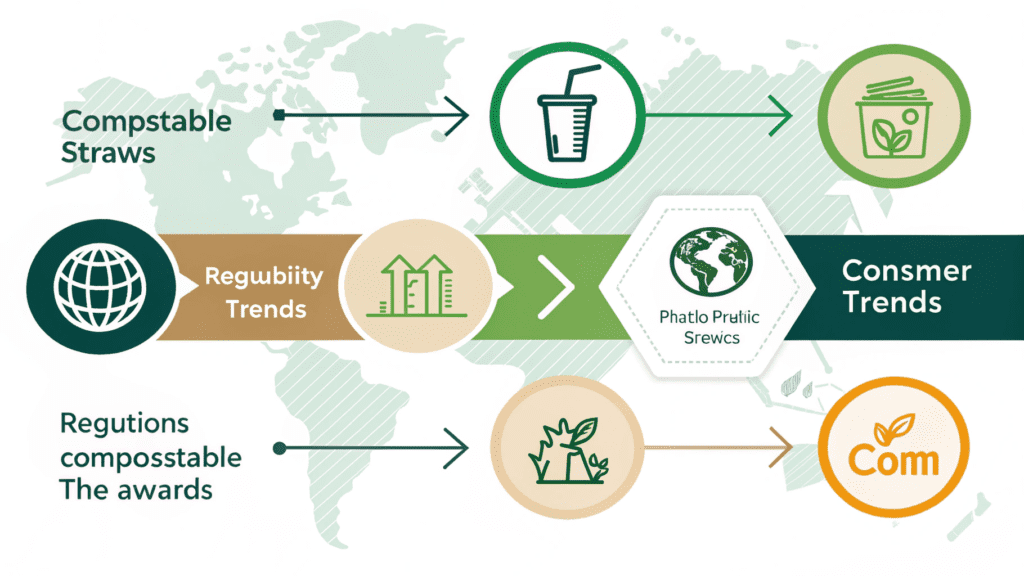
The modern resurgence of compostable straws is a direct response to a global environmental crisis. While drinking tubes date back to ancient Sumeria, the 1800s saw a common use of rye grass straws, though they were prone to sogginess and imparted an unpleasant taste. The invention of the paper straw in 1888 by Marvin C. Stone offered an early solution, a predecessor to today’s diverse array of eco-friendly options. The mid-20th century saw plastic dominate due to its low cost and durability, but images of marine life entangled in plastic debris, coupled with the pervasive issue of microplastics, catalyzed a renewed global push for sustainable alternatives. Cities like Seattle, which banned single-use plastic straws in 2018, and the sweeping EU Directive against them, highlight the regulatory pressure driving this market.
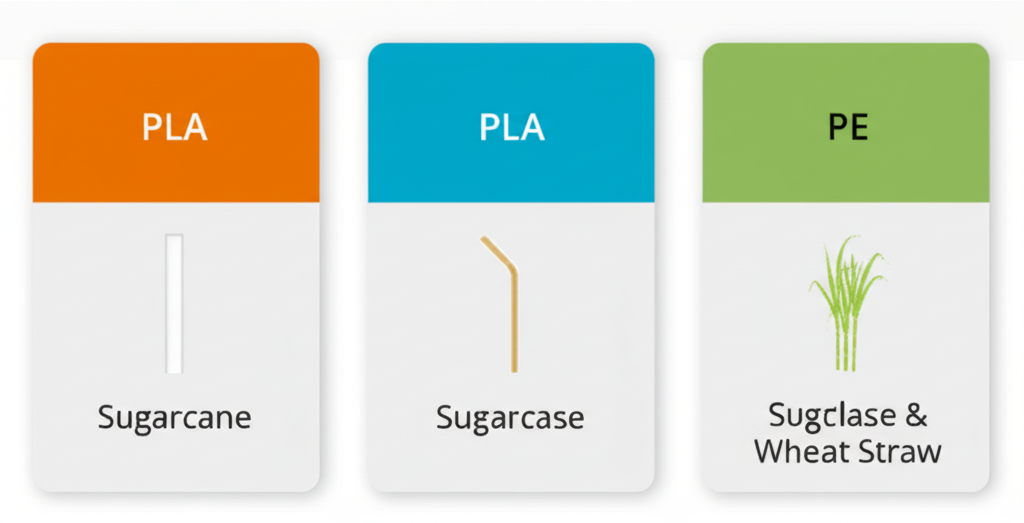
Today’s market offers core categories of compostable straw materials, broadly divided into plant-based polymers and natural fibers. Plant-based polymers include Polylactic Acid (PLA) and Polyhydroxyalkanoate (PHA), while natural fibers encompass materials like Paper, Sugarcane (Bagasse), Bamboo, Rice, and Wheat. The global eco-friendly straws market is not just growing; it’s projected to reach nearly USD 25.1 billion by 2035, indicating a robust and rapidly expanding sector. This growth is fueled by increasing environmental consciousness, more stringent plastic regulations, and a heightened focus on Corporate Social Responsibility (CSR) initiatives across industries. Major market players are continuously innovating, showcasing the maturity and global adoption of these sustainable solutions. For instance, companies like Huhtamaki Oyj and Vegware are significant contributors to the compostable packaging ecosystem, while innovative materials are being developed by companies featured onmomoio.com, such as their advanced compostable packaging solutions.

Choosing the Right Compostable Straw: A Buyer’s Essential Guide to Materials
Making the optimal choice for your business demands a deep dive into the properties of each material. Procurement teams need to understand not just what compostable straws are made of, but how they perform, their disposal requirements, and their overall suitability for specific operational needs.
- Polylaktinsyre (PLA): Derived from renewable resources like cornstarch or sugarcane, PLA straws offer a feel akin to traditional plastic. However, their critical caveat is the requirement for industrial composting facilities, typically needing temperatures of 56-60°C to fully break down. Without these specific conditions, PLA can persist in landfills for hundreds of years, resembling conventional plastic waste.
- Polyhydroxyalkanoat (PHA): Produced through the fermentation of vegetable oils or sugars, PHA stands out for its robust durability and significant advantage of being both home compostable and marine degradable. This means PHA straws can break down efficiently in a wider range of natural environments, offering a more versatile disposal profile.
- Papir: Made from wood pulp, bamboo, or bagasse, modern paper straws have seen advancements in water-resistant coatings. While earlier versions often suffered from sogginess and could impart a taste, newer innovations aim to overcome these performance challenges. It’s crucial to source PFAS-free paper straws to avoid “forever chemicals.”
- Sugarcane (Bagasse) & Wheat Straw: These materials are derived from agricultural waste, specifically the fibrous byproduct of sugarcane juice extraction and wheat harvesting. They are known for their natural sturdiness and impressive home compostability, making them highly desirable for truly circular economy initiatives.
To aid in strategic sourcing, consider the following comparative analysis:
| Feature | PLA | Pha | Papir | Sukkerrør (Bagasse) |
|---|---|---|---|---|
| Primary Source | Majsstivelse, sukkerrør | Vegetabilske olier, sukkerarter | Wood Pulp, Bamboo, Bagasse | Sugarcane Waste Fibers |
| Feel/Appearance | Plastic-like | Plastic-like | Paper/Fiber | Natural Fiber, Sturdy |
| Hot Liquid Suit. | Softens at high temps | High temperature resistant | Varies (can soften) | High temperature resistant |
| Cold Liquid Suit. | Good | Excellent | Varies (can soften) | Excellent |
| Disposal Req. | Industrial Composting (Crucial) | Home & Industrial, Marine Degradable | Home & Industrial (often wax-coated) | Home & Industrial |
| Holdbarhed | Good (can be brittle) | Excellent, resists sogginess | Varies (can get soggy) | Excellent, resists sogginess |
| Smagsneutralitet | Generally neutral | Generally neutral | Kan give papirsmag | Neutral |
| PFAS Risk | Low (not typically coated) | Very Low | Higher (in some coated varieties) | Lav |
| Typiske omkostninger | Moderate to High | High (but improving) | Moderat | Moderat |
En væsentlig bekymring for B2B-købere, især i Europa og USA, har været "forever chemicals" (PFAS)-kontroversen fundet i nogle papirsugerør. Det er vigtigt at samarbejde med leverandører, der garanterer PFAS-fri muligheder. Selvom PLA fortsat er et populært valg, begrænser det kritiske behov for ordentlig komposteringsinfrastruktur ofte dens miljømæssige fordele i den virkelige verden. PHA tilbyder dog en mere alsidig nedbrydningsprofil, der løser denne udfordring ved at nedbrydes i mere tilgængelige miljøer. Når man ser fremad, er spændende fremtidig udvikling i gang, herunder tangbaserede sugerør, bakteriel cellulose og avancerede stivelseslignin-strå. Disse innovationer, som dem, der fremhæves i banebrydende forskning, baner vejen for endnu mere bæredygtige og mere effektive muligheder, der kan opfylde de strenge krav til kommerciel brug. For et dybdegående kig på certificeringer, udforsk guider som denneBPI Certification from momoio.com.
Future-Proofing Your Operations with Sustainable Straw Procurement
Beyond mere compliance, choosing the right compostable straws offers tangible operational benefits. By selecting materials that avoid common issues like sogginess or taste alteration, businesses can significantly enhance the customer experience, thereby protecting and even elevating their brand image. This strategic shift is crucial for meeting escalating regulatory demands, particularly in markets with stringent plastic bans like many across the European Union and progressive US states, helping businesses avoid potential penalties or public relations crises. Furthermore, adopting truly compostable solutions strengthens your brand’s sustainability narrative, attracting the growing segment of eco-conscious consumers and partners who prioritize environmental responsibility. Find out more about how sustainable packaging aligns with your business goals atmomoio.com/blog/sustainable-packaging-guide.
Investing in advanced compostable straws is a powerful competitive differentiator. It positions your business as a leader in environmental stewardship, demonstrating a genuine commitment to a greener future. This move isn’t just about good optics; it’s about actively reducing landfill waste and supporting a circular economy, which aligns perfectly with broader corporate social responsibility goals and investor expectations. In the long term, this responsible sourcing can lead to direct cost savings through reduced waste disposal fees and an improved public perception that translates into increased customer loyalty and market share. Recent reports from research firms like Future Market Insights confirm the robust growth of the eco-friendly straw market, underscoring the strategic advantage available to early adopters. This commitment to sustainability is increasingly influencing consumer choices, as demonstrated by reports from organizations like the National Retail Federation detailing the rise of conscious consumerism.

Sikre din bæredygtige halmforsyning: Træf et informeret valg i dag
Rejsen mod fuldt ud bæredygtig drift er kompleks, og at vælge det optimale komposterbare halmmateriale til dine specifikke forretningsbehov er et kritisk skridt. Gå videre end generiske "bionedbrydelige" påstande, og fokuser på certificerede komposterbare materialer med dokumenteret ydeevne, der stemmer overens med både dit brandværdier og de praktiske realiteter ved bortskaffelse. Lad ikke usikkerhed afspore din bæredygtighedsindsats.