Von einem Senior B2B Nachhaltigkeitsstratege
The European Union’s Single-Use Plastics (SUP) Directive (Directive 2019/904/EU), enacted in July 2021, represents a seismic shift in environmental policy with profound implications for the foodservice sector. Far more than a mere regulatory update, this directive is a strategic imperative designed to curtail the pervasive issue of plastic pollution, particularly marine litter, which accounted for up to 70% of all marine litter prior to the SUPD’s implementation. For procurement managers, operations directors, sustainability officers, and supply chain executives, the SUPD is not just a compliance checklist; it’s a call to fundamentally re-evaluate sourcing, operations, and long-term business strategy.
Ignoring the mandates of the SUPD is no longer an option. The operational and commercial impacts of non-compliance are severe, ranging from hefty fines and supply chain disruptions to significant reputational damage and the alienation of an increasingly environmentally conscious consumer base. Proactive adaptation is essential not just for legal adherence but for securing market access, enhancing brand value, and fostering sustainable growth in a rapidly evolving European landscape.
The EU SUPD is a strategic imperative for foodservice, demanding proactive adaptation for compliance and sustainable growth.
Understanding the Core Tenets of the EU Single-Use Plastics Directive
At its heart, the SUP Directive aims to accelerate the transition to a circular economy by targeting specific plastic items with high environmental impact. Understanding its definitions and bans is the first step toward effective procurement.
Defining Single-Use Plastics
The directive precisely defines single-use plastics as products made wholly or partly of plastic, including bioplastics like PLA, intended to be used only once or for a short period before disposal. This broad definition ensures comprehensive coverage, leaving no room for ambiguity regarding what falls under the regulation.
Outright Bans (Effective July 3, 2021)
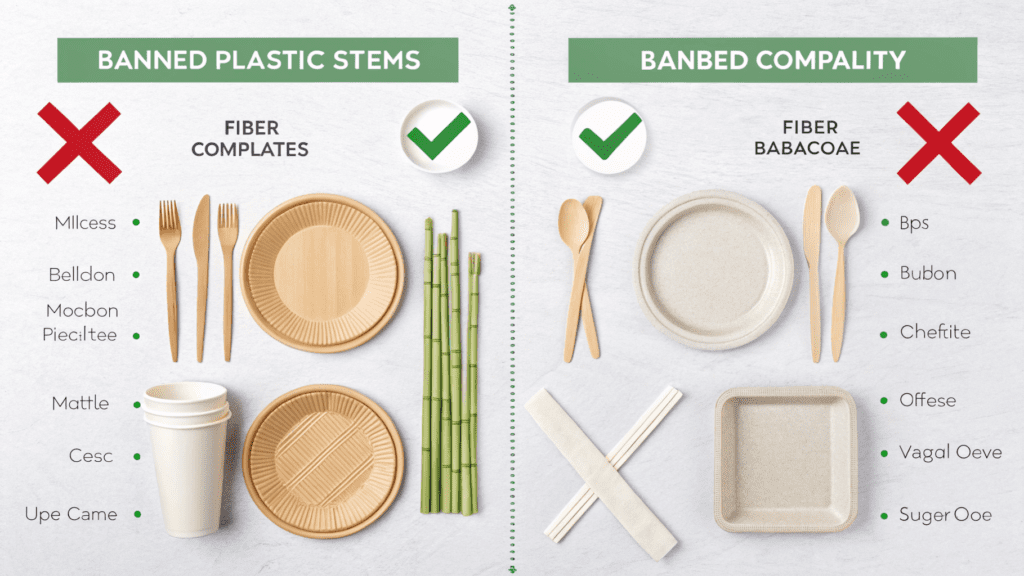
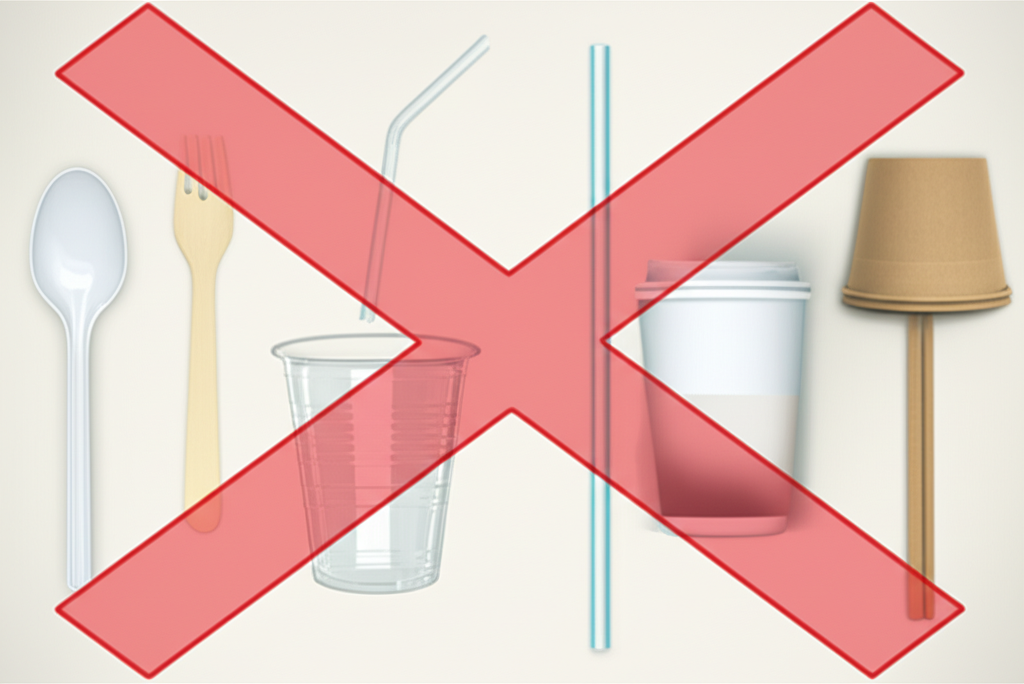
Die unmittelbarsten Auswirkungen auf die Beschaffung im Gastronomiebereich waren das völlige Verbot mehrerer gängiger Einwegartikel aus Kunststoff. Seit dem 3. Juli 2021 verbietet die EU das Inverkehrbringen von Plastikbesteck, Tellern (auch solchen mit Kunststoffauskleidung wie PE und PLA), Strohhalmen (mit Ausnahme für die medizinische Verwendung in Krankenhäusern für Patienten, die nicht in der Lage sind, selbstständig zu konsumieren), Getränkerührern, Wattestäbchen, Ballonstäbchen und Einweg-Lebensmittelbehältern aus expandiertem Polystyrol (EPS). Darüber hinaus sind alle Produkte aus oxo-abbaubarem Kunststoff in der gesamten EU generell verboten, was das Engagement für wirklich nachhaltige Alternativen widerspiegelt.
Die SUP-Richtlinie zielt auf hochwirksame Kunststoffartikel ab und erfordert ein klares Verständnis der Definitionen und Verbote für die Einhaltung der Lebensmitteldienstleistungen.
Direct Impacts on Foodservice Procurement: The Shift to Sustainable Alternatives
The outright bans necessitate an immediate and decisive material transition for foodservice businesses operating within the EU. Procurement teams must pivot away from traditional plastics towards a new generation of sustainable alternatives.
Immediate Material Transition
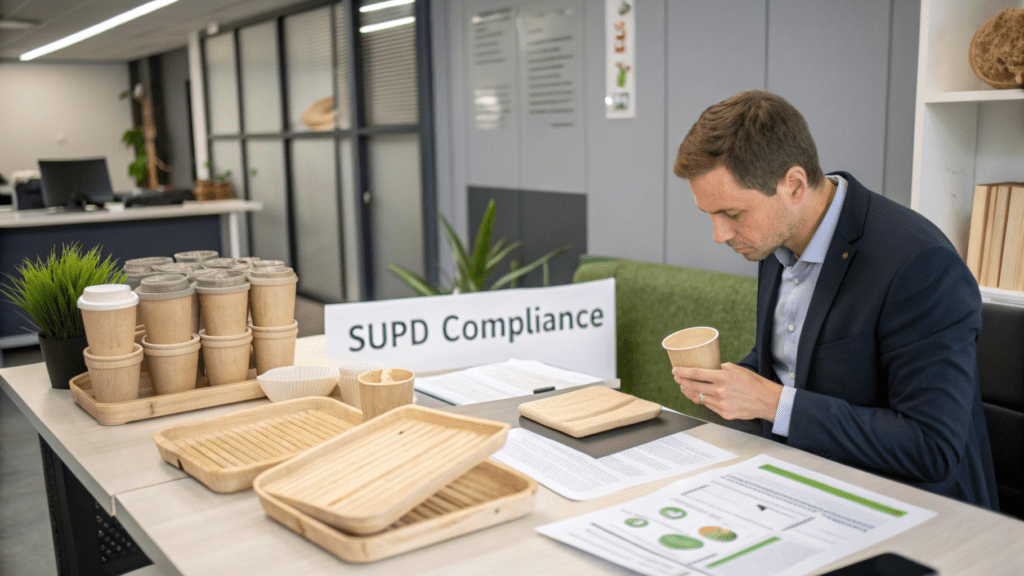
Businesses are now sourcing items made from materials such as unlined paper, molded fiber, bamboo, husk, bagasse/corn starch, and other plant-based materials like palm leaf or areca. This shift is not merely about finding a substitute but about integrating a new material philosophy into the entire supply chain. For example, considering options like innovativeKaffee gemahlene Strohhalmecan help businesses meet sustainability goals while offering unique customer experiences.

Reduction Targets for Consumption (from 2023)
Über völlige Verbote hinaus schreibt die Richtlinie den Mitgliedstaaten vor, den Verbrauch von Einweg-Plastikbechern und Mitnahmebehältern mengenmäßig zu reduzieren. Ab 2023 müssen die Länder diese Reduktionsziele umsetzen, wobei die Verbrauchswerte von 2022 als Ausgangswert dienen und eine „messbare quantitative Reduzierung“ bis 2026 angestrebt wird. Dies erfordert nicht nur Materialsubstitution, sondern auch Strategien zur Abfallreduzierung und möglicherweise einen Übergang zu wiederverwendbaren Systemen.
PFAS- und Chemikalienbeschränkungen (bis August 2026)
Die Landschaft der Lebensmittelverpackungen wird durch die neue Verpackungs- und Verpackungsabfallverordnung (PPWR), die auf „ewige Chemikalien“ abzielt, noch komplizierter. Bis zum 12. August 2026 wird diese Verordnung Per- und Polyfluoralkylsubstanzen (PFAS) in Lebensmittelverpackungen mit mehr als 25 Teilen pro Milliarde (ppb) für die gezielte PFAS-Analyse verbieten. Dieser strenge Grenzwert erfordert eine gründliche Überprüfung aller Barrierebeschichtungen und Lebensmittelkontaktmaterialien und drängt die Beschaffung auf PFAS-freie Lösungen, um erhebliche Compliance-Risiken zu vermeiden.
Eliminierung von Plastik in der Produktion (bis Januar 2030)
The PPWR also extends its reach to fresh produce. From January 1, 2030, single-use plastic packaging for unprocessed, fresh fruits and vegetables weighing less than 1.5 kilograms (kg) will be prohibited, with limited exceptions for specific needs like mitigating water loss or microbiological hazards. This future ban requires foresight in agricultural supply chains and packaging development.
Foodservice procurement must transition to sustainable materials, meet reduction targets, and prepare for PFAS and produce plastic bans.
Evolving Compliance & Operational Shifts Under the EU Single-Use Plastics Directive
The SUPD’s influence extends beyond material composition, encompassing labeling, producer responsibility, and product design.
Mandatory Labeling Requirements (Since July 2022)
Transparenz ist im Rahmen der SUPD von zentraler Bedeutung. Seit Juli 2022 müssen alle in der EU verkauften Einwegbecher, auch solche mit wässriger Auskleidung, ein auffälliges, gut lesbares und unauslöschliches Schildkrötenlogo „Kunststoff im Produkt“ oder „Hergestellt aus Kunststoff“ tragen. Diese Kennzeichnung informiert Verbraucher über den Kunststoffgehalt, die Umweltauswirkungen und die richtigen Entsorgungsmethoden und hat direkten Einfluss auf die Wahrnehmung und das Entsorgungsverhalten der Verbraucher.
Systeme zur erweiterten Herstellerverantwortung (EPR) (ab 31. Dezember 2024)
The “polluter pays” principle is a cornerstone of the SUPD. From December 31, 2024, producers will bear the financial responsibility for the collection, transport, treatment, cleanup of litter, and awareness-raising measures for specified SUP items, including food containers, packets, wrappers, beverage containers, cups, and lightweight plastic bags. These EPR schemes fundamentally alter the cost structure of packaging, making sustainable material choices more economically attractive in the long run.
Attached Caps and Recycled Content Goals (by July 2024)
Die Richtlinie befasst sich auch mit der Produktgestaltung zur Förderung der Recyclingfähigkeit. Ab Juli 2024 müssen bei Getränkebehältern bis zu drei Litern Flaschenverschlüsse und -deckel aus Kunststoff an den Behältern angebracht werden, damit diese nicht als separater Müll entsorgt werden. Darüber hinaus werden anspruchsvolle Ziele für den Recyclinganteil festgelegt: Bis 2025 müssen PET-Flaschen mindestens 25 % recycelten Kunststoff enthalten, bis 2030 soll der Anteil aller Kunststoffflaschen auf 30 % steigen. Dies steigert die Nachfrage nach Recyclinganteil und stärkt die Kreislaufwirtschaft.
Erhöhte Sammelziele
Um diese Recyclingziele zu unterstützen, legt die Richtlinie ehrgeizige Sammelziele für Plastikflaschen fest: 77 % bis 2025 und beeindruckende 90 % bis 2029. Die Mitgliedstaaten setzen verschiedene Strategien um, darunter Pfandrückgabesysteme, um diese Quoten zu erreichen. Das deutsche Pfandrückgabesystem weist beispielsweise bereits eine beachtliche Sammelquote von 98 % für Plastikgetränkeflaschen auf, was die Wirksamkeit solcher Systeme beweist.
SUPD schreibt Kennzeichnung, EPR-Systeme, angebrachte Obergrenzen, recycelte Inhalte und höhere Sammelziele vor und verändert damit den Gastronomiebetrieb.
Strategische Beschaffung zur Einhaltung der EU-Einwegkunststoffrichtlinie
Die Bewältigung dieser vielschichtigen Vorschriften erfordert eine strategische Überarbeitung der Beschaffungsfunktionen.
Neubewertung und Beschaffung von Lieferanten
The immediate task for procurement teams is to identify and onboard suppliers offering genuinely compliant alternatives. This involves thorough vetting for certifications (e.g., industrial compostability standard EN 13432), material composition, and supply chain reliability. Businesses must ensure that alternatives, such assustainable boba straw alternatives, not only meet regulatory requirements but also satisfy operational demands and customer expectations.
Cost Implications of Transition
While the long-term benefits of compliance are clear, the initial transition can present cost challenges. Biodegradable or compostable products may initially be more expensive than their plastic counterparts. However, these upfront costs must be weighed against the significant risks of non-compliance, potential fines, and the long-term savings from reduced EPR fees and enhanced brand value. For instance, Poland has already applied additional fees on single-use plastics from January 2024 (e.g., PLN 0.20 for cups, PLN 0.25 for food containers) to cover waste management, illustrating the direct financial impact of non-compliance.
Optimizing Logistics and Storage
Shifting to lighter, more compact sustainable alternatives can offer unexpected benefits. These materials can reduce transport carbon footprint and optimize storage needs, leading to operational efficiencies and potential cost savings in warehousing and distribution. This optimization plays a crucial role in building a more agile and sustainable supply chain.
Mini Case Study: Xylomatrix’s PFAS-Free Innovation
A prime example of compliance-driven innovation comes from Xylomatrix, a company providing biodegradable cellulose fiber packaging. Their solutions offer crucial water and grease barriers without relying on harmful PFAS chemicals, directly addressing the upcoming PPWR restrictions. Such innovations highlight how businesses can not only comply but also lead the market with safer, more sustainable products, building trust and reputation. Many leading foodservice operators in Europe are already requiring certified compostable packaging, demonstrating a market-driven shift.
Comparison Table: Single-Use Plastics vs. Compliant Alternatives
| Besonderheit | B2B Betriebswirkung | Compliance Note | ROI -Potenzial |
|---|---|---|---|
| Single-Use Plastic Cutlery (PS/PP) | High waste volume; ongoing disposal costs. | BannedEU-wide since July 2021 (Directive 2019/904/EU). | Negative: Risk of substantial fines, severe reputational damage, consumer backlash, market exclusion. |
| Molded Fiber Plates (Bagasse) | Requires new supplier relationships; potentially higher unit cost. | Compliantalternative, widely accepted in EU; often industrially compostable (EN 13432). | Positive: Enhanced brand image, meeting growing consumer and regulatory demand for sustainability, potential for reduced waste management costs (e.g., compostability), long-term operational stability by proactively avoiding future bans. Supports circular economy goals. |
| Single-Use Plastic Cups (PET/PP lined) | Consumption reduction targets; labeling requirements. | Reduction targetsfrom 2023; “Plastic in Product” label since July 2022. | Variable: Non-compliance risks (fines, public scrutiny); opportunity for cost savings via reduction initiatives; improved brand perception. Strategic shift to reusable options can yield significant long-term savings and stronger loyalty. |
| Reusable Container Systems | Investment in washing/sanitizing infrastructure; logistics for returns. | Mandatedfor on-site by 2030; takeaway options by February 2028 (with no extra charge). | High: Significant long-term cost savings by eliminating recurring purchase of disposables, strong sustainability leadership, improved customer loyalty, potential new revenue streams (deposit schemes), reduced reliance on fluctuating material costs. Drastically lowers environmental footprint and positions business as a market leader in sustainability. |
Strategic procurement involves re-evaluating suppliers, managing transition costs, optimizing logistics, and embracing innovative, compliant solutions.
Embracing Reusable Solutions & Future Outlook for Foodservice Procurement
The SUPD and subsequent regulations clearly signal a strong push towards reusable systems, emphasizing a shift from single-use material substitution to systemic change.
Future Bans in HORECA (by 2030)
The trajectory of regulation is clear: by 2030, single-use packaging will be prohibited for certain foods and beverages consumed on-site at hotels, restaurants, and catering establishments. This extends to individual portion containers, such as creamers, sugar packets, and condiment sachets. This impending ban requires foodservice operators to invest in reusable crockery, cutlery, and condiment dispensers.
Customer’s Own Container Option (by February 2027)
To foster a culture of reuse, foodservice establishments will be required, by February 2027, to offer and actively inform consumers about the option of bringing their own containers for takeout food and beverages, at no extra charge. This necessitates operational readiness to handle customer-provided containers hygienically and efficiently.
Mandatory Reusable Takeaway Options (by February 2028)
Complementing the “bring your own” initiative, businesses must, by February 2028, provide and inform consumers about a reusable takeaway container option, also at no extra charge. This could involve deposit-return schemes or subscription models, pushing procurement towards managing a fleet of durable, food-grade reusable containers.
National Adaptations and Fees
While the directive sets EU-wide standards, Member States retain some flexibility in implementation and can introduce additional measures. For example, countries like Spain aim for a 50% reduction in single-use plastic by 2026 and 70% by 2030 by weight, compared to 2022 data. Such national targets create a patchwork of regulations that procurement must navigate, highlighting the need for a pan-European strategy with local adaptability.
Driving a Circular Economy
The overarching goal of these regulations is to drive a truly circular economy for plastics. The EU Single-Use Plastics Directive is projected to yield substantial environmental benefits, including a reduction in greenhouse gas emissions by 2.63 million tonnes annually and a decrease in marine pollution from single-use plastics by 4,850 tonnes per year. This commitment to sustainability offers a powerful narrative for businesses to connect with environmentally conscious consumers and stakeholders.
The future of foodservice procurement lies in embracing reusable systems and adapting to national regulations to drive a circular economy.
Conclusion: Future-Proofing Foodservice Procurement
The EU Single-Use Plastics Directive, along with the subsequent Packaging and Packaging Waste Regulation, is not merely a collection of environmental regulations; it is a profound strategic shift that redefines operational excellence and competitive advantage for foodservice procurement. By proactively embracing sustainable alternatives, integrating robust reusable packaging systems, and adapting to evolving Extended Producer Responsibility schemes, businesses can unlock significant operational efficiencies, stabilize costs, and mitigate regulatory risks.
Beyond compliance, this transformation offers an unparalleled opportunity to enhance brand reputation, attract and retain customers, and secure a resilient, profitable future. Companies that demonstrate strong sustainability leadership will differentiate themselves in a crowded market, translating environmental responsibility into tangible business value and market share opportunity. Reducing reliance on fluctuating fossil plastic costs and optimizing logistics through lighter, more compact sustainable options or reusable systems can lead to substantial long-term cost savings.
Proactive compliance with EU SUPD future-proofs foodservice procurement, enhancing brand, profitability, and environmental legacy.
Act Now for a Sustainable Future
Review your current procurement strategies and align with the EU Single-Use Plastics Directive to build a resilient, compliant, and sustainable supply chain. Explore innovative solutions likeKaffee gemahlene Strohhalmeand othersustainable boba straw alternativesto lead the market. Don’t wait for the next regulatory deadline; transform your operations today to secure your competitive edge and environmental legacy. For comprehensive details on the directive, refer to theofficial EU information. You can also find valuable insights from industry experts atAranca on the directive’s implications. For a deeper dive into the broader regulatory landscape, consider exploring resources fromRethink Plastic Alliance.Contact Us for a Compliance Assessment