I. Einleitung: Mehr als nur eine Röhre
Haben Sie jemals viel über den Strohhalm in Ihrem Getränk nachgedacht? Wahrscheinlich nicht. Es ist ein bescheidener Kanal, ein unscheinbarer Vermittler flüssiger Erfrischung. Doch dieses scheinbar einfache Utensil hat eine überraschend reiche Geschichte und eine überraschend kontroverse Gegenwart!
Was ist die große Sache, fragen Sie? Grundsätzlich dienen Strohhalme der Bequemlichkeit, der Hygiene und der Erfüllung spezifischer Bedürfnisse. Für manche sind sie eine Frage der Präferenz. Für andere sind sie beispielsweise nach zahnärztlichen Eingriffen funktionell unverzichtbar. Für wiederum andere, insbesondere Menschen mit Behinderungen, die ihre Mobilität oder das Schlucken beeinträchtigen, sind sie für die unabhängige Flüssigkeitszufuhr unerlässlich. Die Notwendigkeit des Trinkhalms ist weitaus nuancierter, als den meisten Menschen bewusst ist.
Die Reise des Strohs beginnt in der Antike. Von antikem Luxus bis hin zu modernen Öko-Schlachten – bereiten Sie sich auf eine wilde Fahrt vor!
II. Die Original Sippers: Eine Reise durch die Zeit
A. Antike Ursprünge:
- Bieruhr im sumerischen Stil (3000 v. Chr.): Imagine this: Mesopotamia, 3000 BCE. Beer is less a beverage and more a fermented gruel, complete with solids. The solution? Elaborate gold and lapis lazuli straws, designed to navigate the chunky depths of ancient beer. Talk about fancy! It’s a scene that blends decadence with practicality, a testament to the ingenuity of our ancestors.
- Other Early Innovators: Our thirst for convenient sipping predates even the Sumerians. Evidence points to metal “sceptres” from the Maykop culture serving a similar purpose. And in ancient China, hollow plant stalks were likely the forerunners of the more refined straws to come.
- The Bombilla: Fast forward to 16th-century South America, where we encounter the Glühbirne. This metal straw with a built-in filter remains essential to the ritual of drinking yerba mate. The bombilla shows how innovation can arise from necessity, crafting a tool perfectly suited to its purpose.
B. The (Soggy) Natural Era:
- Rye Grass Woes (1800s): Enter the 1800s, an era of burgeoning industrialization and questionable agricultural practices. Cheap rye grass straws became popular, yet quickly got mushy and imparted a grassy flavor to the drink.

C. The Game Changers:
- Marvin C. Stone’s Eureka Moment (1888): Ein ruinierter Mint Julep führte zur Erfindung des modernen Papierstrohhalms – gewachst und wunderbar! Die Massenproduktion begann und verwandelte den Strohhalm von einer handgefertigten Kuriosität in einen leicht verfügbaren Gebrauchsgegenstand. Stones einfache Erfindung, die aus Frustration entstand, markierte einen Wendepunkt in unserer Beziehung zu Wegwerfkomfort.
- Joseph Friedmans Bendy Brilliance (1937): Ein Vater, ein Milchshake und die Geburt des flexiblen Strohhalms! Der flexible Strohhalm wurde ursprünglich für Krankenhauspatienten entwickelt und verbesserte die Zugänglichkeit.

D. Die Plastikübernahme (1950er-1980er Jahre):
How did we arrive at our current predicament? Cheap manufacturing and the rise of fast food culture propelled plastic straws to the throne. Fun designs like “Krazy Straws” amplified the appeal, embedding them into the fabric of our consumerist society.
III. The Great Debate: Why Your Straw Became a Star
A. The Spark:
That viral 2015 sea turtle video. A graphic and emotional illustration of the consequences of plastic pollution.
B. Team Ban: Why many want plastic straws gone.
- Environmental Disaster: Plastic straws don’t biodegrade, breaking down into microplastics that permeate our ecosystems. They harm marine life through entanglement and ingestion. They are also difficult to recycle because of their size and material composition.
- Beyond the Straw: The anti-straw movement views straws as a symbolic battleground in the broader war against single-use plastics.
C. Team No-Ban / Nuance: The other side of the straw.
- A Drop in the Ocean?: Some argue that straws constitute a tiny fraction of total plastic pollution. Fishing gear, for instance, poses a significantly greater threat.
- The Accessibility Angle: Plastic straws are essential for many with disabilities impacting mobility, swallowing, or precluding the safe use of rigid alternatives. The “Placcess” movement highlights this critical need.
- Business Woes: Restaurants face higher costs associated with alternative straws. These costs might translate into price increases for consumers.
- Is it Just “Slacktivism”?: Concerns exist that banning straws may distract from addressing more systemic environmental issues.
D. Public Opinion: It’s Complicated!
- Love-Hate Relationship: Despite growing awareness of environmental concerns, many still prefer the familiar feel and functionality of plastic. At the same time, most are open to reducing their overall straw consumption.
- The Paper Straw Problem: The universal disdain for soggy paper straws is a well-documented phenomenon.
- Support for “Straw Upon Request”: A popular middle ground that balances environmental consciousness with individual needs.

IV. The Future is Flexible (and Edible!): Innovations on the Horizon
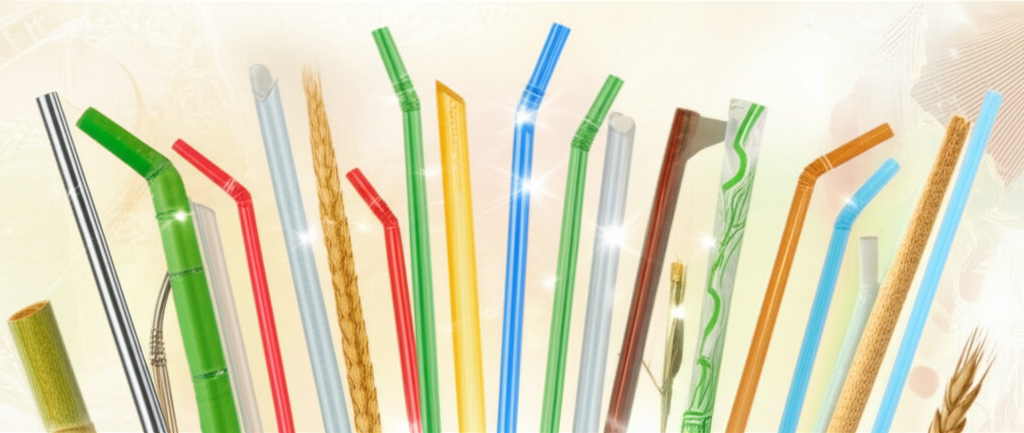
A. A Smorgasbord of Sustainable Materials:
- Paper’s Comeback: Stronger, less soggy, and PFAS-free versions are emerging.
- Plant-Powered Plastics: PLA, PHA, sugarcane, and agave-based bioplastics offer the look and feel of traditional plastic with the potential for biodegradability.
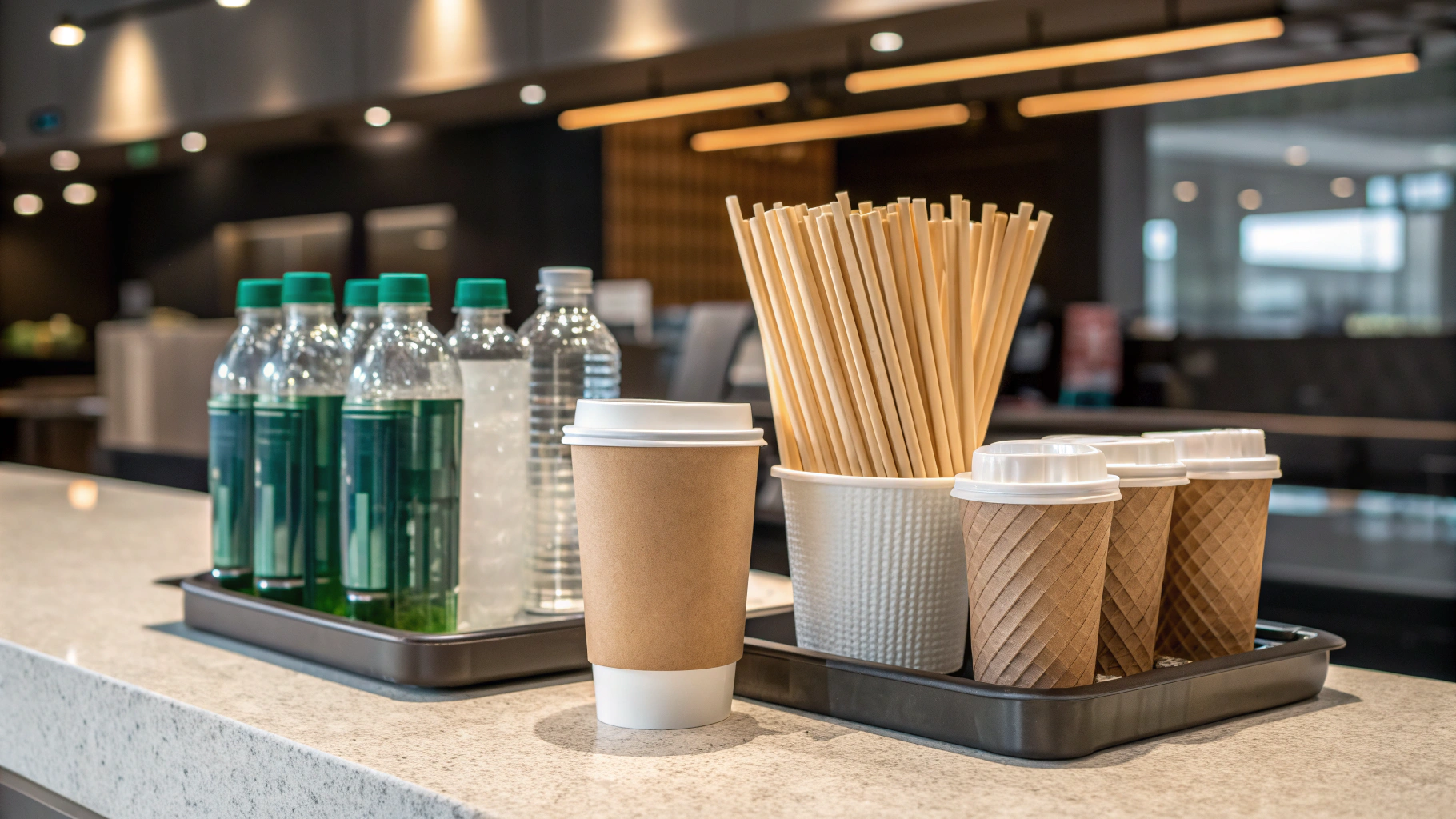
- Edible & Delicious: Straws crafted from rice, pasta, seaweed, and even fruit fibers offer a zero-waste solution.
- Natural Wonders: Bamboo, grass, and wheat straws offer a return to nature’s designs.
- Reusable, Evolved: Stainless steel (including collapsible designs!), shatter-resistant glass, and improved silicone offer durable and reusable options.
B. Tackling the Tough Stuff:
- Better Performance: Manufacturers are actively addressing the issues of sogginess and off-tastes.
- Cheaper & Greener: Economies of scale promise to drive down the costs of sustainable alternatives.
- Infrastructure Needs: The availability of adequate composting and recycling facilities is crucial.
C. Beyond the Straw: What’s Next?
- Smarter Supply Chains: AI and other technologies are being deployed to optimize the production and distribution of eco-friendly straws.
- The Carbon-Negative Dream: Imagine a straw that actively removes carbon dioxide from the atmosphere! Companies like BioCal™ are exploring this possibility.
- Broader Plastic Reduction: The straw debate has paved the way for a broader reevaluation of our reliance on single-use plastics.
V. Conclusion: The Little Tube That Could
A. Zusammenfassung:
The straw’s journey, from ancient luxury item to modern eco-warrior, mirrors our evolving relationship with consumption and sustainability.
B. Final Thought:
Der bescheidene Trinkhalm erinnert eindringlich daran, dass selbst die kleinsten Entscheidungen einen erheblichen Einfluss auf unseren Planeten haben können – und auf unser Trinkvergnügen!