Navigieren in kompostierbaren BPI-Lösungen: Eine strategische Notwendigkeit für Unternehmen
Unternehmen aller Branchen stehen vor einem beispiellosen Anstieg des Drucks, nachhaltige Praktiken einzuführen. Von sich verändernden Regulierungslandschaften bis hin zu gestiegenen Erwartungen von Verbrauchern und Stakeholdern ist die Umstellung auf umweltbewusste Abläufe nicht mehr optional, sondern eine strategische Notwendigkeit. Der weltweite Markt für kompostierbare Verpackungen ist ein Beweis für diesen unumkehrbaren Trend, der voraussichtlich ein atemberaubendes Ausmaß erreichen wird113,88 Milliarden US-Dollar bis 2030mit einer durchschnittlichen jährlichen Wachstumsrate (CAGR) von 6,5 %. Dieses exponentielle Wachstum unterstreicht ein klares Marktsignal: Nachhaltige Verpackungslösungen werden schnell zum Mainstream.
At the forefront of this transformation in North America stands BPI (Biodegradable Products Institute). Established in2002as a non-profit, multi-stakeholder association, BPI offers the “gold standard” for compostable products. For procurement managers, operations directors, sustainability officers, and supply chain executives in theGastfreundschaft und Lebensmittelservice Industrie, ist das Verständnis und die Nutzung der BPI-Zertifizierung von größter Bedeutung. Es geht nicht nur darum, Umweltziele zu erreichen; Es geht darum, den Ruf der Marke zu schützen, die Einhaltung gesetzlicher Vorschriften sicherzustellen und betriebliche Effizienzen freizusetzen, die zu Wettbewerbsvorteilen in einem sich schnell entwickelnden Markt führen. Dieses umfassende Playbook ermöglicht es B2B-Entscheidungsträgern, BPI-zertifizierte Materialien effektiv in ihre nachhaltigen Abfallmanagementstrategien zu integrieren und so Herausforderungen in Chancen für Wachstum und Umweltschutz zu verwandeln.Die Einführung kompostierbarer BPI-Lösungen ist für Hotel- und Gastronomieunternehmen von strategischer Bedeutung.
Decoding BPI Compostable: Certification & Compliance for B2B Decision-Makers
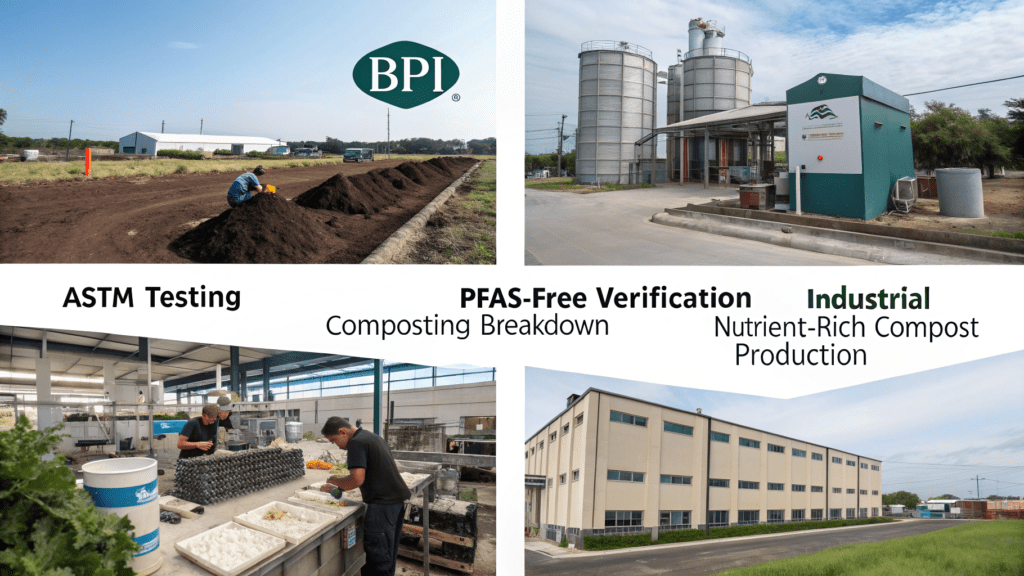
Understanding the intricacies of BPI certification is foundational for any business committed to genuine sustainability. BPI is a non-profit organization dedicated to ensuring that products meet rigorous scientific standards for compostability. Specifically, BPI-certified products must comply with ASTM D6400 (for compostable plastics) or ASTM D6868 (for biodegradable plastics used as coatings on paper and other compostable substrates). These stringent standards mandate a minimum of90% biodegradation within 90 daysin industrial composting facilities, without leaving any toxic residue.
Diese wissenschaftliche Genauigkeit ist von entscheidender Bedeutung, da sie ein wichtiges Problem der Branche angeht: das allgegenwärtige Problem des „Greenwashing“. Der Markt wird mit vagen und oft irreführenden Angaben wie „biologisch abbaubar“ oder „abbaubar“ überschwemmt. Im Gegensatz zu kompostierbaren BPI-Produkten fehlen bei diesen Artikeln oft überprüfbare Standards für den vollständigen Abbau und sie können Mikroplastik oder schädliche Rückstände hinterlassen, was echte Umweltschutzbemühungen zunichte macht. Zum Beispiel,Kalifornien AB 1201specifically bans uncertified “biodegradable” claims, highlighting the legal and reputational risks associated with non-compliant marketing. The official BPI swirl logo is therefore the key for identification, signaling compliance and providing assurance to both businesses and composting facilities that a product will truly break down. This distinction is vital for accurate waste stream diversion and preventing costly contamination. To delve deeper into these critical differences, refer to our comprehensive guide onBPI Compostable vs. Biodegradable: A Sustainability Guide.BPI certification ensures genuine compostability, preventing greenwashing and ensuring compliance.
Operationalizing BPI Compostable: Maximizing ROI and Sustainability Impact
Die Integration BPI-zertifizierter Produkte in Ihren Betrieb ist nicht nur eine Geste für die Umwelt; Es handelt sich um einen strategischen Schritt, der zu einem spürbaren ROI und erheblichen Auswirkungen auf die Nachhaltigkeit führen kann. Der Hauptvorteil liegt in der Erleichterung der echten Umleitung organischer Abfälle von Deponien. Wenn nicht kompostierbare Gegenstände organische Abfallströme verunreinigen, kann dies die Kompostierungsindustrie aufgrund erhöhter Betriebskosten für Sortierung und Entsorgung jährlich Millionen kosten. Indem Unternehmen sicherstellen, dass nur BPI-zertifizierte Artikel in den Kompoststrom gelangen, verhindern sie diese Kontamination und unterstützen die Produktion wertvoller, nährstoffreicher Erde.
This commitment to verifiable compostability also enhances brand integrity, a critical asset in an era of growing consumer demand for ethical and eco-conscious businesses. The global bioplastics market is projected to reach$33.3 billion by 2033, reflecting a CAGR of 10.18%. This growth is driven by increasing environmental awareness and a preference for eco-friendly products, underscoring that sustainability directly translates to market appeal and customer loyalty. Proper integration of BPI compostable materials can also lead to operational efficiencies and reduced waste disposal costs, especially in regions with established composting infrastructure. For B2B decision-makers in thehospitality sector, this shift is particularly relevant. Learn more about how to navigate these changes in our article onBPI Compostable Certification in Hospitality Sustainability.
Real-World Application: KFC Canada’s Commitment
Major corporations are already demonstrating the tangible benefits of this shift.KFC Canada, for example, has publicly aimed forall consumer-facing compostable packaging by 2025. This commitment showcases how integrating BPI-certified materials is a viable and impactful strategy for large-scale operations. Such initiatives not only align with sustainability goals but also resonate deeply with environmentally conscious consumers, strengthening brand perception and market position.
A Comparison: BPI Compostable vs. Conventional Packaging for B2B Operations
| Besonderheit | B2B Betriebswirkung | Compliance Note | ROI -Potenzial |
|---|---|---|---|
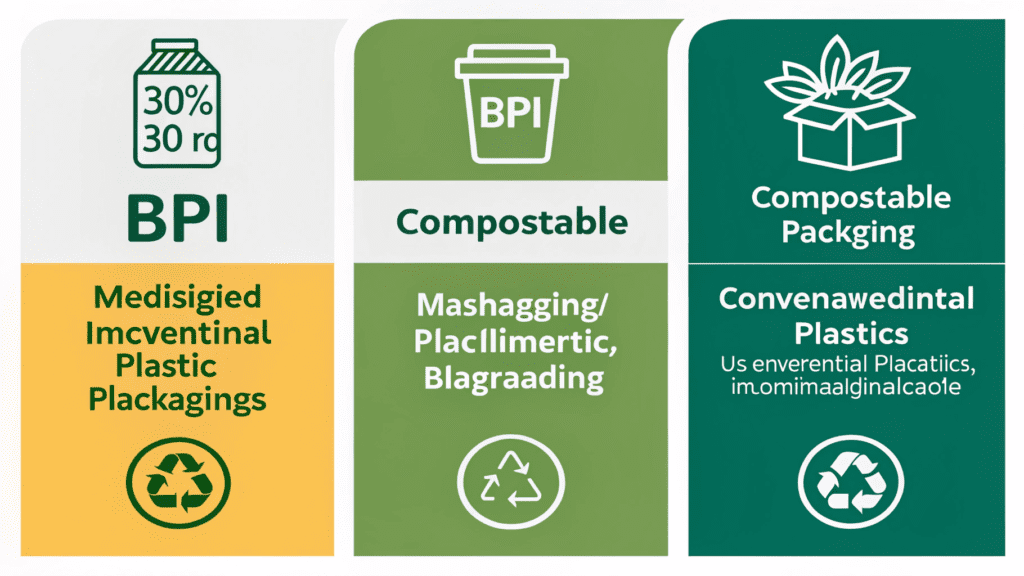
| BPI Compostable Packaging | Reduziert Deponiemüll; unterstützt organische Abfallströme; erfordert eine spezielle industrielle Kompostierungsinfrastruktur für eine ordnungsgemäße Aufteilung; minimiert die Kontamination im Kompost. | Erfüllt die ASTM D6400/D6868-Standards; vermeidet „Greenwashing“-Strafen (z. B. California AB 1201); Entspricht den sich entwickelnden Vorschriften wie California SB 54 (alle Verpackungen sind recycelbar/kompostierbar).2032); kann künftige Abfallsteuern/-gebühren senken. | Verbesserter Markenruf, der umweltbewusste Kunden und Partner anzieht; Potenzial für geringere Abfalltransportkosten, wenn eine Sammlung organischer Stoffe verfügbar ist; verbesserte ESG-Scores. |
| Konventionelle Kunststoffverpackungen | Niedrigere Vorabkosten; trägt erheblich zur Deponiebelastung bei; es mangelt an Kompatibilität mit organischen Abfallströmen; wirft langfristige Umweltprobleme auf. | Faces increasing regulations (e.g., plastic bans inover 60 countries by 2024); contributes to environmental fines/PR risk from non-compliance; potential for future taxes/fees on plastic usage (e.g., plastic taxes in Europe). | Short-term cost savings; long-term brand risk due to negative environmental perception; vulnerability to future regulatory penalties and supply chain disruptions. |
BPI compostable products offer significant ROI through waste diversion and enhanced brand integrity.
The Core Directive: Disposing of BPI Compostable via Industrial Composting Facilities
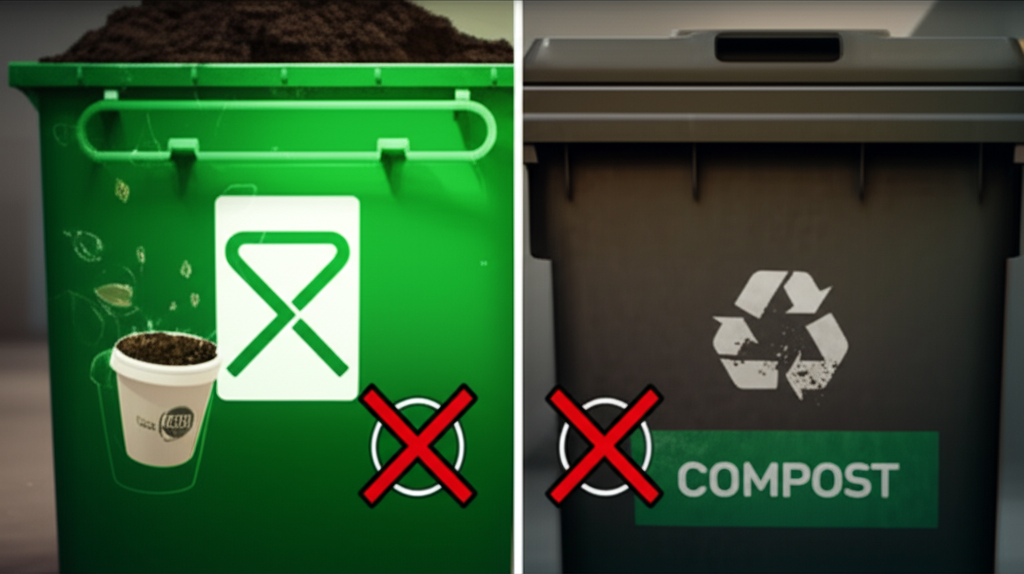
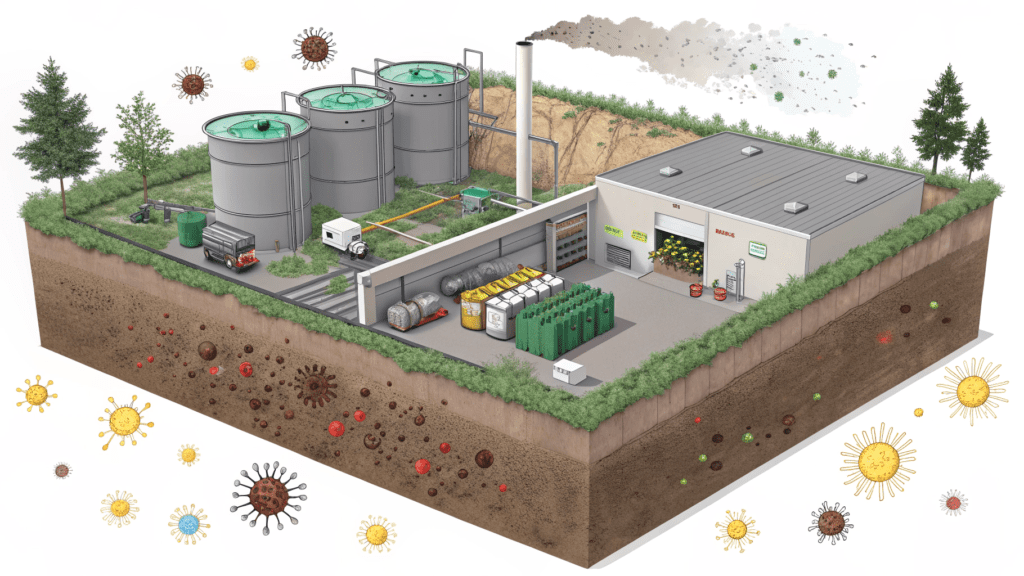
The success of BPI compostable products hinges entirely on their proper disposal.Industrial composting facilities are theonlycorrect disposal routefor BPI-certified items. These facilities are specifically engineered to provide the high temperatures (often exceeding 130°F), optimal moisture, and controlled aeration needed for BPI-certified materials to achieve their mandated90-day breakdown.
For procurement and operations managers inhospitality and foodservice, this means a critical need to“Check Local Guidelines.”Municipal waste authorities are the definitive source for local composting rules. It is vital to confirm whether local programs and facilities accept BPI-certified plastics, as policies can vary significantly. For instance,Ann Arbor ceased accepting plastic BPI-certified items in 2024, now only accepting fiber and paper-based compostables. This highlights the dynamic nature of local infrastructure and the need for continuous vigilance.
Acrucial rule:DO NOTLegen Sie kompostierbare BPI-Artikel in herkömmliche Recyclingbehälter. Sie unterscheiden sich grundlegend von herkömmlichen Kunststoffen, Metallen oder Papier. Sie werden aus pflanzlichen Materialien wie Polymilchsäure (PLA) oder Pflanzenfasern hergestellt und erfordern für den Abbau mikrobielle Maßnahmen und kein mechanisches Recycling. Durch die Entsorgung in Recyclingbehältern wird der Recyclingstrom verunreinigt, was zu erhöhten Verarbeitungskosten und der Deponierung ansonsten recycelbarer Materialien führt. Ebenso ist die Hinterhofkompostierung für BPI-Produkte im Allgemeinen ungeeignet, da die Bedingungen für einen vollständigen Materialabbau nicht ausreichend und inkonsistent sind. Ohne Zugang zu einer industriellen Kompostieranlage oder einem lokalen Programm, das kompostierbare BPI-Artikel akzeptiert, bleibt die verantwortungsvollste Entsorgungsmethode der normale Müll, obwohl dann die Umweltvorteile der Kompostierung verloren gehen.Industrial composting is the only correct disposal route for BPI-certified items.
Overcoming Hurdles: Challenges in BPI Compostable Infrastructure & Policy
Despite the clear benefits and growing market for compostable packaging, several systemic challenges impede the widespread adoption and effectiveness of BPI-certified solutions in thehospitality and foodservice supply chains.
Contamination remains a primary hurdle.When non-compostable items mistakenly enter the organic waste stream, they contaminate the compost, increasing operational costs for composting facilities by approximately17%in some cases, due to the need for manual sorting and removal. This issue stems largely from consumer confusion and inconsistent labeling. Indeed, a survey found that nearlya third of respondentsmistakenly put compostable packaging into recycling bins.
Limited access to industrial composting facilitiesposes another major challenge. Only an estimated15% of North American facilitiesare currently equipped to accept bioplastics. This infrastructure gap means that even when businesses procure BPI-certified products, the necessary end-of-life processing may not be available in their region, leading to landfill disposal and negating the intended environmental benefits.
Regulatory hurdles also persist. The ongoingUSDA National Organic Program (NOP) debateis a significant example; current rules prohibit compostable bioplastics in certified organic compost, forcing composters to screen them out if they wish to sell USDA-certified organic compost. Furthermore, while BPI certification is rigorous, it faces scrutiny. Expert opinions and debates persist regarding BPI’s role, including criticisms from organizations like Beyond Plastics concerning toxicity and board composition, which BPI refutes by highlighting its independent third-party testing process via DIN Certco and its strict standards, including the prohibition of intentionally added PFAS since 2020.
Strategic Solutions for Expanding BPI Compostable Adoption
Addressing these challenges requires a multi-pronged approach involving industry collaboration, policy advocacy, and public education:
- Standardized Labeling and Education Campaigns: Advocating for clear, standardized labeling, such as the How2Compost label, is crucial to reduce consumer confusion and improve sorting at the source. Robust education campaigns targeting businesses and consumers can significantly reduce contamination rates and ensure proper disposal.
- Infrastructure Development and Support: Supporting industry-wide efforts like the US Composting Infrastructure Coalition (USCIC) and legislative initiatives, such as the federal COMPOST Act, which provides grants for food scrap composting, is essential. The U.S. Senate’s Recycling and Composting Accountability Act (RCAA) also aims to improve data collection and explore national composting strategies, laying the groundwork for future infrastructure investments.
- Extended Producer Responsibility (EPR) Programs: Emphasizing the need for EPR programs, as mandated by California’s SB 54, can generate necessary funding for the expansion and improvement of composting infrastructure, shifting the financial burden from municipalities to producers. This aligns with broader efforts to achieve circular economy principles.
- BPI’s Pivotal Role: Underscoring BPI’s critical role in working with manufacturers and composters since 1999 to verify compliance with ASTM standards fosters composter confidence and ensures that certified products genuinely meet industrial composting requirements. This sustained collaboration is key to building a robust and reliable compostable supply chain. The certification for specific products like Strohhalme, for instance, reinforces trust in the market. More information on such product-specific certifications can be found at BPI Certified Compostable Straws: Hospitality Sustainability.
Overcoming BPI compostable hurdles requires collaboration, education, and infrastructure development.
The Growth Trajectory: Future of BPI Compostable in Sustainable Business
The future of BPI compostable materials in sustainable business is poised for significant expansion, driven by continuous innovation and a supportive policy environment. Market projections reinforce this optimistic outlook, indicating strong growth for compostable packaging, with some estimates reaching$132.86 billion by 2032at a CAGR of 6.51%. This growth is not just about volume but also about the evolution of materials.
Innovations in bioplastics, particularly advanced materials likePHA (Polyhydroxyalkanoate), offer promising solutions. PHA-based materials are industrially compostable, non-toxic, and crucially, do not generate microplastics, addressing key environmental concerns. These advancements are making compostable alternatives more versatile and economically viable across a broader range of applications relevant tofoodservice and hospitality.
Supportive legislation is also paving the way. The U.S. Senate’s aforementionedRecycling and Composting Accountability Act (RCAA), aimed at improving data collection and exploring national composting strategies, signals a growing federal commitment to composting infrastructure. Similarly, California’s ambitiousSB 54mandates that all packaging sold in the state be recyclable or certified compostable by2032, establishing a strong regulatory push towards sustainable materials.
BPI continues to guide this transition, actively collaborating with industry stakeholders—from manufacturers to composters—to align B2B practices with circular economy principles. As research into biodegradation and composting efficacy advances, the confidence in BPI-certified solutions will only strengthen. The trajectory is clear: BPI compostable solutions are central to achieving a truly circular economy, minimizing waste, and maximizing resource value.The future of BPI compostable materials is bright, driven by innovation and supportive legislation.
Häufig gestellte Fragen (FAQs)
What is BPI certification and why is it important for hospitality businesses?
BPI (Biodegradable Products Institute) certification ensures products meet rigorous ASTM standards for industrial compostability, breaking down within 90 days without toxic residue. For hospitality, it’s crucial for genuine organic waste diversion, avoiding greenwashing, enhancing brand reputation, and ensuring compliance with evolving regulations like California AB 1201.
How do I properly dispose of BPI-certified compostable items in my hotel or restaurant?
BPI-certified items must be disposed of in industrial composting facilities. Always check local municipal waste guidelines, as acceptance policies vary. Do NOT place them in traditional recycling bins or backyard compost, as this contaminates streams and prevents proper breakdown.
What are the ROI benefits of switching to BPI compostable packaging for foodservice operations?
Switching to BPI compostable packaging can enhance brand integrity, attract eco-conscious customers, potentially reduce waste hauling costs in areas with organic collection, and improve ESG scores. It also prevents costly contamination of organic waste streams, saving the composting industry millions annually.
Are there specific challenges in implementing BPI compostable solutions in large-scale hospitality settings?
Yes, challenges include consumer and staff confusion leading to contamination, limited access to industrial composting facilities (only ~15% in North America accept bioplastics), and evolving regulatory hurdles like the USDA NOP debate. Education and infrastructure development are key to overcoming these.
How can procurement managers ensure their BPI compostable product sourcing is effective and compliant?
Procurement managers should prioritize suppliers offering products with the official BPI swirl logo, verify local composting infrastructure, and educate staff on proper sorting. Staying informed on regulations like California SB 54 and supporting EPR programs will also ensure long-term compliance and impact.
Conclusion: Paving the Way for a Truly Circular BPI Compostable Economy
Navigating BPI compostable solutions is no longer a niche concern but a strategic imperative for modern B2B operations. By understanding the rigorous distinction of BPI certification, embracing proper industrial disposal protocols, and actively advocating for critical infrastructure development, businesses can unlock significant environmental and operational benefits. The robust growth of the compostable packaging market underscores a collective commitment to sustainability that permeates consumer demand, regulatory frameworks, and corporate social responsibility.
Businesses inhospitality and foodservicethat proactively assess their current waste streams, partner with BPI-certified suppliers, and educate their teams will be best positioned to drive sustainable change. This proactive approach not only enhances an organization’s environmental impact but also bolsters brand reputation, ensures long-term regulatory compliance, and secures a competitive edge in a market increasingly prioritizing eco-conscious practices.
Assessyour current waste streams,partnerwith BPI-certified suppliers, andeducateyour teams to drive sustainable change and enhance your organization’s environmental and commercial impact today.Proactive BPI compostable adoption enhances environmental impact, reputation, and competitive edge.