En el bullicioso mundo de la hostelería, cada centavo cuenta. Si bien los grandes gastos a menudo captan la atención, son los costos aparentemente menores, y a menudo pasados por alto, de los consumibles cotidianos de la barra, como pajitas, agitadores y guarniciones, los que en conjunto pueden erosionar sus márgenes de ganancias. Muchos propietarios de bares son muy conscientes de que los costos operativos mensuales pueden ser asombrosos, alcanzando hasta$166,000, donde el inventario (costo de bienes vendidos o COGS) por sí solo representa25-45%de las ventas totales de bebidas (Restaurant Business Online, 2023). Dentro de este panorama financiero crítico, cada elemento, por pequeño que sea, desempeña un papel fundamental.
A este escrutinio financiero se suma la creciente presión de los mandatos de sostenibilidad global y la evolución de las expectativas de los consumidores. Directivas como laLa prohibición de los plásticos de un solo uso en la UE, que entró en pleno vigor en julio de 2021, y movimientos legislativos similares en todo Estados Unidos, están transformando el panorama de la industria. Los clientes también exigen cada vez más opciones ecológicas, lo que hace que la sostenibilidad deje de ser una preocupación de nicho y se convierta en una expectativa generalizada (National Restaurant Association, 2022). Para los establecimientos que no se adaptan, los riesgos comerciales y de marca (desde multas hasta daños a la reputación y pérdida de patrocinio) se están volviendo demasiado importantes como para ignorarlos (Deloitte, 2023).
Conclusión clave:Los costos de consumibles de los bares que se pasan por alto y las crecientes demandas de sostenibilidad plantean importantes riesgos financieros y de reputación para las empresas hoteleras.
Los propietarios de bares deben abordar los costos ocultos de los consumibles y los mandatos de sostenibilidad en evolución para proteger las ganancias.
Desenmascarar la ineficiencia: por qué la racionalización de SKU es fundamental para los resultados de su bar

Más allá de los costos obvios del licor, una inmersión más profunda en la cartera de consumibles de su bar a menudo revela ineficiencias significativas.Racionalización de SKUes el proceso sistemático de analizar y optimizar su oferta de productos para mejorar la eficiencia, reducir costos y aumentar la rentabilidad general. Para los elementos esenciales de la coctelería, esto significa examinar cada tipo y tamaño de pajita, agitador y guarnición que tenga.
Comience analizando el uso y la demanda. ¿Realmente necesita tres longitudes diferentes de pajitas o una multitud de estilos de agitadores? La identificación de SKU redundantes o de lento movimiento libera capital y espacio de almacenamiento valiosos. A continuación, evalúe el verdadero costo de servicio de cada artículo. Esto va más allá del mero precio de compra e incluye el almacenamiento, la manipulación y el gasto en residuos, que a menudo se pasa por alto. Comprender el impacto económico total de cada SKU de consumible le ayuda a distinguir entre elementos estratégicos esenciales para la imagen de marca o presentaciones de cócteles únicas y aquellos que pueden consolidarse o eliminarse sin disminuir la experiencia del huésped.
El juego de la guarnición también exige una atención meticulosa. Desde un toque estético hasta un auténtico generador de ganancias, las guarniciones pueden representar una parte significativa del costo de servir una bebida, y generalmente van desde$0.10 a $0.50 por cóctel. Calcular con precisión su contribución a los costos directos es vital para optimizar los costos de vertido y las estrategias de fijación de precios. Implementar “niveles paritarios” y recuentos regulares de inventario, a menudo integrados con suSistema de punto de venta (POS), es clave para minimizar el deterioro y el desperdicio, especialmente en el caso de artículos perecederos. Además, la eficiencia operativa se puede mejorar drásticamente mediante la preparación previa. La preparación previa de las guarniciones antes de las horas pico de servicio mejora la velocidad del camarero, reduce los costos de mano de obra y mejora el rendimiento, lo que en última instancia minimiza los tiempos de espera de los clientes y maximiza las ventas.
Conclusión clave:La racionalización de SKU y la gestión meticulosa de las guarniciones son cruciales para identificar ineficiencias y mejorar significativamente la rentabilidad de un bar.
La optimización de los consumibles de las barras mediante la racionalización de SKU y la gestión de guarniciones aumenta directamente la rentabilidad.
El cambio estratégico: implementación de un programa racionalizado de consumibles para barras

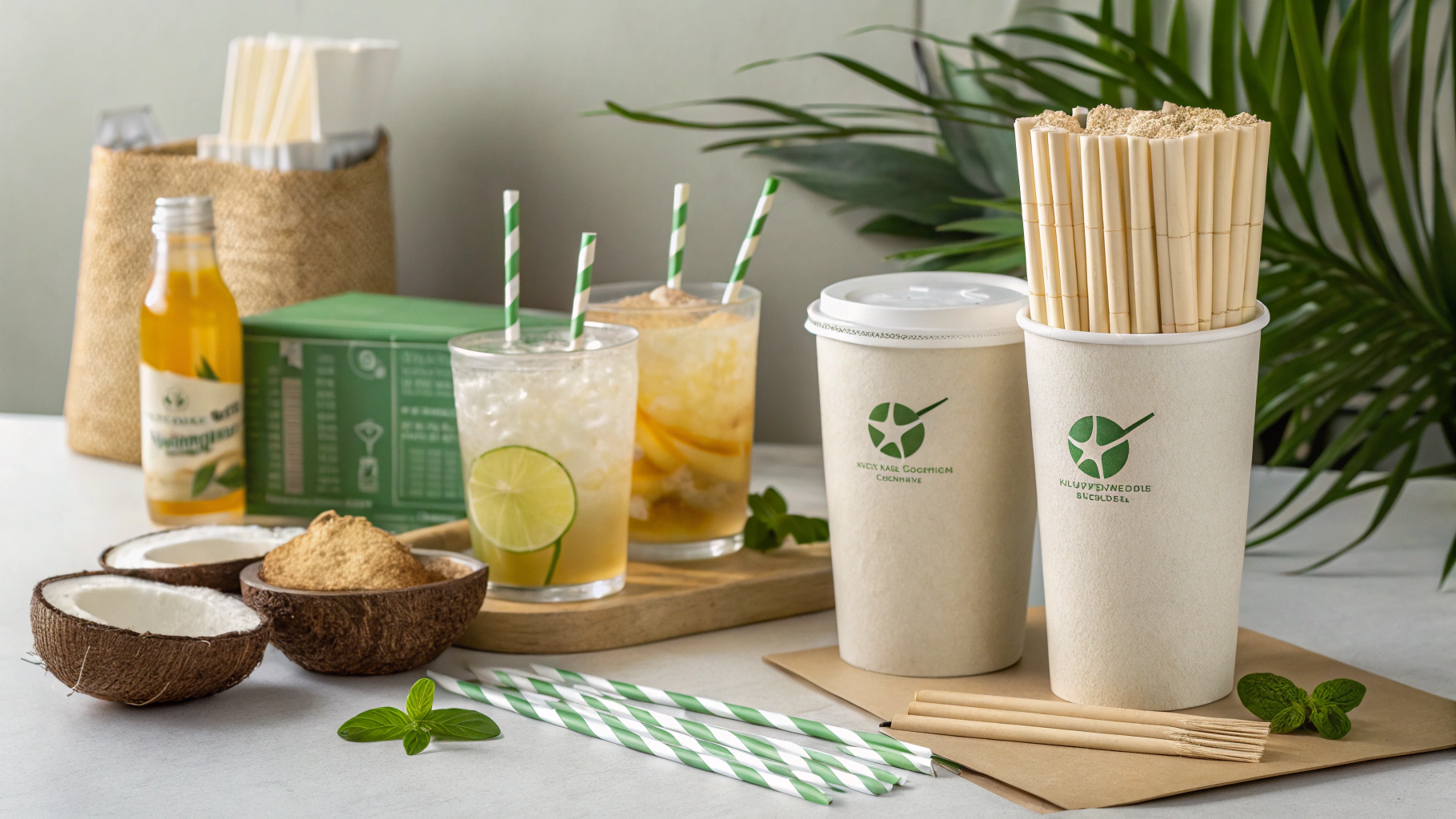
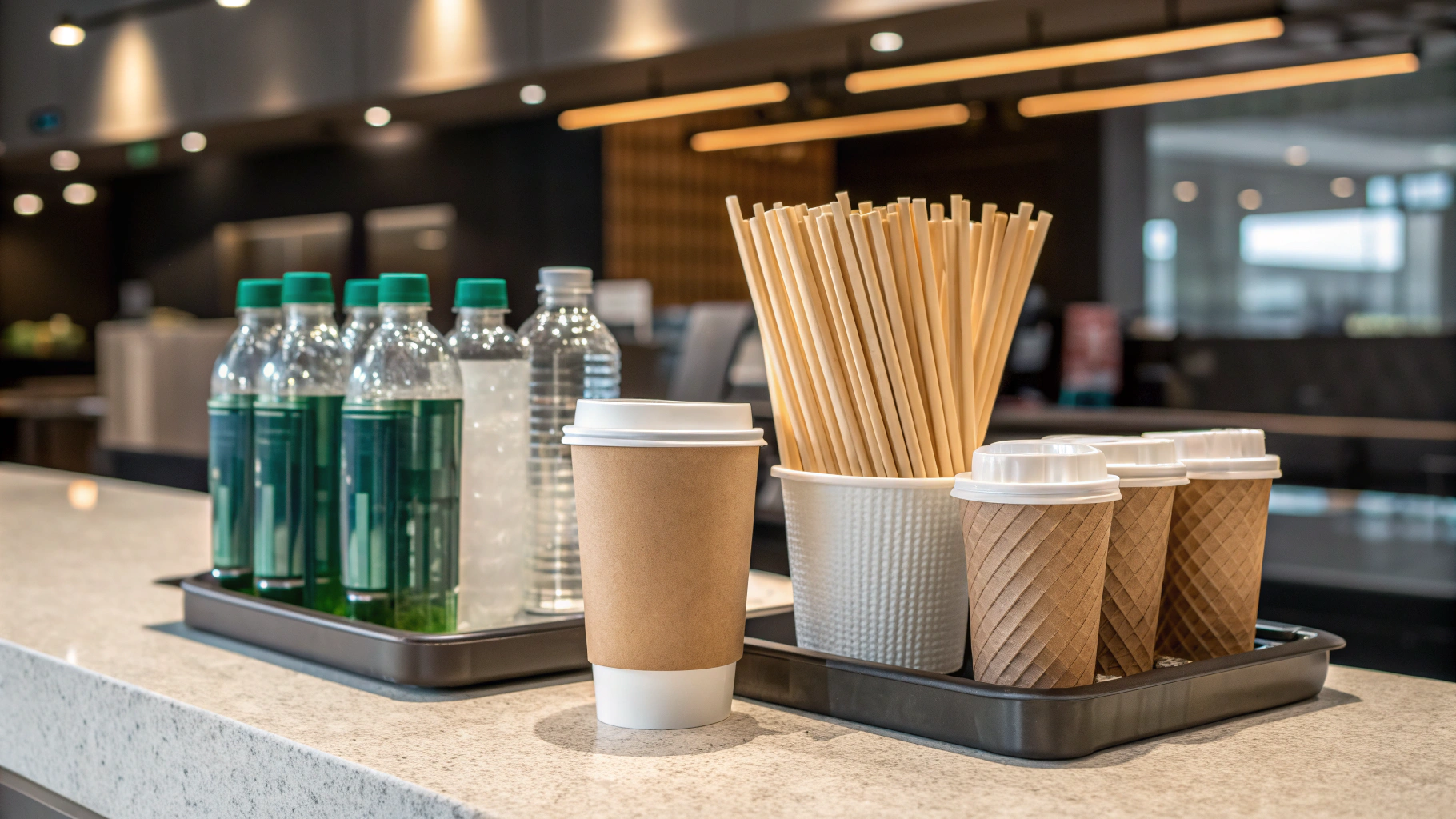
Adoptar un enfoque más sostenible en materia de consumibles para barras ya no es opcional; es un imperativo estratégico. El cambio a menudo comienza con la navegación por el complejo panorama de la paja sostenible. La evaluación de diversas alternativas (incluidos el papel, el bambú, el metal, el vidrio, la caña de azúcar y las pajitas de agave) requiere una cuidadosa consideración del costo, la durabilidad, el atractivo estético y la huella ambiental. Comprender los matices de cada opción es crucial para tomar decisiones de adquisición informadas que se alineen con su marca y sus necesidades operativas. Por ejemplo, si bien las pajitas de papel han tenido una adopción generalizada, su tendencia a empaparse a veces puede restar valor a la experiencia del cliente. Aquí es donde surgen opciones como las duraderaspajitas de fibra de bambúo entran en juego pajitas de caña de azúcar innovadoras. Muchos establecimientos hoteleros líderes han reducido con éxito el desperdicio de consumibles mediante la adopción de modelos de “pajita a pedido”, a menudo combinando esta política con alternativas premium y ecológicas. Este enfoque no sólo ahorra costes sino que también eleva la percepción de los huéspedes sobre el compromiso del establecimiento con la sostenibilidad. Las empresas que exploran nuevas vías pueden encontrar información valiosa sobre las tendencias y oportunidades de los mercados emergentes en el sector de las pajitas para cócteles ecológicas. Lea más sobre las últimas tendencias del mercado y oportunidades para pajitas de cóctel ecológicas en el mercado B2B:Tendencias y oportunidades del mercado de cócteles ecológicos para 2025: una perspectiva B2B.
Las pajitas de caña de azúcar son alternativas innovadoras a base de plantas que ofrecen alta durabilidad y compostabilidad para beber de forma sostenible.
Beneficios cuantificados de adoptar pajitas de caña de azúcar para tu bar:
- Reducir los residuos plásticos en un 100%: Eliminar directamente el consumo de pajitas de plástico de un solo uso, alineándose con los objetivos globales de sostenibilidad.
- Mejorar la satisfacción del cliente en un 15-20%: Los huéspedes aprecian las opciones ecológicas que no comprometen la calidad de las bebidas, lo que mejora la lealtad a la marca.
- Reduzca los costos de eliminación de residuos a largo plazo hasta en un 10%: Los materiales compostables reducen las contribuciones a los vertederos y las tarifas asociadas.
- Mejore la reputación de la marca y atraiga nuevos clientes: Posicione su bar como líder en prácticas sustentables, atrayendo a consumidores conscientes del medio ambiente.
Tabla de retorno de la inversión: pajitas de caña de azúcar frente a plástico tradicional (anualizado para una barra de gran volumen)
| Variable | Pajitas de plástico (anual) | Pajitas de caña de azúcar (anual) | Ahorros/beneficios potenciales |
|---|---|---|---|
| Costo unitario (por pajita) | ~$0.005 | ~$0.08 | Mayor coste unitario, pero compensado por otros factores. |
| Uso anual de paja (est. 200.000) | $1,000 | $16,000 | Aumento de costos directos de $15,000. |
| Costos de eliminación de residuos (est.) | $500 (vertedero) | $50 (abono) | $450 de ahorro |
| Fidelización de clientes/Negocios repetidos (aumento estimado del 5 %) | N / A | +$10,000 (ingreso estimado) | Mayores ingresos |
| Valor de reputación de marca | Neutro/Negativo | Positivo/Premium | Valor intangible, ventaja competitiva |
| Riesgo de Cumplimiento Normativo (Multas) | Alto (UE/EE. UU.) | Bajo | Evitar posibles multas (por ejemplo, entre 500 y 5000 € por incidente) |
| Impacto financiero neto (ilustrativo) | -$1.500 | -$5,950 (antes de ingresos/multas) | Retorno de la inversión a largo plazo a través de la marca, el cumplimiento y la retención de clientes. |
Cuando se trata de abastecimiento, las empresas pueden explorar una variedad de excelentes opciones ecológicas. Para profundizar en las soluciones disponibles, consulte nuestra guía completa sobreLas mejores soluciones ecológicas para pajitas para cócteles.
Industry Misconceptions & Clarifications
Mito: Las pajitas ecológicas siempre comprometen la experiencia del cliente.
Clarificación:Si bien las primeras pajitas de papel a menudo se empapaban, las innovaciones más recientes, como las pajitas de caña de azúcar, agave y fibra de bambú avanzada, ofrecen una durabilidad superior y una experiencia agradable para beber. Muchos clientes ahora prefieren opciones sostenibles, considerándolas una oferta premium en lugar de un compromiso. La clave es seleccionar el material adecuado para sus necesidades específicas y educar al personal sobre su uso y presentación adecuados.
Más allá de las pajitas, es primordial optimizar los agitadores y otros consumibles mediante un control inteligente de adquisiciones y de inventario. Implemente recetas de cócteles precisas que definan el uso exacto de los consumibles. Esta estandarización garantiza una calidad constante de las bebidas y costos predecibles. Aproveche las soluciones de software integradas para realizar un seguimiento en tiempo real del uso de agitadores y otros consumibles, minimizando los pedidos excesivos y el desperdicio. Los principales actores del sector hotelero, especialmente en Europa, están integrando rápidamente tecnologías avanzadassistemas de gestión de inventariopara agilizar estos procesos. Prácticas de adquisiciones estratégicas, como negociar precios al por mayor favorables con proveedores sostenibles líderes como¡HENO! pajitas,Vientre®, yCubiertos de madera Unitech, puede reducir significativamente los costos unitarios de artículos de gran volumen. Notablemente,pajitas de fibra de bambúestán surgiendo como una opción elegante y sostenible tanto para cócteles como para cócteles sin alcohol, ofreciendo una alternativa atractiva que resuena entre los consumidores conscientes del medio ambiente.
Conclusión clave:Los cambios estratégicos hacia consumibles sostenibles, como las pajitas de caña de azúcar, ofrecen un retorno de la inversión a largo plazo a través de una mejor reputación de la marca, el cumplimiento normativo y la lealtad del cliente, desacreditando los mitos sobre la experiencia comprometida.
La adopción de consumibles de barra sostenibles mejora la marca, garantiza el cumplimiento y mejora la percepción del cliente.
Prepare su barra para el futuro: ventaja competitiva mediante la gestión inteligente de consumibles
La decisión de racionalizar los consumibles de su barra va mucho más allá de la mera reducción de costos; es una inversión en el futuro de su bar. Al lograr importantes ahorros de costos, desbloquea capital que puede reinvertirse en innovación de menús, capacitación del personal o esfuerzos de marketing específicos, todo lo cual genera mayores ingresos por huésped. Esta agilidad financiera estratégica es un diferenciador competitivo en un mercado donde los gastos operativos mensuales exigen una vigilancia constante.
Además, al satisfacer la creciente demanda de los consumidores de abastecimiento ético y sostenibilidad, su establecimiento fortalecerá su marca y atraerá a un segmento cada vez mayor de clientes conscientes del medio ambiente. Este compromiso se traduce en una reputación mejorada y fomenta una mayor lealtad del cliente, ya que los huéspedes más exigentes buscan cada vez más negocios que se alineen con sus valores. En la altamente competitiva industria de los bares, que se prevé que siga creciendo tanto en EE. UU. como en Europa, diferenciar su establecimiento a través de la excelencia operativa y la gestión ambiental puede asegurar una posición líder en el mercado. Los principales actores, como los que adoptaniniciativas sin plástico, están estableciendo nuevos puntos de referencia.
En última instancia, la gestión inteligente de consumibles le permite innovar más allá del cumplimiento básico. Adopte decisiones de compra basadas en datos, explore materiales biodegradables de vanguardia e implemente principios de economía circular para generar resiliencia operativa a largo plazo. Este enfoque proactivo no sólo mitiga los riesgos regulatorios futuros, como los impuestos por laDirectiva de la UE sobre plásticos de un solo uso, pero también posiciona a su bar como un líder con visión de futuro en hotelería sostenible. No permita que los costos ocultos y las prácticas obsoletas comprometan la rentabilidad y la reputación de su bar. Programe hoy una evaluación gratuita del ROI de los consumibles de barras con nuestros expertos para identificar su potencial de ahorro inmediato y su hoja de ruta de implementación estratégica.
Conclusión clave:La gestión inteligente de consumibles prepara su bar para el futuro al generar ahorros de costos, mejorar la reputación de la marca, atraer clientes conscientes del medio ambiente y garantizar la resiliencia operativa a largo plazo.
La gestión proactiva de los consumibles garantiza la rentabilidad a largo plazo y posiciona a los bares como líderes sostenibles de la industria.