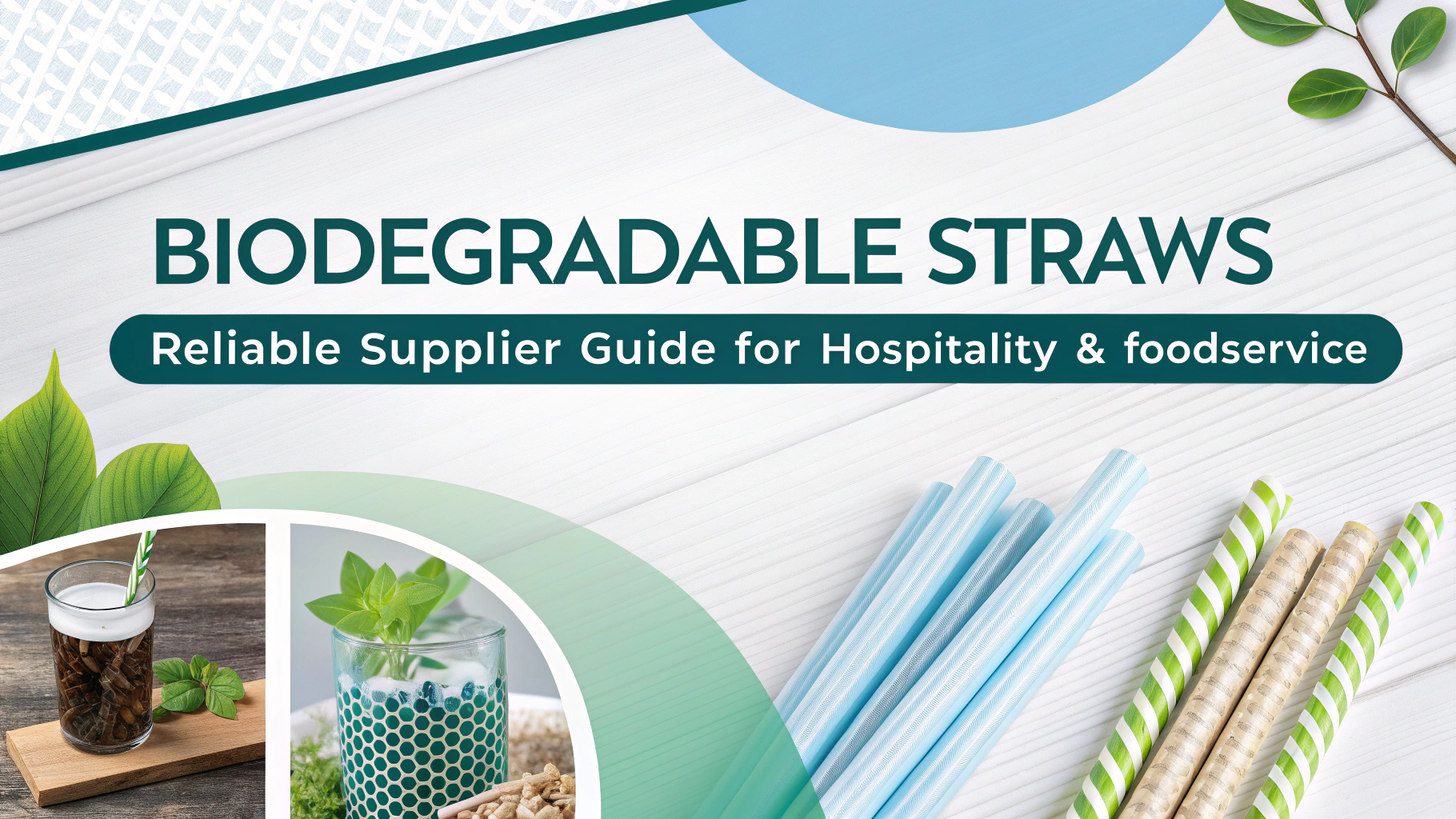
Can you chew or swallow sugarcane fiber? This seemingly simple question holds a complex answer, revealing the remarkable dual nature of sugarcane fiber – from an ancient treat to a modern marvel of sustainability.
Beyond the Sweetness – Unveiling Sugarcane Fiber’s Surprising Role
Can you chew or swallow sugarcane fiber? This seemingly simple question holds a complex answer, revealing the remarkable dual nature of sugarcane fiber – from an ancient treat to a modern marvel of sustainability. For generations, people worldwide have savored sugarcane for its sweet, refreshing juice, a natural delight enjoyed through simple, direct chewing. Yet, the fibrous residue left behind, known as bagasse, poses a unique challenge to our digestive system when consumed in its raw form.
Paradoxically, this very fiber is at the forefront of the eco-friendly revolution, transforming industries and redefining sustainable practices. Businesses, increasingly under pressure from consumers and regulators to adopt greener solutions, are discovering the profound industrial potential of sugarcane bagasse. It is being repurposed, re-engineered, and reimagined into a valuable, eco-conscious resource that drives genuine sustainability.
In the following sections, we’ll discover why raw sugarcane fiber is best spit out after its sugary essence is enjoyed, and how, in its meticulously processed form, it becomes an indispensable, eco-conscious solution for businesses seeking true environmental leadership and high-performance, compliant packaging. This dual narrative of indigestible raw material versus industrial opportunity highlights the innovative path toward a more sustainable future.
The Indigestible Truth vs. The Industrial Opportunity
Understanding sugarcane fiber requires looking at its two distinct forms: the raw, unprocessed plant material and the industrially transformed derivative. For businesses aiming for sustainability, this distinction is critical for both consumer communication and product development.
The Raw Reality: Why Chewing is Different from Swallowing
The practice of enjoying fresh sugarcane is a vibrant cultural tradition in many parts of the world. It’s a simple pleasure that involves the direct interaction with the raw plant, but it comes with a crucial, biological caveat.
Chewing for Juice: A Cultural Delight with Clear Boundaries
When people chew sugarcane, they are primarily engaging in a process akin to chewing gum. The goal is to extract the sweet, succulent juice locked within the tough, fibrous stalks. This involves an initial preparation: washing the cane thoroughly, cutting off about an inch from each end to remove any dried or less palatable parts, and then peeling the outer bark. Once peeled and portioned into manageable pieces (typically around 6 inches), the inner, fibrous flesh is chewed. As the teeth break down the plant’s cellular structure, the sweet juice is released and enjoyed. Beyond its delightful taste, this traditional chewing can even offer benefits such as natural teeth cleaning due to the abrasive action of the fiber.
La barrera indigerible: por qué los humanos no pueden procesar la fibra cruda
A pesar de su dulzor, el material fibroso que queda después de extraer el jugo, conocido como bagazo, es fundamentalmente indigerible para los humanos. La razón está en nuestra biología. La fibra de caña de azúcar se compone principalmente de componentes resistentes de la pared celular vegetal: celulosa, hemicelulosa y lignina. A diferencia de los animales rumiantes, los humanos carecen de las enzimas específicas (como la celulasa) necesarias para descomponer estos polisacáridos complejos en azúcares absorbibles. Incluso si las paredes celulares se descomponen completamente mediante una masticación vigorosa, la estructura química inherente de estas fibras sigue siendo resistente a las enzimas digestivas humanas. Es similar a intentar digerir la pulpa de madera; Si bien puedes masticarlo, tu cuerpo simplemente no tiene la maquinaria enzimática para convertirlo en nutrientes.
Posibles problemas digestivos: los riesgos de tragar bagazo crudo
Dada su consistencia dura, parecida a la paja o incluso a la madera, generalmente no se recomienda tragar grandes cantidades de fibra de caña de azúcar cruda. Si bien pequeñas cantidades accidentales pueden pasar a través del sistema digestivo de manera inofensiva para personas con una salud digestiva sólida, consumir volúmenes importantes puede provocar diversos trastornos digestivos. Estos pueden variar desde malestar e irritación en la garganta y el tracto gastrointestinal hasta, en casos graves y extremos, obstrucciones intestinales. La naturaleza física de la fibra no digerida puede ser abrasiva y difícil de procesar y eliminar para el cuerpo, lo que refuerza la sabiduría tradicional y la recomendación de los expertos: después de extraer el jugo dulce, el bagazo fibroso debe escupirse y desecharse de manera responsable.
The Industrial Revelation: Sugarcane Fiber Reimagined
While raw bagasse presents a digestive challenge for humans, its inherent properties make it an extraordinary resource when transformed through industrial processes. This pivot from an agricultural byproduct to a high-value industrial raw material unlocks its immense potential for sustainable business growth.
Transformation of Bagasse: From Waste to Wonder Material
The “indigestible” bagasse is no longer a waste product. Instead, it undergoes sophisticated industrial processing, including pulping, pressing, and molding, to create a versatile material. This transformation gives sugarcane fiber a new life, turning it into a cornerstone of the eco-friendly packaging and disposable products sector. Its fibrous structure, which makes it challenging for human digestion, provides excellent strength and form stability in manufactured goods.
Beyond Diet: Health Benefits ofProcessedFibra de caña de azúcar
It’s important to distinguish the raw, indigestible bagasse fromprocessedsugarcane fiber used in dietary supplements. When refined and incorporated into specific food products or supplements (e.g., powders or capsules), sugarcane fiber can offer considerable health benefits. Rich in both soluble and insoluble fiber, it is known for aiding digestion, promoting gut health by acting as a prebiotic (feeding beneficial gut bacteria), supporting bowel regularity, and preventing constipation. Furthermore, processed sugarcane fiber can assist in weight management by promoting feelings of fullness and has been linked to potentially lowering LDL cholesterol levels. This dietary context, however, is far removed from the raw, unprocessed material.
The Eco-Packaging Powerhouse: Bagasse for Sustainable Solutions
The most impactful industrial application of sugarcane bagasse for businesses lies in its emergence as a premier material for eco-friendly, biodegradable, and compostable food packaging. This is where MOMOIO.com’s expertise shines. Sugarcane bagasse products boast an impressive array of properties that make them superior to conventional alternatives:
- Safe for Food Contact: Unlike many plastics, bagasse-based packaging is inherently safe, non-toxic, and does not leach harmful chemicals into food or beverages, a critical concern for both consumers and regulatory bodies.
- Heat-Resistant and Microwave-Safe: Its natural structure allows it to withstand high temperatures, making it suitable for hot foods and microwave reheating, offering convenience without compromising safety or structural integrity.
- Durable and Functional: Processed bagasse offers robust performance, handling various food types and temperatures without quickly degrading or becoming soggy, a common issue with some paper alternatives.
- Truly Sustainable: Sourced from a rapidly renewable resource (a byproduct of sugar production), its use reduces reliance on virgin timber and fossil fuels, embodying true circular economy principles.
This industrial transformation makes sugarcane fiber an invaluable asset for businesses committed to sustainability, compliance, and consumer well-being.
Harnessing Sugarcane Fiber for Sustainable Business Growth
In today’s global marketplace, the shift towards genuine sustainability is no longer a niche preference; it’s a strategic imperative. Consumers are more environmentally aware than ever, and regulatory bodies worldwide are enacting stringent legislation to curb plastic pollution and promote circular economy principles. For B2B enterprises, embracing sugarcane fiber-based packaging is not just about meeting demand; it’s about leading in environmental responsibility, future-proofing operations, and building a resilient, ethical brand image.
Meeting the Demand for Genuine Sustainability
The market for eco-friendly products is booming, driven by a conscious consumer base that actively seeks out brands aligning with their values. Businesses that integrate truly sustainable solutions, like those derived from sugarcane fiber, gain a significant competitive edge. This commitment translates into enhanced brand reputation, increased customer loyalty, and access to new market segments that prioritize environmental stewardship. It’s an opportunity to move beyond mere compliance and become a frontrunner in the sustainable economy.
Navigating the Regulatory Landscape with Confidence
The complex and rapidly evolving regulatory environment for packaging demands careful attention. Missteps can lead to fines, reputational damage, and market exclusion. Sugarcane bagasse products, when properly certified, offer a clear and compliant path forward, especially in light of key global and regional frameworks.
EU Single-Use Plastics Directive (SUPD): A Game Changer
The European Union’s Single-Use Plastics Directive (SUPD), which came into force on July 3, 2021, represents a landmark effort to curb plastic pollution. It imposes a broad ban on certain single-use plastic items, including straws, cutlery, plates, and beverage stirrers. Crucially, the SUPD defines “plastic” broadly to include bioplastics and even biodegradable/compostable plastics if they are single-use. This means that many “eco-friendly” alternatives that still contain plastic components, even plant-based ones, are caught in the ban.
For businesses operating in or exporting to the EU, this directive pushes an urgent shift towards genuinely sustainable, non-plastic alternatives. Sugarcane bagasse products, by being entirely plant-fiber-based and free from plastic coatings or additives, offer a compliant and future-proof solution. They are designed to degrade naturally and effectively, aligning with the directive’s core objective of reducing environmental impact.
Compostability Standards – The Gold Standard for End-of-Life
Demostrar una verdadera compostabilidad es primordial para los envases ecológicos. Sin normas sólidas y reconocidas internacionalmente, las afirmaciones de “biodegradable” pueden fácilmente convertirse en un lavado verde. Estos estándares proporcionan un punto de referencia científico sobre cómo deben funcionar los materiales en las instalaciones de compostaje industrial.
- Normas Europeas (EN 13432): En Europa, la norma EN 13432 es el punto de referencia estricto para la compostabilidad industrial. Para alcanzar este estándar, los materiales de embalaje deben cumplir criterios rigurosos:
- Biodegradabilidad: Al menos el 90% del material debe biodegradarse en dióxido de carbono, agua y biomasa en un plazo de seis meses.
- Desintegración: En 12 semanas, al menos el 90% del material debe fragmentarse físicamente en pedazos menores a 2 mm.
- Composición química: Strict limits are placed on heavy metals and other regulated substances to ensure the resulting compost is non-toxic.
- Ecotoxicidad: The compost produced must not negatively impact plant growth.
- North American Standards (ASTM D6400 & D6868): Across the Atlantic, the American Society for Testing and Materials (ASTM) sets equivalent standards for compostability.
- ASTM D6400: “Standard Specification for Labeling of Plastics Designed to be Aerobically Composted in Municipal or Industrial Facilities” applies to plastic films and solid plastic products.
- ASTM D6868: “Standard Specification for Labeling of End Items that Incorporate Plastics and Polymers as Coatings or Additives with Paper and Other Substrates Designed to be Aerobically Composted in Municipal or Industrial Facilities” addresses composite products like plastic-coated paper.
These standards are critical for establishing credibility and ensuring that products genuinely contribute to organic waste diversion.
Tabla comparativa: Estándares de compostabilidad industrial
| Característica | EN 13432 (Europa) | ASTM D6400 / D6868 (North America) |
|---|---|---|
| Alcance | Materiales de embalaje | Plastics & products (D6400); Coated products (D6868) |
| Composting Type | Industrial Composting (55-60°C) | Municipal/Industrial Aerobic Composting (Thermophilic) |
| Biodegradación | ≥ 90% in 6 months (CO2 evolution) | 60% in 180 days (single polymers); 90% in 180 days (co-polymers) |
| Desintegración | ≥ 90% to < 2mm in 12 weeks | < 10% residue on 2mm sieve in 84-120 days |
| Metales pesados | Restricted limits | Restricted limits |
| Ecotoxicidad | No negative impact on plant growth | No negative impact on plant growth |
| Identification | Seedling Logo (via certifiers like TÜV AUSTRIA) | BPI Certification Mark |
Crucial Certifications for Credibility
Beyond the technical standards, independent third-party certifications are essential for market acceptance and consumer trust.
- Certificación BPI (Instituto de Productos Biodegradables): In North America, BPI certification is the gold standard for compostable products. This non-profit organization independently verifies that products meet ASTM D6400 and D6868 standards, ensuring they safely break down in commercial composting facilities. BPI maintains a searchable database of certified products, providing transparency and verifiable proof for businesses, composters, and consumers. Furthermore, BPI has implemented strict requirements regarding PFAS, ensuring that certified products contain no intentionally added fluorinated chemicals and have total organic fluorine below 100 ppm. This commitment to PFAS-free materials enhances the credibility and safety of BPI-certified products. For more information, visit BPI’s official website. [External link 1: bpiworld.org]
- TÜV AUSTRIA’s OK Compost: Globally recognized, TÜV AUSTRIA offers the “OK compost” certification.
- OK compost INDUSTRIAL certifies products meeting EN 13432 for industrial composting environments, often granting the “Seedling” logo.
- OK abono INICIO addresses the distinct conditions of home composting, ensuring biodegradability at lower, less consistent temperatures. These certifications provide undeniable proof of environmental claims, distinguishing truly compostable items from ambiguous “biodegradable” products.
Comparison Table: Key Compostability Certifications
| Característica | BPI Certification (North America) | TÜV AUSTRIA OK Compost (Global, Europe-centric) |
|---|---|---|
| Administering Body | Biodegradable Products Institute (Non-profit) | TÜV AUSTRIA (International certification body) |
| Primary Standards | ASTM D6400 & D6868 | EN 13432 (for Industrial); Internal standard (for Home) |
| Certification Logos | BPI Certification Mark | OK compost INDUSTRIAL / OK compost HOME (also Seedling for EN 13432) |
| Scope of Composting | Commercial/Industrial | Industrial (OK compost INDUSTRIAL) & Home (OK compost HOME) |
| PFAS Requirements | No intentionally added PFAS; <100 ppm total organic fluorine | Evaluates chemical composition; no specific explicit PFAS threshold in summary info but aligned with clean compost outcomes |
| Verification | Publicly accessible online database of certified products | Certification numbers and logos, often cross-referenced with standards |
The PFAS Imperative: Eliminating “Forever Chemicals”
Una preocupación crítica en el espacio de los envases ecológicos es el problema generalizado de las sustancias perfluoroalquiladas y polifluoroalquiladas (PFAS), a menudo denominadas "químicos permanentes". Estos compuestos se agregan con frecuencia a alternativas "ecológicas" como el papel y las pajitas de bambú para brindar resistencia al agua y la grasa. Sin embargo, la investigación ha revelado que muchos productos aparentemente ecológicos contienen PFAS, que pueden filtrarse en alimentos y bebidas, lo que plantea importantes riesgos para la salud y el medio ambiente debido a su persistencia y toxicidad.
This hidden problem led to critical legislation like California’s AB 1200, which, effective January 1, 2023, prohibits PFAS in paper, paperboard, or plant-based food packaging. Other states and the EU are also moving to restrict these chemicals. For businesses, guaranteeing PFAS-free products is no longer optional; it’s a compliance necessity and a moral obligation. MOMOIO.com’s unwavering commitment to PFAS-free products, meeting not only regulatory demands but also stringent certifications like BPI’s <100 ppm total organic fluorine limit, offers a truly safe and compliant solution. The shift away from PFAS is a cornerstone of genuine sustainability and consumer safety. For detailed guidance on avoiding deceptive environmental claims, the Federal Trade Commission (FTC) provides the Green Guides, which offer crucial insights for businesses.[External link 2: ftc.gov/green-guides]
Extended Producer Responsibility (EPR): Shifting the Burden
Extended Producer Responsibility (EPR) laws are a growing global trend, fundamentally reshaping how packaging waste is managed. EPR shifts the financial and, in some cases, operational responsibility for a product’s entire lifecycle – from design to end-of-life – from municipalities and taxpayers to the producers who introduce packaging to the market.
States across the U.S., including California, Oregon, and Minnesota, have enacted EPR legislation. These laws typically require producers to join Producer Responsibility Organizations (PROs) and pay fees, which are often “eco-modulated” – meaning fees are lower for packaging that is easily recyclable, compostable, or contains recycled content. For businesses, this creates a clear financial incentive to adopt truly recyclable or compostable packaging, like MOMOIO.com’s sugarcane bagasse products. By choosing materials that align with EPR principles, businesses can significantly reduce their financial obligations, ensure compliance, and contribute to a more circular economy, preventing their products from becoming a burden in landfills. Understanding these frameworks is vital for sustainable business strategy; a comprehensive resource on packaging EPR trends can be found at the Sustainable Packaging Coalition.[External link 3: sustainablepackaging.org]
FTC Green Guides: Avoiding Greenwashing Pitfalls
In the increasingly crowded market of “eco-friendly” products, avoiding greenwashing is critical for maintaining consumer trust and regulatory compliance. The Federal Trade Commission (FTC) Green Guides provide essential guidance for marketers to ensure their environmental claims are truthful, substantiated, and not misleading. These guides cover a wide range of claims, including “compostable,” “biodegradable,” and general environmental benefit claims. They emphasize the need for competent and reliable scientific evidence to back up all assertions. By adhering to the FTC Green Guides, businesses using sugarcane fiber products can confidently make substantiated environmental claims, reinforce their credibility, and protect their brand from accusations of deception. MOMOIO.com helps partners navigate these guidelines, ensuring their sustainability messaging is both accurate and impactful.
Momoio’s Solution: Sustainable Sugarcane Fiber Products
At MOMOIO.com, we harness the powerful resource of sugarcane fiber to create truly sustainable, compliant, and high-performance packaging solutions. Our commitment goes beyond merely offering alternatives; we provide products meticulously designed to meet the most rigorous global standards and address the complex regulatory challenges businesses face today.
Discover how MOMOIO.com leverages sugarcane fiber to offer superior, eco-conscious options:
- Momoio’s Sustainable Eco-Friendly Sugarcane Straws: Our sugarcane straws are a prime example of innovation meeting compliance. Certified compostable and rigorously tested to be PFAS-free, these straws offer a robust, functional, and environmentally responsible alternative to conventional plastics and even many problematic paper and bamboo options. They don’t get soggy, withstand various temperatures, and provide a premium user experience while ensuring your business stays ahead of regulatory curves. Explore our range of sugarcane straws and redefine your beverage service. https://momoio.com/sustainable-eco-friendly-sugarcane-straws/
- Momoio’s Biodegradable Food Packaging: Beyond straws, our commitment extends to a comprehensive suite of biodegradable food packaging options. From versatile containers to sturdy plates, each product is engineered from sustainable sugarcane bagasse, designed for optimal performance in various food service environments. These solutions are not only safe for food contact, heat-resistant, and microwave-safe, but they also meet stringent compostability standards, helping your business comply with evolving regulations like the EU SUPD and EPR mandates. Discover the full potential of truly sustainable food packaging. https://momoio.com/biodegradable-food-packaging/
- Momoio Bagasse Bowl: A standout in our collection, the Momoio Bagasse Bowl exemplifies the strength, versatility, and eco-credentials of sugarcane fiber. Perfect for soups, salads, and a variety of hot or cold dishes, these bowls offer exceptional durability and leak resistance. Like all our bagasse products, they are certified compostable, free from harmful chemicals, and designed to seamlessly integrate into circular economy initiatives. Elevate your takeout and dine-in experience with packaging that performs for your business and the planet. https://momoio.com/bagasse-bowl/
By partnering with MOMOIO.com, businesses can confidently navigate the complexities of environmental regulations, avoid the pitfalls of greenwashing, and make verifiable, positive environmental claims. Our certified, PFAS-free sugarcane fiber solutions empower your brand to genuinely embrace sustainability, meet growing consumer expectations, and lead the way towards a healthier planet.
Preguntas frecuentes
Centrado en PFAS, certificaciones y cumplimiento
Sí, se ha descubierto que algunas pajitas de origen vegetal, incluidas las de caña de azúcar, contienen múltiples compuestos de PFAS. Las PFAS son “sustancias químicas permanentes” persistentes y bioacumulativas relacionadas con la contaminación ambiental y los riesgos para la salud. Su presencia socava las afirmaciones de biodegradabilidad y compostabilidad y crea riesgos de cumplimiento y reputación de marca.
Dos vías principales: (1) agregado intencionalmente por los fabricantes para mejorar la resistencia al agua y la grasa; (2) contaminación no intencionada, como fibras recicladas que contienen PFAS, materias primas de suelo contaminado o agua de procesamiento. Esta complejidad resalta la necesidad de controles estrictos en la cadena de suministro y pruebas independientes.
UE: El Reglamento de Envases y Residuos de Envases (PPWR, 2025/40) prohíbe las PFAS en envases en contacto con alimentos a partir del 12 de agosto de 2026, con límites estrictos (25 ppb para PFAS individuales; 100 ppm de flúor total para la certificación de compostabilidad).
EE.UU: Estados como California (AB 1200, vigente desde enero de 2023) prohíben los envases de alimentos con fibra vegetal que superen las 100 ppm de flúor orgánico total o que contengan PFAS añadidos intencionalmente. Se están adoptando restricciones adicionales en Nueva York, Maine, Colorado y otros. La acción federal de la FDA y la EPA también está avanzando.
Busque certificaciones de terceros verificables. Certificado BPI productos (ASTM D6400/D6868, ≤100 ppm de flúor orgánico total) y TÜV OK Compost (Industrial/Hogar, alineado con EN 13432) garantiza una auténtica compostabilidad y un cumplimiento libre de PFAS. Solicite siempre certificados de análisis para cada lote de producción.
Biodegradable: Puede descomponerse en elementos naturales, pero el tiempo y las condiciones no están definidos. En los vertederos, esto a menudo no ocurre de manera efectiva.
Compostable: Diseñado para descomponerse en abono utilizable dentro de un período de tiempo establecido bajo condiciones específicas de compostaje (industrial o doméstico). Certificaciones como BPI, TÜV OK Compost, EN 13432, ASTM D6400/D6868 son fundamentales para verificar estas afirmaciones y evitar el lavado verde.