The escalating global plastic pollution crisis presents both a profound environmental challenge and an unprecedented commercial opportunity. As landfills overflow and marine ecosystems face catastrophic degradation from persistent plastic waste, the demand for sustainable alternatives has reached a critical juncture. Among these, eco-friendly straws have emerged not just as a responsible choice, but as a high-growth, **profitable export product** for discerning B2B procurement managers, operations directors, and supply chain executives in the hospitality and foodservice industries.
Ignoring this paradigm shift carries significant operational and commercial risks, including regulatory non-compliance, reputational damage, and the forfeiture of substantial market share. This comprehensive guide delves into the compelling market drivers, the tangible return on investment (ROI), and the strategic export methodologies that position eco-friendly straws as a cornerstone of future-proof procurement.
Sources: European Union Single-Use Plastics Directive (2019), U.S. “Break Free From Plastic Pollution Act of 2023” (proposed), UK Single-Use Plastics Ban (2020).
The Global Shift: Why Demand for Eco-Friendly Straws is Soaring
La transición para abandonar los plásticos de un solo uso no es una tendencia pasajera sino una recalibración fundamental de los patrones de consumo global. Este cambio monumental está impulsado por una confluencia de urgencia ambiental, mandatos legislativos y una conciencia del consumidor en rápida evolución.
Imperativo medioambiental: abordar la contaminación plástica
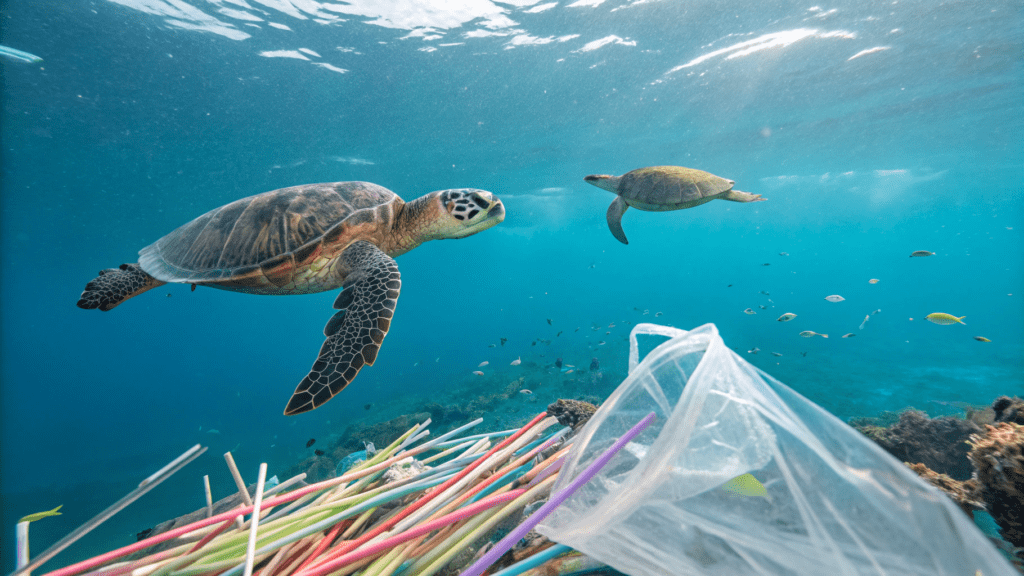
Plastic straws, often used for mere minutes, persist in the environment for hundreds of years, making them a potent symbol of our throwaway culture. Their eventual breakdown into harmful microplastics infiltrates marine ecosystems, posing severe threats to wildlife and entering the human food chain. This undeniable environmental impact has fueled a global outcry and heightened awareness, compelling businesses and governments alike to seek viable, **sustainable alternatives**. Companies that proactively address this imperative differentiate themselves, mitigating environmental liabilities and aligning with a global push for cleaner oceans and healthier planetary systems.
Regulatory Tailwind: Governments Mandate Sustainable Alternatives
Los gobiernos de todo el mundo están transformando las preocupaciones ambientales en políticas estrictas, haciendo que la adopción de pajitas ecológicas sea una necesidad regulatoria y no una opción opcional. La Directiva sobre plásticos de un solo uso de la Unión Europea, por ejemplo, prohíbe explícitamente las pajitas de plástico, lo que obliga a las empresas que operan dentro de la UE o exportan a ella a cambiar a opciones sostenibles. Acciones legislativas similares están proliferando a nivel mundial.
In the United States, numerous states and cities have enacted their own bans, creating a fragmented yet decisive market shift. China, a colossal market, phased out non-degradable single-use plastic straws in its catering industry by 2025, signaling a massive transition. Further solidifying this trajectory, the proposed U.S. “Break Free From Plastic Pollution Act of 2023” aims for all covered products and beverage containers to be reusable, recyclable, or compostable by 2033. The UK has also taken decisive action, with Wales and Scotland implementing bans on single-use plastic straws, and England following suit in October 2020. These regulations create an inescapable market demand for certified eco-friendly straws, turning compliance into a strategic export advantage.
Consumer Consciousness: Driving the Sustainable Wave
Beyond regulatory pressure, consumer behavior is a powerful catalyst. Market research indicates that a substantial 70-80% of consumers prefer eco-friendly products and actively seek out businesses committed to sustainable dining experiences. This burgeoning environmental consciousness directly influences purchasing decisions, with a growing willingness to support businesses that prioritize green options. For B2B entities, this translates into a clear message: offering eco-friendly straw solutions is not just about compliance, but about capturing and retaining the loyalty of an increasingly values-driven customer base. This growing preference applies across various service contexts, as explored in our Guía B2B para cócteles ecológicos, demonstrating the breadth of the market.
Global demand for eco-friendly straws is soaring due to environmental urgency, regulatory mandates, and evolving consumer consciousness.

Unpacking the Profitability of Eco-Friendly Straws as an Export Product
The convergence of environmental concern, regulatory action, and consumer demand has created a fertile ground for the eco-friendly straw market, transforming it into a significant export opportunity.
Market Projections: A Billion-Dollar Opportunity for Eco-Friendly Straws
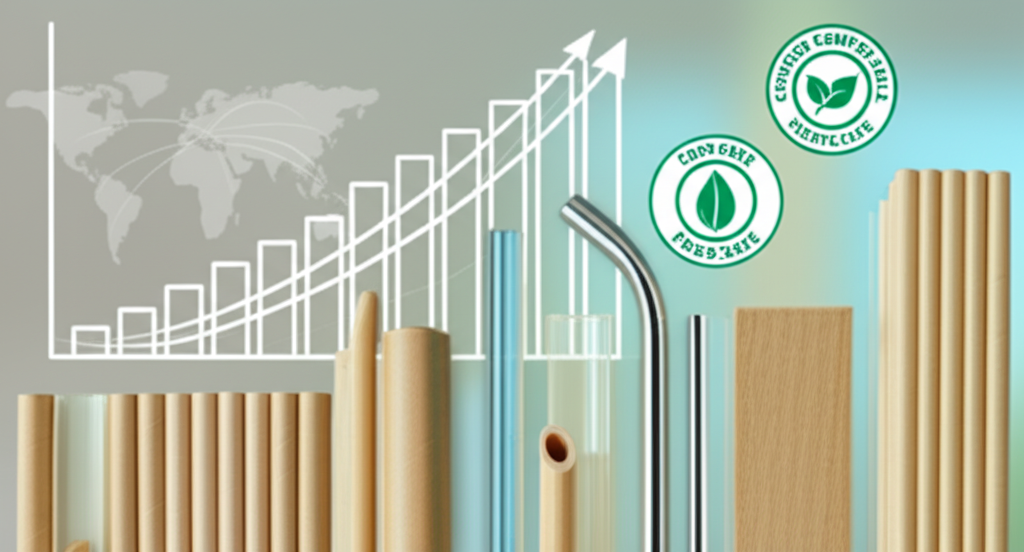
The financial trajectory of the eco-friendly straw market paints a compelling picture of profitability. The global eco-friendly straws market was estimated at approximately USD 12.3 billion in 2025 and is projected to nearly double, reaching USD 25.1 billion by 2035, demonstrating a robust Compound Annual Growth Rate (CAGR) of 7.3%. Other forecasts are even more optimistic, with projections seeing the market grow from USD 11.03 billion in 2024 to USD 19.36 billion by 2029 at an impressive CAGR of 12.0%. The biodegradable straws market specifically is forecasted for a remarkable 41.1% CAGR from 2024 to 2031, with some estimates placing its value at over USD 890 million by 2032. This substantial and consistent growth underscores the immense, long-term opportunity for businesses positioned to export these products.
Diverse Material Innovation: Catering to Global Needs
The eco-friendly straw market is characterized by dynamic material innovation, offering a spectrum of solutions to meet varied B2B requirements and consumer preferences. Paper straws currently dominate the market share, with virgin kraft paper accounting for approximately 38% of paper straw sales and recycled paper for around 22%. Bamboo straws also hold a significant 15% market share in the overall eco-friendly straw market and lead the reusable segment with a 36.5% share, prized for their natural aesthetic and durability.
Beyond these, advancements in plant-based bioplastics like Polylactic Acid (PLA) and Polyhydroxyalkanoates (PHA) are expanding choices, offering properties similar to traditional plastics but with biodegradability. Other innovations include durable glass, sleek metal, and even novel edible options crafted from rice, sugarcane, wheat, pasta, or coffee grounds. Manufacturers are continuously investing in enhancing product performance, such as developing water-resistant coatings for paper straws to improve durability and prevent sogginess, making them more appealing for diverse beverage service needs. These innovations ensure that B2B buyers can source products perfectly tailored to specific operational demands and sustainability goals.
Strategic B2B Adoption: Fueling Wholesale Demand for Eco-Friendly Straws
The wholesale demand for eco-friendly straws is primarily driven by large-scale B2B adoption across critical sectors. The foodservice industry, encompassing Quick Service Restaurants (QSRs), cafes, juice bars, and boba tea shops, is at the forefront of this transition. The hospitality sector, including hotels, resorts, and airlines, is also rapidly adopting sustainable straw solutions to enhance guest experience and comply with international standards.
Major global Food & Beverage chains, such as Nestlé, Starbucks, and McDonald’s, have already made significant shifts to eco-friendly straws, setting precedents for the wider industry. Prominent Vietnamese F&B chains like The Coffee House, Phuc Long, and Trung Nguyên have similarly transitioned to paper straws, reflecting a regional commitment to sustainability. This widespread adoption by industry giants, coupled with expanding demand from corporate events and institutional sectors, validates the scale and urgency of the B2B market. For procurement managers, understanding these industry-wide shifts is crucial for aligning with future supply chain demands. Learn more about the future of beverage service with eco-friendly options in our artículo dedicado.
The eco-friendly straw market is a multi-billion dollar opportunity driven by diverse material innovation and strategic B2B adoption.
Competitive Advantage & ROI: Leveraging Eco-Friendly Straws for Export Success
Beyond compliance and good corporate citizenship, strategic engagement with the eco-friendly straw market offers tangible competitive advantages and clear financial returns for businesses.
Enhancing Brand Image and CSR Credentials
En el mundo interconectado de hoy, la huella ambiental de una empresa impacta directamente la percepción de su marca y su atractivo en el mercado. La adopción de pajitas ecológicas es una forma visible e impactante de mejorar la reputación de la marca, atraer clientes conscientes del medio ambiente y alinearse con iniciativas vitales de Responsabilidad Social Corporativa (RSC). Esta postura proactiva transforma lo que podría percibirse como una carga regulatoria en una importante ventaja competitiva del mercado, lo que demuestra un compromiso con la sostenibilidad que resuena profundamente entre los consumidores y socios comerciales modernos. Este movimiento estratégico puede reducir significativamente los riesgos para la reputación y abrir puertas a nuevas asociaciones ambientalmente conscientes.
Estudio de caso: El auge de las exportaciones de paja ecológica de Vietnam
Vietnam ejemplifica el potencial lucrativo de las exportaciones de paja ecológica. Vietnam, reconocido por sus importantes oportunidades de exportación de pajitas sostenibles, se ha convertido en un proveedor clave para países con estrictas prohibiciones de plástico. Existe una gran demanda por parte de los países europeos, América del Norte, Corea del Sur y Japón de envases sostenibles fabricados en Vietnam, incluidas pajitas biodegradables.
Este aumento está impulsado por los esfuerzos activos de Vietnam para eliminar los plásticos de un solo uso en las zonas urbanas para 2030, alineando sus capacidades de producción nacional con las necesidades del mercado internacional. La región de Asia y el Pacífico, donde Vietnam es un actor clave, no sólo está experimentando un rápido crecimiento en la demanda de paja ecológica, sino que también está emergiendo como un importante centro de investigación, desarrollo y producción rentable. Este dominio regional mejora aún más el potencial de exportación, mostrando cómo los países pueden aprovechar la fabricación sostenible para asegurar una posición destacada en el mercado global.
Comparación de materiales de paja ecológicos para exportación
Choosing the right eco-friendly straw material for export requires a nuanced understanding of its features, B2B operational impact, compliance requirements, and ROI potential. The table below provides a concise comparison to guide procurement decisions:
| Característica | Impacto operativo B2B | Nota de cumplimiento | Potencial de retorno de la inversión |
|---|---|---|---|
| Papel | Cost-effective, widely accepted, single-use | Biodegradable, compostable (if certified) | High volume sales, strong initial market share |
| Bambú | Reusable, natural aesthetic, durable | Compostable, renewable, natural | Premium pricing, niche market appeal |
| Estampado | Compostable, clear appearance, rigid feel | Industrial compostable (ASTM D6400, EN 13432 certified) | Growing demand for bioplastics, innovation |
| Acero inoxidable | Highly durable, reusable, long-lasting | Food-safe, non-toxic, long-term | Higher upfront cost, significant long-term savings for B2B |
| Vaso | Reusable, elegant, transparent, fragile | Food-safe, recyclable, aesthetically appealing | Niche luxury market, reduced waste |
Each material offers distinct advantages, allowing B2B buyers to select products that align with their specific operational needs, brand positioning, and target market preferences. For example, restaurants seeking cost-effective, single-use solutions might prioritize certified paper straws, while high-end hospitality venues might opt for reusable stainless steel or glass to enhance their premium offerings. Considering the diverse needs of the foodservice industry, explore our guide to eco-friendly straws for restaurants for detailed insights.
Eco-friendly straws offer competitive advantages and clear ROI through enhanced brand image and diverse material options.
Navigating the Export Landscape: Certifications and Long-Term Viability of Eco-Friendly Straws
Success in the eco-friendly straw export market hinges on more than just product availability; it demands adherence to rigorous international standards and a clear understanding of long-term economic viability.
Importance of Certifications and Standards for Eco-Friendly Straws
For B2B buyers and exporters, certifications are non-negotiable. Ensuring products are BPA-free and food-safe is fundamental for consumer health and safety across international borders. More critically, for compostable straws, meeting specific biodegradation standards is paramount. This includes demonstrating that products break down within a defined timeframe and leave no toxic residue. Key international standards, such as ASTM D6400 (for compostability in North America) and EN 13432 (for compostability in Europe), are crucial for market access and credibility.
Partnering with manufacturers that adhere to these standards, often supported by industry associations like the Sustainable Packaging Coalition and national standards bodies, ensures product quality, safety, and regulatory compliance. This diligence mitigates risks associated with product recalls or market access restrictions, safeguarding your supply chain and brand reputation.
Cost-Effectiveness and Economies of Scale
While the initial production costs for certain eco-friendly straw materials may exceed those of traditional plastics, the long-term economic outlook is highly favorable. Investing in automation and leveraging larger-scale orders significantly reduces unit costs over time, allowing for competitive pricing in the global market. The robust and sustained demand, driven by regulatory mandates and consumer preferences, enables profitability despite any initial price differentials.
Furthermore, ongoing research and development efforts are continuously focused on lowering production costs and improving the affordability of sustainable alternatives. For reusable options like stainless steel or glass, the higher upfront cost is offset by significant long-term savings for businesses through reduced waste disposal fees and repeated use. Companies that strategically invest in sustainable practices, including sourcing recycled or certified materials, can achieve long-term profitability by not only reducing costs and increasing efficiency but also by attracting environmentally conscious clients who prioritize ethical sourcing. This also helps in avoiding potentially crippling non-compliance penalties in increasingly regulated markets.
Certifications and economies of scale are crucial for long-term viability and success in the eco-friendly straw export market.
The Future of Sustainable Straws and Your Competitive Edge
The trajectory for eco-friendly straws is one of relentless innovation and expanding market dominance. Businesses that proactively embrace this future will secure a definitive competitive edge.
Emerging Innovations and Material Science
The next 5-10 years will witness continued breakthroughs in material science, making eco-friendly straws even more performant and versatile. Expect advanced coatings that significantly enhance durability, moisture resistance, and temperature fluctuation resilience, suitable for both hot and cold beverages. New plant-based materials derived from sources like wheat, cornstarch, and even coffee grounds are poised to become mainstream, offering novel textures and improved biodegradability. The industry is rapidly adopting circular economy models, focusing on minimizing waste and maximizing resource utilization, driven by increasing investment in innovative sustainable materials and evolving government incentives for eco-friendly product development. These innovations will not only expand the application scope of eco-friendly straws but also further reduce their environmental footprint and cost.
Quantifying the Business Case for Sustainable Straw Exports
For procurement managers, operations directors, and supply chain executives, the business case for integrating and exporting eco-friendly straws is quantifiable and compelling:
- Cost Savings & Risk Mitigation: Proactively switching to compliant eco-friendly straws mitigates the risk of hefty non-compliance penalties and fines imposed by increasingly stringent regulations in key export markets. It also reduces waste disposal costs associated with single-use plastics.
- Aumento del valor de la marca: Aligning with global sustainability trends and actively reducing plastic pollution significantly enhances brand reputation and Corporate Social Responsibility (CSR) credentials. This translates into increased customer loyalty, attracts environmentally conscious talent, and fosters stronger partnerships with like-minded businesses.
- Oportunidad de participación de mercado: The rapidly expanding global eco-friendly straw market, projected to reach nearly USD 25.1 billion by 2035, represents a vast untapped opportunity. By offering diverse, certified, and innovative eco-friendly straw solutions, businesses can capture substantial market share, particularly in regions with high environmental awareness and strict regulations like Europe and North America. This strategic positioning reduces reliance on volatile domestic markets and diversifies revenue streams.
Embracing sustainable straw innovations offers significant cost savings, brand value uplift, and market share opportunities.
Preguntas frecuentes (preguntas frecuentes)
Q: How do eco-friendly straws impact the guest experience in hotels and resorts?
A: Eco-friendly straws significantly enhance the guest experience by aligning with growing consumer demand for sustainable practices. Guests, especially those from environmentally conscious markets, appreciate hotels and resorts that demonstrate a commitment to reducing plastic waste. This can lead to improved guest satisfaction, positive reviews, and a stronger brand image, attracting a demographic willing to pay more for sustainable options.
Q: What are the key considerations for foodservice procurement managers when sourcing eco-friendly straws for large chains?
A: Procurement managers for large foodservice chains must prioritize certifications (e.g., ASTM D6400, EN 13432 for compostability), consistent supply chain reliability, competitive pricing at scale, and material suitability for various beverage types (hot/cold, thick/thin). Ensuring the chosen straw material aligns with existing waste management infrastructure (composting facilities) is also crucial for true sustainability.
Q: How can airlines effectively manage the logistics of eco-friendly straws for in-flight service?
A: Airlines should focus on lightweight, durable, and compact eco-friendly straw options to minimize fuel consumption and storage space. Partnering with suppliers offering bulk, pre-packaged solutions can streamline cabin crew operations. Additionally, clear communication with passengers about the sustainable choice can enhance their experience and reinforce the airline’s environmental commitment.
Q: Are eco-friendly straws truly cost-effective for B2B operations in the long run?
A: Yes, while initial unit costs might be slightly higher for some eco-friendly options compared to traditional plastic, the long-term benefits outweigh this. These include avoiding regulatory fines, reducing waste disposal costs, enhancing brand reputation, and attracting environmentally conscious customers. For reusable options, the ROI is even clearer through repeated use and reduced procurement frequency.
Q: What is the typical MOQ for custom-branded eco-friendly straws for hospitality businesses?
A: Minimum Order Quantities (MOQs) for custom-branded eco-friendly straws vary significantly by manufacturer and material. For paper straws, MOQs can range from 50,000 to 100,000 units, while for reusable options like stainless steel or glass, they might be lower, around 1,000 to 5,000 units. It’s best to consult directly with suppliers to discuss specific branding needs and volume requirements.
FAQs address scenario-specific pain points, offering actionable solutions for hospitality and foodservice businesses.
Elevate Your Procurement Strategy Today
The shift to eco-friendly straws is not just a reactive response to regulation; it is a proactive business strategy that delivers tangible ROI, strengthens brand equity, and positions your organization as a leader in sustainable global trade.Partner with Certified Eco-Friendly Straw Manufacturers Now
Secure your competitive advantage in the booming international market before regulatory changes accelerate further.