El imperativo global de frenar la contaminación plástica ha remodelado fundamentalmente el panorama para las empresas en todo el mundo. Para los gerentes de adquisiciones, directores de operaciones, funcionarios de sostenibilidad y ejecutivos de la cadena de suministro, el cambio de los plásticos convencionales a alternativas ecológicas ya no es una preocupación de nicho sino una necesidad estratégica. El mercado de la paja biodegradable, una frontera clave en esta transición, subraya esta urgencia. Valorado en aproximadamente 22 mil millones de dólares en 2021, se prevé que este mercado alcance casi50 mil millones de dólares para 2025 y se espera que se dispare a casi 250 mil millones de dólares para 2033., lo que demuestra una impresionante tasa de crecimiento anual compuesta (CAGR) del 22,4%. Este crecimiento explosivo está impulsado por los esfuerzos globales para reducir los desechos plásticos y el endurecimiento de las regulaciones, incluida la Directiva sobre plásticos de un solo uso de la Unión Europea (EU SUPD, por sus siglas en inglés) que se aplicará plenamente en 2025.
Ignorar esta tendencia conlleva importantes riesgos operativos y comerciales. AproximadamenteEl 70% de los consumidores ahora prefiere que las empresas utilicen activamente opciones ecológicas., convirtiendo la sostenibilidad en un poderoso diferenciador y un factor crítico para el acceso al mercado y la lealtad a la marca. Regiones como África están experimentando una rápida adopción, con la CAGR regional más alta superando el 24%, lo que indica una carrera global hacia soluciones sostenibles. Las empresas que no se adaptan corren el riesgo no sólo de sanciones regulatorias y daños a su reputación, sino también de perder un segmento de mercado en rápida expansión y la confianza de una base de clientes cada vez más consciente del medio ambiente. El desafío radica en navegar en un mercado complejo para encontrar proveedores verdaderamente confiables que cumplan con estándares rigurosos.Adoptar pajitas biodegradables es una necesidad estratégica para que la hostelería y el servicio de alimentos satisfagan la demanda de los consumidores y los cambios regulatorios.
Criterios básicos para identificar proveedores confiables de pajitas biodegradables
La transición a pajitas biodegradables requiere algo más que buenas intenciones; exige un proceso de investigación riguroso para garantizar la eficacia del producto, la integridad ambiental y la confiabilidad de la cadena de suministro. Los tomadores de decisiones deben mirar más allá de las afirmaciones superficiales y profundizar en las prácticas fundamentales de un proveedor.
Priorizar certificaciones integrales para pajitas biodegradables
Las certificaciones son la base de la confianza en el mercado de productos sostenibles. Proporcionan una verificación independiente de que un producto cumple con estándares ambientales, de seguridad y de calidad específicos. En el caso de las pajitas biodegradables, esto significa examinar su rendimiento al final de su vida útil y su seguridad alimentaria.
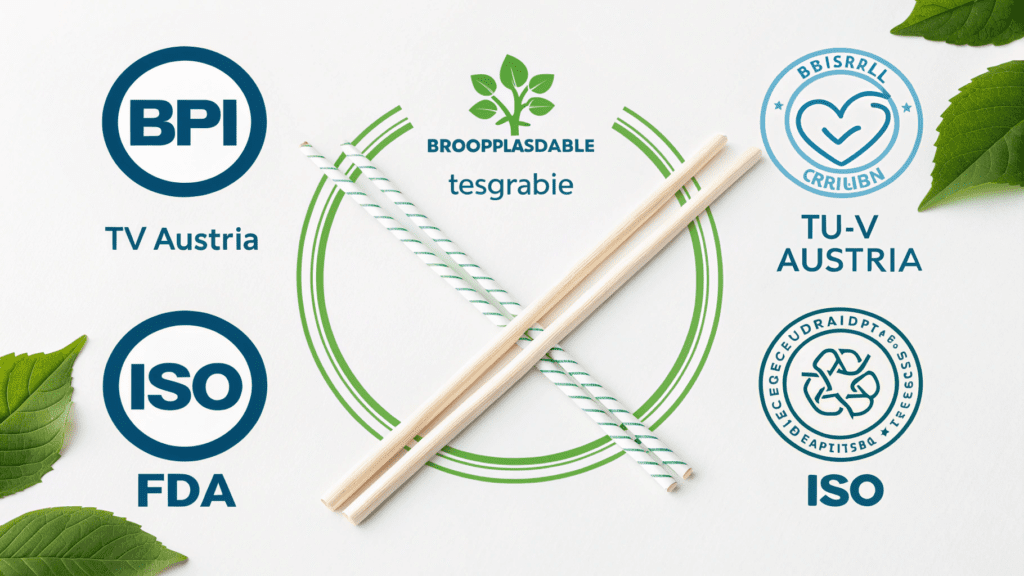
En primer lugar,estándares de biodegradabilidad y compostabilidadson primordiales. Busque proveedores cuyos productos estén certificados por organizaciones reconocidas como BPI Certified Compostable (para el mercado estadounidense) y TÜV AUSTRIA. Estas certificaciones confirman que los productos cumplen con criterios estrictos de descomposición en instalaciones de compostaje industrial. En concreto, garantizar el cumplimiento deASTM D6400oEN 13432normas sobre compostaje industrial, ya que son fundamentales para el acceso al mercado europeo y una gestión adecuada de los residuos. Comprender la distinción entre “biodegradable” y “compostable” es vital para una gestión eficaz de los residuos y evitar el lavado verde. Para profundizar más, considere revisar recursos como nuestra guía sobrePajitas compostables versus biodegradables: una guía B2B.
En segundo lugar,certificaciones de seguridad alimentariason innegociables. Verifique que los productos tengan certificaciones como FDA (Administración de Alimentos y Medicamentos de EE. UU.), ISO 22000 (Sistema de gestión de seguridad alimentaria) o HACCP (Análisis de peligros y puntos de control críticos) para garantizar la protección del consumidor y el cumplimiento normativo.
Finalmente, evaluar la integridad operativa más amplia del proveedor a través desistemas de gestión de calidad y medio ambiente. BuscarNorma ISO 9001para la gestión de calidad yISO 14001para sistemas de desempeño ambiental. Los proveedores comprometidos con iniciativas ambientales, sociales y de gobernanza (ESG) también suelen adherirse a estándares de responsabilidad social comoSA8000para prácticas laborales éticas. Estas certificaciones integrales indican el compromiso de un proveedor con prácticas comerciales responsables, desde el abastecimiento de materiales hasta los procesos de fabricación.
Exija transparencia en la cadena de suministro y abastecimiento ético
La verdadera sostenibilidad se extiende más allá del producto mismo y abarca toda la cadena de suministro. Los proveedores confiables de pajitas biodegradables deben proporcionar documentación completa sobre el origen del material y los procesos de fabricación. Esta transparencia ayuda a combatir el “lavado verde” (afirmaciones ambientales sin fundamento) que es un riesgo significativo en el mercado ecológico.
Centrarse en empresas que demuestran un compromiso verificable con las iniciativas ambientales, sociales y de gobernanza (ESG). Esto incluye transparencia en su gobierno corporativo, métodos de producción ecológicos y dedicación al bienestar de los empleados. Verificar su cumplimiento de los estándares de responsabilidad social, como SA8000, para prácticas laborales éticas, garantizando salarios justos, condiciones de trabajo seguras y sin trabajo infantil.
Además, asóciese con proveedores que trabajen activamente para reducir su huella de carbono y minimizar la generación de residuos en sus operaciones. Esto podría implicar el uso de energía renovable, implementar programas de reducción de desechos u optimizar la logística para reducir las emisiones del transporte. Por ejemplo, algunas empresas, como BD Straws, ejemplifican sólidas iniciativas ESG y un gobierno corporativo transparente, y sirven como puntos de referencia para el abastecimiento responsable.

Los proveedores confiables ofrecen certificaciones integrales y cadenas de suministro transparentes, cruciales para el abastecimiento sostenible.
Diversos materiales de paja biodegradables y sus impactos operativos
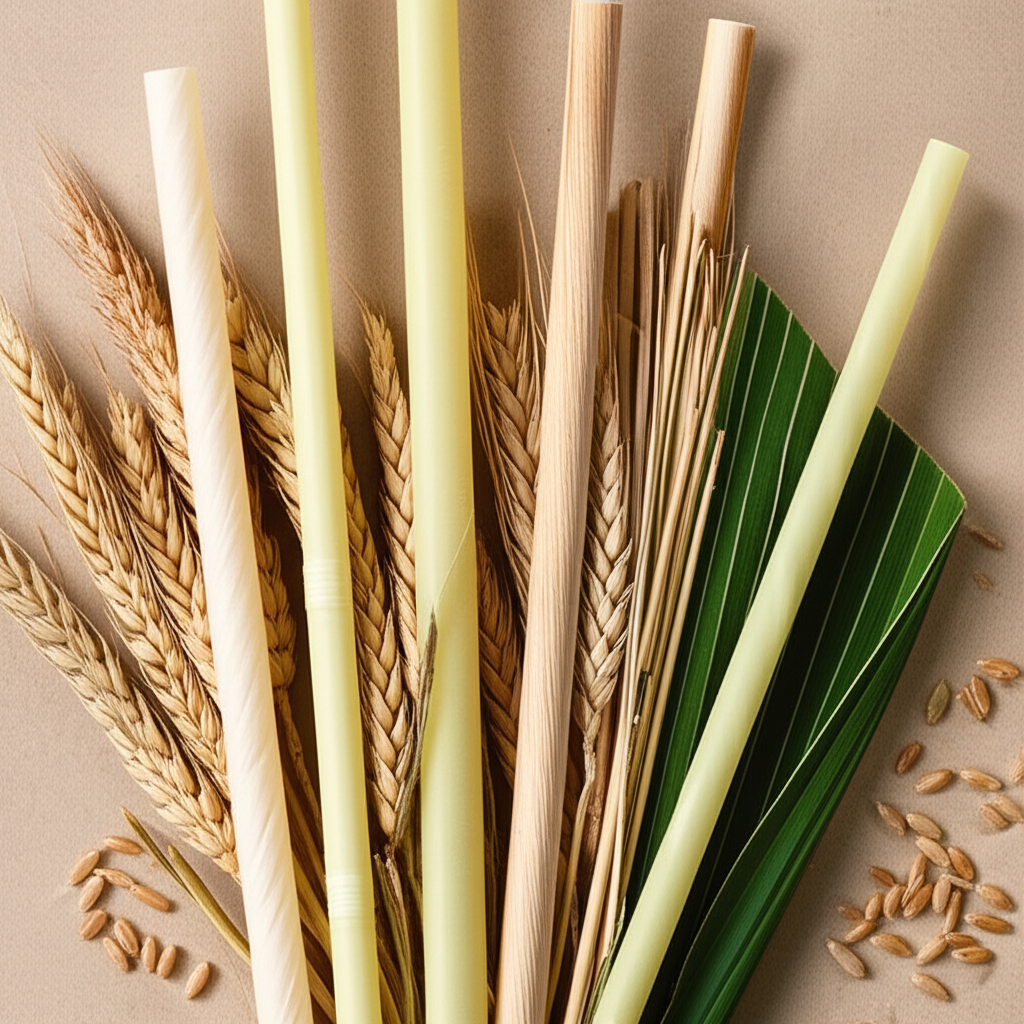
El mercado ofrece una gama cada vez mayor de materiales de paja biodegradables, cada uno con distintas propiedades, beneficios y consideraciones operativas. Comprender estas diferencias es crucial para seleccionar la solución adecuada para sus necesidades comerciales específicas.
Comprensión de los materiales de paja biodegradables clave
- Pajitas de papel: Ampliamente disponible y, a menudo, la opción inicial más asequible. Sin embargo, son propensos a empaparse rápidamente, lo que disminuye la experiencia del cliente. Una preocupación importante es la posible presencia de PFAS (“químicos permanentes”) y otros compuestos preocupantes que pueden filtrarse en las bebidas, especialmente las ácidas o calientes, lo que plantea riesgos para la salud y problemas de persistencia ambiental.
- Pajitas de PLA (ácido poliláctico): Derivadas de recursos renovables como el almidón de maíz o la caña de azúcar, las pajitas de PLA ofrecen una sensación similar al plástico y son adecuadas tanto para bebidas frías como calientes. Son totalmente compostables, pero normalmente requieren instalaciones de compostaje industrial (por ejemplo, que cumplan con la norma ASTM D6400) para descomponerse adecuadamente, lo que puede ser un desafío para su eliminación en áreas que carecen de dicha infraestructura.
- Pajitas de caña de azúcar (bagazo): Fabricadas a partir del subproducto fibroso del procesamiento de la caña de azúcar, estas pajitas son duraderas, resistentes tanto al calor como al frío y, a menudo, están certificadas como compostables en el hogar. Naturalmente, no contienen PFAS y reutilizan desechos agrícolas, lo que se alinea bien con los principios de la economía circular.
- Pajitas de trigo/heno: Naturales, resistentes y asequibles, estas pajitas están hechas de tallos de plantas de trigo después de la cosecha del grano. Son adecuados para varios tipos de bebidas y totalmente biodegradables, lo que ofrece una alternativa sencilla y natural.
- Pajitas de hoja de coco: Una opción innovadora y altamente sostenible, las pajitas de hojas de coco son respetuosas con el medio ambiente, excepcionalmente resistentes, rentables y, sobre todo, no se empapan. Ofrecen una estética natural única y son un fuerte diferenciador para las marcas que buscan soluciones novedosas y verdaderamente ecológicas.
Comparación de materiales de paja biodegradables
| Característica | Impacto operativo B2B | Nota de cumplimiento | Potencial de retorno de la inversión |
|---|---|---|---|
| Pajitas de papel | Disponibilidad de alto volumen, costo inicial relativamente bajo. | Preocupaciones por la contaminación por PFAS y la lixiviación química, incumplimiento de la SUPD de la UE. | Menor inversión inicial, pero potencial riesgo reputacional de la marca e insatisfacción del cliente. |
| Pajitas PLA | Sensación similar al plástico, versátil para bebidas frías y calientes, buena vida útil. | Requiere instalaciones de compostaje industrial (por ejemplo, ASTM D6400 o EN 13432). | La experiencia del cliente mejorada se alinea con las prohibiciones de plástico de un solo uso, percibidas como una alternativa premium. |
| Caña de azúcar (bagazo) | Durabilidad superior, resistente al calor y al frío, reutiliza residuos agrícolas, sin PFAS. | A menudo, certificado como compostaje doméstico, naturalmente libre de PFAS. | Sólida narrativa de sostenibilidad, reduce la complejidad de la eliminación de residuos y ofrece una experiencia superior para el cliente. |
| Pajitas de hoja de coco | Estética natural única, robustez excepcional (no empapada), muy duradera. | Material novedoso; Garantizar una cadena de suministro confiable para lograr consistencia y ser naturalmente biodegradable. | Diferencia la marca, atrae a consumidores premium y conscientes del medio ambiente, propuesta de venta única. |

Los diferentes materiales de paja biodegradables ofrecen diversos impactos operativos y consideraciones de cumplimiento para las empresas.
Procesos de investigación de proveedores confiables de pajitas biodegradables
Un proceso de investigación sólido se extiende más allá de las certificaciones para abarcar el desempeño práctico del producto y la reputación del proveedor. Esta diligencia debida garantiza que las soluciones sostenibles que elija cumplan sus promesas.
Evaluar el rendimiento del producto y las soluciones al final de su vida útil
Antes de comprometerse con un pedido grande, es crucialsolicitar muestraspara probar la durabilidad de las pajitas en líquidos, su resistencia a temperaturas frías o calientes y su experiencia general de usuario. Esta evaluación práctica confirmará si el producto cumple con sus estándares operativos y las expectativas del cliente. Por ejemplo, si bien las pajitas de papel son omnipresentes, su tendencia a empaparse puede perjudicar significativamente la experiencia del consumidor.
Además, verificar laguía de eliminación adecuadapara las pajitas. Algunos materiales, como el PLA, requieren explícitamente instalaciones de compostaje industrial, mientras que otros, como muchas pajitas de caña de azúcar o trigo, son adecuadas para el compostaje doméstico. La mala gestión de la eliminación puede anular los beneficios ambientales, lo que lleva a que los artículos "compostables" terminen en los vertederos. Garantizar la transparencia con respecto a las afirmaciones de biodegradabilidad para evitar conceptos erróneos de “lavado verde”; un proveedor verdaderamente confiable comunicará claramente las condiciones específicas requeridas para que sus productos se averíen. Esta transparencia es clave para alinearse con sus objetivos de sostenibilidad y evitar el escrutinio regulatorio.
También es esencial estar al tanto de las investigaciones en curso que indican que ciertos pajitas de papel y bambú pueden contenerPFAS “sustancias químicas eternas”o espectáculo sobre la lixiviación química en bebidas. Priorice proveedores que garanticen explícitamente productos libres de PFAS, salvaguardando tanto la salud del consumidor como la integridad de su marca.
Aproveche la validación de terceros y el reconocimiento de la industria
La credibilidad de un proveedor suele verse reforzada por una verificación independiente. Priorizar a los proveedores que participan activamente enpruebas y auditorías de tercerospara verificar las afirmaciones del producto y las prácticas de fabricación. Estas evaluaciones independientes ofrecen una capa objetiva de garantía con respecto a la calidad del producto, la biodegradabilidad y los estándares de seguridad.
Evaluar el proveedorHistoria, experiencia en la industria y opiniones o testimonios de clientes.. Una reputación positiva duradera, junto con una calidad constante del producto y el servicio, es un fuerte indicador de confiabilidad. Además, busque proveedores que seanReconocido por la gran industria de servicios alimentarios o por conocidas cadenas de supermercados.. Tal reconocimiento significa que sus productos cumplen con los altos estándares y demandas de importantes entidades comerciales. Por ejemplo, BD Straws es conocido por sus sólidas iniciativas ESG y su gobierno corporativo transparente, lo que lo convierte en un socio confiable.
Una investigación exhaustiva, que incluye evaluación del desempeño y validación de terceros, garantiza soluciones confiables y sostenibles para pajitas.
Estudio de caso: Straw Matters: un modelo para el abastecimiento sostenible de paja biodegradable
Un ejemplo convincente de proveedor confiable y centrado en la sostenibilidad esAsuntos de paja, una empresa canadiense que se ha hecho un hueco en la producción de pajitas compostables a base de plantas de alta calidad. Su enfoque incorpora varias mejores prácticas para el abastecimiento sostenible.
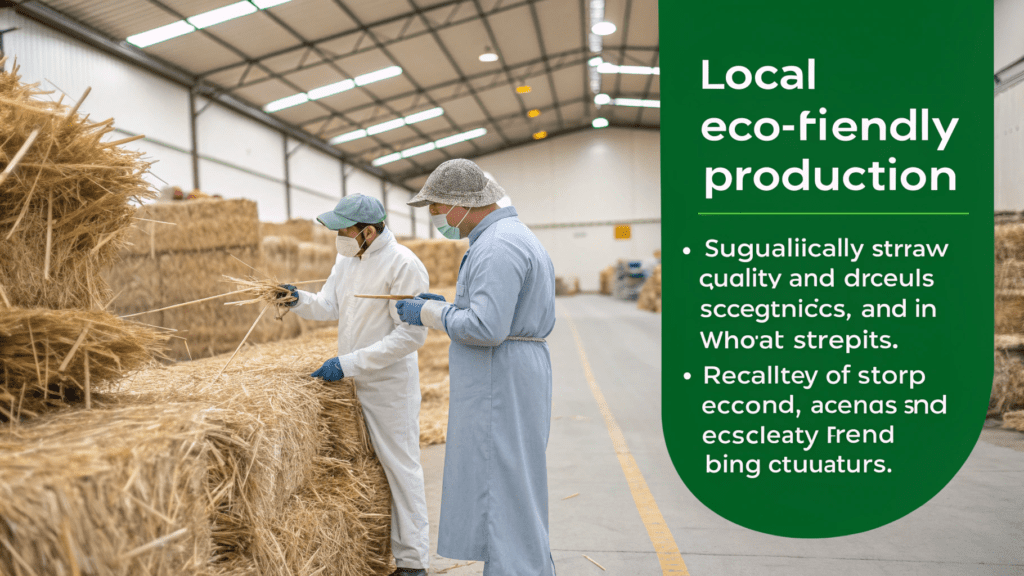
Los productos de Straw Matters están hechos exclusivamente desubproductos agrícolas, enfatizando un modelo de economía circular que desvía los desechos de los vertederos y reduce la dependencia de recursos vírgenes. Este compromiso con la verdadera sostenibilidad se refleja en el rendimiento al final de la vida útil de su producto, diseñado para una genuina compostabilidad.
Fundamentalmente, los defensores de Straw Mattersproducción local, una estrategia que reduce significativamente las emisiones de carbono asociadas con el transporte marítimo de larga distancia. Al abastecerse y fabricar a nivel nacional, minimizan la huella ambiental de su cadena de suministro y contribuyen a las economías regionales. Este enfoque se alinea perfectamente con las tendencias emergentes en diseño circular y prácticas de abastecimiento ético, proporcionando un modelo para las empresas que buscan hacer operativo su compromiso con la responsabilidad ambiental y al mismo tiempo garantizar un suministro confiable y de alta calidad.Straw Matters es un ejemplo de abastecimiento sostenible a través de subproductos agrícolas y producción local, minimizando el impacto ambiental.
Future Trends & Innovation in Sustainable Straws
El panorama de los envases sostenibles, en particular para las pajitas, está evolucionando rápidamente, impulsado por la innovación continua en materiales, procesos y marcos regulatorios. Mantenerse a la vanguardia de estas tendencias es crucial para obtener una ventaja estratégica a largo plazo.
Una de las áreas de innovación más prometedoras esenvases a base de algas. Las algas marinas se están convirtiendo en un material sostenible muy prometedor debido a sus propiedades biodegradables y comestibles, ya que no requieren fertilizantes, agua dulce ni tierra para su cultivo. Su crecimiento también ayuda a absorber dióxido de carbono, contribuyendo a la mitigación del cambio climático. Los innovadores están desarrollando soluciones a base de algas marinas que pueden convertirse en abono natural o incluso disolverse en agua tibia.
Otra tendencia significativa esembalaje monomaterial, que se centra en utilizar un único material para los componentes de embalaje. Esto simplifica el proceso de reciclaje, aborda un desafío importante con los envases tradicionales de materiales mixtos y reduce el desperdicio general. De manera similar, la industria está adoptando cada vez másreciclaje de materiales de desecho, transformando flujos de desechos agrícolas, textiles y otros flujos industriales en nuevos productos de embalaje, conservando así los recursos y apoyando una economía circular.
El impulso haciasistemas de embalaje reutilizablesestá ganando impulso, especialmente en logística y servicios alimentarios, a medida que las empresas pasan de modelos de un solo uso a paletas y contenedores duraderos y de usos múltiples, lo que lleva a una reducción significativa de desechos y ahorros de costos a largo plazo. Además, nuevos bioplásticos comoPHA (Polihidroxialcanoatos)yDiacetato de celulosa (CDA)Se muestran prometedores de degradarse en cuestión de meses incluso en ambientes marinos, abordando preocupaciones críticas sobre la contaminación plástica de los océanos. Para aquellos interesados en esta área específica, nuestro recurso enMarine Biodegradable Straws for Hospitality & Foodserviceofrece más ideas.
Los organismos reguladores también están desempeñando un papel importante. Por2025, entrará en vigor el Reglamento de Envases y Residuos de Envases (PPWR) de la Unión Europea, que establece medidas estrictas para reducir los residuos de envases y promover la reutilización y la reciclabilidad. En Estados Unidos, el primero deSeis leyes de Responsabilidad Ampliada del Productor (REP)También entrarán en vigor en 2025, cambiando fundamentalmente el paradigma del embalaje sostenible al responsabilizar a los productores por todo el ciclo de vida de sus productos. Más allá de esto, la Organización Australiana del Pacto de Embalaje (APCO)Plan Estratégico 2030Hace hincapié en diseñar envases más fáciles de reciclar, mejorar los sistemas de recogida y aumentar el contenido reciclado, impulsando una economía verdaderamente circular. Estos cambios regulatorios seguirán impulsando la demanda de soluciones sostenibles innovadoras y altamente conformes.Las tendencias futuras en pajitas sostenibles incluyen materiales a base de algas, envases monomateriales y regulaciones globales en evolución.
Competitive Advantage & Business Case
Adoptar pajitas biodegradables es mucho más que un ejercicio de cumplimiento; es una inversión estratégica que ofrece beneficios cuantificables en múltiples dimensiones comerciales.
En primer lugar, sirve como un poderosoestrategia de mitigación de riesgos. Al hacer una transición proactiva a alternativas biodegradables certificadas y que cumplan con las normas, las empresas se protegen eficazmente de posiblessanciones regulatoriasasociado con la evolución de las prohibiciones de plástico y una legislación ambiental más estricta, como el SUPD de la UE y las leyes EPR emergentes de los EE. UU. Esta previsión asegura el acceso al mercado y garantiza la continuidad operativa en entornos cada vez más regulados.
En segundo lugar, el impacto envalor y reputación de la marcaes inmenso. Dado que aproximadamente el 70% de los consumidores prefieren empresas que utilizan opciones ecológicas, adoptar pajitas biodegradables conecta auténticamente con un segmento creciente de consumidores conscientes del medio ambiente. Este compromiso tangible con la sostenibilidad mejora la imagen de marca, genera confianza y fomenta la lealtad, lo que se traduce en unaoportunidad de cuota de mercadodentro de una industria en rápida expansión que se proyecta alcanzar casi $250 mil millones para 2033. Esta percepción positiva puede diferenciar su marca en un panorama competitivo, atrayendo nuevos clientes y reteniendo a los existentes.
Finalmente, si bien los costos iniciales de adquisición de pajitas biodegradables certificadas de alta calidad pueden ser ligeramente más altos que los de los plásticos convencionales, elpotencial de retorno de la inversión a largo plazoes significativo. Esto incluye no sólo evitar futuras multas y costos de remediación, sino también posiblesahorro de costosa través de una mejor gestión de residuos, menores complejidades de eliminación e incluso eficiencias operativas a medida que las cadenas de suministro se optimizan para materiales sostenibles. Además, iniciativas sólidas de sostenibilidad pueden atraer inversores y talentos centrados en el medio ambiente, reforzando el argumento comercial general. Al convertirse en un pionero o solidificar su posición como líder en adquisiciones sustentables, su organización obtiene una clara ventaja competitiva, posicionándose para un crecimiento resiliente y una mayor rentabilidad.Las pajitas biodegradables ofrecen ventajas competitivas mediante la mitigación de riesgos, un mayor valor de marca y un importante retorno de la inversión a largo plazo.
Conclusión
Encontrar proveedores confiables de pajitas biodegradables exige un proceso de investigación riguroso, centrado en certificaciones integrales, cadenas de suministro transparentes e integridad del material. Al priorizar estos factores, su organización puede realizar una transición segura hacia alternativas sostenibles, mejorar la reputación de la marca, mitigar los riesgos de cumplimiento y satisfacer las cambiantes demandas regulatorias y de los consumidores. El futuro de las adquisiciones es sostenible y asegurar asociaciones confiables en este espacio es fundamental para el éxito a largo plazo.
Eleve la huella de sostenibilidad de su marca asociándose hoy con proveedores de pajitas biodegradables transparentes y certificados.Dar prioridad a proveedores certificados y transparentes para pajitas biodegradables es crucial para el abastecimiento sostenible y el éxito a largo plazo.
Preguntas frecuentes
¿Por qué es crucial para las empresas hoteleras encontrar proveedores confiables de pajitas biodegradables?
Los proveedores confiables garantizan la eficacia del producto, la integridad ambiental y la estabilidad de la cadena de suministro, lo que ayuda a las empresas hoteleras a cumplir con las regulaciones cambiantes y la demanda de los consumidores de opciones sostenibles.
¿Qué certificaciones debo buscar en los proveedores de pajitas biodegradables?
Priorice certificaciones como BPI Certified Compostable, TÜV AUSTRIA (ASTM D6400/EN 13432), FDA, ISO 22000, HACCP, ISO 9001, ISO 14001 y SA8000 para una garantía integral.
¿Cómo puedo evitar el “lavado verde” al comprar pajitas biodegradables para mi restaurante?
Exija transparencia en la cadena de suministro, verifique el origen del material y garantice declaraciones de biodegradabilidad claras y verificables con pautas de eliminación específicas para evitar declaraciones ambientales engañosas.
¿Son realmente mejores las pajitas de caña de azúcar que las de papel para cafeterías y hoteles?
Las pajitas de caña de azúcar (bagazo) ofrecen una durabilidad superior, resistencia al calor y al frío y, a menudo, no contienen PFAS y son compostables en el hogar, lo que brinda una mejor experiencia al cliente y una narrativa de sostenibilidad más sólida en comparación con las alternativas de papel empapado.
¿Cuáles son los beneficios a largo plazo de cambiar a pajitas biodegradables certificadas para una gran cadena hotelera?
Los beneficios a largo plazo incluyen la mitigación del riesgo de sanciones regulatorias, un mayor valor de la marca y la lealtad del cliente, posibles ahorros de costos gracias a una mejor gestión de residuos y la atracción de inversores centrados en el medio ambiente.