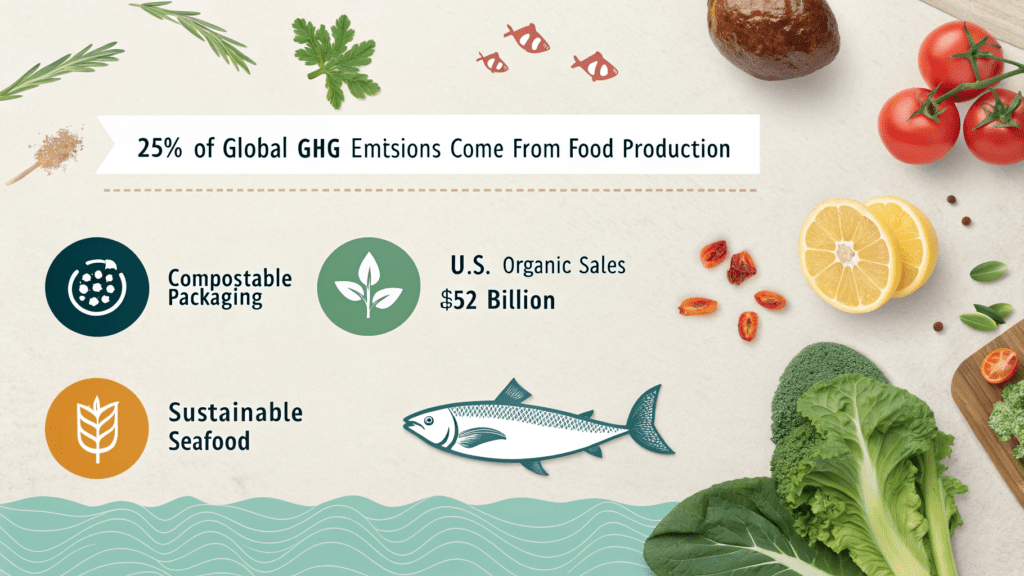
La industria mundial de servicios de alimentos se encuentra en una coyuntura crítica, enfrentando una presión sin precedentes para adoptar la sostenibilidad. Con Las ventas orgánicas en EE. UU. alcanzarán un estimado de $52 mil millones de dólares en 2021, lo que representa el 5,5 % de todas las ventas minoristas de alimentos., la demanda de los consumidores de opciones ambientalmente responsables no es solo una tendencia: es un imperativo estratégico. Este cambio se ve amplificado por la cruda realidad de que La producción de alimentos por sí sola aporta aproximadamente el 25% de las emisiones mundiales de gases de efecto invernadero (GEI)., lo que obliga tanto a los consumidores como a las instituciones a exigir prácticas más ecológicas.
Para los gerentes de adquisiciones, directores de operaciones, funcionarios de sostenibilidad y ejecutivos de la cadena de suministro, ignorar este cambio sísmico conlleva importantes riesgos operativos y comerciales. El incumplimiento de las cambiantes regulaciones ambientales, el creciente escrutinio de los consumidores y el impacto tangible del cambio climático en las cadenas de suministro plantean amenazas directas a la rentabilidad y la relevancia del mercado. Por el contrario, los mayoristas están en una posición única para ser los ejes de esta transición, uniendo a los productores con conciencia ecológica con una base de clientes de servicios de alimentos en rápida expansión. Al incorporar proactivamente la sostenibilidad en sus operaciones principales, los mayoristas no sólo pueden cumplir con las expectativas éticas de los compradores, sino también desbloquear una ventaja competitiva crucial, mejorar la reputación de la marca y atraer nuevos clientes de alto valor en un mercado saturado.
Abastecimiento estratégico: cultivar una cartera de productos más ecológica para el mercado de servicios alimentarios ecológicos
Acceder al mercado de servicios de alimentación ecológicos comienza con una estrategia de abastecimiento sólida y transparente. Esto implica una selección meticulosa de productos que cumplen con rigurosos estándares ambientales y éticos, abordando directamente la creciente demanda de alimentos sostenibles y trazables.
Prioritizing Certified & Local Products for Market Credibility
Generar confianza y validar afirmaciones ecológicas requiere un compromiso con productos certificados. Asociarse con productores que se adhieren a certificaciones de terceros reconocidas como USDA Orgánico, el Marine Stewardship Council (MSC) para productos pesqueros sostenibles, o el Comercio Justo para productos de origen ético proporcionan pruebas verificables de responsabilidad ambiental y social. Estas certificaciones no son meras etiquetas; son garantías de que los productos cumplen con estándares estrictos desde la granja hasta la mesa, lo que permite a sus clientes de servicios de alimentos comercializar con confianza sus ofertas sustentables entre sus propios clientes.
Más allá de las certificaciones, enfatizar el abastecimiento local es un poderoso diferenciador. Distribuidores como El Mercado Común, una organización sin fines de lucro, conecta con éxito más de 300 granjas familiares sostenibles con instituciones como escuelas, hospitales y universidades.. Este modelo no solo reduce la huella de carbono asociada con el transporte de larga distancia, sino que también respalda las economías locales y garantiza ingredientes más frescos. Como consumidores en 2025 prefiere cada vez más entender el origen y la sostenibilidad de sus alimentos, garantizar la transparencia y la trazabilidad de la cadena de suministro se vuelve primordial. Esto le permite generar confianza con los clientes de servicios de alimentos al brindarles información detallada sobre los orígenes de los productos, las prácticas agrícolas y los datos de impacto ambiental.
Diversificar categorías de productos sostenibles para lograr un atractivo más amplio
Una cartera integral ecológica se extiende más allá de los productos orgánicos. Los mayoristas deben ofrecer una selección diversa de productos que aborden diversas facetas de la sostenibilidad, desde alternativas vegetales hasta envases innovadores.
Seleccione una amplia variedad de productos frescos, naturales, orgánicos y especiales de calidad para alinearse con las expectativas éticas del comprador. Esto incluye expandirse hacia Alimentos funcionales, de origen vegetal y fuentes de proteínas alternativas., lo que refleja el crecimiento significativo de las dietas “flexitaristas” y el interés de los consumidores por la salud y la sostenibilidad. Por ejemplo, el Se espera que el interés en proteínas alternativas y de origen vegetal continúe en 2025., presentando una importante oportunidad de mercado.
Además, un área crítica de diversificación son los envases sostenibles para el sector alimentario. Ofrezca una selección completa de artículos compostables, reciclados y reutilizables, incluidas marcas populares como Productos GreenStripe® fabricados con materiales vegetales renovables y productos BlueStripe™ con contenido reciclado posconsumo., ambos ofrecidos por Eco-Products. Innovar con soluciones de embalaje sostenibles, como las fabricadas con Materiales de base biológica Ingeo, que reducen la dependencia de los plásticos tradicionales y se alinean con la creciente demanda de los consumidores de envases respetuosos con el medio ambiente. Proporcionar alternativas como pajitas ecológicas para restaurantes puede ayudar significativamente a sus clientes a alcanzar sus propios objetivos de sostenibilidad y cumplir con las cambiantes regulaciones sobre plásticos de un solo uso.

Operacionalizar la sostenibilidad: transformar la logística mayorista con logística verde
El abastecimiento estratégico debe complementarse con prácticas operativas sostenibles. La logística verde, que se centra en minimizar el impacto ambiental de las actividades de la cadena de suministro, ya no es un concepto de nicho sino un componente central de la distribución mayorista competitiva.
Optimizing Energy & Fleet Efficiency for Reduced Carbon Footprint
La huella operativa de una empresa mayorista (desde el almacenamiento hasta la entrega) ofrece oportunidades sustanciales para la reducción de carbono y el ahorro de costos.
Invertir en almacenamiento energéticamente eficiente es un paso fundamental. Implementar soluciones como iluminación LED, sistemas HVAC inteligentes, puertas enrollables eléctricas con sensores, cortinas plásticas y enfriadores evaporativos. Estas tecnologías minimizan significativamente el consumo de energía para refrigeración e iluminación, reduciendo las emisiones generales de CO2. Por ejemplo, la instalación de paneles solares para alimentar almacenes puede reducir drásticamente la dependencia de los combustibles fósiles, alineándose con objetivos de sostenibilidad global como los establecidos por las grandes corporaciones.
La transición de las flotas de reparto es otra área de alto impacto. Avanzando hacia vehículos eléctricos (EV) o furgonetas de biodiesel puede reducir significativamente las emisiones del tubo de escape y la producción de gases de efecto invernadero. Para el transporte refrigerado, considere utilizar unidades de refrigeración sin motor en camiones y pintar vehículos refrigerados de blanco para reflejar la luz solar, reduciendo así los requisitos de energía de refrigeración. Software de optimización de rutas, aprovechando IA e IoT, puede reducir aún más el consumo de combustible y las millas del vehículo, lo que lleva a 10-20% de ahorro en costos de combustible y menor mantenimiento. Este transporte eficiente y control de temperatura es fundamental para productos alimenticios de gran volumen y vida útil corta, ya que reduce tanto el impacto ambiental como los costos operativos.
Minimizar el desperdicio en toda la cadena de suministro mediante una distribución sostenible
El desperdicio de alimentos es un problema global apremiante, con Aproximadamente entre el 30% y el 50% de los alimentos producidos se desperdician. a lo largo de la cadena de suministro. Los mayoristas tienen un papel fundamental para mitigar esto.
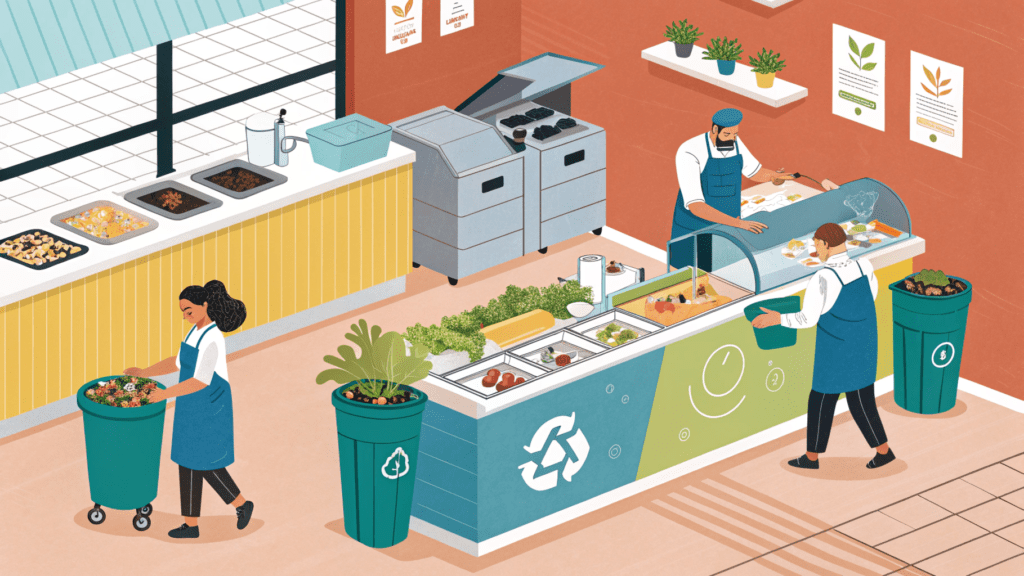
Adoptar Gestión eficiente del inventario y previsión avanzada de la demanda. utilizando la tecnología. El análisis de datos preciso puede reducir significativamente el exceso de inventario y minimizar el desperdicio de alimentos, lo que ayuda a los clientes a evitar el exceso de existencias y el deterioro. Más allá de la prevención, implementar Programas de compostaje y donación de excedentes de alimentos. desvía los alimentos comestibles de los vertederos. Recursos como el EPA’s Reducing Wasted Food & Packaging Toolkit Proporcionar una guía invaluable para los servicios alimentarios comerciales e institucionales sobre el seguimiento y la reducción del desperdicio a través de mejores prácticas de almacenamiento, manipulación y capacitación del personal.
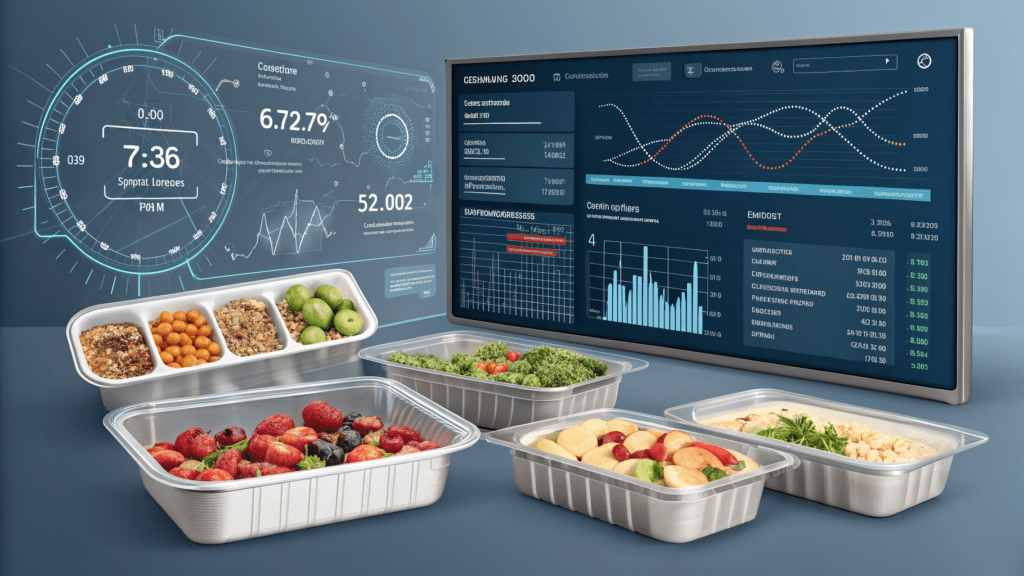
priorizar Soluciones de embalaje reciclables, compostables y biodegradables. para todos los productos distribuidos. Esto reduce la dependencia del plástico que acaba en los vertederos y se alinea con la evolución de las prohibiciones de plástico de un solo uso y los objetivos de desvío de residuos. Además, utilizar la tecnología para Monitoreo continuo de las condiciones de almacenamiento. en las etapas de venta al por mayor para reducir la pérdida y el desperdicio de alimentos, especialmente crucial para productos sensibles y de corta vida útil.
| Característica | Impacto operativo B2B | Nota de cumplimiento | Potencial de retorno de la inversión |
|---|---|---|---|
| Optimización de ruta | Reducción del consumo de combustible, menos kilómetros de vehículos. | Se alinea con los objetivos de reducción de emisiones (por ejemplo, el Acuerdo Verde de la UE). | 10-20% de ahorro en costos de combustible, menor mantenimiento. |
| Transición de flota eléctrica | Reducción de las emisiones del tubo de escape, funcionamiento más silencioso. | Preparados para el futuro contra el endurecimiento de las regulaciones sobre emisiones. | Ahorro de combustible a largo plazo, posibles incentivos fiscales. |
| Gestión inteligente de almacenes | Uso de energía minimizado para refrigeración/iluminación, espacio optimizado. | Soporta la certificación ISO 14001 para gestión ambiental. | Reducción del coste energético del 15-25%, mejora de la rotación de existencias. |
| Adopción de envases compostables | Reducción de residuos en vertederos, mayor atractivo para el cliente. | Cumple con las cambiantes prohibiciones de plástico de un solo uso y los objetivos de desviación de residuos. | Reducción de los costes de eliminación de residuos, aumento de la cuota de mercado. |
Construyendo puentes: asociaciones colaborativas en el mercado de servicios de alimentación ecológicos
Ninguna entidad puede por sí sola transformar la industria de servicios de alimentos. Los mayoristas prosperan fomentando sólidas asociaciones de colaboración en toda la cadena de valor, desde la granja hasta la mesa.
Conectando las granjas con la mesa: fomentando los sistemas alimentarios regionales
La verdadera sostenibilidad en la distribución de servicios de alimentos requiere la construcción de sistemas alimentarios regionales fuertes y resilientes. Mini estudio de caso: Un excelente ejemplo de esto es El mercado común, un distribuidor regional mayorista de alimentos sin fines de lucro. Han establecido con éxito conexiones directas entre más de 300 explotaciones familiares sostenibles y grandes mercados institucionales como escuelas, hospitales y universidades. Al agregar productos de múltiples granjas locales, The Common Market garantiza el volumen y la consistencia necesarios para abastecer a clientes más grandes, superando una barrera común para las pequeñas granjas individuales. Este modelo mantiene los dólares destinados a alimentos dentro de las comunidades, fomentando nuevas oportunidades comerciales y fortaleciendo las economías locales. Similarmente, Alimentos modelo demuestra una colaboración eficaz al conectar a los agricultores locales directamente con cadenas de restaurantes como Eat'n Park, garantizando un suministro constante de productos sostenibles.
Estas asociaciones proporcionan un modelo esencial para los mayoristas: buscar activamente y fomentar relaciones con productores locales y sostenibles. Esto no sólo reduce las emisiones del transporte, sino que también proporciona ingredientes frescos y de alta calidad que atraen a un mercado exigente y consciente del medio ambiente.
Leveraging Industry Standards & Initiatives for Collaborative Impact
Más allá de las asociaciones individuales, la participación en iniciativas y estándares más amplios de la industria solidifica el compromiso de un mayorista con la sostenibilidad y demuestra liderazgo.
Participar activamente en iniciativas de toda la industria, como la Compromiso de Courtauld 2030 en el Reino Unido, cuyo objetivo es reducir el desperdicio de alimentos, el uso de agua y las emisiones de gases de efecto invernadero en toda la cadena de suministro de alimentos y bebidas. Participar o alinearse con marcos como el Hoja de ruta para la reducción del desperdicio de alimentos demuestra un compromiso con la acción colectiva y la mejora en toda la industria.
Promocionar y priorizar productos que cuenten con certificaciones reconocidas, como Productos compostables con certificación BPI. Estas certificaciones, a menudo respaldadas por asociaciones industriales u organismos de normalización, garantizan a los clientes la integridad medioambiental de un producto y mejoran su credibilidad y posición en el mercado. Colabore con todos sus proveedores para cumplir compromisos compartidos con la sostenibilidad en toda la cadena de suministro. Este enfoque holístico garantiza que la gestión medioambiental esté integrada durante todo el ciclo de vida del producto, desde el cultivo hasta la entrega. Apoyar a los agricultores en una producción económica y ambientalmente sostenible a través de relaciones sólidas y equitativas garantiza un suministro constante de productos ecológicos de alta calidad.
Empowering Clients: Education, Transparency, & Technology for Sustainable Distribution
Su papel como mayorista en el mercado de servicios de alimentación ecológicos se extiende más allá del simple suministro de productos; implica empoderar a sus clientes para que adopten y aprovechen la sostenibilidad ellos mismos.
Educar a los socios de servicios de alimentos sobre los beneficios ecológicos
Muchos operadores de servicios de alimentos están interesados en ser ecológicos, pero es posible que carezcan de conocimientos o recursos. Posicione a su empresa como un socio valioso al proporcionar información detallada sobre orígenes de productos, certificaciones y datos de impacto ambiental para artículos ecológicos. Esta transparencia genera confianza y permite a sus clientes comunicar con seguridad sus opciones sostenibles a sus propios clientes.
Ofrecer capacitación y recursos a los clientes sobre la integración de ingredientes sustentables en sus menús y la comercialización efectiva de estas opciones ecológicas. Demostrar los ahorros de costos a largo plazo asociados con las prácticas ecológicas, como tarifas reducidas de eliminación de residuos y una mayor lealtad de los clientes derivada de una imagen ambiental sólida. Por ejemplo, explicar el ciclo de vida y los beneficios de tiempos de descomposición de la paja compostable puede educar a los clientes sobre los impactos ambientales tangibles. Ayúdelos a comprender cómo el compromiso con las prácticas sustentables puede cumplir con sus objetivos ambientales corporativos y resonar en sus comensales, cada vez más conscientes del medio ambiente.
Harnessing Digital Innovation for Supply Chain Transparency & Green Logistics
El futuro de la distribución sostenible de servicios de alimentación está indisolublemente ligado al avance tecnológico. Aprovechar las herramientas digitales ofrece oportunidades incomparables de eficiencia y transparencia.
Aprovechar IA e IoT para una previsión precisa de la demanda, un mejor control de existencias y un seguimiento de las emisiones en tiempo real. La investigación académica en logística verde destaca cómo estas tecnologías brindan conocimientos más profundos sobre la cadena de suministro, lo que ayuda a identificar ineficiencias y optimizar el uso de energía. El uso de plataformas digitales integradas no solo le permite llegar a una base de clientes más amplia, sino que también mejora significativamente la trazabilidad desde la granja hasta la mesa.
Las plataformas inteligentes de la cadena de suministro de alimentos pueden centralizar datos dispersos, optimizando la logística y asegurando un suministro de alimentos estable y sostenible. Esto se traduce en una mayor eficiencia de la cadena de suministro, reduciendo el tiempo entre la producción y la entrega para obtener ingredientes más frescos y menos desperdicio. Al adoptar estas innovaciones, puede ofrecer a los clientes no solo productos, sino también un camino hacia una operación más transparente, eficiente y ambientalmente responsable.
El retorno de la inversión ecológico: beneficios tangibles para los mayoristas en el mercado de servicios de alimentación ecológicos
Adoptar el mercado de servicios de alimentación ecológicos no es sólo una elección ética; es una estrategia comercial astuta con retornos de la inversión cuantificables. Los mayoristas que lideran con sostenibilidad obtienen una clara ventaja competitiva que se traduce en importantes ganancias financieras y de reputación.
Cost Savings & Competitive Advantage: Logre reducciones significativas de costos mediante la búsqueda incesante de eficiencia energética, minimización de desechos y transporte optimizado. La reducción de las facturas de servicios públicos gracias a los almacenes energéticamente eficientes, las menores tarifas de eliminación de residuos y el consumo optimizado de combustible gracias a la logística inteligente tienen un impacto directo en sus resultados. Esta eficiencia operativa proporciona una ventaja competitiva tangible, lo que le permite ofrecer precios competitivos manteniendo márgenes saludables.
Reputación de marca mejorada: En una era en la que los consumidores tienen cada vez más en cuenta el impacto ambiental en sus decisiones de compra, demostrar un compromiso verificable con la gestión ambiental es un poderoso constructor de marca. Esto atrae clientes nuevos y alineados éticamente y mejora significativamente la lealtad de los clientes existentes. Una sólida reputación como mayorista sostenible lo diferencia en un mercado abarrotado y genera buena voluntad.
Mayor resiliencia: La construcción de una cadena de suministro sostenible mejora inherentemente la resiliencia empresarial. Al diversificar el abastecimiento, optimizar el uso de los recursos y reducir el desperdicio, se vuelve menos vulnerable a las interrupciones de la cadena de suministro, la escasez de recursos y la volatilidad de los precios. Abordar proactivamente los factores ambientales prepara a su empresa para futuros cambios en el mercado y mejora la estabilidad a largo plazo.
Cumplimiento de Normatividad: El panorama regulatorio que rodea las prácticas ambientales está en continua evolución, particularmente en los EE. UU. y la UE. Al cumplir de manera proactiva las regulaciones y políticas ambientales en evolución, como las prohibiciones de plástico de un solo uso o los objetivos de reducción de emisiones, se evitan posibles sanciones, multas y daños a la reputación. La adopción de prácticas sostenibles lo posiciona como un líder con visión de futuro, fomentando una imagen pública positiva y garantizando el acceso al mercado a largo plazo.
Conclusión
El mercado de servicios de alimentos ecológicos no es simplemente una tendencia, sino una fuerza transformadora que está remodelando el futuro de la industria. Los mayoristas que adoptan estratégicamente el abastecimiento sostenible, la logística verde, las asociaciones colaborativas y la innovación digital están posicionados para un crecimiento significativo y un éxito a largo plazo. Al liderar con un propósito, puede desbloquear nuevas fuentes de ingresos, fortalecer su marca y contribuir a un futuro más sostenible.
Actúe ahora: Asóciese con proveedores conscientes del medio ambiente y optimice sus operaciones para capturar su participación en el mercado de servicios de alimentos ecológicos en rápida expansión. Hoy es el momento de construir una empresa mayorista resiliente, responsable y rentable.