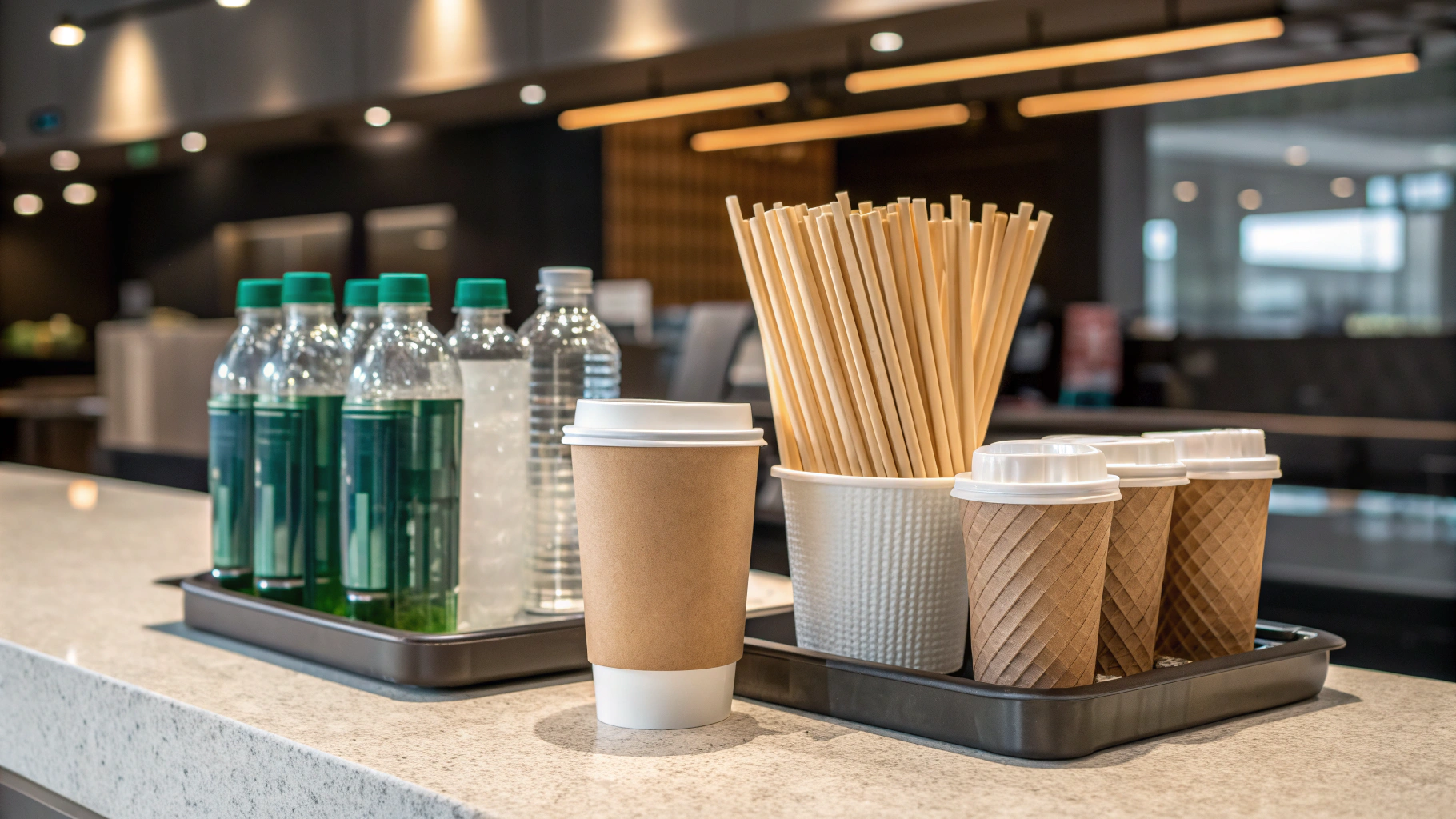
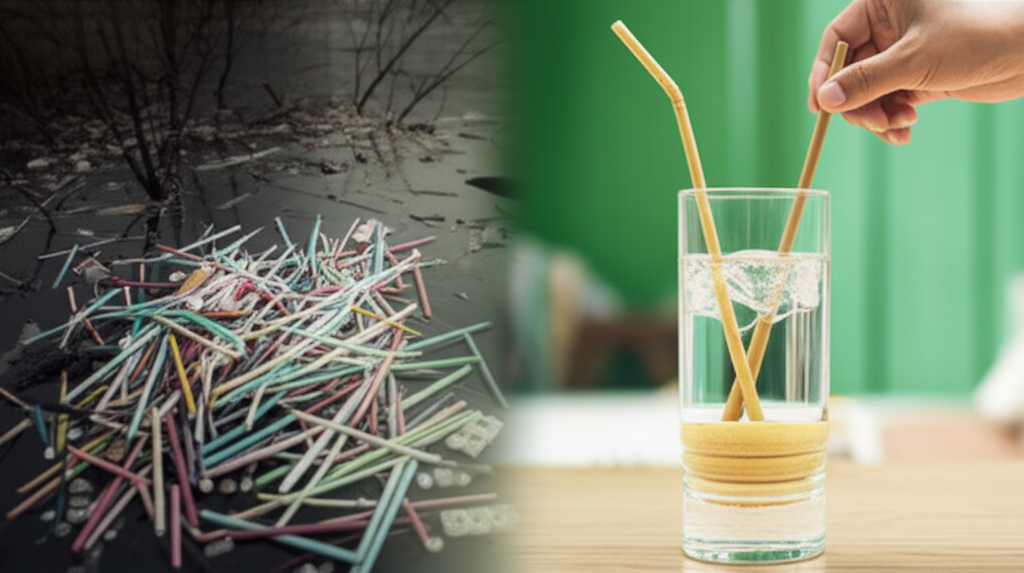
Ravintola-alalla, joka on globaalin kaupan ja kulttuurin kulmakivi, on kiistaton vastuu ympäristöjalanjälkensä suhteen. Kertakäyttöisistä muoveista, erityisesti pilleistä, on tullut tämän haasteen näkyvä symboli, joka varjostaa brändikäsitystä ja toiminnan kestävyyttä. Joka vuosi miljardit muovipillit aiheuttavat ylivuotoa kaatopaikoille ja saastuttavat valtamerimme vaikuttaen meren elämään ja hajoamalla pysyviksi mikromuoveiksi. Tämä paheneva maailmanlaajuinen kriisi ei ole vain ympäristöongelma; se on suora liiketoiminnallinen välttämättömyys hotelleille, ravintoloihin, kahviloihin ja tapahtumapaikkoihin maailmanlaajuisesti.
Kun kuluttajat ovat yhä tietoisempia ja äänekkäämpiä ympäristöasioista, heidän ostopäätöksensä muuttuvat dramaattisesti. Kestävät liiketoimintakäytännöt eivät ole enää markkinaraon, vaan valtavirran odotus. Nykyaikaiselle vieraalle ympäristöystävällinen pilli ei ole vain pieni yksityiskohta; se on erittäin näkyvä ilmoitus yrityksen sitoutumisesta planeetan terveyteen. Tämä tietoisen kulutuksen kysynnän kasvu liittyy globaalien ja alueellisten säännösten lisääntyvään paineeseen. Euroopan unionin kertakäyttömuovedirektiivi ja lukuisia osavaltiotason kieltoja kaikkialla Yhdysvalloissa velvoittavat lopullisen siirtymisen pois perinteisistä muovipillistä, jolloin siirtyminen kestäviin vaihtoehtoihin ei ole vain eettinen valinta, vaan myös kriittinen noudattamisvaatimus alan päättäjille.
The journey of the drinking straw is far more ancient and varied than one might imagine. From the goldenbombillasused in 16th-century Argentina for sipping yerba mate, to the rye grass straws of the 1800s, humanity has long sought clever ways to enjoy beverages. The invention of the modern paper straw by Marvin C. Stone in 1888 marked a significant turning point, offering a cleaner, more palatable alternative to natural grasses. For decades, paper straws were commonplace, but the mid-20th century saw the ubiquitous rise of cheap, mass-produced plastic, pushing natural alternatives into obscurity. This era of convenience, however, came at an immense environmental cost, directly leading to the urgent demand for sustainable solutions we face today.
What Exactly Are Bio Straws?
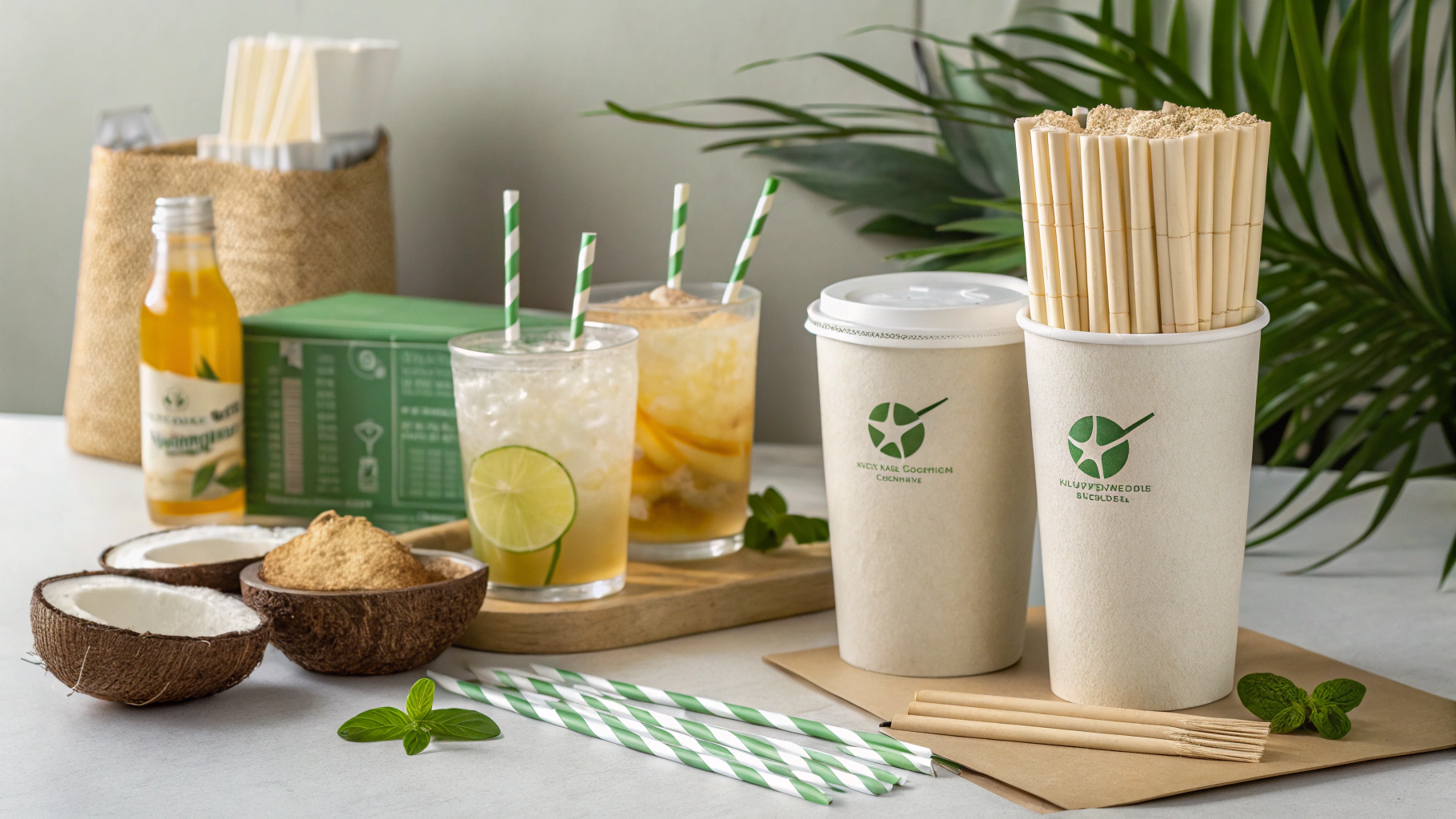
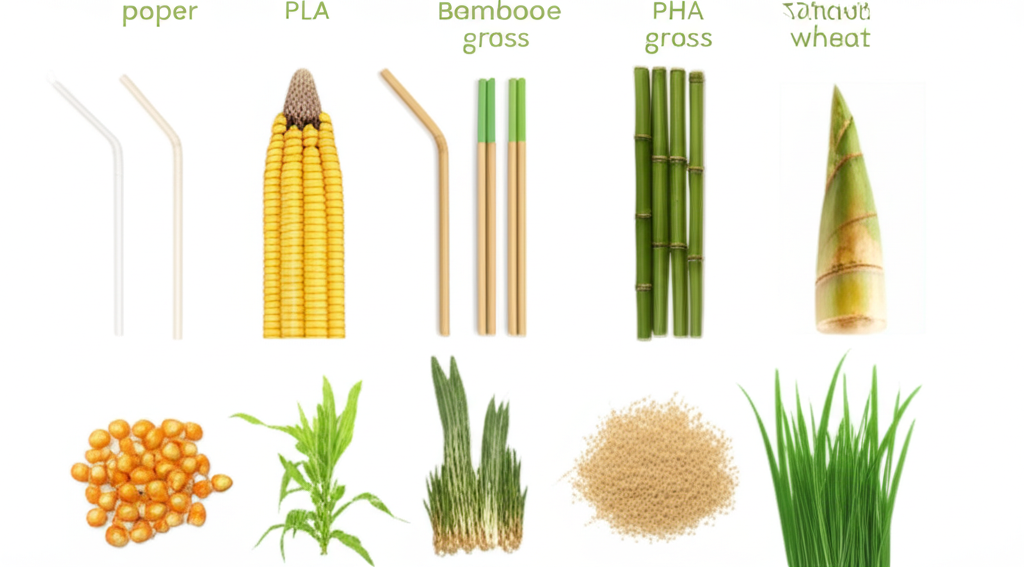
This environmental awakening has brought forth a new generation of innovations:bio straws. But what exactly are they? At their core, bio straws are eco-friendly alternatives specifically engineered to naturally decompose, significantly reducing landfill and ocean waste. Unlike conventional plastics that persist for centuries, bio straws are crafted from renewable, plant-based materials such as cornstarch, sugarcane (bagasse), bamboo, grass, or wheat. This composition allows them to break down into simpler organic compounds when exposed to natural environmental conditions like moisture, heat, and microbial activity. The market reflects this crucial shift: the global eco-friendly straws market is not just growing, it’s projected to skyrocket, reaching nearly USD 25.1 billion by 2035. This explosive growth is a clear indicator of both stringent regulatory changes and the evolving consumer preference for genuinely sustainable dining and hospitality experiences.
For procurement managers and operations directors in hospitality, navigating the diverse landscape of bio straw materials requires a strategic approach. It’s not merely about replacing plastic; it’s about optimizing performance, ensuring genuine sustainability, and enhancing the guest experience. The selection process must weigh factors like durability, user satisfaction, biodegradability, and compliance with increasingly complex regulations.
Delving into Bio Straw Types: A B2B Decision Guide
Let’s delve into the spectrum of bio straw types, evaluating them against key B2B decision criteria:
- Paperipillit: While biodegradable and widely available, traditional paper straws are notorious for becoming soggy, impacting user experience. Furthermore, concerns have emerged regarding potential plastic coatings, toxic inks, and the alarming discovery of PFAS (“forever chemicals”) in many brands, which can compromise both environmental integrity and consumer health.
- PLA Straws (Polylactic Acid): Made from renewable resources like cornstarch or sugarcane, PLA straws closely mimic the feel and function of conventional plastic. They offer a good bridge in terms of user experience, but their primary limitation is the requirement for industrial composting facilities to break down effectively, meaning they won’t degrade in typical landfills or natural environments.
- PHA Straws (Polyhydroxyalkanoates): Derived from organic materials via microbial fermentation, PHA straws represent a significant leap forward. They are robust, maintaining integrity in both hot and cold beverages, and offer a plastic-like feel without the environmental burden. Crucially, many PHA straws are certified marine biodegradable, capable of decomposing fully in diverse environments including industrial compost, home compost, and even ocean water within months. Their production also boasts a significantly reduced carbon footprint compared to traditional plastics. For a deeper understanding of advanced material solutions, explore our insights on sustainable packaging innovations.
- Sokeriruokopillit: Crafted from bagasse, the fibrous byproduct of sugarcane processing, these straws are naturally biodegradable, sturdy, and often home compostable. They are a robust, non-toxic, and gluten-free option that repurposes agricultural waste.
- Grass/Wheat/Bamboo Straws: These natural options offer unique aesthetic and textural qualities. Grass and wheat straws are compostable and retain shape well, while bamboo straws are naturally durable and often reusable, providing a more premium, rustic feel.

On ensiarvoisen tärkeää valita sertifioidut, PFAS-vapaat vaihtoehdot, jotta vältetään "vihreä pesu" ja varmistetaan, että sitoutumisesi kestävään kehitykseen on aitoa, mikä suojaa sekä brändiäsi että asiakkaitasi. Siirtyminen muovista aidosti ympäristöystävällisiin vaihtoehtoihin on erittäin näkyvä signaali asiakkaallesi, mikä erottaa yrityksesi täpötäyteisillä markkinoilla. Johtavat ravintola-alan toimijat kahvijättiläisistä, kuten Starbucksista (joka ovat pilotoineet PHA-pillejä Euroopassa) ja Dunkinista, nopeaan rentoon kehittäjiin, kuten Sweetgreen, integroivat menestyksekkäästi edistyneitä biopillejä. Tämä suuntaus korostaa laajempaa alan kulmakiviä, mikä osoittaa, että kestävä kehitys ei ainoastaan sovi yhteen kuluttajien arvojen kanssa, vaan se tarjoaa myös konkreettisia liiketoimintaetuja. Ratkaisumme antavat yrityksellesi mahdollisuuden vastata näihin muuttuviin vaatimuksiin, mikä parantaa toimintasi kaikkia osa-alueita vaatimustenmukaisuudesta asiakkaiden tyytyväisyyteen. Saat lisätietoja tietoon perustuvien päätösten tekemisestä yrityksesi hyväksi käymällä oppaassamme osoitteessachoosing eco-friendly products. Tämä ennakoiva lähestymistapa kestävään kehitykseen merkitsee suoraan parempaa tuotekuvaa ja vahvempaa asiakasuskollisuutta, kun ympäristötietoiset kuluttajat ovat yhä halukkaampia tukemaan yrityksiä, jotka asettavat ympäristövastuun näkyvästi etusijalle. Itse asiassa monet raportoivat positiivisesta palautteesta, parantuneesta tyytyväisyydestä ja lisääntyneestä asiakassuhteesta tällaisten aloitteiden hyväksymisen jälkeen. Majoitusalalla sekä Yhdysvalloissa että Euroopassa nämä ratkaisut ovat omaksumassa nopeasti, mikä johtuu sääntelypaineiden yhdistelmästä ja kasvavasta kuluttajasegmentistä, joka etsii aktiivisesti kestäviä ruokailu- ja majoituselämyksiä. Tämä suuntaus ulottuu pillien lisäksi laajempiin kestäviin käytäntöihin, mikä vahvistaa ajatusta, että ympäristötietoinen toiminta on tulevaisuuden menestyksen avain. Lisää näkemyksiä toimialan trendeistä löytyy osoitteestaTulevaisuuden markkinanäkymät.
The strategic imperative for the hospitality sector is clear: embracing advanced bio straw solutions is no longer optional, but essential for long-term brand reputation, regulatory compliance, and sustained market growth. Continuous innovations in material science and design assure businesses that future solutions will only improve in durability, biodegradability, and cost-effectiveness, making the transition increasingly seamless and beneficial.
It’s time for hospitality decision-makers to move beyond conventional, often problematic, single-use options and proactively assess genuinely sustainable straw solutions for their operations. Elevate your establishment’s sustainability profile, enhance guest experience, and future-proof your business in a rapidly evolving market.
Ready to make a tangible impact?
Contact us today to explore our comprehensive range of PFAS-free, high-performance bio straws, including cutting-edge marine-biodegradable PHA options. Let us help you navigate the best sustainable choices for your unique operational needs.Schedule a Tailored Consultation
Discover how momoio.com can transform your sustainable sipping strategy.
For more details on sustainable hospitality, visitSustainable Sipsor explore articles ongreen hospitality practices. You can also find broader environmental solutions atGreenprint Products.