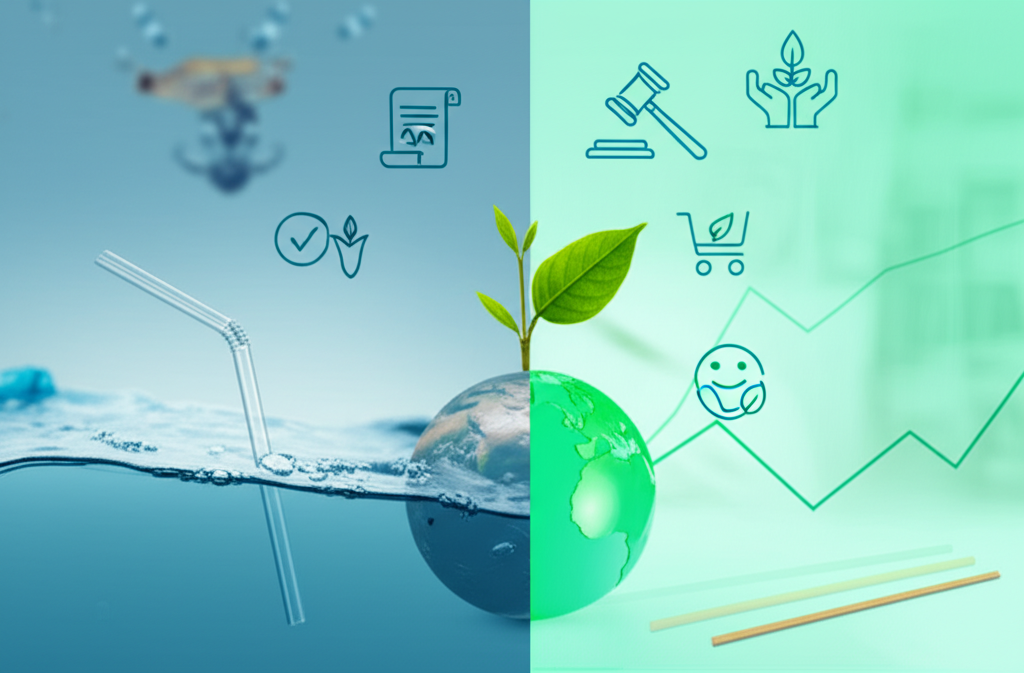
The ubiquitous plastic straw, once a symbol of convenience, has now become a critical environmental liability for businesses worldwide. We face a looming threat posed by traditional plastic, which persists in our environment for hundreds of years, breaking down into harmful microplastics that pollute our oceans and endanger marine life. This ecological crisis has catalyzed a decisive shift in global policy and consumer behavior.
Across the globe, a growing landscape of single-use plastic bans and restrictions is reshaping the operational realities for foodservice and retail. From the comprehensive European Union’s Single-Use Plastics Directive to mandates in the UK and various US states like California and Washington D.C., legislation directly impacts procurement and operational compliance. Non-compliance no longer means just a slap on the wrist; it entails significant brand reputation risks, negative public perception, and potentially hefty financial penalties.
Beyond regulations, consumer demand for sustainable products is escalating rapidly. Studies consistently indicate that a high percentage of global consumers are willing to pay more for eco-friendly packaging and prefer to patronize environmentally responsible businesses. For distributors, wholesalers, and hospitality procurement managers, this isn’t just a trend; it’s a profound market signal. By proactively transitioning away from plastic, your brand can position itself as a leader in sustainability, attracting and retaining this valuable segment of eco-conscious customers in the highly competitive foodservice and retail sectors. This alignment with robust Corporate Social Responsibility (CSR) goals not only enhances your public image but also demonstrates a genuine commitment to a healthier planet. For more insights on sustainable practices, consider exploringmomoio.comcommitment to eco-friendly solutions.
Navigating the New Normal: The Rise of Biodegradable Straws
The era of plastic straws is undeniably ending, giving way to a new normal defined by sustainable alternatives. The market for eco-friendly straws is undergoing staggering growth, projected to reach nearly USD 25.1 billion by 2035 with a robust Compound Annual Growth Rate (CAGR) of 7.3%. This rapid transformation is fueled by increasing regulatory pressure and bold corporate sustainability commitments from industry giants. Major players like Starbucks, McDonald’s, First Watch, and HMSHost have already made significant transitions to biodegradable alternatives, setting a new industry standard and demonstrating the viability and necessity of this shift. This trajectory presents an immense opportunity for astute distributors, wholesalers, and hospitality procurement managers to capitalize on expanding demand and secure a competitive edge.
So, what exactly constitutes a biodegradable straw? Unlike their plastic predecessors, biodegradable straws are materials designed to break down naturally into harmless compounds over time, significantly reducing landfill and ocean waste. This decomposition occurs through exposure to environmental conditions like moisture, heat, and microorganisms, often within months to a few years, a stark contrast to the centuries required for traditional plastic.
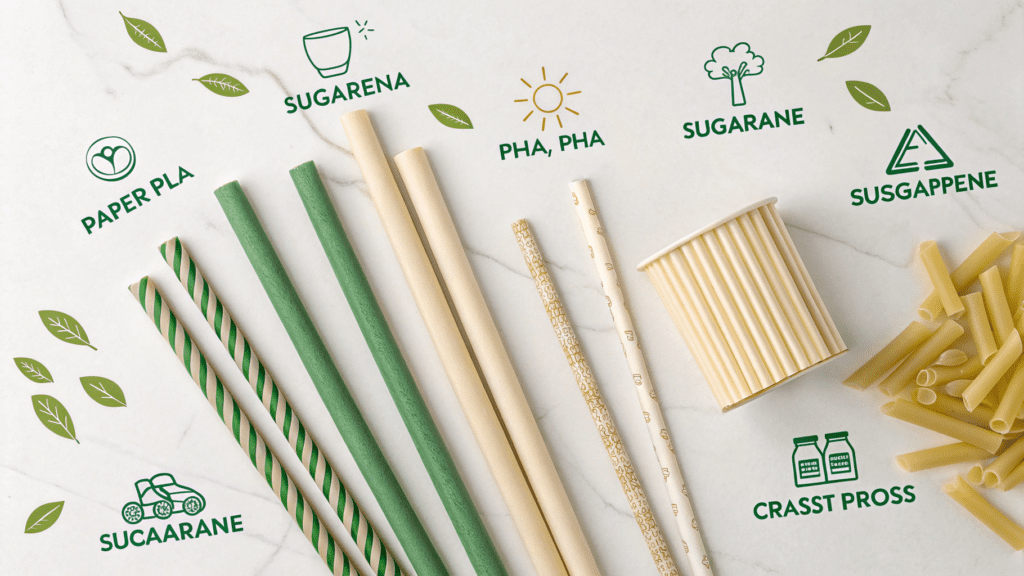
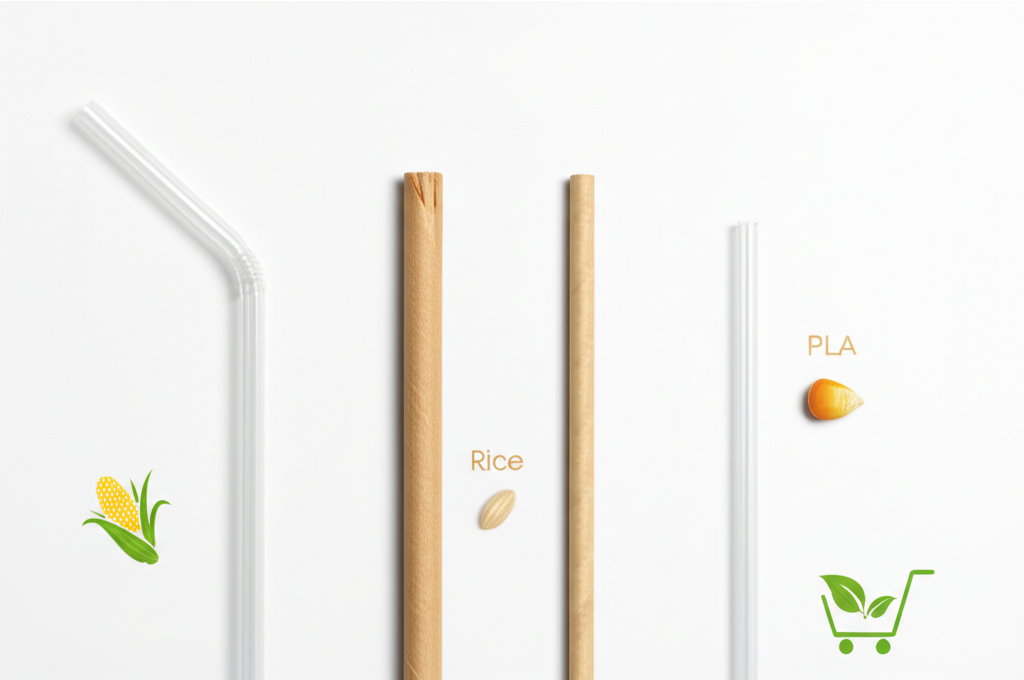
The innovation in this space extends far beyond basic paper straws. Today, you can discover a diverse range of plant-based materials driving this sustainable revolution. These include Polylactic Acid (PLA) derived from renewable resources like corn starch, Polyhydroxyalkanoates (PHA) from canola oil or plant sugars, durable sugarcane (bagasse) made from a fibrous byproduct, quickly decomposing rice and wheat straws, resilient bamboo, and even innovative coffee ground-based options. Understanding these distinctions is crucial for precise procurement. While “biodegradable” refers to natural breakdown over time, “compostable” indicates degradation in specific composting environments (industrial or home), and “marine-degradable” specifies breakdown in saltwater, a critical feature for combating ocean plastic pollution. For a deeper dive into sustainable packaging options, visitmomoio.comwholesale solutions.
Strategic Sourcing: Choosing the Right Biodegradable Straw for Your Business
Strateginen siirtyminen biohajoaviin pilliin tarjoaa etuja, jotka ulottuvat paljon muutakin kuin pelkkä vaatimustenmukaisuus. Valitsemalla kehittyneitä biohajoavia olkivaihtoehtoja yritykset voivat saavuttaa ylivertaisen toiminnan tehokkuuden ja tarjota johdonmukaisen käyttökokemuksen, joka minimoi aikaisempiin, vähemmän hienostuneisiin vaihtoehtoihin liittyvät yleiset valitukset. Tämä kestävien ratkaisujen ennakoiva käyttöönotto lisää brändisi vetovoimaa ja kasvattaa syvempää kuluttajauskollisuutta, mikä resonoi voimakkaasti nykypäivän ympäristötietoisten asiakkaiden kanssa. Lisäksi tämä siirtymä voi saavuttaa potentiaalisia pitkän aikavälin kustannustehokkuuksia alentamalla jätehuoltomaksuja ja välttämällä seuraamuksia, jotka liittyvät yhä tiukentuviin kertakäyttömuoveihin sekä Yhdysvalloissa että Euroopassa. Esimerkiksi EU:n kattava kertakäyttöisten muovien kielto on pakottanut laajan muutoksen, kun taas Yhdysvaltojen osavaltiot, kuten New York ja Washington, ovat ottaneet käyttöön omat rajoituksensa, mikä tekee kestävästä hankinnasta kriittisen toiminnan välttämättömyyden.
To navigate the diverse landscape of options, a comparative analysis of biodegradable straw types is essential:
| Olkityyppi | Key Characteristics & Benefits | Decomposition Time & Conditions | Considerations for B2B Procurement |
|---|---|---|---|
| Paperipillit | Cost-effective, widely available, made from sustainable wood resources. Advancements in water-resistant coatings. | Weeks to months in composting or landfill (if proper conditions met). | Excellent for general use; ensure modern versions with improved durability to combat sogginess. Look for FDA-approved, BPA-free options. Still dominate the market due to cost-effectiveness. |
| PLA (polymaitohappo) pillit | Mimic traditional plastic feel and functionality. Made from renewable resources like corn or sugarcane. | Years without industrial composting; months (56-60°C) with industrial composting facilities. | Good for consumer experience; crucial to verify local industrial composting infrastructure. If facilities are scarce, these may not fully biodegrade in landfills as intended, leading to “greenwashing” concerns if not clearly communicated. |
| PHA (polyhydroksialkanoaatti) pillit | Offer plastic-like durability and feel. Produced from plant sugars or canola oil fermentation. | Months in industrial, home composting, and even ocean environments (marine-degradable). | High performance, versatile disposal; increasingly popular due to broad biodegradability. Companies like First Watch and HMSHost are adopting PHA straws for their widespread breakdown capabilities. |
| Sugarcane (Bagasse) Straws | Durable, water-resistant, made from a fibrous byproduct of sugarcane processing. | Less than 3 months in home or industrial composting facilities. | Excellent durability and sustainability, utilizing agricultural waste. Less prone to sogginess than paper. A strong choice for various beverage types. |
| Rice/Edible Straws | Fully edible, zero-waste solution. Made from natural ingredients like rice flour and cassava starch. | Rapidly within 1-3 months in nature (even if not eaten). | Unique customer experience; ideal for cold beverages. May be more brittle or have specific texture/taste. Offer a compelling differentiator and eliminate waste entirely. |
Beyond these core types, the latest innovations in material science are continuously pushing boundaries, developing multi-layered coatings, advanced bio-based polymers, and even bacterial cellulose-based straws that are stronger than paper and biodegrade without industrial composting.
It’s vital to address common B2B concerns regarding biodegradable straw performance, such as sogginess or perceived lack of durability. Modern material science has significantly improved these attributes, with many plant-based options now designed to maintain structural integrity throughout use. Furthermore, navigate the complexities of “greenwashing” by understanding the specific decomposition requirements for different biodegradable materials. Prioritize certified products (e.g., those meeting ASTM D6400 or EN 13432 standards for compostability) that clearly state their end-of-life pathways. Crucially, mitigate health and environmental concerns by sourcing straws verified to be free from harmful chemicals like PFAS (“forever chemicals”), which have been found in some paper and bamboo straws. This ensures a safe product for both consumers and the environment. Transparency in sourcing and disposal is key to truly embracing sustainability. For detailed product specifications and certifications, checkmomoio.comproduct catalog.

Partnering for a Sustainable Future: Your Next Steps
Tarjoilu- ja vähittäiskaupan pakkausteollisuuden tulevaisuus on kiistatta biohajoava, ja sitä leimaa jatkuva innovaatio ja ennennäkemättömät mahdollisuudet. Yritysten on valmistauduttava biohajoavien pillien seuraavaan kehitysaaltoon, mukaan lukien tekoälypohjainen materiaalitutkimus, joka johtaa uusiin korkean suorituskyvyn biopohjaisiin polymeereihin, parannettuihin meren hajoamisominaisuuksiin todella valtameriturvallisia ratkaisuja varten sekä saatavilla olevien syötävien ja kotikompostoitavien vaihtoehtojen lisääntymiseen. Kun otamme käyttöön nämä huippuluokan kestävät ratkaisut, yrityksesi on johtavassa asemassa pysyen kehittyvien sääntelymuutosten ja kuluttajien nousevien odotusten edellä. Biohajoavien olkien ottaminen käyttöön ei ole vain vaatimustenmukaisuustoimenpide; se on strateginen investointi brändisi tulevaisuuteen, markkinaosuuteen ja toiminnan kestävyyteen.
Varmistaaksesi kestävän toimitusketjusi ja tehdäksesi saumattoman siirtymän, aloita strateginen kumppanuus luotettavan toimittajan kanssa, joka on erikoistunut sertifioituihin biohajoaviin olkiratkaisuihin, jotka on räätälöity ravitsemis- ja vähittäiskaupan aloille. Suosittelemme sinua pyytämään henkilökohtaista konsultaatiota, jotta voit analysoida erityisiä toiminnallisia tarpeitasi, tutustua monipuoliseen valikoimaan kehittyneitä biohajoavia olkityyppejä ja optimoida hankintastrategiasi sekä ympäristövaikutusten että kustannustehokkuuden kannalta. Syventääksesi ymmärrystäsi ja tehdäksesi tietoon perustuvia päätöksiä lataa kattava biohajoavien olkien hankintaoppaamme jo tänään, ja se tarjoaa syvällistä tietoa materiaalien valinnasta, tärkeistä sertifikaateista ja pitkän aikavälin kustannus-hyötyanalyysistä.