Biohajoavat muovipillit: B2B-opas todelliseen kestävään kehitykseen
Maailmanlaajuinen pyrkimys kestävään kehitykseen muuttaa kiistatta B2B-hankintoja. Yrityksillä maailmanlaajuisesti on kasvava paine ottaa käyttöön vihreämpiä käytäntöjä kuluttajien muuttuvien odotusten, tiukkojen sääntelypuitteiden ja lisääntyneen ympäristövaikutusten tietoisuuden vuoksi. Tämän muutoksen keskellä nöyrästä juomapillistä on tullut tämän muutoksen voimakas symboli. Päättäjinä kamppailet todennäköisesti perinteisten muovien vaihtoehtojen hankinnan haasteen kanssa ja kohtaat usein termejä, kuten "biohajoavat muovipillit". Tämä näennäisesti suoraviivainen ratkaisu voi kuitenkin olla harhaanjohtavien väitteiden ja kalliiden virheiden miinakenttä. Termi "biologisesti hajoava" ymmärretään usein väärin ja sitä käytetään vaihtokelpoisesti muiden käsitteiden kanssa, mikä johtaa hankintapäätöksiin, jotka eivät välttämättä tuota suunniteltuja ympäristöhyötyjä ja voivat jopa altistaa toiminnallesi mainevaurioita tai rikkomussakkoja. Tämä opas leikkaa ammattikieltä ja tarjoaa hankintapäälliköille, toimintajohtajille, kestävän kehityksen johtajille ja toimitusketjun johtajille selkeän ja toimivan käsityksen siitä, mitä "biohajoavat muovipillit" todella sisältävät, ja antaa sinulle mahdollisuuden tunnistaa ja ottaa käyttöön aidosti tehokkaita kestäviä ratkaisuja yrityksellesi.
Vivahteen ymmärtäminen: "Biohajoavan muovin" lisäksi
Ympäristöystävällisten vaihtoehtojen maisemassa navigointi vaatii tarkkuutta. Vaikka "biohajoava muovi" saattaa kuulostaa kokonaisvaltaiselta ratkaisulta, sen todelliset vaikutukset yrityksille ovat paljon vivahteikampia. Otetaan esimerkiksi polylaktihappo (PLA). Uusiutuvista luonnonvaroista, kuten maissitärkkelyksestä tai sokeriruo'osta, johdettu PLA on suosittu biomuovivaihtoehto, joka on suunniteltu jäljittelemään perinteisten öljypohjaisten muovien ulkonäköä ja tuntumaa. PLA:n taustalla oleva tarkoitus on kiitettävä: vähentää riippuvuutta fossiilisista polttoaineista. Sen "biohajoava" etiketti sisältää kuitenkin usein kriittisen varoituksen: PLA-pillit vaativat tyypillisesti hyvin erityisiä olosuhteita, nimittäin korkeita lämpötiloja, joita esiintyy vain teollisissa kompostointilaitoksissa, jotta ne hajoavat tehokkaasti. Tavanomaisessa kaatopaikkaympäristössä, jossa happea ja korkeita lämpötiloja on niukasti, PLA voi säilyä satoja, ellei tuhansia vuosia, käyttäytyen samalla tavalla kuin tavallinen muovi ja myötävaikuttaen juuri siihen saastumiseen, jota sillä pyritään estämään. Tämä ero on ratkaisevan tärkeä yrityksille, koska PLA-tuotteiden huonosti hoidettu hävittäminen voi mitätöidä niiden havaitut ympäristöhyödyt ja altistaa brändisi syytöksille vihreästä pesusta.

B2B-hankintojen todellinen haaste on tarkan terminologian ymmärtäminen. "Biohajoava", "kompostoituva" ja "meressä hajoava" eivät ole synonyymejä, ja niiden erot ovat ensiarvoisen tärkeitä todellisten ympäristövaikutusten ja säännösten noudattamisen varmistamiseksi.
- Biohajoava: Tämä termi tarkoittaa yleisesti, että materiaali voi hajota luonnollisesti mikro-organismien avulla. Se ei kuitenkaan anna takuuta aikajanalle, joka kestää usein kuukausia tai vuosia, tai vaadituista olosuhteista (esim. maaperä, vesi, tietyt lämpötilat). Kriittisesti "biohajoavat" tuotteet voivat silti jättää jälkeensä mikromuovijäämiä tai liuottaa kemikaaleja ympäristöön.
- Kompostoitu: Tämä on paljon tiukempi määritelmä. Kompostoitavat pillit on erityisesti suunniteltu hajoamaan kokonaan orgaaniseksi aineeksi – kuten vedeksi, hiilidioksidiksi ja biomassaksi – lyhyemmässä, määritellyssä ajassa (tyypillisesti viikoista muutamaan kuukauteen) kontrolloiduissa kompostointiympäristöissä. Tämä prosessi ei jätä haitallisia jäämiä. Välillä on toinenkin ero teollisesti kompostoitava (vaatii kaupallisia tiloja, joissa on korkea lämpö ja erityiskosteus) ja kotona kompostoitava (joka voi hajota takapihan kompostikasassa). Jos haluat sukeltaa syvemmälle näihin luokitteluihin, tutustu kattavaan oppaaseemme Kompostoituvat vs. biohajoavat pillit: B2B-opas.
- Meressä hajoava: Tämä on tarkin ja ympäristön kannalta kriittisin luokka tuotteille, jotka on tarkoitettu valtameren läheisyyteen. Meressä hajoavat pillit on suunniteltu ainutlaatuisesti hajoamaan merellisissä ympäristöissä, mikä ehkäisee vahinkoa villieläimille ja vähentää merkittävästi mikromuovisaastetta valtamerissämme.
Sääntelyympäristö Yhdysvalloissa ja Euroopassa lisää edelleen selkeyden tarvetta. Esimerkiksi Euroopan unionin kertakäyttömuovia koskeva direktiivi on käytännössä kieltänyt monet kertakäyttöiset muovituotteet, mukaan lukien pillit, heinäkuusta 2021 lähtien, mikä kannustaa yrityksiä käyttämään sertifioituja vaihtoehtoja. Samoin useat Yhdysvaltain osavaltiot ja kaupungit ovat säätäneet omia kieltojaan tai rajoituksiaan, mikä luo monimutkaisen vaatimustenmukaisuusvaatimusten verkon eri alueilla toimiville yrityksille. Noudattamatta jättäminen voi johtaa merkittäviin sakkoihin ja vahingoittaa brändisi mainetta. Näiden erojen ymmärtäminen ei ole vain akateemista harjoitusta; se on strateginen välttämättömyys tuontimääräysten navigoimiseksi ja toimitusketjusi vaatimustenmukaisuuden ja kimmoisuuden varmistamiseksi. Lisätietoja näissä monimutkaisissa kysymyksissä liikkumisesta on artikkelissammeBiohajoavien pillien tuontivaatimusten mukainen.
Johtavat kestävät olkiratkaisut nykyaikaisille yrityksille
Nykyaikaisille yrityksille, jotka ovat sitoutuneet aitoon kestävyyteen ja toiminnan erinomaisuuteen, oikean olkiratkaisun valinta ylittää pintatason väitteet. Markkinat tarjoavat nyt todella innovatiivisia vaihtoehtoja, jotka yhdistävät ympäristövastuun käytännön suorituskyvyn kanssa.
Polyhydroksialkanoaattien (PHA) pillit: todellinen pelin muuttaja
PHA edustaa merkittävää harppausta biomuoveissa. Tämä luonnollisesti esiintyvä biopolymeeri on peräisin kasviöljyjen tai sokereiden, kuten rypsiöljyn, käymisestä. Sen erottuva ominaisuus on sen vahva biohajoavuus monissa ympäristöissä. PHA-pillit voivat hajota tehokkaasti teollisissa kompostointilaitoksissa, kotikompostointijärjestelmissä ja ratkaisevasti jopa meriympäristöissä. Tämä monipuolisuus tekee PHA:sta vertaansa vailla olevan valinnan yrityksille, jotka etsivät todella pyöreää ratkaisua. Käyttäjäkokemuksen näkökulmasta PHA-pillit säilyttävät erinomaisen eheyden, kestävät kosteutta ja tarjoavat huomattavan samanlaisen tuntuman kuin perinteiset muovipillit, varmistaen asiakastyytyväisyyden ilman ympäristöriskejä. Esimerkiksi UrthPact tarjoaa PHA-pillejä, jotka on sertifioitu kotikompostointiin, mikä osoittaa tämän edistyneen materiaalin todellisen käytön.
Kasvipohjaiset kuitupillit: Takaisin luontoon
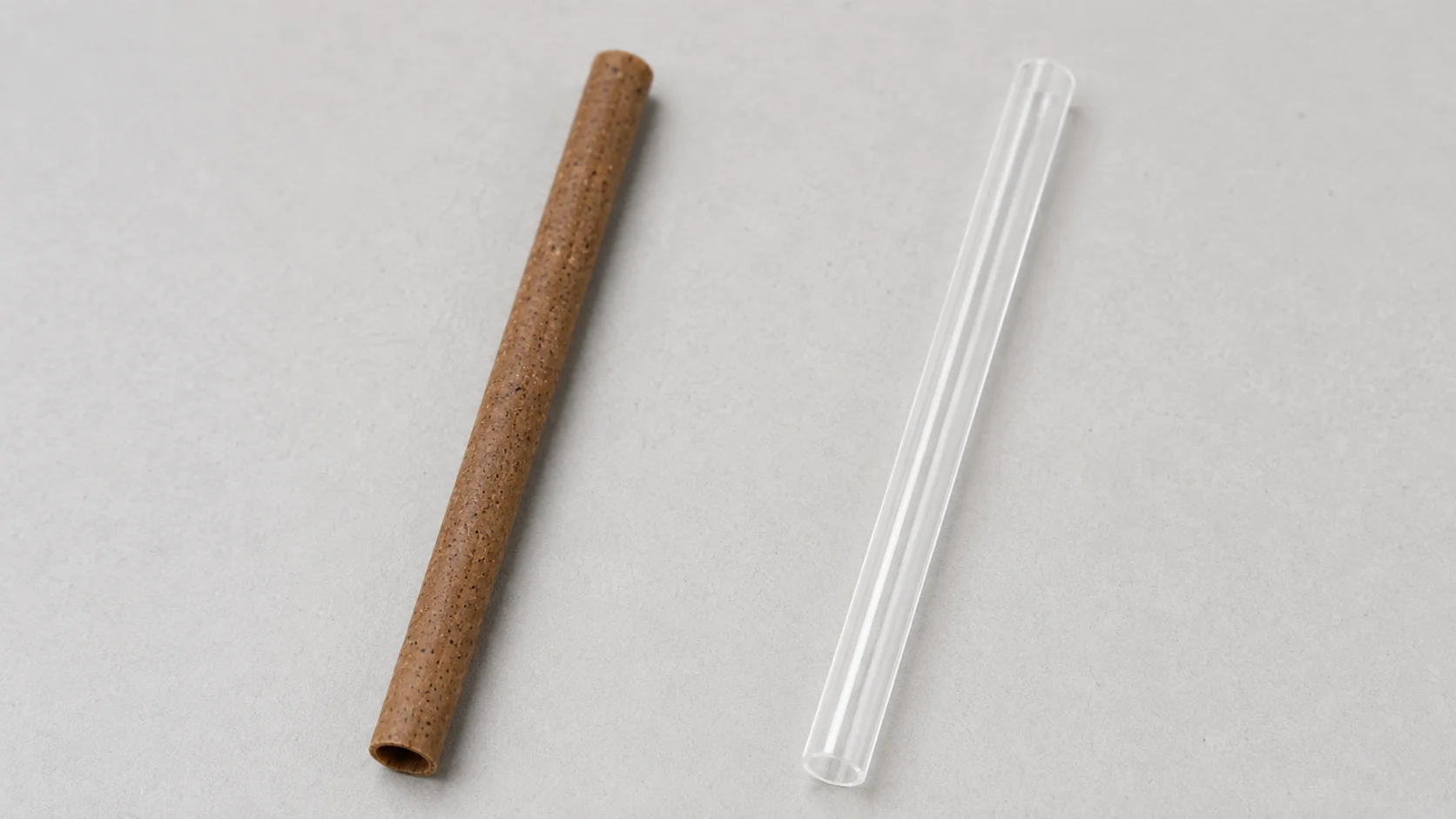
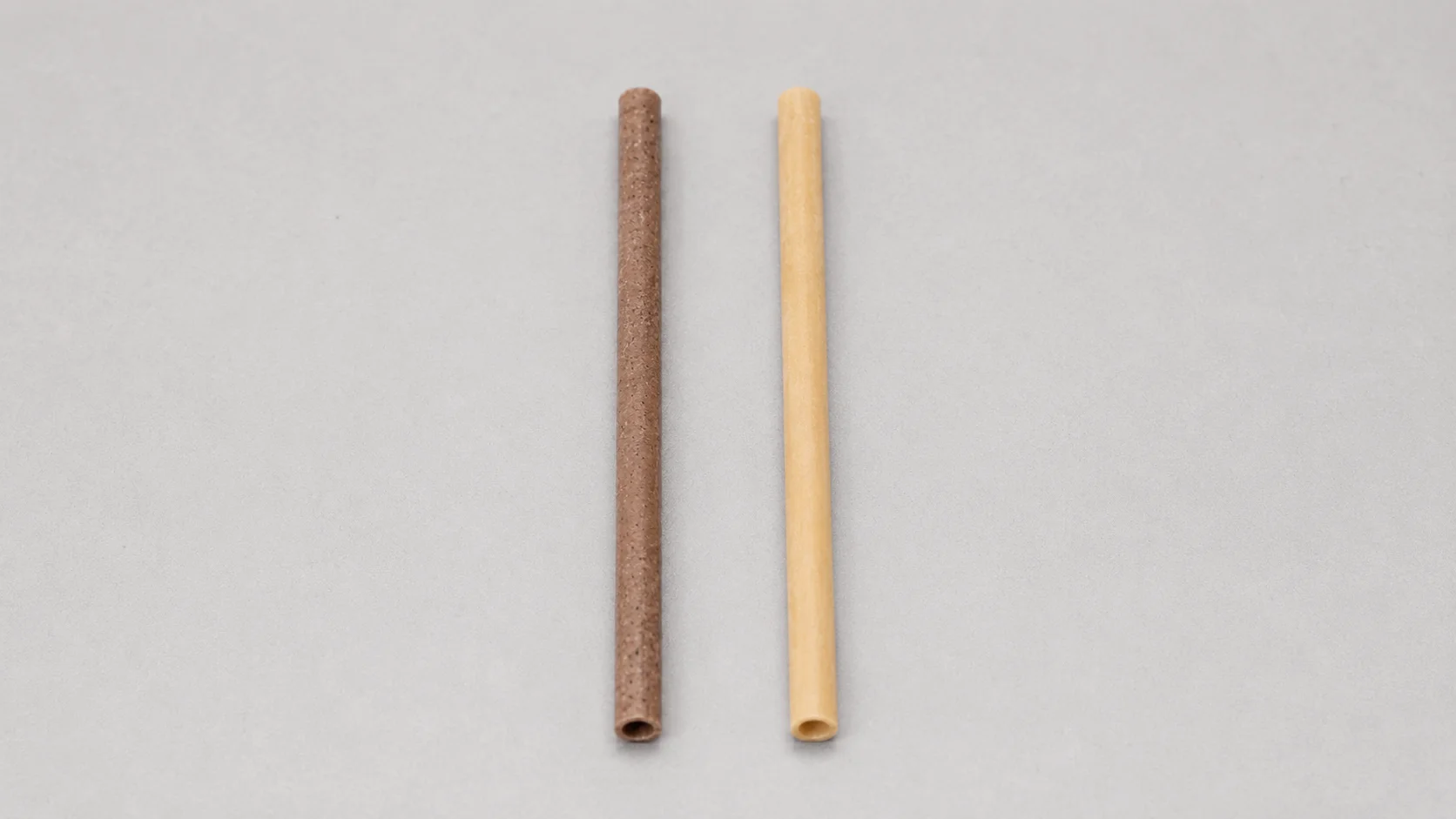
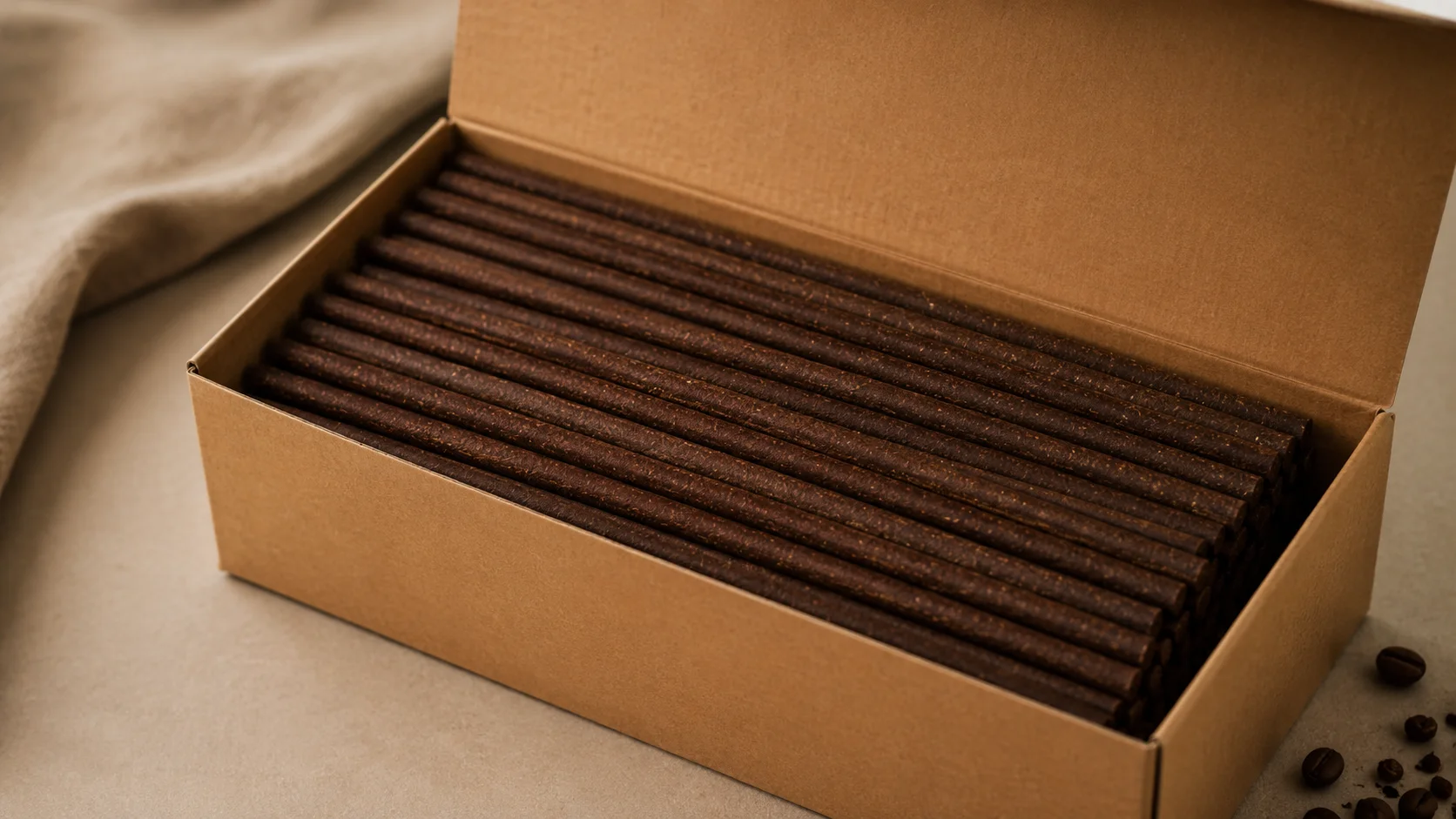
Materiaalien omaksuminen suoraan luonnosta tarjoaa toisen houkuttelevan polun. Sokeriruokosokerista (sokeriruo'on käsittelyn kuitumainen sivutuote), vehnän oljesta, bambusta, ruo'osta ja agavesta valmistetut pillit ovat saamassa vetoa. Nämä materiaalit ovat luonnostaan uusiutuvia ja tarjoavat erinomaisen biohajoavuuden, koska ne ovat usein kotikompostoitavia. Ne tarjoavat luonnollisen ulkonäön ja tuntuman orgaanisen estetiikin kanssa. Vaikka niiden rakenne tai kestävyys saattavat poiketa hieman muovista, jatkuva innovaatio parantaa niiden suorituskykyä ja tekee niistä tukevia ja luotettavia vaihtoehtoja.
Paperipillit: laajalti käytetty vaihtoehto
Paperipillit ovat olleet yksi varhaisimmista ja yleisimmistä reaktioista muovipillien kriisiin. Yleensä biohajoavia ja kompostoitavia (edellyttäen, että niitä ei ole päällystetty biohajoamattomilla materiaaleilla, kuten PE-vuorauksella), ne ovat tuttu valinta. Vaikka varhaiset versiot kärsivät ongelmista, kuten nopeasta kosteudesta, nykyaikaiset paperipillitekniikat ovat parantuneet merkittävästi, mikä on parantanut kestävyyttä ja kestävyyttä nesteessä. Keskeisiä hankintoja tehtäviä seikkoja ovat sen varmistaminen, että ne on valmistettu ympäristöystävällisistä musteista ja liimoista, ja hankinnat valmistajilta, jotka asettavat kestävyyden etusijalle massasta valmiiseen tuotteeseen. Jos haluat syventää tämän tyyppisten pillien, mukaan lukien paperin, materiaaleja, valmistusta ja hävittämistä, vieraile kattavassa blogikirjoituksessamme osoitteessaBiodegradable Straws: Materials, Manufacturing & Disposal for B2B.

Oikean kestävän oljen valinta: vertaileva yleiskatsaus yrityksille
| Perinteinen muovi | Maaöljy | Ei mitään (pitkäaikainen saastuminen) | Satoja vuosia | Korkea kestävyys, tasainen tunne | Ei käytössä | Alhaiset alkukustannukset, mutta korkeat ympäristö- ja mainekustannukset; yhä enemmän säännelty/kielletty. |
| PLA (polymaitohappo) | Maissitärkkelys, Sokeriruoko | Uusiutuva luonnonvarapohja | Teollinen kompostointi vaaditaan | Hyvä kestävyys, muovinen tuntu | BPI, CMA (teolliseen kompostiin) | Edellyttää pääsyä teollisiin kompostointitiloihin; saattaa jäädä kaatopaikalle, jos sitä ei hävitetä asianmukaisesti. |
| PHA (polyhydroksialkanoaatit) | Kasviöljyt, Sokerit | Laaja biohajoavuus (mukaan lukien merellinen) | Kotimainen komposti, teollisuus, meri | Korkea kestävyys, muovimainen tuntu | Kotikäyttöön kompostoitava (esim. UrthPact), meressä hajoava (ASTM D6691) | Ensiluokkainen ratkaisu erittäin sitoutuneeseen kestävyyteen; monipuoliset hävitysvaihtoehdot vähentävät epävarmuutta käyttöiän päättymisestä. |
| Sokeriruoko Bagasse | Sokeriruokokuituinen sivutuote | Nopea luonnollinen hajoaminen | Kotikomposti, teollisuus, maaperä, vesi | Tukeva, luonnollinen tuntu, minimaalinen kosteus | Kotikompostoitava, BPI (jotkut tuotteet) | Excellent for natural feel & broad biodegradability; often cost-effective with strong eco-credentials. |
| Paperi | Puumassa, bambu, bagassi | Biohajoava, kierrätettävä (jos puhdas) | Maaperä, kotikomposti (päällystämätön) | Vaihtelee (voi olla märkä), paperin tuntu | FSC, BPI (jotkut tuotteet) | Laajalti hyväksytty, kustannustehokas; On tärkeää arvioida laatua negatiivisten käyttökokemusten välttämiseksi. |
Navigointi ympäristötietoisilla markkinoilla: sääntelytrendit ja brändin vaikutus
Muovisaasteiden lisääntyvä kiireellisyys ei ole vain trendi; se on perustavanlaatuinen muutos markkinadynamiikassa. Hallitukset maailmanlaajuisesti asettavat tiukkoja kieltoja kertakäyttöisten muovien käyttöön. Euroopan unionin kattava direktiivi on luonut ennakkotapauksen, ja vastaavia lainsäädäntötoimia on ilmaantunut kaikkialla Yhdysvalloissa liittovaltion, osavaltion ja kuntien tasolla. Yrityksille tämä merkitsee selkeää välttämätöntä: näiden säännösten edellä pysyminen ei ole valinnaista, mutta olennaista vaatimustenmukaisuusongelmien välttämiseksi ja markkinoille pääsyn ylläpitämiseksi.
Tämä sääntelyn kehitys korostaa sertifiointien kriittistä merkitystä B2B-hankinnoissa. Jotta tuote todella kestäisi kestävyysvaatimuksiaan, se on tarkistettava riippumattomasti. Tärkeimmät sertifikaatit, kuten BPI (Biohajoavien tuotteiden instituutti) ja TUV Austria (jossa on OK Compost INDUSTRIAL- ja OK Compost HOME -merkit), tarjoavat ostajille korvaamattoman vahvistuksen ja varmuuden. Nämä elimet testaavat tuotteita tarkasti varmistaakseen, että ne täyttävät määritellyt hajoamisstandardit tietyissä aikarajoissa eivätkä jätä myrkyllisiä jäämiä. ASTM-standardit (esim. D6400 teolliseen kompostointiin, D6868 kompostoituvaan muoviin, D5988 ja D6954 aerobiseen biohajoamiseen maaperässä) tarjoavat tieteellisen viitekehyksen biohajoavuuden ja kompostoitumisen arvioinnille. Näihin sertifikaatteihin luottaminen poistaa epäselvyyden, jolloin hankintajohtajat voivat tehdä luotettavia, aidosti kestäviä valintoja.

Beyond compliance, the strategic adoption of truly eco-friendly straw solutions significantly enhances your brand reputation. In an era where corporate social responsibility (CSR) is a major differentiator, demonstrating a commitment to environmental stewardship resonates deeply with B2B clients and end-users alike. A recent study published in ACS Sustainable Chemistry & Engineering highlighted that commercial bioplastic or paper straws can disintegrate within 8 to 20 months in coastal ocean systems, a stark contrast to polypropylene and polylactic acid straws which showed no measurable weight changes and thus persist for years. This kind of tangible impact is what consumers and business partners increasingly demand. By transparently communicating your sustainable choices, you not only meet growing expectations but also cultivate stronger brand loyalty, attract eco-conscious talent, and carve out a competitive edge in the market. The shift towards sustainable sourcing is a powerful narrative that can significantly uplift your brand value and open new market share opportunities.
Tee yrityksellesi älykäs ja kestävä valinta
Hankintajohtajille älykkään kestävän valinnan tekeminen edellyttää monitahoista arviointia. Arvioi ensin kriittisesti olemassa oleva hävitysinfrastruktuurisi ja loppukäyttäjien infrastruktuuri. Onko sinulla luotettava pääsy PLA:n teollisiin kompostointitiloihin vai vaatiiko toimintaympäristösi kotikompostointia tai meressä hajoavia vaihtoehtoja, kuten PHA:ta tai sokeriruokoa? Toiseksi, arvioi suorituskykytarpeet: mikä kestävyys, lämpötilankesto ja käyttökokemus ovat kriittisiä tuotteellesi tai palvelullesi? Kolmanneksi, tarkista aina todistukset; ne ovat vahvin takuusi todellisesta ympäristövaikutuksesta. Harkitse lopuksi omistamisen kokonaiskustannuksia. Vaikka joillakin kestävillä vaihtoehdoilla voi olla korkeammat alkukustannukset, mittaa merkittäviä säästöjä ympäristövaikutusten vähenemisessä, vaatimustenmukaisuusriskien pienentymisessä ja korvaamattoman arvokkaassa tuotemerkin arvon ja markkinoiden erilaistumisen lisääntymisessä, joka syntyy todellisesta kestävän kehityksen johtajasta.
Yhteistyö oikean toimittajan kanssa on ensiarvoisen tärkeää. Etsi valmistajia, jotka osoittavat täydellistä läpinäkyvyyttä materiaalinhankinnassa ja valmistusprosesseissaan. Priorisoi toimittajat, jotka tarjoavat tuotteita, joilla on selkeät, tunnustetut sertifikaatit ja selkeät hävitysohjeet. Tiedustele mukautettuja brändäysmahdollisuuksia kestävillä pilleillä vahvistaaksesi brändisi sitoutumista ympäristöön suoraan asiakkaillesi.
Todellinen kestävyys B2B-hankinnoissa ylittää paljon pintatason "biohajoavia" väitteitä. Se vaatii tiukkaa, tietoon perustuvaa lähestymistapaa materiaalien valintaan, jota tukevat todennettavat sertifikaatit ja selkeä ymmärrys käyttöiän päättymisskenaarioista. Ottamalla käyttöön kehittyneitä ratkaisuja, kuten PHA:ta, ja tarkastelemalla huolellisesti kasvipohjaisia vaihtoehtoja, yritykset voivat siirtyä pelkän vaatimusten noudattamisen lisäksi aidosti johtamaan ympäristönsuojelua. Tämä ei ole vain jätteen vähentämistä; Kyse on kestävän, hyvämaineisen toimitusketjun rakentamisesta, joka resonoi tämän päivän tietoisen kuluttajan kanssa ja turvaa planeettamme huomista varten. Oletko valmis korostamaan kestävän kehityksen aloitteitasi todella ympäristöystävällisillä olkiratkaisuilla, jotka vastaavat brändisi arvoja ja toiminnallisia vaatimuksia? Ota meihin yhteyttä jo tänään saadaksesi henkilökohtaisen konsultoinnin tai pyydäksesi näytteitä sertifioiduista kompostoivista ja meressä hajoavista oljistamme ja lähde tielle kohti suurempia ympäristövaikutuksia ja liiketoiminnan kasvua.
Mitä eroa on "biohajoavilla" ja "kompostoitavilla" pillillä yrityksille?
Vaikka "biologisesti hajoava" tarkoittaa, että materiaali voi hajota luonnollisesti, se ei määrittele aikajanaa tai olosuhteita ja voi jättää jäämiä. "Kompostoitavat" oljet sen sijaan on sertifioitu hajoamaan kokonaan orgaaniseksi aineeksi tietyn ajan kuluessa kontrolloiduissa kompostointiympäristöissä (teollisuudessa tai kotona), jättämättä haitallisia jäämiä. B2B:lle kompostointi on tiukempi ja luotettavampi väite todellisesta ympäristövaikutuksesta ja vaatimustenmukaisuudesta.
Hajoavatko PLA (polymaitohappo) -pillit todella biologisesti?
Uusiutuvista luonnonvaroista, kuten maissitärkkelyksestä, valmistettuja PLA-pillejä pidetään biohajoavina, mutta ne vaativat tyypillisesti erityisiä olosuhteita, pääasiassa teollisissa kompostointilaitoksissa esiintyviä korkeita lämpötiloja, jotta ne hajoavat tehokkaasti. Jos PLA hävitetään kaatopaikoille tai luonnonympäristöön ilman näitä olosuhteita, se voi säilyä satoja vuosia perinteisen muovin tapaan.
Mitä PHA-pillit ovat ja miksi niitä pidetään yritysten "pelin vaihtajina"?
PHA (polyhydroksialkanoaatti) pillit ovat eräänlainen biomuovin tyyppi, joka on johdettu kasviöljyistä tai sokereista. Niitä pidetään pelin muuttajana, koska ne tarjoavat vankan biohajoavuuden monissa ympäristöissä, mukaan lukien teollinen kompostointi, kotikompostointi ja jopa meriympäristöt. Ne tarjoavat myös perinteisen muovin kaltaisen käyttökokemuksen, ne kestävät kosteutta ja säilyttävät kestävyyden, mikä tekee niistä monipuolisen ja todella kestävän vaihtoehdon B2B:lle.
Mitä sertifikaatteja yritysten tulee etsiä ostaessaan kestäviä olkia?
Yritysten tulisi priorisoida oljet, joilla on tunnustetut sertifikaatit vahvistaakseen kestävyysvaatimukset. Keskeisiä sertifikaatteja ovat BPI (Biodegradable Products Institute) kompostoitavuudelle, TUV Austria (OK Compost INDUSTRIAL/HOME) teollisuus- ja kotikompostoinnille sekä ASTM-standardit (esim. D6400, D6868 kompostoitavalle muoville, D5988, D6954 maaperän biohajoavuudelle).
Miten kestävät olkivalinnat vaikuttavat yrityksen brändin maineeseen ja vaatimustenmukaisuuteen?
Aidosti kestävien pillien valitseminen parantaa merkittävästi yrityksen brändin mainetta osoittamalla sitoutumista yritysten sosiaaliseen vastuuseen (CSR), joka resonoi ympäristötietoisten asiakkaiden ja kuluttajien keskuudessa. Lisäksi Yhdysvalloissa ja Euroopassa kertakäyttöisiä muoveja koskevien kieltojen ja määräysten lisääntyessä sertifioitujen kestävien vaihtoehtojen käyttöönotto on ratkaisevan tärkeää säännösten noudattamisen varmistamiseksi, sakkojen välttämiseksi ja markkinoille pääsyn ylläpitämiseksi.