As procurement managers, operations directors, sustainability officers, and supply chain executives, you navigate a complex landscape where environmental mandates intersect with customer satisfaction and operational efficiency. The global push for sustainability has transformed expectations, with an estimated 70% of consumers globally willing to pay more for sustainable brands. Yet, the transition to eco-friendly disposables often comes with unforeseen challenges, particularly in high-volume environments like foodservice and hospitality.
Paperinoljen dilemma toimii jyrkänä muistutuksena epäonnistuneista ratkaisuista. Nämä vaihtoehdot on suunniteltu kertakäyttöisten muovikieltojen pikakorjaukseksi, ja ne tuottavat usein pettymyksen, joutuvat nopeasti nesteisiin, antavat epämiellyttävän maun ja aiheuttavat asiakkaiden valituksia. Välittömän tyytymättömyyden lisäksi tämä johtaa piilokustannuksiin: lisääntyneisiin vaihtomääriin, vahingoittuneeseen tuotekuvaan ja hukkaan ponnisteluihin "kestävien" vaihtoehtojen hankinnassa, jotka eivät toimi.
Kuvittele ratkaisu, joka ei ainoastaan täytä kestävän kehityksen tavoitteitasi, vaan myös kohottaa asiakaskokemusta ja kestää aterian tai juoman kautta tinkimättä. Täällä korkealaatuiset bambupillit nousevat lupaaviksi ehdokkaiksi, jotka tarjoavat kestävän, luonnollisen vaihtoehdon hauraiden kertakäyttötarvikkeiden laajalle levinneelle ongelmalle. Yrityksille, jotka pyrkivät tasapainottamaan ekologista vastuuta toiminnan erinomaisuuden kanssa, herää kriittinen kysymys: Kastelevatko bambupillit todella?
Lopullinen vastaus on ei, ei niin kuin perinteiset paperipillit tekevät. Tukevista luonnonkuiduista valmistetut bambupillit on suunniteltu säilyttämään rakenteellisen eheytensä huomattavasti pidempään, kun ne altistuvat nesteille. Tämä luontainen joustavuus asettaa ne houkuttelevaksi valinnaksi organisaatioille, jotka ovat sitoutuneet aidosti kestäviin ja laadukkaisiin vieraskokemuksiin.

Siirtyminen pois kertakäyttömuovista on enemmän kuin trendi; se on säädösvaatimus ja modernin brändi-identiteetin kulmakivi kaikkialla Yhdysvalloissa ja Euroopassa. Yritykset kohtaavat kasvavaa painetta kattavien direktiivien, kuten EU:n kertakäyttömuovien direktiivin, ja osavaltiotason kiellot kaikkialla Yhdysvalloissa. Jos ei oteta käyttöön vankkoja ja kestäviä vaihtoehtoja, siihen liittyy paitsi vaatimustenmukaisuusriskejä myös konkreettisia kustannuksia, jotka heikentävät asiakkaiden luottamusta ja uskollisuutta. Hauraat paperipillit, jotka usein muuttuvat tahmeiksi tai hajoavat muutamassa minuutissa, vaikuttavat suoraan asiakastyytyväisyyteen ja osoittavat, että brändin ilmoittamat ekoarvot ja sen todellinen tuotelaatu on katkennut.
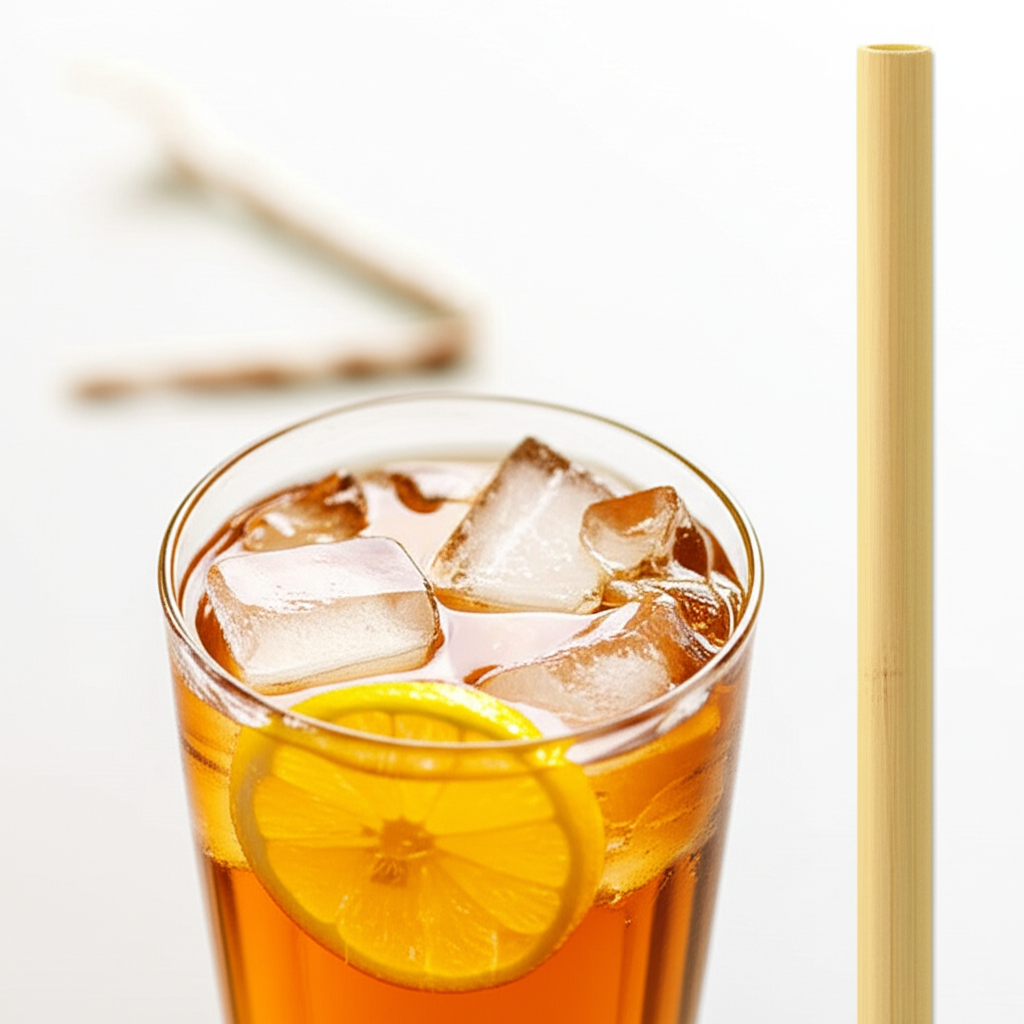
Bamboo’s natural composition offers a compelling counterpoint to these challenges. Its unique fibrous structure provides inherent resistance to liquid absorption, allowing it to retain its form and functionality far longer than paper. Unlike paper, which relies on chemical treatments or thick layers to delay inevitable saturation, bamboo’s tough, natural fibers are inherently more water-resistant. While bamboo straws can absorb some liquid over prolonged periods, subtly altering their texture, this does not lead to the rapid disintegration or mushiness characteristic of their paper counterparts. Some innovative products, like “bamboo pulp paper straws,” even combine the benefits of bamboo’s resilience with the convenience of paper, designed specifically for enhanced durability and to resist sogginess.
The science behind bamboo’s stability lies in its dense cellular structure. This allows it to withstand temperature variations remarkably well, making high-quality bamboo straws suitable for both hot and cold beverages. While frequent use with extremely hot drinks might eventually shorten their lifespan by drying out the bamboo and potentially causing cracks, their general performance far surpasses paper. For the discerning foodservice and hospitality sectors, this means a reliable straw that doesn’t compromise the integrity or temperature of the drink. They offer a natural aesthetic that enhances presentation, are reusable with proper care, and importantly, do not impart any undesirable taste to beverages, ensuring the customer enjoys their drink as intended. For businesses committed to the longevity of their sustainable choices, understanding how to best care for these products is paramount. Our guide onDo Bamboo Straws Decompose B2B Sustainability?offers deeper insights into maximizing the life and end-of-life benefits of these natural alternatives.
Strategic procurement in today’s landscape demands a holistic view, balancing initial cost with long-term value, environmental impact, and unwavering customer satisfaction. When evaluating sustainable straw alternatives, a detailed comparison is crucial for B2B decision-makers.
Comparison of Sustainable Straw Alternatives: A B2B Perspective
| Ominaisuus | Bambu pillit | Paperipillit | Ruostumattomasta teräksestä valmistetut pillit | Lasi Pillit | Silikoniset pillit | Edible Straws (e.g., pasta, seaweed) |
|---|---|---|---|---|---|---|
| B2B vaikutus | Durable, reusable, natural aesthetic, no taste alteration, natural antibacterial. Enhances eco-friendly brand image. | Single-use, poor customer experience (soggy, taste), high replacement rate. Damages brand perception. | Highly durable, reusable, sleek, no taste. Appeals to premium segments. | Elegant, reusable, transparent for cleaning. Premium feel. | Flexible, safe for children, reusable. Good for specific demographics. | Novelty, zero waste. Unique selling point for certain experiences. |
| Vaatimustenmukaisuusriski | Low (biodegradable, compostable). Concerns regarding PFAS in some brands necessitate careful sourcing. | Moderate-High (PFAS common, microplastic shedding from coatings). Often fail performance expectations for bans. | Low (fully recyclable, no PFAS). | Low (recyclable). Concerns regarding PFAS in some brands. | Low (reusable, inert). Not biodegradable. | Low (biodegradable, compostable). |
| ROI-potentiaali | Higher initial cost, but reusability drives long-term savings. Improved customer loyalty & brand value. | Low initial cost, but high hidden costs (replacements, customer complaints, reputational damage). | High initial cost, very low replacement rate (long lifespan). Strong brand value proposition. | High initial cost, low replacement rate if handled carefully. | Moderate initial cost, good lifespan. | Variable initial cost (can be high), single-use. Higher novelty value than direct ROI. |
| Key Considerations | Proper cleaning & drying essential for reuse. Source PFAS-free. | Prone to sogginess, can alter drink taste. Widespread PFAS contamination concerns. | Heat/cold conductivity risk, potential for injury, not ideal for all demographics. | Fragile, breakage risk. | Less premium aesthetic for some brands. | Limited shelf life, can alter drink taste, specific storage requirements. |
Businesses evaluating these options must consider not just the material, but the full lifecycle implications. For example, while sugarcane straws offer a compelling biodegradable alternative, understanding their performance, especially regarding sogginess, is crucial. For a deeper dive into another popular choice, exploreDo Sugarcane Straws Get Soggy?
Industry Insights: Navigating the Sustainable Straw Market
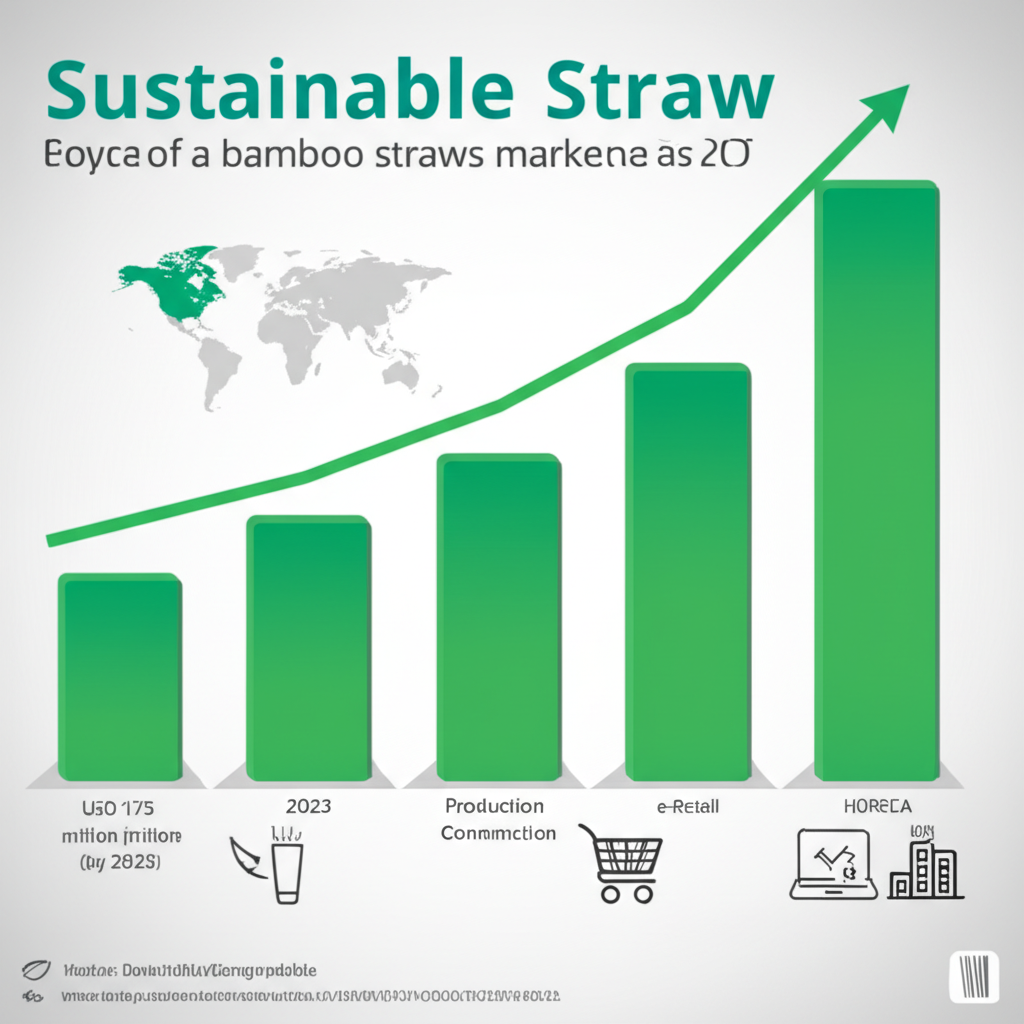
Maailmanlaajuiset bambuvarsimarkkinat kasvavat voimakkaasti, mikä heijastaa lisääntynyttä ympäristötietoisuutta ja kestävien ratkaisujen kiireellistä tarvetta. Vuonna 2023 noin 175 miljoonan dollarin arvoksi arvioitu ennusteet nousevat merkittävästi, noin 490 miljoonaan dollariin vuoteen 2032 mennessä, ja sitä vauhdittaa 5–12 %:n vuosikasvu seuraavan vuosikymmenen aikana. Tämä kasvu johtuu pääasiassa tiukentuneista viranomaismääräyksistä kertakäyttömuoveja EU:n ja useiden Yhdysvaltojen osavaltioiden kaltaisilla alueilla sekä ympäristöystävällisten tuotteiden kasvavaa kulutuskysyntää.
The foodservice industry, encompassing hotels, restaurants, and cafes (HORECA), stands as a primary catalyst, expected to account for a significant 58.6% of the market by 2025. E-retail also commands a substantial share, holding 38% in 2024. Regionally, Asia-Pacific dominates both production and consumption, while North America is poised to be the fastest-growing market. This regional dynamic underscores the importance of a globally informed procurement strategy. Further insights into comparative sustainability for hospitality can be found in our analysis ofSugarcane vs. Bamboo Straws for Sustainable Hospitality.
Innovations and Future Outlook:
The sustainable straw industry is far from stagnant. Manufacturers are actively pursuing product differentiation and enhanced performance. Innovations include new lines of bamboo straws specifically designed for hot beverages to address durability concerns at higher temperatures. Research is also delving into hybrid materials combining plant-based polymers with water-resistant coatings, and even seed-embedded straws that can be planted after use to promote new plant growth, signaling a future where disposables actively contribute to ecological regeneration.
Addressing Business Concerns: Hygiene, Lifespan, and Quality Control
Even with their clear advantages, concerns around hygiene, lifespan, and quality control are valid for B2B applications.
- Hygieniaprotokollat: Bamboo’s porous nature necessitates diligent cleaning. For reusable bamboo straws in commercial settings, prompt cleaning after each use, using dedicated brushes, and occasional boiling for thorough sanitization are crucial. Proper air drying in a well-ventilated area, avoiding airtight containers, is vital to prevent mold growth. Fortunately, bamboo naturally contains “bamboo kun,” an antibacterial agent that helps limit germ proliferation.
- Maximizing Lifespan: With appropriate care, a high-quality reusable bamboo straw can last for several months to a year. Signs of degradation like visible cracks, splitting, persistent odors, or significant softening indicate it’s time for replacement.
- The PFAS Controversy and Quality Sourcing: A critical development for procurement professionals was a 2023 study published in Elintarvikkeiden lisäaineet ja epäpuhtaudet journal, which revealed that four out of five bamboo straw brands tested contained “forever chemicals” (PFAS). This finding, alongside similar contamination in many paper straws, underscores the paramount importance of meticulous supplier vetting. Reputable companies like Bambu® have established rigid quality control practices and inspection processes since 2012, offering products like their “Precision Bamboo Straws” which are identical in size and shape, and crucially, are verified PFAS-free. Sourcing from suppliers with transparent manufacturing processes and third-party certifications is no longer optional; it’s a necessity. This ensures that your sustainable choice doesn’t inadvertently introduce other environmental or health hazards. You can find more information about the PFAS issue in various environmental and scientific publications, such as those from the U.S. Environmental Protection Agency (EPA) or European Chemicals Agency (ECHA).
- Carbon Footprint Considerations: While bamboo is a rapidly renewable resource, the carbon footprint associated with harvesting, processing, and particularly international shipping, must be acknowledged. Businesses should prioritize suppliers committed to sustainable cultivation practices, minimizing transport distances where possible, and utilizing eco-friendly packaging to mitigate this impact.

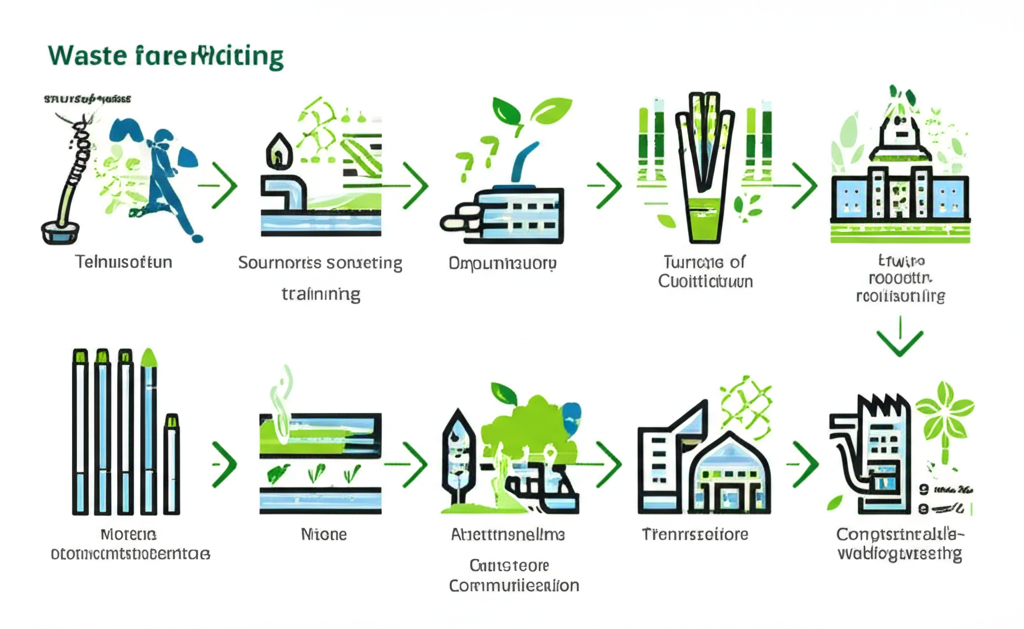
Moving towards truly sustainable operations demands a strategic shift from reactive problem-solving to proactive, informed decision-making. Implementing high-quality bamboo straws in your operations offers a tangible pathway to achieving this. The first step involves rigorous supplier vetting: ask critical questions about sourcing transparency, manufacturing processes, and quality control. Insist on third-party certifications, especially those verifying PFAS-free products and sustainable forestry practices.
Crucially, invest in staff training. Educate your team on the proper handling, cleaning protocols (including sanitization for reusable options), and optimal storage methods for bamboo straws to maximize their lifespan and maintain hygiene standards. Simultaneously, engage in clear and consistent customer communication. Inform your patrons about your commitment to sustainable choices and guide them on proper disposal for single-use bamboo straws or how to return reusable ones. By tracking waste reduction metrics and observing enhanced brand perception, you can quantify the positive impact of these initiatives.
Choosing high-quality bamboo straws is more than an eco-friendly gesture; it’s a strategic business decision that enhances your brand’s reputation, mitigates compliance risks, and delivers a superior customer experience. By embracing a durable, natural, and genuinely sustainable solution, your organization can significantly reduce operational costs associated with flimsy alternatives, safeguard brand value in an eco-conscious market, and capture a larger share of the growing demand for responsible consumer and business practices.
Take the next step towards sustainable excellence today.
Explore our curated selection of certified, high-quality bamboo straws, specifically engineered for B2B needs. Contact our experts for a personalized consultation on seamlessly integrating sustainable straw solutions into your operations, or request a sample kit to experience the difference firsthand and witness true durability.
Contact Our ExpertsPyydä näytepaketti
Usein Kysytyt Kysymykset
No, high-quality bamboo straws generally do not get soggy in the same way traditional paper straws do. Their sturdy, natural fibers maintain structural integrity significantly longer when exposed to liquids, although prolonged soaking can subtly alter their texture.
Yes, with proper care and maintenance, bamboo straws are reusable. For commercial use, this involves prompt cleaning after each use, thorough drying, and occasional sanitization (e.g., boiling). They can last for several months to a year under these conditions.
Bamboo straws offer several advantages for businesses, including enhanced brand image, compliance with single-use plastic regulations, improved customer satisfaction due to their durability and neutral taste, natural antibacterial properties, and the ability to reduce waste.
A 2023 study found PFAS in some bamboo straw brands. It is crucial for businesses to source bamboo straws from reputable suppliers who provide transparent manufacturing processes and third-party certifications ensuring their products are PFAS-free to avoid unintended environmental or health hazards.
For reusable bamboo straws, clean them promptly after each use with a straw brush and warm soapy water, rinse thoroughly, and allow them to dry completely in a ventilated area. Store them in a dry, clean container to prevent mold or bacterial growth. Occasional sanitization, such as boiling, helps extend their lifespan and maintain hygiene.