In an era defined by urgent environmental concerns and evolving regulatory landscapes, businesses across the hospitality, foodservice, and retail sectors face unprecedented pressure to pivot towards sustainable practices. The global movement away from single-use plastics is not merely a trend; it’s a fundamental shift demanding viable, reliable alternatives that align with both ecological responsibility and operational excellence. For procurement managers, operations directors, sustainability officers, and supply chain executives, a critical question emerges amidst a sea of options—paper, bamboo, metal, glass, and others: Are sugarcane straws truly safe, effective, and a sound long-term investment for your operations? This post cuts through the noise, providing the clarity you need to make an informed decision, underscoring that a proactive commitment to responsible operations is paramount for safeguarding your brand reputation, ensuring regulatory compliance, and building unwavering consumer trust.
Beyond Plastic: Understanding the Safety & Composition of Sugarcane Straws
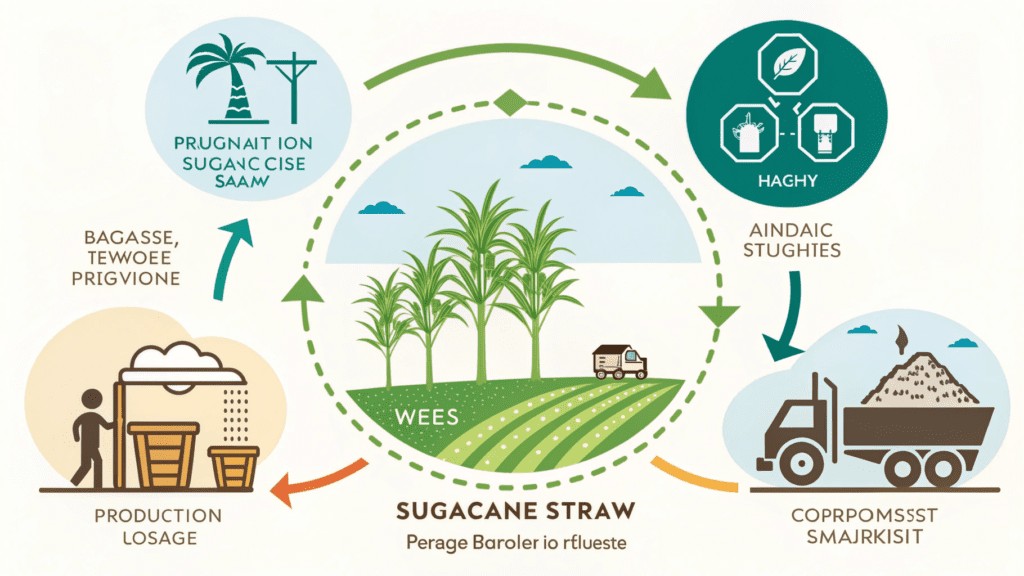
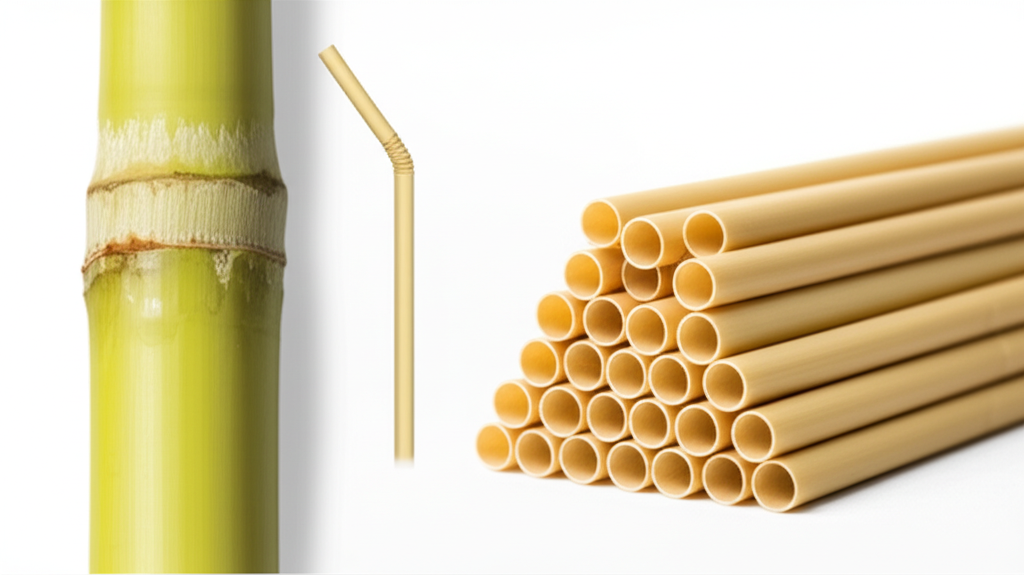
The journey away from plastic pollution begins with understanding innovative materials. At the core of sugarcane straws lies bagasse, the fibrous byproduct remaining after sugarcane stalks are crushed to extract their juice for sugar or ethanol production. Historically, this agricultural waste was often burned or treated as a low-value residue. Today, it is reimagined as a natural, renewable, and abundant foundation for eco-friendly products.

Sokeriruokopillit tarjoavat vakuuttavan kemikaalittoman lupauksen, joka on suunniteltu myrkyttömäksi alusta alkaen. Niissä ei ole luonnostaan haitallisia aineita, joita yleisesti löytyy muoveista, kuten BPA:ta, PFAS:a (per- ja polyfluoroalkyyliaineita, joita usein kutsutaan "ikuisiksi kemikaaleiksi"), ftalaatteja, öljyä, valkaisuainetta, raskasmetalleja ja gluteenia. Huolellinen valmistusprosessi varmistaa, että nämä pillit eivät huuhtoudu juomiin ei-toivottuja aineita, mikä säilyttää juomiesi eheyden ja ennen kaikkea kuluttajien terveyden. Tämä tarkoittaa, että asiakkaasi voivat siemailla luottavaisin mielin ilman huolta mikromuovin nielemisestä tai kemikaalien saastumisesta.
For businesses, confidence in product safety is solidified through rigorous certifications. Reputable sugarcane straws adhere to international food safety standards, including FDA approval for food contact safety and EU food safety compliance (such as EU 10/2011). Beyond safety, their environmental credentials are verified by certifications like BPI (Biodegradable Products Institute) and OK Home Compostable by TÜV Austria, signifying their true end-of-life benefit. These certifications provide objective proof of their biodegradability and compostability, assuring that they break down naturally without harming the environment. Furthermore, sugarcane straws are generally considered safe for all ages and do not impact health conditions such as diabetes, as the sugar is extracted during processing, and the straws do not impart their composition into liquids. The history of sugarcane straws as a viable alternative to plastic gained significant traction around 2019, catalyzed by increased global awareness of plastic pollution and widespread single-use plastic bans, showcasing an industry’s rapid pivot towards truly sustainable solutions.
Strateginen etu: Miksi sokeriruokopillit lisäävät liiketoiminnan arvoa
Sokeriruo'on pillien valitseminen on muutakin kuin pelkkä vaatimustenmukaisuus; Se on strateginen liike, joka tarjoaa konkreettisia liiketoimintaetuja ja parantaa sekä asiakaskokemusta että toiminnan tehokkuutta. Yksi yleisimmistä turhautumisesta ympäristöystävällisiin vaihtoehtoihin, erityisesti paperipilleihin, on ollut surullisen kuuluisa "märän oljen dilemma". Sokeriruokopillit kohdistavat tämän päälle, ja ne on suunniteltu säilyttämään rakenteellisen eheytensä tuntikausia, jopa sekä kuumissa (jopa 80-90 °C:n lämpötiloja) että kylmissä juomissa. Tämä ylivoimainen kestävyys tarkoittaa, että asiakkaasi nauttivat tasaisesta ja luotettavasta siemailukokemuksesta ilman, että heidän oljensa hajoaa kesken juoman. Lisäksi niiden makuneutraali muotoilu varmistaa, että ei-toivottuja makuja tai hajuja ei välity, mikä säilyttää tarjoiltujen juomiesi aidon laadun ja nautinnon.
From an operational standpoint, sugarcane straws offer seamless integration into existing workflows. As a single-use yet eco-conscious solution, they eliminate the need for complex washing, drying, or storage logistics associated with reusable alternatives like metal or glass, significantly reducing labor costs and operational complexities. They also minimize the risk of breakages common with glass straws. This convenience, coupled with their environmental benefits, creates a compelling value proposition. Crucially, adopting sugarcane straws allows your business to align with a rapidly growing consumer preference: approximately 70-75% of consumers now actively prioritize and seek out eco-friendly options, preferring businesses that demonstrate a genuine commitment to sustainable practices. By making the switch, you not only meet this escalating demand but also foster stronger customer loyalty, enhance your brand reputation, and position your organization as a responsible industry leader. For deeper insights into embracing sustainable options in hospitality, explore howSokeriruokopillit muokkaavat kestävän tarjoilupalvelun tulevaisuutta.
Tietoisen vaihdon tekeminen: B2B-vertailuopas Eco-Strawsille
Markkinat tarjoavat monipuolisen valikoiman olkivaihtoehtoja, joista jokaisella on omat etunsa ja haittansa. Näiden erojen ymmärtäminen on ratkaisevan tärkeää hankinta- ja toimintojohtajille, jotka ovat sitoutuneet tekemään parhaan strategisen valinnan.
Vertaileva analyysi: Sokeriruoko vs. vaihtoehdot
- Muoviset pillit: Vaikka ne ovat edullisia ja kestäviä, niiden ympäristökustannukset ovat huikeat. Ne säilyvät vuosisatoja ja hajoavat haitallisiksi mikromuoveiksi, jotka läpäisevät ekosysteemejä ja ravintoketjuja. He joutuvat yhä useammin tiukkojen sääntelykieltojen kohteeksi maailmanlaajuisesti.
- Paperipillit: A common early alternative, paper straws are biodegradable. However, they frequently suffer from the “soggy straw” syndrome, quickly losing integrity. Concerns also exist regarding the glues and potential “forever chemicals” (PFAS) used in some variants, and their production often has a higher carbon footprint than sugarcane.
- Metal & Glass Straws: These offer reusability and high durability. Yet, their higher upfront cost and the logistical burden of cleaning, sanitizing, and storing them can be significant for high-volume operations. Safety concerns, such as potential for dental injury or choking hazards, also need consideration, especially for diverse customer bases including children.
- Bambupillit: Natural and often reusable, bamboo straws are an eco-friendly option. However, quality can vary, and they require meticulous cleaning and drying to prevent mold or odors. Some may also have rough edges or impart a slight woody taste. For a detailed comparison, consider Sugarcane vs. Bamboo Straws for Sustainable Hospitality. Another valuable resource for making sustainable choices can be found in our deep dive on Sustainable Straws: Sugarcane vs. Bamboo in Hospitality.
Here’s a comprehensive comparison to guide your decision-making:
| Ominaisuus | Sokeriruo'on pillit | Muoviset pillit | Paperipillit | Metal/Glass Straws | Bambu pillit |
|---|---|---|---|---|---|
| Ensisijainen materiaali | Sugarcane Bagasse (often 100% plant-based) | Petroleum-based plastics (PP, PS, PET) | Puumassa | Stainless Steel, Borosilicate Glass | Natural Bamboo Stalk |
| Safety (Toxicity) | Non-toxic, PFAS-free, BPA-free | Potential for BPA, phthalates, microplastics | Saattaa sisältää PFAS:a, liimoja; voi kastua | Turvallinen (jos puhdas); loukkaantumisen mahdollisuus | Luonnollinen, mutta laatu vaihtelee; homeen mahdollisuus |
| Kestävyys juomissa | Hours, hot & cold (resistant to sogginess) | Korkea | Matala (märkä, hajoaa nopeasti) | Erittäin korkea | Kohtalainen (voi halkeilla/halkeilla) |
| Maku/haju Vaikutus | Neutraali | Neutraali | Voi antaa paperille makua, hajua | Voi antaa metallisen maun (metalli), ei (lasi) | Voi antaa puisen maun |
| Biohajoavuus | 100% Biodegradable & Compostable (60-180 days) | Vuosisatoja murtaa; mikromuoveja | Biohajoava, mutta usein hidas; jotain PFAS:ää | Ei biohajoava | Biohajoava |
| Kompostoitavuus | Yes (Home & Industrial Certified options) | Ei | Vaihtelee; usein vain teollinen; jotkut eivät | Ei | Kyllä (kotikompostoitava) |
| Lainsäädännön noudattaminen | Korkea (täyttää EU:n SUPD:n, maailmanlaajuiset muovikiellot) | Matala (kieltojen kohteena) | Muuttuva (jotkut kiellot kohdistuvat ei-kompostoitaviin) | Vapautettu (uudelleenkäytettävä) | Vapautettu (uudelleenkäytettävä/luonnollinen) |
| Kustannusvaikutukset | Kilpailukykyinen, hieman enemmän kuin paperi | Matala | Matalasta kohtalaiseen | Korkea alkuinvestointi | Moderate initial investment |
| Eco-Impact | Low carbon footprint, repurposes agricultural waste | High carbon footprint, pollution | Higher footprint than sugarcane; tree-based | High production energy | Variable (depends on sourcing) |
| Cleaning Required | No (single-use) | No (single-use) | No (single-use) | Yes (reusable) | Yes (reusable) |

A real-world example of this strategic shift is seen with companies like Strwd, which successfully replaced over 500,000 traditional paper straws with sugarcane alternatives across 60 sites in its inaugural year. This demonstrates the viability and positive reception of sugarcane straws in large-scale operations. Looking ahead, the eco-friendly straw market is projected for robust growth, with global eco-friendly straw market reaching USD 5.1 billion by 2030 (from USD 1.8 billion in 2023) and the specific sugarcane straw market growing from USD 10.7 million in 2023 to USD 16.9 million by 2030. The broader biodegradable straw market is set to soar from USD 41.52 billion in 2024 to an estimated USD 178.87 billion by 2031, reflecting a compound annual growth rate (CAGR) of 23.20%. This trajectory highlights a sustained global shift driven by both consumer demand and regulatory pressures.
Toimialan näkemyksiä: Kestävän toiminnan tulevaisuuden muokkaaminen
The future of sustainable operations is intrinsically linked to material innovation and regulatory foresight. The market for eco-friendly straws, particularly sugarcane, is experiencing unprecedented growth, driven by stringent global environmental laws and evolving consumer expectations. In Europe, the comprehensive Single-Use Plastics Directive (EU SUPD) has significantly impacted businesses, pushing them to abandon traditional plastics. Similarly, countries like Taiwan have implemented outright bans on plastic straws in dining outlets since 2020, and numerous U.S. states and cities are following suit. This creates a compliance imperative, where sugarcane straws offer a future-proof solution, helping businesses avoid escalating fines and legal repercussions while enhancing their public image.
Despite the clear advantages, some misconceptions about “biodegradable” products persist. One common point of confusion revolves around Polylactic Acid (PLA) content. While some bioplastics, including certain straw variants, are made with PLA which often requires specific industrial composting facilities to break down effectively, it is crucial to differentiate. Many leading sugarcane straws are now manufactured to be 100% PLA-free and certified for home composting, meaning they can decompose in less controlled environments within weeks to months. This distinction is vital for businesses to ensure they are truly delivering on their sustainability promises. Proper disposal, typically through composting, remains crucial for realizing the full environmental benefits of sugarcane straws; if they end up in landfills without the necessary conditions for decomposition, their advantages are diminished. Educating staff and customers on proper disposal is a small but impactful step.

Looking 5-10 years into the future, expect continuous innovations in sugarcane straw technology. Research and development are already exploring “second-generation” sugarcane straws designed for even higher temperature resistance and the integration of other agricultural waste streams, such as coffee grounds and bamboo fiber, to create multi-fiber solutions. This embodies the circular economy principle of transforming waste into valuable resources, minimizing carbon footprints, and promoting resource efficiency. This approach aligns perfectly with the Sustainable Development Goals (SDGs), ensuring that materials stay in continuous cycles. Leading industry players like Naturepoly, Strwd, and Renouvo (JuTian Cleantech Co., Ltd.) are at the forefront of this innovation, providing products backed by crucial certifications like BPI Industrial, TÜV Austria (OK Compost Home/Industrial), and US FDA approval, which verify their claims of biodegradability, compostability, and food contact safety.
Taking the Next Step: Integrating Sugarcane Straws into Your Business
The shift to sugarcane straws is more than just a product change; it’s a statement of your business’s values and a commitment to a sustainable future. When considering strategic sourcing, prioritize suppliers who demonstrate transparent production processes and possess verifiable certifications. While sugarcane straws are competitively priced, often only slightly more than paper straws, evaluate their cost-effectiveness against the long-term environmental benefits, enhanced brand reputation, and avoidance of regulatory penalties.
Operational implementation is straightforward. Sugarcane straws are easily integrated into existing supply chains and distribution networks, requiring minimal disruption. Crucially, invest in staff education to inform your teams about the benefits of this sustainable choice and ensure proper disposal practices are understood and followed.
Finally, showcase your commitment. Leverage your choice of sustainable straws as a key marketing message. Communicate your environmental stewardship clearly and proudly to customers, stakeholders, and the wider community. This demonstrates proactive leadership in sustainability, strengthens brand loyalty, and attracts the growing segment of eco-conscious consumers. By adopting sugarcane straws, you are not just purchasing a product; you are investing in a more resilient and responsible business model.
Conclusion: Lead with Sustainability, Sip with Confidence
Sugarcane straws unequivocally stand out as a safe, high-performing, and truly sustainable alternative to traditional plastic and even many less effective eco-friendly options. Made from agricultural byproducts, they exemplify circular economy principles, significantly reducing environmental impact while offering superior user experience compared to soggy paper alternatives.
By choosing sugarcane straws, businesses can effectively meet escalating regulatory demands, significantly enhance customer satisfaction, strengthen their brand reputation, and contribute meaningfully to a greener, more sustainable future. This decision is a win-win: it mitigates risks associated with plastic pollution, quantifies cost savings through avoided fines and reduced waste disposal fees, and dramatically uplifts brand value, opening doors to new market share opportunities driven by consumer preference. Make the informed decision today to elevate your operations with a product that embodies safety, innovation, and environmental responsibility, leading your industry towards a truly sustainable tomorrow.
This section demonstrates responsive design. Content and layout adapt to screen size.
Usein kysytyt kysymykset (FAQ)
Yes, reputable sugarcane straws are 100% biodegradable and compostable. They are made from bagasse, the fibrous byproduct of sugarcane, and are designed to break down naturally in composting conditions. Many varieties are certified for both industrial composting (60-180 days) and home composting (weeks to months), leaving no harmful residues or microplastics behind.
While some “bioplastic” straws may contain PLA, many leading sugarcane straw brands offer 100% PLA-free options. Pure bagasse straws are often certified home compostable, ensuring they break down effectively without specialized facilities. Look for certifications like “PLA-free” and “OK Home Compostable.”
Sugarcane straws maintain their structural integrity for several hours, even in hot (up to 90°C/194°F) and cold beverages, making them a reliable option that won’t get soggy or disintegrate quickly.
Yes, sugarcane straws are generally considered safe for all ages. They are non-toxic, chemical-free (no BPA, PFAS, heavy metals, or gluten), and do not pose a risk if accidentally chewed. They have no impact on glucose-sensitive conditions like diabetes, as sugar is extracted during processing.
No, sugarcane straws are taste-neutral and odorless. Unlike paper, metal, or bamboo straws, they do not impart unwanted flavors or smells, preserving the true taste of beverages.
Sugarcane straws are competitively priced. While slightly more expensive than plastic, they are often comparable to or only marginally higher than quality paper straws. Their durability and compliance advantages deliver a strong return on investment.
Bagasse is the fibrous residue left after crushing sugarcane stalks to extract juice. Instead of discarding it, bagasse is processed into pulp and molded into straws, turning waste into a sustainable product.
While mainly designed for single use, sugarcane straws can be reused a few times if properly cleaned and stored in a cool, dry environment. Their true benefit lies in being high-performing, disposable, and compostable.
Look for certifications like: • BPI (Biodegradable Products Institute) • TÜV Austria (OK Compost Home/Industrial) • US FDA food contact safety • EU 10/2011 compliance • PFAS-free & BPA-free claims