I. The Plastic Straw Hangover: Why We Needed a Change
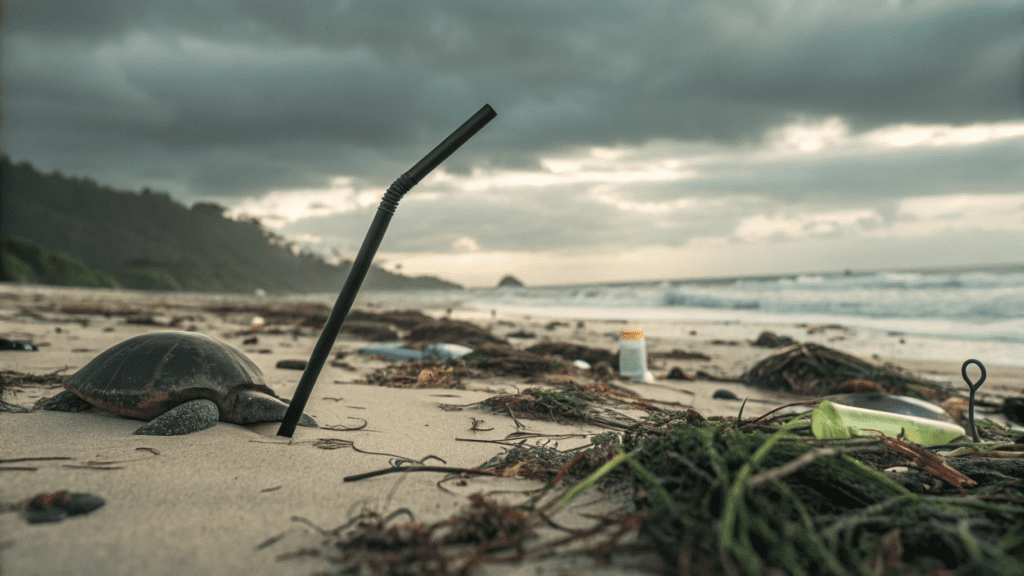
Ah, the ubiquitous plastic straw. Remember those days? Ubiquitous, convenient, a veritable symbol of carefree consumption. They were everywhere – fast food joints, fancy cocktail bars, even lurking in the depths of your kitchen drawer. Cheap and seemingly harmless, these slender tubes facilitated our sipping pleasure. Yet, their legacy is far from pleasurable, lingering for centuries in landfills and our oceans.
Enter the eco-heroes: compostable straws! What sorcery are these magical tubes, you ask?
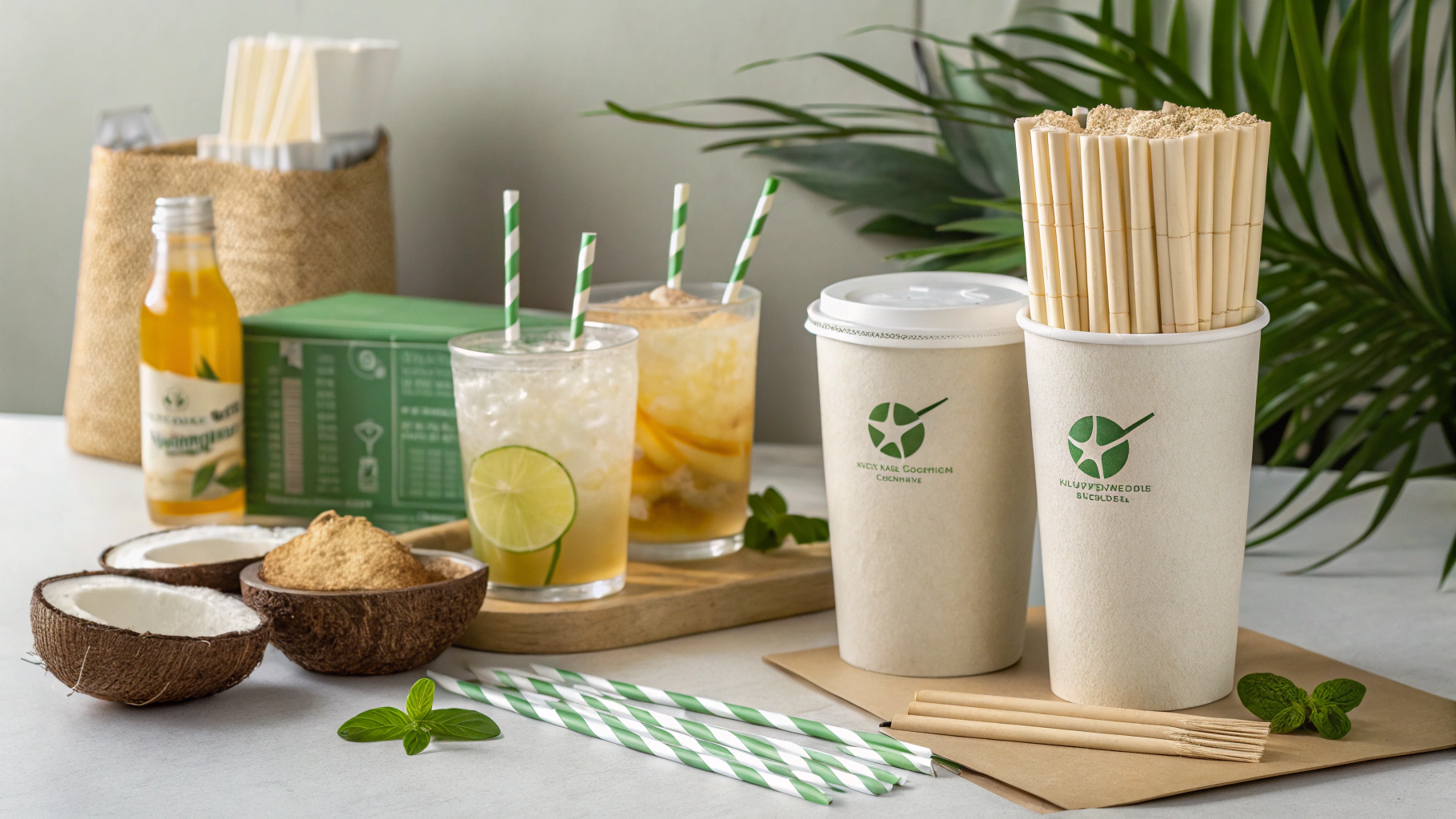
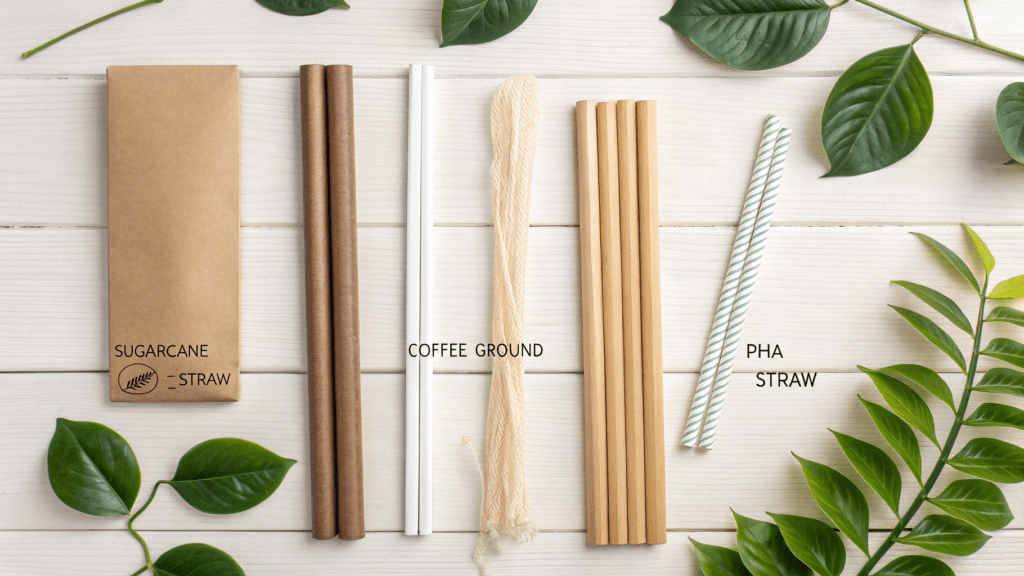
They’renotplastic, first of all! Instead, they hail from the plant kingdom – corn, sugarcane, wheat, bamboo, even the humble coffee ground lends itself to this purpose. But the true magic lies in their Big Promise: to decompose back into natural elements – water, CO2, and good old dirt – within the controlled environments of composting facilities, leaving behind no trace of microplastic malice. We’re talking decomposition in weeks or months, not centuries.
And remember this rule of thumb: “Compostable” reigns supreme over “biodegradable.” The former adheres to stringent standards, ensuring a true vanishing act under specific conditions. The latter? Well, let’s just say its promises are often as flimsy as a…soggy straw.
II. A Twisted History: How Did We Get Here?
The history of the straw is longer, and stranger, than you might imagine.
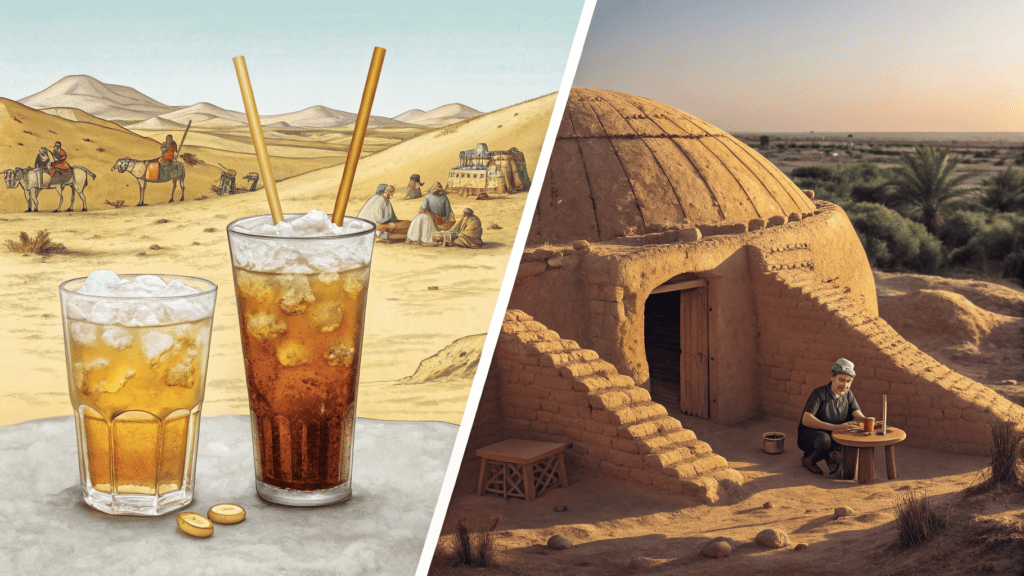
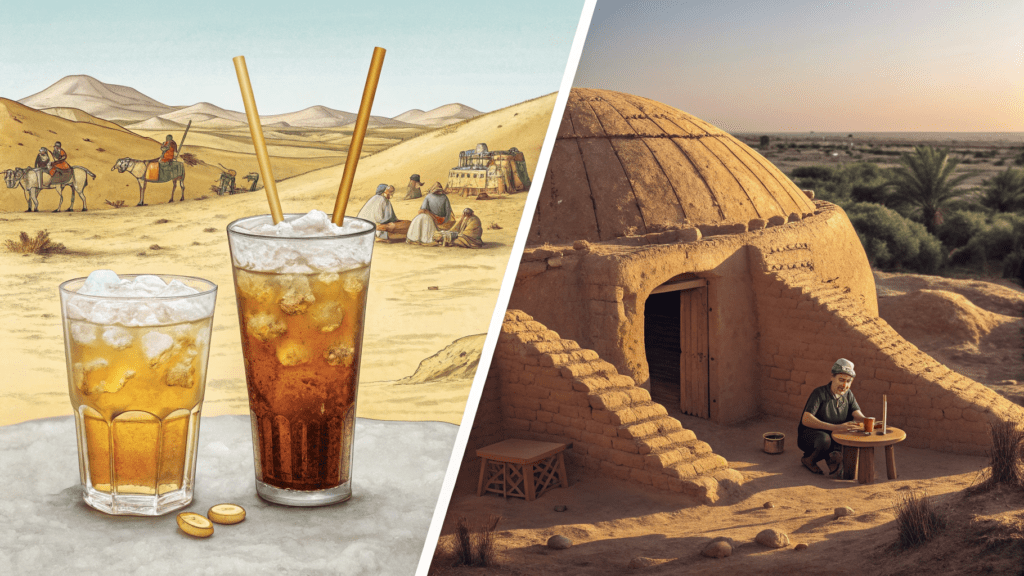
Believe it or not, our ancestors were sipping through tubes some 5,000 years ago. The Sumerians, those clever Mesopotamians, used golden straws to partake in their communal beer drinking. Imagine the parties! Reeds, bamboo, and even ornate metal “bombillas” – used for sipping fancy teas – followed.
Fast forward to the 1800s, and we encounter the “Soggy Rye Era.” Common straws were then made of rye grass. Cheap? Yes. Palatable? Not so much. Prone to rapid disintegration? Absolutely. A revolution in reverse, perhaps?
Enter paper to the rescue (round one!). In 1888, Marvin Stone patented the first modern paper straw, cunningly waxed to resist the dreaded sogginess. Then came the bendy straw in 1937, a testament to human ingenuity (or perhaps laziness?).
But alas, the plastic takeover was nigh. Post-World War II, the age of cheap plastic dawned. Durable, flavor-neutral, and amenable to mass production, plastic swept all before it. Paper straws all but vanished. It was the plastic age, and straws were its kings (or queens).
Then came the turtle. The infamous 2015 viral video of a sea turtle, its nostril violated by a plastic straw, served as a brutal wake-up call. Suddenly, convenience left a bitter taste.
Thus began the “Straw Wars.” Public outrage and environmental campaigns ignited a global movement. Paper straws (round two!) staged a comeback, but the specter of sogginess lingered. The search for something better was on.
III. The State of the Sip: What’s the Buzz About Today?
What does the modern consumer think of this straw saga?
Well, peopleloveajatus ympäristötietoisuudesta. Kuluttajat osoittavat yhä enemmän valmiutta maksaa lisähintaa ja kannattavat yrityksiä, jotka luopuvat muovista. Brändeille kestävän kehityksen omaksuminen ei ole pelkästään hyveellistä; se on viisasta.
Mutta puhutaanpa huoneessa olevasta norsusta: "märkä olki" -valitus. Ei kukaan, ja tarkoitankukaan, nauttii kokemuksesta oljen romahtamisesta puolivälissä. Tämä on ensisijainen valitus, erityisesti tiettyjä paperin iteraatioita vastaan. Myös omituisten makujen kuiskauksia kiertää.
Ja sitten on "kompostoitava" ongelma. Kuulostaa lupaavalta, mutta mihin nämä pillit todellisuudessa päätyvät? Pääsy teollisiin kompostointitiloihin on edelleen epätasaista, mikä johtaa…
Miten ravintolat reagoivat tähän muuttuvaan maisemaan?
Consumer demand, burgeoning anti-plastic legislation (Seattle, DC, et al.), and a genuine yearning for sustainability are driving the switch.
However, the transition is not without its trials:
There’s the cost shock. Compostable straws often command a higher price than their plastic predecessors.
There’s performance anxiety. Will customers grumble? Will multiple straws be required per beverage?
And, of course, the composting conundrum (revisited!). If the local waste disposal system lacks composting capabilities, is the switch truly beneficial?
The solutions? Establishments are venturing beyond paper, experimenting with sugarcane, PHA (the “plastic-like but compostable” marvel), agave, and even pasta! The “straw upon request” policy is also gaining traction.
IV. Stirring the Pot: The Controversies Around Compostable Straws
The path to sustainable sipping is fraught with complexities and potential pitfalls.
Is itreallycompostable, or just a clever marketing ploy? Many PLA straws necessitate specialized industrial facilities that remain scarce. If relegated to a conventional landfill, their impact is minimal.
Ja sitten on PFAS:n "ikuisesti kemiallinen" fiasko. Valmistaudu: joidenkin paperi- ja kasvipohjaisten pillien on todettu sisältävän PFAS:a, näitä pysyviä ja mahdollisesti haitallisia kemikaaleja. Ironia on käsinkosketeltavaa, eikö?
Suurin haaste on infrastruktuurivaje. Ilman laajaa pääsyä kunnollisiin kompostointitiloihin, jaloimmatkin tarkoitukset voivat epäonnistua. Nämä pillit voivat jopa saastuttaa tavanomaiset kierrätys- tai kompostointivirrat, jos ne on lajiteltu väärin.
Olemme jatkuvassa köydenvetossa suorituskyvyn ja periaatteen välillä. Asetammeko kestävyyden etusijalle kestävyyden edelle vai päinvastoin?
Finally, there is the question of “Food vs. Straws?”. The utilization of crops like corn or sugarcane for disposable items raises ethical considerations.
V. Sipping into Tomorrow: What’s Next for Straws?
Innovation is the watchword of the future.
Consider limestone-based straws (Biodolomer). Remarkable stability, rigidity, heat resistance, and zero microplastic shedding!
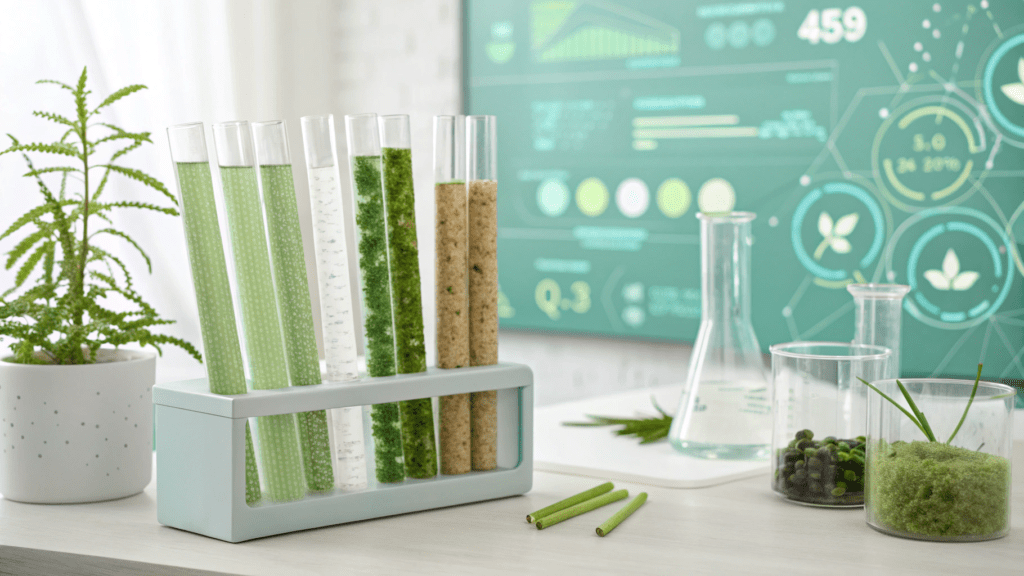
Or bacterial cellulose and seaweed straws. Sturdier than paper, requiring no composting (in certain cases), and potentially even edible! (Though perhaps refrain from snacking for now.)
PHA is poised for its moment. This material truly shines, decomposing in home compost, industrial facilities, soil, and even marine environments! It mimics the feel and function of plastic without the guilt.
And let’s not forget the next-gen paper. Thicker, enhanced coatings (plant-derived!), natural adhesives – paper straws are undergoing a serious upgrade.
The focus is shifting towards materials that decompose readily and universally, without the need for specialized industrial plants.
As demand surges, expect prices to decline, making eco-straws more accessible to all.
Ultimately, the aspiration is to transcend single-use items altogether – perhaps through redesigned “sip” lids or a greater emphasis on reusable alternatives.
VI. The Final Sip: Making Every Drop Count
The quest for the perfect eco-friendly straw is an ongoing saga, a tapestry woven from innovation, consumer behavior, industry challenges, and infrastructural requirements. But one truth remains clear: the reign of the disposable plastic straw is, thankfully, coming to an end. By staying informed, making conscientious choices, and supporting businesses and policies that champion genuine sustainability, we can ensure that every sip we take nourishes, rather than harms, our planet.