Vanhempi B2B kestävän kehityksen sisältöstrategi
Maailmanlaajuinen pyrkimys kestävään kehitykseen on muuttanut B2B-yritysten toimintaympäristöä. Lisääntynyt ympäristötietoisuus ja yhä monimutkaisempi säännöstö aiheuttavat yrityksille suunnattoman paineen omaksua vihreämpiä käytäntöjä. Tämän muutoksen eturintamassa on kasvava kysyntä kompostoiville materiaaleille, erityisesti niiden, jotka on sertifioituBiohajoavien tuotteiden instituutti (BPI). BPI-sertifiointi on elintärkeä tae ympäristöväitteille, mutta hankintapäälliköille, toimintajohtajille, kestävän kehityksen johtajille ja toimitusketjun johtajille ravintola- ja ravintola-alalla on ensiarvoisen tärkeää ymmärtää BPI-sertifioitujen materiaalien tarkat erittelyajat ja -ehdot. Tämän tärkeän yksityiskohdan huomiotta jättäminen voi johtaa vaatimustenmukaisuusriskeihin, toiminnan tehottomuuteen ja menetettyihin mahdollisuuksiin nopeasti kehittyvillä markkinoilla.
Harkitse kaupallisia vaikutuksia: globaalien kompostoivien pakkausten markkinoiden, joiden arvo oli 55,53 miljardia dollaria vuonna 2024, ennustetaan nousevan 89,85 miljardiin dollariin vuoteen 2032 mennessä, mikä osoittaa vahvan 6,20 prosentin yhdistetyn vuosikasvun vuosina 2025–2032 (Lähde:Grand View -tutkimus, 2024). Tämä nousu ei heijasta vain trendiä, vaan toimitusketjujen perustavaa uudelleenkalibrointia kohti kiertokulkua. Yritykset, jotka ymmärtävät selkeästi BPI-kompostoitumisen mekaniikan, ovat paremmassa asemassa vastaamaan tähän kysyntään, vähentämään jätteenkäsittelykustannuksia ja parantamaan tuotemerkkinsä mainetta. Tämä opas tarjoaa tärkeitä, tietoihin perustuvia näkemyksiä B2B-päättäjille BPI-sertifioitujen materiaalien kompostointisuorituskyvystä, mikä auttaa sinua navigoimaan tässä strategisessa tarpeessa luottavaisesti.
BPI:n kompostoitavan materiaalin erittelyn ymmärtäminen on erittäin tärkeää majoitus- ja ravitsemisalan yrityksille, jotta ne voivat varmistaa vaatimustenmukaisuuden ja hyödyntää markkinoiden mahdollisuuksia.
BPI:n kompostoivan materiaalin erittelyaikojen dekoodaus B2B-toiminnalle
BPI-sertifioidut kompostoitavat materiaalit eivät ole vain "biohajoavia" epämääräisessä mielessä; ne on huolellisesti suunniteltu hajoamaan tietyissä, valvotuissa olosuhteissa, joita tavataan teollisissa kompostointilaitoksissa. Tämä ero on kriittinen B2B-toiminnalle, koska se vaikuttaa suoraan jätehuoltostrategioihin ja ympäristövaatimuksiin. Sertifiointiprosessi edellyttää tiukkojen American Society for Testing and Materials (ASTM) -standardien, ensisijaisesti ASTM D6400 ja ASTM D6868, noudattamista.
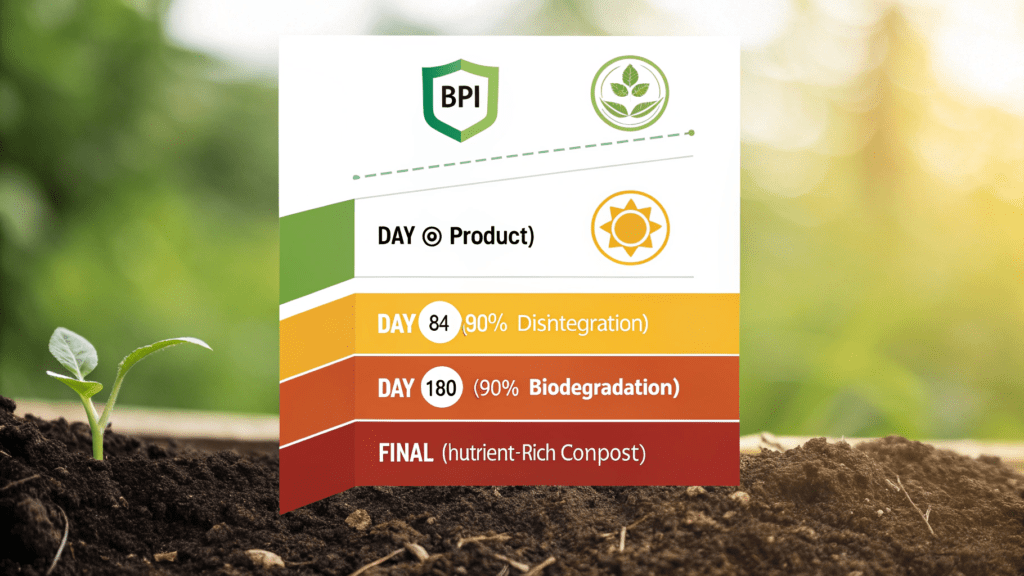
Nämä standardit määrittelevät selkeät suorituskyvyn vertailuarvot. Fyysistä hajoamista varten BPI-sertifioitujen tuotteiden on hajottava pieniksi paloiksi (alle 2 mm)84 päivää (12 viikkoa)when subjected to industrial composting conditions. This ensures that the material becomes indistinguishable from compost. Beyond physical disintegration, full biodegradation—the conversion of organic carbon into carbon dioxide, water, inorganic compounds, and biomass—must occur to at least 90% within180 days (6 months). Crucially, this process must leave no toxic residues or heavy metals, ensuring the resulting compost is safe and beneficial for soil.
Adhering to ASTM Standards: D6400 and D6868 Requirements
ASTM D6400 -standardi koskee erityisesti kompostoitavia muoveja, kun taas ASTM D6868 koskee komposiittimateriaaleja, kuten biomuovin ja paperin tai kuidun yhdistämistä. Molemmat standardit ovat BPI-sertifioinnin perusta, ja ne määräävät, kuinka tuotteiden on toimittava teollisessa kompostointiympäristössä. Ne velvoittavat vähintään 90 % orgaanisen hiilen biohajoamisesta hiilidioksidiksi 180 päivän kuluessa, mikä osoittaa, että mikro-organismit todella kuluttavat materiaalia. Lisäksi 90 %:n fyysinen hajoamisvaatimus 84 vuorokaudessa varmistaa, ettei materiaali jää ongelmallisina palasina valmiiseen kompostiin. Näiden standardien keskeinen näkökohta on myrkyllisten jäämien tai raskasmetallien jäämisen kieltäminen kompostoinnin jälkeen, mikä takaa lopullisen kompostituotteen eheyden ja turvallisuuden. Tämä tiukka testaus- ja sertifiointiprosessi auttaa yrityksiä välttämään harhaanjohtavia "vihreänpesun" väitteitä ja varmistaa todellisen ympäristövaikutuksen.
Teollisuuden kompostointilaitosten kriittinen rooli
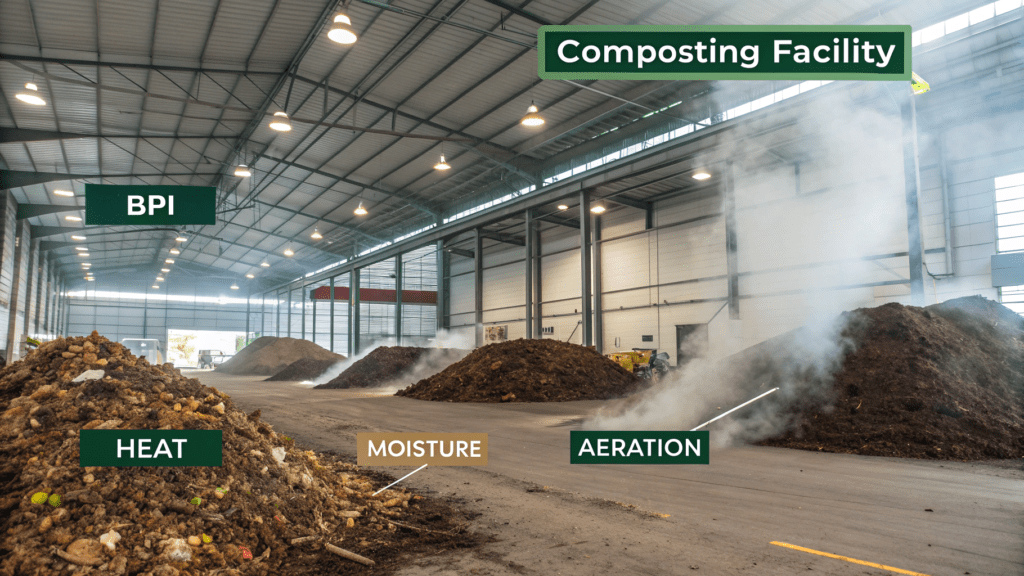
On elintärkeää, että B2B-sidosryhmät ymmärtävät, että BPI-sertifioidut tuotteet on suunniteltu nimenomaan teollisiin kompostointilaitoksiin, ei takapihan kompostipinoihin tai yleisiin kaatopaikkoihin. Teollisuustilat tarjoavat optimaaliset olosuhteet – korkea lämpö (tyypillisesti 150-160°F), kontrolloidut kosteustasot ja tasainen ilmastus – jotka ovat välttämättömiä mikrobitoiminnan nopeuttamiseksi ja tehokkaan hajoamisen kannalta. Nämä valvotut ympäristöt varmistavat, että BPI-sertifioidut materiaalit hajoavat niille tarkoitettujen aikataulujen mukaisesti.
Ilman pääsyä tällaisiin tiloihin edes BPI-sertifioidut tuotteet eivät välttämättä hajoa tarkoitetulla tavalla, jolloin ne voivat päätyä kaatopaikoille, missä ne voivat hajota anaerobisesti ja tuottaa metaania, voimakasta kasvihuonekaasua. Todellinen aika, joka tarvitaan tuotteiden hajoamiseen, voi myös vaihdella käytännössä 30–190 päivää riippuen toimitilakohtaisista tekijöistä, kuten hallintakäytännöistä ja materiaalin koostumuksesta ja paksuudesta. Tämä vaihtelu korostaa vankan kompostointiinfrastruktuurin merkitystä, joka on merkittävä haaste monilla alueilla Pohjois-Amerikassa ja Euroopassa.
BPI-sertifioidut materiaalit hajoavat 84-180 päivässä teollisissa kompostointiolosuhteissa, mikä on ratkaisevan tärkeää tehokkaalle B2B-jätteenkäsittelylle.
Strateginen välttämättömyys: BPI-sertifioidut kompostoitavat materiaalit ja vaatimustenmukaisuus
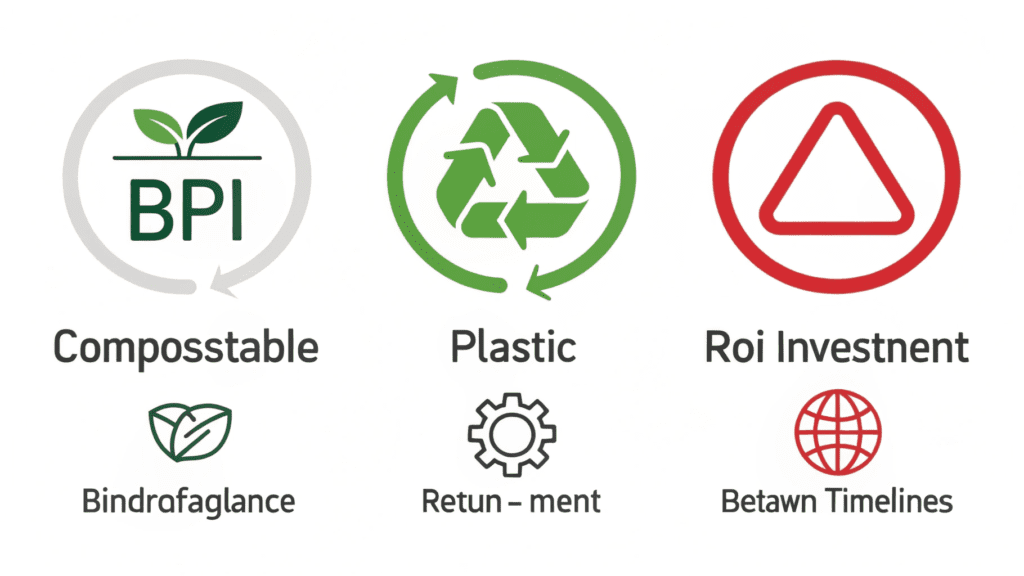
BPI-sertifioitujen materiaalien ottaminen käyttöön on enemmän kuin ympäristön ele; Se on strateginen liiketoiminnan välttämättömyys, joka varmistaa yhdenmukaisuuden uusien kestävyysvaatimusten kanssa ja turvaa brändin mainetta. BPI-sertifiointimerkki vahvistaa ympäristöväittämät ja tarjoaa kolmannen osapuolen vahvistuksen siitä, että tuotteet täyttävät tiukat tieteelliset standardit. Tämä on erityisen tärkeää, koska sääntelyelimet ja kuluttajat valvovat yhä enemmän yritysten kestävän kehityksen aloitteita, erityisesti ravintola- ja ravitsemisaloilla, joilla kertakäyttötuotteet ovat yleisiä.
Vikojen suorituskyvyn lisäksi BPI-sertifiointi sisältää myös tärkeitä suojatoimia haitallisia kemikaaleja vastaan. 1. tammikuuta 2020 lähtien BPI on vaatinut kaikkien sertifioitujen tuotteiden olevan alle 100 miljoonasosaa (ppm) kokonaisfluoria, mikä varmistaa tehokkaasti, ettei siinä ole tarkoituksellisesti lisättyjä PFAS-aineita (per- ja polyfluoroalkyyliaineita). Tämä ennakoiva toimenpide vähentää pysyviin kemikaaleihin liittyviä juridisia ja maineeseen liittyviä riskejä. On myös tärkeää toistaa, että "kompostoituva" (määritelty hajoamisaika ja -olosuhteet) eroaa merkittävästi yleisestä ja usein määrittelemättömästä termistä "biohajoava", mikä tarjoaa paljon korkeamman ympäristövastuun. Tutustuaksesi näihin eroihin tarkemmin, tutustu oppaaseemmeBPI kompostoitava vs. biohajoava: Kestävän kehityksen opas.
Navigating Regulatory Landscapes and Certification
The regulatory landscape around compostable materials is rapidly evolving, posing both challenges and opportunities for businesses. In the U.S., the Department of Agriculture’s (USDA) National Organic Program (NOP) is currently debating whether to include bioplastics in certified organic compost, a decision that will profoundly impact the composting industry. Similarly, Extended Producer Responsibility (EPR) laws are gaining traction in North America, with several Canadian provinces and four U.S. states having passed such legislation. BPI actively advocates for these EPR funds to specifically support the expansion of composting infrastructure and public education, rather than being diverted to other waste management streams.
Lisäksi kuluttajien hämmennys asianmukaisesta hävittämisestä on edelleen merkittävä este. Tutkimukset osoittavat, että lähes kolmasosa kyselyyn vastanneista kuluttajista laittaa kompostoituvat pakkaukset erehdyksessä kierrätysastioihin (Lähde:Resurssien kierrätys, 2023). Tämän torjumiseksi BPI työskentelee yhteistyössä Yhdysvaltain kompostointineuvoston (USCC) kanssa kehittääkseen selkeiden ja standardoitujen merkintöjen periaatteita, mukaan lukien BPI-merkin näkyvän näyttämisen. Selkeät merkinnät ovat ratkaisevan tärkeitä kontaminaatioiden minimoimiseksi ja sen varmistamiseksi, että kompostoitavat tuotteet saavuttavat aiotun käyttöiän loppuun, erityisesti suurissa ympäristöissä, kuten hotelleissa ja kahviloissa.
BPI-sertifiointi varmistaa vaatimustenmukaisuuden ja vähentää riskejä, mikä on elintärkeää vieraanvaraisuuden ja ravintoloiden kehittyville kestävyyssäännöksille.
Quantifying Value: Operational Impact of BPI Compostable Solutions
Integrating BPI-certified compostable materials into your supply chain offers tangible operational benefits that extend beyond environmental compliance. A primary advantage is the reduction in landfill waste, which directly translates into lower disposal costs for businesses. As landfill tipping fees continue to rise and regulatory pressures mount, diverting waste from landfills becomes an increasingly attractive economic proposition for hotels, restaurants, and catering services.
However, the path is not without challenges. Contamination from non-compostable materials remains a significant hurdle for composting facilities, costing some up to 17% of their total operating expenses in contaminant removal (Source:US Composting Council, 2023). This issue highlights the critical need for effective collection systems and consumer education within hospitality and foodservice settings. Moreover, the insufficient industrial composting infrastructure in many regions presents logistical hurdles, requiring businesses to carefully assess local capabilities when implementing compostable solutions. Despite these challenges, adopting BPI-certified solutions significantly enhances a company’s corporate social responsibility (CSR) profile, strengthens brand image, and improves market positioning in an increasingly eco-conscious economy.
| Ominaisuus | B2B-toiminnan vaikutus | Vaatimustenmukaisuushuomautus | ROI-potentiaali |
|---|---|---|---|
| BPI Certification | Ensures proper end-of-life disposal in industrial settings; simplifies waste stream management for hospitality. | Meets ASTM D6400/D6868; avoids harmful residues, supporting organic compost standards. | Improved brand image; supports sustainability goals, attracting eco-conscious customers. |
| Material Choice (e.g., PLA) | Versatile for various packaging and foodservice applications (e.g., rigid containers, films). | Must achieve 90% disintegration (84 days) and 90% biodegradation (180 days). | Accesses growing market segments (Food & Beverage: 48.7% of global market by 2025); broad applicability. |
| Industrial Composting | Requires specific collection and processing logistics; optimizes decomposition process. | BPI-certified products depend on these controlled conditions for effective breakdown. | Diversion from landfill saves disposal costs; reduces methane emissions, contributing to carbon reduction targets. |
| PFAS-Free Commitment | Ensures product safety and purity; avoids potential regulatory scrutiny and liability. | BPI requires less than 100ppm total fluorine since January 2020. | Mitigates legal and reputational risks; builds consumer trust and differentiates offerings. |
Real-World Performance: Insights from the Composting Consortium Study
The effectiveness of BPI-certified materials in real-world industrial composting environments has been rigorously validated. A groundbreaking large-scale field study, conducted in April 2024 by the Composting Consortium (an initiative of Closed Loop Partners) in North America, provides compelling evidence. This study rigorously tested over 23,000 units of certified food-contact compostable packaging across 10 diverse U.S. composting facilities, representing various operational parameters.
The findings were highly encouraging: compostable plastic packaging achieved an impressive 98% disintegration on average, significantly exceeding the industry threshold of 90%. Similarly, compostable fiber packaging demonstrated 83% disintegration on average, meeting established industry benchmarks. This study confirms that when BPI-certified packaging is processed in facilities meeting reasonable operational parameters, it breaks down successfully, underscoring the reliability of the BPI standard in practical applications. This real-world validation should instill confidence in B2B decision-makers in hospitality and foodservice considering a transition to compostable solutions. To understand more about managing this transition effectively, consider reviewing ourB2B Playbook for Sustainable Waste Management.
BPI-certified solutions offer tangible operational benefits, including reduced landfill costs and enhanced CSR profile.
Propelling Forward: The Market Outlook for BPI Compostable Materials
The trajectory for BPI compostable materials is one of significant expansion, fueled by increasing consumer demand, regulatory drivers, and continuous innovation. The global compostable packaging market is projected to reach USD 89.85 billion by 2032, exhibiting a robust 6.20% Compound Annual Growth Rate (CAGR) from 2025-2032. This growth is a clear indicator that businesses prioritizing compostable solutions are aligning with a dominant market trend.
Polylactic Acid (PLA), derived from renewable agricultural sources like corn starch and sugarcane, is poised to remain a leading material, forecast to hold a substantial 36.4% market share by 2025 in the compostable plastic packaging segment. Its versatility in applications, from rigid containers to flexible films, positions it as a go-to material for various industries, especially the food and beverage sector, which is expected to lead end-use demand with a 48.7% share by 2025. Key industry leaders like Amcor, Mondi Group, NatureWorks, and Eco-Products are actively investing in and expanding their compostable offerings, signaling a broader industry commitment.
Driving Adoption: Innovation and Infrastructure Investment
The escalating consumer demand for sustainable products is actively fueling the shift towards a circular bioeconomy model, where materials are designed to be reused, recycled, or composted. Material science advances are continuously yielding more robust and versatile compostable solutions. Beyond established materials like PLA, innovative new options are emerging, including Polyhydroxyalkanoates (PHA) – polymers produced by microbial fermentation – and even mycelium-based packaging derived from mushroom root structures, offering eco-friendly alternatives to traditional plastic foams. These innovations are expanding the functional capabilities of compostable materials, matching those of conventional plastics in many applications relevant to hospitality and foodservice.
Technological integration, such as the application of Artificial Intelligence (AI) and Machine Learning (ML) in certification processes, is set to enhance transparency and efficiency in verifying biodegradability. Crucially, meeting the growing demand and policy goals hinges on significant investment in composting infrastructure. Initiatives like the US Composting Infrastructure Coalition (USCIC) are working to establish widespread composting capabilities, promoting legislation and grants to fund the necessary expansion. This commitment to infrastructure development is paramount for B2B enterprises to fully realize the environmental and economic benefits of BPI-certified materials. For hospitality businesses looking to leverage BPI certification for their sustainability goals, our guide onBPI Compostable Certification & Hospitality Sustainabilitytarjoaa arvokkaita oivalluksia.
The compostable materials market is expanding, driven by innovation and crucial infrastructure investments for B2B adoption.
Competitive Advantage & Business Case
For B2B decision-makers in hospitality and foodservice, embracing BPI-certified compostable materials translates into a compelling competitive advantage and a robust business case. Beyond the direct environmental benefits, there are quantifiable gains. By reducing landfill waste, companies can achieve significant cost savings on disposal fees, which can amount to a substantial portion of operational expenses. Furthermore, compliance with evolving regulations, such as the EU Single-Use Plastics Directive and emerging US EPR laws, mitigates the risk of fines and legal challenges, preserving brand equity.
The market share opportunity is substantial: with the global compostable packaging market poised for significant growth, early adopters gain a first-mover advantage. Companies that demonstrably commit to BPI-certified solutions can attract the growing segment of eco-conscious consumers and B2B partners, enhancing brand value and fostering deeper customer loyalty. This strategic pivot can also lead to improved supplier relationships with innovative material providers and the potential for new revenue streams through sustainable product lines. The shift to compostable packaging is not just about reducing environmental footprint; it’s about positioning your business for future market leadership and resilience in a sustainability-driven economy.
Adopting BPI-certified materials offers a competitive edge, reducing costs, ensuring compliance, and enhancing brand value.
Johtopäätös
BPI-certified compostable materials offer a vital, scientifically backed pathway to achieving sustainable operations. Understanding their precise breakdown timelines—physical disintegration within 84 days and full biodegradation within 180 days under industrial composting conditions—is foundational for effective B2B waste management and sustainability strategies. Businesses that prioritize BPI certification gain not only compliance assurance and mitigated environmental risks but also a clear competitive advantage in a rapidly expanding eco-conscious market.
Transform your supply chain for a sustainable future. Partner with certified BPI compostable material suppliers to achieve your environmental goals and enhance operational efficiency today.
Embrace BPI-certified compostable materials to achieve sustainability goals and gain a competitive edge in the B2B market.
Contact Us for Sustainable Solutions
Usein kysytyt kysymykset (FAQ)
Q: How do BPI-certified materials benefit my hotel’s waste management costs?
A: By diverting BPI-certified compostable items from landfills to industrial composting facilities, hotels can significantly reduce landfill tipping fees. This also helps avoid potential fines associated with increasing waste disposal regulations, leading to direct cost savings and improved operational efficiency.
Q: What are the key differences between “compostable” and “biodegradable” for foodservice packaging?
A: “Compostable” (especially BPI-certified) means a product will break down into natural elements in a specific timeframe (84-180 days) under industrial composting conditions, leaving no toxic residue. “Biodegradable” is a broader, less regulated term that doesn’t guarantee breakdown within a specific timeframe or environment, often leading to confusion and potential greenwashing.
Q: How can a large-scale catering operation ensure proper disposal of BPI-certified materials?
A: Catering operations should implement clear, color-coded waste bins for compostables, provide staff training on proper sorting, and partner with local industrial composting facilities. Clear labeling on packaging (e.g., the BPI logo) also helps minimize contamination from guests.
Q: Are BPI-certified products safe for food contact in restaurants?
A: Yes, BPI certification includes strict requirements for product safety. Since January 2020, BPI has mandated that all certified items contain less than 100 ppm total fluorine, effectively ensuring no intentionally added PFAS chemicals are present, making them safe for food contact.
Q: What is the role of industrial composting facilities in the breakdown of BPI materials?
A: Industrial composting facilities provide the high heat, controlled moisture, and aeration necessary for BPI-certified materials to break down efficiently within the specified 84-180 day timeframe. Without these controlled conditions, the materials may not decompose as intended.