La région Asie-Pacifique (APAC) se trouve à un tournant critique dans l’évolution de sa politique environnementale et de son marché. Poussés par une crise mondiale urgente du plastique, des réponses réglementaires rapides se répandent dans toute la région APAC, ciblant directement les articles en plastique à usage unique (SUP), avec les pailles comme priorité. Cette avancée législative remodèle profondément la dynamique du marché pour les entreprises dépendantes des importations, posant à la fois des défis importants et des opportunités sans précédent.
With APAC generating over half of the world’s plastic waste in 2021—an astounding 200 million tonnes—the urgency for change is undeniable. This environmental burden, exacerbated by rapid urbanization that sees approximately 120,000 individuals relocating to urban centers daily, has severe operational and commercial impacts. Plastic pollution in the APAC region alone is estimated to incur an economic cost of US$1.3 billion per year in damages to tourism, fishing, and shipping industries. For importers, a deep and proactive understanding of these shifts is not merely about compliance; it is crucial for maintaining market share, safeguarding profitability, and building a resilient supply chain in a rapidly transforming landscape.
The Shifting Regulatory Landscape in APAC: Driving APAC Straw Bans
Governments and intergovernmental organizations across APAC are actively implementing robust policies and campaigns to ban or restrict single-use plastic products, including straws. This pervasive legislative push is the primary driver behind the escalating demand for alternative materials, compelling importers to fundamentally re-evaluate their sourcing and product portfolios. Crucially, staying meticulously informed about specific country-level regulations and their often-phased effective dates is paramount to pre-empt supply chain disruptions, avoid costly penalties, and maintain operational continuity.
The regulatory momentum in APAC has been significantly influenced by pivotal global events. China’s “National Sword” policy, implemented in 2018, banned the import of 24 types of solid waste, including plastics. This drastic measure reverberated globally, diverting plastic waste streams to other Southeast Asian nations, including Indonesia, Malaysia, Vietnam, India, Taiwan, and Thailand. This shift, while initially creating environmental challenges in these recipient countries due to inadequate infrastructure, has ultimately spurred them to enact their own stricter import controls and domestic SUP bans. For instance, Thailand plans a phased ban on plastic scrap imports by 2025, culminating in a complete prohibition, further emphasizing the imperative for importers to secure local or compliant regional supply chains.

Regional Momentum: Beyond Single-Use Plastics (SUPs)
The regulatory push in APAC extends far beyond plastic straws, signaling a broader commitment to environmental stewardship. Key nations are setting ambitious targets and implementing comprehensive action plans:
- Indonesia has an ambitious national action plan aiming to reduce marine plastic debris by 70% by 2025. This commitment is supported by local initiatives, such as Jakarta’s ban on plastic bags, which led to a 42% decrease in consumption by 2021.
- China prohibited the use of disposable plastic straws in its catering industry nationwide by the end of 2021, and its broader plastic ban continues to roll out in phases until 2025.
- India implemented a nationwide ban on single-use plastics, including straws, in 2022. This move has created a substantial shift, particularly impacting the profitability of low-margin, small-pack soft drinks due to the increased cost of compliant alternatives.
- Malaysia imposed a plastic straw ban in 2018 and has outlined a comprehensive roadmap towards achieving zero single-use plastic from 2018-2030.
- Le Philippines House of Representatives passed a ban on various single-use plastic products, including straws and stir sticks, though direct government action on this designation has yet to materialize fully.
- Singapore phased out plastic straws from over 270 food and beverage (F&B) outlets by July 2019, with many businesses proactively removing them or providing them only upon request.
- South Korea has faced challenges with its plastic straw ban, with the government indefinitely extending the “notice period,” impacting domestic paper straw manufacturers who had invested in alternatives.
- Vietnam’s National Action Plan on Sustainable Consumption and Production is focusing on limiting SUPs by integrating eco-friendly packaging throughout the supply chain, fostering collaboration among distributors, retailers, and suppliers.
Ces initiatives régionales soulignent une tendance claire et irréversible : les pailles en plastique deviennent rapidement un produit obsolète sur le marché APAC, ce qui fait d'une adaptation proactive pour les importateurs un impératif stratégique.
Les dispositifs de responsabilité élargie des producteurs (REP) : un impératif réglementaire
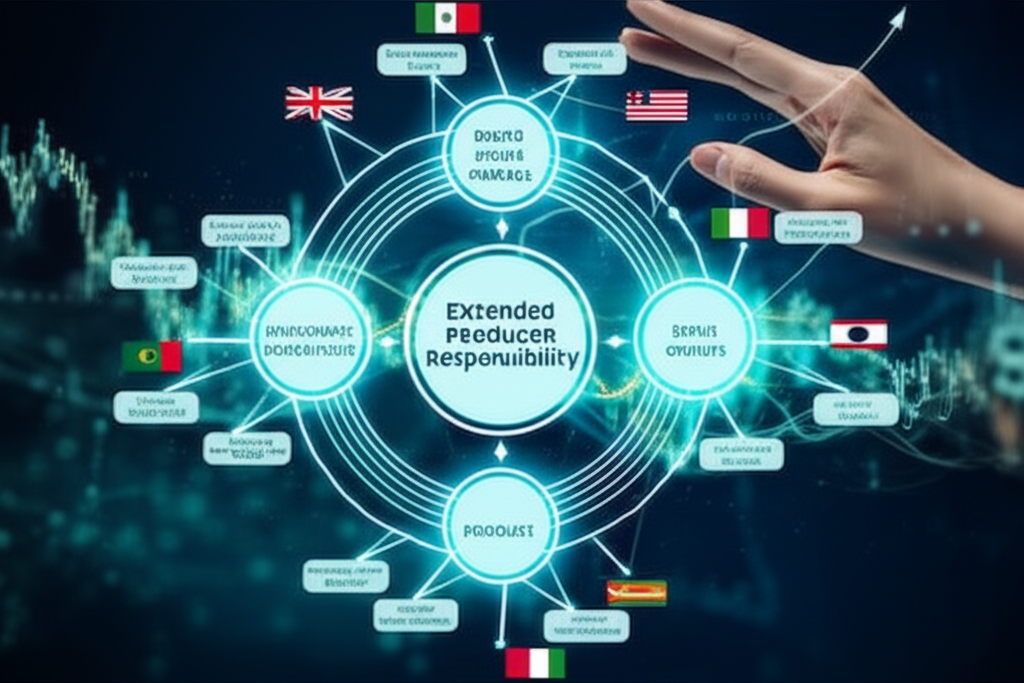
Beyond outright bans, Extended Producer Responsibility (EPR) schemes are gaining significant momentum across APAC, fundamentally reshaping corporate accountability for packaging waste. EPR schemes legally hold companies—including brand owners, retailers, distributors, and importers—financially accountable for the end-of-life management of their products and packaging. While common in Europe and America, these schemes are relatively new in APAC, compelling businesses to report their annual packaging consumption and ensure waste is responsibly managed, often through predefined reduction targets. Non-compliance can result in substantial fines and legal repercussions, adding another layer of complexity for importers.
Notable EPR developments in APAC include:
- Malaysia is actively transitioning from voluntary to mandatory EPR policies, with full implementation planned by 2026. This signals a concrete shift towards shared responsibility across the value chain.
- Le Philippines’ 2022 EPR Act mandates companies to recover an increasing percentage of their plastic packaging waste, starting with 20% by December 31, 2023, and escalating to 80% by the end of 2028.
- Singapore is set to introduce a deposit return scheme for pre-packaged beverage containers (plastic and metal) with a SGD 0.10 deposit, starting April 2025. This scheme will require large supermarkets to set up return points, placing direct responsibility on beverage companies for collection and recycling.
These evolving EPR frameworks require importers to not only manage the influx of goods but also consider the entire lifecycle of the packaging, pushing them towards more sustainable sourcing and product design.Proactive understanding of APAC regulations is crucial for importers to avoid disruptions and maintain market share.
Market Dynamics: Why Sustainable Alternatives are Crucial for Importers to Stay Ahead
The confluence of stringent regulations and heightened consumer awareness regarding plastic pollution is creating an unprecedented demand for eco-friendly products in APAC. This shift is not merely a niche trend; it’s a mainstream phenomenon. An impressive 80% of consumers actively prefer eco-friendly products, transforming sustainable sourcing from a CSR initiative into a critical market differentiator. The foodservice, institutional, and household sectors are rapidly adopting sustainable alternatives, presenting a significant opportunity for proactive importers to capitalize on this shift and gain a substantial competitive advantage.
Surging Demand for Eco-Friendly Packaging: A $124.36 Billion Opportunity
The economic scale of this shift is staggering. The APAC eco-friendly packaging market is projected to reach US$124.36 billion by 2030, driven by the region’s position as the fastest-growing market globally in this sector, with an anticipated CAGR of 11.21% through 2030. This growth is underpinned by clear consumer sentiment: 86% of APAC respondents view sustainable production and packaging as important.
Key drivers fueling this surging demand include:
- Rapid Urbanization: With approximately 120,000 new urban residents daily, dense urban centers are escalating plastic consumption and waste generation, simultaneously driving demand for convenient yet sustainable packaging.
- E-commerce Growth: The booming e-commerce sector, accelerating at a 12.89% CAGR towards 2030, relies heavily on packaging. This creates immense pressure for lightweight, efficient, and increasingly sustainable solutions to minimize waste and carbon footprint associated with transportation.
- Corporate Sustainability Commitments: Major corporations are embedding sustainability into their core strategies. For instance, PepsiCo aims for 98% recyclable, compostable, or reusable packaging by 2025, signaling a clear trajectory for their supply chain partners, including importers.
This confluence of factors underscores that the move towards eco-friendly packaging is a robust, long-term market trend, not a fleeting fad.
The Imperative for Sustainable Straw Alternatives
As plastic straws face widespread bans, importers must pivot towards a diverse portfolio of sustainable alternatives. Each material offers unique advantages and considerations:
- Pailles en papier : The paper straw market is projected for substantial growth due to its biodegradability and cost-effectiveness. Innovations include bendable options, addressing a common consumer preference.
- Plant-based Straws (PLA, PHA): Crafted from renewable resources like corn starch or sugarcane, these straws mimic the feel of traditional plastic. Global production of bio-based plastics has more than doubled since 2010, with nearly half of the 2.18 million tonnes manufactured in 2023 used for packaging. However, many PLA options require industrial composting facilities for proper decomposition, which are still limited in much of APAC.
- Reusable Options (Metal, Glass, Silicone): These offer significant long-term cost savings for businesses and are highly durable. Metal straws (e.g., stainless steel) are easy to clean, while silicone straws are flexible and child-friendly.
- Emerging Innovations: The market is witnessing exciting advancements in “hyper-compostable” and marine-degradable options, including edible straws (100% plant-based, offering a unique consumer experience), hay straws (made from wheat plant stems, inexpensive and biodegradable), and grass or seaweed straws for niche applications.
Importers must carefully evaluate the environmental impact, economic viability, social acceptability, and specific regional regulatory requirements for biodegradability or compostability when selecting these alternatives.
Cost and Quality Realities for Importers
While the transition to sustainable straws is essential, it comes with distinct cost and quality realities that importers must meticulously manage. Sustainable straws are typically3-4 times more expensive to producethan their traditional plastic counterparts. This significant cost increase can disproportionately impact low-margin, high-volume products, such as small packs (e.g., 100-330ml soft drinks), potentially affecting their mass-market appeal, as observed in India following its 2022 SUP ban.
Beyond cost, performance is a critical factor. Early generations of paper straws, for example, often suffered from durability issues, losing 70% to 90% of their compressive strength after less than 30 minutes in liquid and absorbing approximately 30% of their weight. Such performance limitations can lead to a negative customer experience and increased consumption rates. However, advances in waterproof coatings, material blends, and durable designs are continually improving the functionality and perceived value of eco-friendly options, mitigating earlier quality concerns. Importers must rigorously balance cost-competitiveness with maintaining product quality and performance to ensure widespread adoption and customer satisfaction.Sustainable alternatives are crucial for importers to meet surging demand and gain competitive advantage.
Strategic Imperatives for Importers to Navigate APAC Straw Bans
To thrive amidst the evolving APAC straw bans, successful importers must move beyond mere compliance and proactively adapt to regulatory shifts and evolving consumer preferences. Building resilient, diversified supply chains and embracing circular economy principles are no longer optional but critical for long-term success and competitive advantage.
Building Supply Chain Resilience and Diversification
The vulnerabilities exposed by global disruptions, such as the COVID-19 pandemic, have underscored the imperative for robust supply chain resilience. For importers in APAC, this translates into strategic adjustments:
- Localizing Sourcing: Prioritizing sourcing within the same country or region strengthens partnerships, reduces lead times, and mitigates risks associated with international trade complexities, including unpredictable import bans. For instance, Thailand’s phased ban on plastic scrap imports by 2025 further emphasizes the need for domestic or regional compliant sustainable production.
- Diversify Supply Sources: To minimize dependence on single points of failure or regions with rapidly changing regulations, importers should strategically diversify their supply sources to include multiple regions known for robust, compliant sustainable production.
- Collaborate Across the Value Chain: Le partenariat avec les fabricants, les fournisseurs de matières premières et même les entreprises de gestion des déchets tout au long de la chaîne de valeur est essentiel. Une telle collaboration peut accélérer la mise à l’échelle de l’innovation durable, relever plus efficacement les défis de la pollution plastique et garantir un approvisionnement constant en alternatives conformes.
Diligence raisonnable et certification pour les importations conformes
À mesure que le marché s’oriente vers de nouveaux matériaux, une diligence raisonnable rigoureuse devient primordiale. Les importateurs doivent vérifier les certifications des fournisseurs pour la sécurité et la qualité des matériaux respectueux de l'environnement, en s'assurant qu'ils répondent aux normes régionales et nationales strictes. Par exemple,La liste positive du Japon pour les résines recyclées destinées à entrer en contact avec les aliments entrera en vigueur en juin 2025, requiring importers to ensure their products comply with these new material safety guidelines. Adhering to national guidelines for food-contact plastics, including stringent safety measures, testing protocols, and traceability requirements, is crucial to avoid market access issues and protect brand reputation. Transparency in sourcing and material composition is increasingly expected by both regulators and consumers.
Embracing the Circular Economy APAC Model
Moving beyond single-use consumption towards a circular economy model is a fundamental shift that positions businesses for long-term success. The United Nations has prioritized the circular economy for plastics since 2018, underscoring its global importance. For importers, this involves:
- Product Redesign: Focusing on designing products with recyclability and reusability from the outset. This means selecting materials that can be easily reintegrated into the production loop, minimizing waste and resource depletion.
- Eliminating Unnecessary Items and Over-packaging: A critical step is to reduce the overall volume of plastic waste by streamlining packaging designs and eliminating superfluous components. This not only aligns with environmental goals but can also yield cost savings in materials and logistics.
- Promoting Reuse Systems: Where feasible, importers should explore and promote business models that facilitate reuse. This might involve supplying durable, reusable items or collaborating with partners on take-back and refill programs, contributing to a truly closed-loop system.
These strategic imperatives require significant upfront investment and a long-term vision but are essential for sustainable business operations in the evolving APAC market.Building resilient supply chains and embracing circularity are critical for importers’ long-term success in APAC.
Case Study: Proactive Adaptation in the Face of APAC Straw Bans
The proactive responses of global foodservice giants to plastic straw bans serve as powerful real-world examples for importers navigating similar shifts in APAC. These companies, facing immense consumer and regulatory pressure, demonstrate the tangible results of early adaptation and the ripple effect on their vast supply chains.

Engagements mondiaux de Starbucks et McDonald’s (2018-2025) :
Dans un geste historique,Starbucks a annoncé l'élimination des pailles en plastique à usage unique dans l'ensemble de ses 28 000 magasins dans le monde d'ici 2020.. Cette initiative impliquait de proposer des couvercles innovants sans paille ou de passer à des matériaux alternatifs, influençant directement leur réseau mondial de fournisseurs à s'adapter. Cette décision, motivée à la fois par la responsabilité environnementale et par les préférences des consommateurs, a montré comment un acteur majeur pouvait provoquer des changements importants sur le marché.
De la même manière,McDonald’shas been actively testing various plastic straw alternatives and has set an ambitious goal for 100% of its guest packaging to be sourced from renewable, recycled, or certified materials by 2025. This commitment sends a clear signal throughout their extensive supply chain, urging manufacturers and importers to innovate and provide sustainable options.
In Japan,Skylark, a major restaurant chain operator, took a significant step by banning disposable plastic straws from all its outlets by 2020, starting with its “Gusto” restaurants in 2018. This action by a prominent regional player underscores the localized momentum of the shift away from single-use plastics.
These actions by major foodservice players underscore a critical lesson for importers: market demand shifts rapidly, and proactive supplier adaptation is not just advantageous—it’s essential for maintaining large-scale partnerships and market relevance. These commitments create immediate, large-volume demand for compliant and high-quality sustainable straw alternatives, incentivizing importers to lead the transition.Major foodservice brands demonstrate that proactive adaptation to straw bans is essential for market relevance.
Comparison Table: Strategic Straw Alternatives for Importers
Selecting the right straw alternative is a critical decision for importers, balancing performance, cost, and compliance. The following table provides a comparative overview of strategic options:
| Fonctionnalité | Impact opérationnel B2B | Note de conformité | Potentiel de retour sur investissement |
|---|---|---|---|
| Pailles en papier | Wide availability, lower initial cost; durability issues (70-90% strength loss in 30 min, 30% liquid absorption). | Biodegradable; check for PFAS (Per- and Polyfluoroalkyl Substances) content and local compostability regulations. | Medium; high volume sales, but lower perceived value, high consumption rate due to performance. |
| Pailles en métal | Higher upfront cost; requires cleaning and storage infrastructure for reuse; inventory management. | Reusable, highly durable; generally compliant across regions for long-term use. | High; significant long-term cost savings for businesses that can implement reuse programs; premium market appeal. |
| PLA/PHA Straws | Similar feel to traditional plastic; requires specialized industrial composting facilities for proper degradation. | Biodégradable, mais les infrastructures de compostage industriel sont limitées dans la région APAC, ce qui crée des problèmes d'élimination. | Moyen; séduit les consommateurs soucieux de l’environnement, mais la véritable circularité dépend des infrastructures. |
| Pailles en bambou | Esthétique naturelle, réutilisable/biodégradable ; la qualité peut varier considérablement entre les fournisseurs ; potentiel d’éclatement. | Produit biodégradable et naturel ; garantir des pratiques d’approvisionnement durables et une bonne hygiène pour la réutilisation. | Moyen; attrait sur un marché de niche, potentiel de positionnement de marque unique lié aux matériaux naturels. |
| Pailles comestibles | Expérience consommateur unique ; élimine entièrement les déchets post-consommation ; coût actuellement plus élevé. | 100 % végétal, hyper-compostable, dégradable en milieu marin ; s’aligne généralement sur les interdictions les plus strictes. | Haut; forte différenciation de marque et leader en innovation ; élimine la gestion des déchets post-consommation. |
Les importateurs devraient envisager une stratégie multi-matériaux pour répondre aux divers besoins des clients et aux variations réglementaires régionales.Choisir la bonne alternative à la paille permet d'équilibrer les performances, les coûts et la conformité pour les importateurs.
Surmonter les défis et maximiser les opportunités pour les importateurs
Si la mise en œuvre rapide d’interdictions sur la paille et d’une réglementation plus large sur le plastique présente des défis évidents pour les importateurs, elle ouvre simultanément de nouvelles opportunités de marché significatives pour les acteurs adaptatifs. Les premiers acteurs du marché de la paille durable peuvent établir des relations solides à long terme avec des clients clés et acquérir un formidable avantage concurrentiel. Pour gérer avec succès les implications financières et combler les lacunes critiques en matière d’infrastructures, il faut une planification stratégique, des partenariats collaboratifs et un engagement envers une vision à long terme plutôt que des gains à court terme.

Combler les lacunes de l’infrastructure et les limites des données
L’un des défis systémiques les plus importants en Asie-Pacifique estmanque d’infrastructures robustes de gestion des déchetsfor collection, sorting, and recycling, particularly in emerging markets like India and Indonesia. This deficiency means that even if a product is technically recyclable, it may end up in landfills or polluting waterways due to inadequate systems. Many single-use plastics, including straws, are too small to be efficiently collected by existing systems, or they simply end up in the ocean from landfills.
En outre,limited data on the economic and social impact of plastic bansentrave l’élaboration de politiques fondées sur des données probantes. Les décideurs politiques ont du mal à quantifier tous les effets ou à concevoir des interventions optimales lorsque les données complètes sur le comportement des consommateurs, les coûts d’adaptation de l’industrie ou les avantages environnementaux (comme la réduction de l’ingestion de microplastiques par la vie marine) sont rares. La prévalence du ramassage informel des déchets, en particulier pour les plastiques flexibles de faible valeur comme les sachets, complique encore davantage le suivi et contribue aux faibles taux de recyclage officiels. Combler ces lacunes en matière d’infrastructures et de données nécessite des investissements importants et des efforts concertés de la part des gouvernements, de l’industrie et de la société civile.
Implications financières et investissement
La transition vers des alternatives durables entraîne des implications financières notables. Comme souligné précédemment, les pailles durables sont généralement 3 à 4 fois plus chères que les pailles traditionnelles en plastique. Cette augmentation des coûts n’est pas facilement absorbée, en particulier pour les produits de masse aux marges minces. En Inde, par exemple, l'interdiction des pailles en plastique a eu un impact significatif sur l'industrie des boissons gazeuses, en particulier sur les ventes de petits emballages (100 ml-330 ml), qui représentaient 35,1 % du volume total des boissons gazeuses en 2021. Le coût plus élevé des pailles conformes pourrait affecter l'abordabilité et l'attrait de ces produits sur le marché de masse.
Cependant, ce défi constitue en même temps un argument convaincant en faveur de l’investissement.Le soutien du gouvernement, y compris les subventions et les incitations, peut jouer un rôle centralin promoting technological innovation and fostering the development of new, more affordable plastic straw substitutes and manufacturing capacities domestically. For importers, this may mean strategic investments in R&D partnerships, supply chain localization, or even direct manufacturing capabilities to reduce reliance on more expensive imported sustainable alternatives. Embracing sustainable practices can also lead to long-term cost savings through reduced waste disposal fees, improved resource efficiency, and enhanced brand value that commands premium pricing or secures preferential partnerships.Importers can overcome challenges by addressing infrastructure gaps and strategically investing in sustainable alternatives.
Conclusion: Proactive Positioning in the Evolving APAC Market
The landscape of APAC straw bans is undergoing a rapid and irreversible transformation, driven by increasingly stringent environmental regulations and an undeniable surge in consumer demand for sustainable alternatives. This dynamic environment presents a clear mandate for importers: proactive adaptation is no longer a choice but an imperative for long-term viability and success.
Importers who strategically adapt their supply chains, prioritize the diversification of their product offerings with eco-friendly alternatives, and fully embrace circular economy principles will not only ensure seamless compliance with evolving regulations but also secure a significant, defensible competitive advantage. This strategic shift is crucial for mitigating risks, unlocking new market opportunities, enhancing brand reputation, and ensuring sustained profitability in the burgeoning and increasingly eco-conscious APAC market.Proactive adaptation and diversification are crucial for importers to thrive in APAC’s evolving eco-conscious market.
Ready to Lead the Shift?
Assess your current supply chain and collaborate with sustainable manufacturers to lead the shift in APAC’s eco-conscious market. Explore our comprehensive guides for deeper insights:
Reusable Straw Solutions for Bars & NightclubsNavigating EU Single-Use Plastics DirectiveGuide to Sustainable Boba Straw Alternatives
Foire aux questions (FAQ)
How do APAC straw bans impact my existing import contracts?
What are the most cost-effective sustainable straw alternatives for high-volume foodservice operations?
How can importers ensure their sustainable straw alternatives meet regional biodegradability standards?
Rigorous due diligence is essential. Verify supplier certifications (e.g., for industrial composting or marine degradability) and consult local regulatory bodies for specific country-level requirements and testing protocols.
What is Extended Producer Responsibility (EPR) and how does it affect importers in APAC?
Are there government incentives or subsidies for importers transitioning to sustainable packaging in APAC?