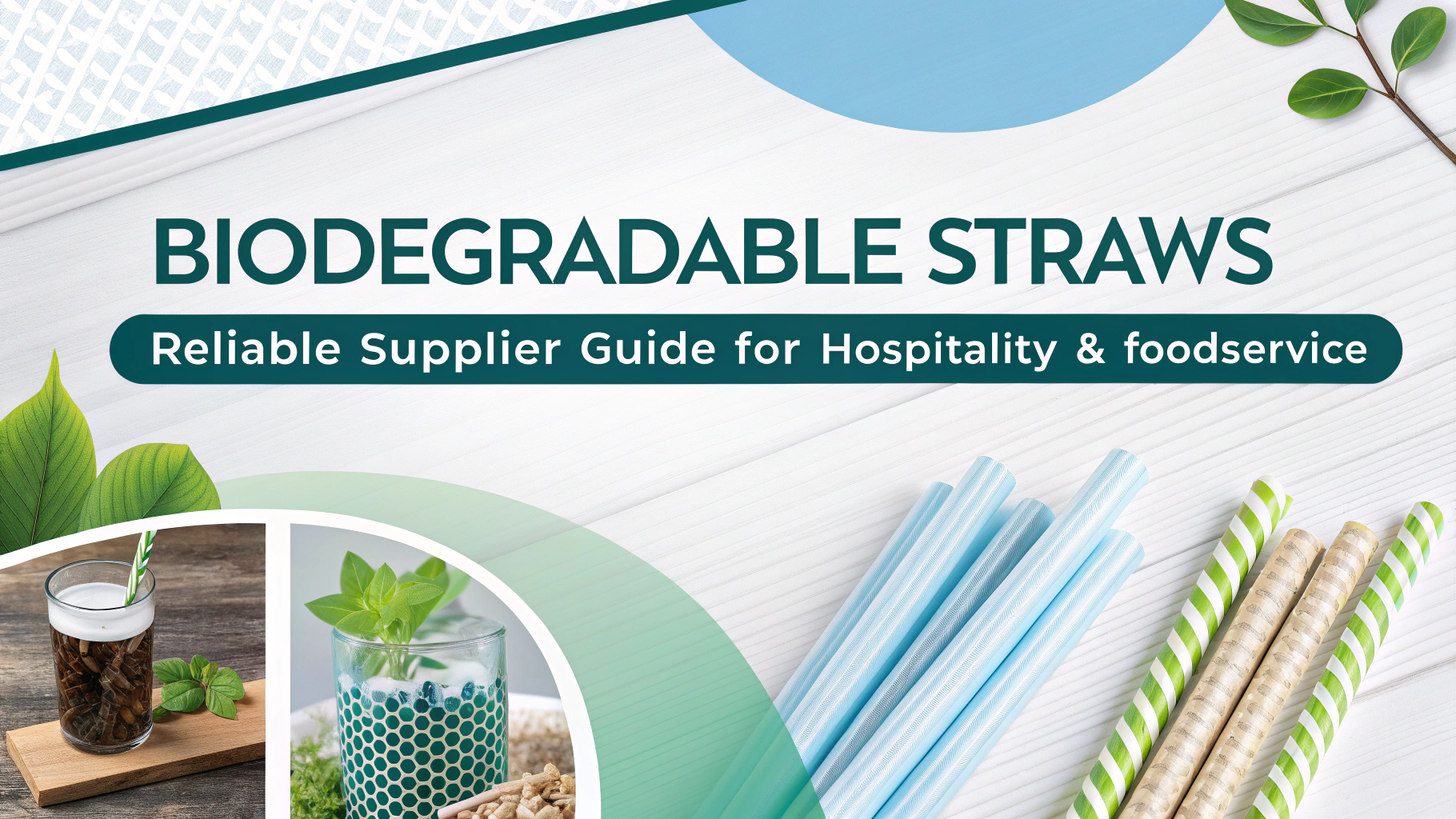
I. Sensibilisation : l’analyse de rentabilisation urgente pour abandonner les pailles en plastique
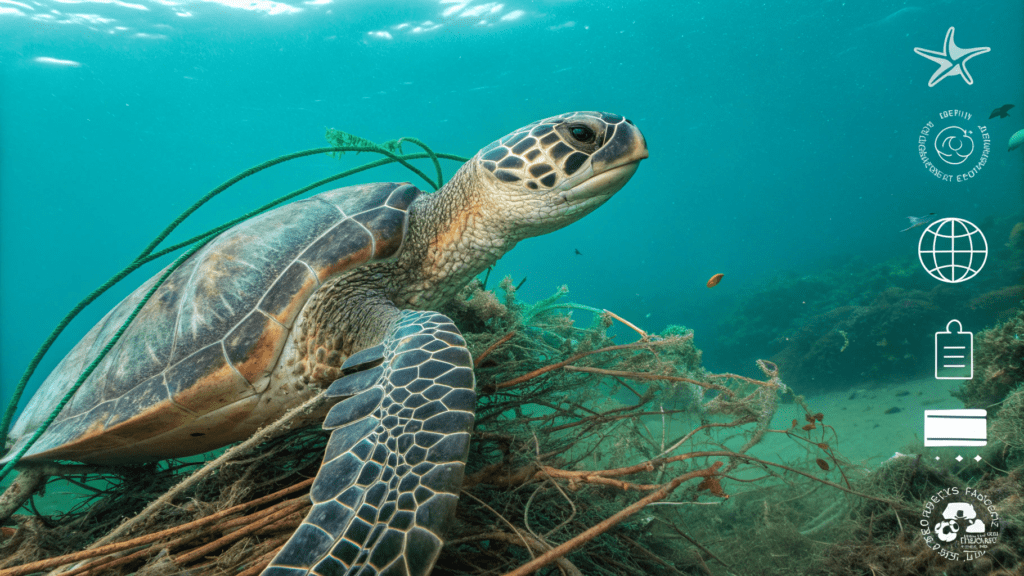
Pendant des décennies, la modeste paille est restée une considération secondaire, une commodité omniprésente dans l’industrie de la restauration. Pourtant, cet objet apparemment inoffensif, souvent fabriqué à partir de plastique à usage unique, est devenu un puissant symbole de pollution mondiale. Bien que de petite taille, le volume considérable de pailles en plastique utilisées quotidiennement contribue de manière significative à une crise environnementale qui persiste dans les océans et les décharges pendant des centaines d'années. Ces plastiques ne disparaissent pas simplement ; ils se décomposent en microplastiques nocifs, ce qui constitue de graves menaces pour la vie marine et suscite de plus en plus d’inquiétudes pour la santé humaine. La tristement célèbre vidéo de 2015 d’une tortue de mer avec une paille en plastique enfoncée dans la narine, visionnée par des millions de personnes, a déclenché une vive prise de conscience du public, modifiant radicalement l’opinion des consommateurs.
Ce problème omniprésent est allé au-delà de la défense de l’environnement pour devenir une préoccupation majeure pour les entreprises du monde entier. Les gouvernements, poussés par le tollé général et les preuves scientifiques, ont lancé des interdictions et des restrictions généralisées qui ont un impact direct sur les opérations commerciales. Depuis des villes pionnières comme Seattle et Washington D.C. jusqu’à des États comme la Californie et le New Jersey aux États-Unis, en passant par des directives complètes dans l’ensemble de l’Union européenne, l’action législative oblige les entreprises à trouver des alternatives durables. Ignorer cette tendance n’est plus une option ; le recours continu aux pailles en plastique risque non seulement de nuire à la réputation, mais aussi d'éloigner un segment croissant de clients soucieux de l'environnement qui voient désormais de manière moins favorable les entreprises utilisant le plastique. Adopter des pratiques durables n'est plus un choix de niche ; c’est un impératif majeur pour l’intégrité de la marque et la pertinence du marché.

II. Intérêt : Explorer le paysage des solutions écologiques
Le défi pour les entreprises va bien au-delà de la simple conformité à des réglementations en constante évolution. L’inaction concernant l’utilisation de la paille en plastique peut entraîner des risques de réputation importants, des sanctions juridiques potentielles et, surtout, des opportunités manquées pour attirer et fidéliser une clientèle en pleine croissance de clients soucieux de l’environnement. Le marché exige clairement du changement et pour toute entreprise tournée vers l’avenir, rester immobile n’est plus une option.
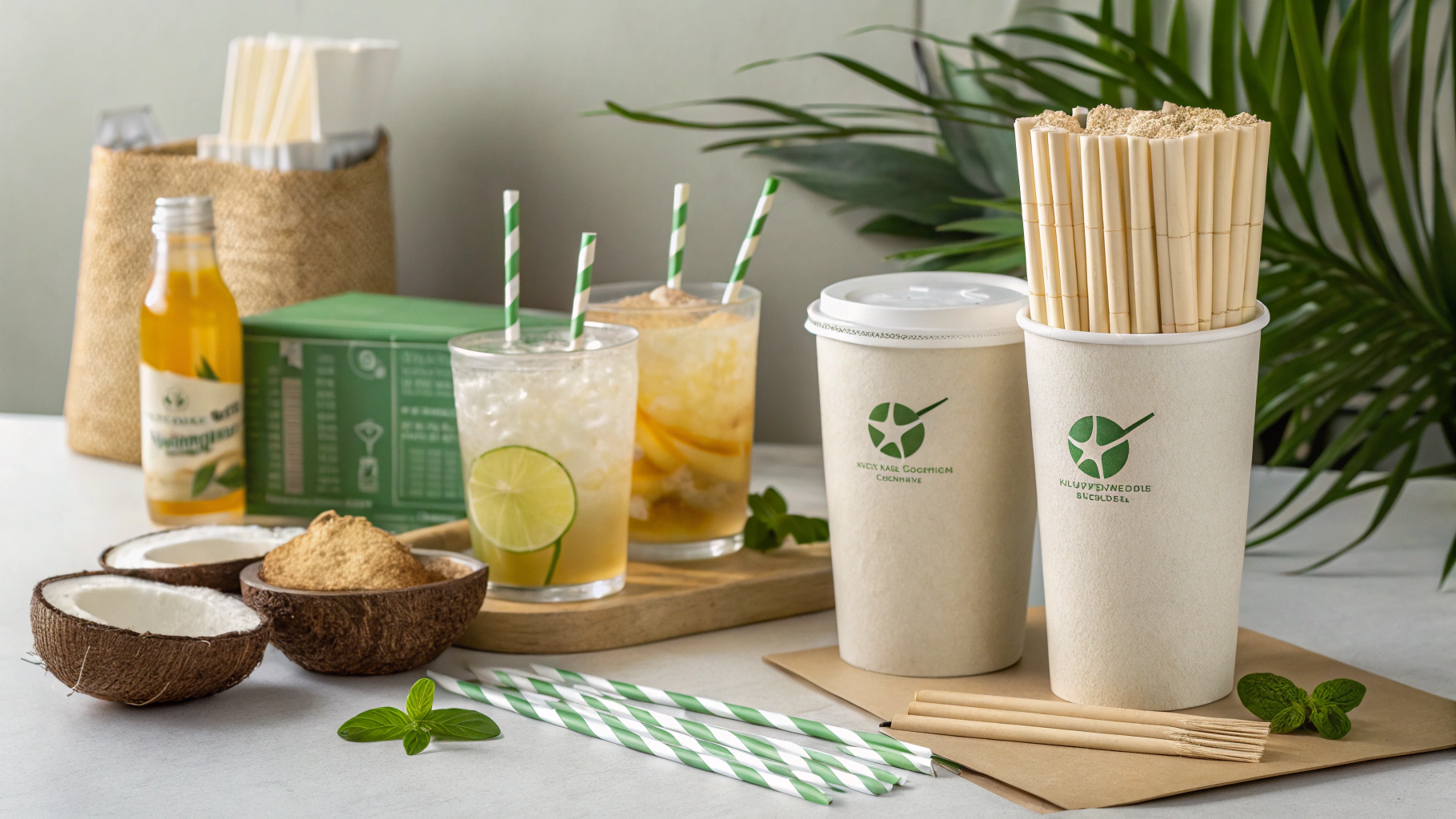
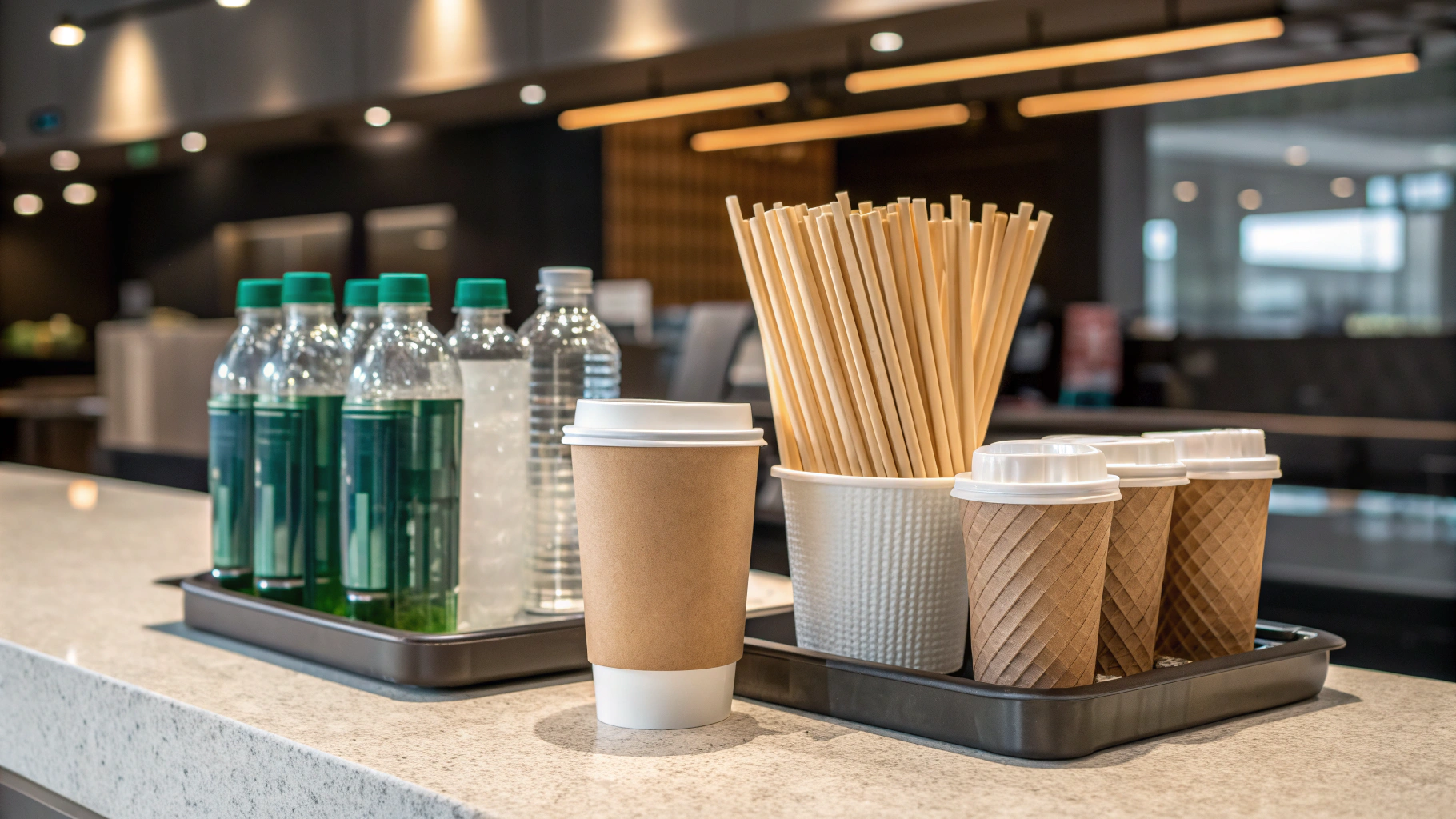
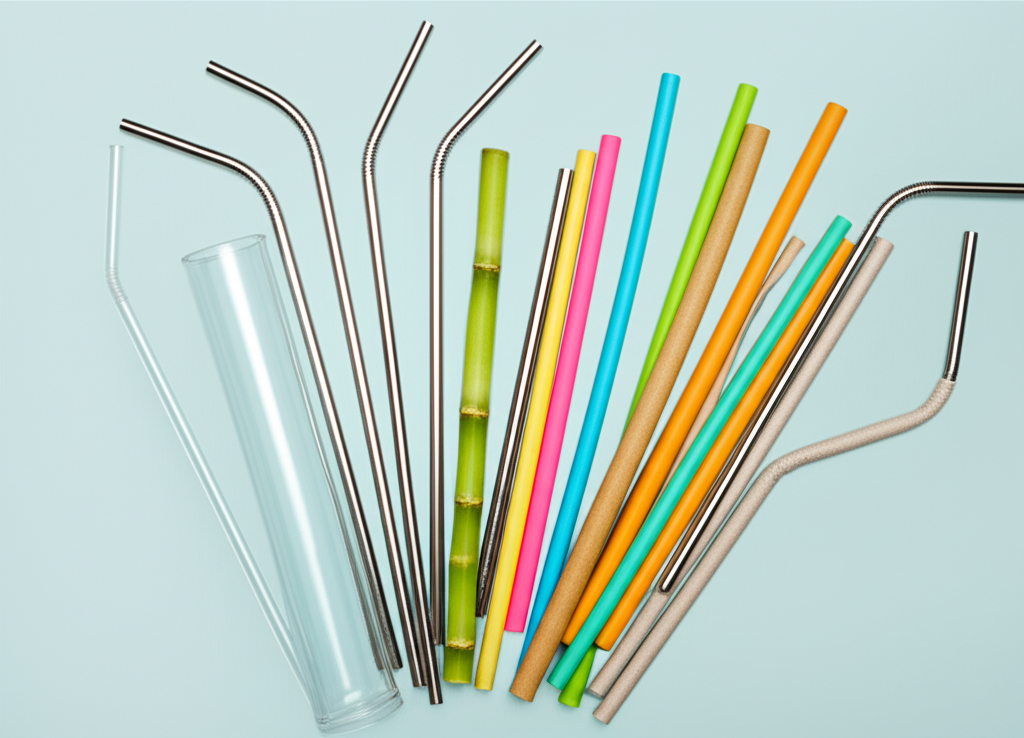
La bonne nouvelle est que l’innovation a permis de proposer une gamme diversifiée d’alternatives à la paille respectueuses de l’environnement, allant bien au-delà des pailles en papier rudimentaires du passé. Ces solutions se répartissent globalement en deux catégories stratégiques : les pailles écologiques jetables, fabriquées à partir de matériaux végétaux rapidement renouvelables conçus pour se biodégrader, et les pailles écologiques réutilisables, des options durables conçues pour une utilisation à long terme, réduisant considérablement les déchets globaux.
Le marché de la paille écologique connaît actuellement un boom transformateur. Il était estimé à environ 12,3 milliards USD en 2025 et devrait presque doubler, pour atteindre 25,1 milliards USD d'ici 2035, ce qui démontre un solide taux de croissance annuel composé (TCAC) de 7,3 %. Cette poussée n’est pas simplement une tendance passagère ; elle est alimentée par une confluence de facteurs puissants : des réglementations gouvernementales de plus en plus strictes comme la directive européenne sur les plastiques à usage unique et diverses interdictions imposées par les États américains, une sensibilisation mondiale croissante à l’environnement chez les consommateurs et les entreprises, un changement significatif dans les préférences des consommateurs (avec environ 70 % préférant les options respectueuses de l’environnement) et un impératif fort de responsabilité sociale des entreprises (RSE) qui pousse les entreprises vers des achats durables. Pour découvrir comment votre entreprise peut tirer parti de cette évolution du marché, envisagez d’examiner des solutions complètes d’emballage durable.
III. Unlocking the Benefits & Choosing the Right Sustainable Partner
Adopter des pailles écologiques va bien au-delà de la simple conformité ; il s’agit d’une décision stratégique puissante qui peut fondamentalement améliorer la position de votre marque sur le marché. En effectuant ce changement intelligent, les entreprises peuvent améliorer considérablement leur image de marque, attirer et fidéliser une clientèle fidèle, répondre aux exigences réglementaires en constante évolution et contribuer activement à un modèle d'économie circulaire. Cet engagement résonne profondément auprès des consommateurs modernes, en particulier auprès des jeunes générations comme la génération Z, qui privilégient la consommation éthique et la transparence.
Pour vous aider à naviguer parmi la myriade d’options, voici une comparaison des principaux choix de paille écologique, adaptée aux considérations B2B :
| Type de paille | Source matérielle | Avantages | Inconvénients | Idéal pour les cas d’utilisation B2B |
|---|---|---|---|---|
| Pailles en papier | Pâte de bois (renouvelable) | Biodégradable, compostable (s'il n'est pas recouvert de plastique), largement disponible, personnalisable, se décompose en quelques semaines. | Peut devenir détrempé rapidement (10-15 min), goût/texture de papier désagréable, généralement plus cher que le plastique, présence courante de « produits chimiques éternels » (PFAS) liés à des problèmes de santé et à la persistance de l'environnement, peuvent ne pas être acceptés par toutes les installations de recyclage en raison de la contamination des aliments. | Environnements à grand volume et à usage unique (cafés, restaurants à service rapide, événements) où une élimination rapide est essentielle et une option biodégradable est privilégiée. |
| PLA (Bioplastique) | Fécule de maïs, canne à sucre | Imite le toucher/durabilité du plastique, généralement biodégradable/compostable, impact environnemental inférieur à celui des plastiques pétroliers. | Nécessite des installations de compostage industriel spécifiques pour se décomposer efficacement (non compostable à la maison), peut mettre autant de temps que le plastique à se décomposer dans les décharges/environnements naturels, contamine les flux de recyclage standard, cassant, inquiétudes concernant le « greenwashing » en raison des exigences d'élimination, dépend des ressources agricoles (utilisation des terres/de l'eau). | Restaurants à service rapide, épiceries fines et cafétérias où une sensation semblable au plastique est souhaitée et où l'accès à une infrastructure de compostage commerciale est fiable. |
| PHA (Bioplastique) | Huiles végétales, sucre | Biodégradable, compostable, dégradable en milieu marin (se décompose en quelques semaines), fonctionnalité similaire au plastique, robuste, ne contient pas de PFAS. | Il s'agit encore d'un matériau émergent, aux coûts de production potentiellement plus élevés en raison d'une technologie plus récente, moins largement disponible que le PLA. | Entreprises avant-gardistes privilégiant la biodégradabilité totale (y compris en milieu marin), marques d'éco-luxe, entreprises aux engagements RSE forts. |
| Pailles de canne à sucre/agave | Sous-produits agricoles | Robuste, résiste considérablement au détrempage, biodégradable, certifié compostable (certains OK Home Compostable), fabriqué à partir de déchets agricoles, peut être utilisé pour les boissons chaudes. | Peut être plus cher que le papier ou le plastique conventionnel, certaines versions peuvent contenir du PLA comme liant. | Restaurants, bureaux d'entreprise, restauration nécessitant des options jetables durables et fiables qui fonctionnent bien dans diverses boissons. |
| Pailles de riz/blé/herbe | Sous-produits agricoles | Entièrement naturel, biodégradable, compostable, comestible (pailles de riz), sans gluten (pailles de blé), valorise les déchets agricoles, faible impact environnemental. | Principalement à usage unique (blé/herbe), peut être moins durable que les bioplastiques, peut ramollir plus rapidement dans les liquides chauds (riz), les pailles de blé sont généralement réservées aux boissons froides, certaines pailles de bambou/blé/herbe contiennent des PFAS. | Établissements éco-responsables, restaurants de la ferme à la table, cafés spécialisés, restauration événementielle. |
| Bambou (réutilisable) | Tiges de bambou | Réutilisable, biodégradable, compostable, naturellement antimicrobien, esthétique naturelle unique, faible empreinte carbone due à une croissance rapide. | Durée de vie plus courte (jusqu'à un an) que les autres produits réutilisables, peut être difficile à nettoyer en raison de variations naturelles, peut donner un léger goût « terreux », certains contiennent des PFAS, ne passent généralement pas au lave-vaisselle. | Eco-boutiques, cafés de produits naturels, utilisation individuelle par les collaborateurs, cadeaux d'entreprise à forte thématique naturel/durable. |
| Acier inoxydable (réutilisable) | Acier inoxydable | Extrêmement durable, réutilisable pendant de nombreuses années, 100 % recyclable, résistant aux taches/à l'oxydation, résistant à la chaleur, sans goût métallique grâce à des options de haute qualité, sans PFAS. | Peut conduire rapidement la chaleur/le froid (risque de brûlure/inconfort des lèvres), présente un risque de blessure (dents ébréchées) en cas d'utilisation négligente, impact de production initial élevé (nécessite environ 37 utilisations pour compenser une seule paille en plastique), nécessite une brosse de nettoyage. | Cafétérias d'entreprise, programmes d'avantages sociaux des employés, restaurants haut de gamme pour le service sur place, où la durabilité et la réutilisabilité sont primordiales. |
| Verre (réutilisable) | Verre borosilicaté | Réutilisable, durable (résistant aux éclats), va au lave-vaisselle, non toxique, ne confère aucun goût, attrait esthétique, la transparence permet une vérification facile du nettoyage, plus durable que le métal (nécessite environ 23 utilisations pour compenser le plastique). | Cassable en cas de chute (bien qu'il soit fabriqué à partir de verre robuste), pas idéal pour les jeunes enfants en raison du risque de casse, tous les types de verre ne sont pas recyclables et nécessitent une manipulation soigneuse. | Restauration haut de gamme, bars, bars à jus où l'esthétique, la pureté gustative et la transparence sont primordiales. |
| Silicone (réutilisable) | Silicone de qualité alimentaire | Flexible, très durable, réutilisable, passe au lave-vaisselle, adapté aux enfants (doux et moelleux), résistant à la température, résistant aux morsures, peut être coupé à longueur. | Non biodégradable, rarement recyclé dans les programmes municipaux, peut attirer la poussière/peluches, peut être difficile à nettoyer en profondeur en raison de sa flexibilité, certains rapports font état d'une légère rétention de goût. | Établissements adaptés aux enfants, restaurants décontractés, options accessibles pour les personnes nécessitant des pailles flexibles, établissements de santé. |
Le marché mondial de la paille écologique est florissant, porté à la fois par la demande des consommateurs (avec 80 % d’entre eux préférant les produits respectueux de l’environnement) et par des pressions réglementaires strictes dans des régions comme les États-Unis et l’Europe. Ce n’est pas une tendance passagère ; cela représente un changement fondamental dans les valeurs des consommateurs et les attentes des entreprises. Les progrès technologiques répondent continuellement aux problèmes de durabilité antérieurs, avec de nouveaux revêtements résistants à l'eau et des matériaux avancés comme les pailles à base d'algues et de PHA améliorant les performances des boissons chaudes et froides. L’efficacité de la production s’améliore également, conduisant à des prix plus compétitifs au fil du temps.
Bien que des défis tels que des coûts de production plus élevés et la présence inquiétante de PFAS dans certaines options « respectueuses de l’environnement » (en particulier le papier et le bambou) demeurent, la recherche et le développement en cours visent à les résoudre. L’infrastructure limitée de compostage industriel des bioplastiques constitue un obstacle important, en particulier aux États-Unis par rapport à certaines régions d’Europe, nécessitant un changement systémique plus large pour que ces matériaux tiennent leurs promesses environnementales. En fin de compte, les entreprises qui intègrent véritablement des pratiques durables et communiquent de manière transparente leurs efforts fidéliseront davantage leur marque, en particulier auprès des jeunes générations motivées par l’éthique. Apprenez-en davantage sur une communication de marque efficace pour les produits durables surmomoio.com.

IV. Partenariat pour un avenir durable
Le moment est venu de s’adapter à l’évolution des normes environnementales et aux attentes des consommateurs. Ne vous contentez pas de vous adapter aux réglementations ; saisissez l’opportunité d’ouvrir la voie en matière de développement durable au sein de votre industrie. Choisir la bonne solution de paille écologique est une étape tangible et impactante vers une activité commerciale plus verte et plus responsable qui trouve un écho auprès du consommateur conscient d’aujourd’hui.
Vos prochaines étapes :
- Évaluez vos besoins : Comprenez les besoins spécifiques de votre entreprise, y compris le volume quotidien, les types de boissons servies, l'infrastructure d'élimination locale et les préférences de votre public cible, pour identifier les types de pailles écologiques les plus appropriées.
- Téléchargez notre guide complet : Pour des informations détaillées sur les propriétés des matériaux, les certifications de biodégradabilité et une analyse coûts-avantages détaillée, accédez à notre guide gratuit.
- Consultez nos experts en développement durable : Planifiez une consultation gratuite et personnalisée avec notre équipe. Nous pouvons discuter de solutions sur mesure qui correspondent parfaitement aux valeurs de votre marque, à vos exigences opérationnelles et à vos objectifs de développement durable. Pour en savoir plus, découvrez les dernières innovations en matière de paille biodégradable.
- Demandez un kit d'échantillons : Découvrez la qualité, la sensation et les performances des différentes options de paille écologiques avant de vous engager. Voyez par vous-même pourquoi des entreprises comme Starbucks et McDonald's ont fait ce changement.
Connectez-vous avec nous :
Prêt à rehausser le profil de durabilité de votre marque et à répondre aux demandes du consommateur conscient d’aujourd’hui ? Consultez notre catalogue de produits surmomoio.com/productsou contactez notre équipe commerciale dédiée pour découvrir nos solutions de paille certifiées compostables et réutilisables et franchir le pas définitif vers une entreprise plus verte.
Regardez notre résumé vidéo
Un aperçu concis du guide B2B des pailles durables.
Vitrine de conception réactive
Cette page Web est conçue pour s'adapter parfaitement à différentes tailles d'écran, des grands ordinateurs de bureau aux tablettes et téléphones mobiles. Observez comment la mise en page, le texte et les images s'ajustent pour offrir une expérience visuelle optimale sur n'importe quel appareil.