
Par momoio | Publié : 29 août 2025
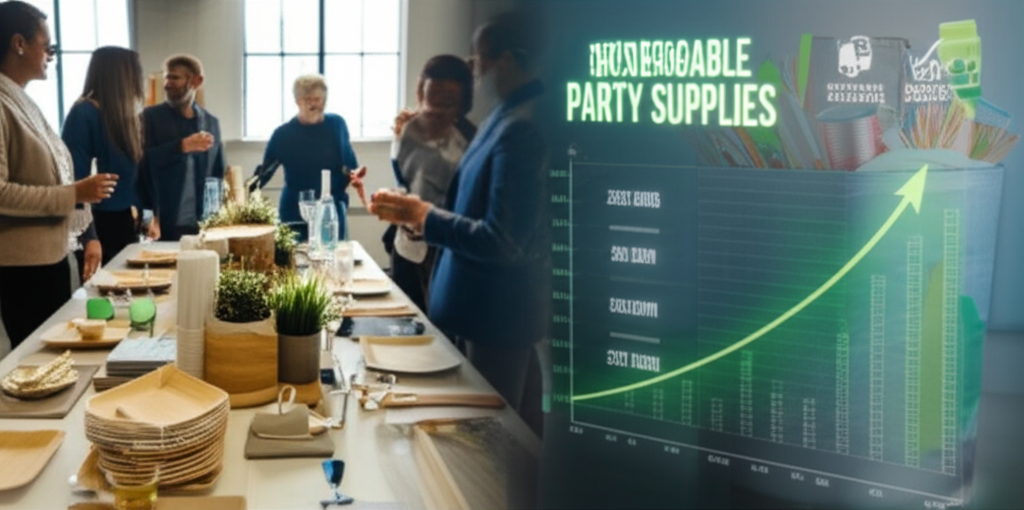
Les événements d'entreprise ne consistent plus seulement à réseauter ou à célébrer des événements marquants ; ce sont des déclarations puissantes des valeurs d’une organisation. À une époque où la durabilité est primordiale, le choix des accessoires de fête transcende la simple esthétique et devient un impératif stratégique pour les entreprises. Ignorer l’empreinte environnementale de vos événements n’est plus une option, mais un risque opérationnel et de réputation qui peut miner l’engagement de votre marque pour un avenir plus vert. Le marché des solutions événementielles durables ne se contente pas de croître ; il redéfinit les normes de l’industrie, le marché mondial des articles de fête biodégradables devant à lui seul passer de 14,3 milliards de dollars en 2024 à un chiffre impressionnant de 38,7 milliards de dollars d’ici 2033, démontrant un solide TCAC de 11,7 %. Votre organisation reflète-t-elle réellement son engagement en faveur d'un avenir plus vert à travers ses choix d'événements, ou êtes-vous, par inadvertance, à la traîne d'un paysage en évolution rapide ?
Les implications du fait de négliger l’approvisionnement durable en matière d’événements sont considérables. Au-delà du gaspillage visible, il existe des coûts invisibles qui ont un impact direct sur vos résultats financiers et sur la perception du public. Les plastiques traditionnels à usage unique et les matériaux non recyclables continuent de gonfler les décharges, contribuant ainsi à une crise environnementale mondiale. Ce fardeau croissant des décharges n’est pas seulement un problème écologique ; c’est une question de relations publiques. Les consommateurs, en particulier en Europe où 63 % expriment une préférence pour les produits respectueux de l'environnement, s'intéressent de plus en plus à la responsabilité environnementale des entreprises. Un faux pas en matière de durabilité des événements peut rapidement conduire à des accusations de « greenwashing », portant atteinte à la confiance dans la marque et érodant une réputation durement gagnée, surtout si les allégations de durabilité ne sont pas authentiques ou vérifiables.
The regulatory landscape is also shifting dramatically, making traditional procurement practices risky. Governments worldwide are implementing bans and levies on single-use plastics, creating compliance challenges and increasing operational costs for businesses that fail to adapt. Procurement managers face the complex task of navigating these evolving mandates, which vary across regions. In the US, states are increasingly enacting plastic bag bans and foam container restrictions, while the European Union has led the charge with directives targeting various single-use plastic products, compelling businesses to seek sustainable alternatives. This legislative push directly influences ESG (Environmental, Social, and Governance) criteria, which investors now consider critical indicators of corporate health and long-term viability. Organizations failing to meet these evolving standards risk alienating investors, hindering access to capital, and seeing their corporate reporting reflect poorly on their commitment to sustainability. Moreover, the resource-intensive production of certain conventional party supplies, often involving significant water, energy, and chemical use, presents an ethical dilemma and a logistical strain that modern operations directors can no longer afford to ignore. The disposal costs associated with mixed waste from traditional events further exacerbate operational challenges, making a shift to sustainable practices not just ethical, but economically prudent.
Relever ces défis nécessite un pivot stratégique vers des matériaux et des pratiques véritablement respectueux de l’environnement. Il ne s’agit pas seulement de trouver des alternatives ; il s’agit d’améliorer la valeur de la marque, d’optimiser les achats et de renforcer la résilience opérationnelle. Comprendre la valeur commerciale tangible des matériaux durables est la première étape.
Envisagez une comparaison entre les matériaux de fête traditionnels et durables pour les achats B2B :
| Fonctionnalité | Traditionnel (empreinte environnementale élevée, risque réglementaire) | Sustainable (Biodegradable, Compostable, Aligns with Green Policies) | Impact B2B | Compliance Risk (EU/US) | Potentiel de retour sur investissement |
|---|---|---|---|---|---|
| Plates & Cutlery | Disposable Plastics (PP, PS) | Bagasse (sugarcane), Bamboo, Cornstarch (PLA), Recycled Paper, Palm Leaf | Enhanced brand image, reduced waste, positive stakeholder perception | High (plastic bans) | Reduced disposal costs, improved public relations, market differentiation |
| Balloons | Mylar/Foil Balloons (non-biodegradable, microplastic concern) | Natural Latex Balloons (with responsible disposal guidance), Paper Lanterns, Fabric Banners, Bubbles, Pinwheels | Eco-conscious branding, reduced environmental harm, innovative aesthetics | Moderate (litter laws) | Brand reputation lift, potential for reusable decor savings |
| Invitations | Virgin Paper Invitations (resource intensive) | Recycled/Seed Paper, Digital Invitations (e.g., e-vites) | Reduced paper waste, modern appeal, cost savings on printing/postage | Faible | Significant cost savings, efficiency, modern brand perception |
| Decorations | Single-use plastic streamers, conventional confetti | Reusable fabric bunting, potted plants, dried flowers, biodegradable confetti | Supports circular economy, minimizes waste, unique event aesthetics | Modéré | Long-term cost savings through reusability, unique event aesthetic |
Les perspectives du marché soulignent ce changement. La croissance prévue du marché mondial des articles de fête biodégradables, qui devrait atteindre 38,7 milliards de dollars d’ici 2033, met en évidence une opportunité d’investissement évidente pour les entreprises. Les principaux moteurs de croissance comprennent une sensibilisation croissante à l’environnement, des réglementations strictes sur les déchets plastiques et des initiatives de développement durable pilotées par les marques. Cela reflète un large consensus selon lequel la durabilité n’est plus une niche, mais un élément essentiel d’une stratégie commerciale pérenne.

However, navigating this green wave requires vigilance, particularly concerning “greenwashing.” The term refers to misleading marketing that makes products appear more environmentally friendly than they truly are. This deceptive practice poses a significant risk to procurement teams trying to make genuine sustainable choices. Many products labeled “biodegradable” or “compostable” do not fully break down in natural environments or even in standard home composting systems. For example, some certified compostable cups, while appearing eco-friendly, contain PFAS (per- and polyfluoroalkyl substances)—chemicals with known environmental and health concerns—and often only degrade in commercial compost facilities, which are not widely available. Moreover, “biodegradable plastic” can take months or centuries to break down without a specified timeline, often still contributing to microplastic pollution. This lack of clear federal standards and regulations for bioplastic, biodegradable, or compostable products in many regions, including parts of the US, allows manufacturers to make vague claims, leading to significant consumer and B2B buyer confusion. Organizations like Beyond Plastics are actively campaigning for clearer regulations to combat this issue, highlighting the urgent need for greater transparency in the supply chain.Learn more about plastic pollution and policy efforts at Beyond Plastics
To avoid the pitfalls of greenwashing, it’s crucial to understand how to identify truly sustainable products:
| Fonctionnalité | Vague/Greenwashed (High Risk of Misinformation) | Truly Sustainable (Verifiable, Low Environmental Impact) |
|---|---|---|
| Product Claim | “Biodegradable Plastic” (without specified conditions or timeline) | Certified Industrial Compostable (e.g., BPI certified, EN 13432 for EU) |
| Decomposition | May require specific, often unavailable industrial conditions; can take centuries to break down; contributes to microplastics. | Clear guidelines for decomposition in commercial facilities; breaks down into natural elements. |
| Balloons | “Biodegradable” Latex Balloons (can still take years to break down, threats to wildlife) | Reusable Decorations (fabric banners, potted plants), Bubbles, Pinwheels, Dried Flowers |
| Certifications | None, or vague in-house claims | Recognized third-party certifications (e.g., BPI, TÜV AUSTRIA, Cradle to Cradle) |
| Transparency | Limited information on material sourcing or end-of-life process | Full transparency on material origins, manufacturing, and verified disposal options |
The drive for transparency and certification is intensifying. Leading brands are prioritizing eco-friendly innovation and clear, verifiable claims to outperform competitors. This not only builds consumer trust but also strengthens B2B relationships by demonstrating genuine commitment to shared sustainability goals. Companies that invest in authentic, certified sustainable products are positioning themselves as responsible leaders in their industry.

Beyond single-use biodegradable items, embracing reusability and circular economy principles offers even greater long-term benefits. Strategic implementation of reusable options, such as cloth linens, durable dishware, and permanent decor, translates into significant cost savings over time and drastically reduced waste. For instance, companies like Brambles, operating through the CHEP brand, exemplify a circular economy model by promoting the “share and reuse” of assets like pallets and containers. This approach minimizes demand for virgin natural resources, reduces waste, and optimizes logistics, providing a powerful blueprint for how event supplies can move towards a more sustainable, closed-loop system. This mindset shift—from disposal to continuous use—is a cornerstone of modern sustainable procurement.Apprenez-en davantage sur l’adoption des principes de l’économie circulaire dans vos opérations.

Future-proofing your events means more than just compliance; it means leveraging innovation for differentiation and competitive advantage. The future of eco-friendly party supplies is dynamic, marked by continued advancements in material science. We can expect to see rapidly decomposable plant-based plastics and natural fibers that not only break down quickly but also maintain the strength, durability, and aesthetic appeal of conventional products. Technological integration will play a crucial role, with AI-driven tools emerging to assist with sustainable event planning, offering eco-friendly alternatives and theme generation with unprecedented efficiency. Augmented Reality (AR) and Virtual Reality (VR) are also set to transform how organizations visualize event setups, potentially reducing the need for physical samples and minimizing waste in the planning phase. Imagine previewing your entire event decor in a virtual space, ensuring every element meets your sustainability and aesthetic criteria before a single physical item is produced.
Furthermore, personalization and customization, enhanced by AI and design software, will allow for easier creation of unique, eco-friendly decorations. Technologies like 3D printing, utilizing sustainable materials, could enable on-demand, highly customized items that align perfectly with brand identity while minimizing overproduction and waste. This focus on tailored, sustainable experiences strengthens brand narrative and resonates deeply with environmentally conscious clients, partners, and employees. By visibly aligning with sustainable values, organizations not only enhance their image but also achieve UN Sustainable Development Goals and bolster their ESG performance, attracting top talent and new business opportunities. These forward-thinking strategies promise not only a reduced environmental footprint but also significant cost efficiencies through optimized procurement, reduced waste management expenses, and potential access to green financing or tax incentives. The growth trajectory for eco-conscious products is clear, positioning early adopters for a competitive edge.Explore current consumer preferences and ethical consumption trends at Ethical Consumer.
The time to act is now. To implement a robust sustainable event strategy, begin with a thorough audit of your current event supply procurement processes. Identify areas where single-use plastics and non-recyclable materials are prevalent. Prioritize sourcing from suppliers offering certified compostable, recycled, or reusable products, always verifying claims with third-party certifications. Invest in educating your event planning teams and stakeholders on sustainable choices and proper waste management, establishing clear guidelines for disposal, such as dedicated composting bins for certified items. Explore digital alternatives for invitations, RSVPs, and event marketing materials to drastically reduce paper consumption. Most importantly, seek out suppliers with verifiable sustainability credentials and transparent production processes to ensure authenticity.
Faites le pas définitif vers un avenir plus vert et plus responsable pour vos événements d’entreprise. En quantifiant les économies réalisées grâce à la réduction des déchets, en atténuant les risques réglementaires et en augmentant la valeur de votre marque grâce à une durabilité visible, vous pouvez saisir des opportunités de parts de marché significatives.Consultez notre guide sur la vérification durable des fournisseurs pour connaître des stratégies d’approvisionnement solides.Engage with sustainability consultants to tailor a bespoke eco-event strategy that aligns with your specific business goals. Access our comprehensive guide to sustainable event supplier vetting to empower your procurement teams. Initiate a pilot program for your next internal or client-facing event, measure the impact, and demonstrate leadership in corporate sustainability. The journey to truly sustainable events is a strategic investment that pays dividends in reputation, efficiency, and market differentiation.
Questions fréquemment posées
Why are eco-friendly party supplies a B2B imperative for corporate events?
Eco-friendly party supplies are crucial for B2B due to escalating client, employee, and regulatory demand for greener practices. They help avoid ‘greenwashing’ accusations, reduce operational costs associated with waste, and enhance brand reputation by aligning with sustainability values and ESG criteria. The market is projected to grow significantly, making it a strategic advantage.
How can businesses identify genuinely sustainable party supplies and avoid greenwashing?
Businesses must be vigilant against ‘greenwashing,’ which involves deceptive marketing. Look for products with clear, verifiable third-party certifications (e.g., BPI, EN 13432 for industrial compostability), transparent supply chains, and specified decomposition timelines under realistic conditions. Be cautious of vague terms like ‘biodegradable plastic’ without further context, as they may not break down effectively or contribute to microplastic pollution.
What are the key types of eco-friendly materials and products for corporate events?
Key eco-friendly materials include bagasse (sugarcane byproduct), bamboo, cornstarch (PLA), palm leaves, and recycled paper for tableware. Alternatives to balloons include natural latex (with responsible disposal), paper lanterns, fabric banners, bubbles, and pinwheels. Digital or recycled/seed paper invitations are also sustainable choices. Reusable options like cloth linens and durable dishware further reduce waste.
How do sustainable party supplies impact a company’s ESG performance and brand value?
L’adoption de fournitures de fête durables renforce considérablement les performances ESG d’une entreprise en démontrant sa responsabilité environnementale (E). Il améliore la valeur de la marque en attirant des clients et des talents soucieux de l'environnement, signalant ainsi un engagement envers des pratiques éthiques. Cette approche proactive atténue les risques de réputation, s'aligne sur les objectifs de développement durable des Nations Unies et positionne la marque comme un leader responsable du secteur.
Quelles tendances futures les responsables des achats doivent-ils anticiper en matière de fournitures événementielles respectueuses de l'environnement ?
Procurement managers should anticipate advancements in rapidly decomposable plant-based plastics and natural fibers. AI-driven tools will assist in sustainable event planning and theme generation, while AR/VR technologies will allow for virtual decoration visualization, reducing physical waste in planning. Increased personalization through AI and 3D printing with sustainable materials will also be prominent.