Pa yon Senior B2B Sustainability Content Strategist
Introduction: The Shifting Sands of Hospitality Supply Chains
Global plastic straw bans are rapidly reshaping the B2B landscape for hotels and cafés, transforming procurement strategies and operational norms. This isn’t merely an environmental trend; it’s a fundamental regulatory shift driven by escalating ecological concerns and overwhelming consumer demand for sustainability. For procurement managers, operations directors, and sustainability officers, understanding the nuances of compliance and the viability of sustainable alternatives is no longer optional—it’s imperative for market access and brand integrity.
Ignoring this transition carries significant operational and commercial risks. Businesses that fail to adapt face potential fines, reputational damage, and the erosion of customer loyalty in an increasingly eco-conscious market. This guide provides essential, data-backed insights to help hospitality leaders strategically navigate these changes, secure compliance, and transform challenges into competitive advantages.
Proactive adaptation to plastic straw bans is crucial for hospitality businesses to avoid risks and seize new market opportunities.
The Global Plastic Straw Bans Landscape: Regulatory Tides and Market Shifts
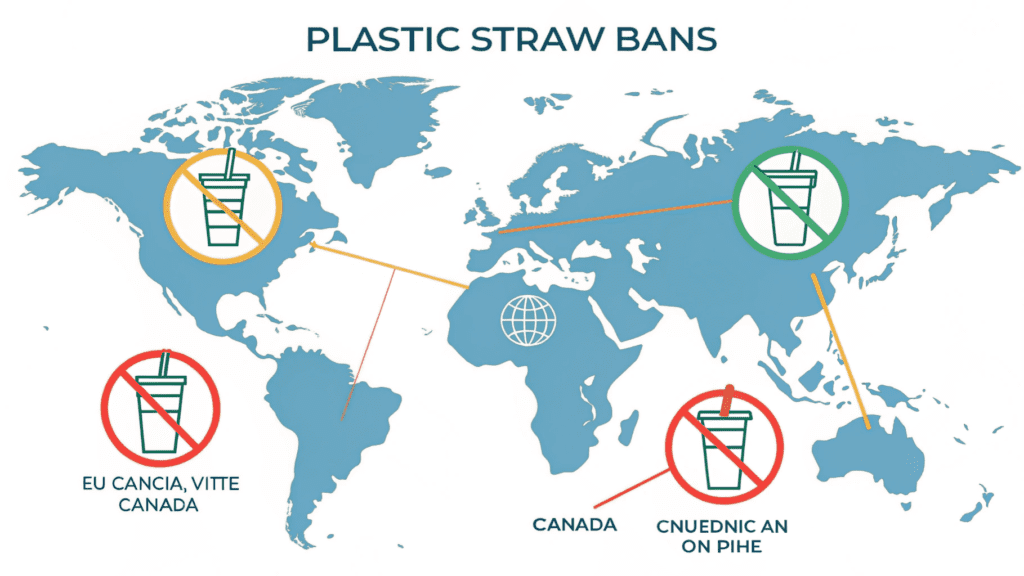
A. Escalating Regulatory Compliance: Understanding Global Plastic Straw Bans Deadlines and Directives
Mare lejislatif mondyal kont plastik yon sèl-itilize, patikilyèman pay, ap monte rapidman. Directive Inyon Ewopeyen an pou yon sèl-itilize plastik (SUPD), ki efikas nan mwa Jiyè 2021, lajman entèdi pay plastik ak lòt atik pou yon sèl-itilize, espesyalman vize atik ki konstitye plis pase 80% fatra maren. Direktiv sa a mete yon fado konfòmite sevè sou biznis ki opere nan Inyon Ewopeyen an.
The United Kingdom, post-Brexit, implemented its own ban on plastic straws, stirrers, and cotton buds in October 2020, with Scotland introducing similar measures earlier. Across the Atlantic, Canada initiated a phased ban on single-use plastics, including straws, by the end of 2021, aiming for zero plastic waste by 2030. In the United States, while there isn’t a federal ban, numerous states and cities have enacted their own restrictions; for instance, California requires full-service restaurants to offer plastic straws only upon request, and cities like Seattle and Miami Beach have outright bans. The Biden administration has committed to phasing out federal purchases of single-use plastics, including straws, from food service operations by 2027 and all federal operations by 2035.
Azi se tou sou yon trajectoire agresif. Entèdiksyon peyi Zend nan tout peyi a sou 19 atik plastik yon sèl-itilize, ki gen ladan pay, te antre an vigè nan dat 1ye jiyè 2022. Lachin aplike yon plan konplè 5 ane pa 2025, entèdi sache plastik ki pa degradab nan gwo vil yo ak atik plastik nan otèl ak sèvis courrier. Lwa ekonomi sikilè Lafrans la se menm plis anbisye, ki vize pou entèdi tout plastik yon sèl-itilize pa 2040, ki gen ladan anbalaj plastik pou fwi ak legim apati janvye 2022. Mouvman an pi laj ap abouti nan negosyasyon pou yon trete mondyal legalman obligatwa sou plastik pa Nasyonzini, siyal yon avni kote règleman konplè pwolonje pi lwen pase entèdiksyon rejyonal yo.
Règleman mondyal yo ap elaji rapidman, ki egzije otèl ak kafe pou yo adapte yo ak divès ak evolye entèdiksyon pay plastik.
B. Kondwi Fòs: Enpak Anviwònman ak Chanje Preferans Konsomatè yo
Enpilsyon pou entèdiksyon sa yo soti nan domaj ki pa ka nye nan anviwònman an ak yon chanjman pwisan nan valè konsomatè yo. Apeprè 500 milyon pay plastik yo konsome chak jou nan Etazini pou kont li, ase yo ranpli plis pase 127 otobis lekòl pa jou, kontribye nan polisyon plastik enpòtan ki pran plizyè santèn ane pou dekonpoze. Atik ki lejè sa yo se pami 10 pi gwo atik yo jwenn nan netwayaj fatra bò lanmè yo nan lemonn, sa ki reprezante yon gwo menas pou lavi maren atravè konpliman ak enjèstyon. Plastik yo te jwenn nan plis pase 60% nan tout zwazo lanmè ak 100% nan espès tòti lanmè.
Pandan ke pay plastik yo genyen yon fraksyon relativman ti (apeprè 0.025%) nan 8 milyon tòn metrik plastik k ap koule nan oseyan an chak ane, entèdiksyon yo sèvi kòm yon etap trè vizib ak fasil adopte pou ogmante konsyantizasyon piblik la. "Problem pòtay" sa a te kontribye anpil nan demann piblik pi laj pou dirab. Yon sondaj Statista 2024 montre ke 85% nan moun ki repond atravè 32 peyi yo sipòte entèdiksyon plastik ki pa nesesè pou sèvi ak yon sèl. Sa a reflete gwo demann konsomatè yo pou dirab ak yon preferans klè pou biznis ki aliman ak valè sa yo. Inisyativ de baz "Be Straw Free", te kòmanse pa yon timoun 9-zan Ozetazini, te kontribye anpil nan mouvman mondyal la, mete aksan sou pouvwa a nan konsyantizasyon piblik nan kondwi chanjman lejislatif.
Consumer demand for sustainability, driven by environmental awareness, is a major force behind global plastic straw bans.
Operational Impact: Adapting to Global Plastic Straw Bans
A. Procurement Challenges & Cost Implications for Hotels and Cafés
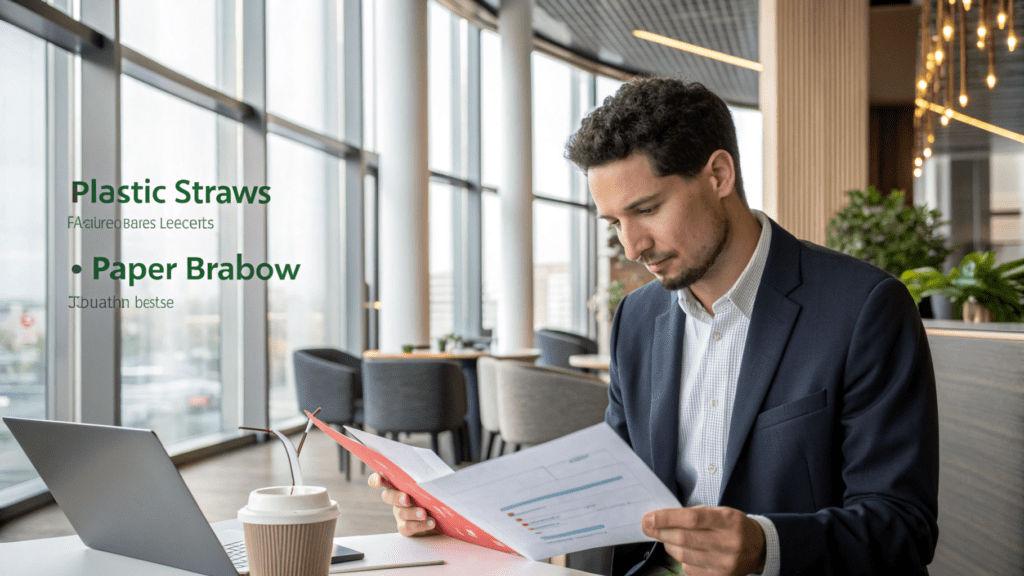
For hotels and cafés, the transition away from plastic straws presents tangible procurement challenges and cost implications. Switching to compliant alternatives can lead to increased costs; paper straws, for instance, can be 400% more expensive than their plastic counterparts, albeit still relatively inexpensive at about 2.5 cents each. This seemingly small per-unit increase can accumulate significantly across high-volume operations.
Procurement managers must navigate complex terms like “compostable” and “biodegradable” to avoid “greenwashing” and ensure genuine sustainability. The European Union, for example, has even banned “biobased” or “biopolymer” straws containing any plastic, regardless of “home compostable” certifications, underscoring the need for meticulous vetting. Non-compliance with regulations can result in significant fines and irreversible damage to brand reputation, underscoring the urgency of accurate and compliant procurement. The global paper straw market is projected to reach USD 6.17 billion by 2030, growing at a CAGR of 15.6%, indicating a high and evolving demand that requires sophisticated supply chain management. For a detailed comparison of materials, read our insights onpay kann vs plastik ak papye nan Momoio.com.
Otèl ak kafe fè fas a ogmante depans akizisyon ak risk pou yo lave vèt lè yo ap achte altènativ pay ki konfòme yo.
B. Waste Management & Enhanced Environmental Footprint
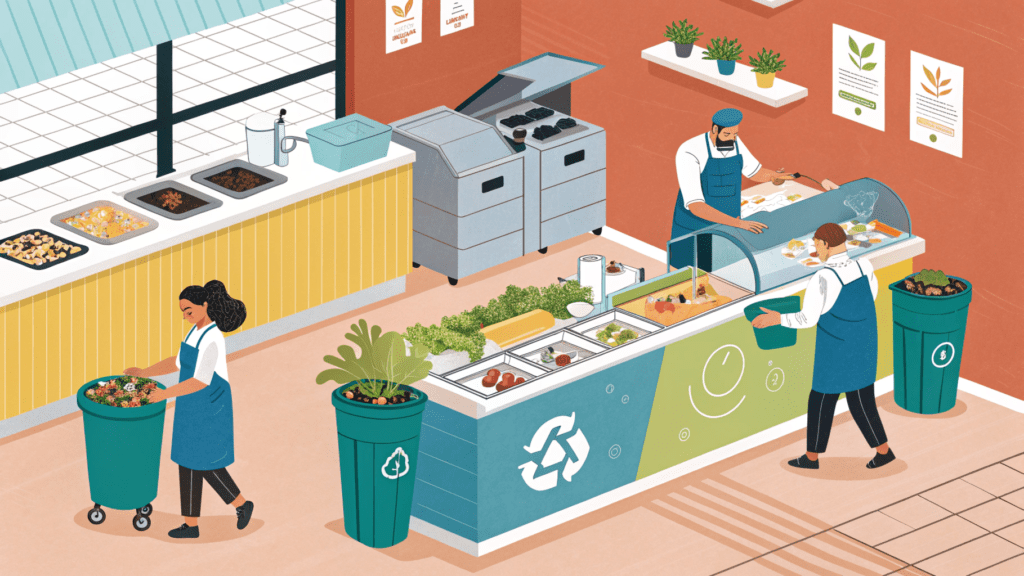
Anplis akizisyon, adapte yo ak entèdiksyon pay plastik mondyal yo gen yon enpak siyifikativ sou estrateji jesyon fatra epi li ofri opòtinite pou amelyore anprent anviwònman yon òganizasyon. Pifò nan machin resiklaj pa ka byen sòt ti pay plastik akòz gwosè yo ak konpozisyon, ki mennen nan 0.025% nan pay plastik ki fini nan depotwa oswa ensinerateur menm lè yo mete yo nan posode resiklaj. Sa a mete aksan sou inefikasite nan resiklaj tradisyonèl pou atik sa yo.
Adopting certified compostable or truly reusable solutions can streamline waste management by diverting waste from oceans and potentially reducing landfill fees. Hotels like Six Senses Resorts & Hotels already maintain a stringent “no single-use plastic” policy across all locations, substituting plastic packaging with recyclable, reusable, or biodegradable materials and installing glass bottles and water refill facilities in guest rooms. Similarly, the International Tourism Partnership (ITP) supports initiatives like IHG’s commitment to plastic straw removal, which was expected to eliminate 50 million single-use plastic straws annually by the end of 2019. Marriott International is also rolling out wall-mounted shower-product dispensers to replace small single-use shampoo bottles, demonstrating a holistic approach to plastic reduction.
Jesyon efikas dechè atravè altènativ pay dirab amelyore anprint anviwònman an ak efikasite operasyonèl.
Navigasyon Altènatif: Yon Gid Estratejik pou Akizisyon
A. Eksplore altènativ dirab pou pay plastik
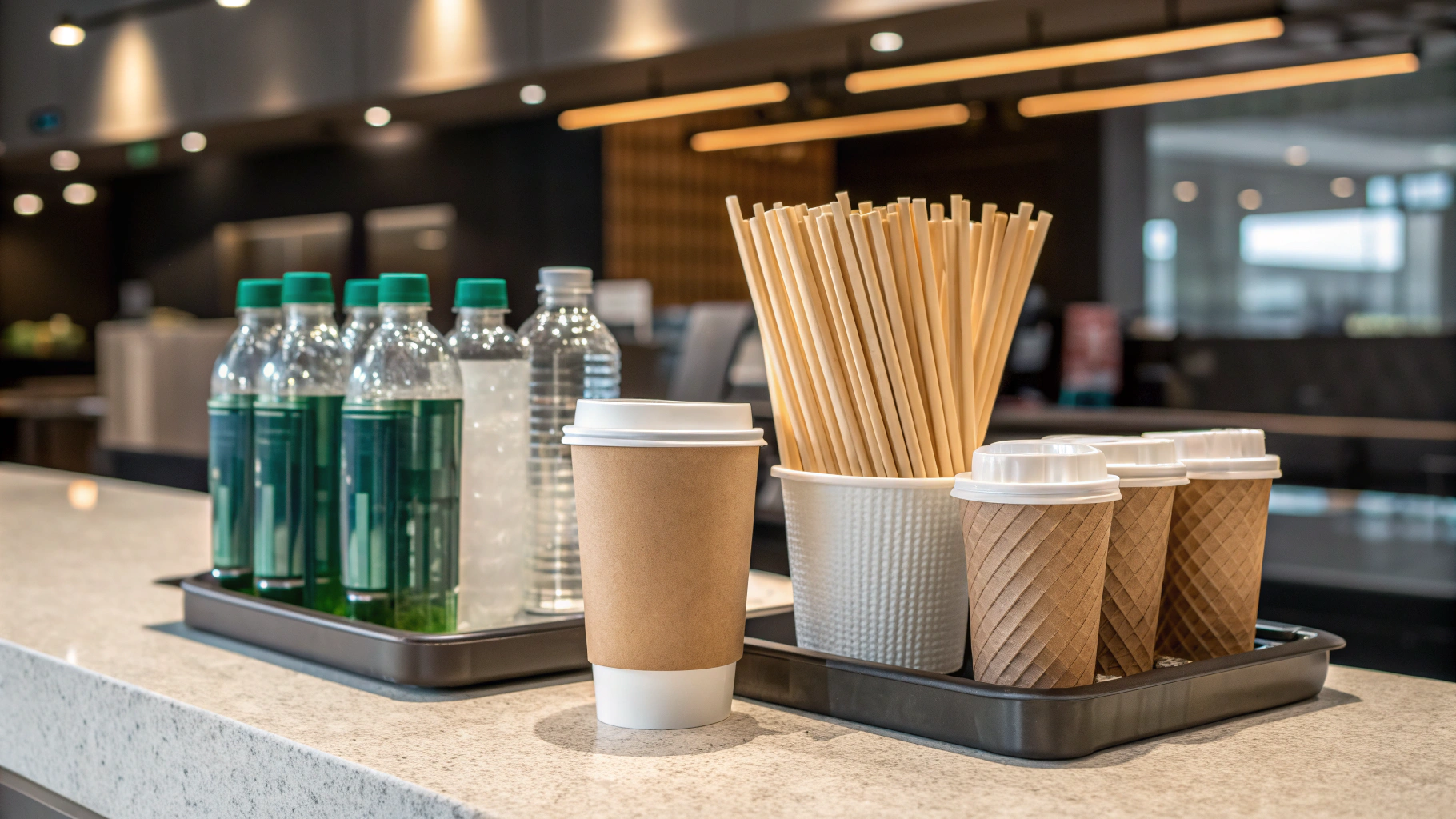
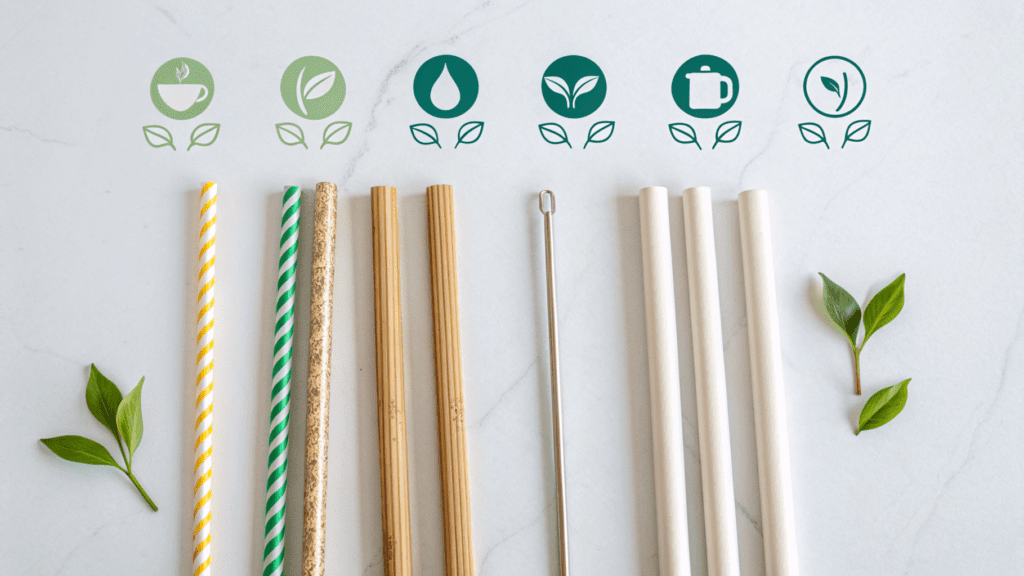
Mache a pou pay ekolojik-zanmitay ap inove rapidman, ofri divès solisyon pou otèl ak kafe.
- Banbou pay: Yo prevwa mache banbou pay la ap grandi soti nan 150.7 milyon dola nan 2025 a 320.1 milyon dola pa 2035, nan yon CAGR de 7.8%. Sa yo de pli zan pli favorize paske yo te biodégradables, ki kapab itilize ankò, ak konpostab, epi yo souvan pi pito pase pay papye ki gen tandans vin mouye. Segman sèvis manje a espere pou 58.6% nan mache banbou pay pa 2025.
- Papye pay: Pandan ke vèsyon byen bonè yo te tendans nan sogginess, pwogrè nan kouch ki enpèmeyab ak adezif natirèl yo te siyifikativman amelyore rezistans imidite ak rezistans, fè yo yon altènatif ki pi serye pou yon sèl-itilize.
- Paille ki kapab itilize ankò: Opsyon yo enkli metal dirab (en fe), vè elegant, oswa silikon fleksib. Sa yo mande pou pwotokòl lave solid pou ijyèn ak prezante yon envestisman davans, men diminye depans akizisyon alontèm. Sepandan, pay asye pur yo pa rekòmande pou bwason cho akòz konduktiviti chalè. Eksplore plis sou pay ki kapab itilize ankò pou biznis ou nan Momoio.com.
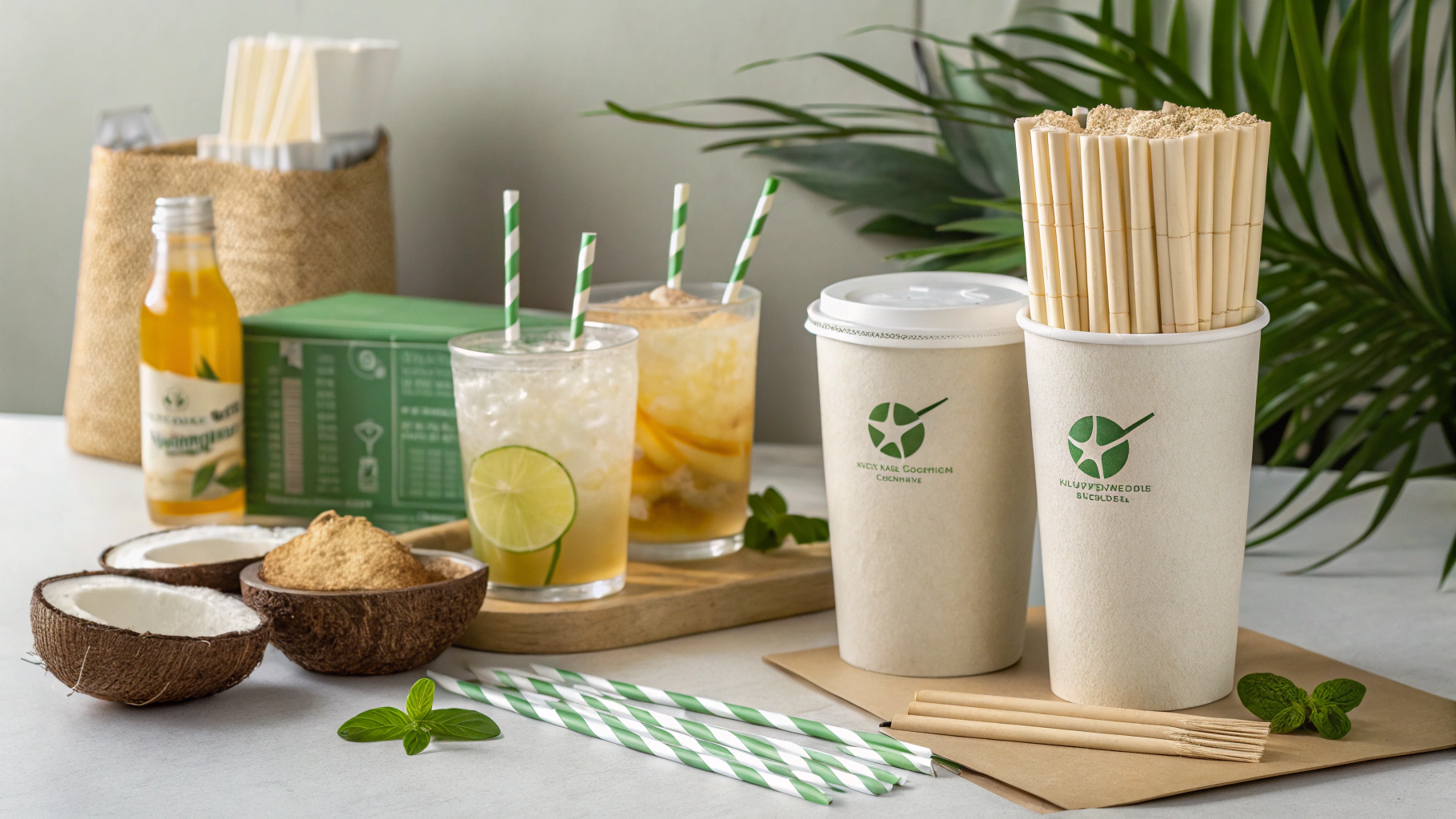
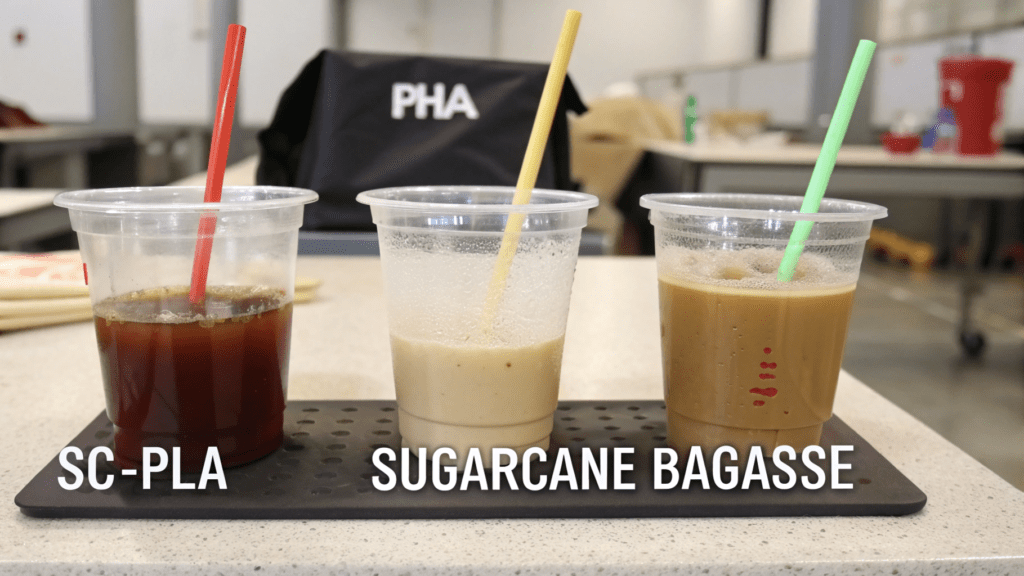
- Paille ki baze sou plant k ap parèt: Inovasyon yo ofri solisyon vrèman biodégradables soti nan materyèl tankou kann, lakou kafe, zèb, alg, e menm nouy pasta sèk. Opsyon sa yo souvan bay pèfòmans konparab ak plastik. Sepandan, vijilans se kle: Paille asid polilaktik (PLA), pandan ke yo baze sou plant, tipikman mande pou enstalasyon konpostaj endistriyèl yo kraze yon fason efikas, poze defi jete si enfrastrikti sa yo pa disponib. Pou plis enfòmasyon sou altènativ dirab, revize gid nou an 5 altènativ ekolojik zanmitay plastik ak poukisa banbou tèt lis la nan Momoio.com.
Divès altènativ pay dirab ofri otèl ak kafe opsyon pou konfòmite ak eksperyans kliyan amelyore.
B. Konparezon Estratejik: Paille Altènatif ak Potansyèl ROI yo
| Patikilarite | B2B enpak operasyonèl | Remak Konfòmite | ROI potansyèl |
|---|---|---|---|
| Papier papye | Higher procurement cost (400% vs. plastic); may impact customer experience due to sogginess of early versions. Improved versions now available. | Generally compliant with bans; ensure certifications for biodegradability and sourcing. | Enhanced brand image, meeting growing consumer demand (65% support bans), potentially higher customer loyalty due to perceived eco-friendliness. |
| Banbou pay | Durable, reusable (if cleaned properly), growing supply chain (58.6% foodservice market by 2025). Can be single-use or reusable. | Excellent compliance, especially where bio-based and truly biodegradable alternatives are preferred. | Premium eco-alternative, strong appeal to environmentally conscious consumers, potential for differentiation and premium pricing, long-term cost savings if reusable. |
| Metal/Glass/ Silicone Straws | Significant initial investment; requires robust dishwashing infrastructure and staff training for reuse. Not suitable for hot beverages (metal). | Fully compliant as reusable items; may need to address accessibility for some patrons (e.g., provide a suitable alternative). | Reduces long-term procurement costs through reuse, reinforces strong sustainability commitment, commands premium pricing for eco-conscious brands, significant positive brand value. |
| Plant-based (Sugarcane/Coffee Ground/Hay) Straws | Performance comparable to plastic. Sugarcane and coffee ground straws are truly compostable, even in home compost. Hay straws are cost-effective. | Konfòmite yo varye; Inyon Ewopeyen entèdi pay "biobaze" ki gen nenpòt plastik. Chèche estanda konpostabilite endistriyèl klè (pa egzanp, ASTM D6400) oswa opsyon konpostabilite vrèman lakay yo. | Satisfè manda regilasyon, fè apèl a mache ekolojik-konsyan, siyifikativman diminye anprint anviwònman an ak bon jete, potansyèl pou inovasyon pwodwi ak lidèchip mache. |
Evalyasyon estratejik pay altènatif revele enpak operasyon varye, nivo konfòmite, ak potansyèl ROI.
Etid ka: lidè endistri yo anbrase entèdiksyon pay plastik mondyal yo
A. Hotel Giant Transfòmasyon: Angajman Marriott International pou Dirab
Marriott International, youn nan pi gwo konpayi otèl nan mond lan, te demontre rapid adaptasyon gwo echèl nan entèdiksyon pay plastik. Rive jiyè 2019, Marriott te vize elimine plis pase 1 milya pay plastik chak ane nan 6,500 pwopriyete li yo atravè lemond. Chanjman monimantal sa a etabli yon presedan pou re-evalyasyon chèn ekipman ak angajman pou responsablite anviwònman an nan sektè Ospitalite a.
Beyond straws, Marriott is rolling out wall-mounted shower-product dispensers to replace small single-use shampoo bottles, targeting plastic reduction in guest amenities. Their efforts extend to reducing plastic use in dining and guest rooms by 2025, actively replacing single-use plastics with sustainable alternatives. For instance, Anantara and AVANI Hotels & Resorts eliminated 2.5 million straws in 2017 across their properties, showcasing the significant volume reduction possible with proactive measures. This strategic pivot by a global leader underscores the necessity and feasibility of large-scale sustainable transitions.
Marriott International montre dirabilite otèl gwo echèl, elimine plizyè milya pay plastik ak agrandi efò rediksyon plastik.
B. Café Chain Inovasyon: Starbucks ak McDonald's Leading the Change
Gwo kafe ak chèn manje vit yo te tou avèk siksè pivote nan solisyon ekolojik-zanmi malgre echèl imans yo. Starbucks te elimine ti pay plastik pou yon sèl itilizasyon globalman nan mwa avril 2019 nan 28,000 magazen li yo, te chwazi pou kouvèti inovatè san pay ak pay materyèl altènatif. Mouvman sa a reflete yon repons dirèk a tou de presyon regilasyon ak preferans konsomatè k ap grandi pou anbalaj dirab.
Similarly, McDonald’s banned plastic straws in international locations like the UK and Ireland and is actively testing alternatives in the US. Their ambitious goal is to transition 100% of their guest packaging to renewable, recycled, or certified sources by 2025. These transformations by high-volume foodservice operations demonstrate that large-scale adoption of eco-friendly solutions is achievable and increasingly expected by the market. This trend is further amplified by companies like Coca-Cola, which aims for 25% reusable packaging worldwide by 2030, including returnable bottles and fountain sales, illustrating a broader corporate commitment driven by consumer demand and environmental responsibility.
Starbucks and McDonald’s demonstrate successful large-scale transitions to sustainable packaging in the foodservice industry.
Beyond Straws: A Broader Look at Single-Use Plastic Reduction
A. Expanding Regulatory Scope: Addressing the Full Plastic Life Cycle
The regulatory landscape is expanding far beyond plastic straws, signaling a comprehensive shift towards addressing the full plastic life cycle. The EU Single-Use Plastics Directive also bans plastic cutlery, plates, and expanded polystyrene containers, indicating a wider regulatory net and a clear signal for businesses to re-evaluate their entire single-use plastic footprint.
China has implemented a comprehensive 5-year plan, effective by 2025, banning non-degradable plastic bags in major cities and plastic items in hotels and courier services. France’s circular economy law is even more aggressive, aiming to ban all single-use plastics by 2040, including plastic packaging for fruits and vegetables from January 2022. The most significant development is the ongoing negotiation for a legally binding global plastics treaty by the United Nations, signaling a future where comprehensive regulations on plastic production, consumption, and disposal will be universally adopted. This international instrument, once finalized, will set global standards and obligations, fundamentally altering how businesses manage plastics worldwide.
Regulations are expanding globally to address the entire plastic life cycle, impacting all single-use plastic items.
B. Future Outlook for Hospitality: The Circular Economy and Strategic Opportunities
The future of hospitality is inextricably linked with the circular economy. The “Global Rules Scenario,” proposed by the OECD, predicts a 90% reduction in mismanaged plastics and a 30% reduction in virgin plastic production by 2040 with comprehensive policy interventions. This ambitious scenario highlights the potential for systemic change and the opportunities it presents for forward-thinking businesses.
For hotels and cafés, embracing a circular economy for plastics—through prioritizing reuse, robust recycling infrastructure, and designing for durability—aligns with evolving consumer expectations and builds significant competitive advantage. Plastic pollution causes an estimated financial damage of EUR 268 million annually to the tourism industry, primarily due to the need for beach and sea clean-ups and tourists avoiding polluted areas, according to WWF. By proactively reducing plastic waste, businesses can mitigate these risks, enhance their brand value, and foster deep customer loyalty. Businesses that differentiate their brand by going beyond immediate regulatory requirements are well-positioned to capture market share in an increasingly environmentally conscious consumer base.
Embracing a circular economy offers hotels and cafés strategic opportunities for competitive advantage and enhanced brand value.
Conclusion: Proactive Sustainability for Enduring Success
The global shift away from single-use plastic straws is not merely a passing trend, but a fundamental transformation driven by pressing environmental concerns and stringent, expanding regulations. Hotels and cafés must strategically navigate these changes, understanding the nuances of regional and international bans, investing in viable and genuinely sustainable alternatives, and reimagining their supply chains for long-term resilience. By embracing this evolution, businesses can ensure compliance, enhance their brand reputation, and contribute meaningfully to a healthier planet while securing their enduring success.
AJI KOUNYE A: Evalye itilizasyon plastik ou genyen kounye a epi devlope yon plan tranzisyon pwogresif pou altènatif dirab. Sekirize avni biznis ou epi demontre lidèchip nan yon mache ki gen konsyans anviwònman an.
Kesyon yo poze souvan (FAQ)
Ki risk prensipal yo pou otèl ak kafe inyore entèdiksyon pay plastik?▼
Inyore entèdiksyon pay plastik ka mennen nan amand enpòtan, gwo domaj repitasyon, ak pèt lwayote kliyan, dirèkteman afekte revni ak pozisyon mache pou otèl ak kafe.
Ki jan entèdiksyon pay plastik mondyal afekte depans akizisyon pou biznis Ospitalite?▼
Chanje nan altènativ ki konfòme tankou papye oswa pay ki baze sou plant ka ogmante depans akizisyon, ak pay papye ki kapab 400% pi chè pase plastik, ki mande pou planifikasyon bidjè ak anpil atansyon.
What are the most effective sustainable straw alternatives for high-volume hotel and café operations?▼
Effective alternatives include improved paper straws, reusable bamboo or metal straws, and emerging plant-based options like sugarcane, offering durability and compliance for high-volume use.
How can hotels and cafés ensure their chosen straw alternatives are genuinely eco-friendly and not ‘greenwashing’?▼
Businesses must meticulously vet certifications (e.g., ASTM D6400 for compostability) and understand material breakdown requirements, avoiding ‘biobased’ plastics that still contain non-degradable components.
What is the long-term ROI of investing in reusable straws for hospitality businesses?▼
While requiring an initial investment in washing infrastructure, reusable straws significantly reduce long-term procurement costs, enhance brand image, and appeal to eco-conscious consumers, yielding substantial positive brand value.
While requiring an initial investment in washing infrastructure, reusable straws significantly reduce long-term procurement costs, enhance brand image, and appeal to eco-conscious consumers, yielding substantial positive brand value.