I. The Plastic Straw Hangover: Why We Needed a Change
Ah, the ubiquitous plastic straw. Remember those days? Ubiquitous, convenient, a veritable symbol of carefree consumption. They were everywhere – fast food joints, fancy cocktail bars, even lurking in the depths of your kitchen drawer. Cheap and seemingly harmless, these slender tubes facilitated our sipping pleasure. Yet, their legacy is far from pleasurable, lingering for centuries in landfills and our oceans.
Enter the eco-heroes: compostable straws! What sorcery are these magical tubes, you ask?
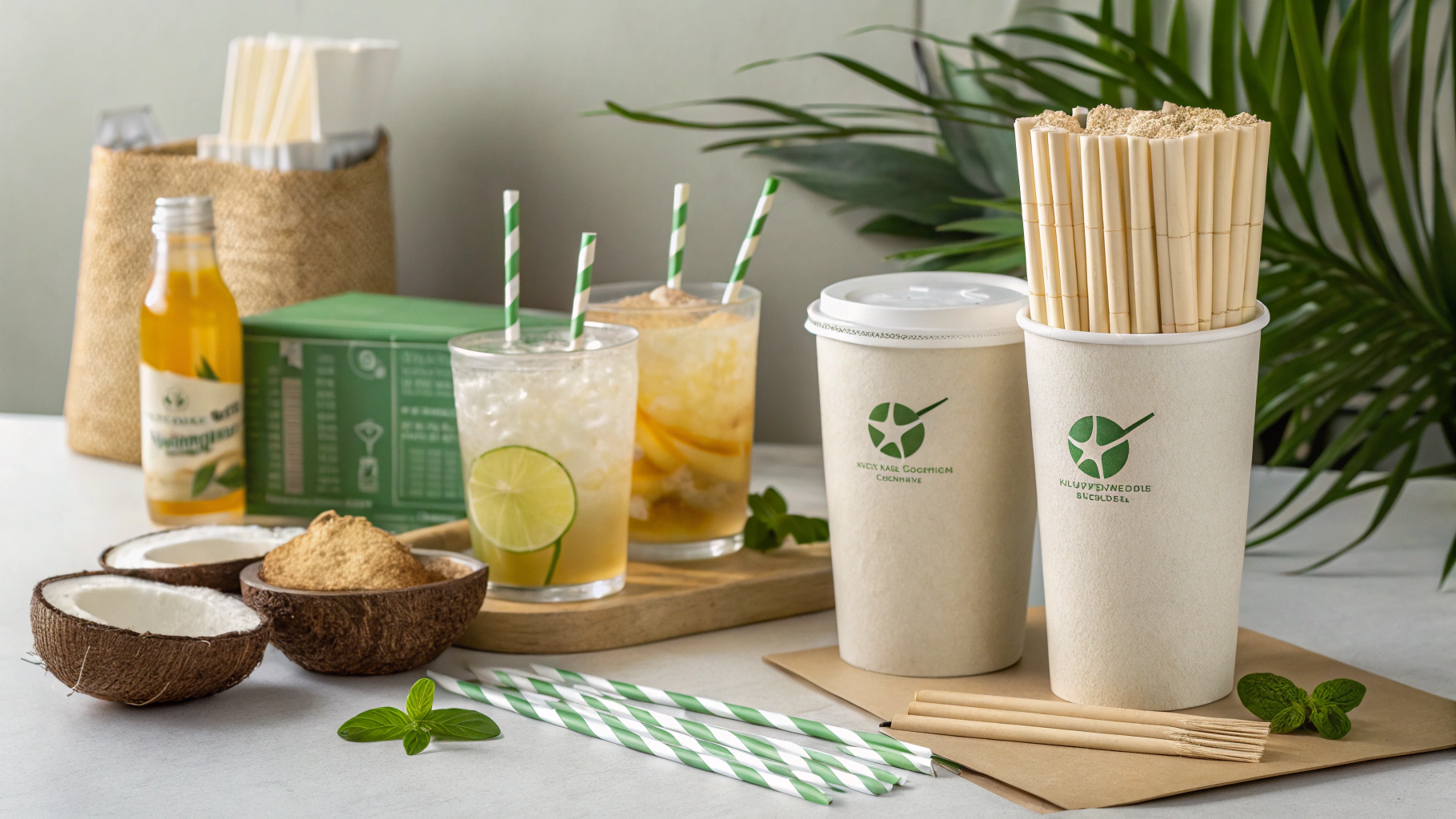
They’renotplastic, first of all! Instead, they hail from the plant kingdom – corn, sugarcane, wheat, bamboo, even the humble coffee ground lends itself to this purpose. But the true magic lies in their Big Promise: to decompose back into natural elements – water, CO2, and good old dirt – within the controlled environments of composting facilities, leaving behind no trace of microplastic malice. We’re talking decomposition in weeks or months, not centuries.
Epi sonje règ sa a: "Konpostab" domine sou "biodégradables". Ansyen an konfòme yo ak estanda sevè, asire yon vrè zak disparisyon nan kondisyon espesifik. Lèt la? Oke, an n jis di pwomès li yo souvan osi feblè tankou yon ... pay mouye.
II. Yon istwa trese: Ki jan nou te rive isit la?
Istwa pay la pi long, ak etranje, pase ou ta ka imajine.
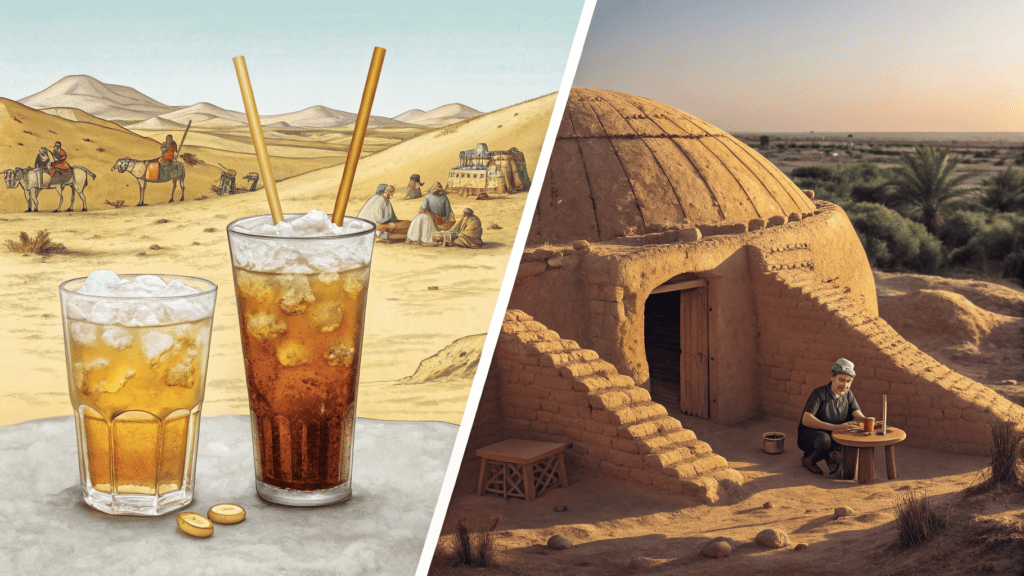
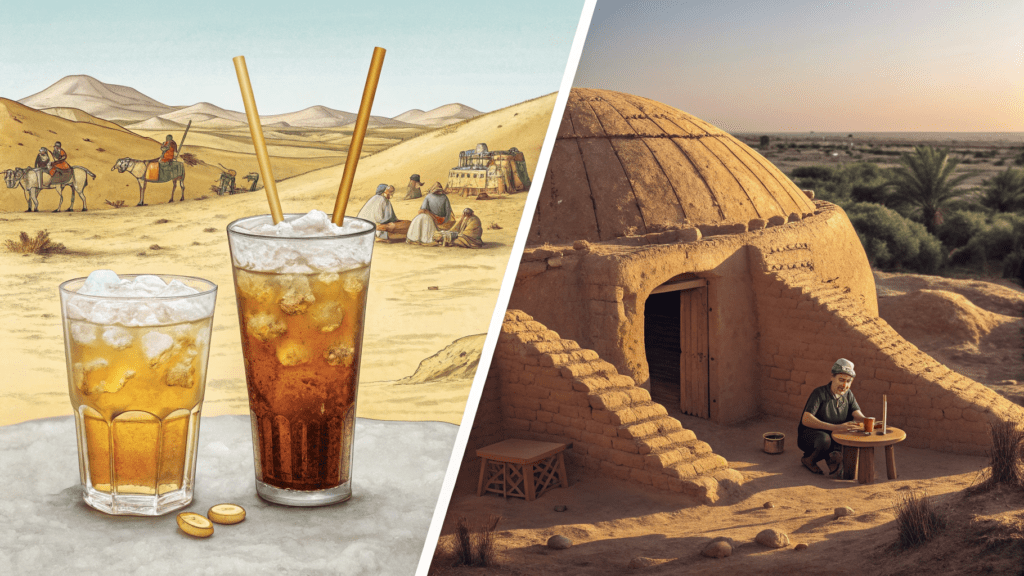
Kwè li oswa ou pa, zansèt nou yo te siwote nan tib kèk 5,000 ane de sa. Sumeryen yo, Mesopotamians entelijan sa yo, te itilize pay an lò pou yo bwè byè kominotè yo. Imajine pati yo! Wozo, banbou, e menm "bombillas" metal òneman - yo itilize pou siwote ti anpenpan - swiv.
Pi vit avanse nan ane 1800 yo, epi nou rankontre "Soggy Rye Epòk la." Lè sa a, pay komen yo te fè nan zèb RYE. Bon mache? Wi. Bon gou? Pa tèlman. Ki gen tandans fè dezentegrasyon rapid? Absoliman. Yon revolisyon nan do, petèt?
Antre papye pou sekou (wonn youn!). An 1888, Marvin Stone te patante premye pay papye modèn lan, li te sire avèk rizib pou reziste kont sogginess redoutée la. Lè sa a, te vin pay bendy an 1937, yon temwayaj nan entèlijans imen (oswa petèt parès?).
Men, Ay, kontwòl plastik la te toupre. Apre Dezyèm Gè Mondyal la, laj la nan plastik bon mache leve. Dirab, gou-net, ak fasil pou pwodiksyon an mas, plastik bale tout anvan li. Paille papye yo tout men disparèt. Se te laj plastik, ak pay yo te wa li yo (oswa larenn).
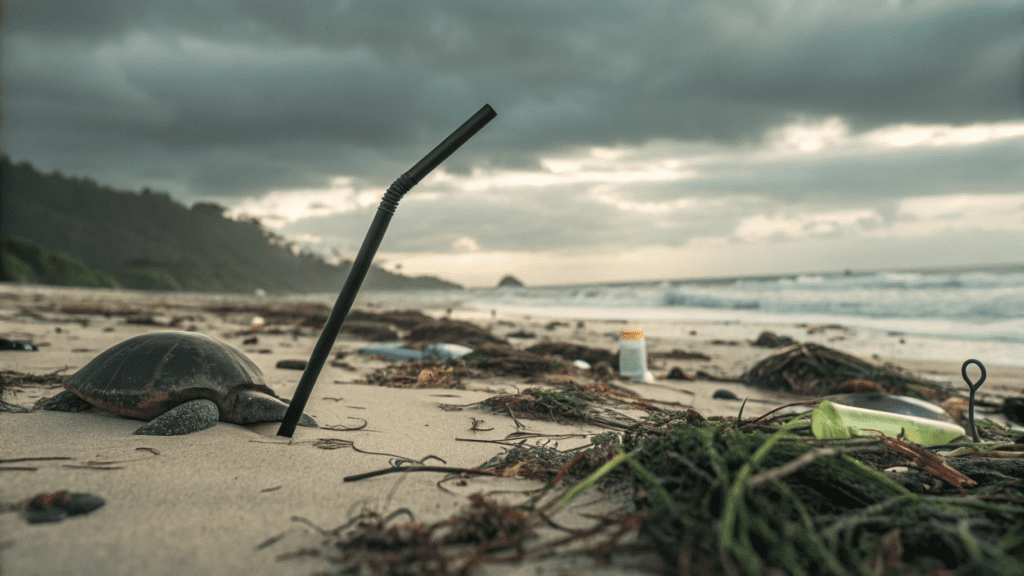
Then came the turtle. The infamous 2015 viral video of a sea turtle, its nostril violated by a plastic straw, served as a brutal wake-up call. Suddenly, convenience left a bitter taste.
Thus began the “Straw Wars.” Public outrage and environmental campaigns ignited a global movement. Paper straws (round two!) staged a comeback, but the specter of sogginess lingered. The search for something better was on.
III. The State of the Sip: What’s the Buzz About Today?
What does the modern consumer think of this straw saga?
Well, peoplelovethe idea of being eco-conscious. Consumers increasingly demonstrate a willingness to pay a premium and champion businesses that forsake plastic. For brands, embracing sustainability is not merely virtuous; it’s savvy.
But let’s address the elephant in the room: the “soggy straw” complaint. Nobody, and I meannobody, relishes the experience of a straw collapsing mid-drink. This is the primary grievance, particularly leveled against certain paper iterations. Whispers of peculiar tastes also circulate.
And then there’s the “compostable” conundrum. It sounds promising, yet where do these straws actually end up? Access to industrial composting facilities remains uneven, leading to…
How do restaurants respond to this changing landscape?
Consumer demand, burgeoning anti-plastic legislation (Seattle, DC, et al.), and a genuine yearning for sustainability are driving the switch.
However, the transition is not without its trials:
There’s the cost shock. Compostable straws often command a higher price than their plastic predecessors.
There’s performance anxiety. Will customers grumble? Will multiple straws be required per beverage?
And, of course, the composting conundrum (revisited!). If the local waste disposal system lacks composting capabilities, is the switch truly beneficial?
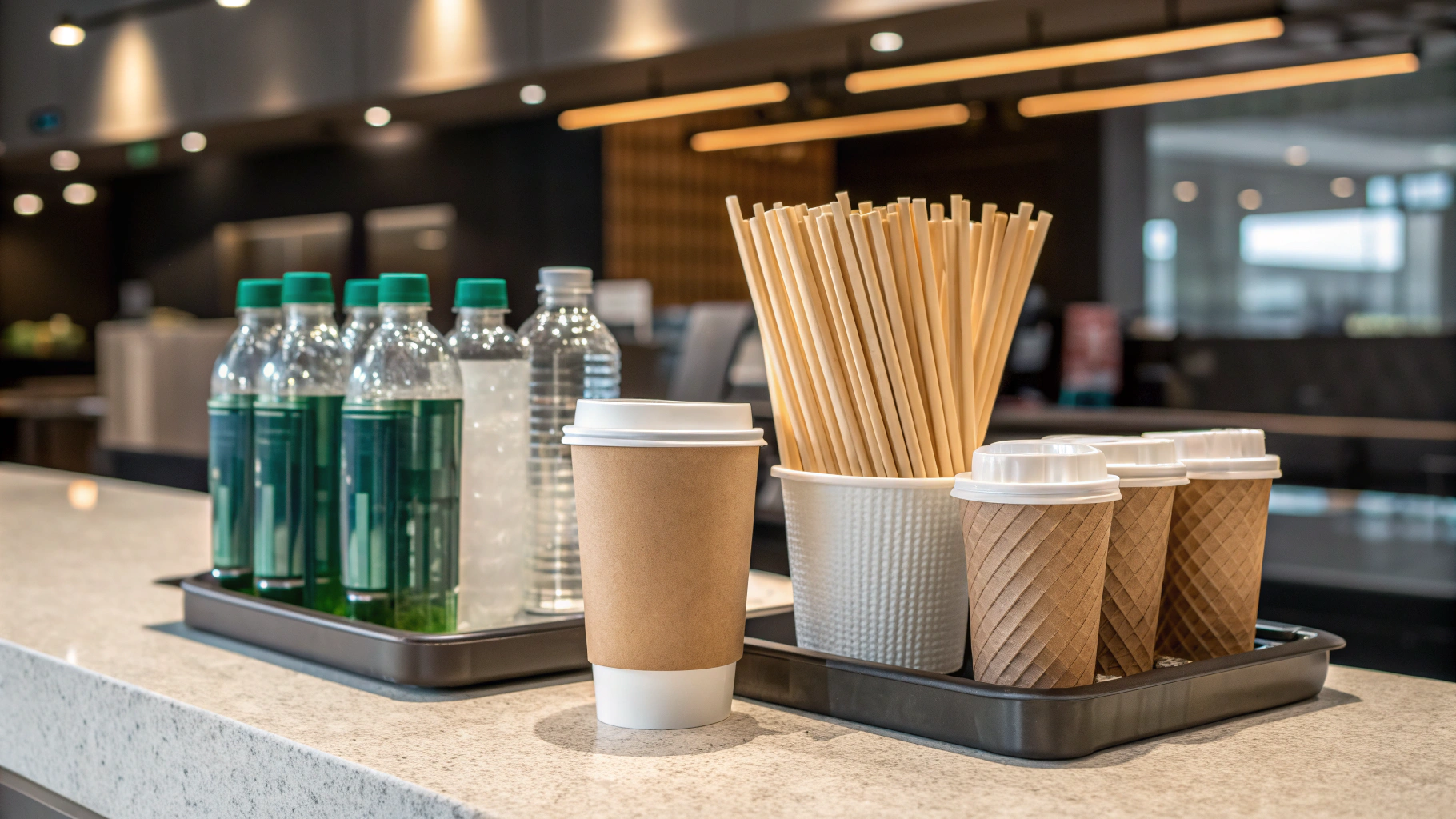
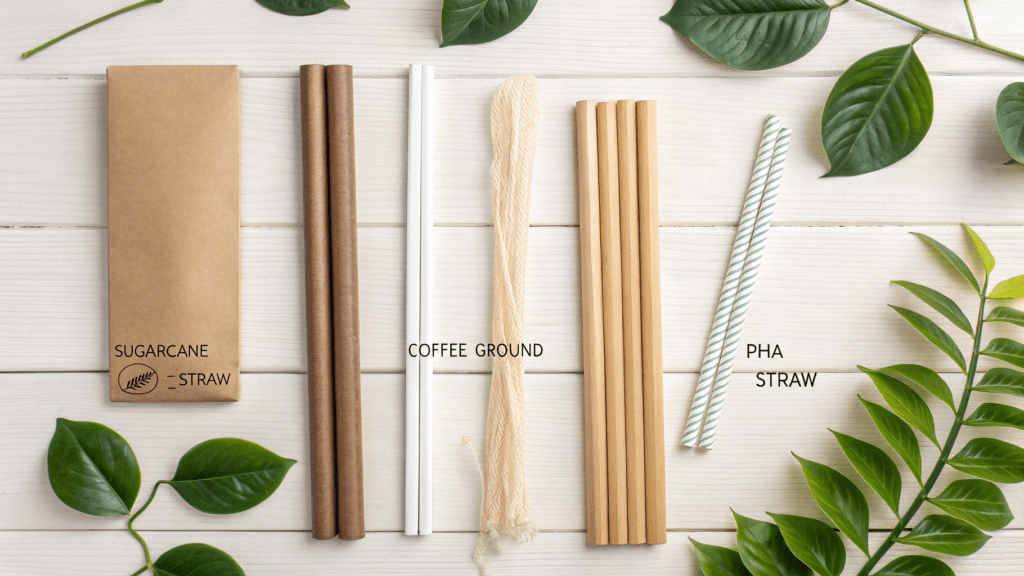
The solutions? Establishments are venturing beyond paper, experimenting with sugarcane, PHA (the “plastic-like but compostable” marvel), agave, and even pasta! The “straw upon request” policy is also gaining traction.
IV. Stirring the Pot: The Controversies Around Compostable Straws
The path to sustainable sipping is fraught with complexities and potential pitfalls.
Is itreallycompostable, or just a clever marketing ploy? Many PLA straws necessitate specialized industrial facilities that remain scarce. If relegated to a conventional landfill, their impact is minimal.
Apre sa, gen PFAS "pou tout tan chimik" fyasko. Prepare tèt nou: yo jwenn kèk papye ak pay ki baze sou plant ki gen PFAS, pwodui chimik ki pèsistan e ki kapab danjere. Iwoni a se palpab, pa vre?
Defi ki pi enpòtan an se nan diferans enfrastrikti. San aksè toupatou nan enstalasyon konpostaj apwopriye, menm entansyon ki pi nòb yo ka refè. Paille sa yo ka menm kontamine resiklaj regilye oswa rivyè konpostaj si yo pa byen klase.
Nou pran nan yon ti gè perpetual ant pèfòmans ak prensip. Èske nou bay priyorite durability sou dirab, oswa vis vèrsa?
Finally, there is the question of “Food vs. Straws?”. The utilization of crops like corn or sugarcane for disposable items raises ethical considerations.

V. Sipping into Tomorrow: What’s Next for Straws?
Innovation is the watchword of the future.
Consider limestone-based straws (Biodolomer). Remarkable stability, rigidity, heat resistance, and zero microplastic shedding!
Or bacterial cellulose and seaweed straws. Sturdier than paper, requiring no composting (in certain cases), and potentially even edible! (Though perhaps refrain from snacking for now.)
PHA is poised for its moment. This material truly shines, decomposing in home compost, industrial facilities, soil, and even marine environments! It mimics the feel and function of plastic without the guilt.
Epi annou pa bliye papye kap vini an. Pi epè, kouch amelyore (ki soti nan plant!), Adhésifs natirèl - pay papye yo sibi yon amelyorasyon grav.
Konsantrasyon an ap deplase nan direksyon pou materyèl ki dekonpoze fasilman ak inivèsèl, san yo pa bezwen plant endistriyèl espesyalize.
Kòm demann ogmante, espere pri yo bese, fè ekolojik-payi yo pi aksesib a tout moun.
Finalman, aspirasyon an se depase atik yon sèl-itilize tout ansanm - petèt atravè reamenaje "sipasyon" kouvèti oswa yon pi gwo anfaz sou altènativ ki kapab itilize ankò.
VI. Gou final la: fè chak gout konte
Demand pou pay ekolojik pafè a se yon lejand kontinyèl, yon tapisri tise nan inovasyon, konpòtman konsomatè, defi endistri yo, ak kondisyon enfrastrikti. Men, yon verite rete klè: rèy pay plastik jetab la, Erezman, ap vini nan yon fen. Lè nou rete enfòme, fè chwa konsyan, epi sipòte biznis ak politik ki defann otantik dirab, nou ka asire ke chak ti goute nou pran nouri, olye ke mal, planèt nou an.