Chanjman inevitab la: Poukisa biznis yo dwe anbrase pay ki pa plastik kounye a
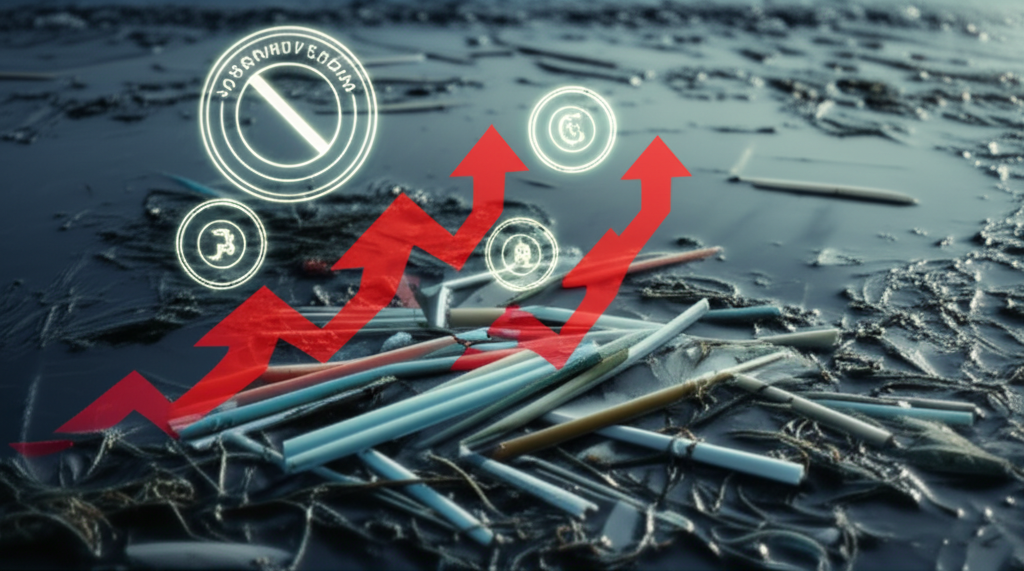
Te mare nan polisyon plastik monte nan yon nivo kritik, mande aksyon imedya ak desizif nan men endistri atravè lemond. Pandan plizyè ane, pay plastik yon sèl itilize, yon fwa yon konvenyans omniprésente, te vin tounen yon senbòl ki pisan nan kriz anviwònman an, kontribye anpil nan fatra oseyan ak kontaminasyon mikwoplastik ki enfiltre ekosistèm nou yo e menm chèn manje nou yo. Enkyetid mondyal ki ogmante sa a se pa sèlman yon pwoblèm anviwònman abstrè; li rapidman transfòme peyizaj operasyon an pou biznis modèn yo, pote ak li yon torrent nan presyon regilasyon ki enposib inyore. Gouvènman ak minisipalite atravè lemond, soti nan direktiv konplè Inyon Ewopeyen an pou yon sèl-itilizasyon plastik rive nan anpil entèdiksyon nan eta Etazini ak nan tout vil la, ap aplike limit strik sou jetab sa yo, sa ki nesesè yon chanjman fondamantal nan pratik biznis.
Enpak imedya sou imaj mak antrepriz la pwofon. Konsomatè yo, kounye a plis konsyan anviwònman an pase tout tan, ap chèche aktivman ak rekonpanse biznis ki demontre yon angajman otantik pou dirab. Si w pa adapte yo, pa sèlman riske regilasyon ki pa konfòme yo, men tou, yon gwo souflèt nan repitasyon mak, alyene yon segman k ap grandi nan kliyan ekolojik-konsyan. Nan yon mache konpetitif, tranzisyon an nan pay pou bwè ki pa plastik se pa yon opsyon louabl ankò, men se yon enperatif estratejik pou viabilite alontèm ak enpòtans sou mache. Li se sou demontre responsablite sosyal antrepriz (CSR) ak prèv lavni biznis ou kont atant konsomatè evolye ak lejislasyon anviwònman sevè.
Navige Peyizaj Paille Dirab la: Opsyon ak Tandans Mache yo
Vwayaj la pi lwen pase plastik tradisyonèl te revele yon spectre rich nan altènativ pay ekolojik-zanmi, yo chak ak karakteristik inik ak benefis. Soti nan rezurjans istorik nan pay papye, premye patante nan fen 19yèm syèk la pa Marvin C. Stone, nan materyèl inovatè modèn, biznis yo kounye a gen chwa divès. Chanjman sa a kondwi pa sèlman pa konsyans anviwònman an, men tou pa dinamik mache solid. Mache mondyal pay ekolojik-zanmitay la ap fè eksperyans yon gwo kwasans, li prevwa pou l rive nan prèske 25.1 milya dola pa 2035 soti nan 12.3 milya dola nan 2025, ki reflete yon to kwasans konpoze anyèl (CAGR) de 7.3%. Vag sa a se miyò fò nan rejyon tankou Amerik di Nò ak Ewòp, kote konsyans anviwònman an ak règleman sevè yo patikilyèman enfliyan. Pou egzanp, adopsyon toupatou nan entèdiksyon pay plastik nan anpil peyi Ewopeyen an te akselere demann lan pou altènativ, pandan y ap nan peyi Etazini, eta tankou California ak Washington te dirije chaj la nan manda opsyon dirab.
Pi lwen pase pouse regilasyon an, demann konsomatè se yon katalis pwisan. Yon segman k ap grandi nan popilasyon an ap chèche aktivman epi li prefere biznis ki angaje nan pratik dirab. Adopte pay ki pa plastik, Se poutèt sa, se pi plis pase jis konfòmite; se yon opòtinite pou amelyore inisyativ responsablite sosyal antrepriz ou yo ak ranfòse pozisyon pozitif mak ou a. Mouvman estratejik sa a aliman biznis ou ak efò mondyal dirab, rezonans ak yon demografik ki bay valè jerans anviwònman an. Konprann nuans altènativ sa yo se kle pou pran yon desizyon enfòme ki benefisye tou de liy anba ou ak planèt la. Pou plis enfòmasyon sou entegre pratik dirab, eksplore resous nou yo soumomoio.comsou estrateji akizisyon dirab.
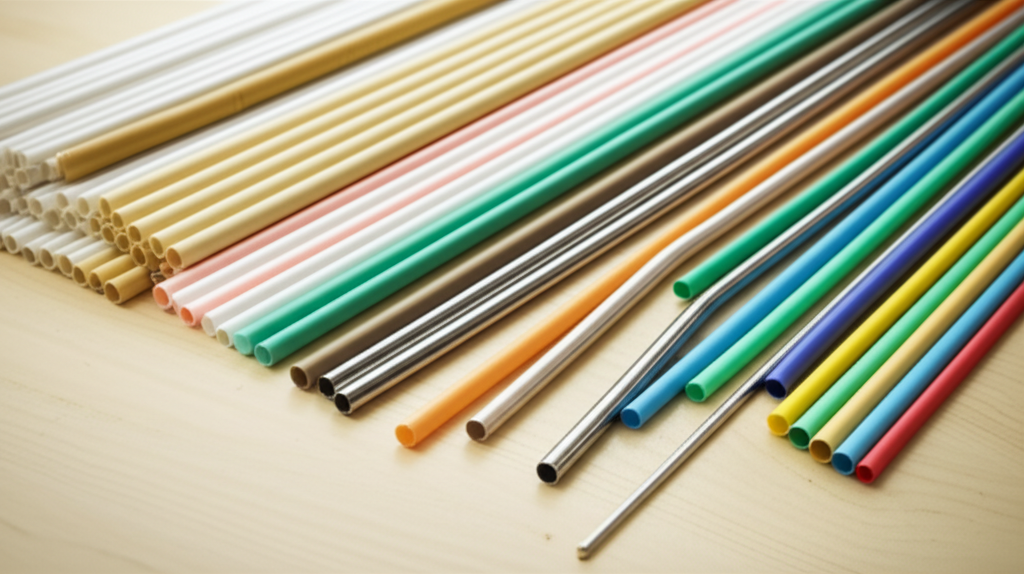
Chwazi bon pay dirab la: yon desizyon estratejik pou ekselans operasyonèl
Chwazi pay ki pa plastik ki apwopriye a se yon desizyon estratejik kritik ki mande yon evalyasyon konplè sou atribi materyèl, pèfòmans, enplikasyon pri, ak konvnab pou modèl operasyonèl espesifik. Chwa a dwat amelyore eksperyans kliyan an, optimize efikasite operasyonèl, ak ranfòse angajman mak ou a nan dirab. Konsidere konparezon sa a nan materyèl pay ki pa plastik popilè:
| Kalite pay | Benefis kle (Konsantre B2B) | Konsiderasyon (Konsantre B2B) | Ideyal ka itilize biznis |
|---|---|---|---|
| Papier papye | Biodégradables, konpostab, trè personnalisable, Mass-producible | Ka adousi byen vit, Pwodiksyon resous-entansif, Potansyèl PFAS konfli | Gwo volim sèvis rapid, Takeout, Restoration evènman |
| Banbou pay | Rapidman renouvlab, Estetik natirèl, natirèlman anti-bakteri | Pi kout lavi pase metal / vè, Egzije pou netwayaj bon jan pou ijyèn, Gou sibtil | Kafe tematik ekolojik, manje deyò, aliyman mak dirab |
| Paille metal (SS) | Trè dirab, reutilizabl, resikle, san danje pou lave-vaisselle | Pi gwo enpak sou anviwònman inisyal (itilize plis pase 37 fwa pou kraze egal ak plastik) | Ba pwolongasyon, Restoran, avantaj/kado anplwaye yo |
| Paille vè | Trè ijyenik, transparan, elegant ayestetik, pa gen transfè gou | Breakable si tonbe, pi lou, pi wo premye enpak (itilize plis pase 23 fwa pou kraze) | Manje byen, ba bwason atizanal, Kafe ki konsantre sou estetik |
| Pay silicone | Fleksib, dirab, ki kapab itilize ankò, san danje pou lave-vaisselle, zanmitay timoun yo | Pa biodégradables (resikle atravè pwogram espesyal), Kapab atire pousyè, Netwayaj fleksib | Restoran fanmi, manje pou Plezi, Enstalasyon swen sante |
| Paille ki baze sou plant / Manjab | Solisyon zewo-fatra, Biodégradables, Faktè nouvote | Sogginess (pasta), Kondisyon espesifik konpostaj endistriyèl (PLA), aplikasyon pou nich | Mak inovatè, Kafe espesyalize, inisyativ zewo fatra, Evènman |
Anplis tou senpleman konfòme yo ak règleman yo, envesti nan pay ki pa plastik ka bay avantaj konpetitif enpòtan ak ekonomi tanjib nan pri alontèm. Pandan ke pri akizisyon inisyal la pou kèk altènativ yo ka pi wo pase plastik tradisyonèl yo, opsyon ki disponib nan ankò itilize tankou metal, vè, ak silikon ka mennen nan rediksyon sibstansyèl nan acha kontinyèl ak depans jete fatra sou tan. Pou egzanp, yon pay metal bon jan kalite, itilize plis pase 37 fwa, ka vin pi zanmitay anviwònman an pase yon sèl-itilize plastik, demontre yon retou favorab sou envestisman.
Mouvman estratejik sa a ranfòse lwayote mak, atire segman k ap grandi nan konsomatè konsyan anviwònman an ak pozisyon biznis ou kòm yon lidè dirab. Estrateji operasyonèl pwogresif, tankou mete ann aplikasyon politik "paille sou demann", tankou sa yo adopte pa gwo chèn tankou Starbucks ak kouvèti pa pay yo, plis diminye fatra ak amelyore satisfaksyon kliyan nan ofri chwa ak demontre jesyon pwoaktif anviwònman an. Eksplore ki jan solisyon inovatè ekolojik ka transfòme operasyon ou yo nanmomoio.com. Chwa estratejik sa yo pa sèlman diminye anprint anviwònman ou, men tou debloke nouvo opòtinite mache ak solidifye repitasyon ou kòm yon antrepriz ki ap panse pou pi devan.

Pwochen etap ou nan direksyon pou yon avni ki pi vèt: Patenarya pou solisyon dirab
Enperatif pou biznis yo fè tranzisyon definitivman nan solisyon pay dirab klè. Kriz plastik mondyal ki ogmante, makonnen ak presyon regilasyon entansifye ak atant konsomatè k ap evolye, fè chanjman sa a pa sèlman yon chwa etik men yon nesesite komèsyal. Gwo seri opsyon ki pa plastik ki disponib jodi a vle di ke gen yon pay dirab ki adapte a chak modèl biznis ak ayestetik mak, soti nan gwo volim operasyon sèvis rapid rive nan établissements bon manje pwolongasyon. Enpòtans kritik la chita nan chwazi bon kalite a, konsidere faktè tankou pèfòmans materyèl, pri-efikasite, ak aliyman ak bezwen espesifik ou yo operasyonèl ak valè mak.
Mache a pare pou yon kwasans enpòtan nan altènativ zanmitay ekolojik, jan sa detaye nan rapò òganizasyon tankou Forum Ekonomik Mondyal la, ki mete aksan sou angajman toupatou nan yon ekonomi sikilè. Biznis ki aji kounye a pral non sèlman satisfè egzijans konfòmite yo, men tou yo pral jwenn yon avantaj konpetitif lè yo demontre lidèchip nan responsablite anviwònman an. Vwayaj la nan direksyon pou yon avni pi vèt pou biznis ou a kòmanse ak desizyon enfòme ak patenarya estratejik. Pou plis enfòmasyon sou enpak anviwònman an nan polisyon plastik, konsidere resous ki soti nanAjans Pwoteksyon Anviwonman.
Pare pou elve pwofil dirabilite biznis ou a epi satisfè demann konsomatè k ap evolye?
Vizitemomoio.compou aprann plis sou angajman nou pou pèmèt biznis yo ak solisyon vèt. Anbrase avni biznis dirab epi vin yon lidè nan chanjman mondyal la lwen plastik ki sèvi ak yon sèl.