I. Entwodiksyon: Sip la tande 'Awondi mond lan
A. Hook:
Sonje lè payi yo te jis ... pay? Oke, tan yo te chanje, ak ti goute inosan ou te vin tounen yon chan batay pou anviwònman an ak sante!
B. Gwo Pwoblèm nan:
Moun sa yo ki w pèdi inofansif pay plastik? Yo se ti tib ki kreye yon gwo tèt fè mal pou planèt nou an, ki polye oseyan yo, ki fè mal lavi maren, epi ki kraze nan mikwoplastik ki fini toupatou (ki gen ladan nou!). Li se yon sitiyasyon kirye, pa vre? Ki jan yon bagay ki sanble ensiyifyan te vin tounen yon senbòl degradasyon anviwònman an? Li pale anpil sou abitid konsomasyon nou yo, volim absoli atik "jetab" nou jete, ak enpak dirab kilti konvenyans.

C. Solisyon an? Paille "San Toksin"!
Men, ki sa egzakteman yo ye, epi yo vrèman kòm "gratis" nan toksin jan yo son? Chèch sa a pou yon gou san kilpabilite te mennen nou nan kèk chemen inatandi, poze kesyon sou greenwashing, vre pri dirab la, ak definisyon an menm nan "zanmi ekolojik."
D. Kisa pòs sa a pral kouvri:
Pare pou yon vwayaj nan istwa siwote, yon gade vit sou ki moun ki renmen (ak deteste) nouvo altènativ yo, konfli yo toubiyon alantou yo, ak yon aperçu nan lavni an nan gulping san koupab. Nou pral debouche konpleksite yo, ajanda yo kache, ak syans etone dèyè pwoblèm sa a w pèdi senp.
II. Yon istwa Twisted: Istwa Paille Humble a
A. Orijin ansyen:
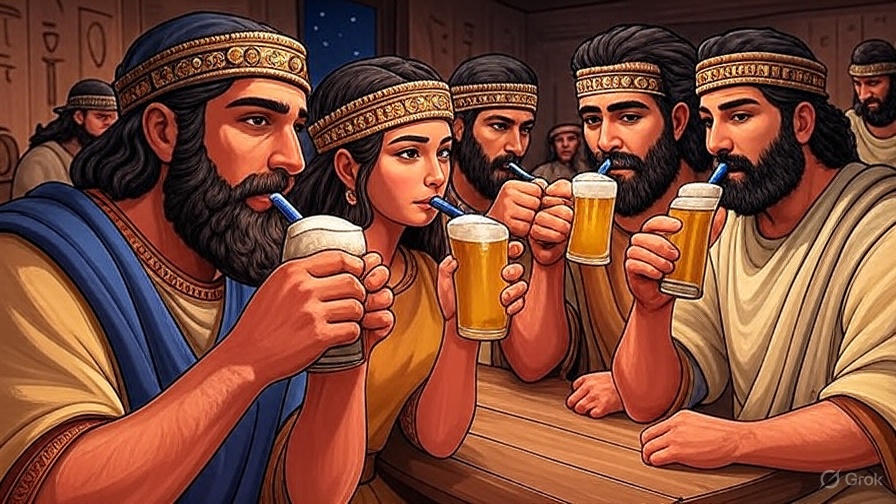
Kwè li oswa ou pa, pay yo ansyen! Nou ap pale 5,000 ane de sa nan Mezopotami, kote Sumeryen yo te sèvi ak lò anpenpan ak tib lapis lazuli pou bwè byè. Ki moun ki te konnen? Li entrigan pou konsidere ke menm nan antikite, zak la nan siwote te jije merite pou atistik ak atizan konn fè. Èske yo te senpleman evite rès lòj, oswa èske te gen yon siyifikasyon seremoni pi pwofon?
B. Premye pay nati a:
Vit pou pi devan nan ane 1800 yo - pye zèb RYE te ale nan. Bon mache, natirèl... men yo te fè bwason ou gou tankou yon tondèz epi byen vit tounen bouyi. Brit. Yon moun ka prèske imajine plent yo k ap fè eko atravè tavèn epòk la: "Blè mwen an gou yon ti kras nan zèb ki fèk koupe!" Li se yon rapèl ke menm solisyon "natirèl" yo pa toujou ideyal.
C. Revolisyon Papye a:
Antre Marvin C. Stone, yon nèg an 1888 ki te tèlman bouke ak juleps mant zèb ke li te envante premye pay papye a! Kouvwi sir, pa gen okenn bouyi plis, ak lajman popilè nan ane 1930 yo. Envansyon Stone a pa t jis yon solisyon pratik; se te yon temwayaj nan entèlijans imen, dezi natirèl nou an amelyore sou sikonstans nou yo, menm nan domèn nan siwote.
D. Dekouvèt Bendy a:
Jis lè ou te panse pay pa t 'kapab vin pi fre, Joseph Friedman envante pay fleksib an 1937, okòmansman pou pasyan lopital (e byento, rayisab milkshake toupatou!). Inovasyon sa a sanble ti revolusyone aksesibilite, ki montre kouman konsepsyon ka amelyore lavi moun ki gen bezwen espesifik. Li se yon leson nan senpati ak pouvwa a nan solisyon senp.
E. Rèy Plastik la:
Ane 1960 yo te inogire epòk plastik la. Bon mache, dirab, ak w pèdi endèstruktibl, pay plastik te pran plis pase, vin tounen yon pati san dout nan lavi chak jou pou dè dekad. Peryòd sa a make yon pwen vire, yon chanjman soti nan konsomasyon atansyon a yon kilti nan konvenyans. Atire plastik la te nye, men konsekans alontèm li yo te enprevi.
F. Reveye a:
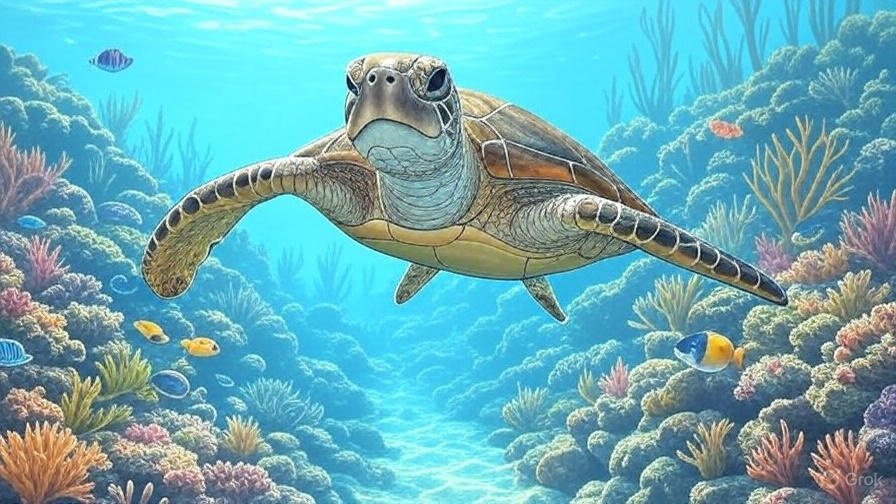
Lè sa a, te vini 21yèm syèk la. Videyo viral sou tòti lanmè ak pay kole nan nen yo te limen yon rèl mondyal. Toudenkou, konvenyans te kouvri pa katastwòf ekolojik, ki mennen nan yon mouvman pwisan "anti-plastik pay". Se te yon reveye visceral, yon rapèl sevè sou koneksyon aksyon nou yo ak enpak yo sou mond natirèl la. Imaj tòti sa a te vin yon senbòl responsablite kolektif nou an.
III. Gwo deba pay la: kiyès ki panse kisa?
A. Pwopriyetè restoran: Balanse vèt ak vèt (Lajan!)
Avantaj yo:
Yo vle abandone plastik pou ranfòse "ekolojik-kredi" yo, fè apèl a manje ki gen konsyans anviwònman an (alo, Gen Z ak Millennials!), epi konfòme yo ak entèdiksyon plastik sa yo. Gen kèk menm jwenn sèten altènativ tankou vè oswa agav pay ajoute yon touche prim. Anplis de sa, alontèm, li ta ka ekonomize yo lajan sou jesyon fatra ak evite amann.
Wicket kolan (oswa mouye):
Men, se pa tout solèy ak lakansyèl dirab. Pri a ka pi wo (papiyon papye yo ka 10 × pi chè!). Gen pwoblèm pèfòmans (paille papye tranpe redoutable a se yon plent reyèl). Bon jete se yon kochma (èske ou gen yon enstalasyon konpostaj endistriyèl sou la men?). Epi pa bliye tèt fè mal lojistik pou kenbe pay plastik nan men pou kliyan ki gen andikap. Pwopriyetè restoran yo jwenn tèt yo navige nan yon jaden flè konplèks nan konsiderasyon etik, kontrent finansye, ak defi lojistik. Jwenn bon balans lan enpòtan anpil pou biznis yo ak anviwònman an.

B. Enigm kliyan an: sip san danje, oswa sipriz tranpe?
Ti goute ideyal la:
For consumers, it’s simple: we want a straw that doesn’t taste weird, holds its shape, is easy to clean (for reusables), and can come with us on the go. It’s a fair expectation, isn’t it? A simple pleasure, untainted by concerns about environmental impact or potential health risks.
The “Forever Chemical” Fiasco:
Here’s the kicker – recent studies found “forever chemicals (PFAS)"nan anpil swadizan "ekolojik" pay, espesyalman papye ak banbou! Sa a se yon gwo enkyetid pou sante ak anviwònman an, febli reklamasyon yo "san toksin". Revelasyon sa a jete yon lonbraj nan dout sou tout mouvman an, fòse nou kesyone validite nan etikèt "zanmitay ekolojik" ak efikasite nan règleman aktyèl yo. Ki jan nou ka fè konfyans altènatif yo jis kòm mal?
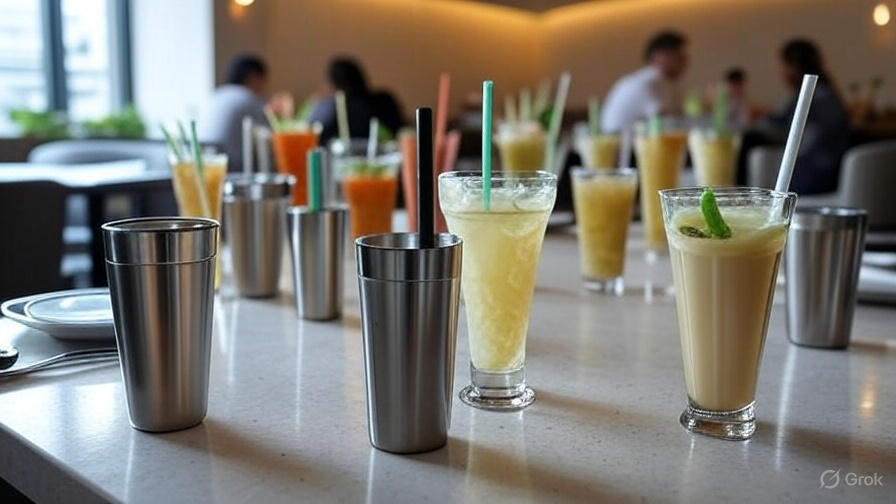
Konfwontasyon materyèl pay (Bon an, Move a, Meh a):
- Nerjaveèi asye: MVP pou sekirite chimik (PFAS-gratis!), Super dirab, ak ki kapab itilize ankò. Men, gade soti pou gou metalik ak bor rijid!
- Glass: Chik, transparan (konsa ou ka wè si li pwòp!), ki pa toksik. Men, oops, li te kraze! (Ek kèk menm gen PFAS!).
- Silicone: Mou, fleksib, zanmitay timoun, e jeneralman an sekirite. Gran pou dan sansib.
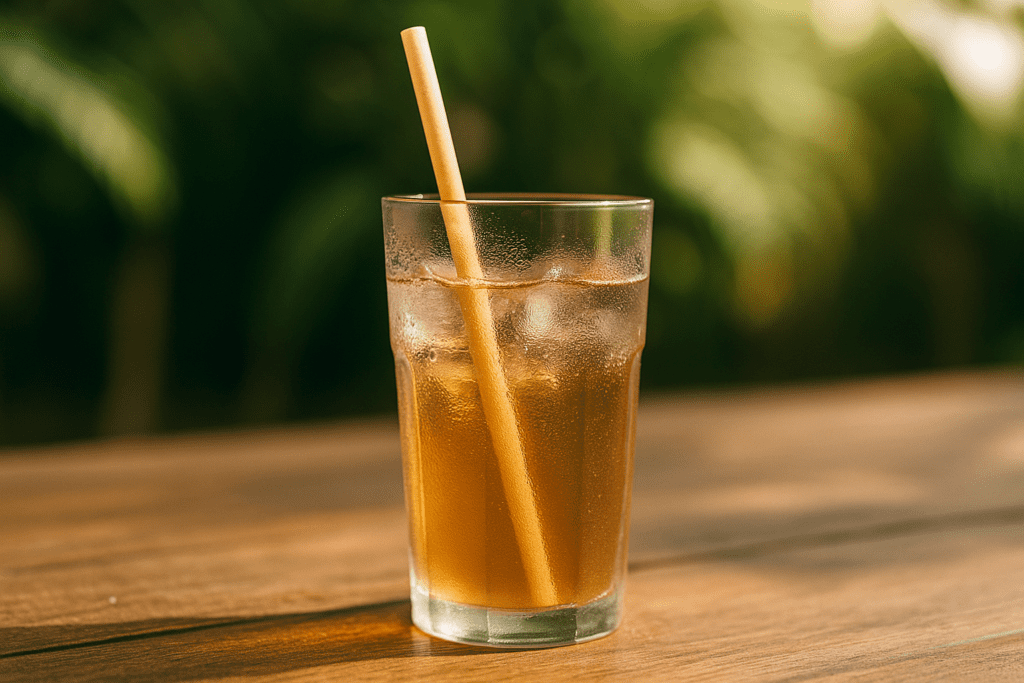
- Papye: Eko-cheri orijinal la, men souvan yon desepsyon mouye - ak souvan chaje ak PFAS.
- Nouvo Timoun yo sou blòk la: Inovasyon tankou lanmidon mayi, PHA, diri, kann, agav, e menm pay manjab yo ap monte, pwomèt pi bon pèfòmans, gou, ak biodégradabilite vre. Chak materyèl prezante pwòp seri konpwomi pa yo, ki fòse konsomatè yo peze priyorite yo: sekirite, durability, enpak anviwònman an, ak eksperyans sansoryèl. Paj ideyal la rete flotant, yon temwayaj nan konpleksite nan syans materyèl ak preferans konsomatè yo.
Alèjèn kache:
A quick heads-up: some eco-straws can hide allergens like latex, gluten, or soy. Always check! This is a crucial reminder that “eco-friendly” doesn’t necessarily equate to “allergy-friendly.” Transparency and clear labeling are essential to protect vulnerable individuals.
C. Defann Anviwònman: Pi lwen pase entèdiksyon an
Lagè a sou plastik:
Gwoup anviwònman yo te fòs ki mennen dèyè entèdiksyon pay plastik, mete aksan sou polisyon an masiv, gaye mikroplastik, ak domaj devaste nan lavi maren. Efò yo te ogmante konsyantizasyon ak pwovoke yon konvèsasyon mondyal sou relasyon nou ak plastik.
Pwoblèm PFAS la:
Kounye a, yo nan yon nouvo misyon: rele kontaminasyon PFAS nan altènativ "zanmitay ekolojik". Yo diskite ke "greenwashing" se menm move kòm polisyon kareman. Chanjman nan konsantre sa a mete aksan sou enpòtans ki genyen nan envestigasyon kontinyèl ak yon refi aksepte solisyon supèrfisyèl.
Enigm nan konpostaj:
Anpil pay "konpostab" bezwen enstalasyon endistriyèl espesyalize pou kraze. Si yo fini nan depotwa yo oswa resiklaj regilye, ekolojik-benefis yo pèdi. Sa a ekspoze yon defo kritik nan sistèm nan: mank de enfrastrikti adekwat sipòte jete apwopriye nan pwodwi "konpostab".
Mesaj pi laj yo:
Li pa sèlman sou pay; se sou yon chanjman fondamantal nan fason nou konsome ak jete tout plastik yon sèl-itilize. Refize, diminye, reitilize! Deba pay la sèvi kòm yon mikwokosm nan yon pwoblèm ki pi gwo: bezwen an pou chanjman sistemik nan modèl pwodiksyon ak konsomasyon nou yo.
IV. The Straw-mageddon of Controversies & Challenges
A. Desepsyon "San Toksin" la:
Pi gwo konfli a se iwoni pou jwenn PFAS danjere nan papye "ekolojik" ak pay banbou, ki fè konsomatè yo ak gwoup anviwònman yo kesyone vrè benefis yo. Sa a trayizon nan konfyans afebli kredibilite nan tout mouvman dirab la.
B. Dilèm jete a:
Pifò "konpostab" pay yo sèlman vrèman konpostab nan enstalasyon endistriyèl, ki ra. Sa vle di anpil toujou fini nan depotwa yo, kote yo pa kraze byen, anile objektif yo. Sa a mete aksan sou dekonekte ant entansyon ak reyalite, diferans ki genyen ant etikèt "konpostab" ak enfrastrikti konpostaj aktyèl la.
C. Enkyetid pèfòmans:
Sonje sa pay papye mouye nan milkshake ou a? Oswa gou metalik soti nan asye? Oswa agav pay sa eklatman? Altènativ zanmitay ekolojik souvan lite pou matche ak durability pratik plastik la. Akseptasyon konsomatè yo depann sou pèfòmans, epi si altènativ yo pa rive bay yon eksperyans ki satisfezan, adopsyon yo pral limite.
D. Tag pri a:
Opsyon dirab yo souvan siyifikativman pi chè pou restoran, enpak sou liy anba yo epi pafwa mennen nan rezistans. Baryè ekonomik pou dirab la se yon defi enpòtan, ki mande solisyon inovatè ak ankourajman gouvènman an pou egalize teren an.
E. Obstak ijyèn pou moun ki kapab itilize ankò:
For busy restaurants, thoroughly cleaning the inside of hundreds of reusable straws to health standards is a logistical and labor-intensive nightmare. Hygiene is paramount, and ensuring the safety of reusable straws requires significant investment in equipment, training, and monitoring.
F. Accessibility and Inclusivity:
Plastic straw bans often include clauses requiring restaurants to provide them upon request for those who need them due to medical conditions or disabilities, adding a layer of complexity. Accessibility must be a central consideration in any sustainability initiative, ensuring that the needs of all individuals are met.
V. Sipping into the Future: Innovations and Regulations Ahead
A. The Next Generation of Straws:
PHA:
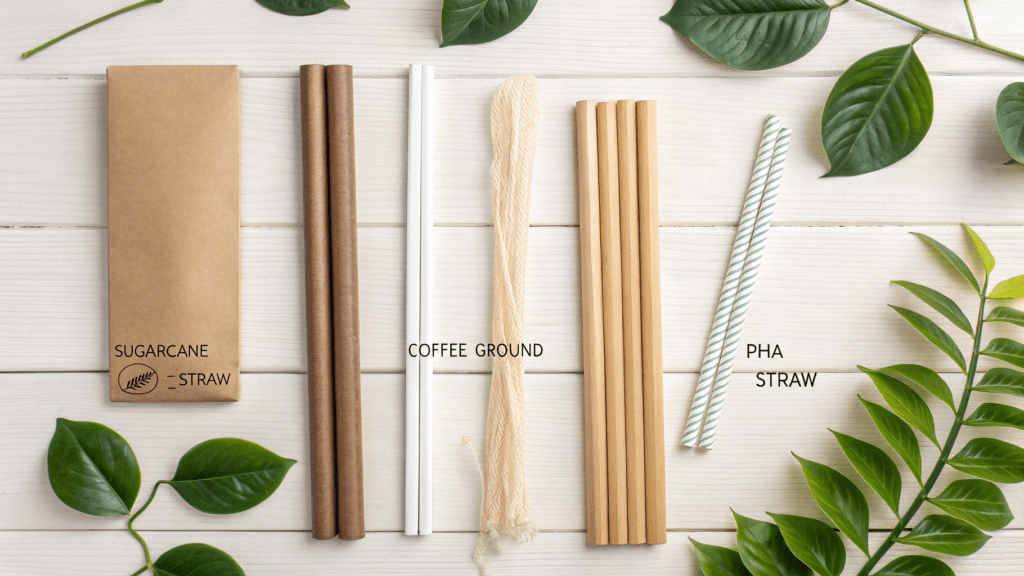
This bio-based polymer is touted as the future! It mimics plastic’s feel and durability but breaks down in any environment – industrial compost, home compost, even marine environments. Game-changer!
Paille manjab:
Imagine finishing your drink and then eating your straw! These innovative, flavored straws are zero-waste and surprisingly durable.
Pi entelijan papye pay:
Manifakti yo ap aprann nan erè ki sot pase yo, yo devlope vèsyon ki pi solid, ki gen mwens tranpe, epi elimine PFAS.
Nouvo bèl bagay ki baze sou plant:
Atann wè plis pay ki fèt ak dechè agrikòl tankou lakou kafe, fib bannann, ak lòt sous plant envante, vire fatra nan trezò. Inovasyon sa yo ofri yon ti espwa, yon pwomès pou yon avni kote dirab ak konvenyans ka coexist.
B. Restoran ale pi lwen pase pay:
Sistèm dlo sou plas:
Anpil etablisman ap enstale sistèm pou filtre ak boutèy pwòp dlo yo, abandone boutèy plastik nèt.
Konsèvasyon dlo:
Endistri Ospitalite a se yon gwo itilizatè dlo, kidonk atann plis teknoloji ak règleman pouse pou itilizasyon dlo pi entelijan.
Responsablite Pwodiktè Pwolonje (EPR):
Get ready for manufacturers to be held accountable for their packaging’s entire lifecycle, pushing for more sustainable designs from the start. This broader approach to sustainability recognizes that straws are just one piece of a much larger puzzle.
C. The Regulatory Tsunami:
Global Bans:
The EU already banned single-use plastic straws, and more countries and cities worldwide are following suit with stricter bans and restrictions.
US State-Level Action:
States like California are leading the charge, requiring packaging to be recyclable or compostable and making straws “request-only.” More states are banning polystyrene foam and other single-use plastic items.
Push for Reusable Options:
Regulations will increasingly mandate that restaurants offer reusable packaging solutions. Government intervention is playing an increasingly important role in driving the transition to a more sustainable future.
VI. Conclusion: Cheers to a Cleaner Future (One Sip at a Time!)
A. Rezime:
The journey from ancient golden tubes to modern-day “forever chemical” concerns has been wild. But the collective drive for healthier, greener sips is undeniable.
B. The Imperative:
Sa a se pa sèlman yon tandans; li se yon chanjman enpòtan. Restoran, konsomatè yo, ak moun ki fè politik yo tout jwe yon wòl enpòtan nan kreye yon avni ki pi dirab.
C. Yon Apèl pou Aksyon:
Kòm yon dine, sipòte restoran yo anbrase chwa dirab. Kòm yon konsomatè, mande transparans sou materyèl pay epi chwazi avèk sajès.
D. Panse final la:
Lavni nan bwè se mwens sou sa ou bwè, ak plis sou pwoteje planèt la nou tout pataje. Isit la nan fè chak ti gout konte! Li se yon apèl pou konsomasyon konsyan, pou chwa konsyan ki reflete angajman nou an pou yon planèt ki pi an sante. Paille enb la, yon fwa yon senbòl nan konvenyans, kounye a reprezante yon defi ak yon opòtinite: bwè yon ti goute responsab epi bati yon avni ki pi dirab, yon ti gout nan yon tan.