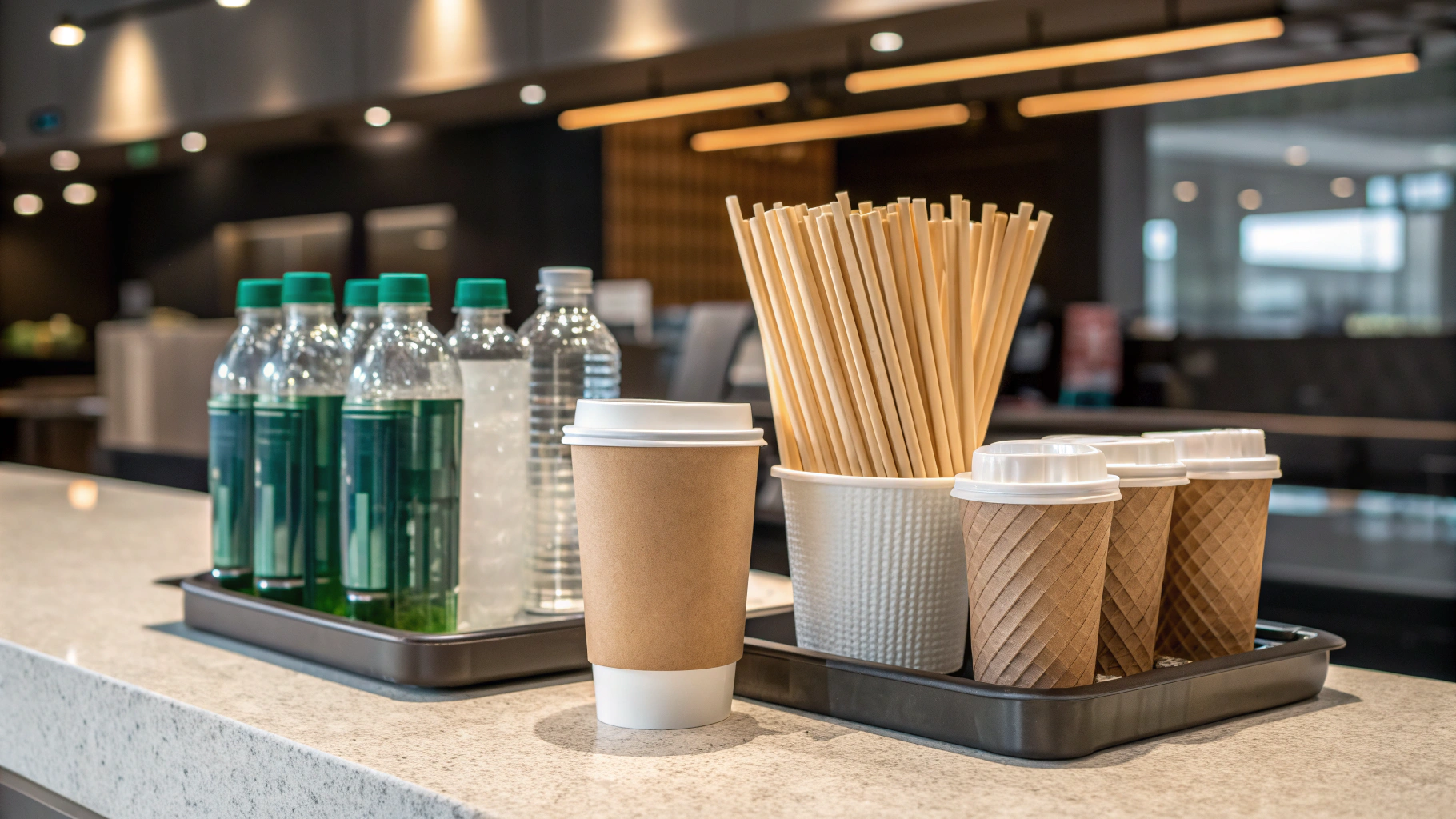
Dènyèman, lè m te kòmande yon kafe glase nan yon restoran, mwen te remake yon pankat sou tab mwen an ki te ekri.” Ki sa ki manke nan bwè ou a? Gen yon rezon pou sa."
Mwen gade alantou e mwen remake ke okenn nan bwason ki sou plato gason an pa te gen pay plastik. Poukisa restoran mwen an ap fòse yon fen nan tradisyon ki gen laj sa a?
Entèdiksyon plastik yo tout raj kounye a. Gen kèk peyi ki te kòmanse mete lejislasyon sou entèdiksyon sou tout kalite plastik: kouver, boutèy, ak sache, ki souvan itilize yon fwa epi answit jete. Palman an Ewopeyen an te siyen yon akò pwovizwa Mèkredi pou entèdi 10 kalite plastik yon sèl-itilize - ki gen ladan kouver plastik ak pay - pa 2021, Syans Popilè rapò.
Nou te kòmanse itilize plastik nan fen 19yèm syèk la apre seluloid te envante. Pandan ke plastik yo te kòmanse lajman itilize pa konsomatè nan ane 1950 yo, se sèlman nan 20 dènye ane yo ke plastik yon sèl-itilize tankou sache ak pay yo te vin pi bon mache, pi pratik, ak pi komen pase tokay papye yo. Se sèlman lè sa a ke nou te wè boom nan reyèl nan plastik - ak dechè plastik ki kapab lakòz.
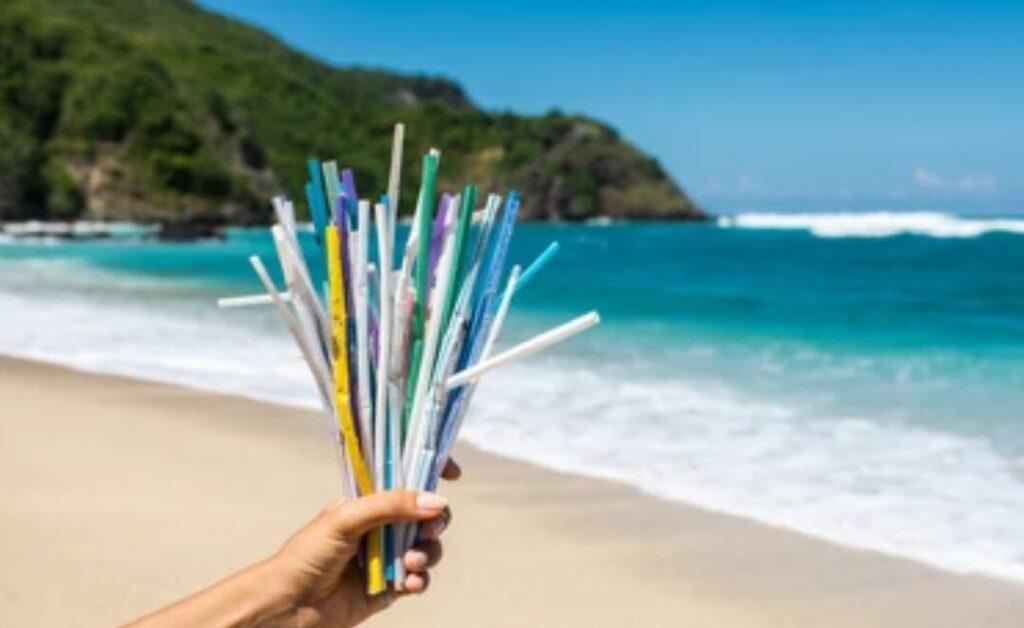
Nan dènye ane yo, te gen yon enkyetid k ap grandi sou kantite a ogmante nan yon sèl-itilize atik plastik ki ap vin yon pati nan lavi chak jou nou an. Youn nan atik sa yo se pay plastik, plizyè milya yo sèvi nan kafe ak restoran chak ane oswa kòm yon pati nan pran-soti.
Ozetazini, yo estime 500 milyon pay plastik pou yon sèl itilize chak jou, pandan y ap nan Ewòp, figi a se 25.3 milya dola nan yon ane.
Men, sa k ap pase yon fwa yo itilize pay plastik sa yo epi jete yo?
1. Paille plastik yo pa biodégradables
Poukisa pay plastik yo pa bon pou anviwònman an? Kontrèman ak materyèl natirèl tankou papye, bwa oswa koton, polypropylène yo itilize pou fè pi plis pay plastik jetab pa biodégradables. Sa vle di ke yon fwa pay plastik yo nan depotwa yo, ti òganis tankou ensèk oswa bakteri pa ka kraze yo lè yo manje yo, ni yo pa ka kraze yo nan konpoze ki fasil pou itilize ankò (tankou gaz kabonik oswa dlo). Olye de sa, pay yo pral tou senpleman degrade, piti piti kraze plis pase 200 ane nan ti patikil ke yo rele tou mikroplastik, ki bay pwodwi chimik danjere tankou bisphenol A, oswa BPA, ki pa sèlman potansyèlman kanserojèn tèt yo, men tou, atire kontaminan danjere. Apre sa, yo pral rete alantou pou tout tan epi yo pral dirèkteman mal anviwònman an ak bèt latè.
2. Paille plastik yo difisil pou resikle
Non sèlman pay plastik yo pa biodégradables, men yo tou difisil pou resikle apre yo fin itilize yo. Dapre enfòmasyon, nan tout 8.3 milya tòn plastik, se sèlman 9% resikle. Polypropylène plastik pay yo klase kòm klas 5 plastik, ki gen menm mwens chans yo dwe resikle. Rezilta final la se ke li voye nan depotwa yo ak dekonpoze an mikroplastik.
3. Paille plastik ap polye oseyan ak vwa navigab nou yo
Mete pay plastik nan depotwa yo epi kite yo degrade dousman se pa janm yon solisyon zanmitay anviwònman an. Reyalite a, sepandan, se ke yo itilize pay plastik souvan gen yon destinasyon menm vin pi mal: oseyan nou yo. Yon etid enpòtan sou plastik oseyan te pibliye nan Science an 2015. Chèchè yo te jwenn ke nou pwodui 275 milyon tòn metrik fatra plastik nan yon sèl ane, ak ant 4.8 milyon dola ak 12.7 milyon tòn metrik k ap antre nan oseyan an.” Jenna Jambeck, otè prensipal etid la, te di nan yon panèl 2015 nan Asosyasyon Ameriken pou Avansman Syans lan.” Sa gwo."
Chalimo plastik yo gen plis chans pou yo jwenn wout yo nan vwa navigab nou yo.
Premyèman, yo fòme yon pati enpòtan nan fatra plaj, epi paske pay plastik yo piti ak lejè, yo souvan soufle soti nan poubòl, kamyon fatra, ak dechaj pa van an.
Lè sa a, yo ka byen vit jwenn wout yo nan vwa navigab yo epi yo ka lave nan oseyan an.
Finalman, ansanm ak lòt ti atik plastik, zwazo yo ka enjere pay nan depotwa yo. Paske pay pa biodegrade, yo rete nan vant zwazo a jiskaske lanmò. Zwazo yo tèt yo pral biodegrade, kite dèyè pay plastik ki pral soufle oswa koule nan vwa navigab tankou anvan.
Yon fwa pay plastik antre nan oseyan an, yo anpile ak lòt fatra plastik epi yo fòme gwo debri k ap flote sou sifas oseyan an. Debri sa yo ka anpeche limyè solèy la rive nan alg ak plankton anba dlo a, sa ki anpeche yo konvèti limyè nan eleman nitritif vital. Si popilasyon alg ak plankton yo menase, sa ka afekte tout rezo manje maren an. Nan yon tan ki long, sa ka mennen nan mwens fwidmè ki disponib pou moun.
Paille plastik ka piti, men lè nou itilize plizyè milya ladan yo chak ane, yo fè yon kontribisyon enpòtan nan fatra plastik ki nan oseyan nou yo. An reyalite, syantis yo predi ke si nou kontinye pèmèt plastik antre nan oseyan nou yo nan vitès aktyèl la, pral gen plis plastik (pa pwa) la pase pwason pa 2050.
4. Paille plastik yo move pou bèt sovaj maren
Natirèlman, li enposib pou yon kantite dechè plastik konsa antre nan oseyan nou yo san yo pa gen enpak negatif sou bèt sovaj maren ak bò lanmè ki ap viv nan ak toupre dlo a. Yo estime ke anviwon 800 espès diferan afekte pa polisyon plastik maren, e omwen 100,000 mamifè maren mouri chak ane akòz debri plastik.
Yon etid PNAS te jwenn ke 90 pousan nan tout zwazo lanmè enjere plastik. Pati nan rezon ki fè plastik touye lavi maren se trangulasyon oswa toufe.
Men, pi gwo rezon ki fè plastik tèlman danjere se ke li degaje pwodui chimik toksik tankou bisphenol A (BPA) pandan li kraze. BPA imite estwojèn, deranje òmòn nou yo, epi li ka lakòz kansè. Yon etid resan te jwenn ke plastik tou touye resif koray pa fè yo pi fasil pou maladi. Pandan ke li enposib konte efè yo nan pay plastik pou kont li, li te panse ke 90 pousan nan zwazo lanmè te deja vale kèk kalite plastik ki soti nan oseyan an, ak pa 2050, 99 pousan nan espès yo ta ka afekte. Sa ka lakòz yon zwazo maren oswa yon mamifè mouri grangou si li enjere gwo kantite plastik; santi pwa a nan vant li, li panse li te deja manje epi li pa gen okenn ankourajman jwenn ase manje pou rete vivan.
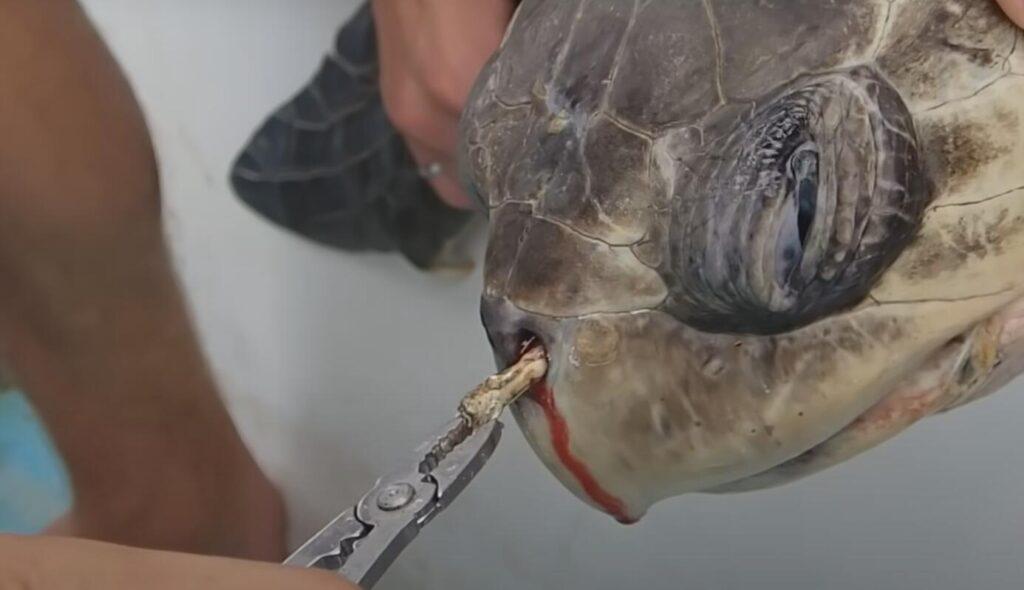
Yo te mele nan debri plastik se yon lòt gwo pwoblèm pou lavi maren. an 2015, yon videyo sou yon tòti lanmè gen yon seksyon nan pay plastik retire nan nen li pa yon gwoup byolojis maren te vin viral sou entènèt. Fim nan choke dè milyon de telespektatè, ogmante konsyans sou danje ki genyen nan polisyon plastik, e li te bay fòs nan mouvman an pou entèdi pay plastik ki sèvi ak yon sèl.
Mikroplastik pral inevitableman antre nan manje nou yo - atravè pwason ki sou plak nou yo ak dlo ki nan boutèy nou yo. Men, chèchè yo toujou pa sèten ki jan mikroplastik toksik yo lè nou konsome yo nan fason sa a.

Ki kote pay yo entèdi?
Entèdi pay plastik gen chans rive nan vin yon inisyativ estanda nan ane kap vini yo. Atravè mond lan, peyi, ak eta yo ap pran aksyon pou netwaye anviwònman nou an lè yo entèdi oswa limite plastik ki sèvi ak yon sèl, tankou vil Nouyòk, Seattle, Miami Beach, Vancouver, Hawaii, Kalifòni, Angletè, Scotland, ak Taiwan. Lòt kote ak òganizasyon ki te entèdi oswa sispann pay gen ladan yo
Royal Gift Shops ak Mize nan UK a (sou demann Rèn Elizabèt II)
Divès manm Asosyasyon Zoo ak Aquarium
Inivèsite Portland
Enstiti Art nan Chicago
McDonald's (Wayòm Ini)
Ozetazini, Kalifòni, Oregon ak Hawaii te deja aplike entèdiksyon plastik), pandan y ap Inyon Ewopeyen an te fikse yon dat limit 2021 pou entèdi plastik pou yon sèl-itilize.
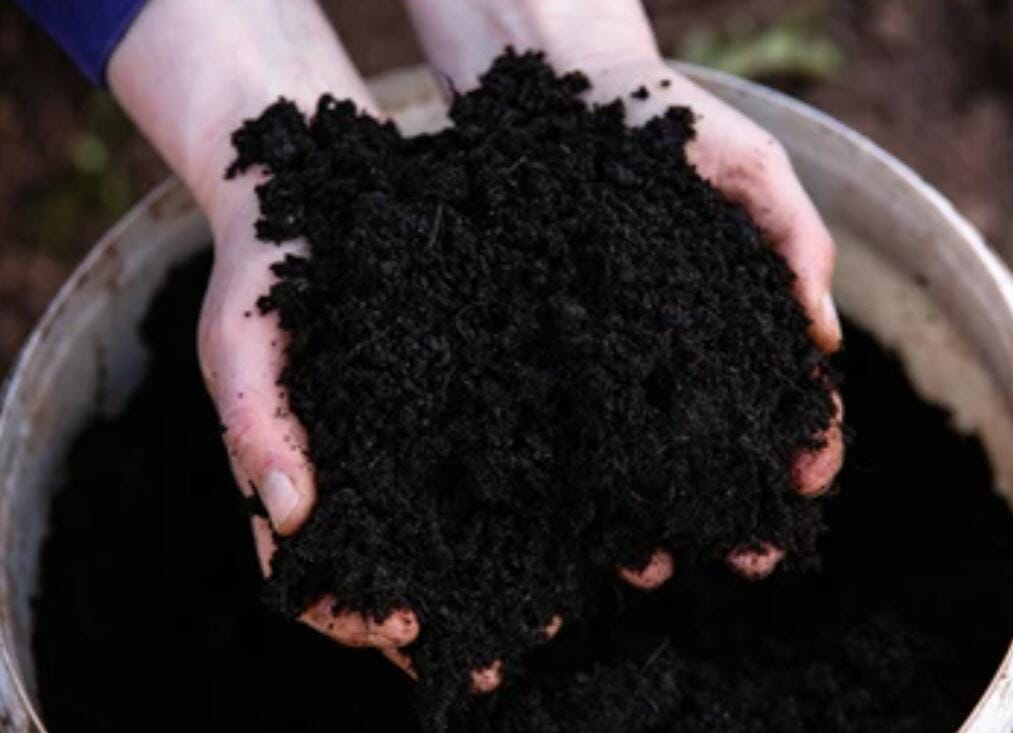
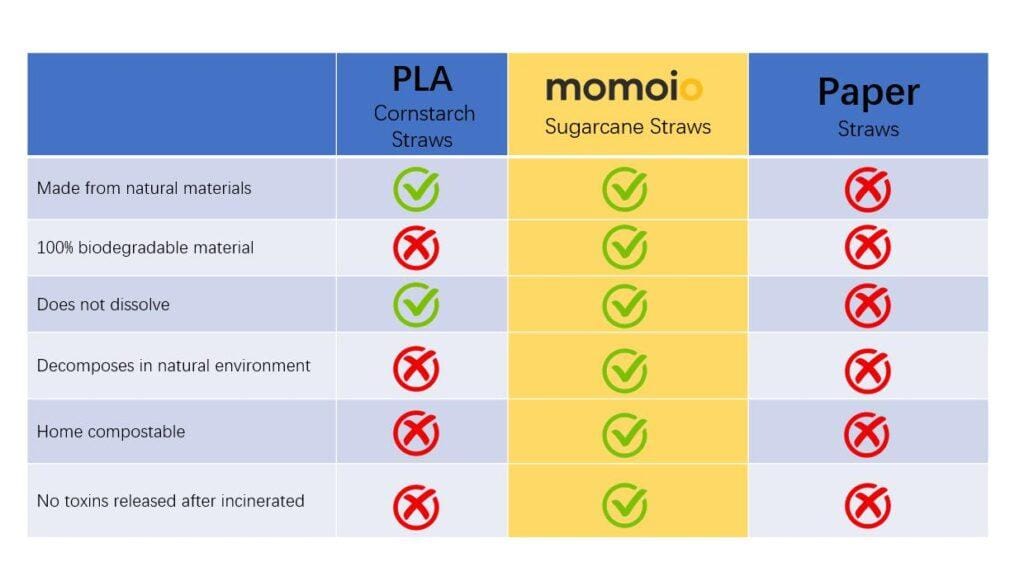
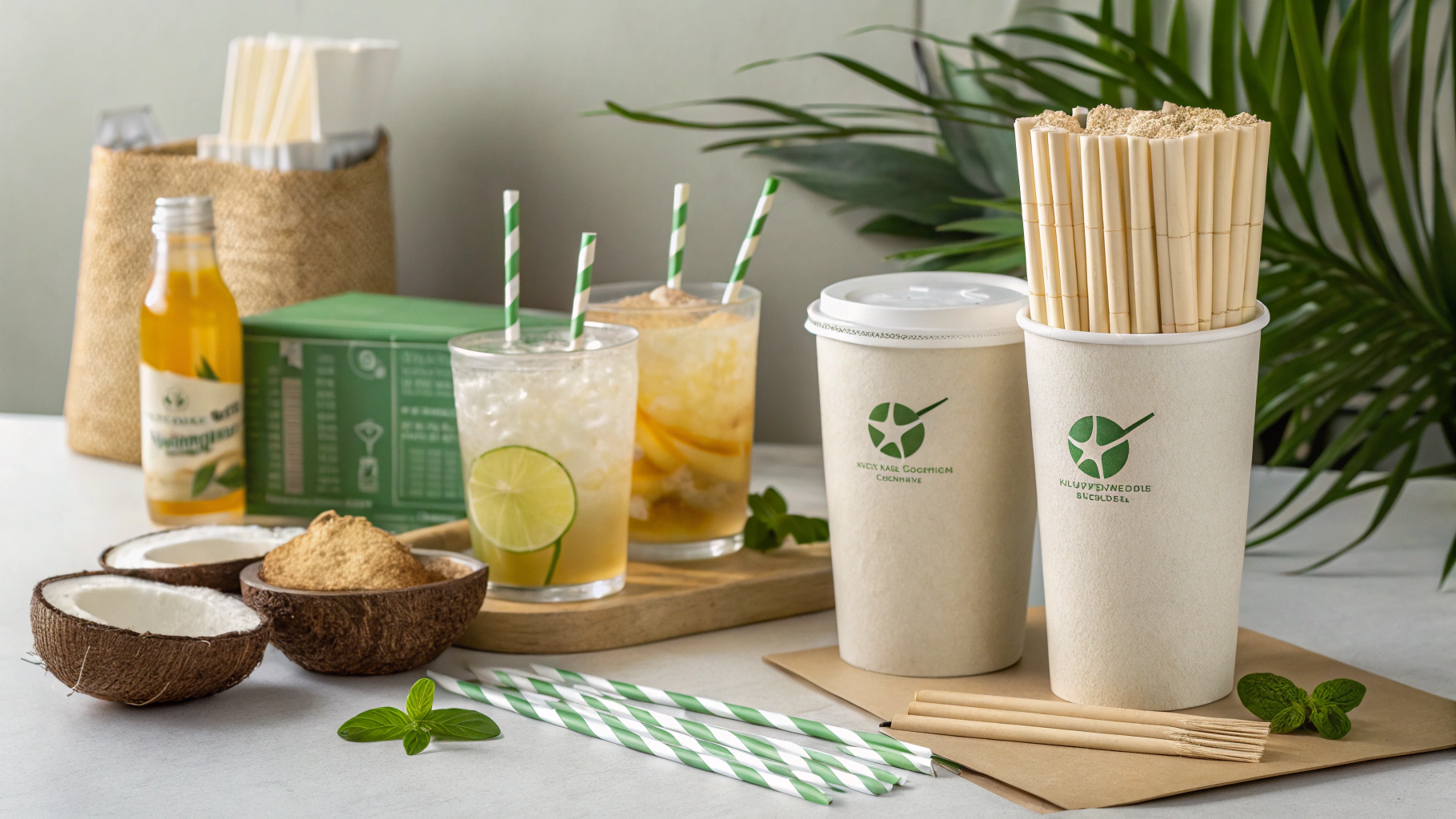
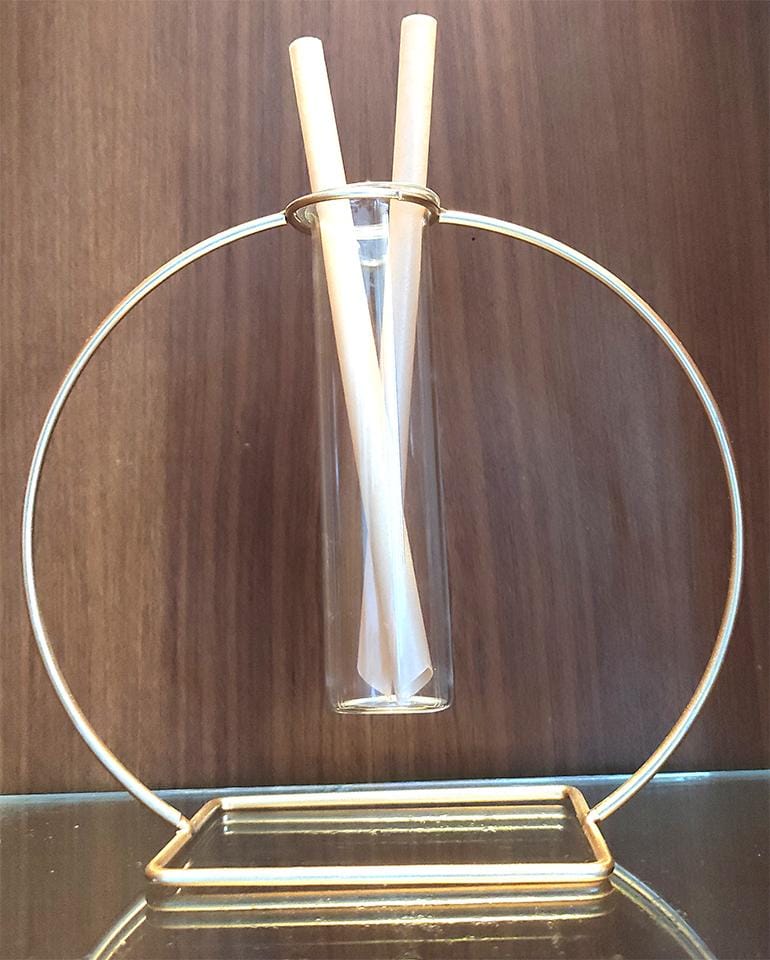
Jou yo nan yon sèl-itilize pay plastik yo konte, epi ranplase pa plis opsyon ekolojik-zanmi. Moun ka chwazi pou achte payi bagas kann biodégradables ak pay kafe, ki biodegrade nan gaz kabonik ak dlo nan anviwònman natirèl la san yo pa lakòz domaj nan anviwònman an oswa òganis vivan. Yo ka itilize tou nan konpostaj komèsyal ak konpostaj lakay yo. Altènativman, payi ki kapab itilize ankò, tankou sa yo ki fèt ak vè oswa asye pur, yo rekòmande.
Chanjman pozitif sa yo se yon siy espwa ke pwoblèm lan nan pay plastik ak enpak yo sou anviwònman an pral byento tounen yon bagay nan tan lontan an. Koulye a, woule manch nou, netwaye oseyan nou yo, sipòte bèt sovaj maren nou yo, epi kite plaj primitif pou jenerasyon kap vini yo.