Mastering Procurement for Sustainable Success in Foodservice & Hotels

1. INTRODUZIONE DI PROBLEMA DELL'INDUSTRIA COMMERCIALE
Il mercato globale della paglia da bere, un settore del valore di circa $ 14,38 miliardi nel 2024 e previsto per salire a $ 23,19 miliardi entro il 2031, sta subendo una trasformazione senza precedenti. Le aziende, in particolare nelle industrie dell'ospitalità e del cibo, sono alle prese con un paesaggio complesso a forma di crescenti mandati ambientali e un cambiamento sismico nelle preferenze dei consumatori verso alternative sostenibili. Governi in tutto il mondo, dalUnione europea (2019, Parlamento europeo)Per la Cina, stanno attuando rigorosi divieti su materie plastiche monouso, creando sfide operative immediate e rischi significativi per la reputazione del marchio per qualsiasi impresa che si basa ancora su cannucce di plastica tradizionali. Importanti società, comeMarriott International, si sono già impegnati a eliminare le cannucce di plastica attraverso la loro vasta rete di oltre 6.500 hotel, impostando un precedente precedente. Questo perno di industria urgente, unita a costi di materiale imprevedibile per le opzioni eco-compatibili, ha spinto gli appalti di paglia di massa in un regno di volatilità dei costi estremi e incertezza della catena di approvvigionamento, che influisce direttamente sui profitti e sulla pianificazione strategica a lungo termine.
For hospitality and foodservice, relying on outdated procurement methods for bulk straws means missed opportunities for cost savings and brand enhancement. The industry faces a critical juncture where sustainable choices are no longer optional but essential for market relevance and financial stability. The shift to eco-friendly straws is not just about compliance; it’s about securing a competitive edge and meeting evolving consumer demands. Businesses must proactively manage costs and supply chains to thrive in this new landscape.
Key Takeaway:I settori dell’ospitalità e della ristorazione si trovano ad affrontare rischi e opportunità significativi nel mercato della paglia sfusa in rapida trasformazione, guidato da obblighi ambientali e dalla domanda di sostenibilità dei consumatori.
L'approvvigionamento proattivo della paglia di massa è fondamentale per l'ospitalità per mitigare i rischi e capitalizzare le tendenze della sostenibilità.

L'efficace gestione della catena di approvvigionamento è la chiave per l'ospitalità sostenibile.
2. Market & Regulation Insights (EU, US, Asia-Pacific)
Per navigare in questo mercato tumultuoso, le aziende devono andare oltre i metodi di acquisto convenzionali e adottare strategie di prezzo avanzate. Gli accordi contrattuali di blocco dei prezzi, che spesso si estendono per 12 mesi, offrono uno scudo cruciale contro le fluttuazioni impreviste del mercato dei costi delle materie prime e delle spese di produzione per le cannucce sfuse. Questi accordi forniscono una certezza di bilancio essenziale, proteggendo i costi di approvvigionamento dalle pressioni inflazionistiche e dagli shock del mercato. Inoltre, gli acquirenti più esperti possono massimizzare i risparmi attraverso strutture di sconti a più livelli. Questi modelli incentivano acquisti annuali in blocco più grandi, offrendo sconti progressivamente più elevati, ad esempio uno sconto del 2% per la spesa annuale compresa tra $ 5.000 e $ 9.999, che sale al 3% per acquisti superiori a $ 10.000. Tali strutture non solo riducono il costo unitario effettivo nel tempo, ma semplificano anche gli ordini annuali all'ingrosso e premiano la fedeltà. Infine, è fondamentale capire come sfruttare sia le quotazioni spot che quelle forward. Le quotazioni spot riflettono l'attuale prezzo di mercato per la consegna immediata, ideale per esigenze urgenti e reattive. Al contrario, le quotazioni a termine consentono di concordare un prezzo oggi per la consegna futura, consentendo una gestione proattiva dei costi e una copertura contro la potenziale volatilità dei prezzi, particolarmente utile per esigenze di grandi volumi e a lungo termine. Questo approccio strategico alla determinazione dei prezzi aiuta a stabilizzare la pianificazione finanziaria e garantisce una pipeline di approvvigionamento prevedibile.
Il panorama normativo per la plastica monouso, comprese le cannucce, è in rapida evoluzione a livello globale. Mentre ilUnione Europeaha implementato un divieto totale su molti articoli di plastica monouso dal 2021, ilStati Unitiha un mosaico di divieti statali e locali, senza mandato federale. InAsia-Pacifico, anche paesi come Cina e India stanno eliminando gradualmente la plastica monouso con tempistiche e controlli diversi. Per una guida dettagliata sui divieti globali sulla plastica e sul loro impatto sulle catene di approvvigionamento, fare riferimento alla nostraGuida completa alle normative globali sulla plastica.
Confronto dei modelli di approvvigionamento di paglia sfusa
| Caratteristica/modello | Meccanica del blocco del prezzo | Sconti di livello | Citazioni spot | Citazioni in avanti |
|---|---|---|---|---|
| Descrizione | Prezzo fisso per le merci per un periodo prestabilito (ad esempio, 12 mesi) | Sconti basati su livelli di volume di acquisto cumulativo | Prezzo attuale di mercato con consegna immediata | Prezzo concordato oggi per consegna futura |
| Beneficio primario | Certezza del bilancio, tutela dall’aumento dei prezzi | Incentiva ordini più grandi, maggiori risparmi per unità | Prezzi immediati, evasione immediata | Copertura contro la futura volatilità dei prezzi |
| Mitigazione del rischio | Volatilità del mercato, fluttuazioni dei costi della catena di fornitura | Ottimizza il potere d'acquisto, premia la fedeltà | Riflessione del mercato in tempo reale | Blocca i costi ed evita picchi futuri |
| Impatto operativo | Costi di approvvigionamento prevedibili, pianificazione finanziaria stabile | Spesa complessiva ridotta, budget semplificato per grandi volumi | Acquisizione rapida, acquisto reattivo | Controllo proattivo dei costi, pianificazione a lungo termine |
| Caso d'uso ideale | Contratti annuali all'ingrosso, esigenze consistenti di volumi elevati | Acquirenti con volumi elevati che mirano a massimizzare gli sconti | Fabbisogno di paglia urgente e non pianificato | Garantire i prezzi per progetti futuri o per una domanda sostenuta |
Key Takeaway:Modelli di prezzo strategici come prezzi bloccati, sconti di livello e quotazioni spot/forward sono essenziali per gestire la volatilità dei costi nel mercato della paglia sfusa.
Le strategie di prezzo avanzate offrono alle aziende del settore alberghiero costi prevedibili e risparmi significativi sulle cannucce sfuse.
Le catene di fornitura globali sono complesse e richiedono una navigazione strategica.
3. Soluzione: cannucce di canna da zucchero
Strategic sourcing in the bulk drinking straw market demands a meticulous evaluation of material choices and procurement models to align with both operational efficiency and sustainability goals. The material you choose profoundly impacts performance, environmental footprint, and cost. Whileplastic (Polypropylene/Polystyrene)offers the lowest upfront cost (around $0.005-$0.01/piece), its environmental burden is immense – with an estimated8.3 billion plastic straws contaminating beaches annually (2018, UNEP)and rarely being recycled. Its increasing regulatory non-compliance risk is a significant concern, particularly in Europe where bans are widespread.Paper straws, una comune alternativa ecologica, sono biodegradabili e altamente personalizzabili, ma hanno un costo più elevato (2-10 volte più costoso della plastica, ~0,005-$0,05/pezzo). Sono soggetti a inzupparsi e sussistono preoccupazioni sui rivestimenti PFAS e su una maggiore energia/emissioni di produzione (4,1 g di CO2/cannuccia contro 1,5 g per la plastica).
Per coloro che cercano soluzioni biodegradabili più robuste,opzioni a base vegetalecome PLA, PHA, canna da zucchero, agave e grano/canna offrono durabilità. Le cannucce in PLA, che costano circa 0,01 dollari al pezzo, sono biodegradabili ma spesso richiedono impianti di compostaggio industriale (solo il 15% circa delle strutture le accetta), limitando il loro reale beneficio ambientale. Le cannucce di grano e canna, derivate da sottoprodotti agricoli, sono completamente compostabili e si allineano con le iniziative a zero rifiuti. Infine,reusable optionssuch as stainless steel, bamboo, glass, and silicone represent the highest initial investment but offer significant long-term savings and zero-waste potential. Their durability varies, with metal conducting heat and silicone not being biodegradable.
Sugarcane Straws: The Sustainable Choice for Hospitality
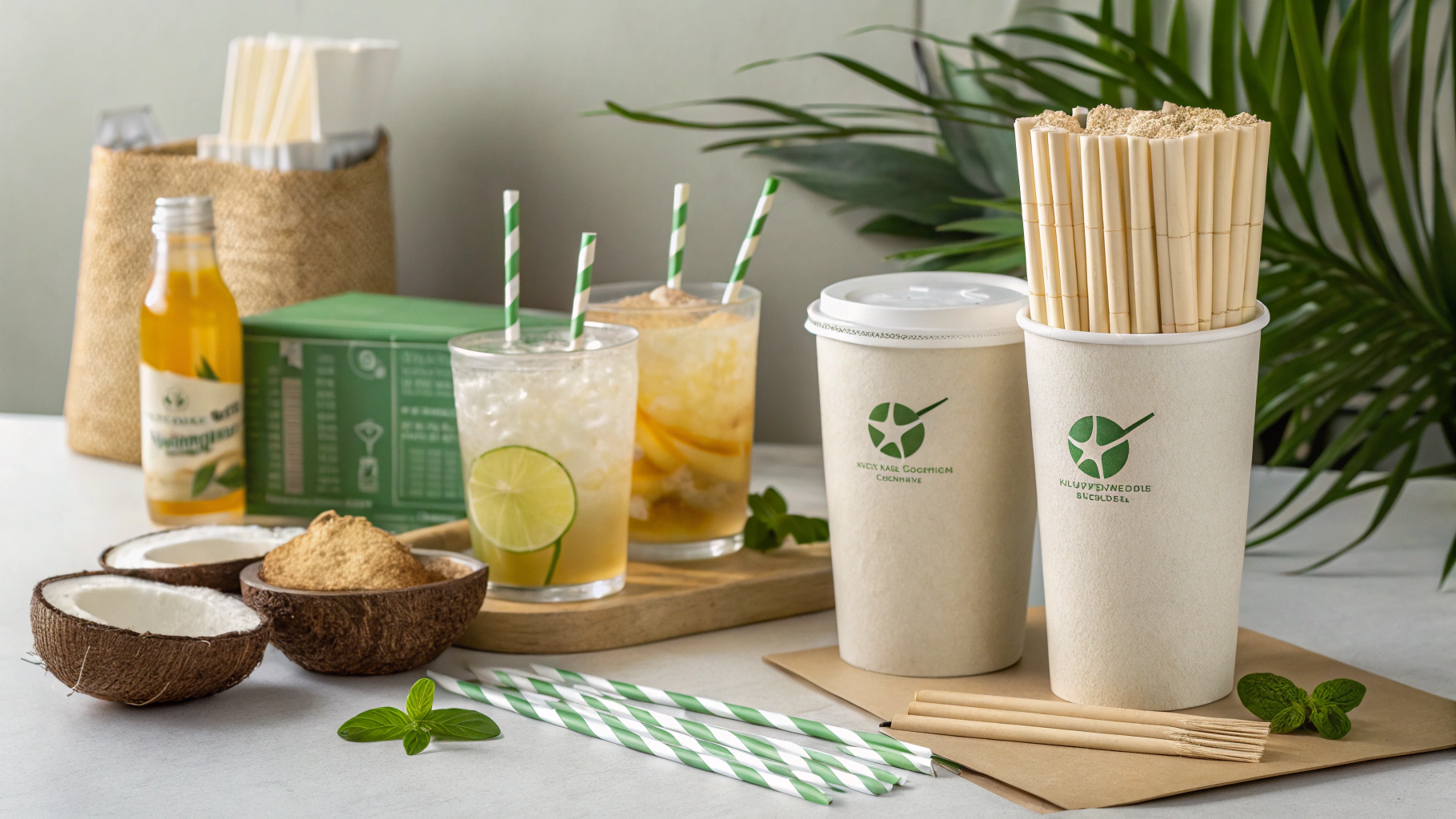
Sugarcane straws are durable, compostable drinking straws made from bagasse, a byproduct of sugar production, offering a superior eco-friendly alternative.
For hospitality and foodservice, sugarcane straws offer compelling benefits:
- Enhanced Customer Experience: Unlike paper, sugarcane straws maintain integrity for over 3 hours in liquid, preventing sogginess complaints common in cafes and bars.
- Significant Waste Reduction: Being 100% compostable, they divert waste from landfills, reducing a typical hotel’s straw waste by up to 95% annually.
- Strong Brand Alignment: Adopting sugarcane straws visibly demonstrates a commitment to sustainability, boosting brand reputation and attracting eco-conscious guests, potentially increasing bookings by 5-10%.
- Regulatory Compliance & Future-Proofing: Proactively meets current and anticipated single-use plastic bans, avoiding fines and ensuring uninterrupted operations.
- Cost-Effectiveness in Bulk: While slightly higher upfront than plastic, bulk sugarcane straw procurement, especially with price-lock agreements, offers long-term cost stability and avoids future plastic-related penalties.
ROI Table: Sugarcane Straws for a Mid-Sized Hotel Chain (500 rooms)
| Variabile | Plastic Straws (Annual) | Sugarcane Straws (Annual) | Benefit/Impact |
|---|---|---|---|
| Unit Cost (per straw) | $0.008 | $0.025 (with bulk price-lock) | Higher initial cost, but stable. |
| Annual Volume (est.) | 1,000,000 straws | 1,000,000 straws | Consistent usage. |
| Annual Straw Cost | $8,000 | $25,000 | Direct procurement cost. |
| Waste Disposal Cost (est.) | $500 (landfill) | $50 (compost) | Reduced landfill fees. |
| Brand Value Increase (est.) | N / A | $5,000 – $10,000 (via increased eco-tourism bookings) | Attracts eco-conscious guests. |
| Regulatory Fines Avoided (est.) | Potential $1,000 – $5,000 | $0 | Compliance peace of mind. |
| Customer Satisfaction (Sogginess) | Low (frequent complaints) | High (durable) | Improved guest experience. |
| Net Annual Impact | -$8,500 to -$13,500 | -$15,000 to -$20,000 (initial outlay) + $5,000-$10,000 (brand value) + $450 (waste savings) + $1,000-$5,000 (fines avoided) =Net positive long-term ROI | Long-term savings and brand benefits outweigh initial cost. |
Key Takeaway:Sugarcane straws offer hospitality businesses a durable, compostable, and brand-enhancing solution with a strong long-term ROI.
Sugarcane straws provide a sustainable, cost-effective, and brand-boosting solution for hospitality procurement.
Sugarcane straws: a natural, sustainable choice for the future.
4. Industry Misconceptions & Clarifications
Despite the clear advantages, several misconceptions persist regarding sustainable bulk straw procurement, particularly within the hospitality and foodservice sectors:
Myth 1: “All eco-friendly straws are too expensive for bulk B2B procurement.”
Clarification:While initial unit costs for sustainable straws like sugarcane or paper can be higher than plastic, this overlooks the long-term financial benefits. With strategic bulk purchasing, including price-lock agreements and tiered rebates, the effective cost per unit significantly decreases. Furthermore, avoiding potential regulatory fines for plastic use and gaining positive brand perception (which can lead to increased customer loyalty and revenue) often results in a net positive ROI. For example, a large hotel chain could save an estimated $15,000 annually in avoided fines and increased eco-tourism bookings by switching to certified compostable straws.
Myth 2: “Paper straws are the only viable eco-friendly option, despite their sogginess.”
Clarification:Paper straws are indeed common, but they are not the only, nor always the best, eco-friendly choice. Plant-based alternatives like sugarcane, PHA, or even reusable options (stainless steel, bamboo) offer superior durability and user experience. Sugarcane straws, for instance, are known to last significantly longer in beverages without degrading, addressing the primary complaint associated with paper straws in a busy restaurant or bar setting. This durability translates to fewer customer complaints and a better brand image.
Myth 3: “Switching to sustainable straws will disrupt my existing supply chain too much.”
Clarification:Reputable bulk straw suppliers, such asLollicup USAOYesStraws, specialize in B2B transitions. They offer comprehensive support, including inventory management, flexible delivery schedules, and guidance on optimal MOQs. Many also provide forward-quote options, allowing businesses to secure prices and quantities well in advance, ensuring a seamless transition without supply interruptions. The key is to partner with a supplier experienced in sustainable solutions for the hospitality sector.
Key Takeaway:Common misconceptions about sustainable straws’ cost, performance, and supply chain integration are often debunked by strategic procurement and advanced material options.
Sustainable straw procurement is more cost-effective and less disruptive than commonly believed, especially with strategic planning.
5. B2B Customization & Supply Chain Optimization
Building a resilient supply chain for sustainable bulk straws involves strategic choices beyond mere price. Partnering with reputable manufacturers and distributors likeLollicup USA,YesStraws, orTembo Paper, who offer advanced pricing models and transparent certifications (e.g.,FSCfor paper,ASTM D6400for compostability), is crucial. In the US and Europe, where regulatory landscapes are rapidly evolving, ensuring your chosen straws are HACCP-compliant, PFAS-free, and food-grade is not just about compliance but also about safeguarding consumer health and your brand reputation. Assess durability rigorously; for instance, good quality paper straws should not deform after three hours in liquid. Consider Minimum Order Quantities (MOQs) to balance cost savings with storage capacity, and evaluate supplier shipping efficiencies to reduce freight costs and your carbon footprint. Finally, plan for the end-of-life pathways of your chosen materials, actively supporting proper composting or disposal. By embracing the shift to eco-friendly bulk straws, you not only meet regulatory demands but also enhance your brand’s value, resonating powerfully with the growing segment of eco-conscious consumers.
Scenario-Specific Tips for Hospitality & Foodservice:
- Hotels & Resorts: Opt for sugarcane or reusable straws for in-room dining and high-end bars. Leverage tiered rebates for large annual orders across multiple properties. Consider custom branding (e.g., hotel logo) on straw wrappers to reinforce sustainability messaging.
- Restaurants & Cafes: Balance cost and performance. Sugarcane straws offer durability for dine-in, while paper might suffice for quick-service takeout. Utilize spot quotes for unexpected demand spikes and forward quotes for seasonal menu changes.
- Catering & Events: Prioritize compostable options like sugarcane or PHA for easy post-event cleanup. Negotiate MOQs that align with event sizes to minimize waste and storage. Ensure suppliers can handle flexible delivery schedules for various event locations.
- Airlines & Cruise Lines: Focus on lightweight, durable, and compact solutions. Sugarcane straws are ideal due to their stability in various temperatures and reduced storage footprint. Implement price-lock contracts for consistent global supply and cost control.
Key Takeaway:Optimizing bulk straw supply chains requires strategic supplier partnerships, material certification checks, and scenario-specific MOQ and logistics planning.
Tailored supply chain strategies for bulk straws enhance efficiency and sustainability across diverse hospitality operations.
Secure Your Sustainable Future Today
The dynamic bulk drinking straw market demands a proactive, strategic approach to procurement. By leveraging advanced pricing mechanisms like price-locks, tier rebates, and spot/forward quotes, and by meticulously evaluating sustainable material options, B2B decision-makers can transform procurement from a necessary cost center into a significant competitive advantage. This strategic shift not only secures predictable costs but also enhances your brand’s sustainability profile, allowing you to capitalize on the rapidly expanding eco-friendly market segment, projected to reach $25.1 billion by 2035.
Don’t let market volatility dictate your costs or compromise your sustainability goals. Take control of your bulk straw procurement today. Learn more about global plastic bans and their impact on supply chains. Explore how a strategic approach to sourcing can boost your brand’s eco-credentials. For a deeper dive into sustainable business practices and supply chain optimization, consider resources from leading industry associations.
Secure predictable costs, enhance your brand’s sustainability profile, and capitalize on the growing eco-friendly market segment. Schedule a strategic procurement consultation with our experts to develop a customized bulk straw sourcing plan that guarantees price stability and maximizes your savings.Schedule Your Consultation Now
Domande frequenti (FAQ)
What is a price-lock mechanism for bulk straw procurement?▼
A price-lock mechanism is a contractual agreement that fixes the price of bulk drinking straws for a set period, typically 12 months, protecting buyers from market fluctuations and ensuring budget certainty.
How do tiered rebates benefit hospitality businesses buying bulk straws?▼
Tiered rebates incentivize larger annual purchases by offering progressively higher discounts, reducing the effective per-unit cost and maximizing savings for high-volume hospitality buyers.
What’s the difference between spot and forward quotes for bulk straws?▼
Spot quotes reflect current market prices for immediate delivery, ideal for urgent needs. Forward quotes lock in a price today for future delivery, enabling proactive cost management and hedging against volatility.
Are sugarcane straws truly sustainable for high-volume foodservice operations?▼
Yes, sugarcane straws are highly sustainable. They are made from bagasse, a byproduct of sugar production, making them compostable, durable, and a superior eco-friendly alternative to plastic or even some paper straws for high-volume use.
How can I ensure my bulk straw supplier meets regulatory compliance?▼
Ensure your supplier provides transparent certifications like HACCP-compliance, PFAS-free declarations, and ASTM D6400 for compostability. Verify their adherence to regional regulations like EU single-use plastic bans.