Da uno stratega senior dei contenuti di sostenibilità B2B
La Direttiva 2019/904/UE dell’Unione Europea sulla plastica monouso (SUP), emanata nel luglio 2021, rappresenta un cambiamento epocale nella politica ambientale con profonde implicazioni per il settore della ristorazione. Molto più di un semplice aggiornamento normativo, questa direttiva è un imperativo strategico progettato per ridurre il problema pervasivo dell’inquinamento da plastica, in particolare dei rifiuti marini, che rappresentavano fino al 70% di tutti i rifiuti marini prima dell’attuazione della SUPD. Per i responsabili degli acquisti, i direttori delle operazioni, i responsabili della sostenibilità e i dirigenti della catena di fornitura, la SUPD non è solo una lista di controllo di conformità; è un invito a rivalutare radicalmente l’approvvigionamento, le operazioni e la strategia aziendale a lungo termine.
Ignorare i mandati della SUPD non è più un’opzione. Gli impatti operativi e commerciali della non conformità sono gravi e vanno da multe salate e interruzioni della catena di fornitura a danni significativi alla reputazione e all’alienazione di una base di consumatori sempre più attenta all’ambiente. L’adattamento proattivo è essenziale non solo per il rispetto della normativa, ma anche per garantire l’accesso al mercato, aumentare il valore del marchio e promuovere la crescita sostenibile in un panorama europeo in rapida evoluzione.
La SUPD dell’UE è un imperativo strategico per il settore della ristorazione, poiché richiede un adattamento proattivo per la conformità e la crescita sostenibile.
Comprendere i principi fondamentali della Direttiva UE sulla plastica monouso
At its heart, the SUP Directive aims to accelerate the transition to a circular economy by targeting specific plastic items with high environmental impact. Understanding its definitions and bans is the first step toward effective procurement.
Defining Single-Use Plastics
The directive precisely defines single-use plastics as products made wholly or partly of plastic, including bioplastics like PLA, intended to be used only once or for a short period before disposal. This broad definition ensures comprehensive coverage, leaving no room for ambiguity regarding what falls under the regulation.
Outright Bans (Effective July 3, 2021)
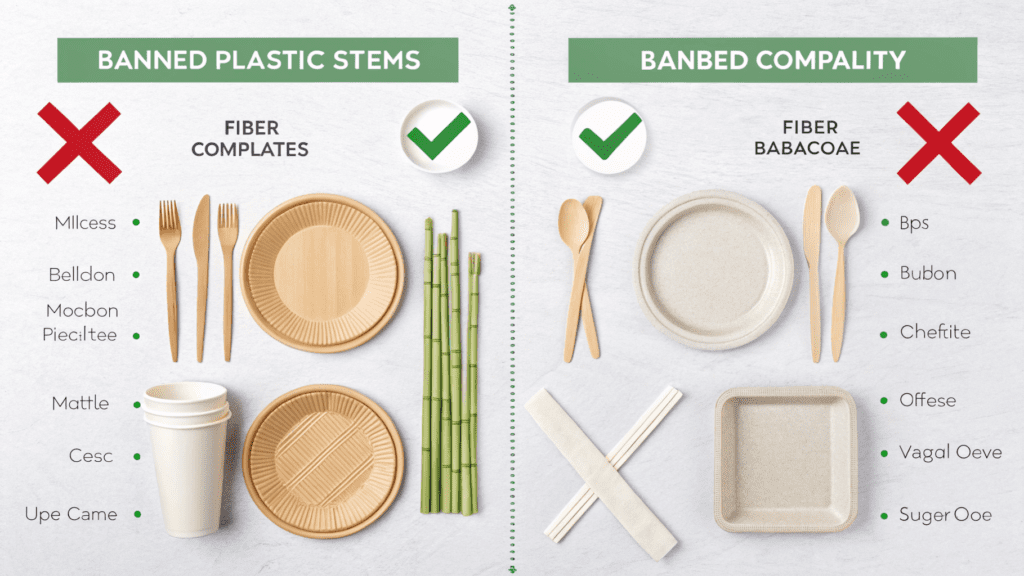
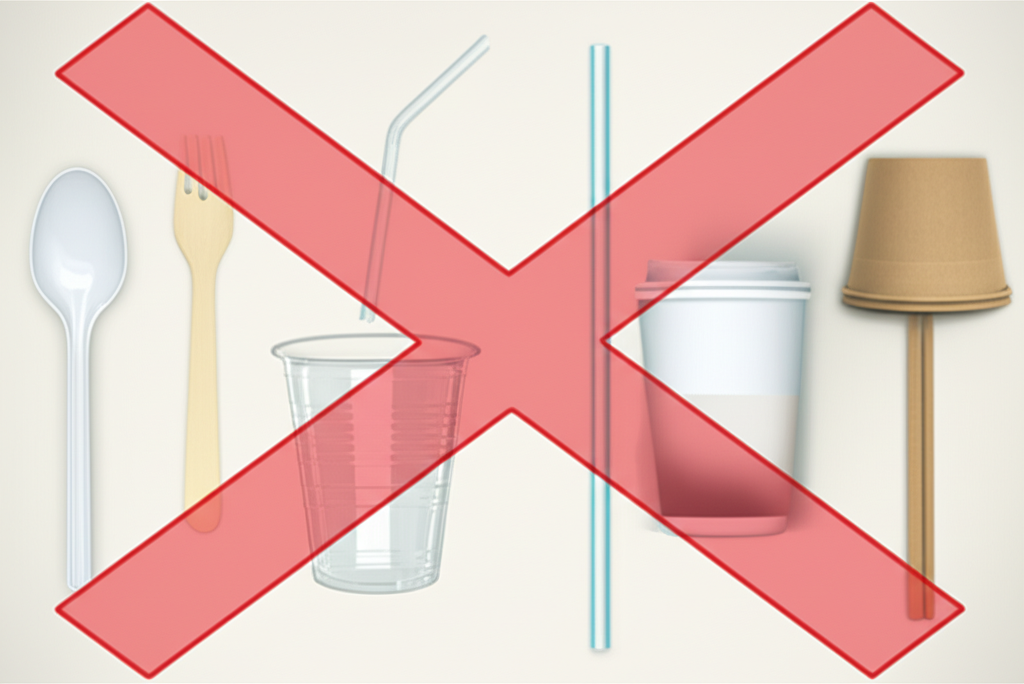
L’impatto più immediato sugli appalti nel settore della ristorazione è arrivato con il divieto assoluto di diversi articoli di plastica monouso comuni. Dal 3 luglio 2021, l'UE vieta l'immissione sul mercato di posate di plastica, piatti (anche quelli con rivestimento in plastica come PE e PLA), cannucce (con eccezioni per uso medico negli ospedali per pazienti non in grado di consumare autonomamente), agitatori per bevande, bastoncini cotonati, bastoncini per palloncini e contenitori per alimenti usa e getta in polistirolo espanso (EPS). Inoltre, tutti i prodotti realizzati in plastica oxo-degradabile sono universalmente vietati in tutta l’UE, riflettendo l’impegno verso alternative veramente sostenibili.
La Direttiva SUP si rivolge agli articoli in plastica ad alto impatto, richiedendo una chiara comprensione delle definizioni e dei divieti per la conformità del servizio di ristorazione.
Impatti diretti sugli appalti dei servizi di ristorazione: il passaggio ad alternative sostenibili
I divieti totali richiedono una transizione materiale immediata e decisiva per le imprese di servizi di ristorazione che operano all’interno dell’UE. I team di procurement devono abbandonare la plastica tradizionale verso una nuova generazione di alternative sostenibili.
Transizione materiale immediata
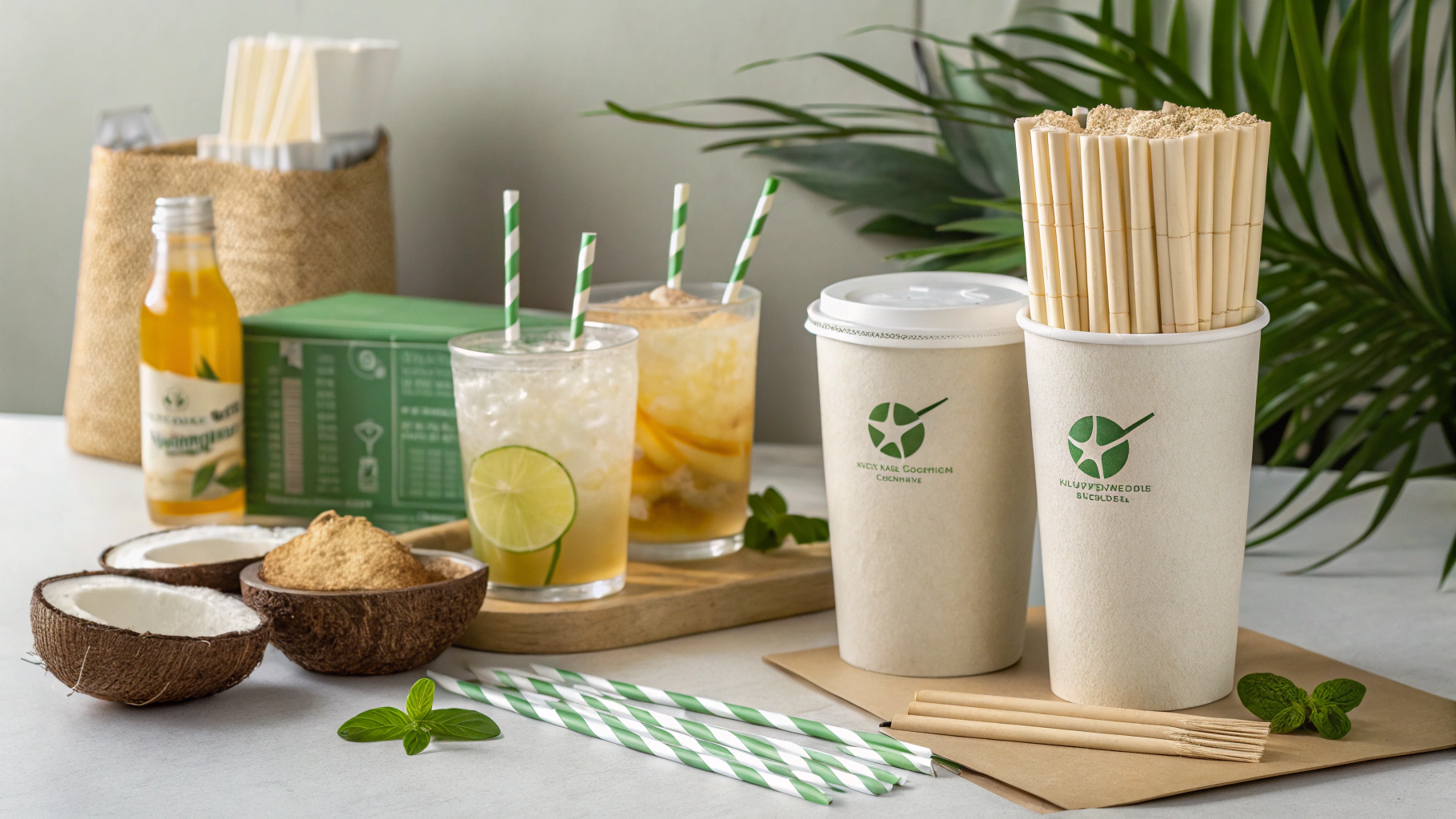
Le aziende ora acquistano articoli realizzati con materiali come carta non foderata, fibra modellata, bambù, buccia, bagassa/amido di mais e altri materiali di origine vegetale come foglie di palma o areca. Questo cambiamento non riguarda semplicemente la ricerca di un sostituto, ma l’integrazione di una nuova filosofia dei materiali nell’intera catena di fornitura. Ad esempio, considerando opzioni come innovativecannucce macinate di caffècan help businesses meet sustainability goals while offering unique customer experiences.

Reduction Targets for Consumption (from 2023)
Beyond outright bans, the directive mandates that Member States quantitatively reduce the consumption of single-use plastic cups and takeaway containers. From 2023 onwards, countries must implement these reduction targets, using 2022 consumption levels as a baseline, aiming for “measurable quantitative reduction” by 2026. This requires not just material substitution but also strategies for waste reduction and potentially, a move towards reusable systems.
PFAS and Chemical Restrictions (by August 2026)
Il panorama degli imballaggi alimentari è ulteriormente complicato dal nuovo regolamento sugli imballaggi e sui rifiuti di imballaggio (PPWR), che prende di mira le “sostanze chimiche per sempre”. Entro il 12 agosto 2026, questo regolamento proibirà le sostanze per- e polifluoroalchiliche (PFAS) negli imballaggi alimentari superiori a 25 parti per miliardo (ppb) per analisi PFAS mirate. Questo limite rigoroso richiede una revisione approfondita di tutti i rivestimenti barriera e dei materiali a contatto con gli alimenti, spingendo gli appalti verso soluzioni prive di PFAS per evitare rischi significativi di conformità.
Eliminazione della plastica per i prodotti agricoli (entro gennaio 2030)
The PPWR also extends its reach to fresh produce. From January 1, 2030, single-use plastic packaging for unprocessed, fresh fruits and vegetables weighing less than 1.5 kilograms (kg) will be prohibited, with limited exceptions for specific needs like mitigating water loss or microbiological hazards. This future ban requires foresight in agricultural supply chains and packaging development.
Foodservice procurement must transition to sustainable materials, meet reduction targets, and prepare for PFAS and produce plastic bans.
Evolving Compliance & Operational Shifts Under the EU Single-Use Plastics Directive
The SUPD’s influence extends beyond material composition, encompassing labeling, producer responsibility, and product design.
Mandatory Labeling Requirements (Since July 2022)
Transparency is key under the SUPD. Since July 2022, all disposable cups sold in the EU, even those with an aqueous lining, must carry a conspicuous, clearly legible, and indelible “Plastic in Product” or “Made of Plastic” turtle logo. This marking informs consumers about the plastic content, environmental impact, and proper disposal methods, directly influencing consumer perception and disposal behaviors.
Extended Producer Responsibility (EPR) Schemes (from December 31, 2024)
Il principio “chi inquina paga” è uno dei pilastri della SUPD. Dal 31 dicembre 2024, i produttori si assumeranno la responsabilità finanziaria della raccolta, del trasporto, del trattamento, della pulizia dei rifiuti e delle misure di sensibilizzazione per specifici articoli SUP, inclusi contenitori per alimenti, pacchetti, involucri, contenitori per bevande, tazze e sacchetti di plastica leggera. Questi schemi EPR alterano radicalmente la struttura dei costi degli imballaggi, rendendo le scelte di materiali sostenibili più attraenti dal punto di vista economico nel lungo termine.
Limiti allegati e obiettivi di contenuto riciclato (entro luglio 2024)
La direttiva affronta anche la progettazione del prodotto per promuovere la riciclabilità. A partire da luglio 2024, i tappi delle bottiglie di plastica e i coperchi dei contenitori per bevande fino a tre litri dovranno essere fissati sui contenitori, per evitare che diventino rifiuti separati. Inoltre, sono fissati obiettivi ambiziosi in termini di contenuto riciclato: le bottiglie in PET devono contenere almeno il 25% di plastica riciclata entro il 2025, aumentando al 30% per tutte le bottiglie di plastica entro il 2030. Ciò stimola la domanda di contenuto riciclato e rafforza l’economia circolare.
Obiettivi di raccolta aumentati
To support these recycling goals, the directive sets ambitious collection targets for plastic bottles: 77% by 2025 and an impressive 90% by 2029. Member States are implementing various strategies, including deposit return schemes, to achieve these rates. Germany’s deposit return system, for example, already boasts a remarkable 98% collection rate for plastic beverage bottles, demonstrating the effectiveness of such schemes.
SUPD mandates labeling, EPR schemes, attached caps, recycled content, and higher collection targets, reshaping foodservice operations.
Strategic Procurement for EU Single-Use Plastics Directive Compliance
Navigating these multifaceted regulations requires a strategic overhaul of procurement functions.
Supplier Re-evaluation and Sourcing
The immediate task for procurement teams is to identify and onboard suppliers offering genuinely compliant alternatives. This involves thorough vetting for certifications (e.g., industrial compostability standard EN 13432), material composition, and supply chain reliability. Businesses must ensure that alternatives, such assustainable boba straw alternatives, not only meet regulatory requirements but also satisfy operational demands and customer expectations.
Cost Implications of Transition
Sebbene i vantaggi a lungo termine derivanti dalla conformità siano evidenti, la transizione iniziale può presentare sfide in termini di costi. I prodotti biodegradabili o compostabili potrebbero inizialmente essere più costosi rispetto ai loro omologhi in plastica. Tuttavia, questi costi iniziali devono essere valutati rispetto ai rischi significativi di non conformità, alle potenziali sanzioni e ai risparmi a lungo termine derivanti dalla riduzione delle tariffe EPR e dal miglioramento del valore del marchio. Ad esempio, la Polonia ha già applicato tariffe aggiuntive sulla plastica monouso a partire da gennaio 2024 (ad esempio, 0,20 PLN per le tazze, 0,25 PLN per i contenitori per alimenti) per coprire la gestione dei rifiuti, illustrando l’impatto finanziario diretto della non conformità.
Ottimizzazione della logistica e dello stoccaggio
Shifting to lighter, more compact sustainable alternatives can offer unexpected benefits. These materials can reduce transport carbon footprint and optimize storage needs, leading to operational efficiencies and potential cost savings in warehousing and distribution. This optimization plays a crucial role in building a more agile and sustainable supply chain.
Mini Case Study: Xylomatrix’s PFAS-Free Innovation
A prime example of compliance-driven innovation comes from Xylomatrix, a company providing biodegradable cellulose fiber packaging. Their solutions offer crucial water and grease barriers without relying on harmful PFAS chemicals, directly addressing the upcoming PPWR restrictions. Such innovations highlight how businesses can not only comply but also lead the market with safer, more sustainable products, building trust and reputation. Many leading foodservice operators in Europe are already requiring certified compostable packaging, demonstrating a market-driven shift.
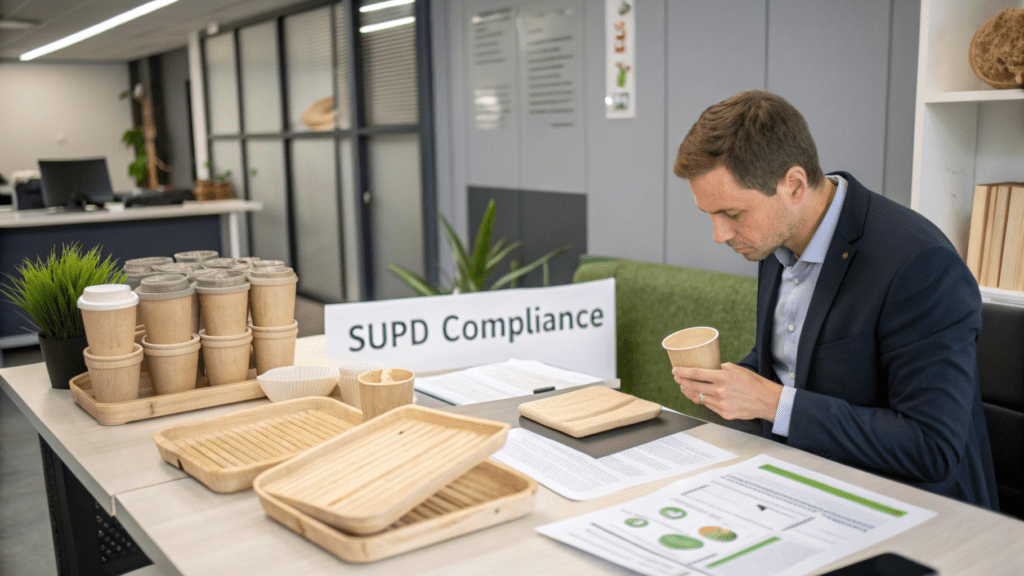
Comparison Table: Single-Use Plastics vs. Compliant Alternatives
| Caratteristica | Impatto operativo B2B | Nota di conformità | Potenziale ROI |
|---|---|---|---|
| Single-Use Plastic Cutlery (PS/PP) | High waste volume; ongoing disposal costs. | BannedEU-wide since July 2021 (Directive 2019/904/EU). | Negative: Risk of substantial fines, severe reputational damage, consumer backlash, market exclusion. |
| Molded Fiber Plates (Bagasse) | Requires new supplier relationships; potentially higher unit cost. | Compliantalternative, widely accepted in EU; often industrially compostable (EN 13432). | Positive: Enhanced brand image, meeting growing consumer and regulatory demand for sustainability, potential for reduced waste management costs (e.g., compostability), long-term operational stability by proactively avoiding future bans. Supports circular economy goals. |
| Single-Use Plastic Cups (PET/PP lined) | Consumption reduction targets; labeling requirements. | Reduction targetsfrom 2023; “Plastic in Product” label since July 2022. | Variable: Non-compliance risks (fines, public scrutiny); opportunity for cost savings via reduction initiatives; improved brand perception. Strategic shift to reusable options can yield significant long-term savings and stronger loyalty. |
| Reusable Container Systems | Investment in washing/sanitizing infrastructure; logistics for returns. | Mandatedfor on-site by 2030; takeaway options by February 2028 (with no extra charge). | High: Significant long-term cost savings by eliminating recurring purchase of disposables, strong sustainability leadership, improved customer loyalty, potential new revenue streams (deposit schemes), reduced reliance on fluctuating material costs. Drastically lowers environmental footprint and positions business as a market leader in sustainability. |
Strategic procurement involves re-evaluating suppliers, managing transition costs, optimizing logistics, and embracing innovative, compliant solutions.
Embracing Reusable Solutions & Future Outlook for Foodservice Procurement
The SUPD and subsequent regulations clearly signal a strong push towards reusable systems, emphasizing a shift from single-use material substitution to systemic change.
Future Bans in HORECA (by 2030)
The trajectory of regulation is clear: by 2030, single-use packaging will be prohibited for certain foods and beverages consumed on-site at hotels, restaurants, and catering establishments. This extends to individual portion containers, such as creamers, sugar packets, and condiment sachets. This impending ban requires foodservice operators to invest in reusable crockery, cutlery, and condiment dispensers.
Customer’s Own Container Option (by February 2027)
To foster a culture of reuse, foodservice establishments will be required, by February 2027, to offer and actively inform consumers about the option of bringing their own containers for takeout food and beverages, at no extra charge. This necessitates operational readiness to handle customer-provided containers hygienically and efficiently.
Mandatory Reusable Takeaway Options (by February 2028)
Complementing the “bring your own” initiative, businesses must, by February 2028, provide and inform consumers about a reusable takeaway container option, also at no extra charge. This could involve deposit-return schemes or subscription models, pushing procurement towards managing a fleet of durable, food-grade reusable containers.
National Adaptations and Fees
While the directive sets EU-wide standards, Member States retain some flexibility in implementation and can introduce additional measures. For example, countries like Spain aim for a 50% reduction in single-use plastic by 2026 and 70% by 2030 by weight, compared to 2022 data. Such national targets create a patchwork of regulations that procurement must navigate, highlighting the need for a pan-European strategy with local adaptability.
Driving a Circular Economy
The overarching goal of these regulations is to drive a truly circular economy for plastics. The EU Single-Use Plastics Directive is projected to yield substantial environmental benefits, including a reduction in greenhouse gas emissions by 2.63 million tonnes annually and a decrease in marine pollution from single-use plastics by 4,850 tonnes per year. This commitment to sustainability offers a powerful narrative for businesses to connect with environmentally conscious consumers and stakeholders.
The future of foodservice procurement lies in embracing reusable systems and adapting to national regulations to drive a circular economy.
Conclusion: Future-Proofing Foodservice Procurement
The EU Single-Use Plastics Directive, along with the subsequent Packaging and Packaging Waste Regulation, is not merely a collection of environmental regulations; it is a profound strategic shift that redefines operational excellence and competitive advantage for foodservice procurement. By proactively embracing sustainable alternatives, integrating robust reusable packaging systems, and adapting to evolving Extended Producer Responsibility schemes, businesses can unlock significant operational efficiencies, stabilize costs, and mitigate regulatory risks.
Beyond compliance, this transformation offers an unparalleled opportunity to enhance brand reputation, attract and retain customers, and secure a resilient, profitable future. Companies that demonstrate strong sustainability leadership will differentiate themselves in a crowded market, translating environmental responsibility into tangible business value and market share opportunity. Reducing reliance on fluctuating fossil plastic costs and optimizing logistics through lighter, more compact sustainable options or reusable systems can lead to substantial long-term cost savings.
Proactive compliance with EU SUPD future-proofs foodservice procurement, enhancing brand, profitability, and environmental legacy.
Act Now for a Sustainable Future
Review your current procurement strategies and align with the EU Single-Use Plastics Directive to build a resilient, compliant, and sustainable supply chain. Explore innovative solutions likecannucce macinate di caffèand othersustainable boba straw alternativesto lead the market. Don’t wait for the next regulatory deadline; transform your operations today to secure your competitive edge and environmental legacy. For comprehensive details on the directive, refer to theofficial EU information. You can also find valuable insights from industry experts atAranca on the directive’s implications. For a deeper dive into the broader regulatory landscape, consider exploring resources fromRethink Plastic Alliance.Contact Us for a Compliance Assessment