Maree mutevoli: perché le cannucce di plastica monouso non sono più sostenibili per le aziende
Il panorama delle imprese, in particolare nei settori dinamici della ristorazione e dell’ospitalità, sta subendo una profonda trasformazione. Quella che una volta era una comodità onnipresente – la cannuccia di plastica monouso – è ora un problema significativo. I governi di tutto il mondo stanno intensificando i divieti e le restrizioni sulla plastica monouso, comprese le cannucce, con importanti direttive dell’Unione Europea e varie azioni legislative in numerosi stati degli Stati Uniti. Questo contesto normativo in continua evoluzione richiede un perno fondamentale per le imprese: l’adozione di alternative sostenibili non è più solo un’aspirazione ambientale ma un requisito fondamentale per la conformità e la continuità operativa.
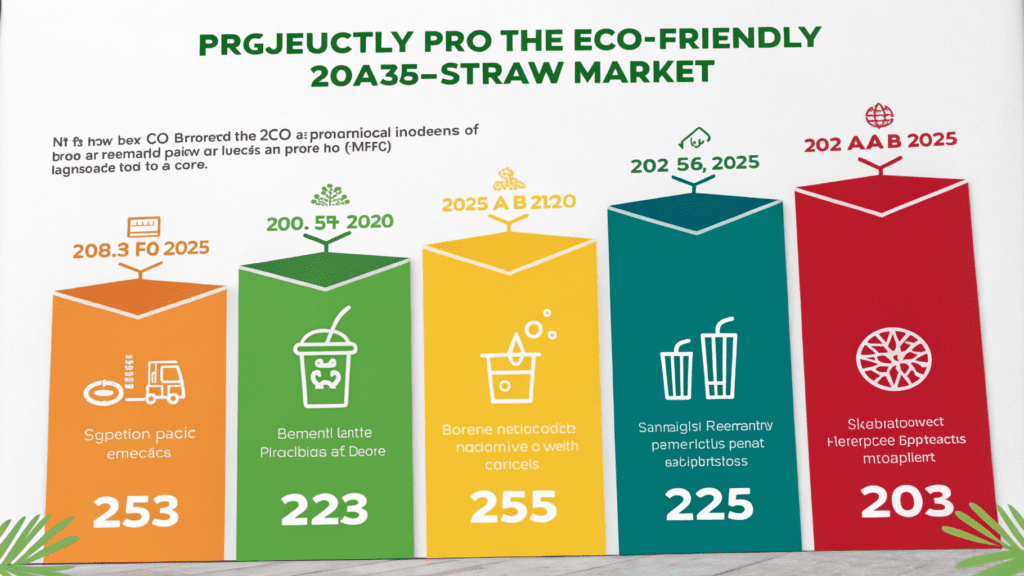
Questo imperativo svela anche un’enorme opportunità di mercato. Si prevede che il mercato globale delle cannucce ecologiche, valutato a circa 12,3 miliardi di dollari nel 2025, quasi raddoppierà fino a raggiungere i 25,1 miliardi di dollari entro il 2035, dimostrando un robusto tasso di crescita annuale composto (CAGR) del 7,3%. Questa significativa traiettoria di crescita segnala chiaramente un cambiamento definitivo del mercato e un’ottima opportunità per i primi utilizzatori di assicurarsi la leadership di mercato e un vantaggio competitivo. Al di là della semplice conformità, l’adozione di soluzioni di paglia sostenibili aumenta direttamente la reputazione del marchio e favorisce la fiducia dei consumatori. Dato che circa l'80% dei consumatori preferisce attivamente prodotti ecologici, il passaggio alle cannucce naturali è un percorso diretto per migliorare l'immagine del marchio, attirando un segmento crescente di consumatori attenti all'ambiente e differenziando la tua attività in un mercato affollato.

Dall'inquinamento al progresso: l'imperativo per le soluzioni con paglia naturale
Il costo reale delle cannucce di plastica va ben oltre il prezzo di acquisto iniziale. Questi articoli monouso, realizzati principalmente in polipropilene (PP), un sottoprodotto del petrolio, rappresentano un grave onere ambientale. Non sono biodegradabili, persistono per oltre 200 anni e si scompongono in un pervasivo inquinamento microplastico che si infiltra nel nostro suolo, nell’acqua e persino negli ecosistemi marini. Il danno devastante alla vita marina, che spesso ingerisce questi frammenti, si traduce in significativi rischi aziendali: pubbliche relazioni negative, potenziali sanzioni normative e diminuzione della fedeltà dei consumatori in una società sempre più eco-consapevole.
Tuttavia, il concetto di un tubo per bere naturale è tutt’altro che nuovo. La nostra attuale transizione verso materiali sostenibili è, per molti versi, un’evoluzione sofisticata di pratiche storiche. Tracciando le radici delle cannucce si scopre che gli antichi mesopotamici e gli asiatici orientali utilizzavano canne cave e bambù per sorseggiare bevande intorno al 3000 a.C. Il 19° secolo vide l'uso diffuso di cannucce di segale, sebbene queste avessero i loro limiti, spesso conferendo un sapore erboso indesiderato o disintegrandosi rapidamente. Fu l’innovazione della cannuccia di carta di Marvin Stone nel 1888 a segnare un passo significativo verso una soluzione prodotta, ma ancora a base vegetale. Oggi, questo lignaggio storico culmina in una moderna rivisitazione delle soluzioni a base vegetale, guidata dai progressi tecnologici e dall’urgenza ecologica. Per un approfondimento sulle pratiche aziendali sostenibili, scopri comemomoio.com/sustainability-solutionspuò aiutare.
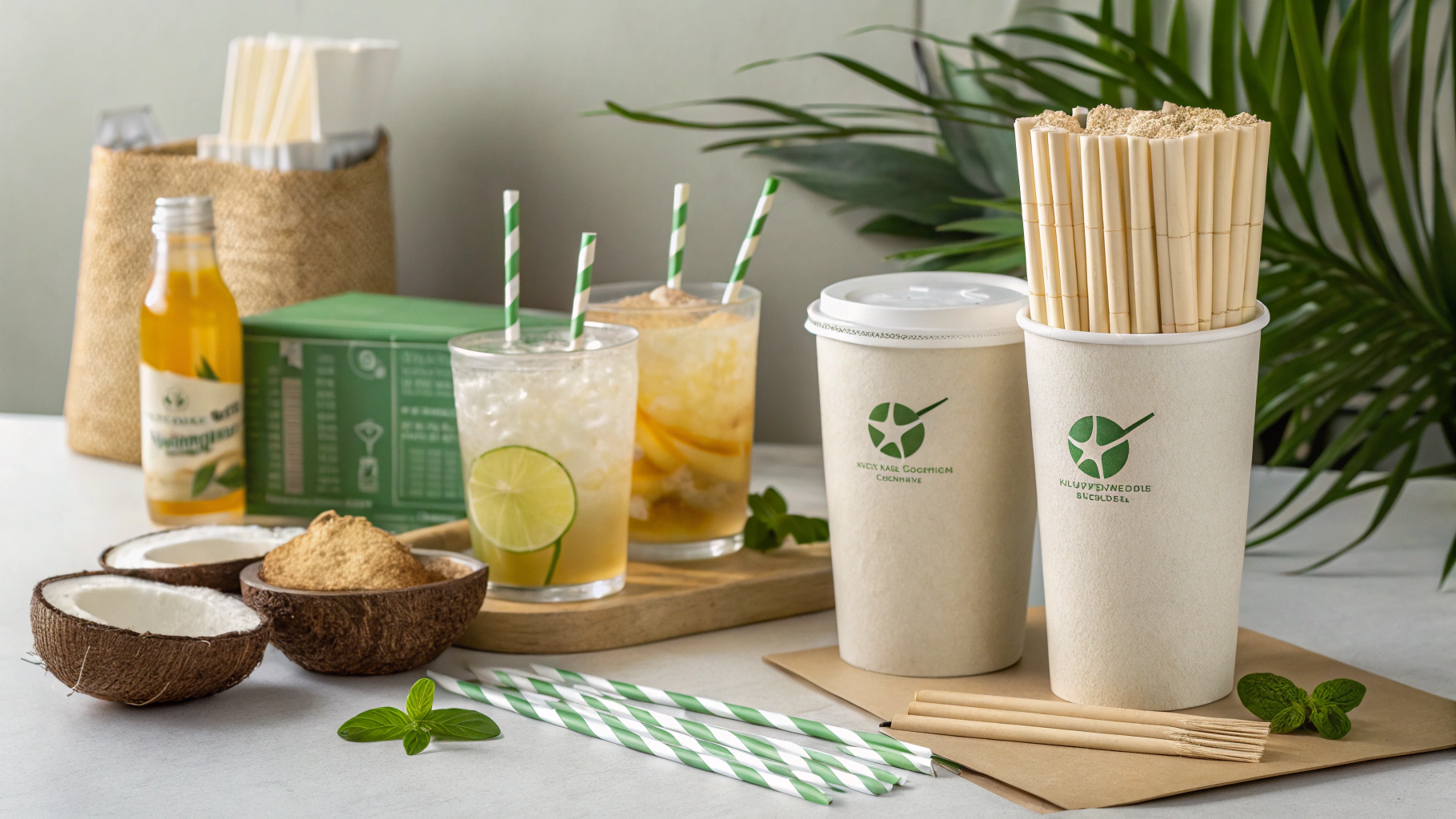
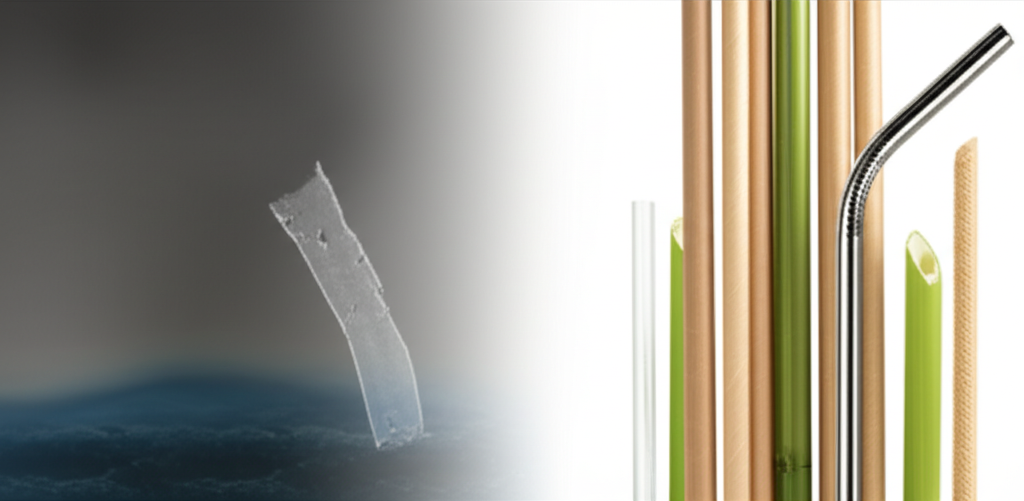
Il variegato mondo delle cannucce ecologiche mette ora in mostra un ampio spettro di materiali naturali e sostenibili all'avanguardia dell'innovazione. Ciò include carta avanzata (in particolare kraft vergine, apprezzata per la sua purezza e resistenza), bambù durevole, acido polilattico (PLA) derivato da amidi vegetali e opzioni riutilizzabili di metallo e vetro. Inoltre, stanno entrando nel mercato alternative vegetali all’avanguardia come riso, alghe, amido di mais, pasta e grano, che offrono proprietà uniche come la commestibilità. I continui sforzi di ricerca e sviluppo sono fortemente concentrati sul miglioramento della durabilità, sul miglioramento della resistenza all'acqua attraverso rivestimenti avanzati (come le opzioni senza PFAS) e sulla riduzione dei costi di produzione per soddisfare le esigenti esigenze B2B, garantendo una qualità senza compromessi.
Vantaggi strategici: perché i materiali naturali hanno prestazioni migliori per il tuo business
L’adozione di soluzioni basate sulla paglia naturale offre vantaggi strategici significativi, andando oltre la semplice conformità per promuovere la vera eccellenza operativa e la resilienza della catena di fornitura. Diversificare la catena di approvvigionamento della paglia con molteplici opzioni di materiali naturali riduce la dipendenza dalla plastica tradizionale da un’unica fonte, mitigando le interruzioni della fornitura e la volatilità dei prezzi che sono diventate sempre più comuni. Inoltre, i vantaggi operativi a lungo termine includono la riduzione dei costi di gestione dei rifiuti, una più semplice adesione a normative ambientali sempre più complesse e un chiaro percorso verso un’economia più circolare. Per un approvvigionamento B2B semplificato di prodotti ecologici, prendi in considerazione piattaforme comemomoio.com/b2b-sourcing.
Scegliere la cannuccia sostenibile giusta per la tua attività richiede una comprensione approfondita delle opzioni disponibili. Ecco un’analisi comparativa dei principali materiali di paglia naturale, delineandone i vantaggi specifici B2B, i casi d’uso ideali e le considerazioni chiave:
| Carta (Kraft vergine) | Elevata purezza, resistenza superiore, biodegradabile. Eccellente per QSR, bar. Si prevede che il mercato raggiungerà i 6,17 miliardi di dollari entro il 2030 (CAGR del 15,6%). | Fare attenzione all'umidità se non adeguatamente rivestito; verificare la certificazione esente da PFAS. |
| Bambù | Riutilizzabile, estetica naturale, leggero, privo di sostanze chimiche. Preferito in regioni rigorose anti-plastica (ad esempio, alcuni paesi dell'UE). | Richiede pulizia per il riutilizzo; può assorbire liquidi in caso di uso prolungato. Il mercato della paglia di bambù raggiungerà i 320,1 milioni di dollari entro il 2035 (7,8% CAGR). |
| PLA (bioplastica di origine vegetale) | Compostabile, assomiglia alla plastica tradizionale, adatta a diametri più ampi (frullati, bubble tea). | Richiede impianti di compostaggio industriale; può ammorbidirsi alle alte temperature. Spesso accusati di “greenwashing” se non adeguatamente smaltiti. |
| Bagassa di canna da zucchero | Robusto, duraturo, biodegradabile. Realizzato con fibre di scarto riciclate dalla canna da zucchero. | Relativamente nuovo sul mercato; l’adozione più ampia è in aumento. |
| Riutilizzabile (acciaio inossidabile/vetro) | Soluzione altamente durevole, a lungo termine, non tossica. Ideale per strutture premium ed eco-consapevoli (ad esempio ristoranti di fascia alta, hotel). | Richiede lavaggio e igienizzazione; può essere pericoloso se utilizzato mentre si cammina (metallo/vetro); potenziale conduttività termica. |
| Cannucce di riso/pasta/grano | Commestibile (riso/pasta), completamente biodegradabile, esperienza di consumo unica. | Può alterare leggermente il gusto; incline a inzupparsi (pasta); costo più elevato; casi d'uso specifici. |
| PHA (poliidrossialcanoato) | Biodegradabile in ambiente marino (si decompone in 58 giorni in ambienti controllati), assomiglia alla plastica, resiste alle alte temperature. Approvato dalla FDA. | Tecnologia più recente, costi potenzialmente più elevati; catena di fornitura ancora in via di sviluppo. |
È fondamentale affrontare le preoccupazioni comuni associate alle prime versioni di paglia naturale, come l’inzuppamento o l’alterazione del gusto. Le innovazioni moderne hanno ampiamente superato questi ostacoli. La disponibilità di soluzioni avanzate come cannucce di carta prive di PFAS e cannucce PHA biodegradabili in ambiente marino garantisce sia la sicurezza del consumatore che un'esperienza utente superiore. Per le aziende che affrontano queste scelte, una guida esperta sulle soluzioni di imballaggio sostenibili, come quelle offerte sumomoio.com/sustainable-packaging, can be invaluable.
Proactively adopting these sustainable alternatives positions your business as an industry leader. North America and Europe, driven by stringent regulations and high consumer awareness, are significant markets for these innovations. For example, the paper straw market alone is projected to reach USD 6.17 billion by 2030 (15.6% CAGR), and the bamboo straw market to USD 320.1 million by 2035 (7.8% CAGR). This forward-thinking approach not only attracts the growing eco-conscious customer base but can also lead to significant cost savings through reduced environmental footprints and avoidance of potential regulatory fines. To understand the latest regulatory shifts impacting your business, refer to the European Union’s Single-Use Plastics Directive atec.europa.eu. For market data and trends in eco-friendly products, reputable sources such asfuturemarketinsights.comoffer comprehensive insights.

Embrace the Future: Your Next Step Towards Sustainable Operations
The global pivot away from single-use plastics towards natural material straws is undeniable and accelerating. Governments, consumers, and businesses worldwide are recognizing the urgent need for change. Adapting to this irreversible shift is not just an option but a strategic imperative for businesses aiming for long-term relevance and competitive advantage in a sustainability-driven market. Those who delay risk falling behind.
I vantaggi di questa transizione sono convincenti e sfaccettati: miglioramento dell’immagine del marchio, garanzia della conformità normativa, ottimizzazione dell’efficienza operativa riducendo gli sprechi ed evitando multe e acquisizione di una quota significativa del mercato eco-consapevole in rapida crescita. Investire in materiali naturali è un passo fondamentale per rendere la tua attività a prova di futuro e garantire un futuro più redditizio e sostenibile. Tieniti informato sugli sforzi e sulle soluzioni globali contro l'inquinamento da plastica visitando il sitoourworldindata.org.