I. Consapevolezza: il business case urgente per abbandonare le cannucce di plastica
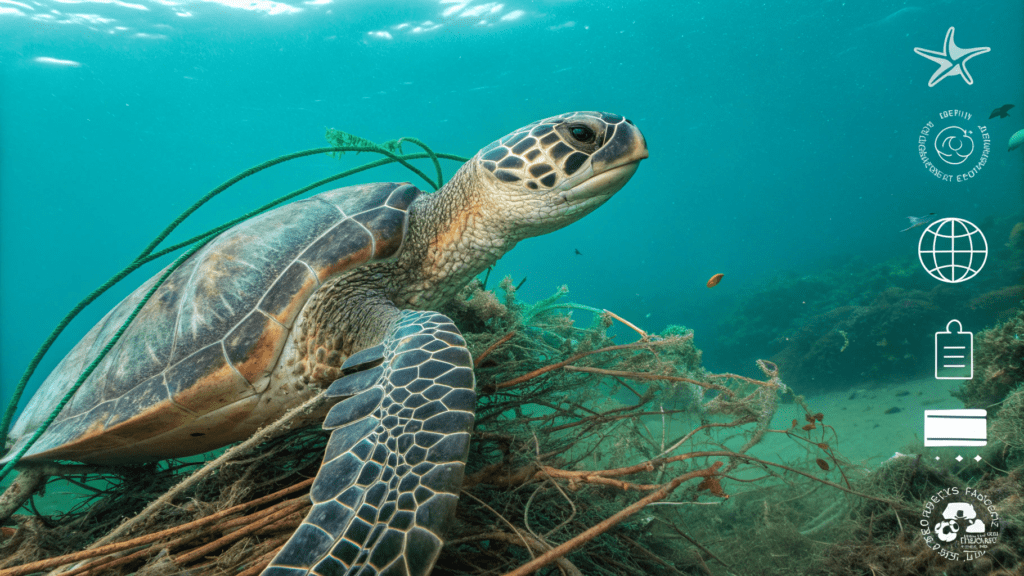
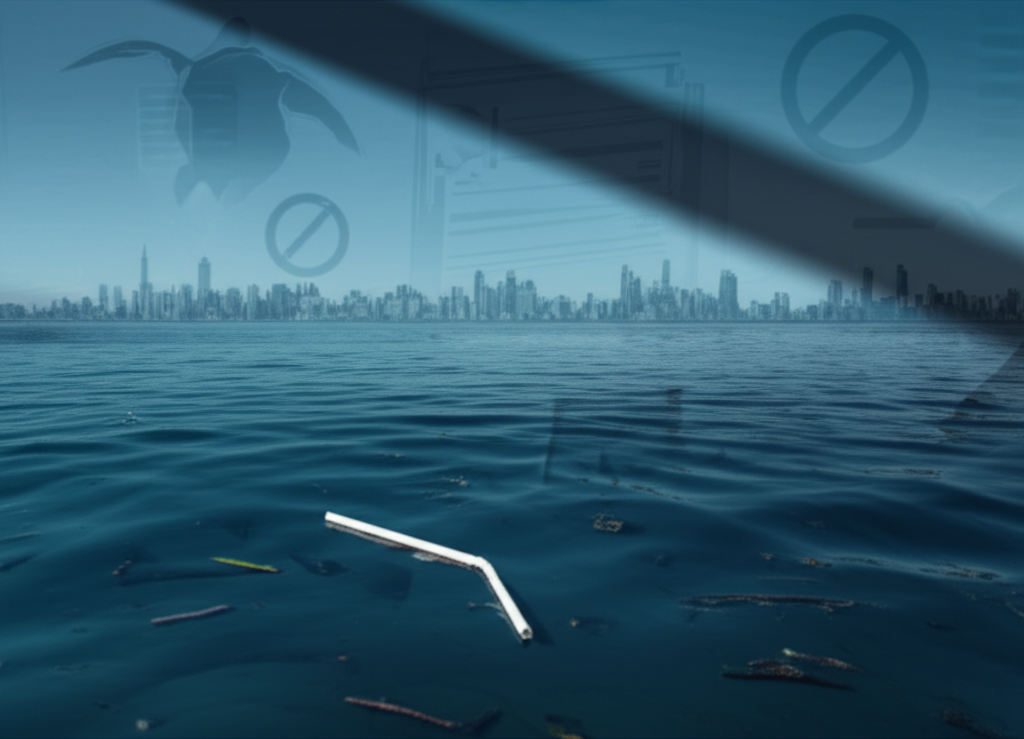
Per decenni, l’umile cannuccia è rimasta un ripensamento, una comodità onnipresente nel settore della ristorazione. Eppure, questo oggetto apparentemente innocuo, spesso realizzato in plastica monouso, è diventato un potente simbolo dell’inquinamento globale. Sebbene di piccole dimensioni, l’enorme volume di cannucce di plastica utilizzate quotidianamente contribuisce in modo significativo a una crisi ambientale, rimanendo negli oceani e nelle discariche per centinaia di anni. Queste plastiche non scompaiono semplicemente; si decompongono in microplastiche dannose, ponendo gravi minacce alla vita marina e, sempre più, sollevando preoccupazioni per la salute umana. Il famigerato video del 2015 di una tartaruga marina con una cannuccia di plastica incastrata nella narice, visto da milioni di persone, ha acceso una forte consapevolezza pubblica, cambiando drasticamente il sentimento dei consumatori.
Questo problema pervasivo è andato oltre la difesa dell’ambiente per diventare un ticchettio per le aziende di tutto il mondo. I governi, spinti dalla protesta pubblica e dalle prove scientifiche, hanno avviato diffusi divieti e restrizioni che hanno un impatto diretto sulle operazioni commerciali. Dalle città pionieristiche come Seattle e Washington D.C. agli stati come la California e il New Jersey negli Stati Uniti, fino alle direttive globali in tutta l’Unione Europea, l’azione legislativa sta costringendo le aziende a trovare alternative sostenibili. Ignorare questa tendenza non è più un’opzione; La continua dipendenza dalle cannucce di plastica rischia non solo di danneggiare la reputazione, ma anche di allontanare un segmento crescente di clienti attenti all’ambiente che ora vedono le aziende che utilizzano la plastica in modo meno favorevole. Abbracciare pratiche sostenibili non è più una scelta di nicchia; è un imperativo tradizionale per l’integrità del marchio e la rilevanza del mercato.
II. Interesse: esplorare il panorama delle soluzioni ecocompatibili
La sfida per le aziende va ben oltre la semplice conformità alle normative in evoluzione. L’inazione sull’utilizzo della cannuccia di plastica può portare a significativi rischi reputazionali, potenziali sanzioni legali e, soprattutto, opportunità mancate per attrarre e trattenere la fascia demografica in rapida espansione di clienti eco-consapevoli. Il mercato richiede chiaramente un cambiamento e, per qualsiasi azienda lungimirante, restare fermi non è più un’opzione.
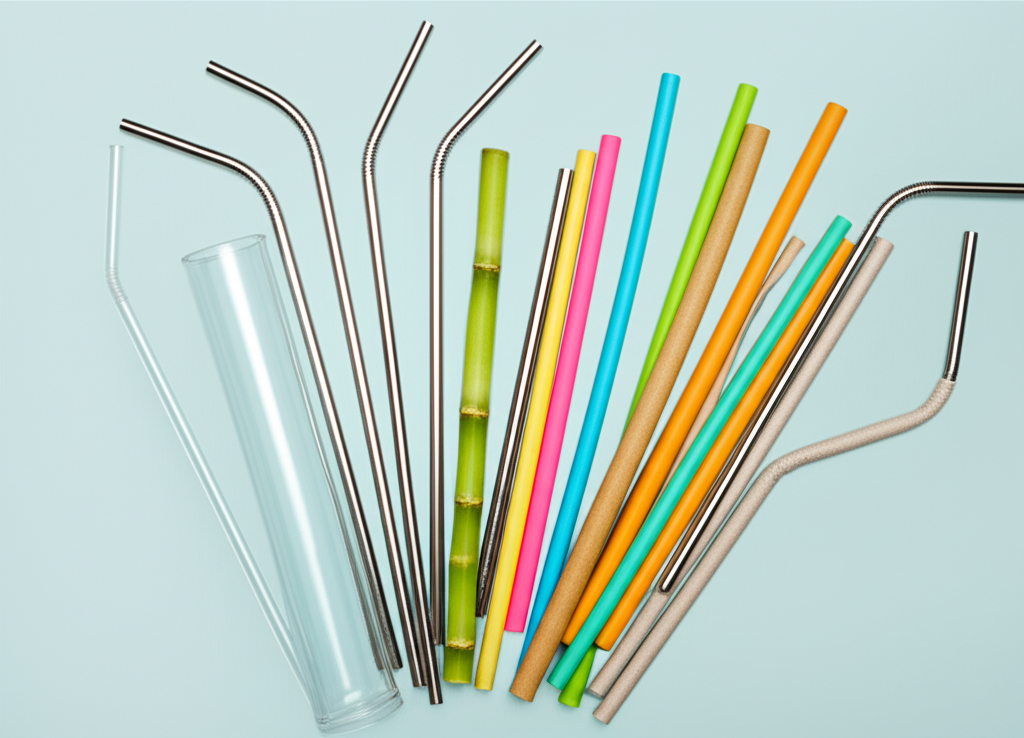
La buona notizia è che l’innovazione ha prodotto una vasta gamma di alternative ecologiche alla cannuccia, andando ben oltre le rudimentali cannucce di carta del passato. Queste soluzioni rientrano sostanzialmente in due categorie strategiche: cannucce ecologiche usa e getta, realizzate con materiali vegetali rapidamente rinnovabili progettati per biodegradarsi, e cannucce ecologiche riutilizzabili, opzioni durevoli progettate per un uso a lungo termine, riducendo significativamente i rifiuti complessivi.
The eco-friendly straw market is currently undergoing a transformative boom. It was estimated at approximately USD 12.3 billion in 2025 and is projected to nearly double, reaching USD 25.1 billion by 2035, demonstrating a robust compound annual growth rate (CAGR) of 7.3%. This surge is not merely a passing trend; it is fueled by a confluence of powerful drivers: increasingly stringent governmental regulations like the EU’s Single-Use Plastics Directive and various US state bans, rising global environmental awareness among both consumers and businesses, a significant shift in consumer preferences (with an estimated 70% preferring eco-friendly options), and a strong corporate social responsibility (CSR) imperative pushing companies towards sustainable procurement. To explore how your business can leverage this market shift, consider reviewing comprehensive sustainable packaging solutions.
III. Unlocking the Benefits & Choosing the Right Sustainable Partner
Adopting eco-friendly straws is more than just compliance; it’s a powerful strategic move that can fundamentally enhance your brand’s market position. By making this intelligent switch, businesses can significantly improve their brand image, attract and retain a loyal customer base, meet evolving regulatory requirements, and actively contribute to a circular economy model. This commitment resonates deeply with modern consumers, particularly with younger generations like Gen Z, who prioritize ethical consumption and transparency.
To help you navigate the myriad options, here’s a comparison of leading eco-friendly straw choices, tailored for B2B considerations:
| Tipo di paglia | Fonte materiale | Pros | Cons | Best For B2B Use Cases |
|---|---|---|---|---|
| Cannucce di carta | Wood pulp (renewable) | Biodegradable, compostable (if not coated with plastic), widely available, customizable, decomposes in weeks. | Can get soggy quickly (10-15 min), unpleasant papery taste/texture, generally more expensive than plastic, common presence of “forever chemicals” (PFAS) linked to health problems and environmental persistence, may not be accepted by all recycling facilities due to food contamination. | High-volume, single-use environments (cafes, quick-service restaurants, events) where quick disposal is key and a biodegradable option is preferred. |
| PLA (bioplastica) | Cornstarch, sugarcane | Mimics plastic feel/durability, generally biodegradable/compostable, lower environmental impact than petroleum plastics. | Requires specific industrial composting facilities to break down effectively (not home compostable), can take as long as plastic to decompose in landfills/natural environments, contaminates standard recycling streams, brittle, concerns about “greenwashing” due to disposal requirements, relies on agricultural resources (land/water use). | Quick-service restaurants, delis, and cafeterias where a plastic-like feel is desired and where access to commercial composting infrastructure is reliable. |
| PHA (bioplastica) | Vegetable oils, sugar | Biodegradable, compostable, marine-degradable (breaks down in weeks), similar functionality to plastic, sturdy, doesn’t contain PFAS. | Still an emerging material, potentially higher production costs due to newer technology, less widely available than PLA. | Forward-thinking businesses prioritizing complete biodegradability (including in marine environments), eco-luxury brands, companies with robust CSR commitments. |
| Sugarcane/Agave Straws | Agricultural by-products | Sturdy, significantly resist sogginess, biodegradable, certified compostable (some OK Home Compostable), made from agricultural waste, can be used for hot beverages. | Can be more expensive than paper or conventional plastic, some versions may contain PLA as a binder. | Restaurants, corporate offices, catering requiring durable, reliable disposable options that perform well in various drinks. |
| Rice/Wheat/Grass Straws | Agricultural by-products | Fully natural, biodegradable, compostable, edible (rice straws), gluten-free (wheat straws), repurposes agricultural waste, low environmental impact. | Primarily single-use (wheat/grass), can be less durable than bioplastics, may soften quicker in hot liquids (rice), wheat straws are generally only for cold drinks, some bamboo/wheat/grass straws found to contain PFAS. | Eco-conscious establishments, farm-to-table restaurants, specialty cafes, event catering. |
| Bamboo (Reusable) | Bamboo stalks | Reusable, biodegradable, compostable, naturally antimicrobial, unique natural aesthetic, low carbon footprint from rapid growth. | Shorter lifespan (up to a year) than other reusables, can be difficult to clean due to natural variations, may impart a slight “earthy” taste, some found to contain PFAS, not typically dishwasher safe. | Eco-boutiques, natural product cafes, individual employee use, corporate gifting with a strong natural/sustainable theme. |
| Stainless Steel (Reusable) | Acciaio inossidabile | Extremely durable, reusable for many years, 100% recyclable, stain/oxidation-resistant, heat-resistant, no metallic taste from high-quality options, no PFAS. | Can conduct heat/cold quickly (risk of lip burn/discomfort), poses a risk of injury (chipped teeth) if used carelessly, high initial production impact (needs ~37 uses to offset a single plastic straw), requires cleaning brush. | Corporate cafeterias, employee benefits programs, high-end restaurants for dine-in service, where durability and reusability are paramount. |
| Glass (Reusable) | Borosilicate glass | Reusable, durable (chip-resistant), dishwasher safe, non-toxic, does not impart any taste, aesthetic appeal, transparency allows for easy cleaning verification, more sustainable than metal (needs ~23 uses to offset plastic). | Breakable if dropped (though made from sturdy glass), not ideal for young children due to breakage risk, not all glass types are recyclable, requires careful handling. | Upscale dining, bars, juice bars where aesthetics, taste purity, and transparency are paramount. |
| Silicone (Reusable) | Food-grade silicone | Flexible, very durable, reusable, dishwasher safe, child-friendly (soft and chewy), temperature-resistant, bite-resistant, can be cut to length. | Not biodegradable, rarely recycled in municipal programs, can attract dust/lint, may be difficult to clean thoroughly due to flexibility, some reports of slight taste retention. | Child-friendly establishments, casual dining, accessible options for individuals requiring flexible straws, healthcare settings. |
The global eco-friendly straw market is flourishing, driven by both consumer demand (with 80% of consumers preferring eco-friendly products) and stringent regulatory pressures in regions like the US and Europe. This isn’t a fleeting trend; it represents a fundamental shift in consumer values and business expectations. Technological advancements are continually addressing previous durability concerns, with new water-resistant coatings and advanced materials like seaweed-based and PHA straws enhancing performance for both hot and cold beverages. Production efficiency is also improving, leading to more competitive pricing over time.
While challenges like higher production costs and the concerning presence of PFAS in some “eco-friendly” options (particularly paper and bamboo) remain, ongoing research and development aim to resolve these. The limited industrial composting infrastructure for bioplastics is a significant hurdle, especially in the US compared to parts of Europe, requiring broader systemic change for these materials to fulfill their environmental promise. Ultimately, businesses that genuinely integrate sustainable practices and transparently communicate their efforts will build stronger brand loyalty, especially with the ethically driven younger generations. Learn more about effective brand communication for sustainable products onwww.momoio.com.

IV. Partnering for a Sustainable Future
The time to adapt to evolving environmental standards and consumer expectations is now. Don’t just adapt to regulations; seize the opportunity to lead the way in sustainability within your industry. Choosing the right eco-friendly straw solution is a tangible, impactful step towards a greener, more responsible business operation that resonates with today’s conscious consumer.
Your Next Steps:
- Assess Your Needs: Understand your specific business requirements, including daily volume, types of beverages served, local disposal infrastructure, and your target audience’s preferences, to identify the most suitable eco-friendly straw types.
- Scarica la nostra guida completa: For in-depth insights into material properties, biodegradability certifications, and a detailed cost-benefit analysis, access our free guide.
- Consult Our Sustainability Experts: Schedule a free, personalized consultation with our team. We can discuss tailored solutions that perfectly align with your brand values, operational demands, and sustainability goals. For further reading, explore insights on the latest biodegradable straw innovations.
- Request a Sample Kit: Experience the quality, feel, and performance of various eco-friendly straw options firsthand before making a commitment. See for yourself why companies like Starbucks and McDonald’s made the switch.
Connect with Us:
Ready to elevate your brand’s sustainability profile and meet the demands of today’s conscious consumer? Visit our product catalog atmomoio.com/productsor contact our dedicated sales team to explore our certified compostable and reusable straw solutions and take the definitive step towards a greener business.
Watch Our Video Summary
A concise overview of the B2B guide to sustainable drinking straws.
Responsive Design Showcase
This webpage is designed to adapt seamlessly to various screen sizes, from large desktops to tablets and mobile phones. Observe how the layout, text, and images adjust to provide an optimal viewing experience on any device.