Nell’intricato mondo delle catene di fornitura e degli approvvigionamenti globali, pochi articoli sembrano innocui come l’umile cannuccia di plastica. Eppure, questa comodità onnipresente è diventata il simbolo di una colossale sfida ambientale, che porta con sé un debito non dichiarato che le imprese non possono più permettersi di ignorare. Per i responsabili degli approvvigionamenti, i direttori delle operazioni, i responsabili della sostenibilità e i dirigenti della catena di fornitura, comprendere il vero ciclo di vita delle cannucce di plastica non è solo una questione ambientale; è un imperativo operativo fondamentale che incide sulla conformità, sulla reputazione del marchio e sulla sostenibilità finanziaria a lungo termine. La verità allarmante è che le tradizionali cannucce di plastica non si decompongono veramente; invece, persistono, frantumandosi in frammenti insidiosi che si infiltrano nei sistemi più vitali del nostro pianeta.
Il nocciolo del problema risiede nella natura stessa della plastica. Realizzate principalmente in polipropilene (plastica n. 5), un sottoprodotto durevole del petrolio, le cannucce di plastica sono progettate per la longevità, non per la biodegradabilità. Ciò significa che possono volerci fino a 200 anni prima che inizino a degradarsi e, anche in quel caso, non ritornano ai componenti naturali. Ciò che avviene è un processo di fotodegradazione e frammentazione, che produce pezzi sempre più piccoli noti come microplastiche. Queste particelle microscopiche, di dimensioni inferiori a 5 mm, sono contaminanti pervasivi, che si infiltrano nel suolo, nell’acqua e nell’aria, rappresentando una minaccia significativa per gli ecosistemi e, sempre più, per la salute umana. Entrano nella catena alimentare, si accumulano nella fauna selvatica e ora sono rilevabili in circa l’80% del sangue umano.
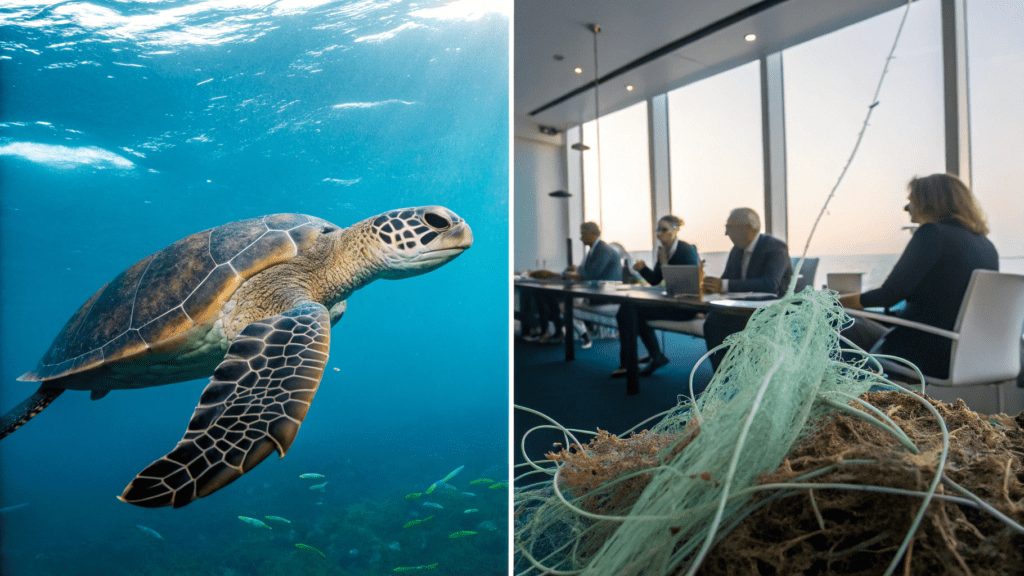
This unseen journey often begins with disposal. Despite being technically recyclable, plastic straws are rarely recycled in conventional curbside programs due to their small size, which causes them to fall through recycling machinery and contaminate other recyclable streams. Consequently, at least 97% of properly disposed plastic straws end up in landfills or are incinerated, or worse, they escape into natural environments. An estimated 8.3 billion plastic straws pollute the world’s beaches, contributing to the 8 million tons of plastic flowing into the ocean annually. Their lightweight nature makes them easily carried by wind and water, leading to widespread littering and posing severe threats to marine life, including sea turtles, seabirds, and mammals, which mistake them for food, leading to ingestion, entanglement, and often, death. The commercial impact is stark: businesses that fail to acknowledge this persistent problem face not only potential regulatory penalties but also significant blows to their public image and consumer trust.
The shifting tides of public awareness and regulatory mandates are creating an urgent imperative for businesses to re-evaluate their reliance on single-use plastics. Beyond the visible pollution, plastic straws carry a silent health risk. They can leach chemical compounds such as BPA (Bisphenol A) and PFAS (per- and polyfluoroalkyl substances) into beverages, particularly hot drinks. These “forever chemicals” and endocrine disruptors have been linked to potential hormonal disruption, increased cancer risk, and impaired immune function. The ingestion of microplastics from fragmented straws also raises ongoing concerns about human health implications.
A livello globale, una formidabile ondata di pressione normativa sta costringendo le aziende ad adattarsi. La Direttiva sulla plastica monouso dell’Unione Europea, ad esempio, impone il divieto di alcuni prodotti di plastica monouso, comprese le cannucce, entro luglio 2021 e promuove fortemente alternative sostenibili. Negli Stati Uniti, città come Seattle e stati come la California hanno implementato i propri divieti o politiche di “paglia su richiesta”. Questo panorama normativo non rappresenta una minaccia lontana ma una sfida operativa immediata per i dirigenti della catena di fornitura e i team di approvvigionamento, che richiede l’approvvigionamento proattivo di alternative conformi. Il catalizzatore di questa diffusa azione legislativa e del controllo pubblico è stato profondamente influenzato da momenti virali, in particolare dallo straziante video del 2015 di una cannuccia di plastica rimossa dalla narice di una tartaruga marina, che ha galvanizzato il movimento anti-paglia di plastica in tutto il mondo. Questo evento ha influenzato in modo significativo l’evoluzione delle aspettative dei consumatori; un sondaggio Oceana del febbraio 2025 negli Stati Uniti ha mostrato che l’81% degli elettori sostiene le politiche per ridurre la produzione di plastica, compresa la plastica monouso e gli articoli alimentari. I marchi che ignorano questo cambiamento rischiano di alienare un segmento crescente di consumatori attenti all’ambiente, influenzando le decisioni di acquisto e la quota di mercato.
However, the conversation around plastic straw bans is not without its complexities, particularly concerning accessibility. For many individuals with disabilities, chronic illnesses, or mobility issues, bendable plastic straws are not a mere convenience but an essential tool for safe, independent drinking. Current alternatives often fall short, with paper straws becoming soggy and posing choking hazards, and rigid metal or glass straws presenting injury risks for those with tremors or involuntary movements. Silicone straws may lack the necessary flexibility. This critical nuance means that while businesses strive for sustainability, they must also ensure inclusivity, adopting solutions that cater to universal design principles. For operations directors, this necessitates a balanced approach, considering options like offering plastic straws upon request for those who need them, while transitioning to sustainable alternatives for general use. The UK’s Equality Act (2010) underscores the legal implications, protecting people with disabilities from discrimination due to inaccessible goods and services.

Embracing sustainable alternatives is no longer just about compliance or mitigating risk; it’s a strategic pathway to business growth and enhanced brand value. The global eco-friendly straw market is booming, projected to nearly double from an estimated $12.3 billion in 2025 to $25.1 billion by 2035, exhibiting a robust Compound Annual Growth Rate (CAGR) of 7.3%. This expansion signals significant investment opportunities and a clear market shift.
Navigating the Alternatives: A Comparative Guide for B2B Decision-Makers
Procurement teams face a critical choice, balancing cost, performance, and environmental impact. Here’s a comparative overview of the leading sustainable straw alternatives:
Reusable Straws: Long-Term Investments
- Metal (Stainless Steel): Known for durability, hygiene (when properly cleaned), and a sleek aesthetic. Ideal for high-end dining, hotels, or corporate offices that can manage washing and sanitization. While their decomposition time is indefinite, their reusability makes them highly sustainable.
- Glass: Offers an elegant, transparent aesthetic that allows for visible cleanliness. Durable for repeated use, though susceptible to breakage. Best for controlled environments like cafes or for retail sale to consumers.
- Silicone: Flexible, soft, and child-friendly, making them a good option for family-oriented establishments or healthcare settings where safety is paramount. Require thorough cleaning and are not biodegradable (50-500 years to break down).
- Bambù: Provides a natural, rustic aesthetic, appealing to eco-conscious brands. They are reusable and decompose in several months to a year. However, they require careful cleaning and can sometimes harbor bacteria if not dried properly. For more on their decomposition, read about le cannucce di bambù si decompongono per la sostenibilità B2B.
Single-Use Biodegradable & Compostable Options: Convenient Sustainability
- Cannucce di carta: The most common single-use alternative, decomposing in 2-6 weeks. While highly biodegradable, early versions suffered from sogginess. Recent advancements include improved waterproof coatings, though some studies suggest they may contain “forever chemicals” (PFAS), a concern manufacturers are actively addressing with PFAS-free solutions. Best for fast food, quick-service restaurants, and high-volume takeaway operations.
- Bioplastics (PLA, PHA, CDA):
- PLA (acido polilattico): Made from organic materials like corn starch, PLA straws are considered biodegradable but require industrial composting facilities to decompose properly. They do not degrade well in landfills or oceans. Suitable for businesses with access to industrial composting infrastructure.
- PHA (Polyhydroxyalkanoates): Derivate da microrganismi, le cannucce PHA sono una promettente plastica biodegradabile che può decomporsi in pochi mesi nelle giuste condizioni di compostaggio, compresi gli ambienti marini. Offre una migliore durata e flessibilità rispetto al PLA. Ideale per casi d'uso più ampi dato il loro profilo ambientale.
- CDA (diacetato di cellulosa): Mostra un promettente degrado (fino al 50% in 16 settimane) nei sistemi oceanici costieri, con una durata ambientale prevista di 20 mesi, offrendo un'opzione degradabile in mare.
- Nuove cannucce a base vegetale (canna da zucchero, riso, erba, grano, fondi di caffè, pasta, alghe): These innovations offer diverse properties and decomposition rates, ranging from 1-3 months for rice and grass straws, to 3-6 months for sugarcane. Pasta straws are flavorless and edible, as are some seaweed-based straws from companies like LOLIWARE, which are designed to disappear after use. Stroodles also offers edible pasta straws. These options present unique branding opportunities and minimal waste, appealing to innovative and environmentally committed businesses.
| Tipo di paglia | Decomposition/Lifespan | Key Pros (B2B) | Key Cons (B2B) | Best For (Business Type/Use Case) |
|---|---|---|---|---|
| Plastica | 200+ years (fragments) | Low initial cost, durable, flexible | Severe pollution, microplastics, regulatory risk | Legacy usage (phasing out) |
| Carta | 2-6 settimane | Biodegradable, widely available | Can get soggy, potential PFAS, higher cost than plastic | Fast food, cafes, takeaway, high-volume operations |
| PLA | Compost industriale | Compostable, plant-based | Requires industrial facilities, not marine-degradable | Establishments with industrial composting access |
| PHA | Compostable (incl. marine) | Biodegradable in marine, durable, flexible | Higher cost than plastic, newer technology | Eco-focused brands, coastal businesses |
| Metallo | Reusable (indefinite) | Highly durable, premium feel, zero waste | Requires cleaning, initial cost, not flexible | Fine dining, hotels, corporate dining, retail |
| Bicchiere | Reusable (indefinite) | Aesthetic, transparent, easy to inspect | Fragile, requires careful cleaning, not flexible | Cafes, bars, retail (for home use) |
| Silicone | 50-500 years | Flexible, soft, safe for kids | Not biodegradable, requires cleaning | Healthcare, family restaurants, retail |
| Bambù | Reusable (months-1 year) | Natural aesthetic, reusable, biodegradable | Requires cleaning/care, potential for off-taste | Eco-resorts, natural food cafes, retail |
| Cannauga | 3-6 months | Fully biodegradable/compostable, sturdy | Higher cost than paper | Restaurants, catering, events |
| Riso | 1-3 mesi | Edible, biodegradable, gluten-free | Can get soggy, limited lifespan in liquid | Asian cuisine, niche eateries, eco-events |
| Pasta | Biodegradable (edible) | Edible, zero waste, natural ingredients | Softens quickly, may impact taste of light drinks | Casual dining, pizzerias, novelty uses |
| Alghe | Biodegradable (edible) | Marine-degradable, edible, rapidly renewable | Emerging technology, higher cost | Innovative, high-end, marine-conscious businesses |
Illustration 3: Comparative Guide to Sustainable Straw Alternatives for B2B Decision-Makers.
The industry is responding to these demands with remarkable speed. Asia Pacific currently leads the eco-friendly straw market, holding 48.5% of the revenue in 2023, driven by expanding retail sectors and stringent plastic waste legislation. Europe is also a key market due to comprehensive policies like the EU Single-Use Plastics Directive, while North America is poised for substantial expansion, supported by increasing environmental consciousness. This global shift means procurement strategies must move beyond traditional cost-cutting to prioritize lifecycle analysis and environmental impact. For example, a metal straw needs to be used 150 times to break even with the emissions generated by producing a single plastic straw, highlighting the need for true circular economy thinking.

Looking ahead, the future of plastic straw alternatives is characterized by continuous innovation. Researchers are developing straws from a wider array of agricultural byproducts and renewable resources, including flax straw, potato peels, and apple pomace, with the latter even offering edible, flavored options. Bio-engineered solutions are emerging, such as bacterial cellulose straws demonstrating superior strength and edible, microplastic-free properties. Seaweed-based packaging and straws, rapidly renewable and naturally biodegradable even in marine environments, represent a significant leap forward. The market is also focusing on enhanced performance, addressing sogginess, improving durability, and even exploring “smart straws” with integrated sensors. These advancements not only solve existing challenges but also create new opportunities for brands to differentiate themselves through cutting-edge sustainable offerings. This commitment to innovation, as seen in the development of materials discussed on sites likele cannucce di bambù si decompongono per la sostenibilità B2B, is vital for long-term supply chain resilience.
The competitive landscape is diversifying, with key players like Huhtamaki, Aardvark Straws, and Biopac investing heavily in research and development to improve functionality and sustainability. Major fast-food chains and coffee giants like Starbucks have already committed to phasing out plastic straws, demonstrating a leading corporate responsibility trend that directly impacts the global supply chain. This shift is not merely about compliance but about capturing market share, with consumers increasingly willing to pay a premium for environmentally responsible options. A 2019 poll revealed two-thirds of Americans would pay more for sustainable everyday items, reinforcing the link between sustainability and brand loyalty. Understanding these market dynamics and partnering with innovative suppliers is crucial for businesses aiming to reduce their environmental footprint and secure a competitive edge.
The transition, however, isn’t without its operational and economic considerations. Eco-friendly alternatives often have higher production costs than traditional plastic, and robust composting infrastructure is not uniformly available. Despite these hurdles, the long-term benefits – reduced regulatory risks, enhanced brand reputation, and alignment with evolving consumer values – far outweigh the initial challenges. Furthermore, focusing solely on straws is a symbolic step; a truly sustainable approach extends to broader single-use plastic reduction. The insights into howle cannucce di bambù si decompongono per la sostenibilità B2Bcan further guide a holistic approach.
The time for decisive action is now. Proactively transition your operations towards sustainable straw alternatives to mitigate mounting environmental and regulatory risks, quantify your commitment through tangible changes, and capture significant market share opportunities. By embracing innovation in your procurement strategy, you can position your business as a leader in corporate responsibility, enhancing brand value, fostering deeper customer loyalty, and securing a sustainable future that drives both profit and purpose.
Cannucce di plastica: domande frequenti
No, traditional plastic straws do not fully decompose. Instead, they break down into smaller fragments known as microplastics, which can persist in the environment for hundreds of years, contaminating ecosystems and entering the food chain.
Plastic straws contribute to ocean pollution (estimated 8.3 billion on beaches), harm marine wildlife through ingestion and entanglement, and form microplastics that contaminate water, soil, and potentially human bodies. They also consume fossil fuels in production and are rarely recycled.
Plastic straws can leach chemical compounds like BPA and PFAS into beverages, particularly hot ones. These chemicals are linked to potential hormonal disruption, increased cancer risk, and impaired immune function. The ingestion of microplastics also raises ongoing health concerns.
Effective alternatives include reusable options (metal, glass, silicone, bamboo) and single-use biodegradable/compostable options (paper, bioplastics like PLA, PHA, CDA, and novel plant-based materials like sugarcane, rice, grass, pasta, or seaweed straws). The best choice depends on operational needs, access to composting facilities, and specific use cases.
Stricter legislation, such as the EU’s Single-Use Plastics Directive and various U.S. state bans, compels businesses to transition from plastic to sustainable alternatives to ensure compliance. Failure to adapt can lead to penalties and damage to brand reputation, making proactive procurement of compliant options essential.