For Procurement Managers, Operations Directors, and Sustainability Officers in Hospitality & Foodservice

In today’s business landscape, the global movement away from single-use plastics is not merely an environmental trend but a profound operational and commercial imperative. Driven by increasingly stringent regulations, heightened consumer demand for sustainable practices, and a growing understanding of ecological stewardship, businesses across all sectors face unprecedented pressure to adopt eco-friendly alternatives. For procurement managers, operations directors, sustainability officers, and supply chain executives in thehospitality & foodservice industries, the choice of a simple item like a drinking straw has become a high-stakes decision.
この変化を無視すると、運用上および商業上に明らかな影響が生じる可能性があります。企業は、規制違反、環境意識の高まる顧客ベースの疎外、ブランドの評判の低下などのリスクを抱えています。逆に、先進的な組織はこれを競争上の優位性を得る機会として認識しています。 BPI 認定の堆肥化可能なストローは検証済みの高性能ソリューションとして登場し、より広範な持続可能性の目標と整合しながら、これらの進化する需要に応えるための明確な道筋を提供します。
BPI 認定の堆肥化可能なストローを採用することは、持続可能なホスピタリティとフードサービスの運営にとって戦略的に不可欠です。
I. BPI 認定の堆肥化可能なストローとは何ですか?生分解の基準の定義
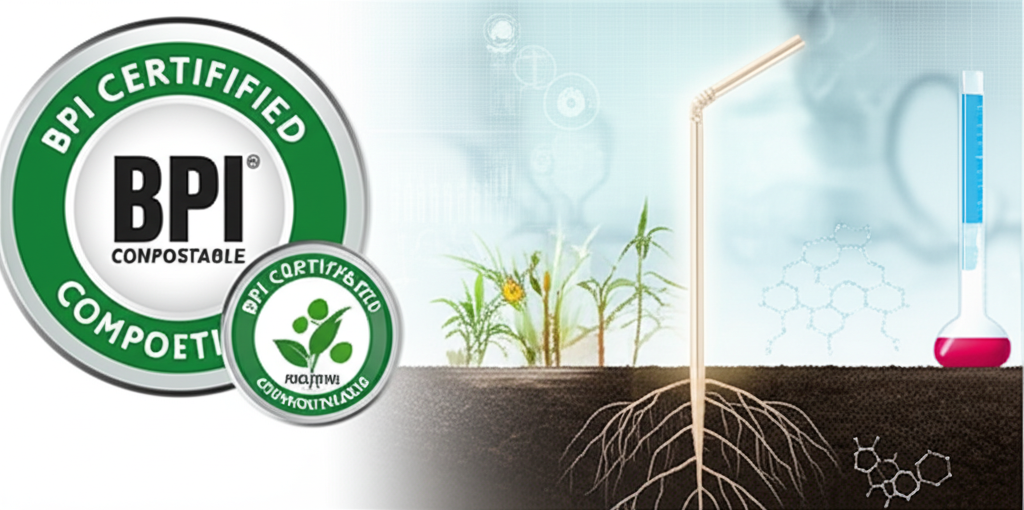
The term “compostable” is frequently used, but in the B2B context, precision is paramount.BPI (Biodegradable Products Institute) certificationprovides that precision, offering a science-backed assurance that a product will truly break down without harming the environment.
Understanding BPI Certification and Stringent ASTM Standards:
BPI is North America’s premier non-profit certifier for compostable products. Its certification program is designed to distinguish genuinely compostable items from those making vague “biodegradable” or “degradable” claims that lack scientific backing. For a straw to earn the coveted “BPI Certified Compostable” mark, it must undergo rigorous third-party testing to comply with specific ASTM standards:
- ASTM D6400: この規格は、都市または産業施設で好気的に堆肥化するように設計されたプラスチックを管理します。
- ASTM D6868: この規格は、紙やその他の堆肥化可能な基材にコーティングまたはラミネートされた生分解性プラスチックおよびポリマー材料に適用されます。
これらの基準では、認定製品は産業用堆肥化条件にさらされた場合、6 か月以内に少なくとも 90% の生分解を達成し、12 週間以内に分解することが義務付けられています。崩壊とは、元の乾燥重量の 10% を超えて 2 ミリメートルのスクリーン上に残らないことを意味し、製品が堆肥中に効果的に消失することを保証します。この厳格なプロセスにより、BPI 認定ストローが二酸化炭素や水などの天然成分に効率的に分解され、マイクロプラスチック、重金属、有毒化学残留物が残らないことが保証されます。
BPI 堆肥化可能なストロー用に植物ベースの材料を使用した革新:
The backbone of BPI certified compostable straws lies in their innovative material composition. They are primarily crafted from renewable, plant-based polymers, diverging significantly from petroleum-based plastics. Common materials include:
- PLA (ポリ乳酸): Derived from corn starch, PLA is a versatile bioplastic that performs similarly to conventional plastics but is designed for industrial composting.
- PHA (Polyhydroxyalkanoate): Often produced from vegetable oils or sugar, PHA is a particularly promising bioplastic because certain formulations are certified for biodegradability in a wider range of environments, including industrial composting, home composting, and even marine settings.
- サトウキビバガス: A byproduct of sugarcane processing, this fibrous material is robust and naturally compostable.
- Cellulose Acetate: 木材と酢酸 (酢) から得られるこの素材は、植物由来の代替品となります。
- 木材パルプ バイオプラスチック: 木材パルプを利用した革新的なブレンドは、耐久性があり堆肥化可能なオプションを提供します。
これらの材料は、B2B 事業のパフォーマンス要件と真の堆肥化のための環境基準の両方を確実に満たすように慎重に選択および処理されます。
BPI 認証により、植物ベースのストローが産業用堆肥化において効果的に生分解され、有害な残留物が残らないことが保証されます。
II.優れた運用性: B2B 向け BPI 堆肥化可能ストローのパフォーマンスと安全性
B2B の意思決定者にとって、持続可能性は業務効率や製品の安全性を犠牲にして実現するものではありません。 BPI 認定の堆肥化可能なストローは、これらの重要なベンチマークを満たすように設計されており、多くの場合それを上回ります。
Durability and Enhanced User Experience:
A common concern with early eco-friendly straw alternatives was their susceptibility to becoming soggy or breaking down too quickly in beverages. BPI certified straws address these challenges head-on. They are engineered to mimic the tactile feel and superior durability of traditional plastic straws, offering excellent crack resistance. Brands like Pactiv Evergreen’s EarthChoice Bio-Plastic Straws highlight this, demonstrating a heat tolerance of up to 212°F (100°C), making them suitable for both hot and cold beverages without compromising structural integrity. This ensures a consistent and satisfying user experience, crucial for maintaining customer satisfaction infoodservice, hospitality, and corporate environments。
Ensuring Food Safety and Non-Toxicity (BPA-free straws):
Beyond environmental performance, the safety of food contact materials is non-negotiable. All BPI certified straws undergo rigorous testing to ensure they meet stringent FDA food contact requirements. This includes verifying that they areBPA-freeand free from harmful chemical residues. A critical aspect of BPI certification is the commitment to eliminating intentionally addedPFAS (Per- and Polyfluoroalkyl Substances)– often dubbed “forever chemicals.” BPI’s standard mandates that total organic fluorine, an indicator of PFAS presence, measures under 100 parts per million. This proactive approach helps mitigate health and environmental risks, providing peace of mind for businesses and their customers.
BPI certified straws offer superior durability and are rigorously tested for food safety, ensuring a premium, safe experience.
III. Navigating the Regulatory Landscape: Compliance with BPI Compostable Straws
The regulatory environment surrounding single-use plastics is dynamic and increasingly complex. Compliance is no longer a matter of future planning but an immediate necessity for businesses operating in North America and beyond.
FTC and CB Mandates for “Compostable” Claims:
米国の連邦取引委員会 (FTC) とカナダの競争局 (CB) は、環境マーケティングの主張に関する厳格なガイドラインを確立しました。 BPI 認定ストローなどの「堆肥化可能な」製品には、明確で具体的なラベル表示が義務付けられています。 BPI 認証マーク自体が、このコンプライアンス戦略の重要な部分です。製品は「商業的にのみ堆肥化可能」であるかどうかを明示する必要があります。 BPI は、家庭での堆肥化の能力や、すべての店頭の有機廃棄物プログラムの受け入れに関して消費者を混乱させる可能性がある、誤解を招く「100% 堆肥化可能」という主張をしないよう強く勧告しているため、これは重要な違いです。
BPI 認定製品に推奨される修飾語句は、「商業的に堆肥化可能のみ。お住まいの地域には施設が存在しない可能性があります。」です。この透明性により、企業は潜在的なグリーンウォッシングの告発を回避し、個々のストロー包装紙のスペースが限られている場合でも、エンドユーザーが適切な廃棄方法を確実に理解できるようになります。 BPI 認証マークの使用要件文書には、完全な規制との整合性を確保するために、このマークと付随する文言が製品およびパッケージにどのように表示されるべきかの具体例が記載されています。
州および地方自治体の使い捨てプラスチック禁止への適応:
使い捨てプラスチックの法規制は、さまざまな制限がパッチワークになっています。カリフォルニア、コネチカット、ニューヨークなどの州は、ストローを含む特定のプラスチック製品に対する包括的な禁止と制限を制定した。州境を越えて、ニューヨーク市、サウスカロライナ州チャールストン、フロリダ州マイアミビーチなどの多くの都市が、独自の地方条例を施行しています。これらの規制は、材料の種類を規定したり、免除を設けたり、準拠のための特定のスケジュールを設定したりすることができます。
BPI 認定の堆肥化可能なストローのオプションを調達することは、この多様で進化する規制環境に対処するための明確な認定された道筋を提供します。検証可能な BPI 認証を持つ製品を選択することで、企業はデューデリジェンスを実証し、コンプライアンス要件を積極的に満たすことができ、それによって遵守不履行に伴う法的および財務的リスクを軽減できます。この戦略的な選択により、複数の管轄区域で事業を展開する企業の調達とサプライ チェーン管理が簡素化されます。
BPI 認証は、進化する使い捨てプラスチック禁止への準拠を保証し、企業の規制リスクを軽減します。
IV.市場のダイナミクスと ROI: 高まる BPI 堆肥化可能なストローの魅力
持続可能なストローへの移行は、コンプライアンスだけの問題ではありません。それはまた、目に見える投資収益率をもたらす重要な市場機会でもあります。
市場の急成長と堅調な予測:
堆肥化可能なストローの世界市場は、紛れもない急増を経験しています。 2025 年に 19 億米ドルと評価される市場は、2035 年までに 38 億米ドルに達すると予測されており、7.1% という堅調な年平均成長率 (CAGR) を示しています。ズームアウトしてみると、より広範な生分解性ストロー市場はさらに拡大しており、2024 年には 403 億 6,700 万米ドルに達し、2031 年までに 2,041 億 6,700 万米ドルという驚異的な規模に達し、22.46% という驚異的な CAGR で成長すると予測されています。この爆発的な成長は、環境への影響に対する消費者の意識の高まり、プラスチック汚染に対する世界的な立法推進、業界全体での環境に優しい素材の需要の高まりによって支えられています。
フードサービス分野における戦略的優位性:
の食品サービス部門is a primary driver of this market transformation, forecasted to hold a significant 52.8% market share of the compostable straw market in 2025. Majorquick-service restaurant (QSR) chains, hotels, and cafesare leading the charge. Global giants such as McDonald’s, Starbucks, and Costa Coffee have already made highly visible transitions away from traditional plastic straws, opting for strawless lids or certified compostable alternatives. This trend sets a precedent and raises consumer expectations across the industry.
For businesses, adopting BPI certified straws is more than a cost of doing business; it’s a strategic investment. It significantly enhances brand image, directly aligning withcorporate sustainability commitments, and attracting an increasingly eco-conscious customer base. This can translate into increased sales, customer loyalty, and positive public perception, ultimately boosting long-term ROI. For further insights into how sustainable practices can enhance your brand, refer to our guide onThe Business Case for Sustainable Packaging in Foodservice。
The compostable straw market is booming, offering significant ROI and brand advantages for foodservice businesses.
V. Addressing Common Challenges and Misconceptions Around BPI Compostable Straws
While BPI certified compostable straws offer significant advantages, it’s crucial for decision-makers to understand the nuances and address common misconceptions to ensure effective implementation.
The Critical Role of Industrial Composting Facilities:
A persistent challenge lies in the disposal infrastructure. Most BPI certified straws (especially those made from PLA) require industrial composting conditions for proper breakdown. These facilities provide the specific levels of heat, moisture, and microbial activity necessary for the materials to fully decompose within the certified timeframe. The reality, however, is that only about 15% of existing composting facilities in North America accept bioplastics, limiting widespread disposal options. If BPI certified straws end up in landfills, they may persist for centuries due to the lack of oxygen and microbial activity, negating their environmental benefit. Similarly, improper disposal in traditional recycling bins can contaminate waste streams and damage machinery, highlighting the need for clear consumer education and robust waste management systems.
Dispelling Concerns: PFAS and “Forever Chemicals” (PFAS-free straws):
A significant controversy surrounding “eco-friendly” straws has been the detection of PFAS (per- and polyfluoroalkyl substances) in some non-plastic alternatives. A 2021 study inChemospherenotably reported PFAS in 36 out of 38 tested biodegradable paper and other plant-based straws, while plastic straws showed no measurable PFAS. More recent research from the University of Antwerp also found PFAS in most types of non-plastic straws.
However, it’s vital to differentiate. BPI certified products are specifically tested to be free ofintentionally addedPFAS, with total organic fluorine levels measuring under 100 parts per million. This stringent requirement addresses the core concern regarding “forever chemicals.” Furthermore, new research, such as a January 2024 study inACS Sustainable Chemistry & Engineering, is exploring the marine degradation of specific PHA and cellulose diacetate (CDA) straws, projecting full disintegration in coastal oceans within 10-20 months, further demonstrating progress in truly degradable materials. This underscores the importance of choosingcertifiedproductsto avoid unintended chemical exposures and ensure genuine environmental benefit.
Economic Considerations and Comparative Cost-Benefit:
While paper straws, a common compostable alternative, can be more expensive to produce than plastic (e.g., approximately 2.5 cents for paper vs. 0.5 cents for plastic), the economic landscape for BPI certified options is evolving. Innovations in materials like PHA are making these straws increasingly cost-competitive, especially when considering the holistic value proposition. The initial investment in BPI certified straws yields long-term ROI through several avenues:
- Enhanced Reputation: Attracting and retaining eco-conscious customers.
- Reduced Plastic Waste: Minimizing environmental footprint.
- Compliance: Avoiding fines and penalties associated with single-use plastic bans.
- Risk Mitigation: Protecting brand value from negative public perception and regulatory scrutiny.
This comprehensive view positions BPI certified straws as a financially sound decision, not just an environmental one.
Understanding industrial composting needs and PFAS-free certification is crucial for effective BPI straw implementation.

VI. Strategic Implementation: Sourcing and Supply Chain Integration of BPI Compostable Straws
Successful adoption of BPI compostable straws hinges on strategic sourcing and seamless integration into existing supply chains.
Choosing the Right Supplier and Product:
The market offers a growing array of BPI certified options, but discerning procurement is key.
- Verify Certification: Always prioritize suppliers who prominently display verifiable BPI certification marks on their products and packaging. The presence of a certification number is a strong indicator of legitimacy.
- Material Evaluation: Consider the material type best suited for your operational needs and environmental goals. PHA straws, for instance, offer broader compostability (industrial and, in some cases, home composting, and even marine degradation), making them a versatile choice. PLA straws offer robust performance for industrial breakdown. Our comprehensive guide on Selecting the Right Eco-Friendly Food Packaging for Your Business provides further details on material choices.
- Reputable Brands: Seek out established brands with a track record of quality and compliance. Leading brands in this space include Eco-Products, Pactiv Evergreen (EarthChoice), Amhil North America (Back to Earth™), and phade®, all of whom offer a range of BPI certified options.
Mini Case Study: Leading the Sustainable Shift – Eco-Products’ PHA Straws:
A prime example of successful market innovation is Eco-Products. In November 2022, they launched a new line of BPI-certified compostable straws made from plant-based PHA, derived from canola oil. These straws were specifically designed to offer durability comparable to traditional plastic straws. Crucially, they meet ASTM D6400, providing verified biodegradability not only in commercial composting facilities but also in home compost settings. This innovation addresses a key challenge in the compostable market, offering a more versatile end-of-life solution. The widespread adoption of solutions like Eco-Products’ PHA straws by businesses demonstrates a viable pathway to achieving sustainability goals without compromising on product performance. This case highlights how strategic material selection and robust certification can drive market acceptance and environmental impact. To explore more success stories in sustainable procurement, visit our article onInnovations in Sustainable Supply Chain Management。
Strategic sourcing of BPI certified straws, like PHA options, ensures seamless supply chain integration and sustainability goals.
VII. Comparison Table: BPI Compostable Straws vs. Alternatives
The decision to transition to sustainable straws involves weighing various factors. This comparison table provides a high-level overview of BPI certified compostable straws against common alternatives, focusing on operational impact, compliance, and ROI.
| 特徴 | B2B運用上の影響 | コンプライアンスノート | ROIポテンシャル |
|---|---|---|---|
| BPI Certified Compostable (PLA) | Durable, transparent, excellent for cold beverages; less optimal for hot items over time. Good performance similar to conventional plastics. | Commercially Compostable Only. Requires industrial composting facilities. Not for home composting. Meets ASTM D6400/D6868 standards. | Enhanced brand image, appeal to eco-conscious consumers. Compliance with regulations (reducing fine risk). Reduced plastic waste contribution. Mid-to-high initial cost vs. traditional plastic, but strong long-term ROI via brand and compliance. |
| BPI Certified Compostable (PHA) | Excellent durability, clear finish. Can withstand hot and cold beverages. Offers great plastic-like feel. Versatile for different applications. | Commercially Compostable AND Home Compostable options available. Meets ASTM D6400/D6868 standards. Some formulations also biodegradable in marine environments. Free of intentionally added PFAS. | Highest ROI potential due to widest compostability (reducing disposal friction), strong brand image for deep sustainability, and future-proof compliance. Potentially higher initial cost than PLA but growing competitiveness and versatility enhance value. |
| 紙ストロー | Lighter feel; can soften or disintegrate over time, impacting user experience, especially in hot or acidic drinks. | Variable compliance depending on additives/coatings. Some localities ban all single-use, pushing for truly compostable or reusable. “Biodegradable” claims without BPI or EN13432 are often misleading. Can contain PFAS. | Generally lower immediate cost than certified compostables, but can lead to negative customer perception (soggy straw complaints). May incur future costs if regulations tighten on “eco-friendly” but non-compostable items or PFAS-containing products. |
| Reusable Straws (Metal, Silicone, Glass) | Excellent durability and user experience, but require cleaning and storage infrastructure. Higher upfront cost, but long-term savings. | No direct compliance issues with single-use plastic bans, as they are designed for reuse. However, require robust washing and sanitation protocols for health compliance in B2B settings. | High long-term ROI due to zero recurring straw cost and strong alignment with comprehensive sustainability goals. Significant brand value uplift by demonstrating commitment to circular economy principles. Operational costs related to washing/sanitation. |
| 従来のプラスチックストロー | Familiar, highly durable, low immediate unit cost. | Facing widespread bans and restrictions globally (US states/cities, EU directives). Severe non-compliance risk, brand reputation damage, and potential fines. | Low immediate unit cost, but high long-term costs due to regulatory non-compliance, brand damage, and environmental liability. Rapidly diminishing ROI. |
| Non-Plastic Alternative (e.g., Reed/Wheat Stems) | Rustic, natural appearance. Can be sensitive to very hot liquids over extended periods. | Some varieties are BPI certified; natural stems generally avoid plastic bans. Check for specific certifications regarding breakdown. | Appeal to specific niche markets valuing natural aesthetics. May present some operational complexities if breakage is higher or consistency varies. Price can be comparable to, or higher than, basic paper straws. |
Comparing straw alternatives reveals BPI certified options offer superior compliance, performance, and long-term ROI.
VIII. Future Trends & Innovation: The Evolution of BPI Compostable Straws
The market for BPI compostable straws is not static; it’s a hotbed of innovation, driven by material science advancements, evolving consumer demands, and a continuous push for a truly circular economy. Over the next 5-10 years, we can anticipate several key trends:
- Diversification of Materials: Beyond PLA and PHA, research is actively exploring novel bio-based materials. This includes straws made from soy protein isolate (SPI) and cassava starch (CS), often enhanced with natural wax coatings like beeswax or shellac wax to improve water resistance. Lignin, a byproduct of the paper industry, and even seaweed and coffee grounds are emerging as potential feedstocks for the next generation of compostable materials.
- Enhanced Degradability Profiles: The focus will shift towards materials that can biodegrade in a wider range of environments, not just industrial composting facilities. PHA is leading this trend, with a growing number of PHA-based straws achieving certification for home composting and even marine degradation. A January 2024 study projected that certain PHA and cellulose diacetate (CDA) straws could fully disintegrate in coastal oceans within 10-20 months, significantly reducing their environmental footprint if mismanaged.
- Improved Performance Parity: As technology advances, the performance gap between compostable straws and traditional plastics will continue to close. Expect even greater durability, heat resistance, and mouthfeel, further reducing any operational trade-offs for businesses.
- Standardization and Global Harmonization: While BPI certification is strong in North America, there’s a growing need for greater harmonization of composting standards globally. We may see increased collaboration between certifying bodies like BPI and Europe’s TÜV AUSTRIA, leading to more universally recognized compostable marks and simplifying international trade for sustainable products.
- 循環経済の統合: The conversation will move beyond just “compostable” to how these materials fit into broader circular economy models. This includes exploring ways to capture and effectively compost these materials at scale, integrating them into nutrient cycles for agricultural benefits, and optimizing the entire lifecycle from sourcing to end-of-life.
These trends highlight a future where BPI compostable straws become an even more robust, versatile, and environmentally impactful solution for businesses committed to sustainability.
Future BPI compostable straws will feature diverse materials, enhanced degradability, and improved performance for a circular economy.
IX. Competitive Advantage & Business Case
For procurement, operations, and sustainability leaders, the adoption of BPI certified compostable straws is not just an expense but a strategic investment that delivers quantifiable benefits and competitive advantages.
- Risk Mitigation and Compliance Assurance: The most immediate benefit is the mitigation of regulatory risk. With a dynamic and expanding landscape of single-use plastic bans across US states and municipalities, certified compostable straws offer a pre-vetted solution that ensures compliance. This proactively protects your organization from potential fines, legal challenges, and the operational disruptions caused by last-minute compliance scrambles.
- Enhanced Brand Value and Customer Loyalty: In an era of heightened environmental consciousness, consumers actively seek out and reward brands that demonstrate genuine sustainability commitments. Adopting BPI certified straws signals your organization’s dedication to environmental responsibility, improving public perception and strengthening brand loyalty. This translates into a competitive edge, attracting a growing segment of eco-conscious customers and potentially enabling premium pricing strategies. Major players like McDonald’s and Starbucks have already leveraged this shift to reinforce their brand image.
- Cost Savings and Operational Efficiency (Long-Term): While initial unit costs for compostable straws might be slightly higher than conventional plastic, the long-term business case is compelling. Avoiding non-compliance penalties, reducing waste management costs (where industrial composting infrastructure is available), and capitalizing on improved brand reputation contribute to a significant return on investment. Furthermore, the superior performance of BPI-certified options compared to soggy paper straws minimizes customer complaints and ensures smooth operations, avoiding hidden costs associated with poor product quality.
- 市場シェアの機会: The global compostable straw market’s projected growth to USD 3.8 billion by 2035, coupled with the foodservice sector’s 52.8% market share by 2025, indicates a substantial market opportunity. Early adoption and clear communication of your commitment to certified compostable solutions can position your business as a leader in sustainability, capturing a larger share of environmentally-driven purchasing decisions. This forward-thinking approach can translate directly into increased revenue and market leadership.
Adopting BPI certified straws offers competitive advantages through risk mitigation, enhanced brand value, and long-term cost savings.
よくある質問(FAQ)
What does BPI certification mean for compostable straws?
BPI certification ensures a straw will truly break down in industrial composting facilities, meeting rigorous ASTM standards for biodegradation and disintegration without leaving harmful residues.
Are BPI certified straws safe for food contact and free of PFAS?
Yes, BPI certified straws undergo strict testing to meet FDA food contact requirements, are BPA-free, and are certified to be free of intentionally added PFAS (Per- and Polyfluoroalkyl Substances).
How do BPI compostable straws help hospitality businesses comply with plastic bans?
BPI certified straws offer a verified, compliant alternative to single-use plastics, helping hospitality businesses navigate diverse state and local bans and avoid penalties.
Can BPI compostable straws be home composted?
Most BPI certified straws require industrial composting facilities. Some newer PHA-based formulations are certified for home composting, but always check product-specific labeling.
What are the key benefits of switching to BPI compostable straws for foodservice operations?
Switching enhances brand image, ensures regulatory compliance, reduces environmental footprint, and can lead to long-term cost savings through improved customer loyalty and reduced waste management issues.
BPI certification ensures true compostability, safety, and compliance, offering significant benefits for businesses.
X. Final Call to Action
The transition away from single-use plastics is accelerating, driven by both regulatory mandates and consumer demand. To secure your market position and demonstrate genuine environmental leadership, adopting certified compostable solutions is critical.
Request a Consultation with Our Sustainability Experts Today
Future-proof your business by making the intelligent, sustainable choice now.
Act now: Consult our experts to future-proof your business with BPI certified compostable straw solutions.