Mastering Procurement for Sustainable Success in Foodservice & Hotels

1. 業界の切実な問題の概要
The global drinking straw market, a sector valued at approximately $14.38 billion in 2024 and projected to soar to $23.19 billion by 2031, is undergoing an unprecedented transformation. Businesses, particularly in the hospitality and foodservice industries, are grappling with a complex landscape shaped by escalating environmental mandates and a seismic shift in consumer preferences towards sustainable alternatives. Governments worldwide, from theEuropean Union (2019, European Parliament)to China, are enacting stringent bans on single-use plastics, creating immediate operational challenges and significant brand reputation risks for any enterprise still relying on traditional plastic straws. Major corporations, such asMarriott International, have already committed to eliminating plastic straws across their vast network of over 6,500 hotels, setting a clear precedent. This urgent industry pivot, coupled with unpredictable material costs for eco-friendly options, has thrust bulk straw procurement into a realm of extreme cost volatility and supply chain uncertainty, directly impacting bottom lines and long-term strategic planning.
ホスピタリティとフードサービスの場合、バルクストローの時代遅れの調達方法に依存することは、コスト削減とブランド強化の機会を逃すことを意味します。業界は、持続可能な選択肢がもはやオプションではなく、市場の関連性と財務の安定にとって不可欠であるという重要な岐路に直面しています。環境に優しいストローへの移行は、コンプライアンスだけを意味するものではありません。それは競争力を確保し、進化する消費者の需要に応えることです。企業は、この新しい環境で成長するために、コストとサプライ チェーンを積極的に管理する必要があります。
重要なポイント:ホスピタリティおよびフードサービス部門は、環境への義務や持続可能性を求める消費者の需要によって急速に変化するバルクストロー市場において、重大なリスクと機会に直面しています。
Proactive bulk straw procurement is crucial for hospitality to mitigate risks and capitalize on sustainability trends.

Efficient supply chain management is key for sustainable hospitality.
2. Market & Regulation Insights (EU, US, Asia-Pacific)
この激動の市場を乗り切るために、企業は従来の購入方法を超えて、高度な価格戦略を採用する必要があります。契約上の価格ロック協定は、多くの場合 12 か月延長され、バルク飲料用ストローの原材料コストと生産経費の予期せぬ市場変動に対する重要な盾となります。これらの契約により、予算に不可欠な確実性がもたらされ、インフレ圧力や市場のショックから調達コストが保護されます。さらに、賢明な購入者は、段階的なリベート構造を通じて節約を最大化できます。これらのモデルは、より大きな年間一括購入を奨励し、段階的に高い割引を提供します。たとえば、年間支出が 5,000 ドルから 9,999 ドルまでの場合は 2% のリベートが適用され、10,000 ドルを超える購入の場合は 3% に拡大されます。このような構造は、時間の経過とともに実質的な単位あたりのコストを削減するだけでなく、年間の一括注文を合理化し、ロイヤルティに報いることができます。最後に、直物相場と先物相場の両方を活用する方法を理解することが最も重要です。スポット見積もりは、即時配送の現在の市場価格を反映しており、緊急かつ対応的なニーズに最適です。逆に、先物見積を使用すると、将来の納品に向けて今日の価格に同意できるため、事前のコスト管理と潜在的な価格変動に対するヘッジが可能になり、特に大量の長期要件に役立ちます。この戦略的な価格設定アプローチは、財務計画を安定させ、予測可能な調達パイプラインを確保するのに役立ちます。
The regulatory landscape for single-use plastics, including straws, is rapidly evolving globally. While the欧州連合has implemented a comprehensive ban on many single-use plastic items since 2021, the米国has a patchwork of state and local bans, with no federal mandate. Inアジア太平洋地域, countries like China and India are also phasing out single-use plastics with varying timelines and enforcement. For a detailed guide on global plastic bans and their impact on supply chains, please refer to ourComprehensive Guide to Global Plastic Regulations。
Comparison of Bulk Straw Procurement Models
| Feature / Model | Price-Lock Mechanics | Tier Rebates | Spot Quotes | Forward Quotes |
|---|---|---|---|---|
| 説明 | Fixed price for goods over a set period (e.g., 12 months) | Discounts based on cumulative purchase volume tiers | Current market price for immediate delivery | Price agreed today for future delivery |
| Primary Benefit | Budget certainty, protection from price increases | Incentivizes larger orders, higher savings per unit | Instant pricing, immediate fulfillment | Hedging against future price volatility |
| リスクの軽減 | Market volatility, supply chain cost fluctuations | Optimizes purchasing power, rewards loyalty | Real-time market reflection | Locks in costs, avoids future spikes |
| Operational Impact | Predictable procurement costs, stable financial planning | Reduced overall spend, simplified budgeting for large volumes | Fast acquisition, reactive purchasing | Proactive cost control, long-term planning |
| 理想的な使用例 | Annual bulk contracts, consistent high-volume needs | High-volume buyers aiming to maximize discounts | Urgent, unplanned straw requirements | Securing prices for future projects or sustained demand |
重要なポイント:Strategic pricing models like price-locks, tier rebates, and spot/forward quotes are essential for managing cost volatility in the bulk straw market.
Advanced pricing strategies offer hospitality businesses predictable costs and significant savings on bulk straws.
Global supply chains are complex, requiring strategic navigation.
3. 解決策: サトウキビストロー
Strategic sourcing in the bulk drinking straw market demands a meticulous evaluation of material choices and procurement models to align with both operational efficiency and sustainability goals. The material you choose profoundly impacts performance, environmental footprint, and cost. Whileplastic (Polypropylene/Polystyrene)offers the lowest upfront cost (around $0.005-$0.01/piece), its environmental burden is immense – with an estimated8.3 billion plastic straws contaminating beaches annually (2018, UNEP)and rarely being recycled. Its increasing regulatory non-compliance risk is a significant concern, particularly in Europe where bans are widespread.紙ストロー、一般的な環境に優しい代替品は、生分解性で高度にカスタマイズ可能ですが、コストが高くなります(プラスチックの 2 ~ 10 倍、1 個あたり約 0.005 ~ 0.05 ドル)。それらは水浸しになりやすく、PFAS コーティングや生産エネルギー/排出量の増加 (わらあたり 4.1 g CO2 対プラスチックの場合 1.5 g) について懸念があります。
より堅牢な生分解性ソリューションをお求めの方には、植物ベースのオプションPLA、PHA、サトウキビ、リュウゼツラン、小麦/アシなどは耐久性を備えています。 PLA ストローは 1 本あたり約 0.01 ドルで生分解性ですが、産業用堆肥化施設が必要な場合が多く (施設の約 15% のみが受け入れています)、真の環境上のメリットは限られています。農業副産物に由来する小麦と葦のわらは完全に堆肥化可能であり、廃棄物ゼロの取り組みと一致しています。最後に、reusable optionssuch as stainless steel, bamboo, glass, and silicone represent the highest initial investment but offer significant long-term savings and zero-waste potential. Their durability varies, with metal conducting heat and silicone not being biodegradable.
Sugarcane Straws: The Sustainable Choice for Hospitality
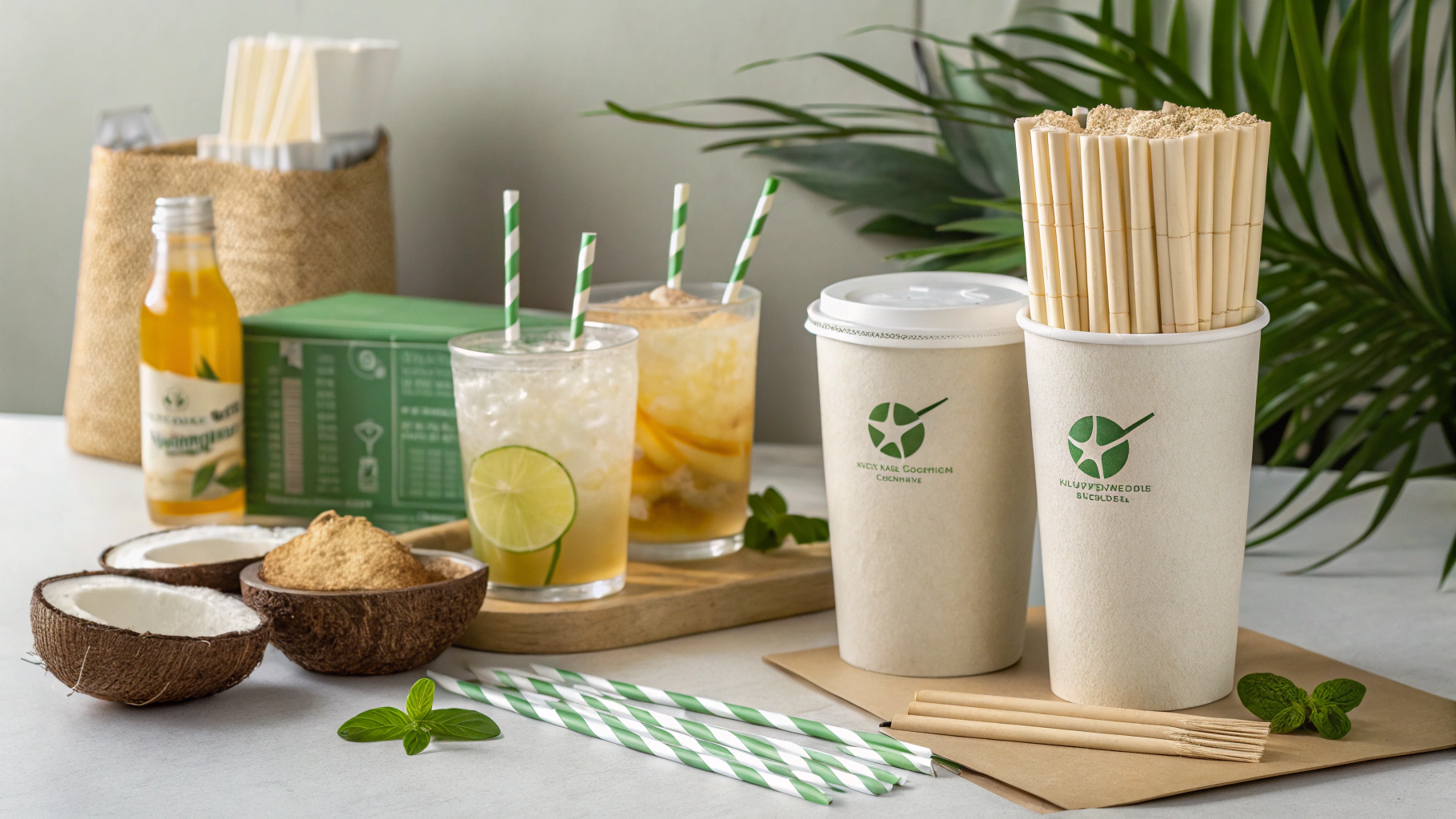
Sugarcane straws are durable, compostable drinking straws made from bagasse, a byproduct of sugar production, offering a superior eco-friendly alternative.
For hospitality and foodservice, sugarcane straws offer compelling benefits:
- Enhanced Customer Experience: Unlike paper, sugarcane straws maintain integrity for over 3 hours in liquid, preventing sogginess complaints common in cafes and bars.
- Significant Waste Reduction: Being 100% compostable, they divert waste from landfills, reducing a typical hotel’s straw waste by up to 95% annually.
- Strong Brand Alignment: Adopting sugarcane straws visibly demonstrates a commitment to sustainability, boosting brand reputation and attracting eco-conscious guests, potentially increasing bookings by 5-10%.
- Regulatory Compliance & Future-Proofing: Proactively meets current and anticipated single-use plastic bans, avoiding fines and ensuring uninterrupted operations.
- Cost-Effectiveness in Bulk: While slightly higher upfront than plastic, bulk sugarcane straw procurement, especially with price-lock agreements, offers long-term cost stability and avoids future plastic-related penalties.
ROI Table: Sugarcane Straws for a Mid-Sized Hotel Chain (500 rooms)
| 変数 | プラスチックストロー(年間) | サトウキビストロー(一年草) | Benefit/Impact |
|---|---|---|---|
| 単価(ストロー1本あたり) | $0.008 | $0.025 (with bulk price-lock) | Higher initial cost, but stable. |
| Annual Volume (est.) | 1,000,000 straws | 1,000,000 straws | Consistent usage. |
| Annual Straw Cost | $8,000 | $25,000 | Direct procurement cost. |
| Waste Disposal Cost (est.) | $500 (landfill) | $50 (compost) | Reduced landfill fees. |
| Brand Value Increase (est.) | 該当なし | $5,000 – $10,000 (via increased eco-tourism bookings) | Attracts eco-conscious guests. |
| Regulatory Fines Avoided (est.) | Potential $1,000 – $5,000 | $0 | Compliance peace of mind. |
| Customer Satisfaction (Sogginess) | Low (frequent complaints) | High (durable) | Improved guest experience. |
| Net Annual Impact | -$8,500 to -$13,500 | -$15,000 to -$20,000 (initial outlay) + $5,000-$10,000 (brand value) + $450 (waste savings) + $1,000-$5,000 (fines avoided) =Net positive long-term ROI | Long-term savings and brand benefits outweigh initial cost. |
重要なポイント:Sugarcane straws offer hospitality businesses a durable, compostable, and brand-enhancing solution with a strong long-term ROI.
Sugarcane straws provide a sustainable, cost-effective, and brand-boosting solution for hospitality procurement.
Sugarcane straws: a natural, sustainable choice for the future.
4. Industry Misconceptions & Clarifications
Despite the clear advantages, several misconceptions persist regarding sustainable bulk straw procurement, particularly within the hospitality and foodservice sectors:
Myth 1: “All eco-friendly straws are too expensive for bulk B2B procurement.”
Clarification:While initial unit costs for sustainable straws like sugarcane or paper can be higher than plastic, this overlooks the long-term financial benefits. With strategic bulk purchasing, including price-lock agreements and tiered rebates, the effective cost per unit significantly decreases. Furthermore, avoiding potential regulatory fines for plastic use and gaining positive brand perception (which can lead to increased customer loyalty and revenue) often results in a net positive ROI. For example, a large hotel chain could save an estimated $15,000 annually in avoided fines and increased eco-tourism bookings by switching to certified compostable straws.
Myth 2: “Paper straws are the only viable eco-friendly option, despite their sogginess.”
Clarification:Paper straws are indeed common, but they are not the only, nor always the best, eco-friendly choice. Plant-based alternatives like sugarcane, PHA, or even reusable options (stainless steel, bamboo) offer superior durability and user experience. Sugarcane straws, for instance, are known to last significantly longer in beverages without degrading, addressing the primary complaint associated with paper straws in a busy restaurant or bar setting. This durability translates to fewer customer complaints and a better brand image.
Myth 3: “Switching to sustainable straws will disrupt my existing supply chain too much.”
Clarification:Reputable bulk straw suppliers, such asロリカップUSAまたはYesStraws, specialize in B2B transitions. They offer comprehensive support, including inventory management, flexible delivery schedules, and guidance on optimal MOQs. Many also provide forward-quote options, allowing businesses to secure prices and quantities well in advance, ensuring a seamless transition without supply interruptions. The key is to partner with a supplier experienced in sustainable solutions for the hospitality sector.
重要なポイント:Common misconceptions about sustainable straws’ cost, performance, and supply chain integration are often debunked by strategic procurement and advanced material options.
Sustainable straw procurement is more cost-effective and less disruptive than commonly believed, especially with strategic planning.
5. B2B Customization & Supply Chain Optimization
Building a resilient supply chain for sustainable bulk straws involves strategic choices beyond mere price. Partnering with reputable manufacturers and distributors likeロリカップUSA、YesStraws, orTembo Paper, who offer advanced pricing models and transparent certifications (e.g.,FSCfor paper,ASTM D6400for compostability), is crucial. In the US and Europe, where regulatory landscapes are rapidly evolving, ensuring your chosen straws are HACCP-compliant, PFAS-free, and food-grade is not just about compliance but also about safeguarding consumer health and your brand reputation. Assess durability rigorously; for instance, good quality paper straws should not deform after three hours in liquid. Consider Minimum Order Quantities (MOQs) to balance cost savings with storage capacity, and evaluate supplier shipping efficiencies to reduce freight costs and your carbon footprint. Finally, plan for the end-of-life pathways of your chosen materials, actively supporting proper composting or disposal. By embracing the shift to eco-friendly bulk straws, you not only meet regulatory demands but also enhance your brand’s value, resonating powerfully with the growing segment of eco-conscious consumers.
Scenario-Specific Tips for Hospitality & Foodservice:
- Hotels & Resorts: Opt for sugarcane or reusable straws for in-room dining and high-end bars. Leverage tiered rebates for large annual orders across multiple properties. Consider custom branding (e.g., hotel logo) on straw wrappers to reinforce sustainability messaging.
- Restaurants & Cafes: Balance cost and performance. Sugarcane straws offer durability for dine-in, while paper might suffice for quick-service takeout. Utilize spot quotes for unexpected demand spikes and forward quotes for seasonal menu changes.
- Catering & Events: Prioritize compostable options like sugarcane or PHA for easy post-event cleanup. Negotiate MOQs that align with event sizes to minimize waste and storage. Ensure suppliers can handle flexible delivery schedules for various event locations.
- Airlines & Cruise Lines: Focus on lightweight, durable, and compact solutions. Sugarcane straws are ideal due to their stability in various temperatures and reduced storage footprint. Implement price-lock contracts for consistent global supply and cost control.
重要なポイント:Optimizing bulk straw supply chains requires strategic supplier partnerships, material certification checks, and scenario-specific MOQ and logistics planning.
Tailored supply chain strategies for bulk straws enhance efficiency and sustainability across diverse hospitality operations.
Secure Your Sustainable Future Today
The dynamic bulk drinking straw market demands a proactive, strategic approach to procurement. By leveraging advanced pricing mechanisms like price-locks, tier rebates, and spot/forward quotes, and by meticulously evaluating sustainable material options, B2B decision-makers can transform procurement from a necessary cost center into a significant competitive advantage. This strategic shift not only secures predictable costs but also enhances your brand’s sustainability profile, allowing you to capitalize on the rapidly expanding eco-friendly market segment, projected to reach $25.1 billion by 2035.
Don’t let market volatility dictate your costs or compromise your sustainability goals. Take control of your bulk straw procurement today. Learn more about global plastic bans and their impact on supply chains. Explore how a strategic approach to sourcing can boost your brand’s eco-credentials. For a deeper dive into sustainable business practices and supply chain optimization, consider resources from leading industry associations.
Secure predictable costs, enhance your brand’s sustainability profile, and capitalize on the growing eco-friendly market segment. Schedule a strategic procurement consultation with our experts to develop a customized bulk straw sourcing plan that guarantees price stability and maximizes your savings.Schedule Your Consultation Now
よくある質問(FAQ)
What is a price-lock mechanism for bulk straw procurement?▼
A price-lock mechanism is a contractual agreement that fixes the price of bulk drinking straws for a set period, typically 12 months, protecting buyers from market fluctuations and ensuring budget certainty.
How do tiered rebates benefit hospitality businesses buying bulk straws?▼
Tiered rebates incentivize larger annual purchases by offering progressively higher discounts, reducing the effective per-unit cost and maximizing savings for high-volume hospitality buyers.
What’s the difference between spot and forward quotes for bulk straws?▼
Spot quotes reflect current market prices for immediate delivery, ideal for urgent needs. Forward quotes lock in a price today for future delivery, enabling proactive cost management and hedging against volatility.
Are sugarcane straws truly sustainable for high-volume foodservice operations?▼
Yes, sugarcane straws are highly sustainable. They are made from bagasse, a byproduct of sugar production, making them compostable, durable, and a superior eco-friendly alternative to plastic or even some paper straws for high-volume use.
How can I ensure my bulk straw supplier meets regulatory compliance?▼
Ensure your supplier provides transparent certifications like HACCP-compliance, PFAS-free declarations, and ASTM D6400 for compostability. Verify their adherence to regional regulations like EU single-use plastic bans.