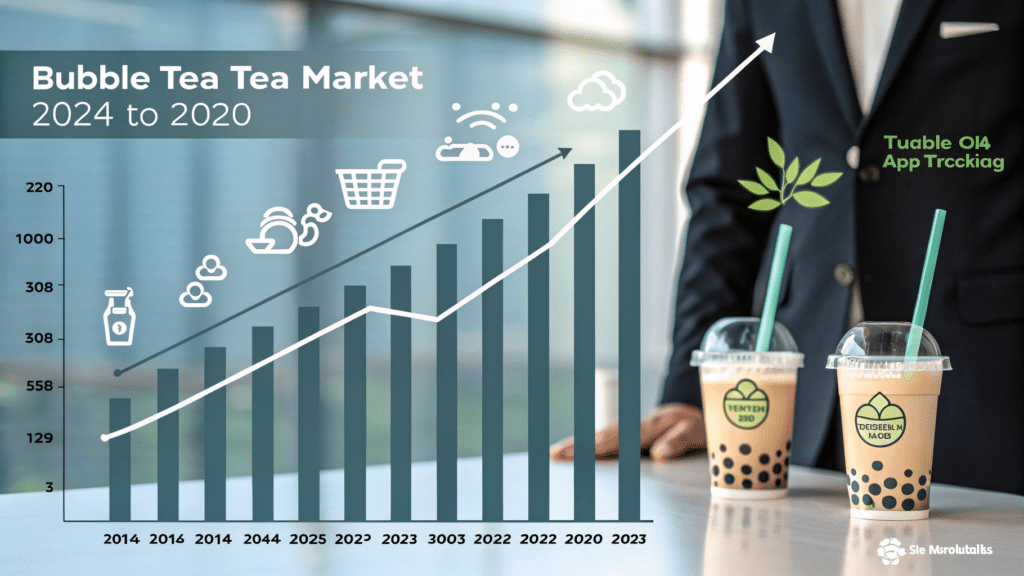
The global bubble tea market is experiencing an unprecedented boom, projected to expand from an estimated US$3.1 billion in 2024 to a staggering US$4.9 billion by 2030. This meteoric rise brings with it a unique operational challenge: the inherent reliance on wide drinking straws to accommodate the signature tapioca pearls. As this beloved beverage captures more market share, the very tool that makes it enjoyable – the boba straw – has become a focal point of intense environmental scrutiny. For operations and procurement managers, this isn’t just about sourcing; it’s about navigating a complex dilemma: how to maintain the essential customer experience without compromising on sustainability and compliance in the face of increasing regulatory pressure and evolving consumer demands.
Traditional single-use plastic boba straws have long served their purpose, but their significant environmental footprint can no longer be overlooked. These seemingly innocuous items contribute extensively to plastic pollution, fragmenting into microplastics that infiltrate ecosystems and taking centuries to decompose. Businesses today operate within a rapidly shifting global legislative landscape. Taiwan, a birthplace of bubble tea, planned for the elimination of plastic straws by 2020, while the EU has pushed for a drastic reduction in disposable plastics by 2030. These directives, among others, create tangible compliance risks for businesses that fail to adapt. Moreover, consumer preferences are evolving rapidly. Early alternatives, like paper straws, often fell short, becoming soggy and impacting the drinking experience. This highlights a critical need for high-performance sustainable options that not only meet environmental standards but also uphold the quality and convenience customers expect. As the bubble tea market continues its growth trajectory, finding innovative, reliable, and sustainable straw solutions is paramount for long-term business viability and brand reputation. For more insights into global plastic waste, consider resources from the国連環境計画。
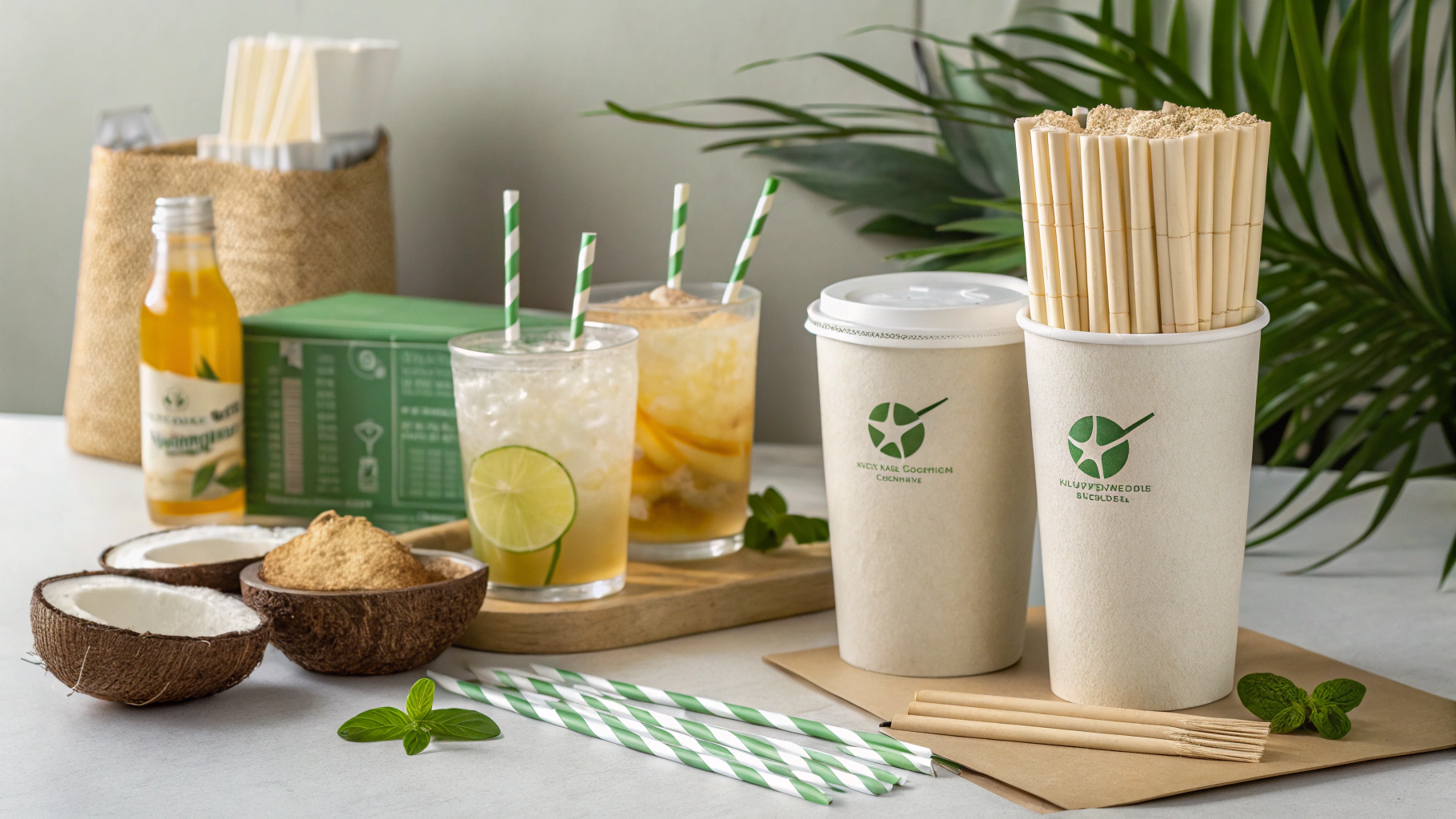
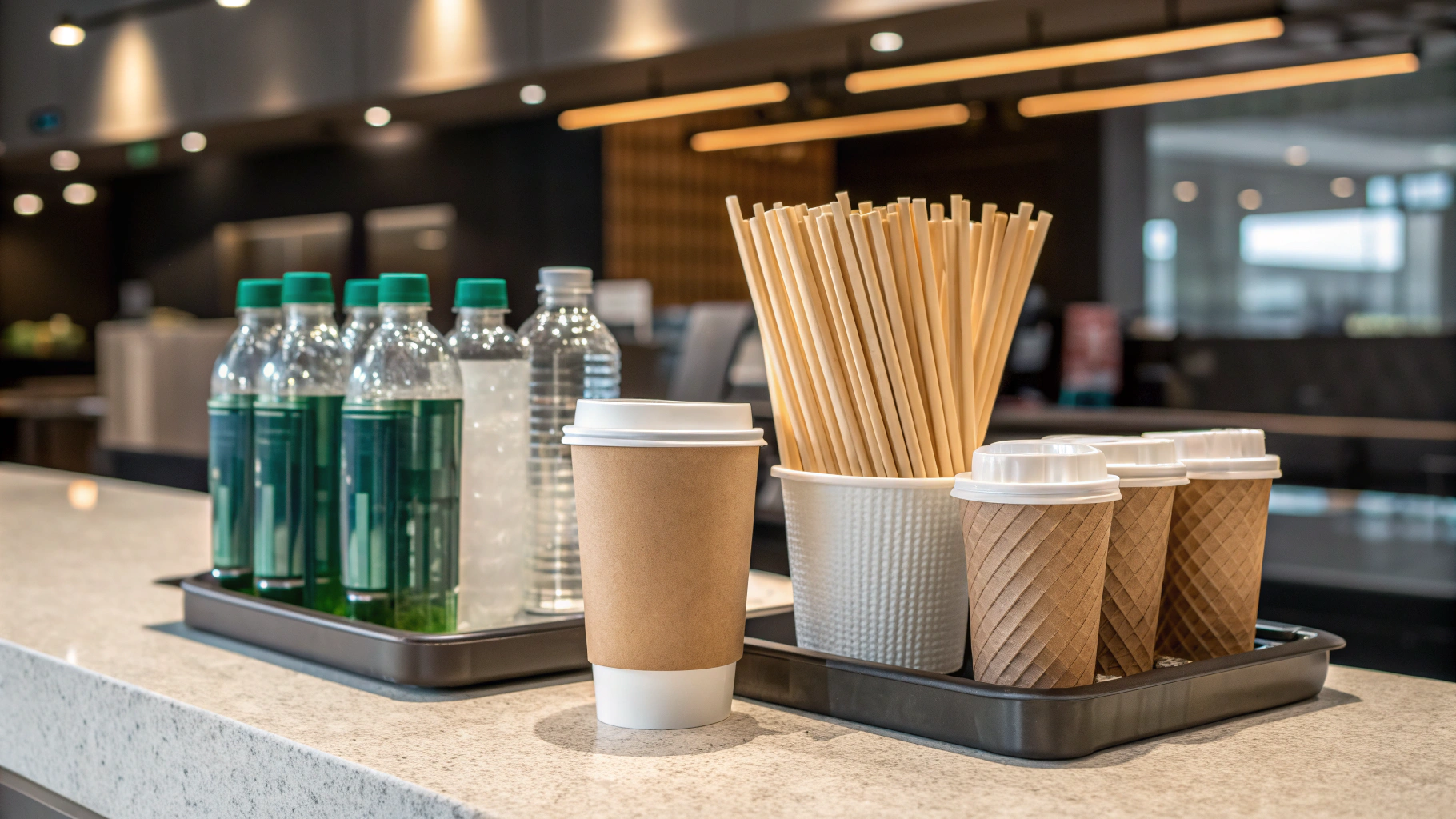
The imperative to transition to sustainable boba straw solutions presents a strategic opportunity to enhance operational efficiency, reduce waste management costs, and significantly elevate brand perception. The diverse landscape of eco-friendly materials now available ranges from advanced plant-based biopolymers like PLA and PHA to innovative natural fibers and durable, reusable options. Selecting the right material directly impacts critical business metrics, from ensuring customer satisfaction—no more soggy straws—to improving staff efficiency through easy-to-pierce lids, and ultimately, impacting long-term cost-effectiveness.
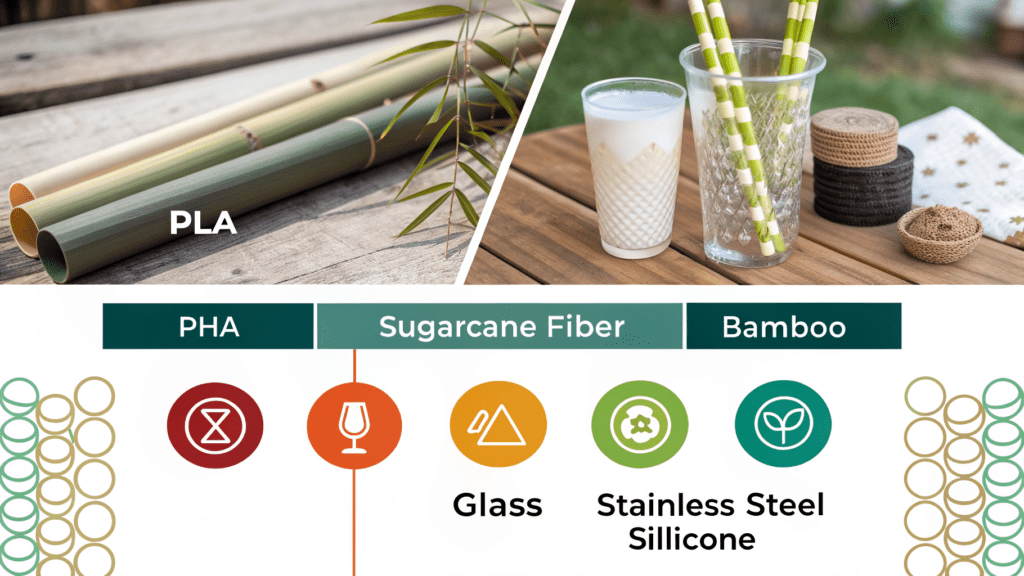
Material Performance & Business Impact: A Comparative Analysis
| 材質の種類 | Key Benefits for Business | Operational Considerations | Sustainability Profile |
|---|---|---|---|
| Plant-based (PLA/PHA) | Biodegradable, generally durable | Requires industrial composting infrastructure | Reduces reliance on fossil fuels, compostable |
| Sugarcane/Tea Fiber | Biodegradable, strong, smooth texture, taste-neutral | Excellent performance, derived from waste byproducts | Fully compostable, circular economy integration |
| Bamboo (single-use) | Natural, rapidly renewable resource, biodegradable | Can be too narrow for some pearls, may lack heft for piercing | High biodegradability, natural aesthetic |
| Glass (reusable) | Pure taste, sophisticated aesthetic, durable (if cared for) | Fragile, requires cleaning/sanitization, higher upfront cost | Highly reusable, long lifespan, reduces waste |
| Stainless Steel (reusable) | Robust, durable, sleek, effective for piercing | Can have metallic aftertaste (rare), requires cleaning/sanitization | Highly reusable, long lifespan, strong |
| Silicone (reusable) | Flexible, safe for teeth, dishwasher-safe, heat-resistant | Soft, may not pierce lids easily, cleaning required | Highly reusable, long lifespan |
サトウキビや茶繊維のストローなど、堆肥化可能な高度な材料への移行は、規制遵守と積極的な環境管理を直接サポートします。この戦略的転換により、リスクが軽減されるだけでなく、ブランドが持続可能性の市場リーダーとしての地位を確立することになります。世界の環境に優しいストロー市場は目覚ましい成長が見込まれており、2025 年の 123 億米ドルから 2035 年までに推定 251 億米ドルに拡大し、7.3% という説得力のある CAGR を示しています。特に、ボバ専用のガラスストローは、CAGR 14.1% とさらに速いペースで成長すると予測されています。この堅調な市場の成長は、持続可能な製品に対する消費者の需要に応える企業にとって大きな競争上の優位性を示し、ブランドの評判を高め、環境意識の高い顧客層を引きつけています。持続可能な包装のトレンドについてさらに詳しく知りたい場合は、次のような大手市場調査会社のレポートを参照してください。グランドビューリサーチ。
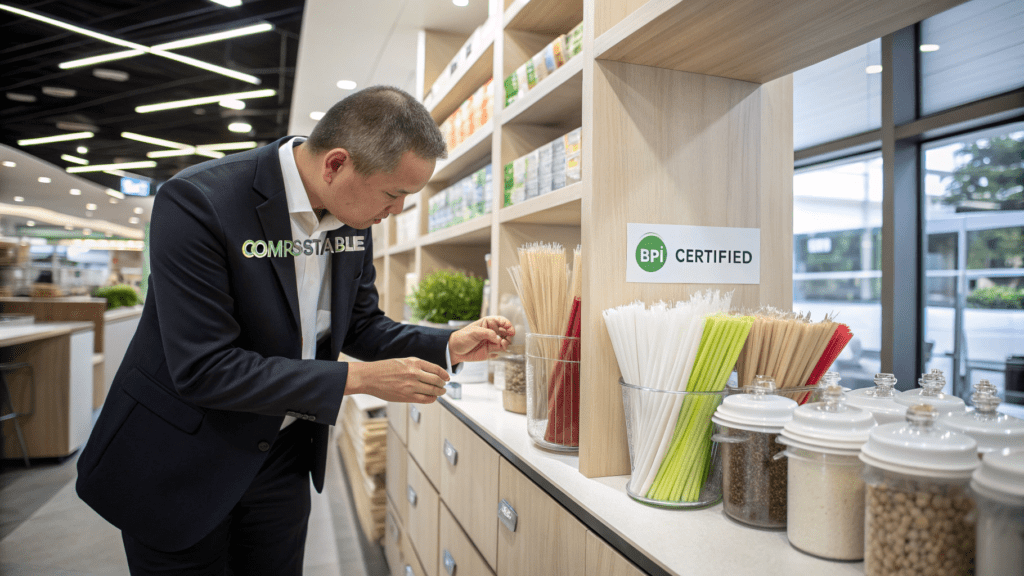
A strategic investment in cutting-edge boba straw solutions is far more than a mere operational expense; it’s a crucial step towards securing your market position, fostering unwavering customer loyalty, and ensuring long-term business resilience. Beyond compliance, this commitment opens doors for customized, branded sustainable straws that not only visually communicate your dedication to environmental responsibility but also profoundly enhance your brand identity. Imagine the impact of every boba drink served, not just as a delicious refreshment, but as a tangible statement of your brand’s values.
Your Next Step Towards a Greener Bubble Tea Future
- Schedule a Consultation: Contact us for a complimentary consultation to assess your current operational needs and explore tailored sustainable boba straw solutions that align seamlessly with your business goals and sustainability objectives.
- Download Our B2B Guide: Access our comprehensive B2B Guide to Sustainable Boba Packaging, providing in-depth material specifications, critical regulatory insights, and a detailed ROI analysis to inform your strategic decisions.
- Request Samples: Experience the quality and performance firsthand. Request samples of our innovative compostable and reusable boba straws to see how they uphold the premium experience your customers expect.
Embrace the future of bubble tea – a future that is both delightful and undeniably sustainable. Learn more about global sustainability initiatives atThe Guardian’s Environment section。