持続可能なストロー革命を乗り切る: ビジネスにとって素材が重要な理由
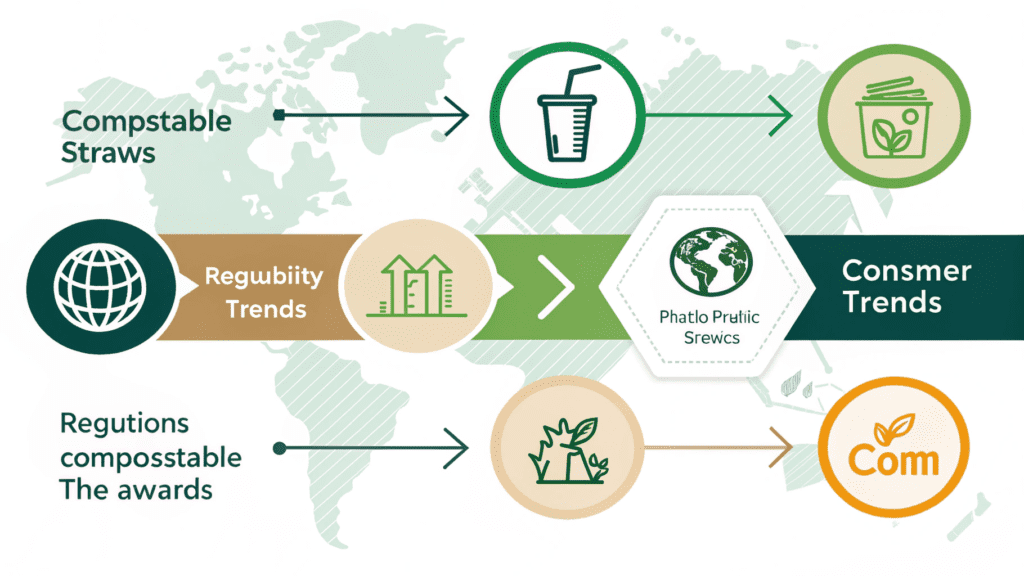
使い捨てプラスチックからの否定の余地のない動きにより、企業を取り巻く世界的な状況は、大きな変化を迎えています。この変化は単なるトレンドではありません。それは、環境に優しい製品に対する消費者の需要の高まり、EU や米国のさまざまな州で見られるような厳しい規制義務、そして企業の持続可能性に関する野心的な目標が融合したものです。これは、調達および運用チームにとって、複雑で混乱を招くことの多い市場の中で、真に効果的でコンプライアンスを遵守した堆肥化可能な代替品を特定するという重要な課題を提示しています。 「生分解性」ラベルを宣伝する多くの製品が実際には約束通りに分解しない可能性があるため、「グリーンウォッシング」という用語が深刻な懸念となっており、マーケティングの綿毛から本物の持続可能性を見分けようとしているB2Bバイヤーに大きな混乱をもたらしています。 「生分解性」と「堆肥化可能」などの用語の微妙な違いを理解することが最も重要です。もはやプラスチックを単に交換するだけでは十分ではありません。企業は、環境意識がますます高まる世界において、業務の完全性、規制順守を確保し、貴重なブランドの評判を守るために、情報に基づいた材料の選択を行う必要があります。
戦略的調達のための堆肥化可能なわらの状況を理解する
堆肥化可能なストローの現代の復活は、地球環境危機への直接的な対応です。チューブ入り飲料の起源は古代シュメールにまで遡りますが、1800 年代にはライ麦ストローが一般的に使用されましたが、それらは水浸しになりやすく、不快な味を与えました。 1888 年にマービン C. ストーンが紙ストローを発明したことは、今日のさまざまな環境に優しい選択肢の前身となる初期の解決策を提供しました。 20世紀半ばには、その低コストと耐久性によりプラスチックが主流となりましたが、プラスチックの破片に絡まった海洋生物の画像と、蔓延するマイクロプラスチックの問題が相まって、持続可能な代替品を求める世界的な動きが新たに促進されました。 2018年に使い捨てプラスチックストローを禁止したシアトルのような都市と、それに対する広範なEU指令は、この市場を推進している規制の圧力を浮き彫りにしている。
今日の市場では、植物ベースのポリマーと天然繊維に大別される、堆肥化可能なわら材料の中核となるカテゴリーが提供されています。植物由来のポリマーにはポリ乳酸 (PLA) やポリヒドロキシアルカノエート (PHA) が含まれ、天然繊維には紙、サトウキビ (バガス)、竹、米、小麦などの材料が含まれます。世界の環境に優しいストロー市場は単に成長しているだけではありません。 2035 年までに 251 億米ドル近くに達すると予測されており、この分野が堅調かつ急速に拡大していることを示しています。この成長は、環境意識の高まり、プラスチック規制の厳格化、業界全体での企業の社会的責任 (CSR) への取り組みの重視によって促進されています。主要な市場プレーヤーは継続的に革新を続けており、これらの持続可能なソリューションの成熟度と世界的な採用を示しています。たとえば、Huhtamaki Oyj や Vegware などの企業は堆肥化可能な包装エコシステムに大きく貢献しており、革新的な素材は、momoio.com、先進的な堆肥化可能な包装ソリューションなど。

適切な堆肥化可能なストローの選択: 材料に関する購入者向けの重要なガイド
ビジネスに最適な選択をするには、各材料の特性を深く掘り下げる必要があります。調達チームは、堆肥化可能なストローが何でできているかだけでなく、その性能、廃棄要件、特定の運用ニーズに対する全体的な適合性を理解する必要があります。
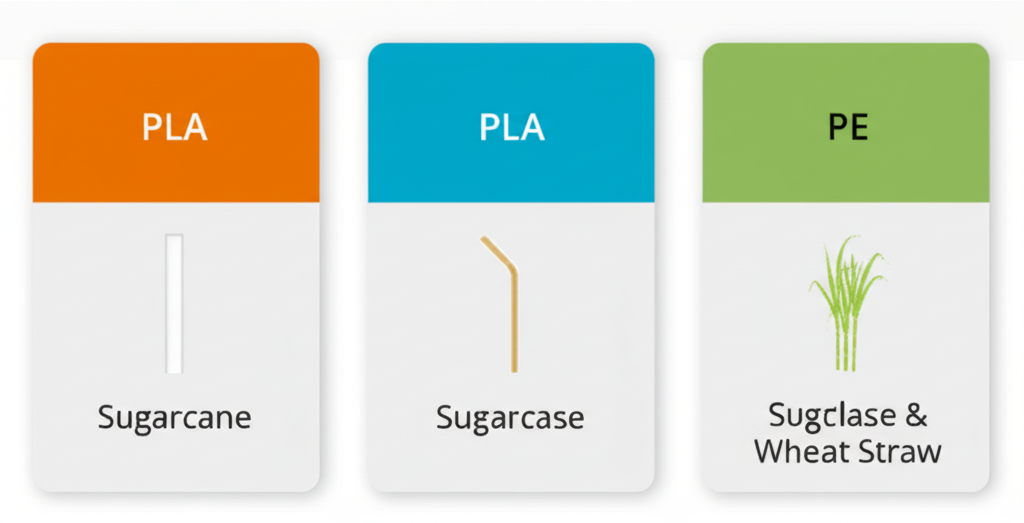
- ポリ乳酸 (PLA): コーンスターチやサトウキビなどの再生可能資源から作られた PLA ストローは、従来のプラスチックに似た感触を提供します。ただし、重要な注意点は、産業用堆肥化施設の要件であり、完全に分解するには通常 56 ~ 60°C の温度が必要です。これらの特定の条件がなければ、PLA は従来のプラスチック廃棄物と同様に埋め立て地に何百年も残留する可能性があります。
- ポリヒドロキシアルカノエート (PHA): 植物油または糖の発酵によって生成される PHA は、その堅牢な耐久性と、家庭で堆肥化可能で海洋分解可能であるという大きな利点で際立っています。これは、PHA ストローが広範囲の自然環境で効率的に分解でき、より多用途な廃棄プロファイルを提供できることを意味します。
- 紙: 木材パルプ、竹、またはバガスから作られた現代の紙ストローは、耐水性コーティングが進歩しています。以前のバージョンでは、ねっとり感が発生し、味が変わってしまうことがよくありましたが、新しいイノベーションは、これらのパフォーマンス上の課題を克服することを目指しています。 「永久化学物質」を避けるためには、PFAS フリーの紙ストローを調達することが重要です。
- Sugarcane (Bagasse) & Wheat Straw: これらの物質は農業廃棄物、特にサトウキビの搾り汁抽出や小麦収穫の繊維状副産物に由来します。それらは自然な丈夫さと優れた家庭での堆肥化可能性で知られており、真の循環経済の取り組みにとって非常に望ましいものとなっています。
戦略的な調達を支援するために、次の比較分析を検討してください。
| 特徴 | 人民解放軍 | PHA | 紙 | サトウキビ(バガス) |
|---|---|---|---|---|
| 一次情報源 | コーンスターチ、サトウキビ | 植物油、糖類 | 木材パルプ、竹、バガス | サトウキビ廃棄繊維 |
| 感触・見た目 | プラスチックのような | プラスチックのような | 紙・繊維 | 天然繊維、丈夫 |
| ホットリキッドスーツ。 | 高温で柔らかくなる | 高温耐性 | 変化します(柔らかくなる可能性があります) | 高温耐性 |
| 冷たい液体スーツ。 | 良い | 素晴らしい | 変化します(柔らかくなる可能性があります) | 素晴らしい |
| 廃棄要求 | 産業用堆肥化 (重要) | Home & Industrial, Marine Degradable | Home & Industrial (often wax-coated) | Home & Industrial |
| 耐久性 | 良好 (脆い場合があります) | 優れており、ねっとりしにくい | 状況により異なります(水っぽくなる場合があります) | 優れており、ねっとりしにくい |
| 味の中立性 | 概ね中立的 | 概ね中立的 | 紙の味を与えることができる | 中性 |
| PFAS リスク | 低い(通常はコーティングされない) | 非常に低い | より高い(一部のコーティング品種) | 低い |
| 一般的なコスト | 中程度から高程度 | 高い(しかし改善中) | 適度 | 適度 |
A significant concern for B2B buyers, particularly in Europe and the US, has been the “forever chemicals” (PFAS) controversy found in some paper straws. It’s vital to partner with suppliers who guarantee PFAS-free options. While PLA remains a popular choice, the critical need for proper composting infrastructure often limits its real-world environmental benefit. PHA, however, offers a more versatile degradation profile, addressing this challenge by decomposing in more accessible environments. Looking ahead, exciting future developments are underway, including seaweed-based straws, bacterial cellulose, and advanced starch-lignin straws. These innovations, like those highlighted in cutting-edge research, are paving the way for even more sustainable and higher-performing options that can meet the rigorous demands of commercial use. For an in-depth look at certifications, explore guides like this one onmomoio.com による BPI 認定。
持続可能なストロー調達で将来の事業を保証
Beyond mere compliance, choosing the right compostable straws offers tangible operational benefits. By selecting materials that avoid common issues like sogginess or taste alteration, businesses can significantly enhance the customer experience, thereby protecting and even elevating their brand image. This strategic shift is crucial for meeting escalating regulatory demands, particularly in markets with stringent plastic bans like many across the European Union and progressive US states, helping businesses avoid potential penalties or public relations crises. Furthermore, adopting truly compostable solutions strengthens your brand’s sustainability narrative, attracting the growing segment of eco-conscious consumers and partners who prioritize environmental responsibility. Find out more about how sustainable packaging aligns with your business goals atmomoio.com/blog/sustainable-packaging-guide。
Investing in advanced compostable straws is a powerful competitive differentiator. It positions your business as a leader in environmental stewardship, demonstrating a genuine commitment to a greener future. This move isn’t just about good optics; it’s about actively reducing landfill waste and supporting a circular economy, which aligns perfectly with broader corporate social responsibility goals and investor expectations. In the long term, this responsible sourcing can lead to direct cost savings through reduced waste disposal fees and an improved public perception that translates into increased customer loyalty and market share. Recent reports from research firms like Future Market Insights confirm the robust growth of the eco-friendly straw market, underscoring the strategic advantage available to early adopters. This commitment to sustainability is increasingly influencing consumer choices, as demonstrated by reports from organizations like the National Retail Federation detailing the rise of conscious consumerism.

Secure Your Sustainable Straw Supply: Make an Informed Choice Today
The journey toward fully sustainable operations is complex, and selecting the optimal compostable straw material for your specific business needs is a critical step. Move beyond generic “biodegradable” claims and focus on certified compostable materials with proven performance that align with both your brand values and the practical realities of disposal. Don’t let uncertainty derail your sustainability efforts.